Productivity Best in category 6 results Data Collection AI Tool

Popular AI tools in the Data Collection field of Productivity include Redrob、Roundtable、PixtaAI、Soniva、Indie Polls、dezan, etc., helping you quickly improve efficiency.

Indie Polls

Indie Polls

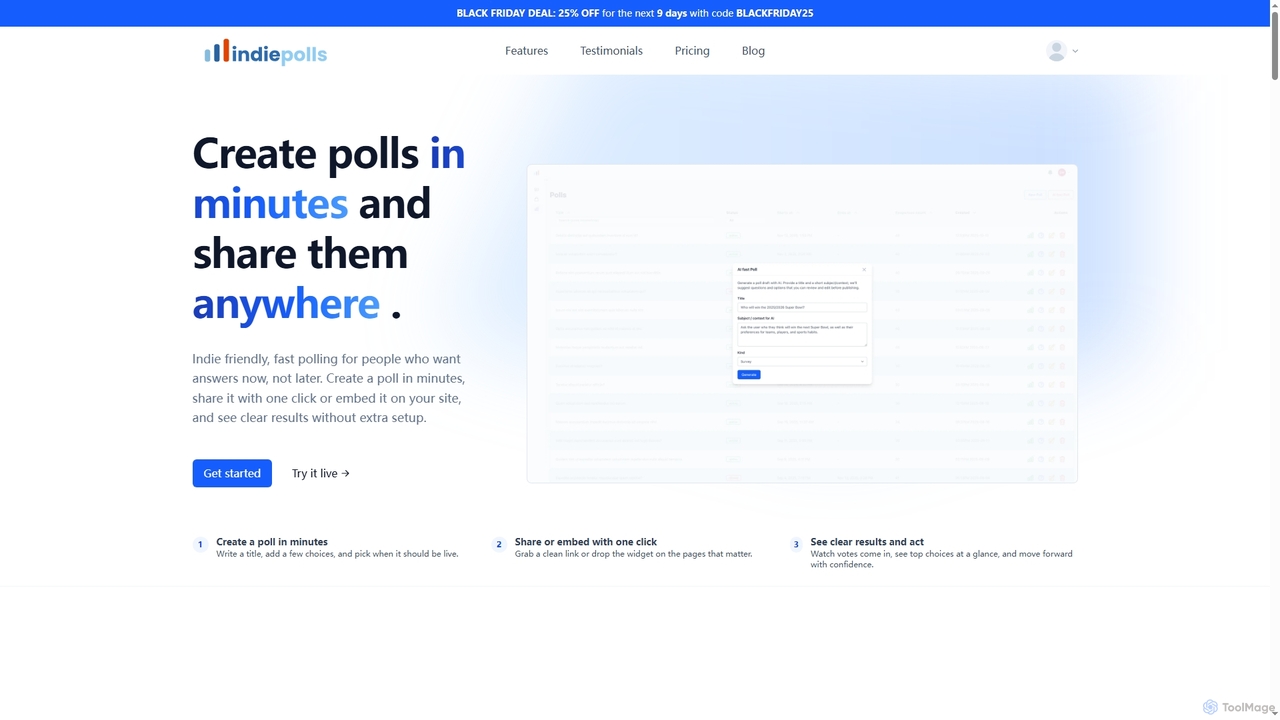
Indie Polls is a fast, lightweight, and privacy-friendly online polling tool designed for indie hackers, product teams, and …

2.5K
dezan

dezan

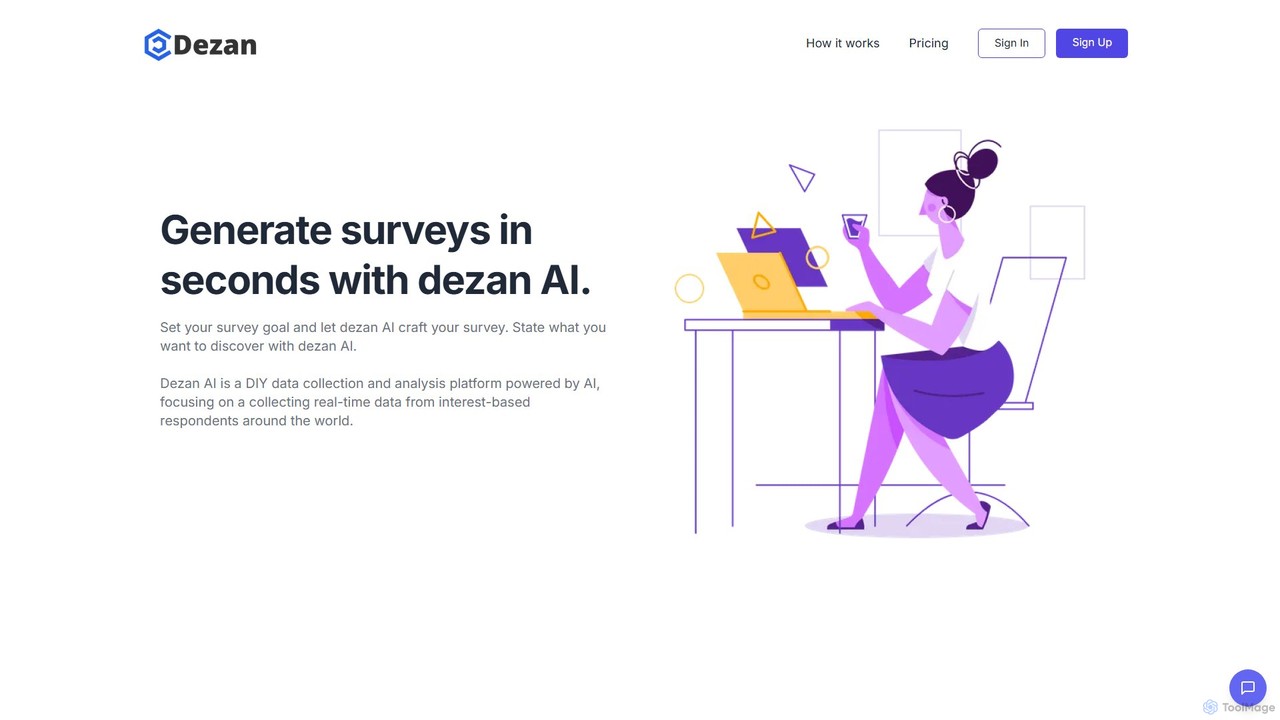
dezan is an AI-powered platform that enables users to generate targeted surveys in seconds. It automates the entire …

2.4K
Redrob

Redrob

Redrob is an AI-powered professional network platform designed to help businesses find and connect with global talent, sales …

83.5K
Roundtable

Roundtable

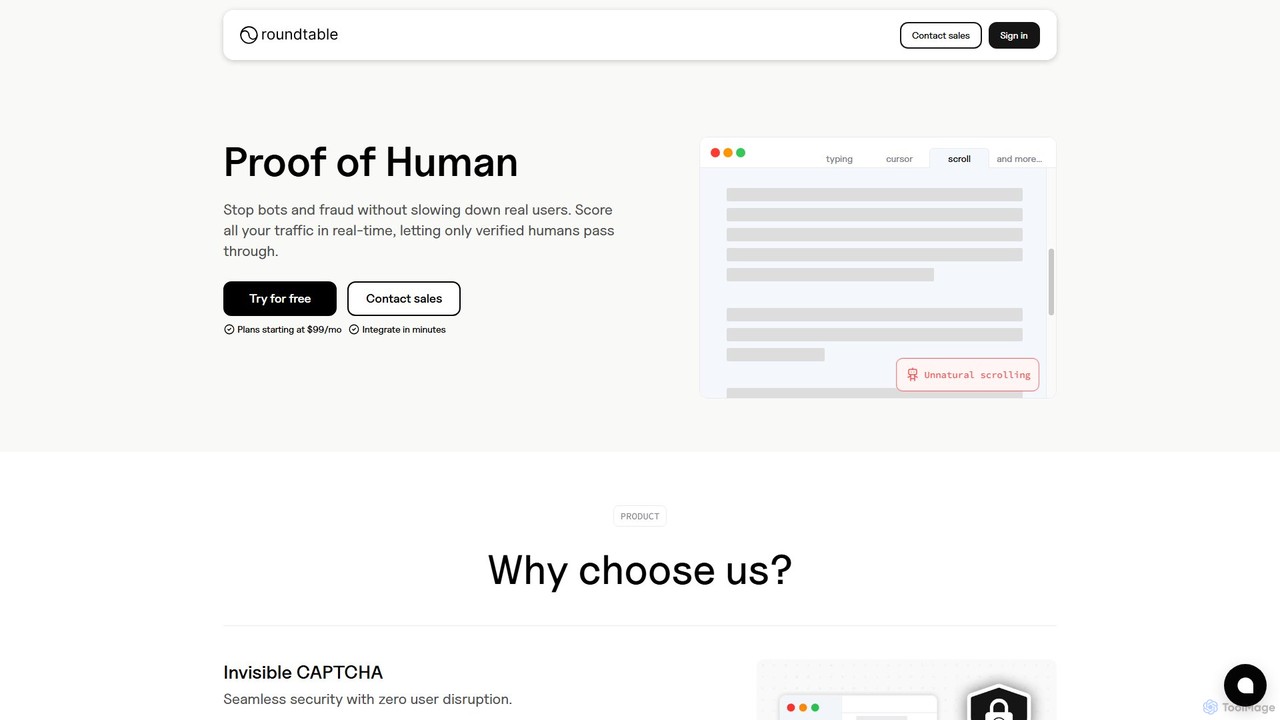
Roundtable is an AI-powered security platform that offers an invisible, privacy-first alternative to CAPTCHA. It uses continuous behavioral …

17.4K
Soniva

Soniva

Soniva is an AI-powered "Interviewer as a Service" that transforms traditional surveys and interviews into natural, engaging voice …

4.5K
PixtaAI

PixtaAI

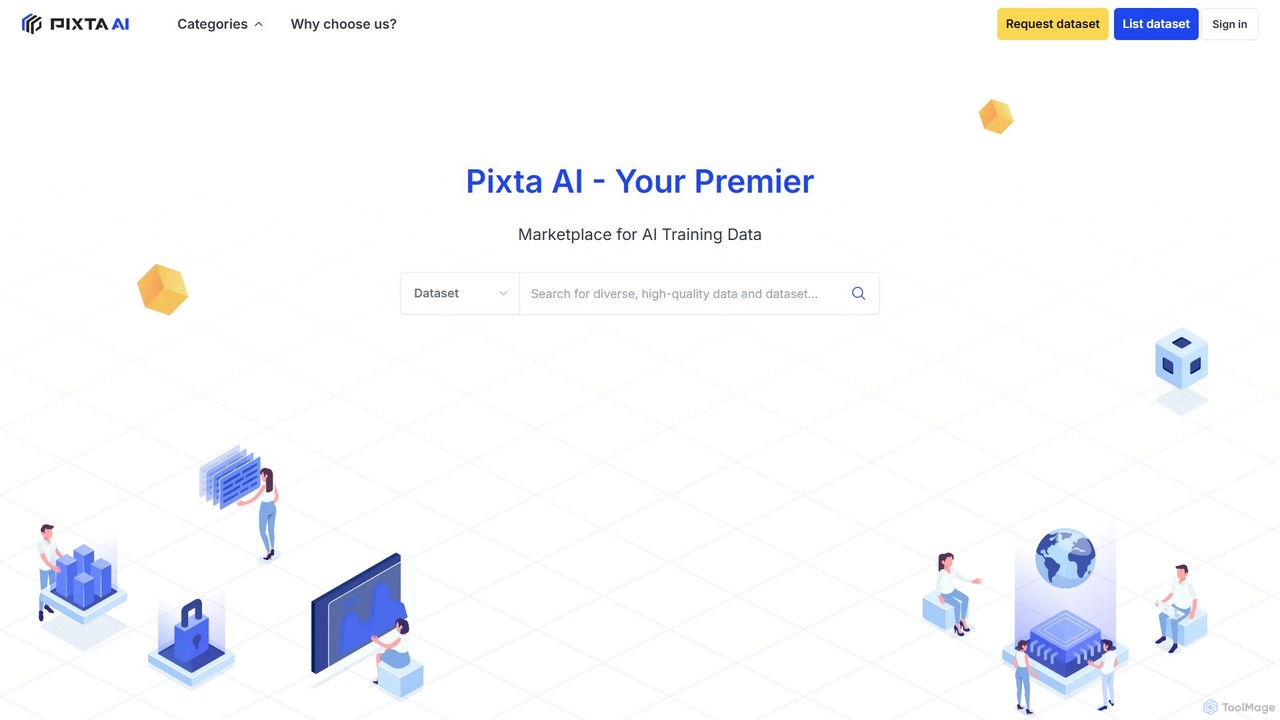
PixtaAI is a premier marketplace for high-quality AI training data. It connects AI developers and companies with top …

5.2K

About Data Collection

AI Data Collection tools are a specialized category of productivity software that automates the extraction of structured information from diverse sources. Leveraging technologies like machine learning, natural language processing (NLP), and computer vision, these tools intelligently identify, gather, and organize data from websites, documents, and images. They significantly accelerate research and analysis by transforming unstructured content into ready-to-use datasets. This approach goes beyond simple scraping by understanding context and handling complex data formats with high accuracy.

Core Features

  • Intelligent Web Scraping: Automatically extracts specific data points like prices, reviews, and contact details from complex web pages.
  • Document Data Extraction: Uses Optical Character Recognition (OCR) and NLP to pull structured information from PDFs, invoices, and contracts.
  • Automated Data Structuring: Cleans and organizes raw data into structured formats like CSV, JSON, or database-ready tables.
  • Natural Language Querying: Allows users to specify data needs using plain language commands instead of complex code.
  • Anti-Blocking Mechanisms: Employs techniques like proxy rotation and CAPTCHA solving to ensure reliable data gathering.

Use Cases

These tools are widely used in market research for competitor analysis, in sales for automated lead generation, and in finance for aggregating market data. E-commerce businesses use them to monitor pricing and product catalogs, while researchers use them to compile large-scale datasets from academic journals and public records.

How to Choose

When selecting an AI Data Collection tool, consider the types of data sources you need to access (websites, documents, APIs). Evaluate its scalability for large-volume tasks, the ease of use (no-code vs. developer-focused), and the quality of its data structuring and export capabilities. Also, assess its robustness in handling anti-scraping technologies.

Data CollectionUse Cases

1

Automate Competitor Price Monitoring

E-commerce managers and market analysts use AI data collection tools to systematically track competitor pricing across hundreds of websites. Instead of manually checking pages, they can set up automated agents to visit specific product URLs daily, extract the current price, stock availability, and promotional offers. The tool then structures this data into a dashboard or spreadsheet, enabling real-time competitive analysis, dynamic pricing strategy adjustments, and identification of market trends without manual effort.

2

Streamline Sales Lead Generation

Sales and business development teams leverage these tools to build targeted lead lists automatically. They can define criteria such as industry, company size, and job titles, and the AI tool will scan professional networks, business directories, and corporate websites to extract relevant contact information like names, email addresses, and phone numbers. This process transforms a time-consuming manual task into an efficient, automated workflow, allowing sales teams to focus on outreach rather than prospecting.

3

Aggregate Financial Data for Analysis

Financial analysts and investment firms employ AI data collection tools to gather vast amounts of data for market models and reports. These tools can extract historical stock prices, quarterly earnings reports from SEC filings (PDFs), and breaking news from financial portals. By automating the collection and structuring of this information from multiple sources, analysts can feed clean, up-to-date data directly into their analytical platforms, improving the accuracy and timeliness of their forecasts.

4

Build Datasets for Machine Learning Training

Data scientists and machine learning engineers require large, high-quality datasets to train AI models. AI data collection tools are essential for this process, enabling the automated gathering of images, text, or other data from the web. For example, a tool can be configured to download thousands of product images from e-commerce sites for an image recognition model or collect customer reviews to train a sentiment analysis algorithm, drastically reducing the time spent on data acquisition.

5

Conduct Large-Scale Academic Research

Researchers in social sciences, humanities, and other fields use these tools to compile comprehensive datasets for their studies. They can automate the collection of articles from academic databases, public comments from government websites, or social media posts related to a specific topic. This allows for meta-analyses and large-scale textual analysis that would be infeasible to perform manually, enabling new research possibilities and more robust findings.

6

Extract Information from Legal and Real Estate Documents

Professionals in legal and real estate sectors use AI tools to extract key information from large volumes of documents. For instance, a tool can scan hundreds of PDF property deeds to pull out details like owner names, transaction dates, and property values. Similarly, it can process legal contracts to identify specific clauses, dates, and party names. This automation minimizes manual review, reduces human error, and accelerates due diligence and data management processes.

Data CollectionFrequently Asked Questions