Nex AI
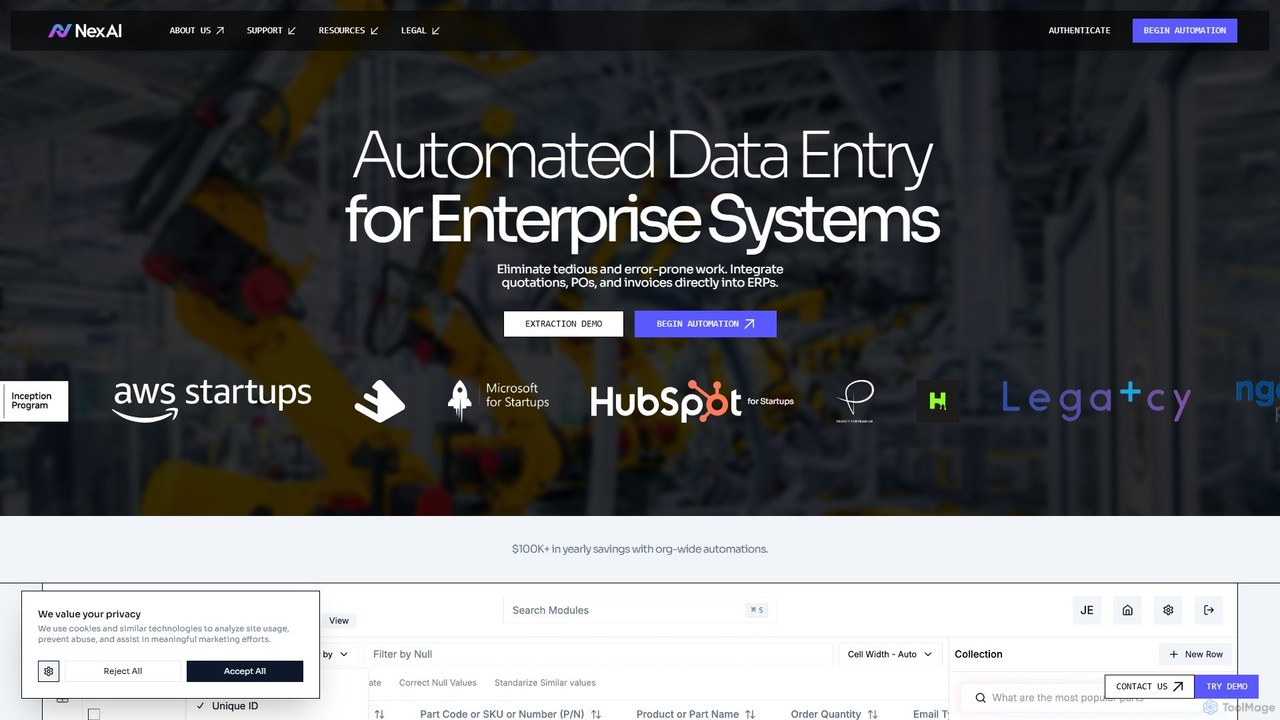
Nex AI is an enterprise-grade AI platform that automates data entry by extracting information from documents like quotations, …
Nex AI is an enterprise-grade AI platform that automates data entry by extracting information from documents like quotations, POs, and invoices, and integrating it directly into ERP systems. It's designed for industries like manufacturing, healthcare, and education to eliminate manual work, reduce errors, and enhance operational efficiency.
BringTable
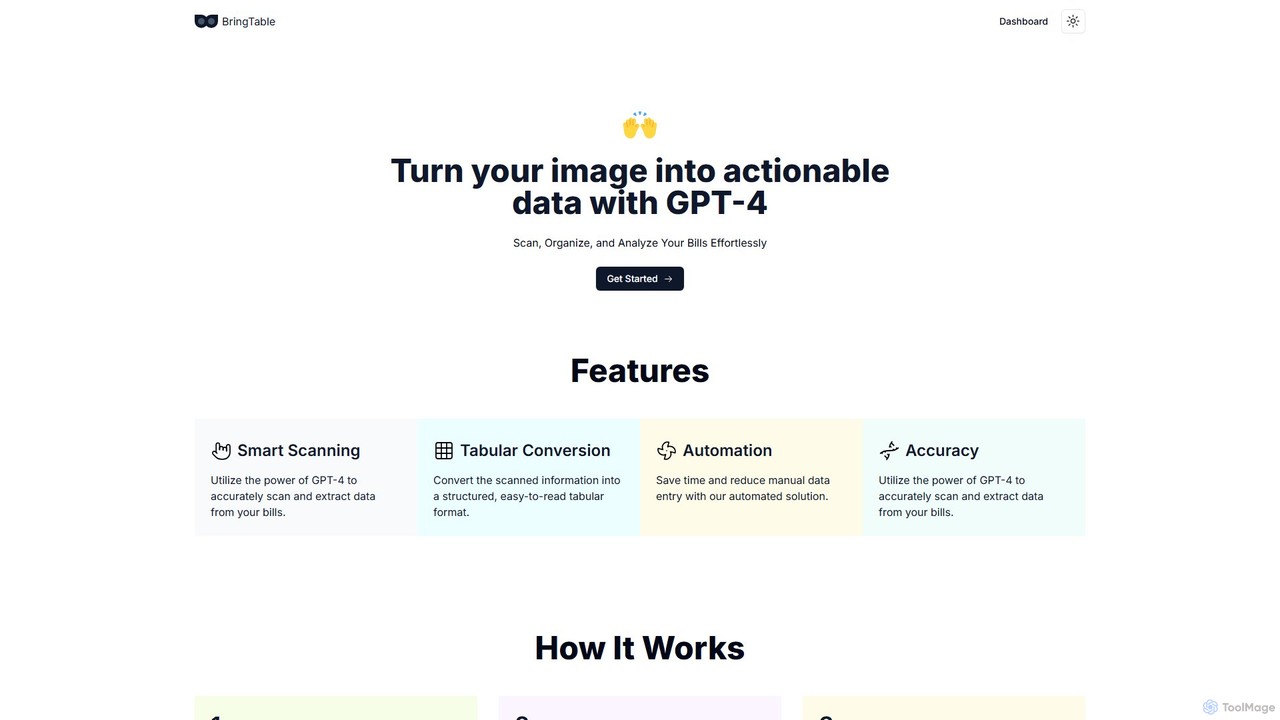
BringTable is an AI-powered tool that leverages GPT-4 to scan bills, invoices, and receipts, automatically extracting data and …
BringTable is an AI-powered tool that leverages GPT-4 to scan bills, invoices, and receipts, automatically extracting data and converting it into structured, actionable tables. Effortlessly organize and analyze your financial documents, saving time and eliminating manual data entry.
Img2Sheet
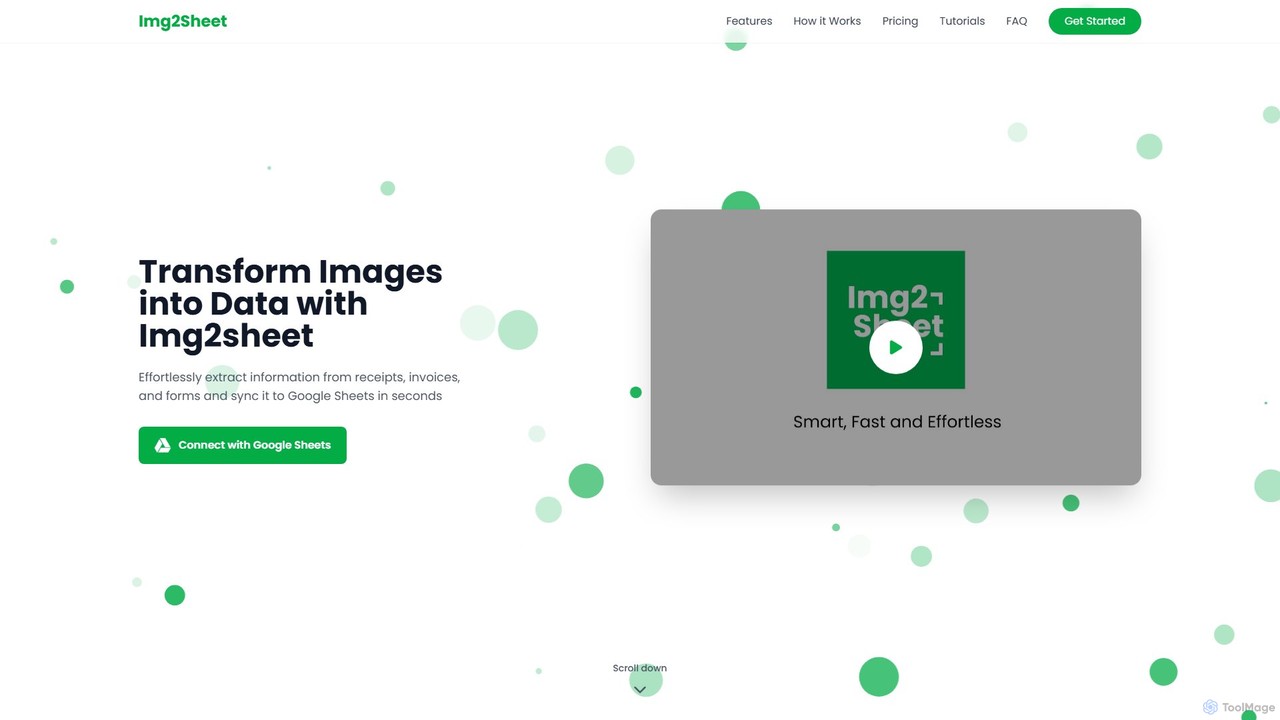
Img2Sheet is an AI-powered tool that automates data extraction from images like receipts, invoices, and forms, syncing the …
Img2Sheet is an AI-powered tool that automates data extraction from images like receipts, invoices, and forms, syncing the information directly into Google Sheets. It eliminates manual data entry, saves time, and increases accuracy with a simple, pay-per-use model.
About Data Entry
Data Entry tools are AI-powered solutions designed to automate the extraction, transformation, and input of information from diverse sources into structured systems. Leveraging technologies like Optical Character Recognition (OCR), Natural Language Processing (NLP), and machine learning, these tools significantly reduce manual effort and accelerate data processing. They are crucial for businesses aiming to improve accuracy, efficiency, and scalability in their information management workflows, contributing directly to overall productivity.
Core Features
- Automated Data Extraction: Automatically pulls specific data points from unstructured or semi-structured documents (invoices, receipts, forms).
- Optical Character Recognition (OCR): Converts scanned documents, images, and PDFs into editable and searchable text, enabling digital data entry.
- Natural Language Processing (NLP): Understands and processes human language to extract context, entities, and sentiment from text data for intelligent input.
- Data Validation & Cleansing: Checks extracted data for accuracy, consistency, and completeness, often correcting errors automatically before entry.
- Integration Capabilities: Seamlessly connects with existing databases, CRM, ERP, and other business systems for direct, automated data input.
Use Cases
Organizations across finance, healthcare, logistics, and e-commerce utilize AI data entry tools to streamline operations. For instance, a finance department can automate invoice processing, while a healthcare provider can digitize patient records. These tools are essential for any business dealing with high volumes of repetitive data handling, transforming manual tasks into efficient, automated workflows.
How to Choose
When selecting a Data Entry AI tool, consider its accuracy rates for your specific data types, the range of document formats it supports, and its integration capabilities with your existing software. Evaluate the scalability to handle varying data volumes and the level of customization offered for specific extraction rules. Finally, assess the security features and compliance with data protection regulations to ensure reliable and secure data handling.

Data EntryUse Cases
Automating Invoice Processing for Finance Teams
Finance departments can leverage AI Data Entry tools to automatically extract vendor details, line items, amounts, and dates from incoming invoices. This reduces manual input errors, accelerates the approval and payment cycles, and ensures compliance with accounting standards. By automating this repetitive task, finance professionals can reallocate their time to more strategic financial analysis and planning.
Digitizing Patient Records in Healthcare
Healthcare providers utilize AI Data Entry tools to convert scanned medical charts, lab results, and patient intake forms into structured electronic health records (EHRs). This ensures quick data accessibility for medical staff, improves diagnostic accuracy, and enhances compliance with privacy regulations like HIPAA. The automation significantly reduces the administrative burden on healthcare professionals, allowing them to focus more on patient care.
Streamlining E-commerce Product Listings
Online retailers employ AI Data Entry to extract product specifications, descriptions, and pricing from supplier catalogs, competitor websites, or internal databases. This facilitates rapid and accurate product data population for their online stores, enabling faster time-to-market for new products and consistent information across all sales channels. It significantly reduces the manual effort involved in managing extensive product inventories.
Expediting Customer Onboarding for Financial Services
Financial institutions and service providers use AI Data Entry to quickly process new customer application forms, ID documents, and Know Your Customer (KYC) information. By automating the extraction and validation of critical data from various documents, these tools significantly reduce onboarding time, improve data accuracy, and enhance compliance with regulatory requirements. This leads to a smoother customer experience and faster service activation.
Managing Logistics & Shipping Documents
Logistics companies utilize AI Data Entry to extract critical information from bills of lading, customs declarations, shipping manifests, and delivery receipts. This automation improves tracking accuracy, accelerates cargo clearance processes, and reduces delays caused by manual data errors. It allows for more efficient supply chain management and better resource allocation, enhancing overall operational speed and reliability.
Extracting Research Data from Publications
Researchers and analysts in academia or corporate settings use AI Data Entry tools to automatically pull specific data points, statistics, and findings from academic papers, reports, and articles. This significantly speeds up literature reviews, data synthesis, and competitive analysis, allowing experts to focus on interpreting results rather than tedious manual data collection. It enhances the efficiency and scope of research projects.