Productivity Best in category 5 results Enterprise Solutions AI Tool

Popular AI tools in the Enterprise Solutions field of Productivity include HUMAIN、Aleph Alpha、FlowForma、Vertesia、Wiserep, etc., helping you quickly improve efficiency.

Wiserep

Wiserep

Wiserep is an enterprise-grade AI call center software that transforms customer service with human-like, multilingual AI assistants. It …

3.0K
FlowForma

FlowForma

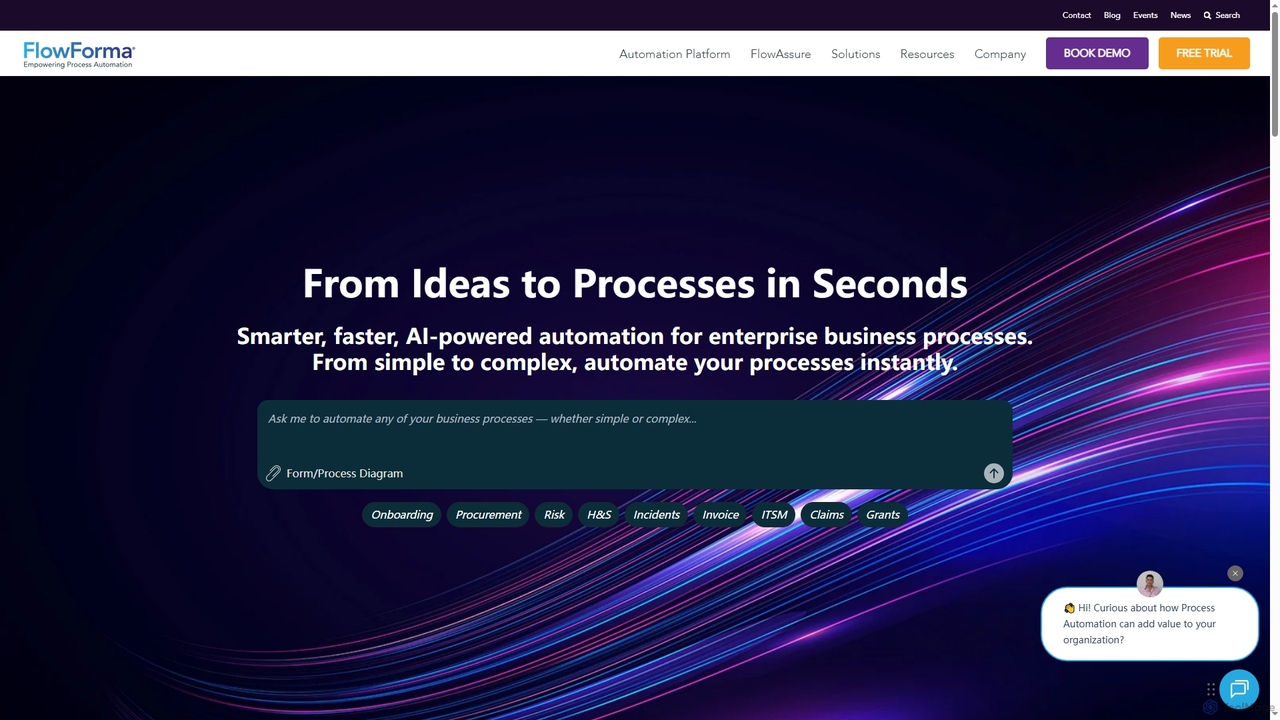
FlowForma is an AI-powered Digital Process Automation (DPA) platform designed for enterprises to rapidly automate business processes. It …

33.4K
Vertesia

Vertesia

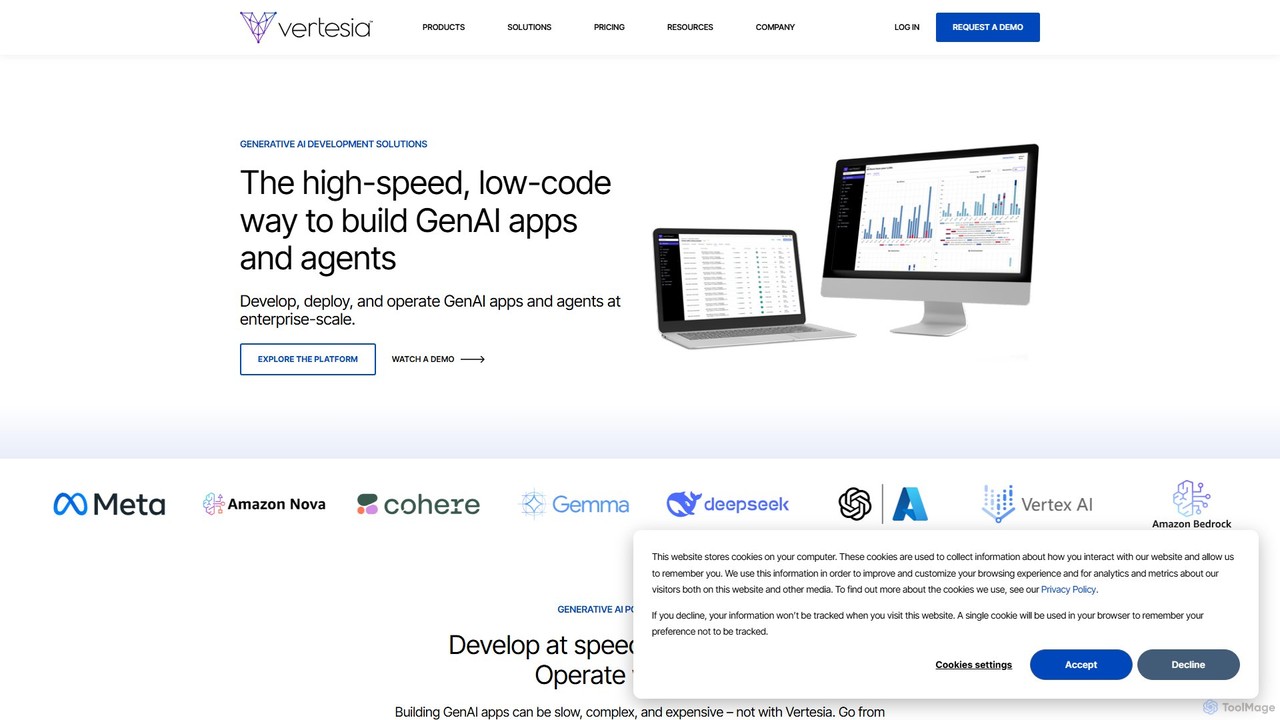
Vertesia is a high-speed, low-code generative AI development platform for enterprises. It enables businesses to rapidly build, deploy, …

9.7K
Aleph Alpha

Aleph Alpha

Aleph Alpha is a leading European AI company providing sovereign, explainable, and trustworthy generative AI solutions. Its PhariaAI …

60.4K
HUMAIN

HUMAIN

HUMAIN is a global, end-to-end AI value-chain provider based in Saudi Arabia. It delivers a full stack of …

81.5K

About Enterprise Solutions

AI Enterprise Solutions are comprehensive platforms designed to integrate artificial intelligence into large-scale business operations. These tools are built on robust architectures that prioritize security, scalability, and seamless integration with existing corporate systems. They enable organizations to automate complex workflows, derive insights from vast datasets, and deploy custom AI models securely across departments. As a specialized category of productivity tools, they focus on providing centralized control and compliance, distinguishing them from tools designed for individual or small team use.

Core Features

  • Scalability & Performance: Engineered to handle high volumes of users, data, and requests without performance degradation.
  • Advanced Security & Compliance: Includes features like single sign-on (SSO), role-based access control (RBAC), and compliance with standards like GDPR and SOC 2.
  • Integration & API Access: Offers robust APIs and connectors to integrate with core business systems such as CRM, ERP, and data warehouses.
  • Centralized Administration: Provides a central dashboard for IT administrators to manage users, monitor usage, and enforce policies.
  • Customization & Fine-Tuning: Allows for the training and deployment of AI models using proprietary company data for tailored solutions.

Use Cases

AI Enterprise Solutions are widely adopted in regulated industries like finance, healthcare, and manufacturing. They are utilized by IT departments for governance, data science teams for building custom models, and business units for automating tasks like customer support, supply chain management, and financial analysis. For example, a bank might deploy an enterprise solution to automate fraud detection across millions of transactions daily.

How to Choose

When selecting an AI Enterprise Solution, evaluate its integration capabilities with your existing tech stack. Scrutinize its security certifications and data handling policies to ensure they meet your industry's compliance requirements. Assess the platform's scalability and the total cost of ownership (TCO), including implementation and support. Finally, consider the level of customization and the quality of dedicated technical support and service-level agreements (SLAs) offered.

Enterprise SolutionsUse Cases

1

Automated Customer Service at Scale

A large e-commerce company uses an AI enterprise solution to power its customer support. The platform integrates with their CRM and inventory systems, allowing a fleet of AI chatbots to handle thousands of concurrent customer inquiries across their website and mobile app. These bots can answer order status questions, process returns, and provide personalized product recommendations. For complex issues, the AI seamlessly transfers the conversation, along with the full context, to a human agent. This reduces response times from minutes to seconds and allows human agents to focus on high-value interactions.

2

Intelligent Document Processing for Finance

A global financial institution implements an AI enterprise solution to automate invoice and contract processing. Employees upload thousands of documents daily, and the AI system uses Optical Character Recognition (OCR) and Natural Language Processing (NLP) to extract key information like vendor names, amounts, and payment terms. The platform validates this data against internal databases, flags discrepancies for human review, and routes approved invoices for payment. This centralized system ensures compliance with financial regulations, reduces manual data entry errors by over 95%, and accelerates the accounts payable cycle.

3

Enterprise-Wide Secure Knowledge Management

A multinational consulting firm deploys an AI enterprise solution to create a centralized knowledge base. The system securely connects to and indexes data from various sources like SharePoint, Confluence, and internal reports. It respects existing access permissions, ensuring employees only see information they are authorized to view. Consultants can ask complex questions in natural language, such as 'Find case studies on supply chain optimization in the automotive sector from the last two years.' The AI provides precise answers with source citations, dramatically reducing research time and promoting knowledge sharing across the organization.

4

Predictive Maintenance in Manufacturing

A large manufacturing company uses an AI enterprise solution to monitor its production line machinery. The platform collects and analyzes real-time data from IoT sensors on the equipment, tracking variables like temperature, vibration, and output. By training models on historical performance and failure data, the system can predict potential equipment failures before they occur. It automatically generates maintenance alerts and work orders in the company's ERP system, allowing for proactive repairs. This approach minimizes costly unplanned downtime and extends the lifespan of critical machinery.

5

Secure Code Generation for Development Teams

A technology company provides its software development teams with an AI enterprise coding assistant. This solution is deployed within the company's private cloud, ensuring that proprietary source code and intellectual property never leave their secure environment. Developers use the AI to generate boilerplate code, write unit tests, debug complex issues, and translate code between languages. The centralized administration allows the company to manage access, monitor usage for compliance, and fine-tune the model on their internal codebases to provide more relevant and accurate suggestions, accelerating the development lifecycle securely.

6

Automating HR Recruitment Workflows

The HR department of a large corporation uses an AI enterprise solution to streamline its hiring process. The platform integrates with their applicant tracking system (ATS) to automatically screen thousands of resumes against job descriptions, identifying and shortlisting the most qualified candidates. It can also schedule interviews by coordinating calendars between candidates and hiring managers, and use chatbots to answer common applicant questions. This automation frees up HR personnel from repetitive administrative tasks, allowing them to focus on strategic activities like candidate engagement and conducting in-depth interviews.

Enterprise SolutionsFrequently Asked Questions