Productivity Best in category 4 results Event Planning AI Tool

Popular AI tools in the Event Planning field of Productivity include Concerty、thebigfoot、designmybingo、Thoughtful Post, etc., helping you quickly improve efficiency.

Thoughtful Post

Thoughtful Post

Thoughtful Post is an AI-powered platform designed to help you nurture relationships by never missing an important occasion. …

2.8K
Free
Concerty

Concerty

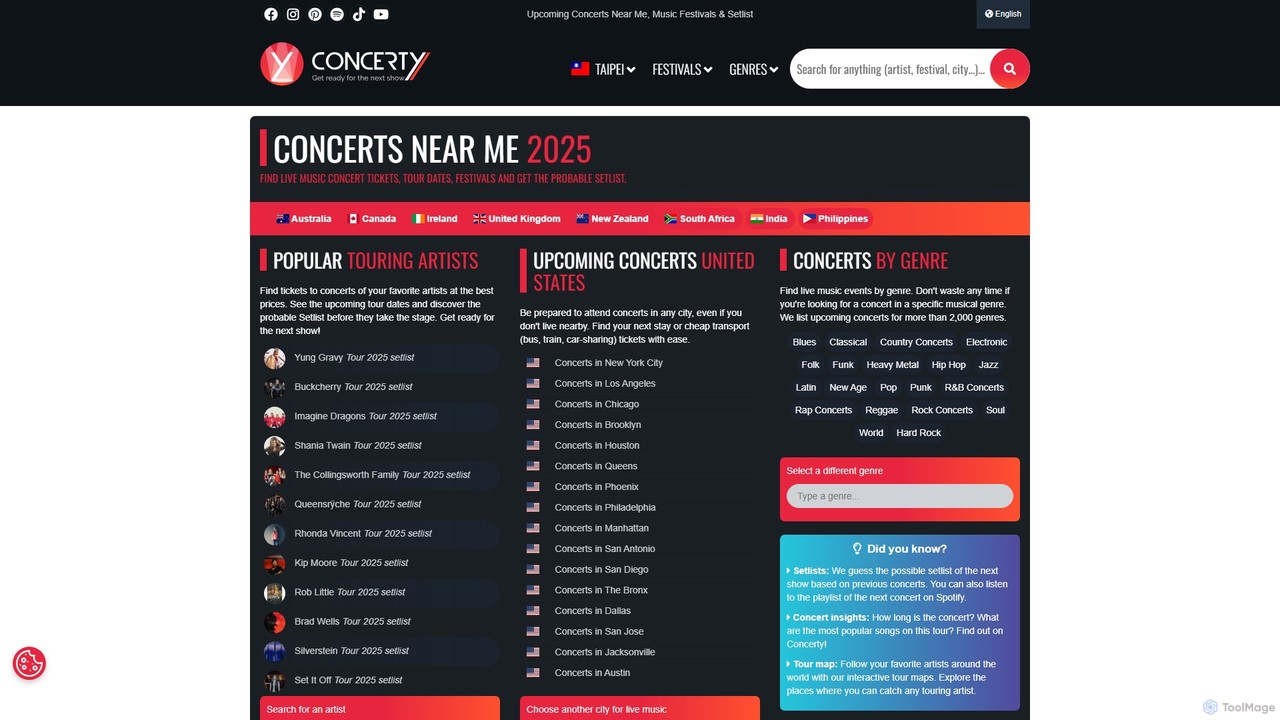
Concerty is a global platform for discovering upcoming concerts, music festivals, and tour dates. It uniquely uses AI …

348.7K
Free
thebigfoot

thebigfoot

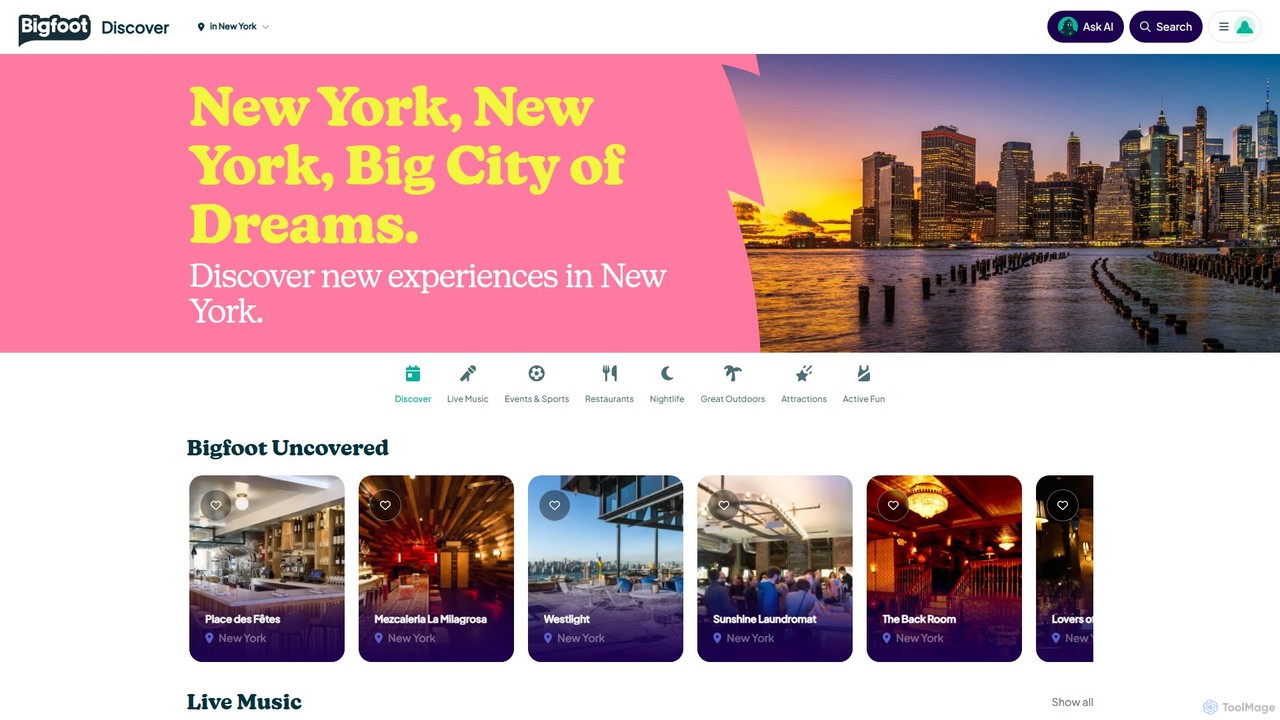
thebigfoot is an AI-powered local discovery platform that acts as your personal city guide. It helps you uncover …

5.4K
designmybingo

designmybingo

designmybingo is an AI-powered platform for creating custom bingo cards for any event. Generate unique content for squares …

2.9K

About Event Planning

Event Planning AI tools are specialized platforms that leverage artificial intelligence to streamline and automate various aspects of event organization. These tools utilize AI algorithms for tasks such as scheduling, resource allocation, attendee management, and personalized communication. They aim to enhance efficiency, reduce manual workload, and improve the overall attendee experience for conferences, workshops, and social gatherings.

Core Features

  • Automated Scheduling: Optimizes timelines, task assignments, and resource booking for complex event logistics.
  • Attendee Management: Handles registrations, ticketing, check-ins, and personalized communication with participants.
  • Budget Tracking & Forecasting: Monitors expenses in real-time, provides financial insights, and predicts future costs.
  • Personalized Engagement: Delivers tailored content, recommendations, and networking opportunities to attendees.
  • Venue & Vendor Matching: Suggests suitable locations and service providers based on specific event criteria and budget.

Applicable Scenarios

Event planners, marketing teams, and corporate administrators frequently use these tools to manage diverse events, from small workshops to large-scale conferences. For instance, a corporate event planner can automate the invitation process and track RSVPs for an annual summit. Marketing teams leverage AI to personalize content delivery for virtual attendees of a product launch webinar, while festival organizers use it for real-time budget control.

How to Choose

When selecting an Event Planning AI tool, consider its integration capabilities with existing CRM or marketing platforms, the scope of event types it supports (e.g., virtual, hybrid, in-person), its scalability for different event sizes, and the level of AI-driven personalization offered. Evaluate user-friendliness, data security, and customer support for seamless adoption and compliance.


Event PlanningUse Cases

1

Automating Conference Registration & Check-in

A large conference organizer uses AI tools to manage thousands of attendee registrations, process payments, and generate personalized e-tickets. On the event day, AI-powered facial recognition or QR code scanning systems facilitate rapid check-ins, reducing queues and improving the initial attendee experience. This streamlines logistics and provides real-time attendance data, saving staff hours.

2

Personalizing Attendee Experience for Virtual Summits

For a virtual industry summit, marketing teams employ AI to analyze attendee profiles and past interactions. The AI then recommends relevant sessions, networking opportunities, and sponsor content, ensuring each participant receives a tailored experience. This increases engagement and perceived value, leading to higher satisfaction rates and improved retention for future events.

3

Optimizing Venue & Vendor Selection

An event manager planning a gala dinner inputs specific requirements like guest count, budget, location, and desired ambiance. AI tools analyze vast databases of venues and vendors, comparing features, availability, and pricing to present a curated list of optimal choices. This significantly cuts down research time and ensures best-fit selections, leading to more successful event outcomes.

4

Streamlining Event Marketing & Communication

Marketing professionals utilize AI to craft and schedule personalized email campaigns, social media posts, and push notifications for upcoming events. The AI can segment audiences based on interests and engagement patterns, delivering targeted messages that boost registration rates and keep attendees informed before, during, and after the event, enhancing overall outreach effectiveness.

5

Real-time Budget Management for Festivals

A festival organizer employs AI-powered financial tools to track all expenditures, from artist fees to security costs, against the allocated budget in real-time. The AI identifies potential overspends or areas for cost-saving, providing immediate alerts and financial projections. This ensures the event stays within financial limits and maximizes profitability, crucial for large-scale, multi-vendor events.

6

Post-Event Feedback Analysis & Reporting

After a corporate workshop, AI tools automatically collect and analyze attendee feedback from surveys, social media mentions, and session engagement data. The AI identifies key sentiment trends, highlights areas for improvement, and generates comprehensive reports, providing actionable insights for planning future events and demonstrating ROI to stakeholders effectively.

Event PlanningFrequently Asked Questions