Productivity Best in category 5 results Generative Ai AI Tool

Popular AI tools in the Generative Ai field of Productivity include Google Labs、Google DeepMind、Rollout AI、mancer、EasyPrompt Library, etc., helping you quickly improve efficiency.

Free
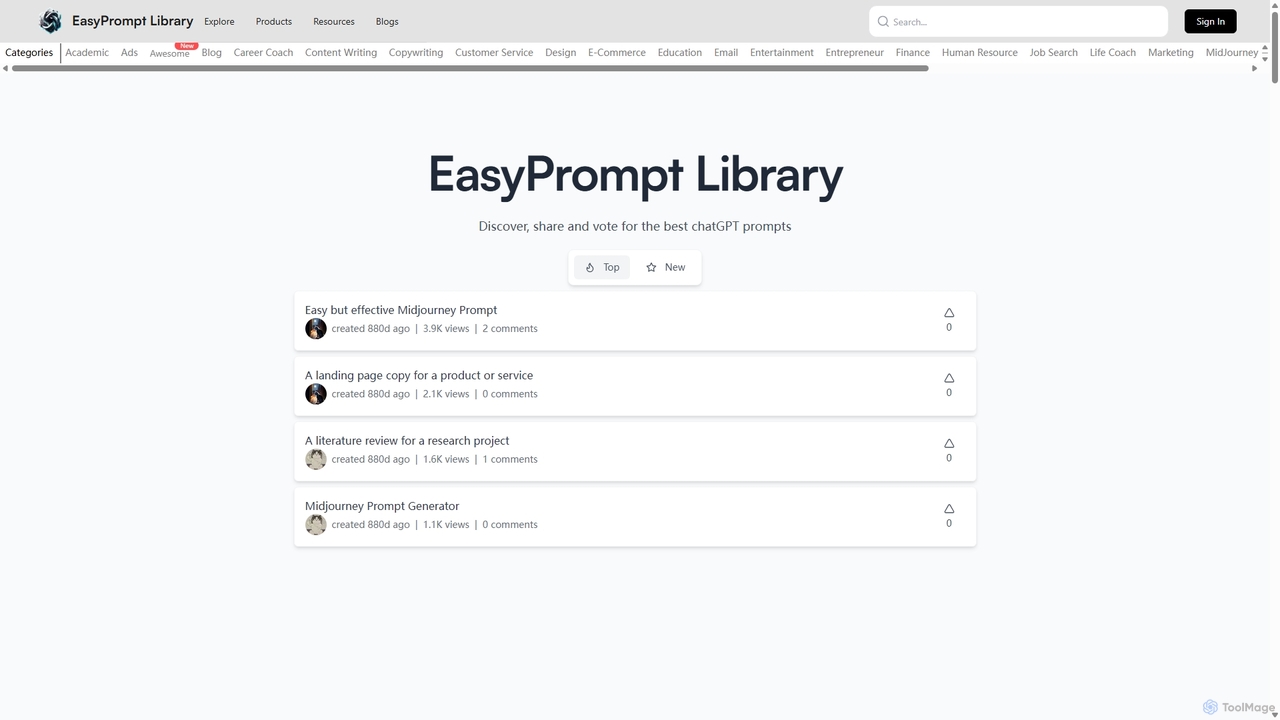
EasyPrompt Library

EasyPrompt Library

A community-driven platform to discover, share, and vote on the best prompts for AI models like ChatGPT and …

2.9K
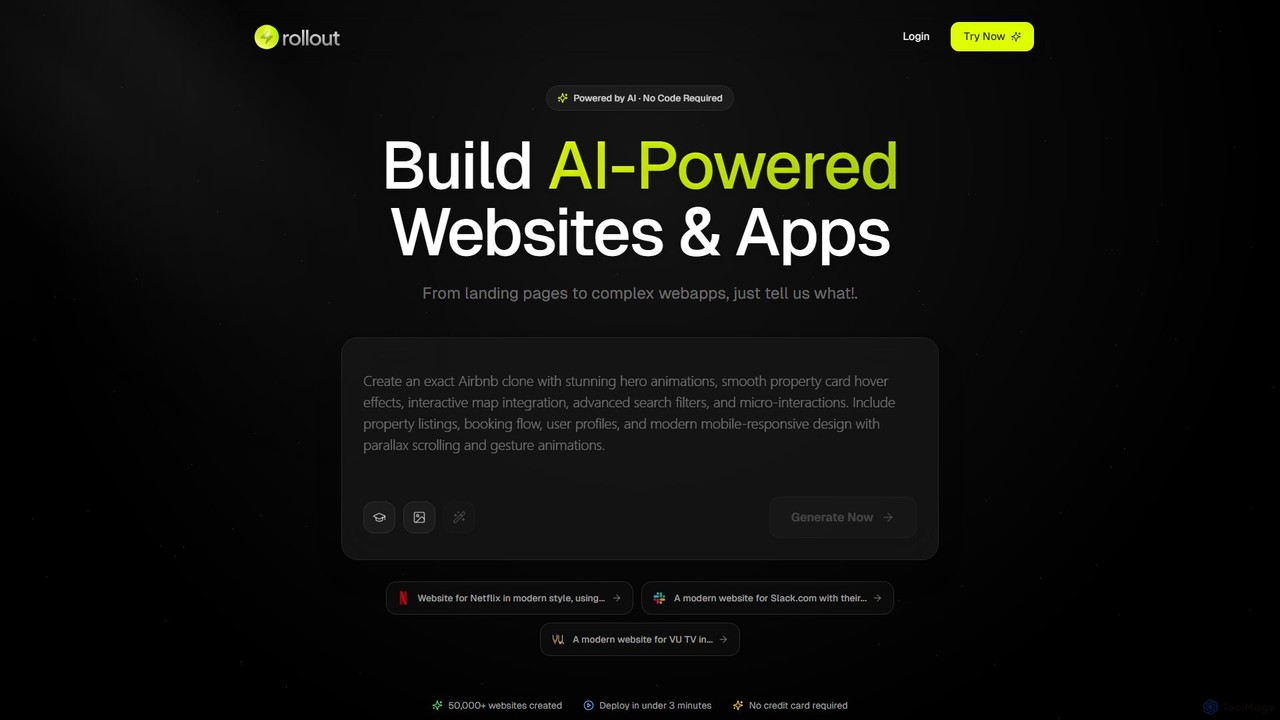
Rollout AI

Rollout AI

Rollout AI is a no-code, AI-powered website and landing page builder. Simply describe your vision in any language, …

18.6K
mancer

mancer

mancer is a high-performance Large Language Model (LLM) inference service providing API access to a diverse range of …

8.6K
Free
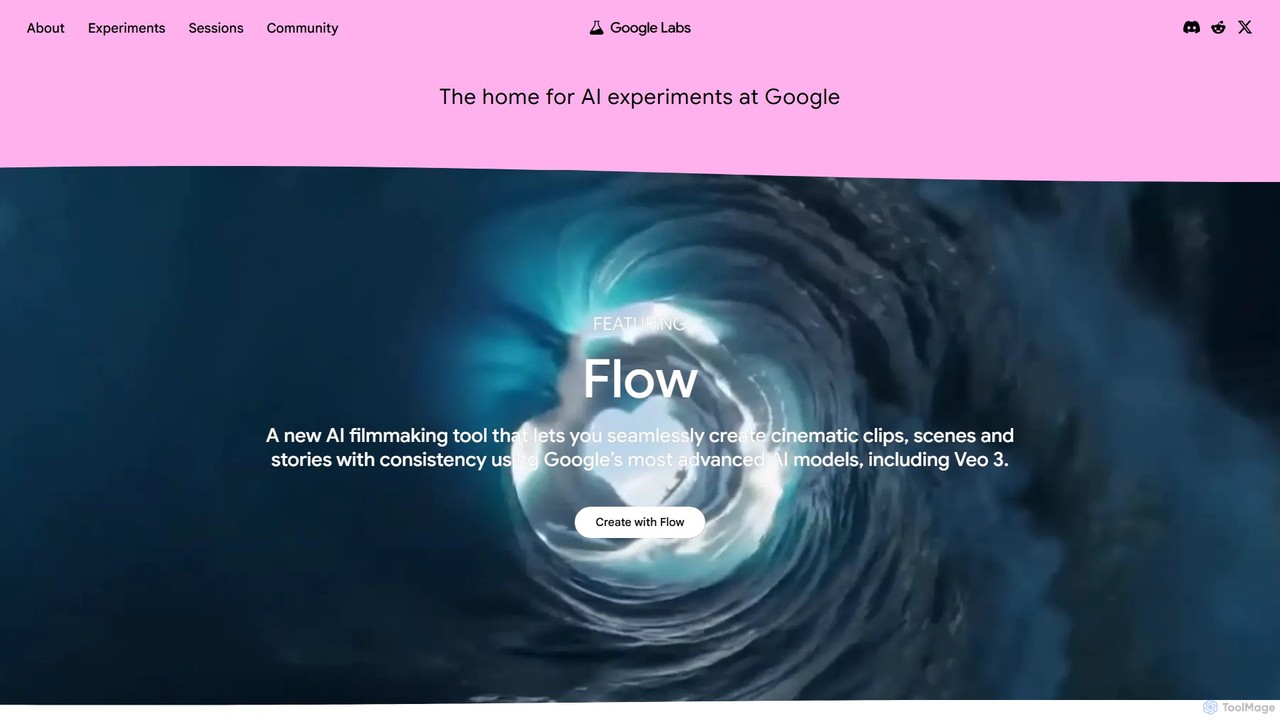
Google Labs

Google Labs

Google Labs is the official hub for Google's AI experiments, offering early access to a diverse range of …

62.0M
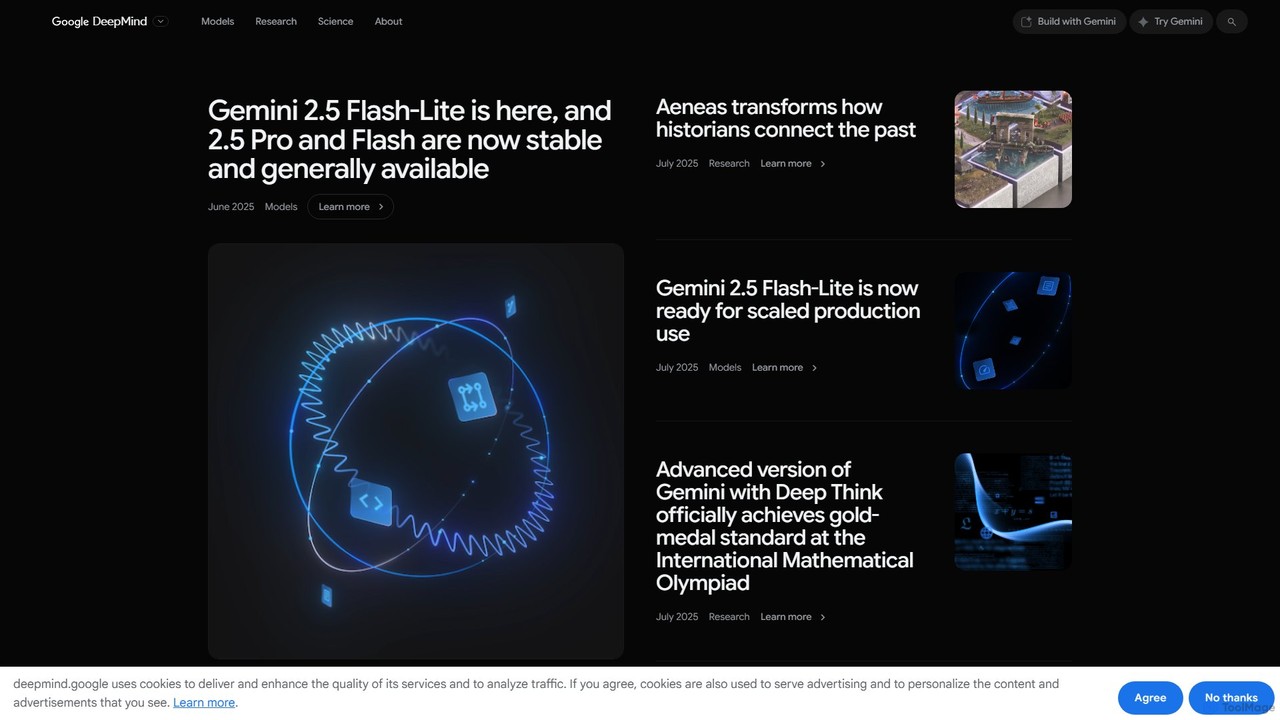
Google DeepMind

Google DeepMind

Google DeepMind is a world-leading AI research lab and product unit, developing advanced AI models like Gemini, Imagen, …

6.7M

About Generative Ai

Generative AI tools are a class of applications that create new, original content, such as text, images, music, or code, based on user prompts. They operate on large-scale models like LLMs or diffusion models, learning patterns from vast datasets to produce novel outputs. As a key part of modern productivity, these tools accelerate creative processes, automate content generation, and enable rapid prototyping of ideas. Unlike traditional software that manipulates existing data, Generative AI synthesizes entirely new information, offering a powerful engine for innovation.

Core Features

  • Multi-modal Content Creation: Generate diverse outputs including text, images, audio, and code from a single prompt or interface.
  • Contextual Understanding: Interpret complex, natural language prompts to produce relevant and coherent results.
  • Iterative Refinement: Allow users to refine and build upon generated content through conversational feedback.
  • Style and Tone Adaptation: Adjust the output's style, tone, and format to match specific requirements, such as professional, casual, or technical.

Use Cases

Generative AI is widely used by content marketers for drafting articles and social media posts, developers for writing boilerplate code and debugging, and designers for creating initial concepts and visual assets. In business, it aids in generating market analysis reports, personalizing customer communications, and creating synthetic data for training other AI models.

How to Choose

When selecting a Generative AI tool, consider the primary content type you need (text, image, etc.). Evaluate the quality and coherence of the output and the level of control you have over the generation process. Assess its integration capabilities with your existing workflow via APIs or plugins. Finally, compare pricing models, which are often based on usage credits, tokens, or subscription tiers.

Generative AiUse Cases

1

Automated Blog Post and Article Drafting

A content marketer is tasked with producing a high volume of SEO-optimized articles. Instead of writing from scratch, they provide a Generative AI tool with a topic, target keywords, and a brief outline. The AI then generates a structured draft, including an introduction, body paragraphs with relevant information, and a conclusion. This process reduces the initial drafting time by over 70%, allowing the marketer to focus their expertise on editing, fact-checking, and adding unique human insights to elevate the final piece.

2

Accelerating Software Development with Code Generation

A software developer needs to build a new feature that requires writing repetitive boilerplate code or a complex algorithm. They describe the desired function in plain English to a code generation tool, for example, "write a Python function to parse a CSV and return a JSON object." The tool instantly generates a functional code snippet, often complete with comments and error handling. This significantly speeds up the development cycle, reduces the chance of syntax errors, and allows developers to focus on higher-level logic and architecture.

3

Rapid Prototyping for UI/UX and Product Design

A UI/UX designer needs to quickly visualize multiple layout concepts for a new mobile app feature. Instead of spending hours on manual wireframing, they use a text-to-image Generative AI tool. They input descriptions like "minimalist user dashboard for a finance app with a bar chart and recent transactions list." The AI generates several distinct visual mockups in minutes. This allows for faster feedback cycles with stakeholders and enables the design team to explore a wider range of creative directions before committing to a specific path.

4

Creating Marketing Copy Variations for A/B Testing

A digital marketer needs to test different ad headlines and descriptions for a new campaign. They input the product's key features and target audience into a Generative AI copywriter. The tool produces multiple variations of the ad copy, each with a different emotional tone (e.g., professional, witty, urgent) or angle. This allows the marketer to quickly obtain a diverse set of options for A/B testing, enabling data-driven optimization of ad performance without extensive brainstorming sessions.

5

Generating Synthetic Data for Model Training

A machine learning engineer lacks sufficient real-world data to train a robust computer vision model, for example, to detect a rare product defect. Using a Generative AI model like a GAN (Generative Adversarial Network), they can create thousands of realistic, synthetic images of the defect in various conditions. This augmented dataset improves the final model's accuracy and its ability to generalize to new, unseen examples, all without the need to collect more costly or hard-to-find physical data.

6

Composing Background Music for Video Content

A video creator needs royalty-free background music that matches the specific mood of their content, such as an upbeat travel vlog or a dramatic documentary scene. Instead of searching through stock music libraries, they use a Generative AI music tool. They select a genre, mood (e.g., 'inspirational', 'suspenseful'), and duration. The AI then composes a unique, original audio track based on these parameters. This provides custom-fit, copyright-clear music instantly, enhancing the video's production quality without requiring musical expertise or expensive licensing fees.

Generative AiFrequently Asked Questions