COMPROMATH
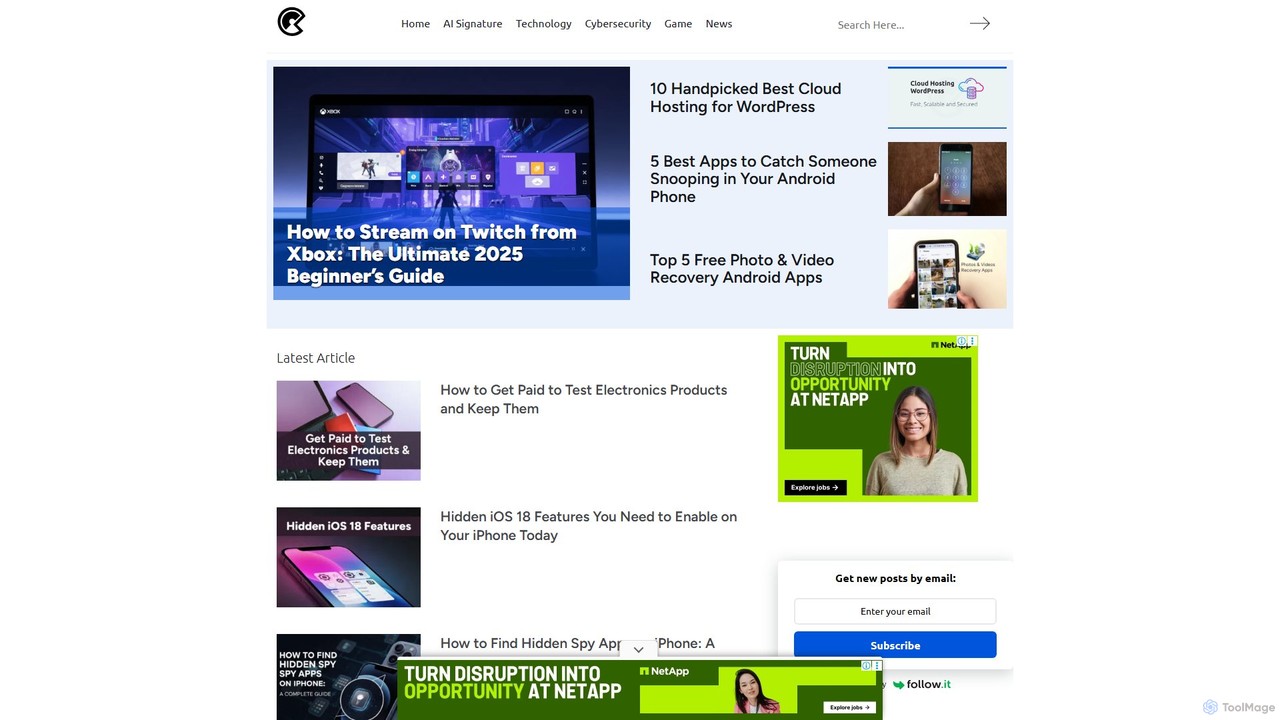
COMPROMATH is a technology resource hub offering a suite of free AI tools, including a signature and logo …
COMPROMATH is a technology resource hub offering a suite of free AI tools, including a signature and logo generator. It also provides in-depth articles, guides, and news on topics like AI, cybersecurity, and gaming, serving as a one-stop platform for tech enthusiasts and creators.
CourseGenie
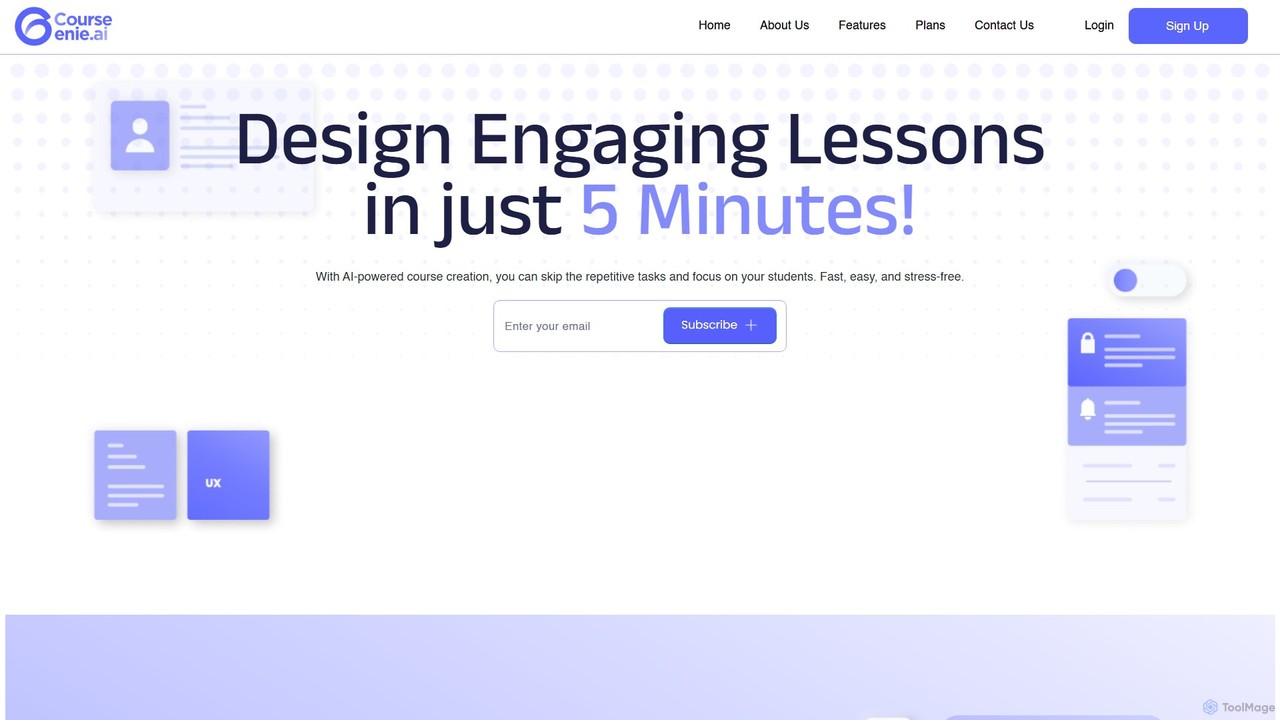
CourseGenie is an AI-powered platform designed for educators to streamline course creation. It enables the rapid generation of …
CourseGenie is an AI-powered platform designed for educators to streamline course creation. It enables the rapid generation of engaging lesson plans, quizzes, activities, and entire course outlines in minutes. By automating repetitive tasks, it saves teachers over 10 hours per week, allowing them to focus more on student interaction and inspiration. The platform also features one-click translation to make content accessible to a global audience.
NameBrewery
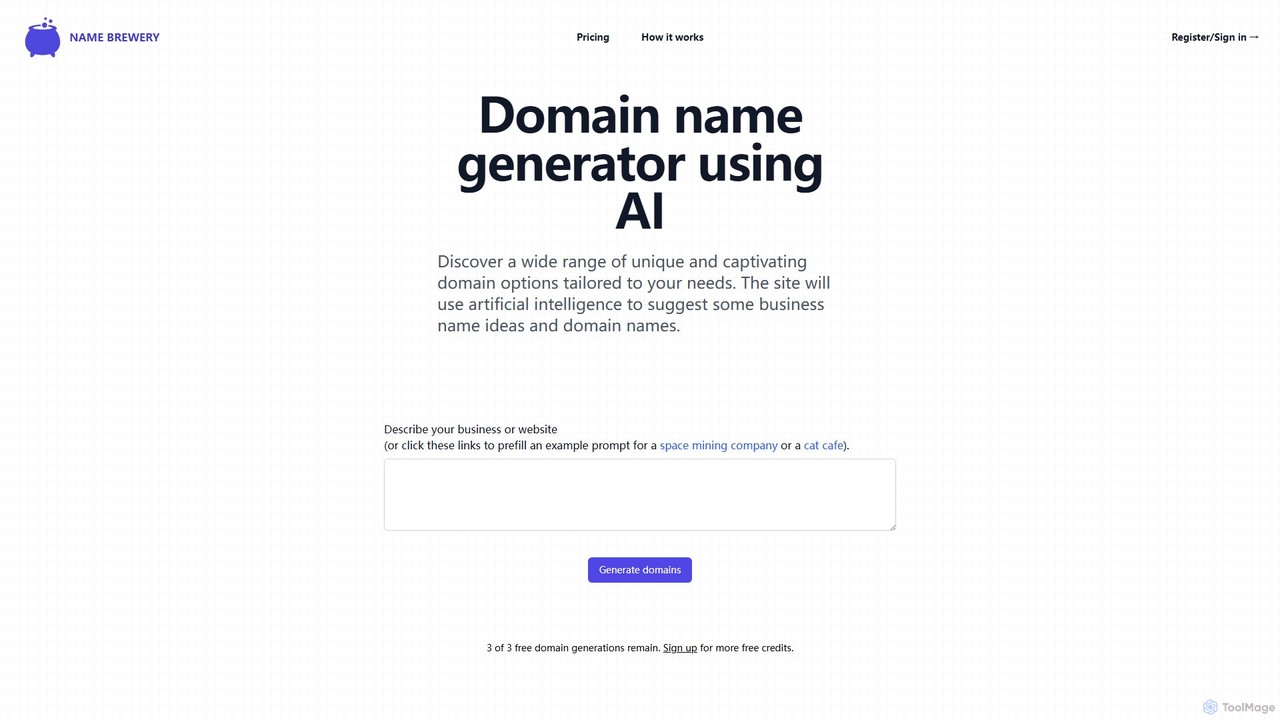
NameBrewery is an AI-powered domain name generator that helps you discover unique, brandable, and available domain names. Simply …
NameBrewery is an AI-powered domain name generator that helps you discover unique, brandable, and available domain names. Simply describe your business or project, and the AI will generate a curated list of creative options, complete with availability checks and domain history.
TopRatedAITools
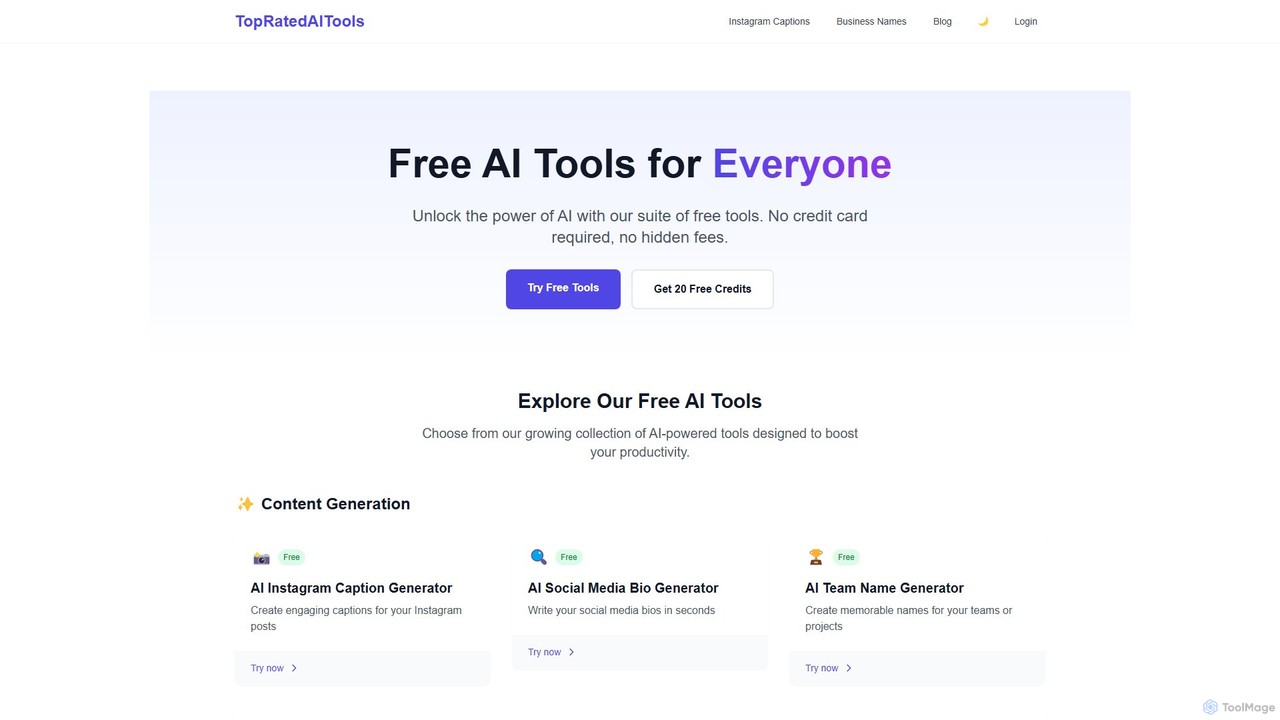
A versatile suite of free AI micro-tools designed to boost productivity and creativity. It offers a wide range …
A versatile suite of free AI micro-tools designed to boost productivity and creativity. It offers a wide range of generators for content creation, business naming, creative writing, social media, and more, all accessible through a simple, user-friendly interface, with many features requiring no login.
RandomGenerate.io
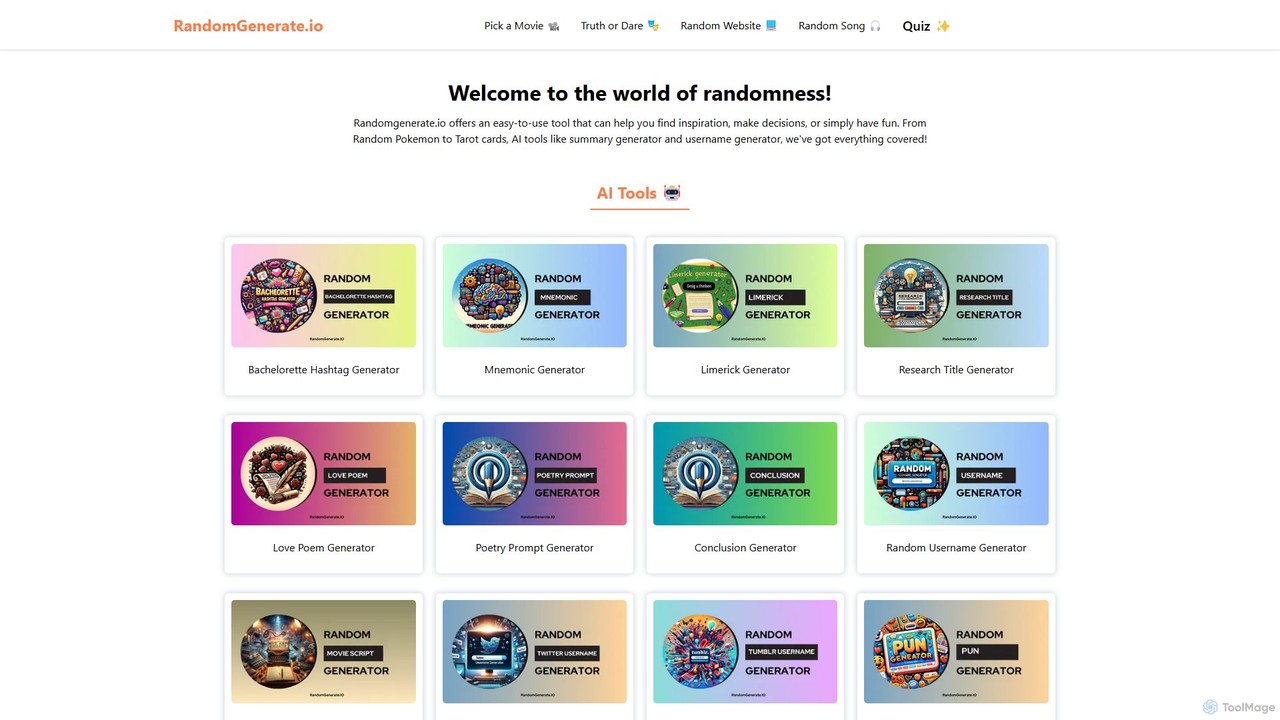
RandomGenerate.io is a comprehensive online platform offering a vast collection of both traditional randomizers and advanced AI-powered generators. …
RandomGenerate.io is a comprehensive online platform offering a vast collection of both traditional randomizers and advanced AI-powered generators. It's designed to assist with decision-making, spark creativity, provide entertainment, and support development tasks. From choosing a movie to generating a story, it's a one-stop solution for all your random generation needs, completely free of charge.
Japanese Name Generator
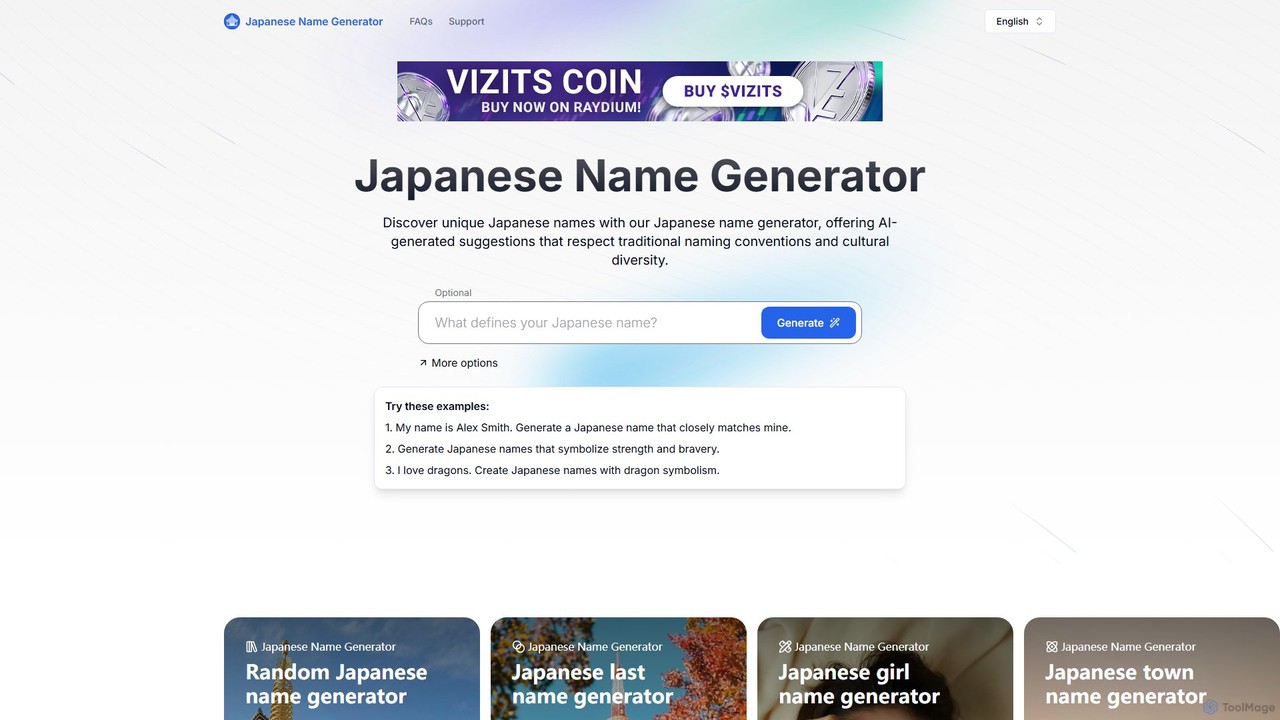
A powerful, free tool for generating authentic Japanese names for various purposes. Ideal for writers, game developers, and …
A powerful, free tool for generating authentic Japanese names for various purposes. Ideal for writers, game developers, and creators, it offers specialized generators for first names, last names, cities, and towns, complete with meanings and cultural context. All names are royalty-free.
About Generator
AI Generators are tools that use artificial intelligence to automatically create new content, data, or ideas from user prompts. These tools leverage generative models, such as LLMs, to transform simple text inputs into a wide range of structured outputs, including code snippets, business names, marketing slogans, or test data. As a key category within Productivity, AI Generators excel at automating the initial, often time-consuming, stages of creation, significantly accelerating workflows for developers, marketers, and creators. They provide a powerful starting point, overcoming creative blocks and handling repetitive generation tasks with efficiency.
Core Features
- Prompt-Based Creation: Generates diverse outputs from simple natural language instructions or keywords.
- Multi-Format Output: Capable of producing various types of content, such as text, code, lists, names, and structured data.
- Customization and Control: Allows users to specify parameters like style, tone, length, and other constraints to guide the generation process.
- Iterative Refinement: Offers the ability to regenerate or modify outputs based on feedback for improved results.
Use Cases
AI Generators are widely used by software developers to create boilerplate code, QA engineers to generate realistic test data, and marketers to brainstorm campaign ideas and slogans. Entrepreneurs also use them to find unique business names, while writers and content creators leverage them to outline articles or develop character profiles, streamlining the ideation phase of their projects.
How to Choose
When selecting an AI Generator, first consider the specific output type you need—whether it's code, text, or data. Evaluate the quality, coherence, and relevance of the generated content. Assess the level of customization and control offered to fine-tune the results. Finally, review the pricing model, usage limits, and any available integrations with your existing tools and workflows to ensure it fits your needs and budget.

GeneratorUse Cases
Generating Boilerplate Code for Developers
A software developer is starting a new microservice in Python. Instead of manually writing the basic file structure, API endpoint setup, and database connection logic, they use an AI Code Generator. By providing a prompt like 'Create a basic Flask API structure with a PostgreSQL connection and a /users endpoint for GET and POST', the tool generates the necessary files and code snippets in seconds. This saves up to an hour of repetitive setup time, reduces the chance of common errors, and allows the developer to focus immediately on the core business logic of the service.
Brainstorming Brand Names and Slogans
An entrepreneur is launching a new eco-friendly coffee brand. They need a catchy name and a memorable slogan but are facing a creative block. Using an AI Name Generator, they input keywords like 'earth', 'organic', 'roast', 'bean', and 'sustainable'. The tool generates a list of 50+ potential brand names. They then use a Slogan Generator with the chosen name, 'Terra Roast', and a description of their brand values. The AI provides a variety of slogans, such as 'Terra Roast: Sip Sustainably' and 'The World in Your Cup'. This process transforms a multi-day brainstorming session into a focused, 30-minute task.
Creating Realistic Test Data for QA
A Quality Assurance (QA) team needs to test a new user registration form that requires names, addresses, phone numbers, and email addresses for 1,000 fictional users. Manually creating this data would be tedious and prone to unrealistic entries. The team uses an AI Data Generator, defining the schema for each field (e.g., 'US phone number format', 'email with common domains'). The tool instantly generates a CSV file with 1,000 unique and realistically formatted records. This ensures the application is tested with data that mimics real-world usage, improving the quality of testing and saving the team a full day of manual work.
Developing Fictional Character Profiles
A novelist is starting a new fantasy series and needs to create a cast of compelling characters. To move beyond simple archetypes, they use an AI Character Generator. They input core traits for a character, such as 'elven rogue, cynical but loyal, exiled from their homeland'. The generator expands on this, producing a detailed profile including potential backstories, motivations, fears, and even unique physical descriptions. This provides a rich foundation that the author can then refine and integrate into their narrative, saving significant time in the initial world-building and character development phase.
Generating Social Media Post Ideas
A social media manager for a fitness brand needs to create a content calendar for the upcoming month. To find fresh ideas, they use an AI Idea Generator. They input topics like 'healthy breakfast recipes', '10-minute home workouts', and 'mental wellness tips'. The tool generates a list of specific post ideas for each topic, such as '5 high-protein smoothie recipes for busy mornings' or 'A visual guide to the perfect push-up form'. It even suggests different formats like carousels, reels, or stories. This accelerates the planning process and ensures a diverse and engaging content mix for their audience.
Drafting Business Email Templates
A sales team needs to standardize its outreach communication. Instead of each member writing emails from scratch, the manager uses an AI Generator to create a set of templates. They provide prompts for different scenarios, such as 'a cold outreach email to a potential client in the tech industry', 'a follow-up email after a product demo', and 'a re-engagement email for a dormant lead'. The generator produces several variations for each scenario, allowing for A/B testing of subject lines and calls to action. This ensures brand consistency, improves efficiency, and provides a data-driven approach to optimizing email performance.