ToolMage
Sign in

Best 6 Parenting AI tools for Productivity

Popular Parenting AI tools in Productivity include Smartick, Kidzovo, Magic Tellers, Infinilearn, Artemis AI, and Tutopa, helping you work more efficiently.

Magic Tellers
Freemium

Magic Tellers

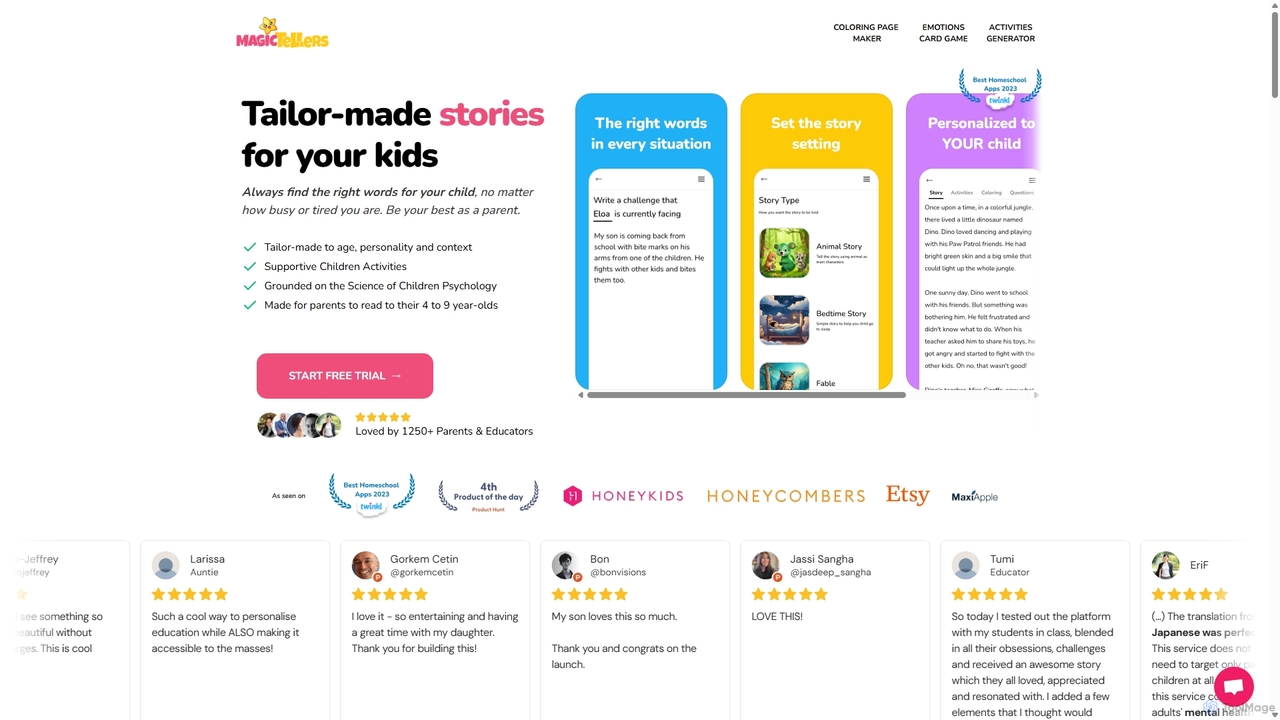
Magic Tellers is an AI-powered platform for parents and educators to create personalized children's stories, coloring pages, and activities. Tailored to a child's age, personality, and specific challenges, it helps teach values and navigate difficult situations. The tool is grounded in child psychology and supports over 50 languages, making learning both fun and therapeutic.

Image Generation
Visits 9.1KFavorites 105Likes 113
Kidzovo
Freemium

Kidzovo

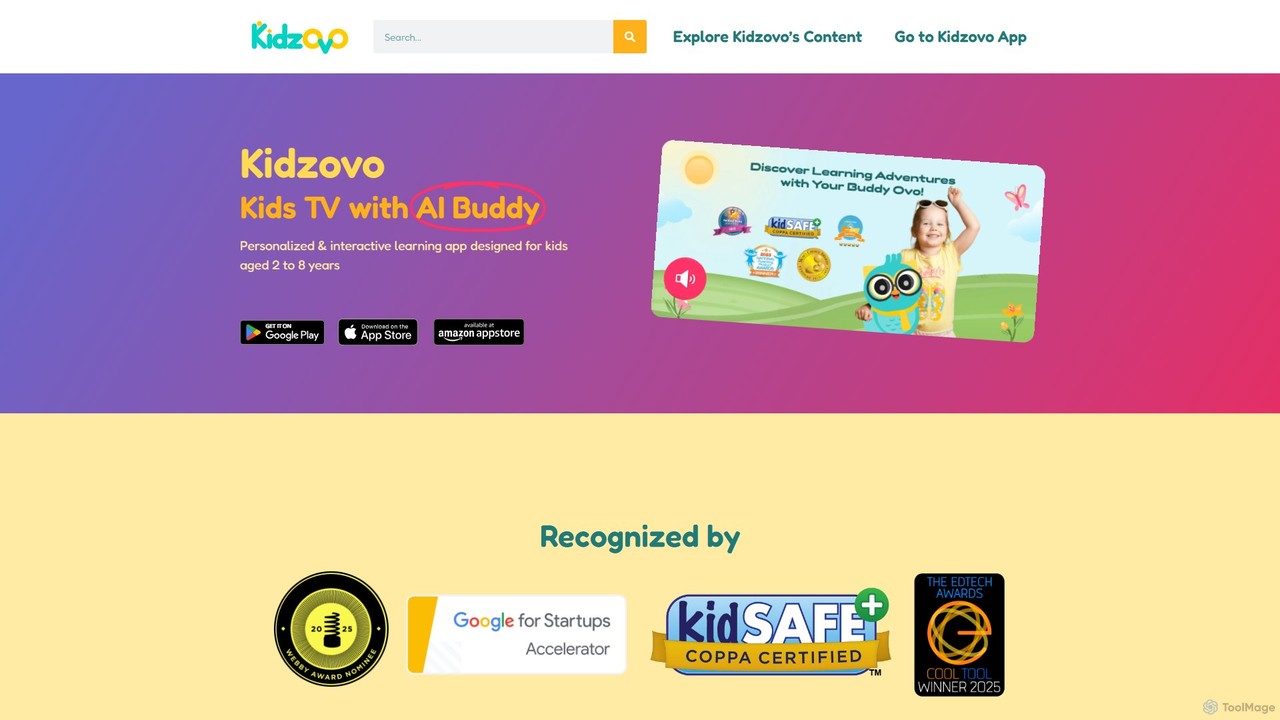
Kidzovo is an AI-powered interactive learning app for children aged 2-8. It transforms passive screen time into an engaging educational experience with an AI Buddy, interactive games, and activities. Featuring content from renowned creators, it covers a wide range of subjects, ensuring a safe, personalized, and fun learning journey for kids.

Early Learning
Visits 14.7KFavorites 80Likes 84
Artemis AI
Freemium

Artemis AI

Artemis AI is an innovative application that uses artificial intelligence to create personalized bedtime stories for children. It focuses on developing empathy and emotional intelligence by allowing parents to customize stories with unique characters, settings, and moral lessons, fostering a stronger parent-child bond and a love for reading.

Storytelling
Visits 6.1KFavorites 83Likes 99
Smartick
Freemium

Smartick

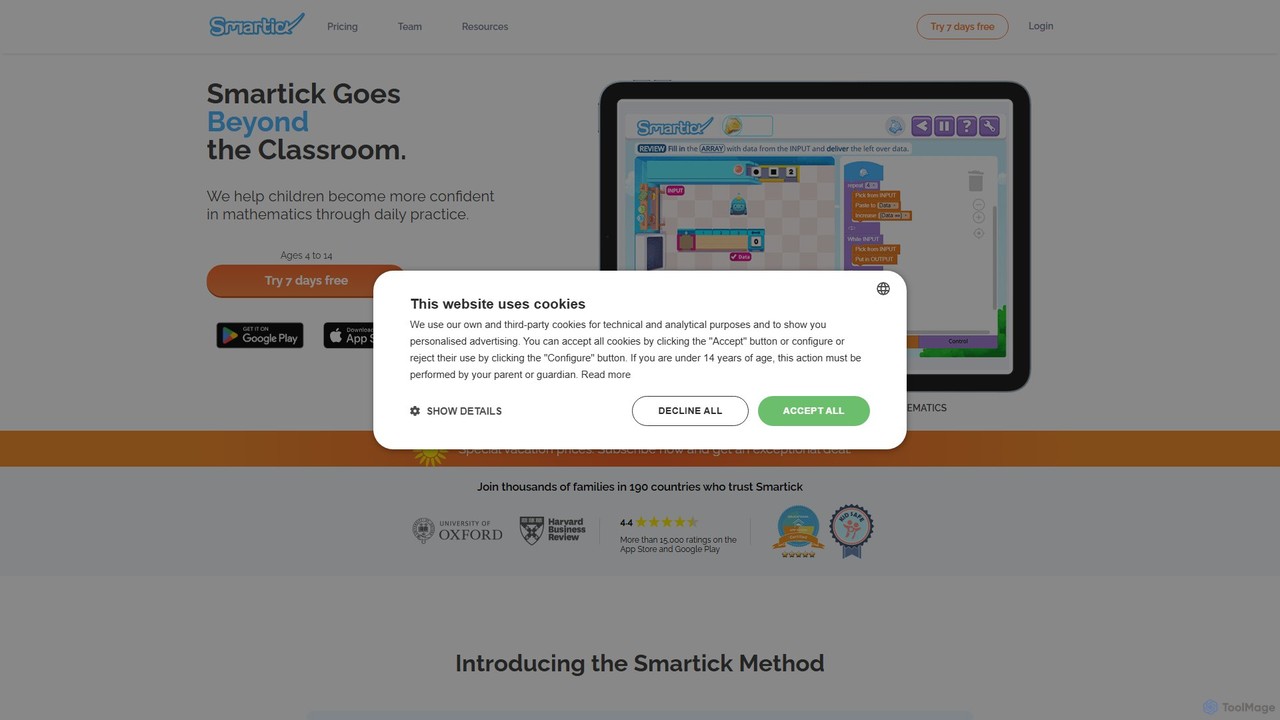
Smartick is an AI-powered online learning platform for children aged 4-14. It offers personalized 15-minute daily sessions in math and reading, adapting in real-time to each child's learning pace. Through a gamified environment, it enhances academic skills, logic, and problem-solving, while providing parents with detailed progress reports.

Math
Visits 179.3KFavorites 95Likes 92
Infinilearn

Infinilearn

Infinilearn is an AI-powered personalized learning companion designed for homeschoolers. It combines an adaptive curriculum with a unique social learning platform, allowing students to learn at their own pace while connecting with peers in a safe, moderated environment. It aims to make homeschooling more engaging, effective, and socially enriching for both students and parents.

Homeschooling
Visits 6.6KFavorites 134Likes 134
Tutopa
Paid

Tutopa

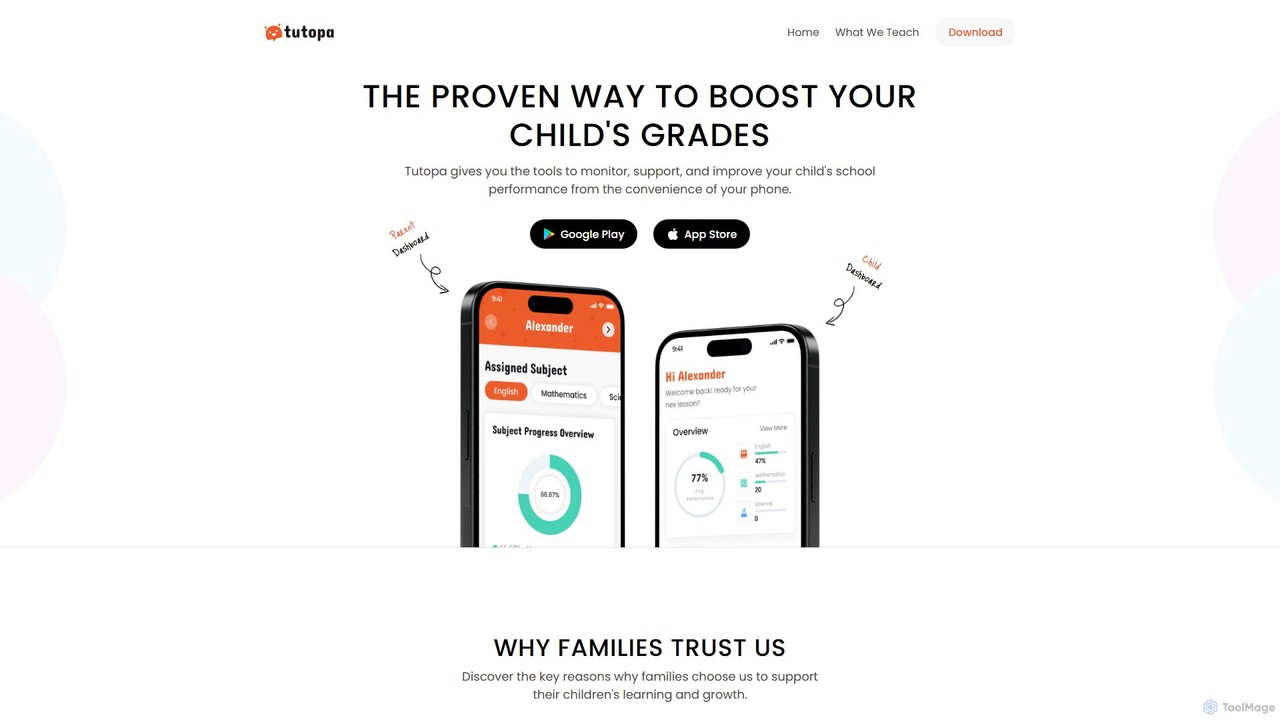
Tutopa is an AI-powered online learning platform for children, focusing on English, Math, and Science. It offers interactive, test-like tasks aligned with the UK curriculum. Parents can track their child's real-time progress, review performance, and stay engaged in their educational journey. The platform provides a personalized learning experience, helping students improve critical thinking, problem-solving skills, and subject matter understanding through engaging, interactive content.

K 12
Visits 3.4KFavorites 122Likes 137

About Parenting

AI Parenting tools are applications that leverage artificial intelligence to assist parents with the challenges of raising children. These tools analyze data related to a child's development, behavior, and routines to offer personalized guidance and automate tasks. They serve as a digital assistant, providing data-driven insights for everything from sleep schedules to educational activities, aiming to reduce parental stress and support informed decision-making. This makes them a specialized subset of productivity tools focused on family management.

Core Features

  • Personalized Advice: Generates tailored recommendations for feeding, sleep, and activities based on the child's age and logged data.
  • Developmental Milestone Tracking: Automatically monitors and charts progress against standard developmental milestones, highlighting achievements and potential delays.
  • AI-Powered Content Generation: Creates custom bedtime stories, learning plans, or even answers to a child's curious questions.
  • Smart Scheduling: Helps build and optimize daily routines for naps, meals, and playtime, adapting as the child grows.
  • Pattern Analysis: Identifies patterns in sleep, feeding, or mood to help parents understand their child's needs and behavior better.

Use Cases

These tools are widely used by new parents seeking guidance on infant care, busy families trying to manage complex schedules, and parents of toddlers looking for age-appropriate educational content. They are also valuable for tracking specific concerns like sleep regression or feeding challenges, providing a clear data log for discussions with pediatricians.

How to Choose

When selecting an AI Parenting tool, consider the child's age group and the tool's specific focus (e.g., newborn care, toddler education). Evaluate the credibility of its information sources, ensuring advice is backed by pediatric or developmental experts. Prioritize applications with strong data privacy policies to protect your family's sensitive information. Finally, assess the user interface for ease of use, as the tool should simplify, not complicate, your daily routine.

Featured tool rankings

Parenting use cases

1

Tracking Infant Developmental Milestones

New parents can often feel overwhelmed by the amount of information on infant care. Using an AI parenting app, they can easily log feeding times, sleep duration, and diaper changes. The AI analyzes this data to identify patterns, predict growth spurts, and compare progress against pediatric guidelines. For example, it can alert parents when their baby is approaching a new milestone, like rolling over or crawling, and provide tips to encourage that development. This provides reassurance and a structured way to monitor their child's health.

2

Creating Personalized Bedtime Stories

A parent of a toddler wants to make bedtime more engaging and personal. Instead of reading the same books, they use an AI story generator feature within a parenting app. They input their child's name, favorite animal (e.g., a unicorn), and a simple moral like 'sharing is important'. Within seconds, the AI crafts a unique, age-appropriate story featuring their child as the hero who learns about sharing with a friendly unicorn. This not only makes bedtime exciting but also helps reinforce positive values in a creative way.

3

Optimizing Toddler Sleep Training

Parents struggling with a toddler's inconsistent sleep schedule use an AI sleep coach. They log nap times, bedtime, and night wakings for a few days. The AI analyzes this data to identify sleep patterns and potential issues, such as being overtired or undertired at bedtime. Based on this analysis, the tool generates a customized sleep schedule with optimal nap and bedtimes. It also provides step-by-step guidance for a gentle sleep training method, adjusting its recommendations daily based on the previous night's results, helping the family achieve more consistent and restful nights.

4

Getting Instant Answers to Parenting Questions

A parent is dealing with a picky eater and is unsure how to handle meal times. Instead of searching through countless online articles with conflicting advice, they ask an AI parenting assistant: 'What are some effective strategies for a 3-year-old who refuses vegetables?' The AI provides a concise, evidence-based summary of techniques recommended by child nutritionists, such as 'food chaining' or involving the child in meal prep. This delivers reliable, actionable advice instantly, saving time and reducing parental anxiety.

5

Managing Complex Family Schedules

For a busy family with multiple children, coordinating schedules can be a major productivity challenge. An AI-powered family organizer helps manage this complexity. Parents input school hours, extracurricular activities, and appointments for each child. The AI then creates a unified calendar, identifies potential conflicts, and can even suggest optimal travel routes between activities. It sends automated reminders to relevant family members, ensuring everyone knows who needs to be where and when, reducing missed appointments and last-minute chaos.

6

Suggesting Age-Appropriate Activities

A parent of a four-year-old is looking for new, educational activities to do at home. They use an AI parenting tool that functions as an activity planner. Based on the child's age and logged interests (e.g., dinosaurs, painting), the AI suggests a list of activities. For example, it might propose a 'dinosaur fossil dig' using sand and toys, or a painting project that teaches color mixing. Each suggestion comes with a list of materials needed and step-by-step instructions, taking the guesswork out of planning and providing endless creative inspiration.

Parenting FAQ

What are AI Parenting tools?

AI Parenting tools are digital applications that use artificial intelligence to provide personalized support for parents. Unlike simple tracking apps, they analyze the data you input—such as sleep times, feeding habits, and developmental milestones—to offer predictive insights and tailored advice. Their primary goal is to act as an intelligent assistant, helping to simplify scheduling, answer common questions with expert-backed information, and provide data-driven perspectives on a child's development and well-being.

How to choose the right AI Parenting tool?

Choosing the right tool depends on your specific needs. Consider these factors:

  • Age Appropriateness: Ensure the tool is designed for your child's developmental stage, whether they are a newborn, toddler, or school-aged child.
  • Expert Validation: Look for apps that base their advice on information from pediatricians, child psychologists, or other certified experts.
  • Data Privacy: Read the privacy policy carefully. Since you'll be sharing sensitive family data, choose a tool with strong security measures and clear data usage policies.
  • Features vs. Simplicity: Decide if you need an all-in-one app with many features or a specialized tool that does one thing well, like sleep tracking or activity planning.
Are AI Parenting tools a replacement for professional medical advice?

No, absolutely not. AI Parenting tools are designed to be supportive aids, not medical devices. They can help you track data, identify patterns, and access general information. However, they cannot diagnose conditions or replace the personalized care and examination from a qualified healthcare professional. Always consult a pediatrician or other medical expert for any health concerns regarding your child. Think of these tools as a way to organize information to have more productive conversations with your doctor.

How do AI Parenting tools handle data privacy?

Reputable AI Parenting tools prioritize data privacy through several measures. They typically use end-to-end encryption to protect data transmitted between your device and their servers. They should also have a clear, accessible privacy policy that explains what data is collected, how it is used, and with whom it might be shared. Many platforms also allow for data anonymization for use in broader research. Before using any tool, it is crucial to review its privacy policy and security features to ensure it meets your standards for protecting your family's sensitive information.

What's the difference between a standard parenting app and an AI-powered one?

The key difference lies in intelligence and personalization. A standard parenting app typically acts as a digital logbook where you manually input data (e.g., feeding times) for your own reference. An AI-powered tool does more than just store this data; it actively analyzes it. For example, instead of just showing you a list of past sleep times, an AI tool can analyze those times to identify patterns, predict the optimal time for the next nap, and provide personalized tips to improve sleep quality. It transforms raw data into actionable, intelligent insights.