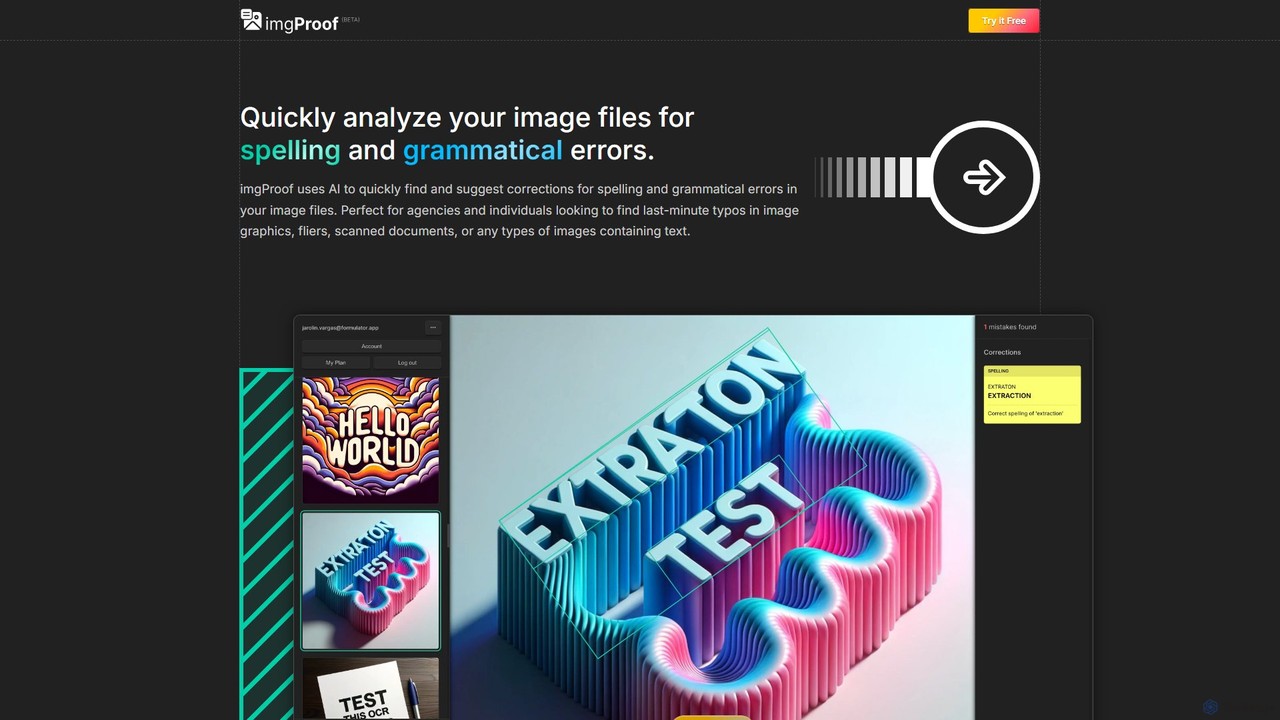
AI Proofreading tools are AI-powered applications designed to meticulously review written text, identifying and correcting errors in grammar, spelling, punctuation, and style. These tools leverage advanced natural language processing (NLP) and machine learning algorithms to analyze text contextually, offering suggestions that go beyond basic spell-checking. They are invaluable for anyone seeking to refine their writing, ensuring clarity, professionalism, and adherence to specific linguistic standards before publication or submission.
Core Features
- Advanced Grammar Correction: Detects and suggests fixes for complex grammatical errors, including subject-verb agreement, tense consistency, and sentence structure issues.
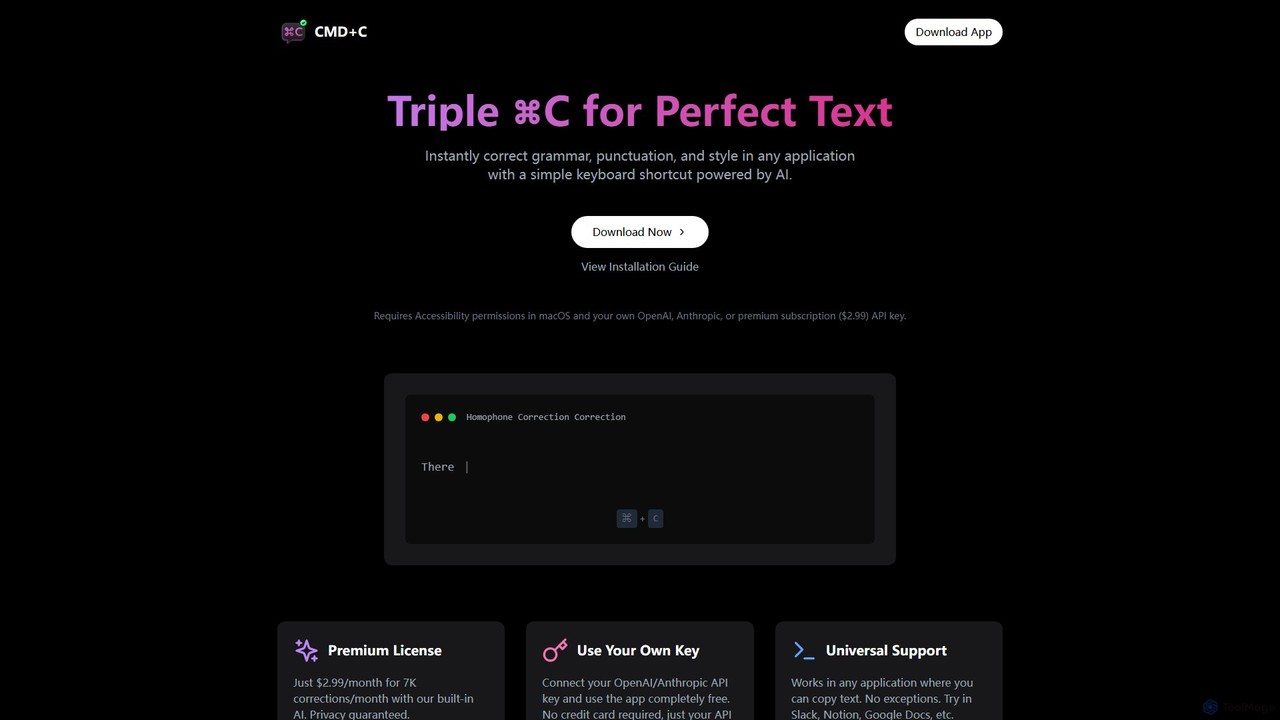
- Contextual Spelling Check: Identifies misspelled words and offers context-aware suggestions, differentiating between homophones (e.g., 'their' vs. 'there').
- Punctuation & Capitalization Review: Ensures correct usage of commas, periods, semicolons, apostrophes, and proper capitalization throughout the text.
- Style & Readability Enhancements: Provides recommendations for improving sentence flow, conciseness, word choice, and overall readability, often aligning with specific style guides.
- Tone & Clarity Analysis: Evaluates the emotional tone of the writing and suggests adjustments to ensure the message is conveyed as intended, enhancing clarity and impact.
Applicable Scenarios
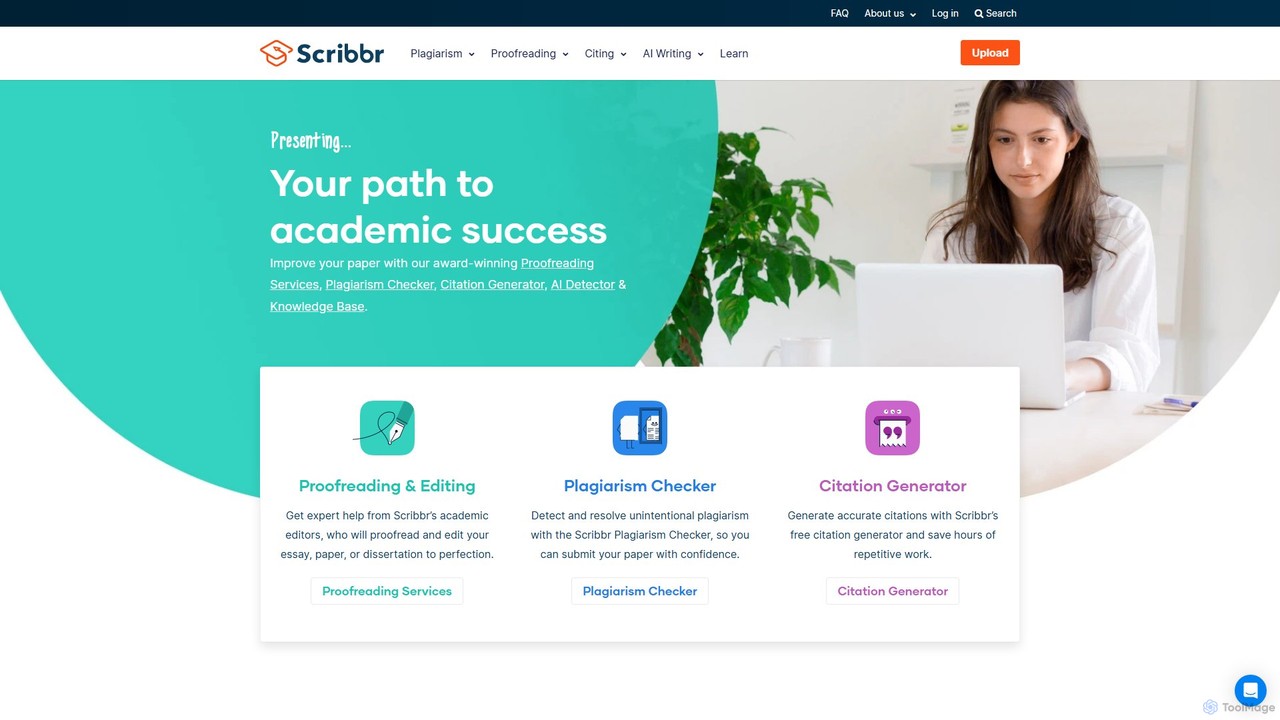
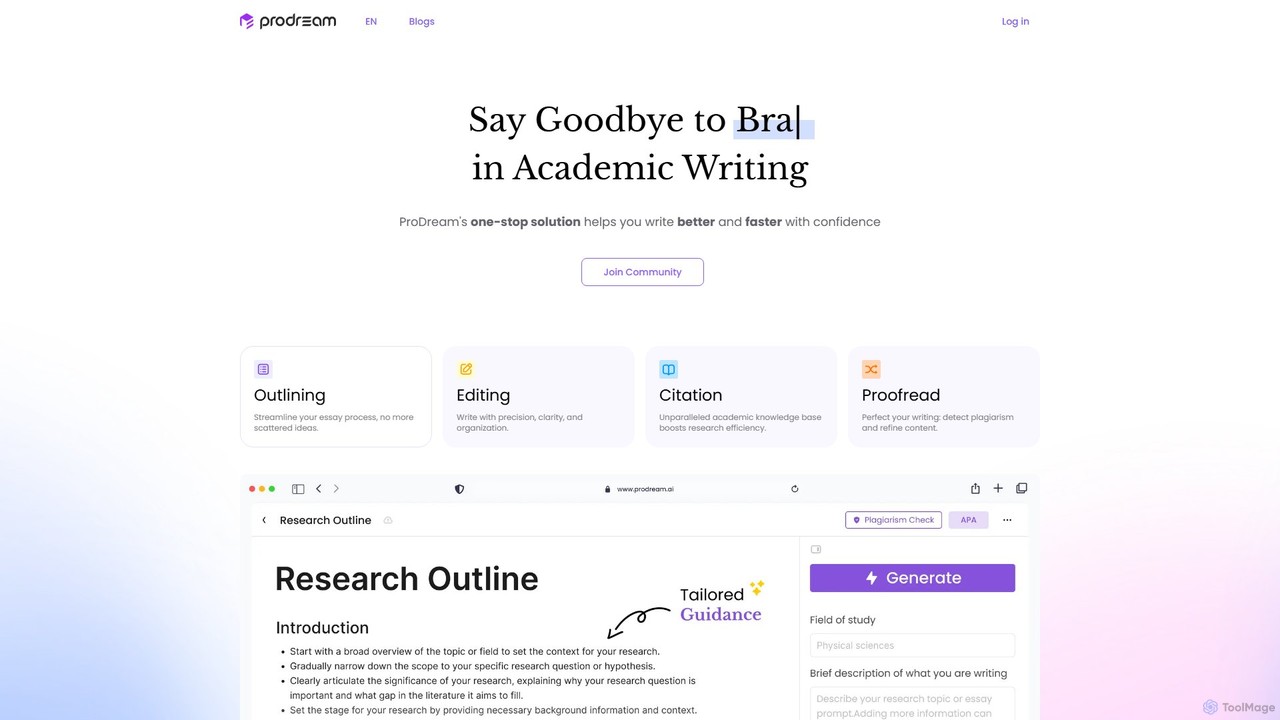
AI Proofreading tools are widely adopted across various fields. Students and academics use them to polish research papers and dissertations, ensuring academic rigor. Business professionals rely on them for error-free emails, reports, and presentations, maintaining a high level of corporate communication. Content creators, including bloggers and marketers, utilize these tools to refine articles, social media posts, and website copy, enhancing engagement and credibility.
How to Choose
When selecting an AI Proofreading tool, consider its accuracy and comprehensiveness in detecting various error types, including advanced grammar and style issues. Evaluate its language support and whether it caters to specific dialects or academic styles. Check for seamless integration with your existing writing platforms (e.g., word processors, browsers). Finally, assess its customization options, such as the ability to create personal dictionaries or adhere to specific style guides, to ensure it meets your unique workflow needs.