ToolMage
Sign in

Best 4 Real Estate AI tools for Productivity

Popular Real Estate AI tools in Productivity include ArchiVinci, Luw.ai, designedbyai, and ReRender AI, helping you work more efficiently.

designedbyai
Paid

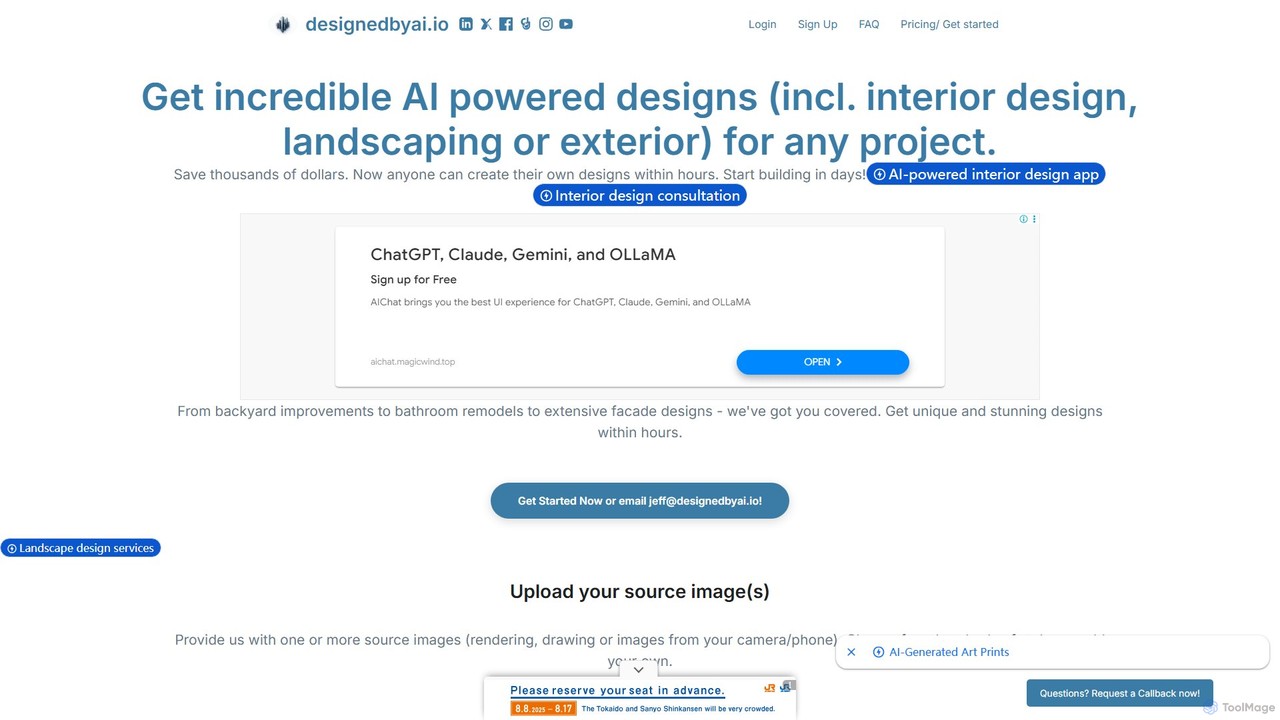
designedbyai

An AI-powered design platform that generates stunning, high-quality designs for interior, exterior, and landscape projects. Upload an image of your space, choose a style, and receive multiple unique, 8K design concepts in hours, saving significant time and money on professional design services.

Architecture
Visits 7.4KFavorites 163Likes 135
Luw.ai
Freemium

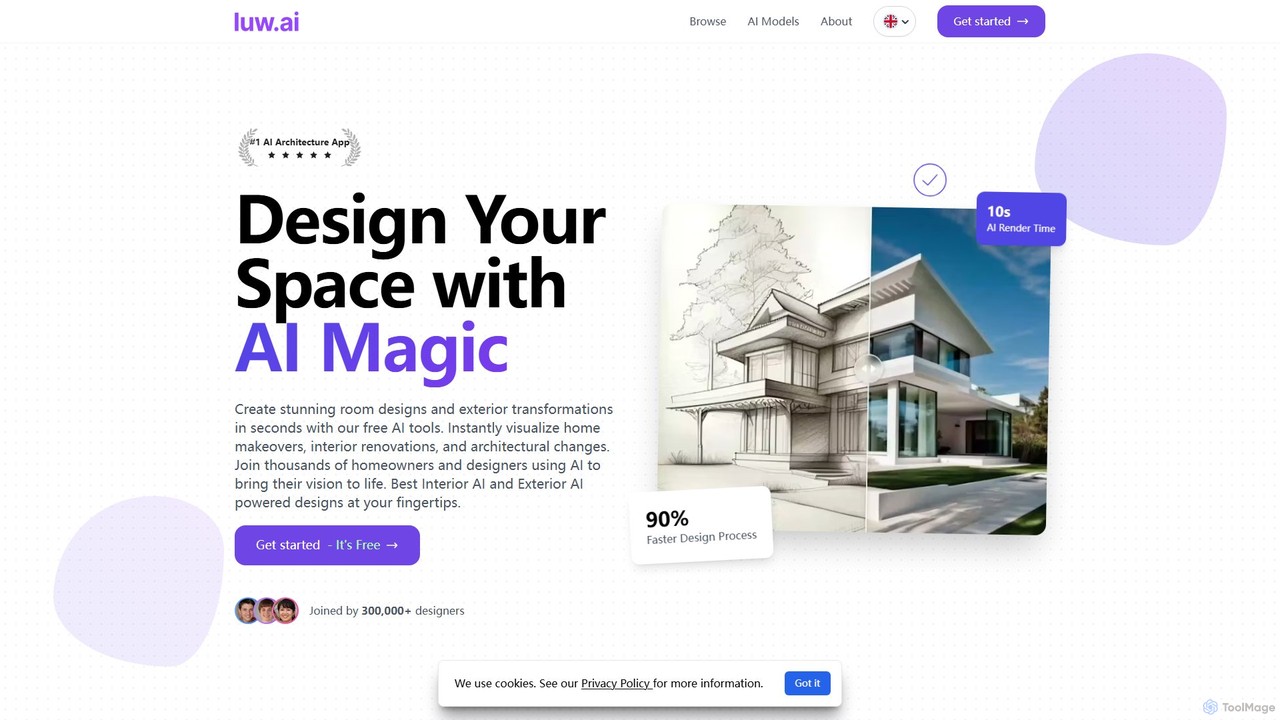
Luw.ai

Luw.ai is a comprehensive AI-powered design suite for architects, designers, and homeowners. It instantly transforms photos, sketches, or 3D models into stunning interior and exterior designs, architectural renders, and 3D flythrough videos. Featuring a wide array of tools like Interior AI, Exterior AI, Sketch to Render, and ArchiGPT, it streamlines the design process, making professional-quality visualizations accessible to everyone in seconds.

Architecture
Visits 163.7KFavorites 118Likes 134
ReRender AI
Freemium

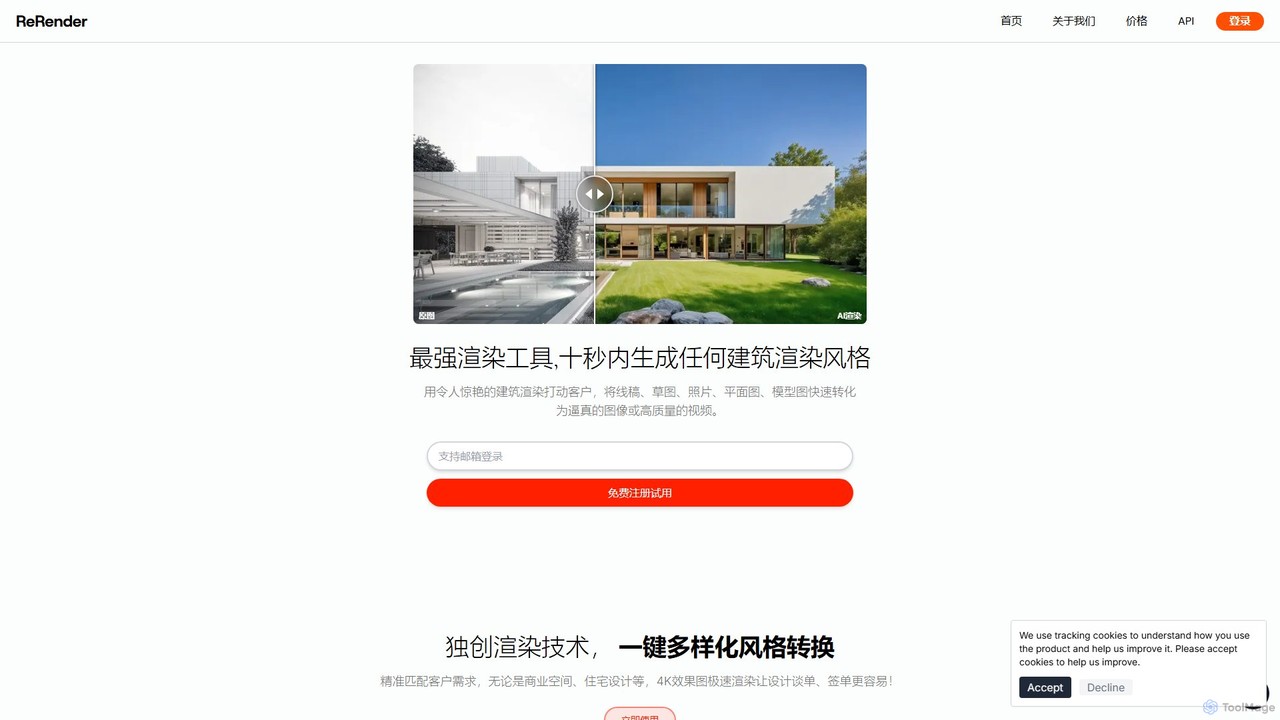
ReRender AI

ReRender AI is an AI-powered architectural design tool that transforms sketches, photos, and 3D models into photorealistic renderings and videos in seconds. It offers diverse style options, detailed environmental controls, and advanced editing features for architects, interior designers, and real estate professionals.

Architecture
Visits 6.4KFavorites 116Likes 121
ArchiVinci
Freemium

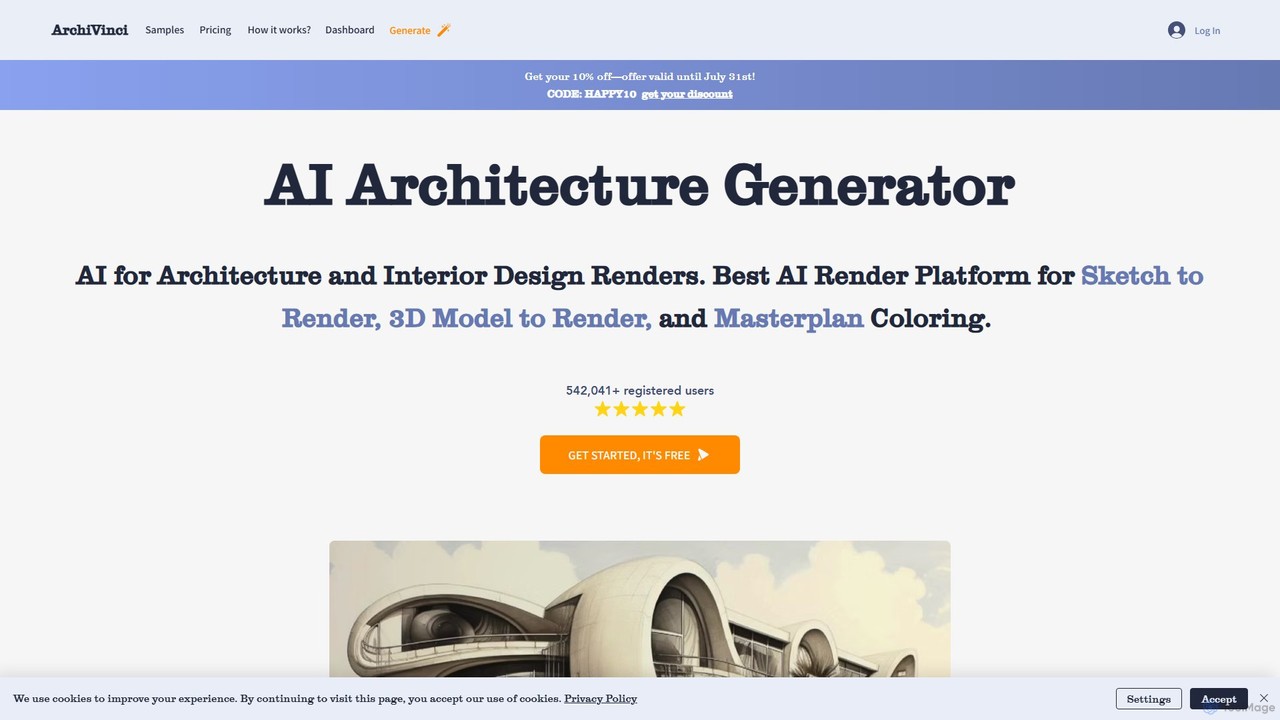
ArchiVinci

ArchiVinci is an AI-powered design platform for architects and interior designers. It transforms sketches, photos, and 3D models into stunning, photorealistic renders in seconds. With features for exterior design, interior redesign, virtual staging, and masterplan coloring, ArchiVinci streamlines the entire architectural visualization process, offering a wide range of styles and powerful modification tools to bring creative visions to life effortlessly.

Architecture
Visits 272.4KFavorites 134Likes 134

About Real Estate

Real Estate AI tools are specialized applications that leverage artificial intelligence to optimize various processes within the property sector. These tools utilize machine learning, data analytics, and natural language processing to enhance efficiency, accuracy, and decision-making for real estate professionals. They provide innovative solutions for tasks ranging from property valuation and market analysis to lead generation and client management, transforming traditional real estate operations into data-driven, intelligent workflows.

Core Features

  • Automated Valuation: Provides instant, data-driven property valuations using market trends, comparable sales, and property characteristics.
  • Market Analysis: Analyzes vast datasets to identify emerging trends, investment opportunities, and risk factors in specific real estate markets.
  • Lead Generation & Nurturing: Identifies potential buyers or sellers, qualifies leads, and automates personalized communication to nurture relationships.
  • Property Search & Matching: Uses AI to match client preferences with suitable properties, streamlining the search process for agents and buyers.
  • Predictive Analytics: Forecasts future property values, rental yields, and market shifts, aiding strategic investment decisions.

Applicable Scenarios

Real estate agents use these tools for efficient lead qualification and personalized client communication. Property developers leverage AI for site selection and market demand forecasting. Investors utilize predictive analytics for optimal portfolio management and identifying high-growth areas. Mortgage lenders benefit from AI-driven risk assessment and fraud detection.

How to Choose

When selecting Real Estate AI tools, consider the specific functionalities needed, such as valuation accuracy or lead management capabilities. Evaluate integration with existing CRM or MLS systems, data sources and their reliability, and the tool's scalability for future growth. User-friendliness and clear ROI potential are also crucial for effective adoption.

Real Estate use cases

1

Automated Property Valuation for Lenders

Mortgage lenders can utilize Real Estate AI tools to instantly generate accurate property valuations for loan applications. By inputting property details, the AI analyzes market data, recent sales, and neighborhood trends, providing a reliable valuation report within minutes. This significantly speeds up the loan approval process, reduces manual appraisal costs, and helps in risk assessment by flagging discrepancies.

2

Predictive Market Trend Analysis for Investors

Real estate investors employ AI tools to forecast future market trends and identify lucrative investment opportunities. The AI processes historical data, economic indicators, and demographic shifts to predict property value appreciation or rental yield changes in specific areas. This enables investors to make data-backed decisions on when and where to buy or sell, optimizing their portfolio performance.

3

Personalized Lead Qualification for Agents

Real estate agents use AI-powered platforms to qualify and prioritize potential buyer or seller leads. The AI analyzes lead behavior, communication history, and demographic data to score leads based on their likelihood to convert. This allows agents to focus their efforts on the most promising prospects, personalize outreach messages, and improve conversion rates by tailoring their approach.

4

Optimized Property Matching for Buyers

Buyers and their agents can leverage AI to find properties that perfectly match specific criteria beyond basic filters. AI tools learn from user preferences, browsing history, and feedback to suggest properties that align with lifestyle, commute, and aesthetic tastes. This reduces time spent sifting through irrelevant listings and enhances client satisfaction by presenting highly suitable options.

5

Efficient Site Selection for Developers

Property developers utilize Real Estate AI tools for data-driven site selection for new projects. The AI analyzes zoning regulations, infrastructure plans, demographic growth, competitor activity, and potential profitability for various locations. This helps developers identify optimal sites with high demand and favorable development conditions, minimizing risks and maximizing project success.

6

Automated Rental Property Management

Property managers can use AI tools to automate various aspects of rental management, from tenant screening to maintenance scheduling. AI can analyze applicant data for risk assessment, respond to common tenant inquiries, and even predict maintenance needs based on historical data. This streamlines operations, reduces administrative burden, and improves tenant satisfaction.

Real Estate FAQ

What are Real Estate AI tools?

Real Estate AI tools are software applications that use artificial intelligence, such as machine learning and data analytics, to automate, optimize, and enhance tasks within the real estate industry. They help professionals with property valuation, market analysis, lead management, and predictive forecasting, making operations more efficient and data-driven.

How do Real Estate AI tools differ from traditional real estate software?

Traditional real estate software typically automates routine tasks based on predefined rules. Real Estate AI tools, however, can learn from data, identify patterns, and make predictions or recommendations. This allows them to handle complex tasks like predictive market analysis, personalized lead scoring, and dynamic property valuation with greater accuracy and adaptability.

What are the key benefits of using AI in real estate?

The key benefits include increased efficiency through automation of repetitive tasks, improved accuracy in valuations and market predictions, enhanced decision-making with data-driven insights, better lead qualification and client engagement, and the ability to identify new investment opportunities or risks more quickly. This leads to significant time and cost savings.

Who can benefit most from Real Estate AI tools?

A wide range of professionals can benefit, including real estate agents seeking to streamline lead management and client matching, investors looking for predictive market insights, property developers optimizing site selection, and mortgage lenders needing accurate, fast valuations. Essentially, anyone involved in property transactions or management can leverage these tools.

What should I consider when integrating AI into my real estate business?

When integrating AI, consider the specific pain points you want to address, the quality and availability of your data, and the integration capabilities with your existing systems. Evaluate the tool's accuracy, user-friendliness, and the level of support provided. Start with a pilot project to assess its effectiveness and ensure your team is trained for adoption.