Productivity Best in category 7 results Resource AI Tool

Popular AI tools in the Resource field of Productivity include ShowZone、Midlibrary、howtostartanllc、sref-midjourney、mavtools、AItoGrow、Favird, etc., helping you quickly improve efficiency.

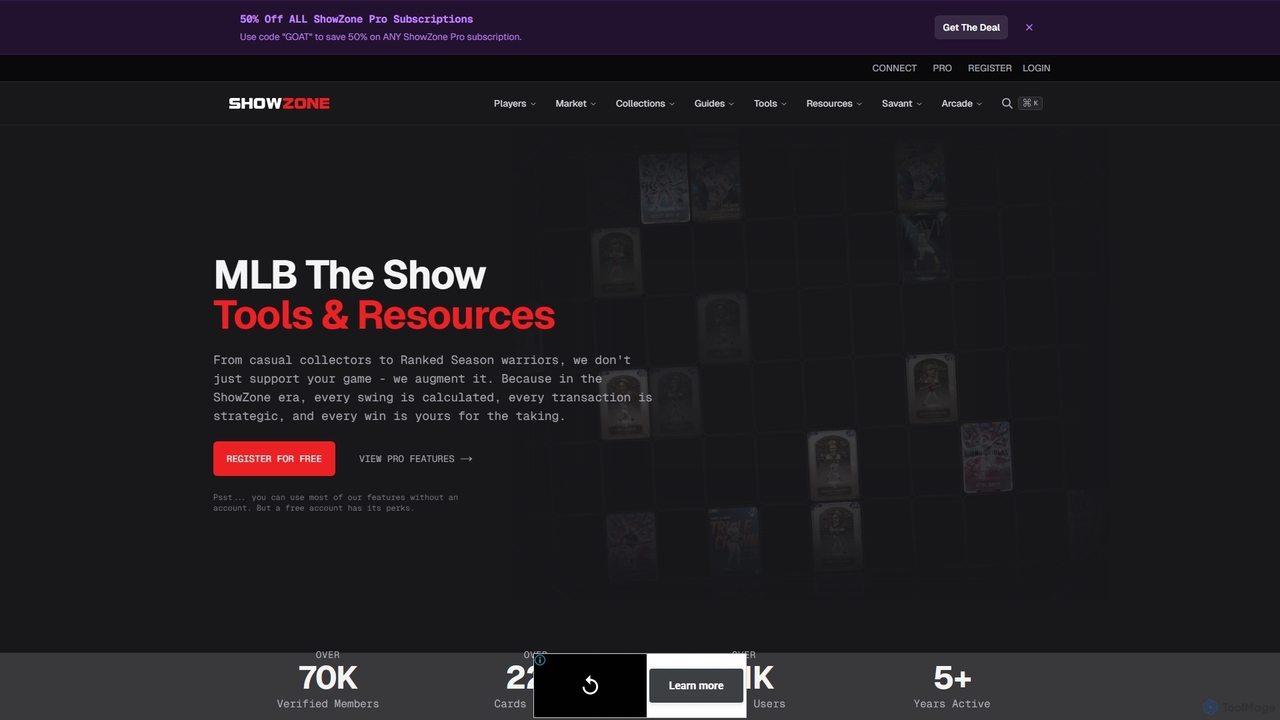
ShowZone

ShowZone

ShowZone is the ultimate companion tool for players of the "MLB The Show" video game. It provides a …

433.2K
Free
Favird

Favird

Favird is a comprehensive AI tool directory designed to help users discover, compare, and select the best AI-powered …

2.6K
sref-midjourney

sref-midjourney

A comprehensive, searchable library of Midjourney Style Reference (--sref) codes. Discover and apply thousands of unique artistic styles …

35.3K
howtostartanllc

howtostartanllc

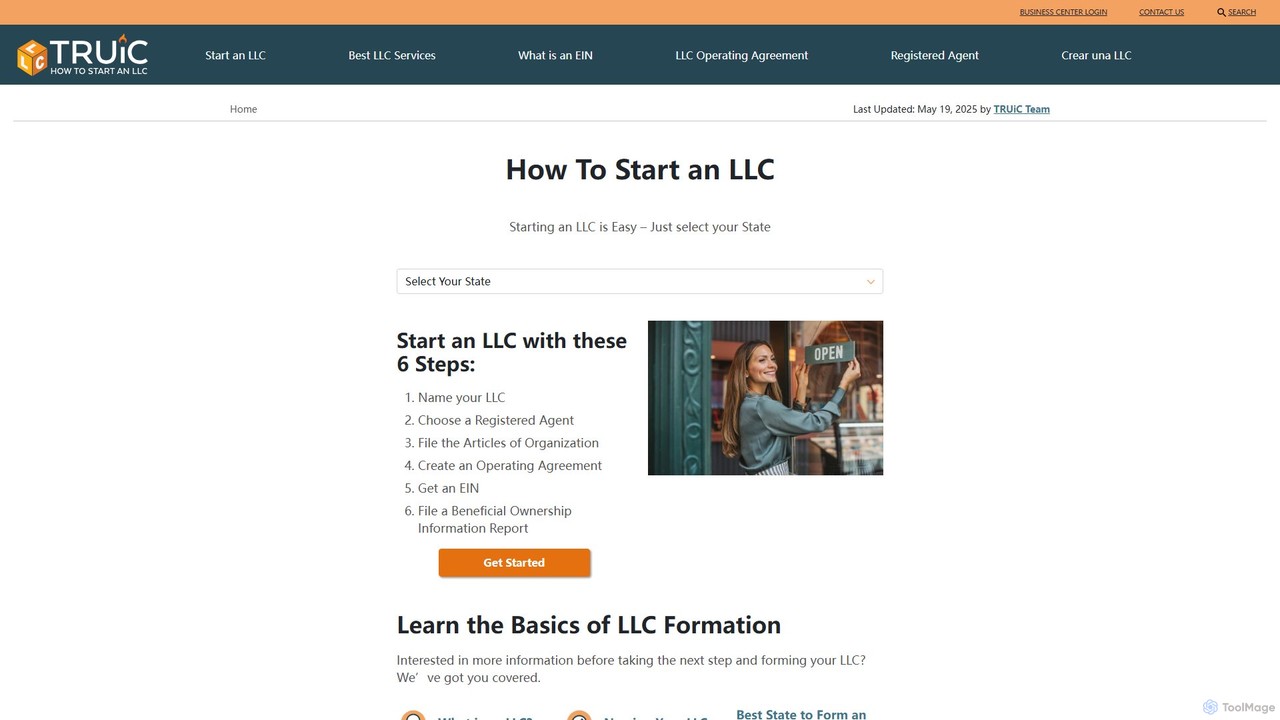
A comprehensive, free resource platform by TRUiC that uses AI-powered tools and expert guides to help entrepreneurs navigate …

42.8K
Midlibrary

Midlibrary

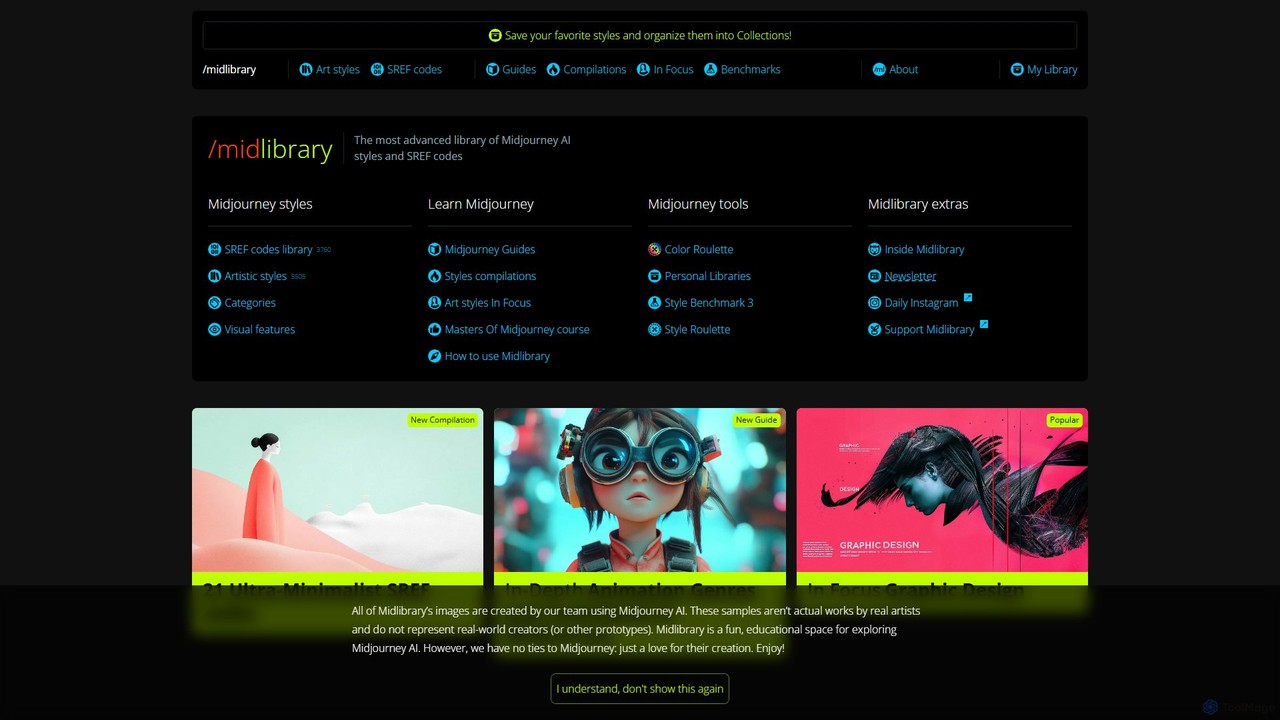
Midlibrary is an extensive, curated resource for Midjourney users, offering a massive library of over 5,300 artistic styles …

174.7K
Free
AItoGrow

AItoGrow

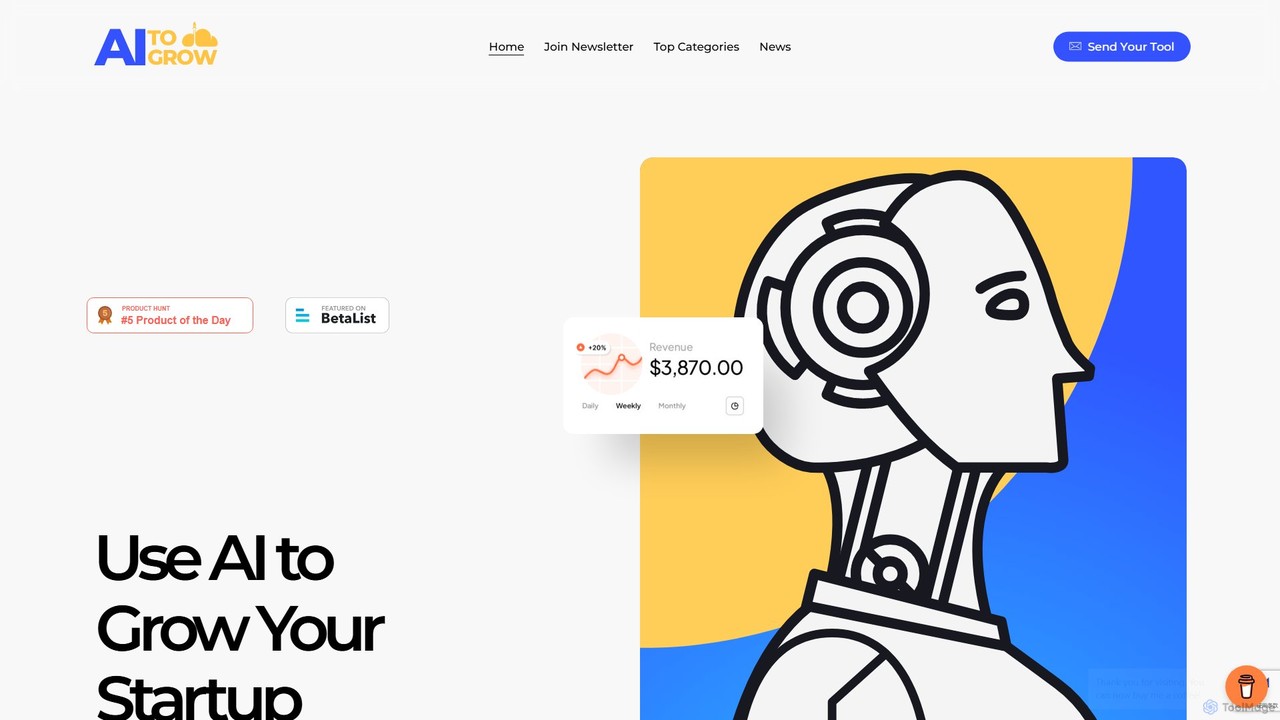
AItoGrow is a comprehensive, curated directory of AI tools designed to help startups and businesses accelerate growth. It …

4.2K
Free
mavtools

mavtools

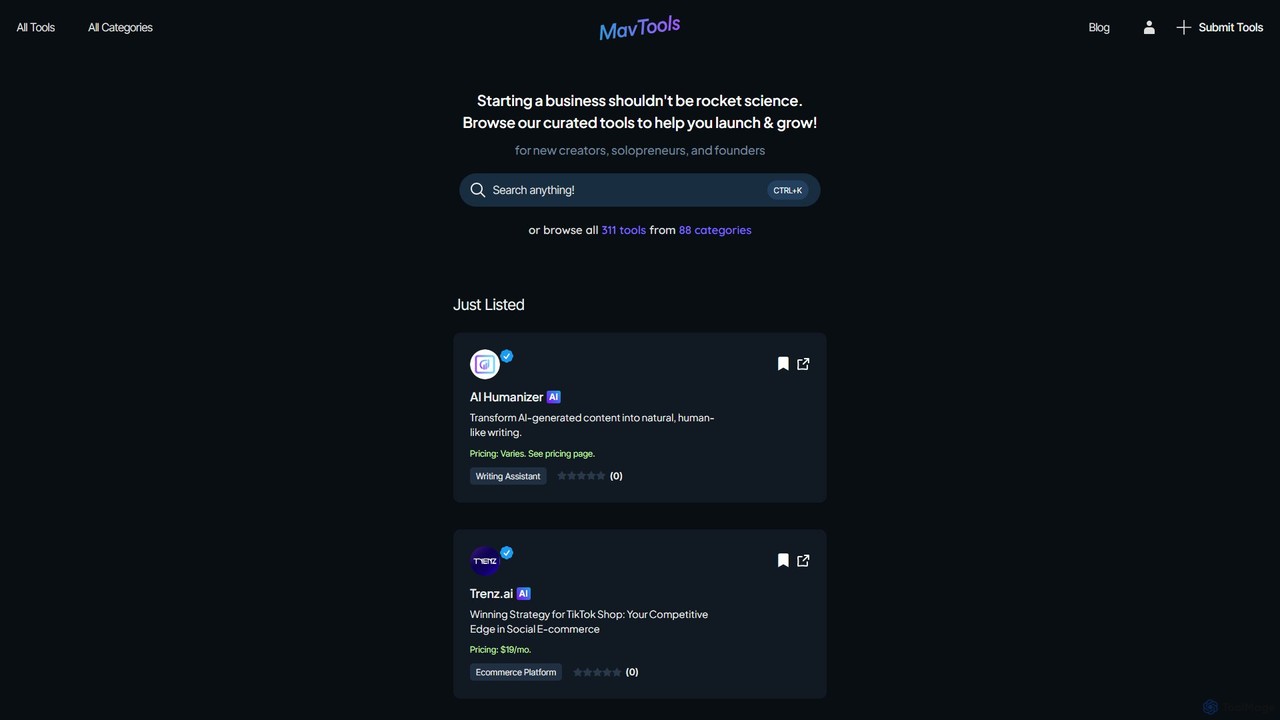
A curated directory of battle-tested SaaS, applications, and AI tools designed for new creators, solopreneurs, and founders. It …

24.0K

About Resource

AI Resource tools are centralized platforms that provide access to a wide range of essential AI assets. These platforms aggregate pre-trained models, datasets, APIs, and prompt libraries, serving as a crucial component of the productivity toolkit for AI professionals. They streamline the process of discovering and integrating AI components, significantly accelerating development and application deployment. By leveraging these curated resources, users can build upon existing work rather than starting from scratch, enhancing innovation and efficiency.

Core Features

  • Model Repositories: Access a vast library of pre-trained models for tasks like natural language processing, computer vision, and audio analysis.
  • Dataset Libraries: Find and utilize curated datasets for training, fine-tuning, and validating AI models.
  • API Marketplaces: Discover, test, and integrate third-party AI APIs to add advanced capabilities to applications with minimal effort.
  • Prompt Collections: Browse and use optimized prompts for various generative AI tools to achieve better and more consistent results.
  • Collaboration Tools: Share models, datasets, and projects with team members or the wider community to foster collaboration.

Use Cases

These tools are widely used by AI developers, machine learning engineers, data scientists, and researchers for rapid prototyping, model fine-tuning, and academic research. Product managers and content creators also use them to find effective prompts or integrate ready-made AI functionalities into their products and workflows.

How to Choose

When selecting an AI Resource tool, consider the variety and quality of its assets, ensuring they align with your project needs. Evaluate the documentation, SDKs, and integration support for ease of use. Also, assess the strength of the community for support and collaboration, and carefully review the licensing terms and pricing models for each resource you intend to use.

ResourceUse Cases

1

Accelerating AI Application Prototyping

An AI developer at a startup needs to quickly build a proof-of-concept for an image recognition feature. Instead of spending weeks collecting data and training a model from scratch, they access an AI resource hub. They search for pre-trained object detection models and find a suitable one like YOLOv8. Using the platform's API, they integrate the model into their application prototype. This allows them to have a functional demo ready in hours, enabling faster feedback cycles with stakeholders and investors.

2

Finding High-Quality Prompts for Marketing Content

A marketing specialist is tasked with creating a series of social media posts for a new product launch. To ensure consistency and creativity, they use an AI resource platform that features a prompt library. They search for prompts related to 'product launch announcements' and 'customer engagement questions'. They find several well-structured templates, which they adapt with their product's specific details. This process saves significant brainstorming time and results in higher-quality, more engaging content generated by their AI writing assistant.

3

Sourcing Datasets for Model Fine-Tuning

A machine learning engineer needs to adapt a general-purpose language model to understand medical terminology for a healthcare chatbot. Manually compiling a specialized dataset would be prohibitively expensive and time-consuming. Instead, they use an AI resource platform to search for publicly available, anonymized medical text datasets. They find a suitable dataset, review its documentation and license, and download it to fine-tune their model. This access to curated data accelerates their project timeline and improves the model's domain-specific accuracy.

4

Discovering and Testing Third-Party AI APIs

A product manager wants to add a new translation feature to their project management application. Lacking in-house AI expertise, they explore an API marketplace on an AI resource platform. They can compare multiple translation APIs based on supported languages, performance benchmarks, and pricing. Using the platform's built-in testing tools, they can send sample requests to different APIs and evaluate the quality of the translations directly. This allows them to make an informed decision and integrate the best-fit API quickly, delivering value to users without a large R&D investment.

5

Academic Research and Benchmarking Models

A university researcher is conducting a study to compare the performance of several new language models against established benchmarks. An AI resource hub is invaluable for this task. It provides a single point of access to both the standard benchmark datasets (like GLUE or SuperGLUE) and the pre-trained weights for various models. This ensures reproducibility and allows the researcher to focus their efforts on analysis and innovation rather than on the tedious process of gathering and standardizing resources from multiple disparate sources.

6

Collaborative AI Model Development

A distributed data science team is working on a custom sentiment analysis model. They use an AI resource platform as their central hub for collaboration. They create a private space where they can upload and version their training datasets. As they train new versions of the model, they upload them to the platform, complete with performance metrics and notes. This provides a single source of truth for the entire team, preventing versioning conflicts and making it easy for any team member to access the latest assets and track the project's progress.

ResourceFrequently Asked Questions