Productivity Best in category 4 results Sales Automation AI Tool

Popular AI tools in the Sales Automation field of Productivity include DigitalGenius、GroupRM、ColdReach AI、nurturally, etc., helping you quickly improve efficiency.

ColdReach AI

ColdReach AI

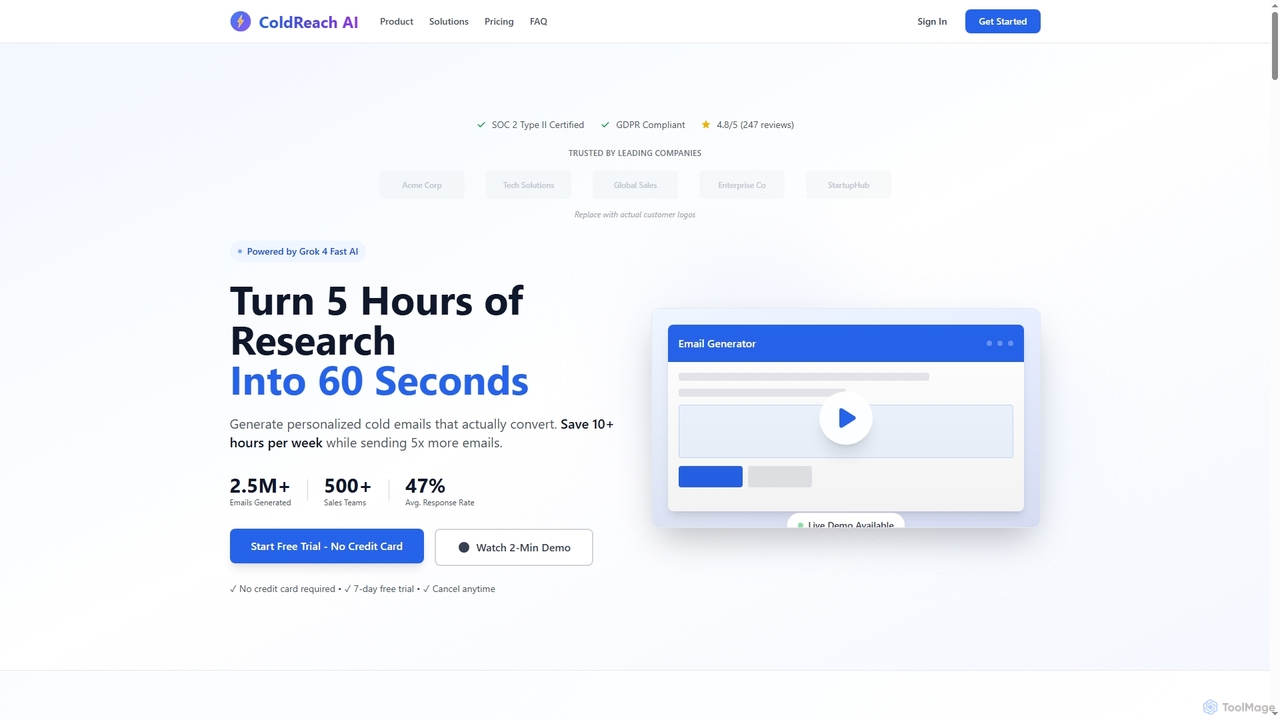
ColdReach AI is an enterprise AI email generator designed for sales teams to create highly personalized cold emails …

4.0K
GroupRM

GroupRM

GroupRM is an AI-powered SaaS platform designed for the airline industry to optimize group travel bookings. It automates …

4.8K
nurturally

nurturally

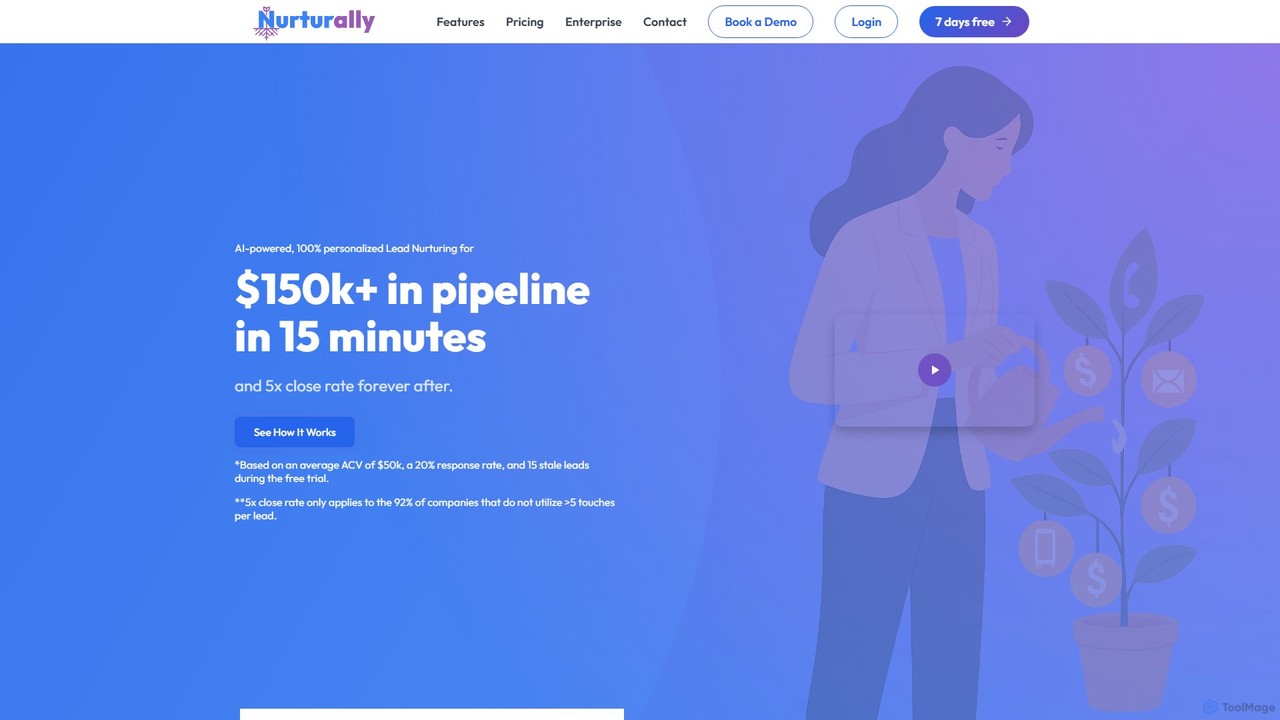
Nurturally is an AI-powered platform designed to automate lead nurturing and follow-ups. It intelligently re-engages cold or long-cycle …

3.1K
DigitalGenius

DigitalGenius

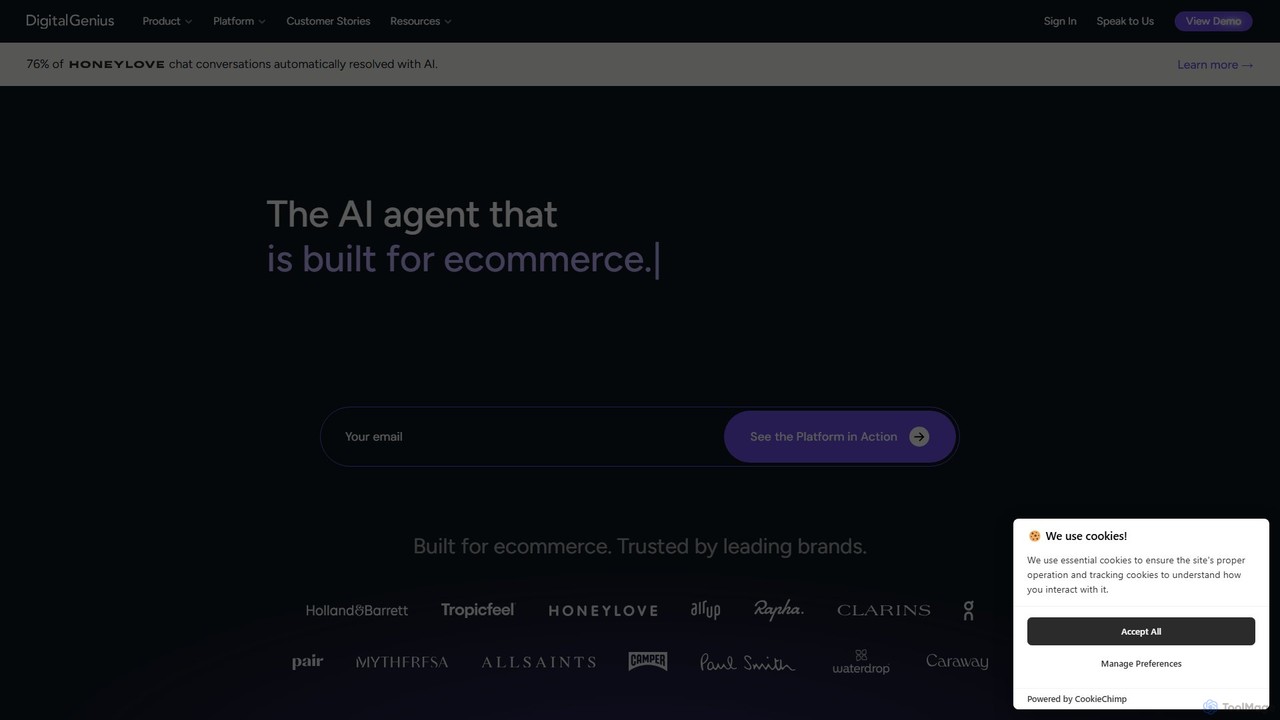
DigitalGenius is an advanced AI agent specifically designed for ecommerce. It goes beyond standard chatbots to fully resolve …

46.2K

About Sales Automation

Sales Automation tools are AI-powered platforms designed to streamline and automate repetitive tasks throughout the sales cycle. These tools leverage artificial intelligence for lead scoring, email sequencing, CRM data entry, and scheduling, freeing up sales representatives' time. This allows sales teams to focus on high-value activities like building client relationships and closing deals, ultimately increasing sales efficiency and revenue. As a specialized category within Productivity, they are specifically tailored to the sales funnel, from prospecting to post-sale follow-up.

Core Features

  • Lead Scoring & Prioritization: Automatically analyzes and ranks leads based on their likelihood to convert, helping teams focus on the most promising prospects.
  • Automated Email Sequencing: Creates and deploys personalized email campaigns to nurture leads through the sales pipeline without manual intervention.
  • CRM Data Automation: Automatically logs calls, emails, and meetings in the CRM system, ensuring data is always accurate and up-to-date.
  • AI-Powered Sales Analytics: Provides deep insights into team performance, forecasts future sales, and identifies trends to optimize strategy.
  • Intelligent Meeting Scheduling: Simplifies the process of booking meetings by sharing real-time availability and automating calendar invites.

Applicable Scenarios

These tools are invaluable for B2B technology companies managing a high volume of inbound leads, real estate agencies automating follow-ups with potential buyers, and SaaS businesses aiming to convert trial users into paying customers. Any sales team looking to scale its outreach and improve process efficiency can benefit significantly.

Selection Criteria

When choosing a Sales Automation tool, prioritize its integration capabilities with your existing CRM and email platforms. Evaluate its scalability to ensure it can grow with your team. Also, consider the level of customization available for workflows and scoring models, and assess the depth of its analytics and reporting features to measure ROI effectively.

Sales AutomationUse Cases

1

Automating Lead Nurturing Email Campaigns

A B2B SaaS marketing team needs to manage hundreds of new leads from a recent webinar. Manually following up is inefficient and prone to errors. Using a Sales Automation tool, they create a multi-step email sequence triggered automatically for each new lead. The sequence sends personalized follow-ups based on lead behavior, such as opening an email or clicking a link. This system nurtures leads automatically, identifies the most engaged prospects for sales reps, and significantly increases meeting booking rates, often by over 30%.

2

Intelligent Lead Scoring and Prioritization

A sales manager notices the team is wasting time on low-quality leads. To solve this, they implement a Sales Automation tool with AI-powered lead scoring. The system analyzes lead data, including demographics, company information, and website behavior, to assign a numerical score. High-scoring leads, indicating a strong purchase intent, are automatically routed to the top of sales reps' queues. This ensures that reps focus their efforts on the most promising opportunities, which shortens the sales cycle and improves the overall lead-to-customer conversion rate.

3

Streamlining CRM Data Entry for Sales Reps

A field sales representative spends hours each day manually logging calls, emails, and meeting notes into the company's CRM. This administrative burden reduces their available selling time. By integrating a Sales Automation tool with their email and calendar, all communication activities are automatically synced with the corresponding contact records in the CRM. This eliminates manual data entry, saving the rep 5-8 hours per week. It also ensures that CRM data is always accurate and up-to-date, providing managers with a clear view of the sales pipeline.

4

Automating Sales Meeting Scheduling

An account executive often struggles with the back-and-forth emails required to find a suitable meeting time with a prospect. This friction can delay the sales process and lead to lost opportunities. The Sales Automation tool provides a personal scheduling link that shows the executive's real-time availability. The prospect can click the link, choose a convenient time, and book the meeting instantly. The system automatically creates a calendar event for both parties and sends reminders, effectively eliminating scheduling conflicts and reducing meeting no-show rates.

5

Generating AI-Powered Sales Forecasts

A VP of Sales needs to provide accurate quarterly revenue forecasts to leadership. Manual forecasting based on reps' opinions is often unreliable. They use a Sales Automation platform's AI forecasting module, which analyzes historical sales data, deal stages, rep performance, and seasonality. The AI generates a data-driven forecast with different probability scenarios (e.g., optimistic, pessimistic, most likely). This provides more reliable revenue predictions, helps in better resource allocation, and allows for proactive strategy adjustments to ensure sales targets are met.

6

Personalizing Sales Outreach at Scale

A business development team needs to conduct cold outreach to hundreds of potential clients without sounding generic. Using a Sales Automation tool, they can create email templates that automatically pull in personalized data points for each prospect, such as their name, company, and job title. Advanced tools use AI to analyze a prospect's LinkedIn profile or recent company news to suggest custom opening lines. This allows the team to send highly personalized emails at scale, significantly increasing open and reply rates and leading to more qualified conversations.

Sales AutomationFrequently Asked Questions