ToolMage
Sign in

Best 101 Search AI tools for Productivity

Popular Search AI tools in Productivity include Brave, Baidu AI Search, Google Books, Semantic Scholar, Atom, iAsk, scite, Connected Papers, Answer Overflow, and Jina AI, helping you work more efficiently.

Perigon
Freemium

Perigon

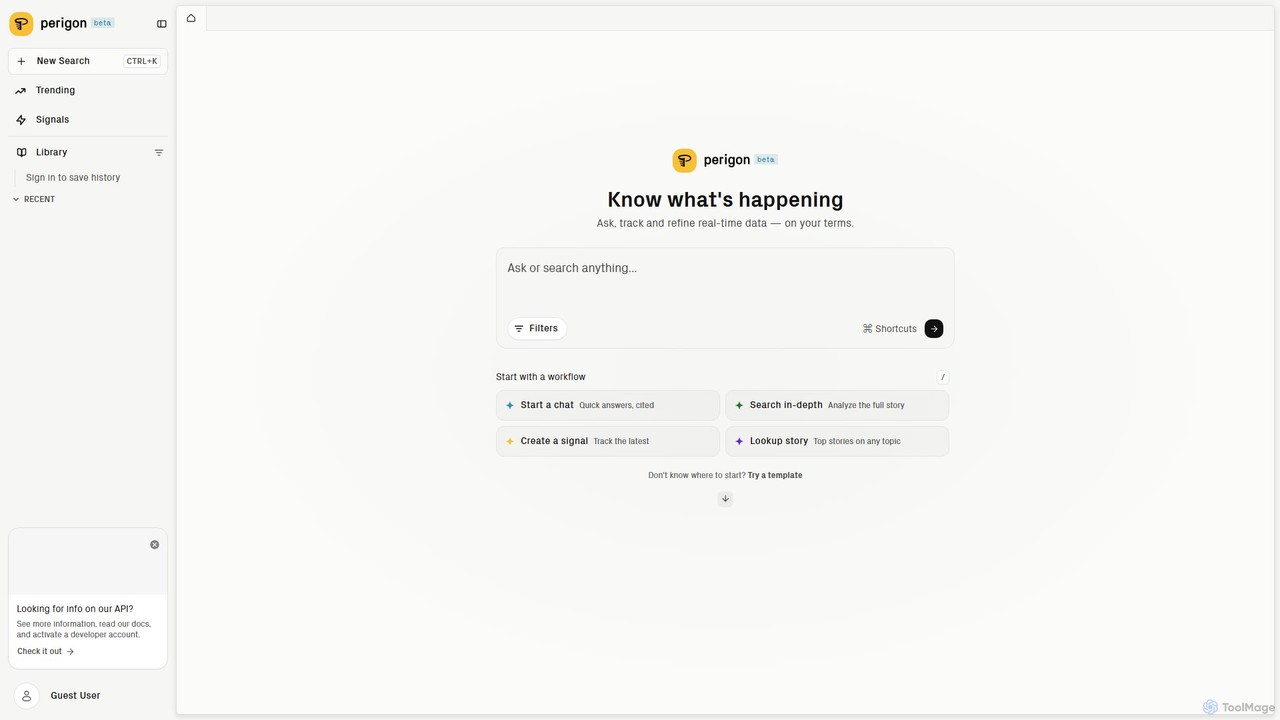
Perigon is an AI-powered contextual intelligence platform and news API. It analyzes global information in real-time, providing structured data, AI-generated summaries, and deep insights. It's designed for researchers, developers, and enterprises to track topics, understand market trends, and cut through information noise to get the complete story.

News & Research
Visits 16.6KFavorites 110Likes 137
MeaningIn.Chat
Free

MeaningIn.Chat

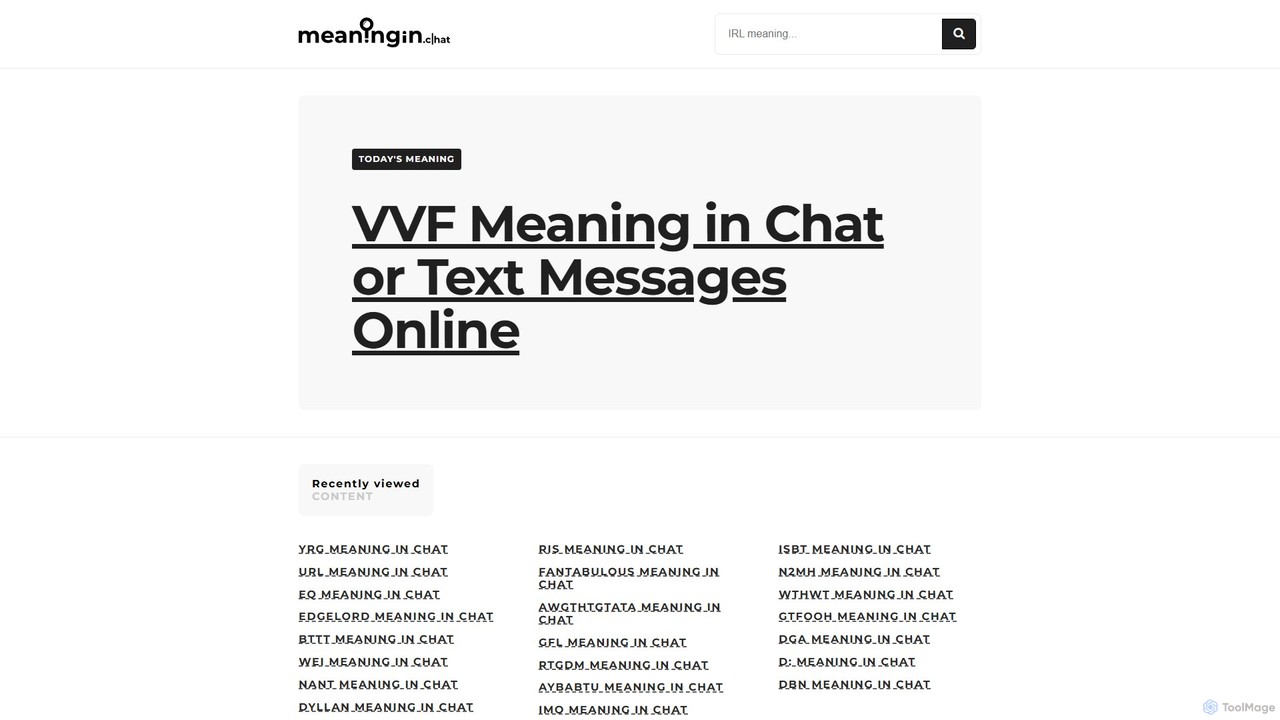
A free online dictionary dedicated to decoding internet slang, acronyms, and text-speak. Quickly find the meanings of confusing terms used in chat, social media, and online gaming to stay current with digital communication.

Language Learning
Visits 6KFavorites 108Likes 121
thepaperlens
Paid

thepaperlens

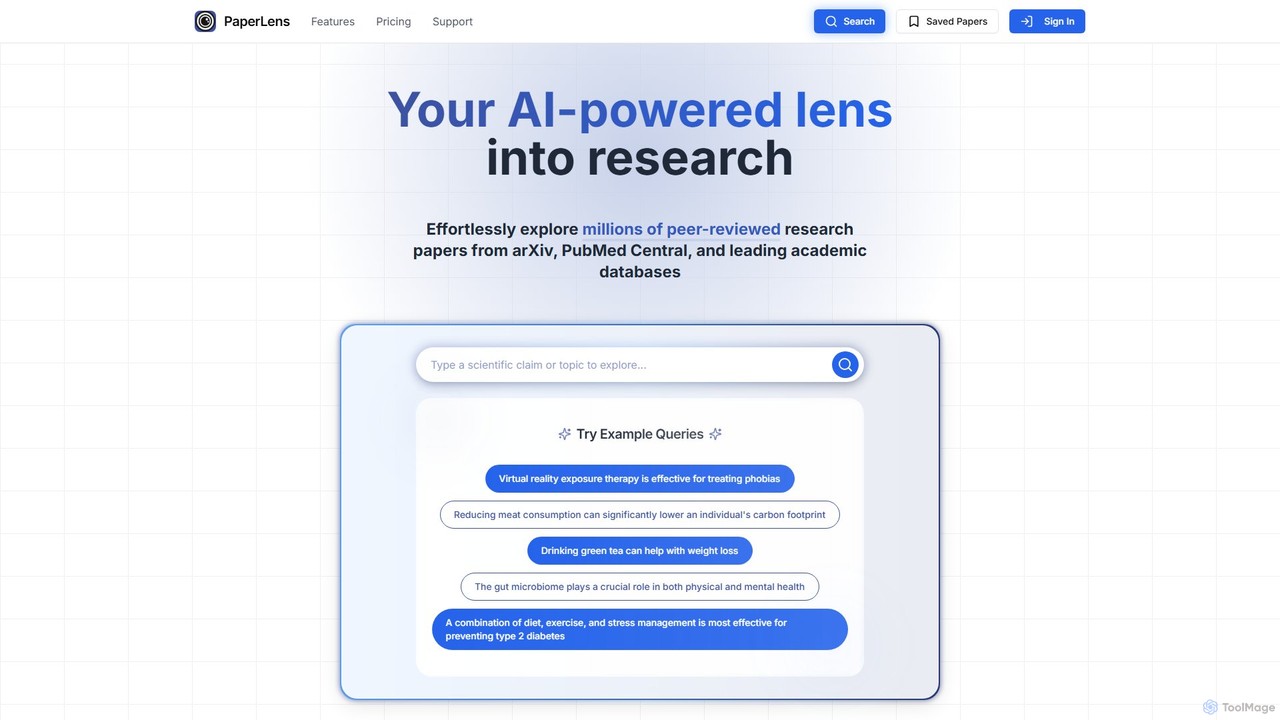
ThePaperLens is an AI-powered research platform that simplifies literature reviews. Using advanced RAG technology, it provides precise semantic search across millions of papers from databases like arXiv and PubMed Central. Features include an interactive AI research assistant chatbot for summaries and insights, smart filtering, and paper-saving capabilities. It's designed for students, academics, and professionals to accelerate their research process and uncover key information efficiently.

Academic
Visits 6.3KFavorites 146Likes 143
Fileread
Paid

Fileread

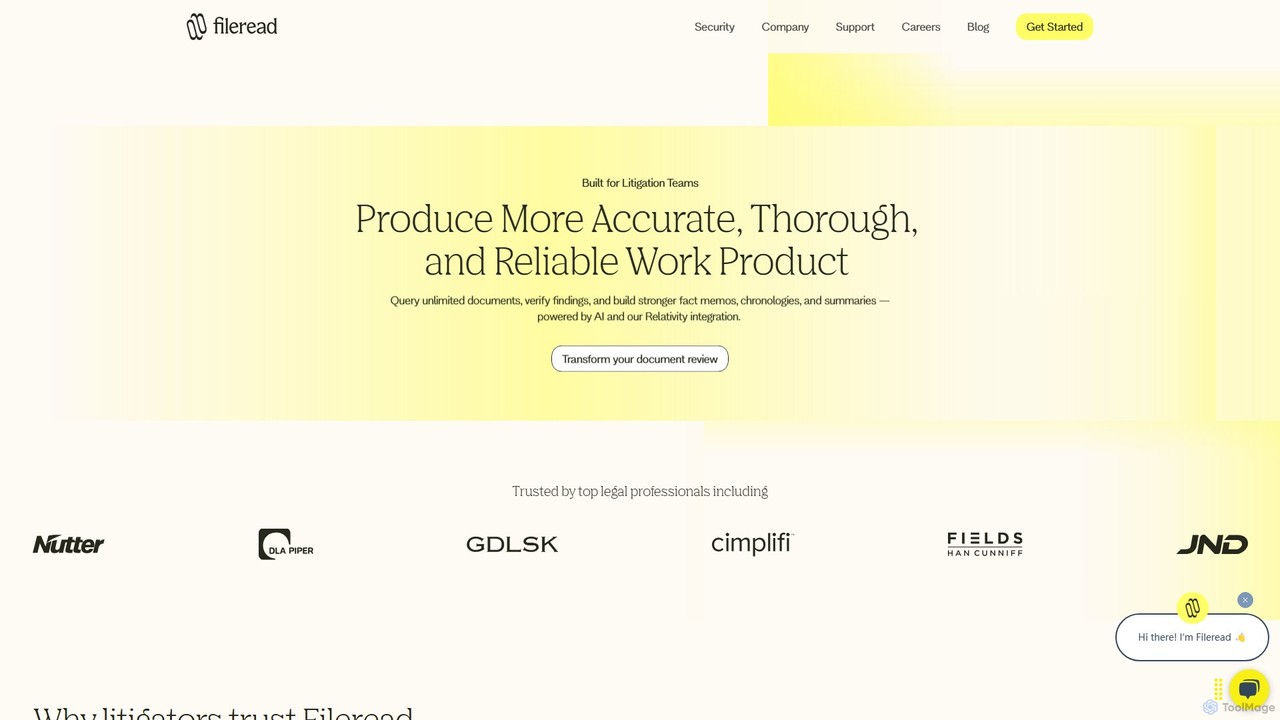
Fileread is an AI-powered document review platform designed for litigation teams. It streamlines fact-finding and case preparation by allowing legal professionals to query unlimited documents, including text, images, and handwritten notes. The tool helps build accurate fact memos, chronologies, and summaries, integrating seamlessly with Relativity and upholding the highest security standards (SOC2, ISO 27001, HIPAA, GDPR).

Data Analysis
Visits 7.7KFavorites 146Likes 151
vlex
Paid

vlex

vLex is an AI-powered legal intelligence platform providing access to a vast global library of laws and case law. It features Vincent, an AI legal research assistant that analyzes documents to find relevant precedents, saving legal professionals hours of work. Ideal for law firms, corporate counsel, and academic institutions.

Academic Research
Visits 134.6KFavorites 110Likes 104

About Search

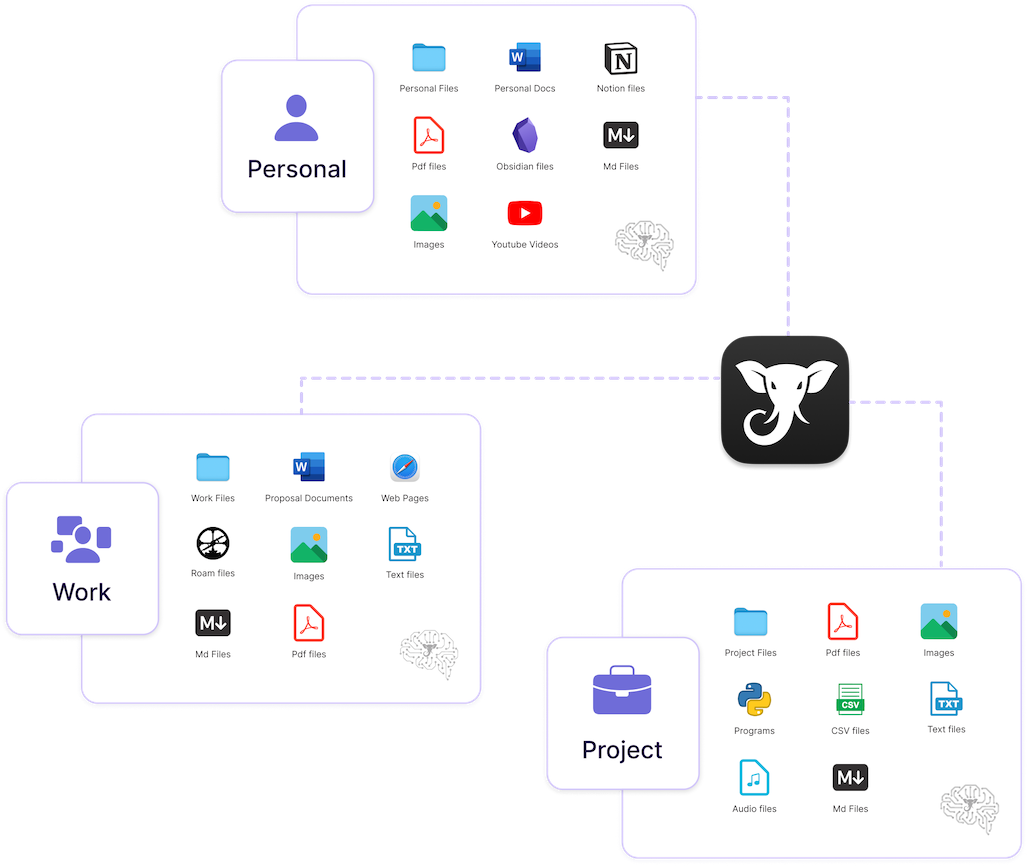
Search AI tools are a category of artificial intelligence applications designed to revolutionize how we discover and retrieve information. Leveraging natural language processing (NLP), machine learning, and semantic understanding, these tools go beyond traditional keyword matching to interpret user intent and context. They enable users to find highly relevant data, documents, or content across vast datasets, both internal and external, significantly enhancing productivity by delivering precise, context-aware results tailored to specific needs.

Core Features

  • Semantic Search: Understands the meaning and intent behind queries, not just keywords, for more relevant results.
  • Natural Language Querying: Allows users to ask questions in conversational language, making information retrieval intuitive.
  • Personalized Results: Tailors search outcomes based on individual user history, preferences, and roles.
  • Cross-Source Indexing: Unifies search across diverse data repositories, including documents, databases, and web content.
  • Contextual Understanding: Interprets the broader context of a query to provide more accurate and refined information.

Applicable Scenarios

AI Search tools are invaluable for organizations and individuals grappling with information overload. They are widely adopted in enterprise knowledge management for employees to quickly access internal documents, in customer support to accelerate resolution times by finding relevant FAQs, and in academic or market research to efficiently sift through vast amounts of data for insights and trend discovery.

How to Choose

When selecting an AI Search tool, consider its data source compatibility with your existing systems (e.g., CRM, ERP, cloud storage). Evaluate its accuracy and relevance in understanding complex queries and delivering precise results. Assess its scalability to handle growing data volumes and user bases, and ensure the user interface is intuitive and integrates seamlessly into your workflow for optimal user experience.

Featured tool rankings

Search use cases

1

Streamlining Internal Knowledge Retrieval

For large organizations, employees often struggle to find specific documents, policies, or project details scattered across various systems. AI search tools allow employees to use natural language queries to quickly locate precise information from internal databases, shared drives, and collaboration platforms, significantly reducing time spent searching and improving decision-making across departments.

2

Accelerating Customer Service Resolution

Customer service agents can leverage AI search to rapidly find answers to complex customer queries within extensive knowledge bases, product manuals, and support forums. By understanding the intent behind customer questions, these tools provide instant, accurate solutions, leading to faster resolution times and improved customer satisfaction without extensive manual digging.

3

Deepening Academic and Market Research

Researchers and analysts need to sift through vast amounts of academic papers, market reports, and news articles. AI search tools enable them to perform semantic searches, identifying connections and insights that keyword searches might miss. This helps in discovering trends, validating hypotheses, and compiling comprehensive reports more efficiently and thoroughly.

4

Expediting Legal e-Discovery

In legal practices, reviewing thousands of documents for relevant information during e-discovery is a time-consuming task. AI search tools can quickly identify pertinent clauses, precedents, and facts across massive legal datasets, understanding legal jargon and context, thereby drastically reducing manual review time and costs associated with litigation preparation.

5

Discovering Relevant Content for Creation

Content creators and marketers constantly need fresh ideas and factual information to produce engaging material. AI search tools help them quickly find trending topics, authoritative sources, and related content across the web or internal archives. This supports the creation of well-researched, unique content and helps avoid duplication, enhancing content strategy.

6

Improving E-commerce Product Discovery

Online shoppers often use vague or descriptive terms when looking for products. AI search engines on e-commerce platforms can interpret these natural language queries, understand product attributes, and offer highly relevant, personalized product recommendations. This leads to a more intuitive shopping experience, reduced bounce rates, and increased conversion rates for retailers.

Search FAQ

What are AI Search tools?

AI Search tools are applications that use artificial intelligence, primarily natural language processing and machine learning, to understand user intent and context beyond simple keywords. They aim to deliver more accurate, relevant, and personalized search results across various data sources, significantly improving information retrieval efficiency and user experience.

How do I choose the right AI Search tool for my needs?

When selecting an AI Search tool, consider its compatibility with your existing data sources and systems, the accuracy and relevance of its search results, and its ability to understand complex natural language queries. Evaluate its scalability for future data growth, user interface intuitiveness, and robust security features to protect sensitive information effectively.

What is the difference between AI Search and traditional search engines?

Traditional search engines primarily rely on keyword matching and indexing, often returning results based on exact terms. AI Search tools, however, leverage semantic understanding and machine learning to interpret the meaning and context of a query, providing more intelligent, context-aware, and personalized results, even for vague or complex natural language inputs, enhancing relevance.

What are the key functionalities of AI Search tools?

Key functionalities include semantic search, which understands the meaning behind queries; natural language processing (NLP) for conversational interactions; contextual filtering to refine results based on user intent; personalization to tailor results; and cross-source indexing to search across diverse data repositories like documents, databases, and web content, offering a comprehensive view.

Who benefits most from using AI Search tools?

AI Search tools benefit anyone dealing with large volumes of information, including enterprise employees seeking internal documents, customer support teams needing quick answers, researchers analyzing vast datasets, legal professionals for e-discovery, and e-commerce businesses aiming to improve product discovery. They enhance productivity and decision-making across various sectors by making information accessible.