ToolMage
Sign in

Best 52 Study Tools for Productivity

Popular Study Tools in Productivity include Quizlet, astra_ai, Brainly, Cognito, Up Learn, Solvely, Pandai, Thetawave AI, Kunduz, and Neural Consult, helping you work more efficiently.

Open Tutor
Freemium

Open Tutor

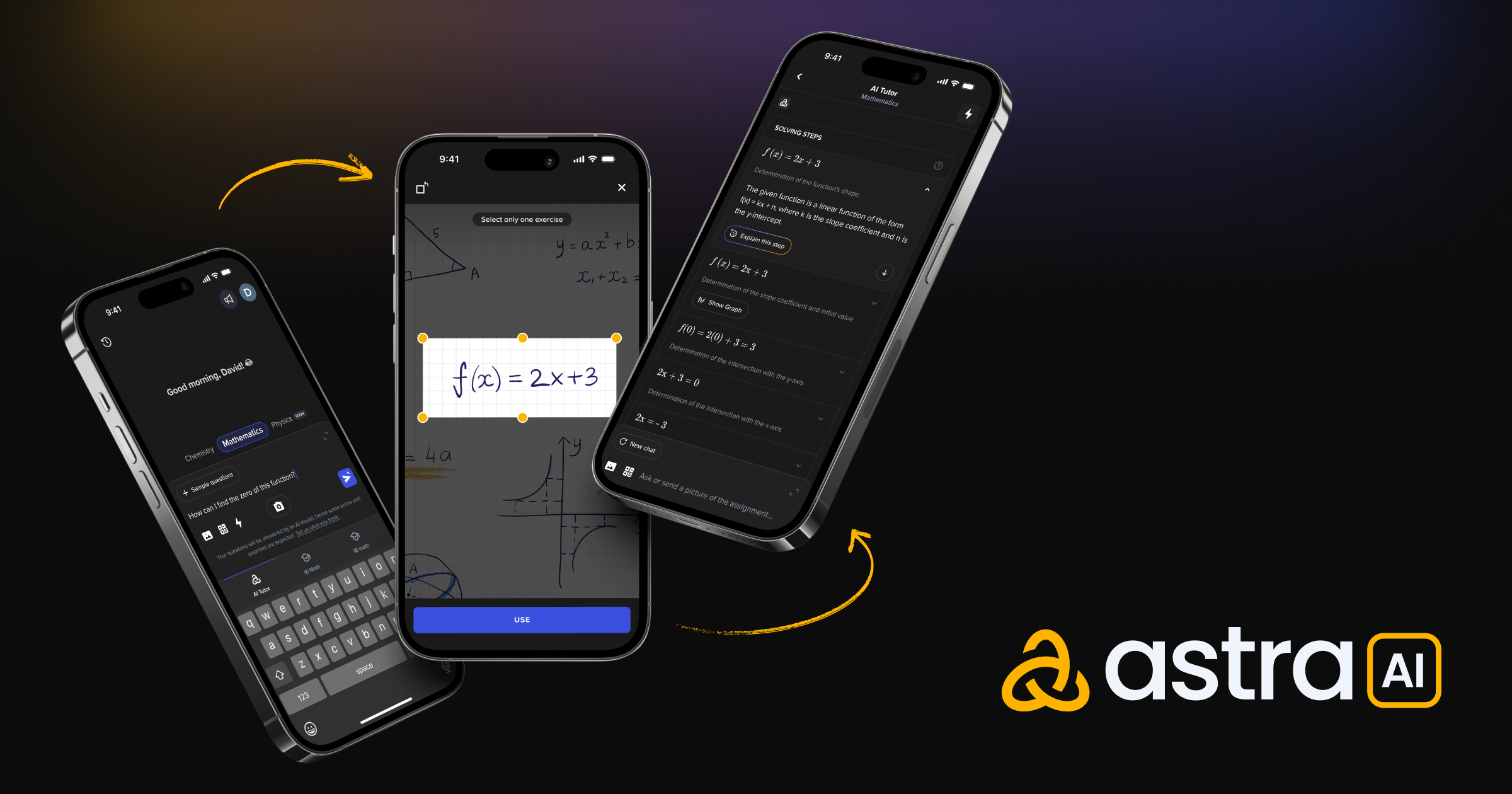
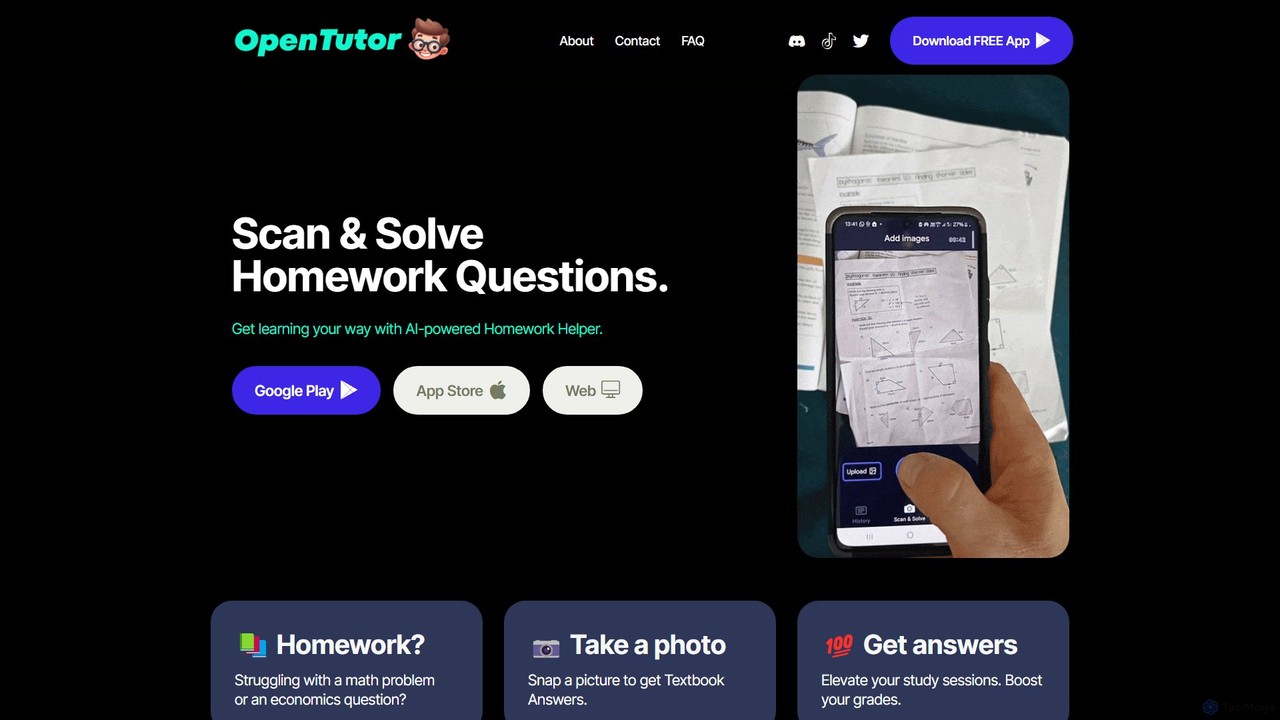
Open Tutor is an AI-powered homework helper that instantly solves academic problems. Simply snap a photo of a question from any subject, like math or economics, and the app provides detailed, step-by-step solutions. It's designed to reduce study stress, enhance understanding, and make learning more accessible and efficient for students of all levels.

Homework Helper
Visits 5.4KFavorites 133Likes 133

Apex Vision AI
Freemium

Apex Vision AI

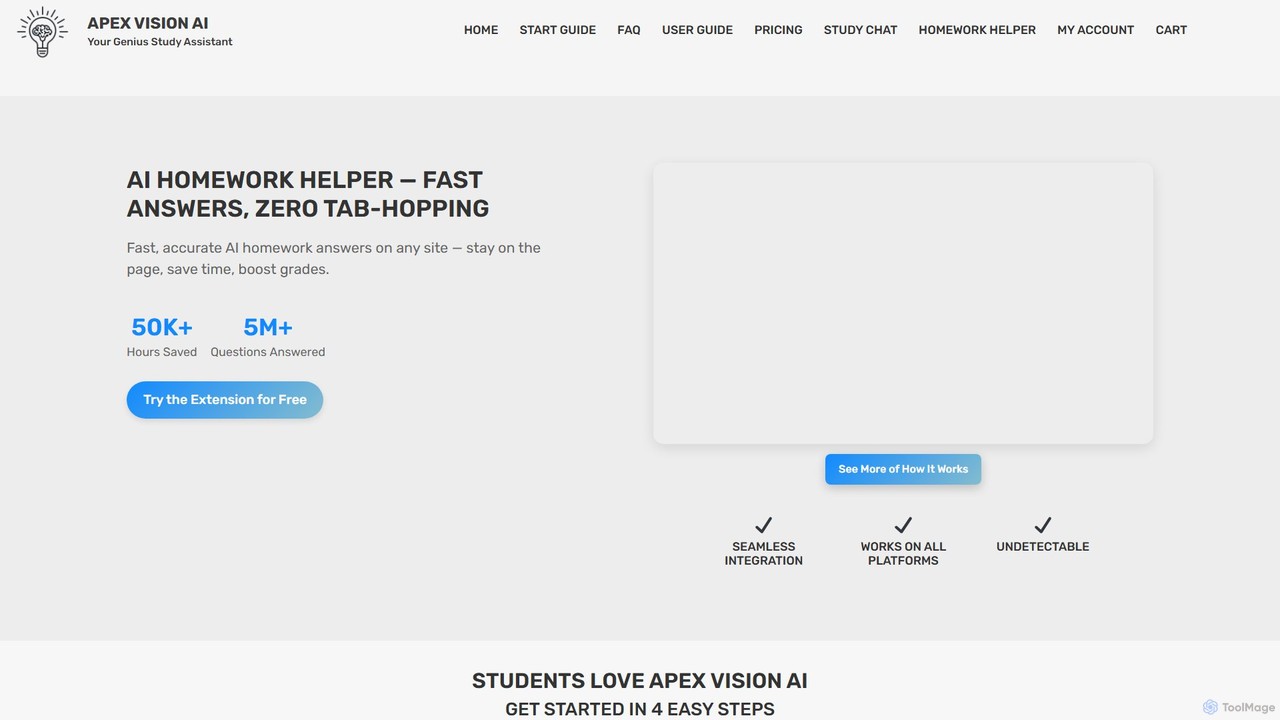
Apex Vision AI is an AI-powered Chrome extension designed as a genius study assistant for students. It provides instant, accurate homework answers and exam help directly on any website, including major LMS platforms like Canvas and Blackboard. Features include a stealth mode, image solver, and one-click study guides to save time and boost grades.

Homework Helper
Visits 27.2KFavorites 149Likes 131
rbtpracticetest
Free

rbtpracticetest

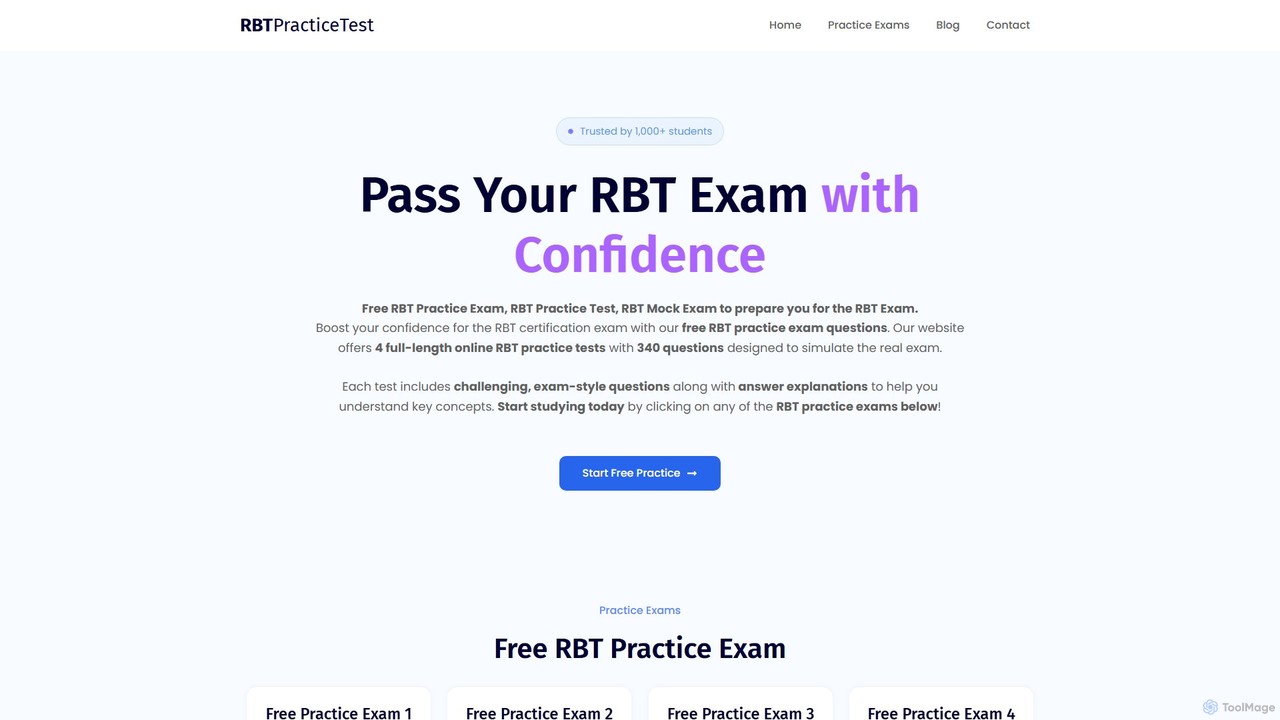
A free online platform offering full-length practice exams and mock tests to help aspiring Registered Behavior Technicians (RBTs) prepare for their certification exam. It provides realistic, exam-style questions with detailed explanations.

Test Preparation
Visits 5.5KFavorites 130Likes 128
Ora AI
Freemium

Ora AI

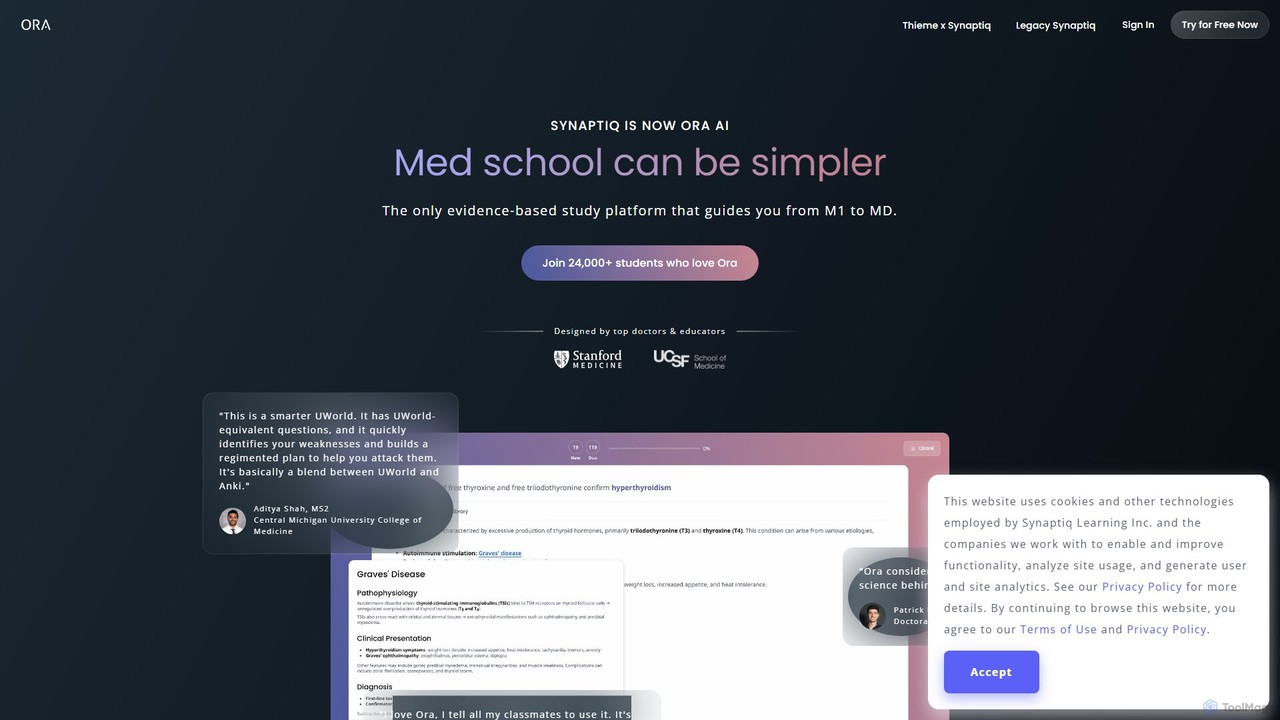
Ora AI (formerly Synaptiq) is an evidence-based, AI-powered study platform for medical students and professionals. It uses adaptive learning, high-quality question banks, and spaced repetition to create personalized study plans, identify weaknesses, and optimize preparation for board exams and medical coursework.

Medical
Visits 8.5KFavorites 88Likes 98

About Study Tools

AI Study Tools are specialized applications designed to enhance and personalize the learning process. They utilize artificial intelligence, particularly natural language processing (NLP) and machine learning, to analyze educational content, generate study materials, and adapt to an individual's learning pace. These tools transform passive reading into an active learning experience by creating summaries, flashcards, and quizzes from notes or documents. Unlike general productivity software, they are built specifically to improve knowledge retention and comprehension for students, researchers, and lifelong learners.

Core Features

  • Automated Summarization: Condenses long articles, textbooks, or research papers into key points and concise summaries.
  • Interactive Quiz & Flashcard Generation: Creates practice questions and digital flashcards from any uploaded text or notes to facilitate active recall.
  • Personalized Learning Paths: Adapts the difficulty and frequency of content based on user performance to optimize study sessions.
  • Document Analysis & Q&A: Allows users to ask questions directly about a document and receive AI-generated answers with source citations.
  • Spaced Repetition System (SRS): Intelligently schedules reviews of learned material at optimal intervals to strengthen long-term memory.

Use Cases

These tools are widely used by university students preparing for exams, researchers conducting literature reviews, and professionals acquiring new skills for certification. For example, a medical student can upload a dense textbook chapter and instantly receive flashcards on key terminology. A researcher can quickly get summaries of dozens of academic papers to identify relevant studies. Corporate trainees can use them to master complex training manuals efficiently.

How to Choose

When selecting an AI Study Tool, consider the types of content you work with (text, PDF, video). Evaluate the quality of its summarization and question generation. Check for features that match your learning style, such as spaced repetition or mind mapping. Also, consider its integration capabilities with other platforms like note-taking apps and the tool's data privacy policy, especially when handling sensitive research material.

Featured tool rankings

Study Tools use cases

1

Accelerate Exam Preparation with AI-Generated Quizzes

A university student facing final exams can use an AI Study Tool to streamline their revision process. Instead of spending hours manually creating study guides from extensive lecture notes and textbook chapters, the student uploads all their digital materials into the tool. The AI analyzes the content and automatically generates a series of multiple-choice questions, fill-in-the-blanks, and flashcards covering key concepts. This allows the student to immediately begin active recall practice, identify knowledge gaps, and focus their study time more effectively, turning passive material into an interactive learning experience.

2

Efficient Literature Review for Academic Research

Researchers and postgraduate students often need to review dozens or even hundreds of academic papers for a literature review. An AI Study Tool can drastically reduce this workload. By uploading a collection of research papers in PDF format, the researcher can use the AI to generate concise summaries for each paper, highlighting the objectives, methodology, and key findings. They can also use the Q&A feature to ask specific questions across all documents, such as "Which studies used a quantitative approach?" This helps them quickly identify the most relevant papers and synthesize information without reading every document from start to finish.

3

Master a New Language with AI-Powered Practice

A language learner can use an AI Study Tool to create personalized practice materials. They can upload articles, book chapters, or even conversation transcripts in their target language. The tool can then generate vocabulary flashcards with definitions and usage examples, create grammar quizzes based on the text's sentence structures, and provide summaries to test reading comprehension. This transforms authentic content into a structured lesson, providing endless, context-rich material that adapts to their current proficiency level, making the learning process more engaging and effective than static textbooks.

4

Simplify Complex Technical Manuals for Training

Corporate trainers or employees learning to use new software or machinery are often faced with dense, lengthy technical manuals. An AI Study Tool can make this information more digestible. By uploading the manual, a user can ask the AI direct questions like "How do I perform a system reset?" and get a clear, step-by-step answer extracted from the text. The tool can also summarize chapters into checklists or generate quizzes on safety procedures, ensuring a better understanding and retention of critical operational knowledge, which helps reduce training time and improve on-the-job performance.

5

Personalized Study Plans for Self-Learners

A self-learner or professional pursuing an online certification can leverage AI Study Tools to create a structured learning plan. After uploading the course syllabus and reading materials, the AI can help break down large topics into smaller, manageable sub-topics. Based on the learner's performance on initial quizzes, the tool can create a personalized study schedule using a spaced repetition system (SRS). This ensures the learner revisits difficult concepts more frequently, optimizing their study time and building a strong foundation of knowledge for long-term retention, rather than just cramming for an exam.

6

Interactive Homework and Problem-Solving Assistance

A high school or college student struggling with a complex topic in subjects like history or biology can use an AI Study Tool as a 24/7 tutor. They can upload their textbook chapter or assignment reading and ask clarifying questions, such as "Explain the main causes of World War I" or "What is the function of mitochondria?". The AI provides detailed explanations based on the source material, helping the student understand concepts without simply giving away the answer. This fosters critical thinking and provides instant support when a teacher or tutor is not available.

Study Tools FAQ

What are AI Study Tools?

AI Study Tools are applications that use artificial intelligence to help users learn more effectively. They go beyond simple document storage by actively processing information to create study aids. Key features include automatically summarizing long texts, generating quizzes and flashcards from your notes, and allowing you to ask questions about your documents. They are designed for students, researchers, and anyone looking to improve their comprehension and memory retention of complex subjects.

How do I choose the right AI Study Tool?

To choose the right tool, consider these four factors:

  • Content Compatibility: Ensure the tool supports the file types you use most, such as PDFs, web pages, or audio files.
  • Core Features: Decide if you need summarization, flashcard creation, Q&A, or a spaced repetition system (SRS). Not all tools offer everything.
  • Learning Style: Select a tool that aligns with how you learn. Some are better for visual learners (mind maps), while others focus on active recall (quizzes).
  • Cost and Privacy: Compare pricing plans and carefully review the tool's data privacy policy, especially if you'll be uploading sensitive or proprietary information.

What is the difference between AI Study Tools and note-taking apps like Notion?

The main difference lies in their purpose: active learning versus information management. Note-taking apps like Notion or Evernote are excellent for organizing and storing information. AI Study Tools, on the other hand, are designed to interact with your information to help you learn it. They actively transform your notes and documents into quizzes, summaries, and flashcards, facilitating cognitive processes like active recall and spaced repetition. In short, you use a note-taking app to store what you know, and an AI Study Tool to understand and remember it.

Can AI Study Tools help with any subject?

Yes, AI Study Tools are generally subject-agnostic and can be highly effective across a wide range of disciplines. They are particularly useful for text-heavy subjects like history, law, literature, and biology, where summarization and concept memorization are key. They are also valuable for technical fields for breaking down dense manuals and research papers. However, their effectiveness for highly mathematical or abstract subjects may vary, as their strength lies primarily in processing and structuring natural language text.

Are AI Study Tools accurate?

The accuracy of AI Study Tools is generally high but not infallible. For tasks like summarization and identifying key terms from a document, modern AI models perform very well. However, the generated quizzes or answers to complex, nuanced questions should always be cross-referenced with the original source material. Think of them as powerful assistants that accelerate your study process, not as a replacement for critical thinking and verification. It's best practice to use the AI-generated content as a starting point for your own review and deeper understanding.