Productivity Best in category 10 results Templates AI Tool

Popular AI tools in the Templates field of Productivity include Design Bundles、Landmark Labs、Go Legal AI、Defiant、NotionVC、Templify、DesignCode UI、Product Manager OS、Strategy-First AI、Valeria Notion, etc., helping you quickly improve efficiency.

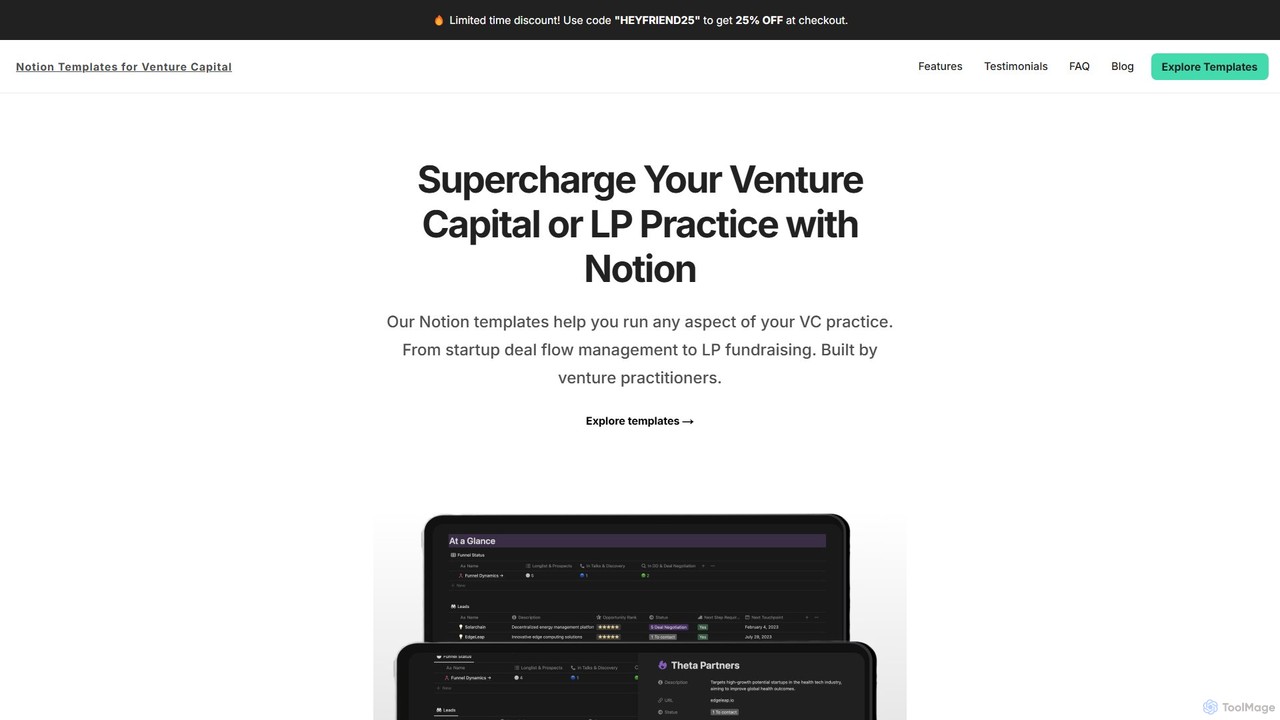
NotionVC

NotionVC

NotionVC offers a comprehensive suite of premium Notion templates specifically designed for venture capital professionals. It helps VCs, …

7.7K
Landmark Labs

Landmark Labs

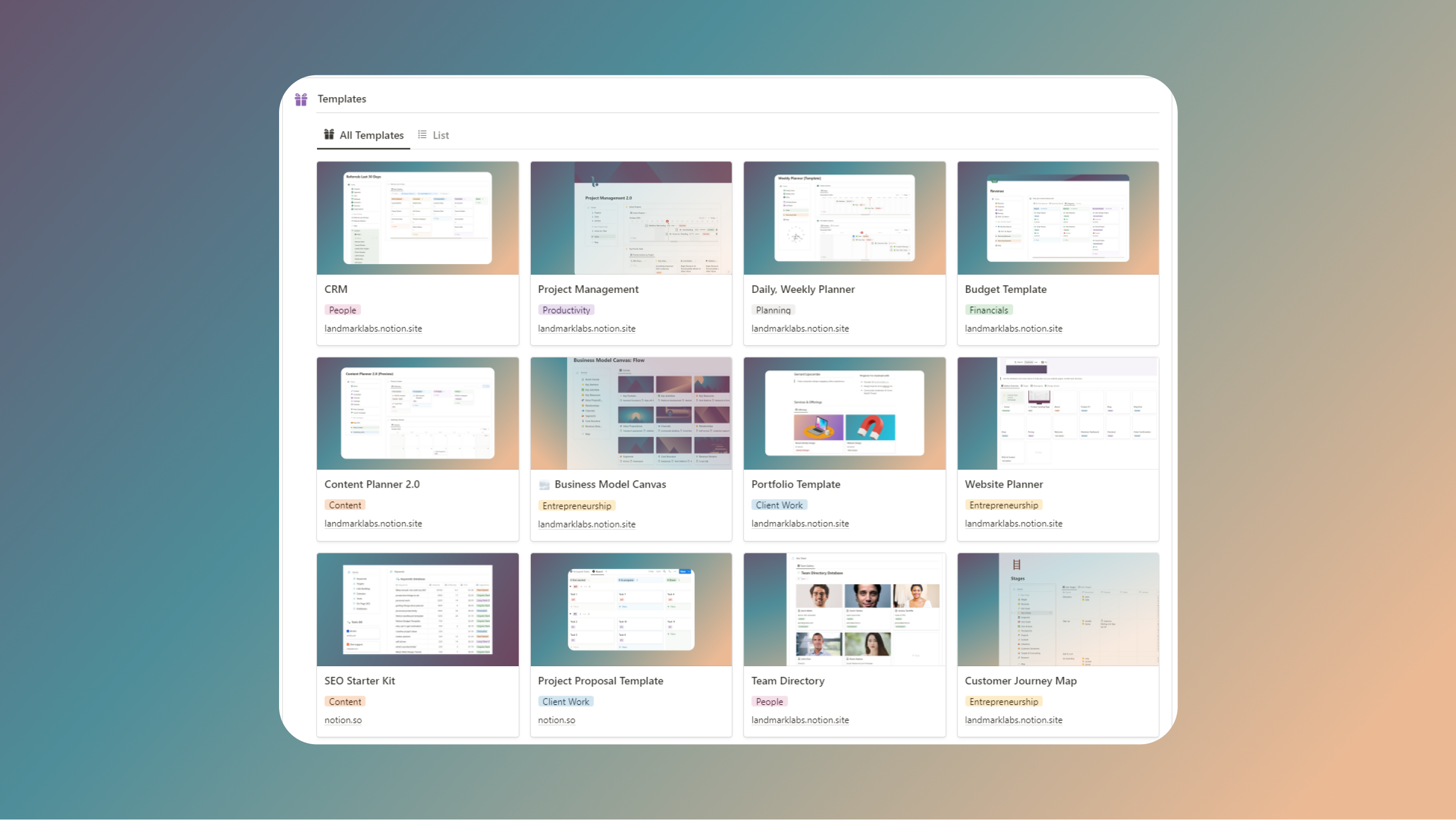
Landmark Labs provides a suite of expertly designed Notion systems, templates, and AI-powered tools for growing businesses. It …

27.5K
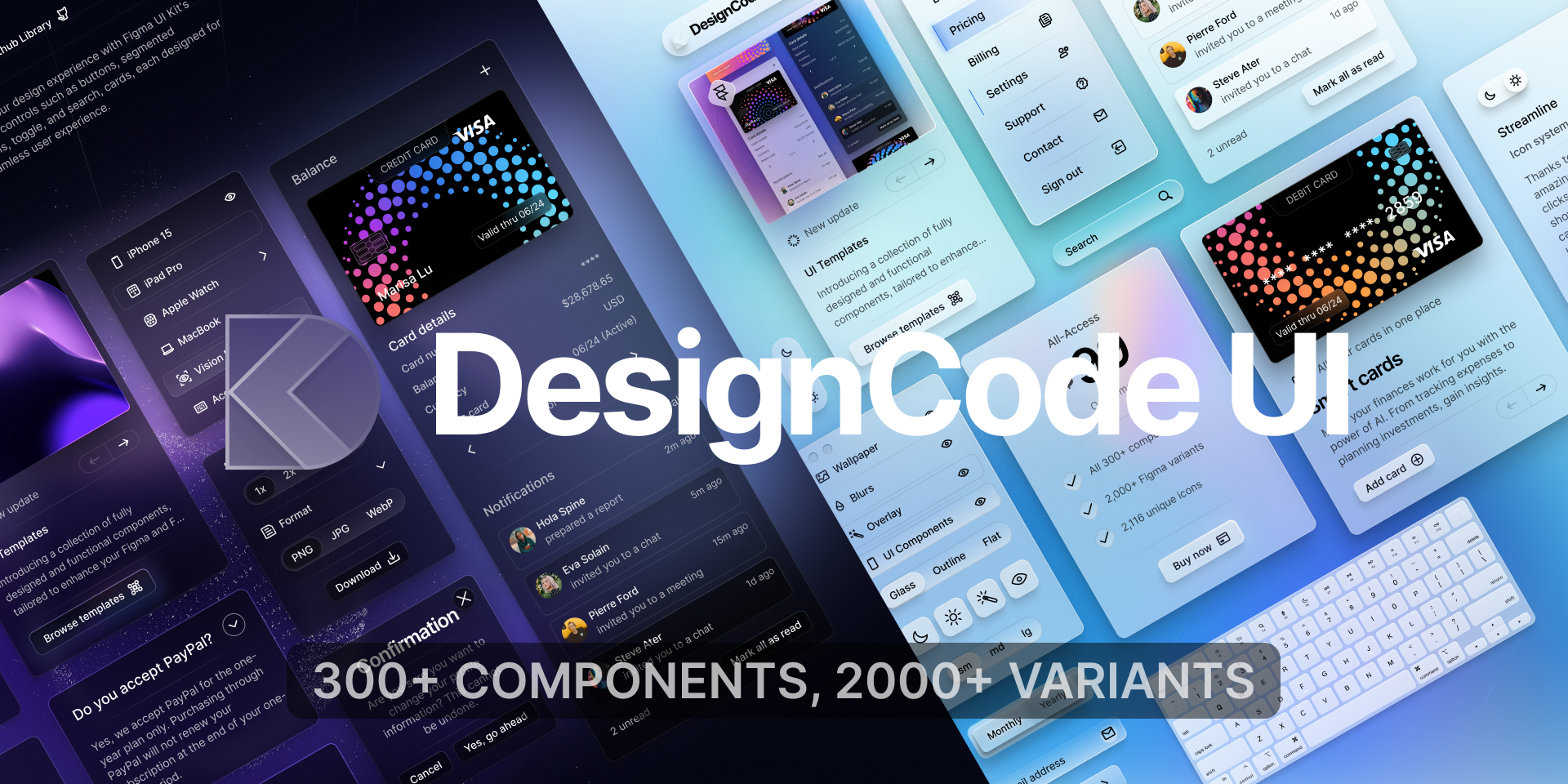
DesignCode UI

DesignCode UI

A comprehensive design system for Figma and Framer, offering over 300 components, 2,000+ variants, and unique icons. It …

6.0K
Valeria Notion

Valeria Notion

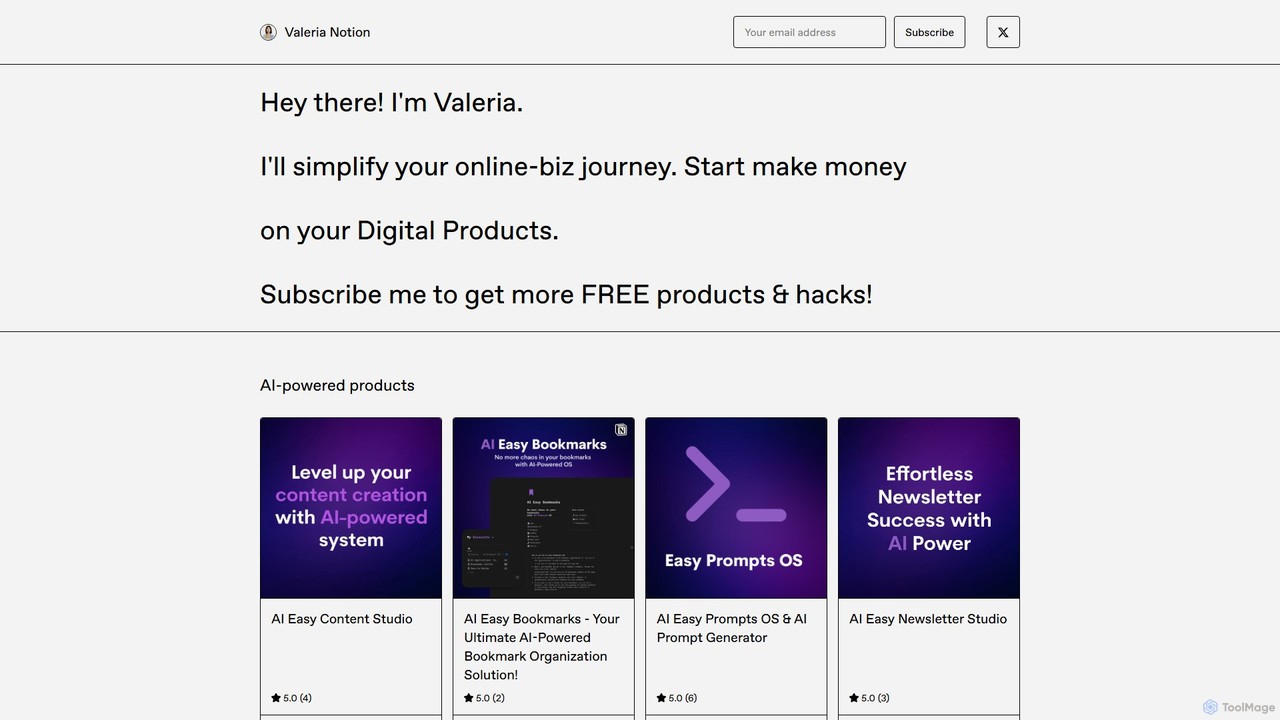
Valeria Notion offers a suite of AI-powered digital products and Notion templates designed for marketers and creators. Its …

2.6K
Strategy-First AI

Strategy-First AI

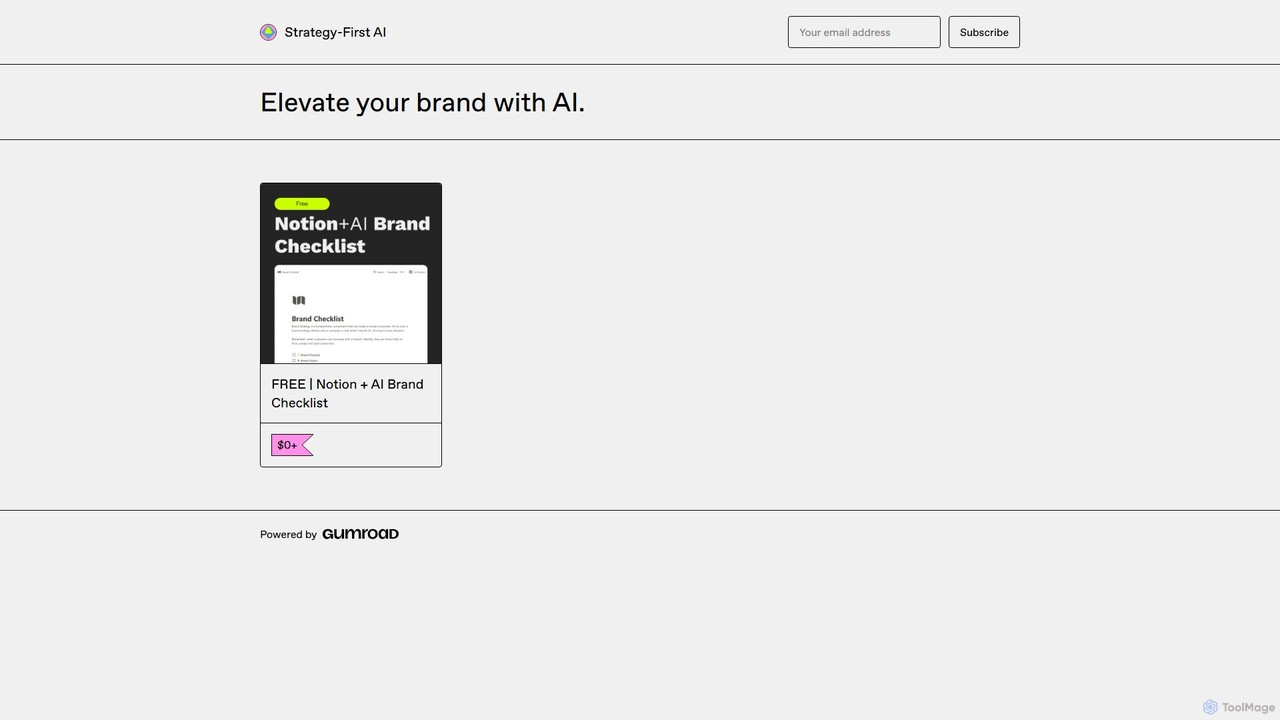
Strategy-First AI provides a comprehensive Notion + AI Brand Checklist, a step-by-step framework to build a compelling brand …

2.7K
Go Legal AI

Go Legal AI

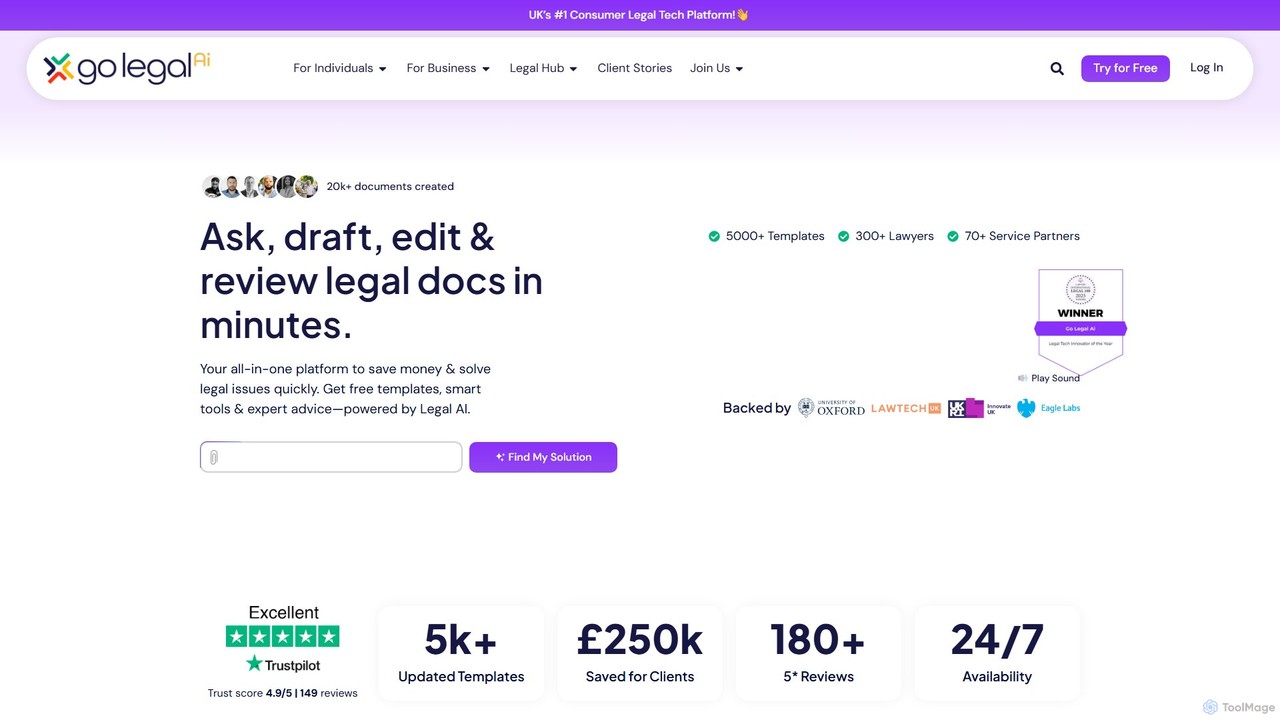
Go Legal AI is a hybrid legal tech platform offering over 5,000 AI-powered legal templates and direct access …

16.8K
Design Bundles

Design Bundles

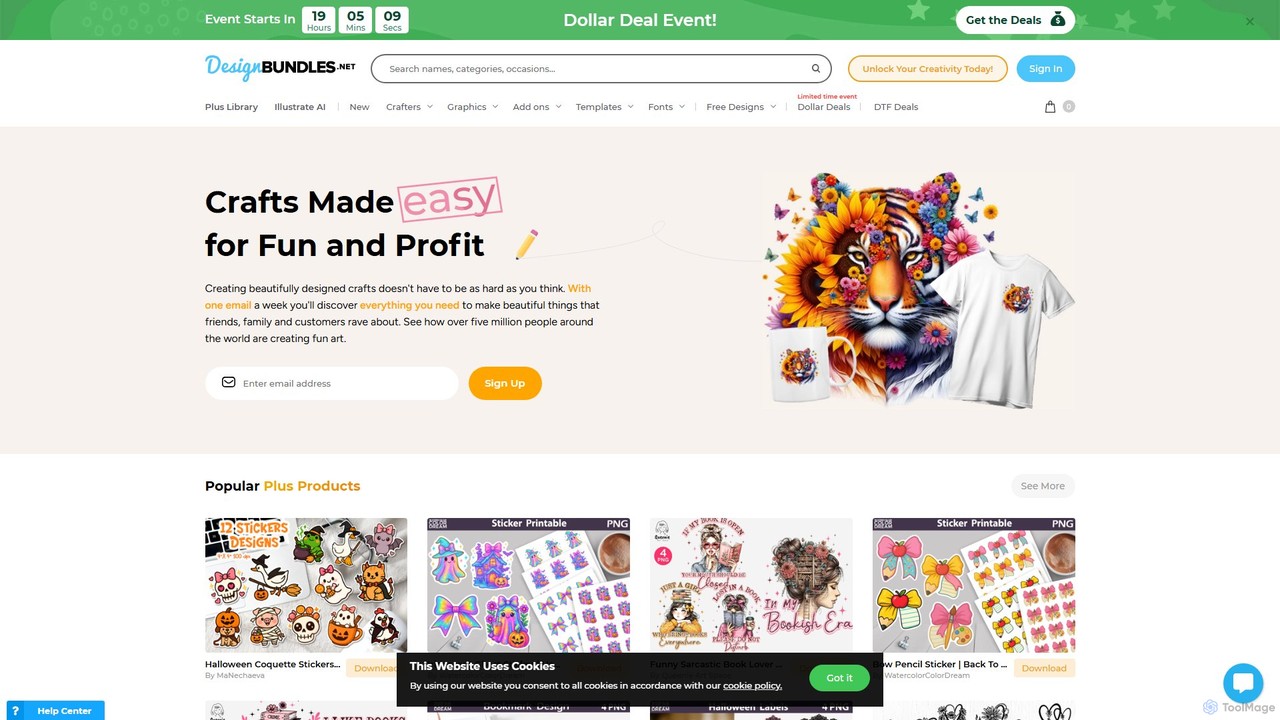
Design Bundles is a comprehensive marketplace for high-quality design resources, offering over 1.6 million assets like SVGs, fonts, …

911.1K
Free
Defiant

Defiant

Defiant is a venture capital firm providing a free suite of data-driven tools for early-stage B2B SaaS founders. …

9.4K
Templify

Templify

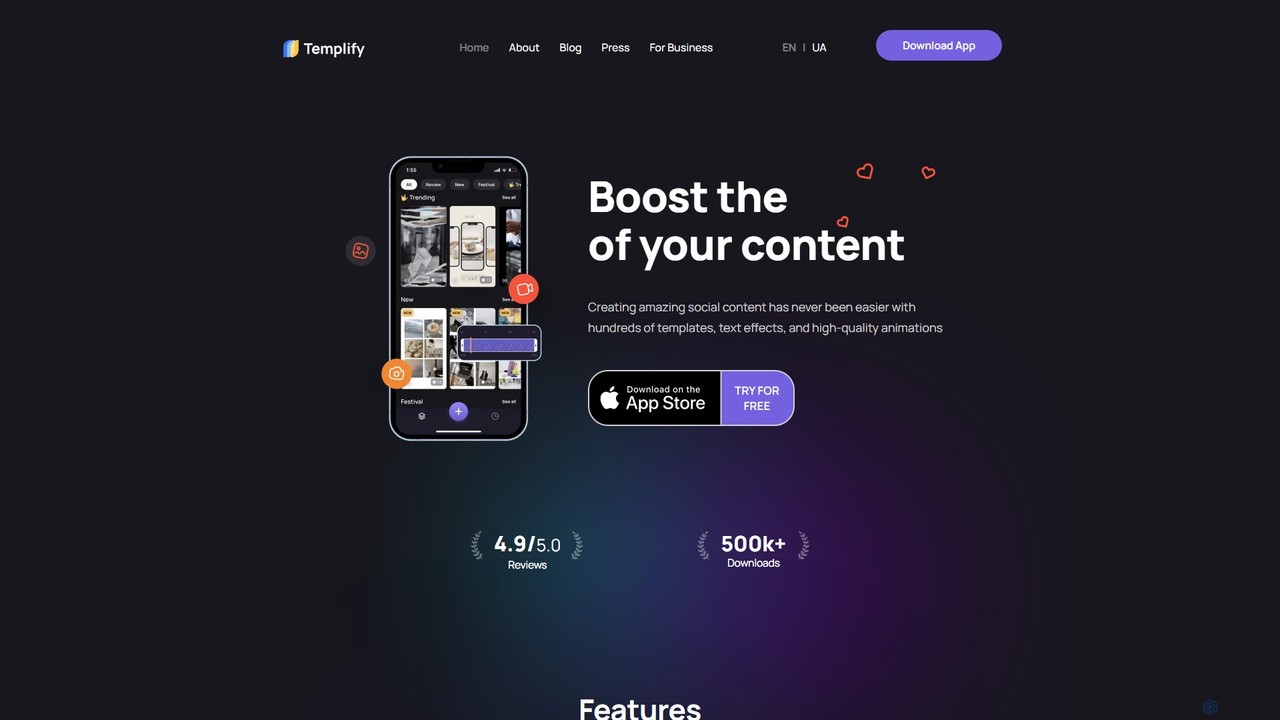
Templify is an AI-powered mobile video editing app designed to simplify social media content creation. It offers hundreds …

6.2K
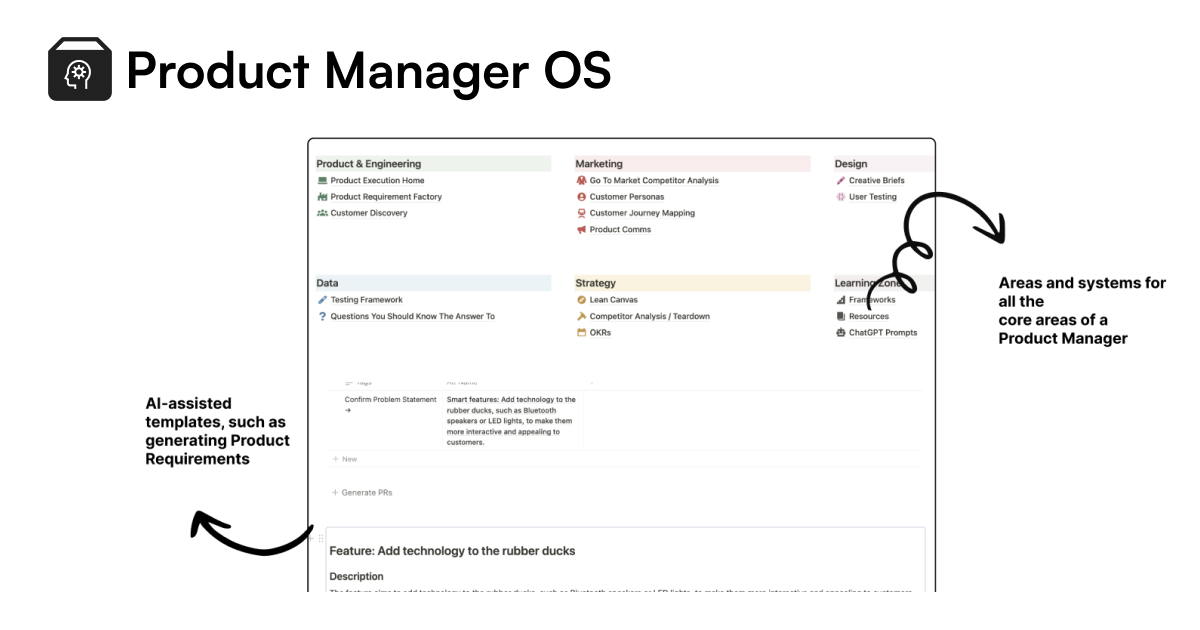
Product Manager OS

Product Manager OS

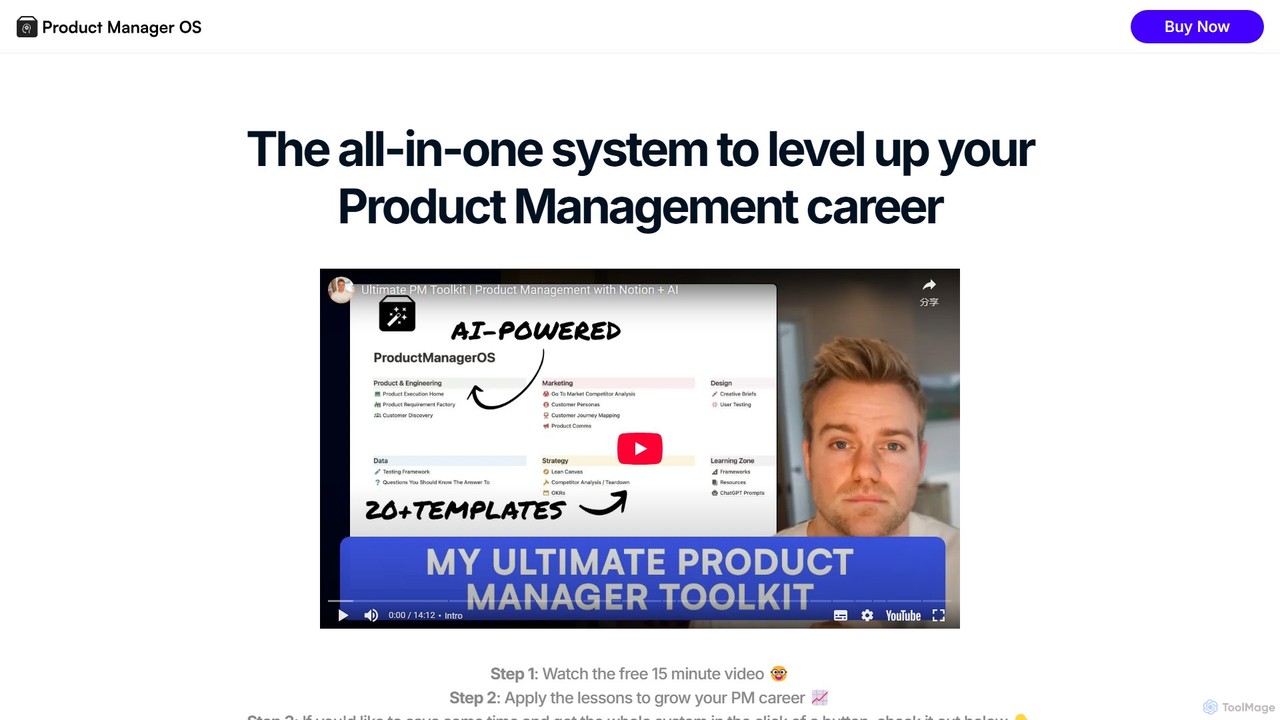
Product Manager OS is a comprehensive Notion-based operating system designed for product managers. It provides a suite of …

2.9K

About Templates

AI Templates are pre-designed structures that guide artificial intelligence in generating specific, formatted content or completing tasks. These tools leverage sophisticated models to transform minimal user inputs within a template into comprehensive outputs like reports, emails, or marketing copy. Their primary value lies in ensuring consistency, standardizing quality, and dramatically accelerating workflows that involve repetitive content creation. By abstracting complex prompt engineering, they make advanced AI capabilities accessible to all users.

Core Features

  • Structured Input Fields: Allows users to provide key variables (e.g., topic, audience, tone) to guide AI generation.
  • Format Consistency: Ensures all generated outputs adhere to a predefined layout, style, and structure.
  • Workflow Automation: Combines multiple steps or prompts into a single, reusable template for complex tasks.
  • Customization and Adaptation: Offers the ability to modify existing templates or create new ones to fit specific needs.
  • Prompt Abstraction: Simplifies interaction with AI by converting simple form-fills into effective, complex prompts behind the scenes.

Use Cases

AI Templates are widely used across various professional domains. Marketers use them to rapidly generate ad copy, social media posts, and SEO content. Business analysts and managers leverage them for creating standardized weekly reports and project updates. HR professionals automate the creation of job descriptions and onboarding email sequences, ensuring consistency across the organization.

How to Choose

When selecting an AI tool with templates, consider the breadth and relevance of its template library to your specific needs. Evaluate the level of customization allowed—can you tweak templates or build your own? Assess the quality and coherence of the AI-generated output. Finally, check for integration capabilities with other productivity tools you use, such as CRMs or project management software.

TemplatesUse Cases

1

Standardize Weekly Business Reports

A project manager for a software development team needs to create a consistent weekly progress report for stakeholders. Instead of manually compiling data and writing summaries each week, they use an AI report template. They input key metrics like tasks completed, budget spent, and identified risks into structured fields. The AI then generates a professionally formatted report with a consistent executive summary, detailed progress sections, and a forward-looking outlook. This process reduces the time spent on reporting by over 70% and ensures all stakeholders receive clear, uniform information every week.

2

Generate a Social Media Content Calendar

A social media manager is tasked with creating a month's worth of content for a new product launch. Using an AI 'Social Media Campaign' template, they input the product name, target audience, key features, and desired tone of voice. The AI populates a calendar with diverse content ideas, including announcement posts, feature spotlights, user-generated content prompts, and behind-the-scenes stories. It generates draft captions and suggests relevant hashtags for each post. This approach allows the manager to move from a blank page to a nearly complete content plan in under an hour, freeing up time for strategic planning and community engagement.

3

Automate New Employee Onboarding Emails

An HR specialist needs to send a standardized yet personalized set of emails to every new hire. They use an 'Employee Onboarding' template series. For each new employee, they only need to input variables like name, start date, manager's name, and team. The AI then automatically generates a sequence of five emails scheduled for the first week, covering topics from a warm welcome and first-day agenda to IT setup instructions and an introduction to company culture. This ensures every new hire receives timely, consistent information, improving their onboarding experience while saving the HR team hours of repetitive work per hire.

4

Generate Consistent E-commerce Product Descriptions

An e-commerce manager for a fashion brand needs to write compelling descriptions for 50 new clothing items. To maintain a consistent brand voice and SEO strategy, they use a 'Product Description' AI template. For each item, they input key attributes like material, fit, style, and target occasion. The AI generates a unique, engaging description that highlights the benefits, incorporates relevant keywords, and follows the brand's established tone—be it playful, luxurious, or minimalist. This method allows them to produce high-quality, on-brand copy for the entire collection in a single afternoon, a task that would have previously taken several days of manual writing.

5

Draft Legal Document Outlines

A paralegal at a small law firm is tasked with preparing the initial draft of a Non-Disclosure Agreement (NDA). Instead of starting from scratch, they use a legal AI template for NDAs. They input the names of the disclosing and receiving parties, the jurisdiction, and the specific confidential information to be protected. The AI generates a structured document outline, including all standard clauses like 'Definition of Confidential Information', 'Obligations of Receiving Party', and 'Term and Termination'. This AI-generated draft serves as a solid foundation, which is then reviewed, customized, and finalized by a qualified lawyer, saving significant preliminary drafting time.

6

Develop User Personas for Marketing Strategy

A marketing strategist needs to create detailed user personas to guide a new campaign. They have raw data from customer surveys and interviews but lack the time to synthesize it all. They use a 'User Persona' AI template, where they can paste in the raw qualitative data. The AI analyzes the text, identifies common themes, and populates the persona template with sections for demographics, goals, pain points, and motivations. It can generate three distinct personas from the data in minutes. This provides the marketing team with a clear, data-driven understanding of their target audience, enabling more effective and targeted campaign messaging.

TemplatesFrequently Asked Questions