Productivity Best in category 6 results Website Management AI Tool

Popular AI tools in the Website Management field of Productivity include HCaptcha、uxsniff、Webtune AI、Wemob、wpsafe.ai, etc., helping you quickly improve efficiency.

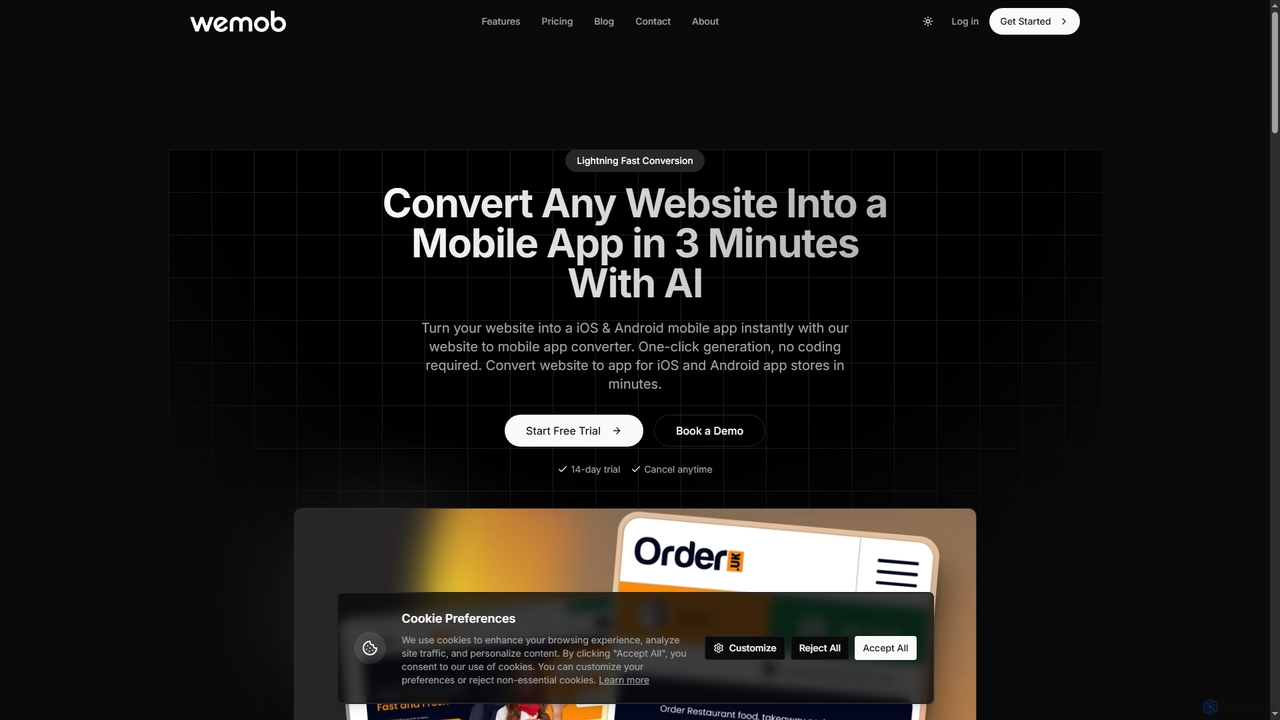
Wemob

Wemob

Wemob is an AI-powered platform that converts any website into a native iOS and Android mobile app in …

3.0K
HCaptcha

HCaptcha

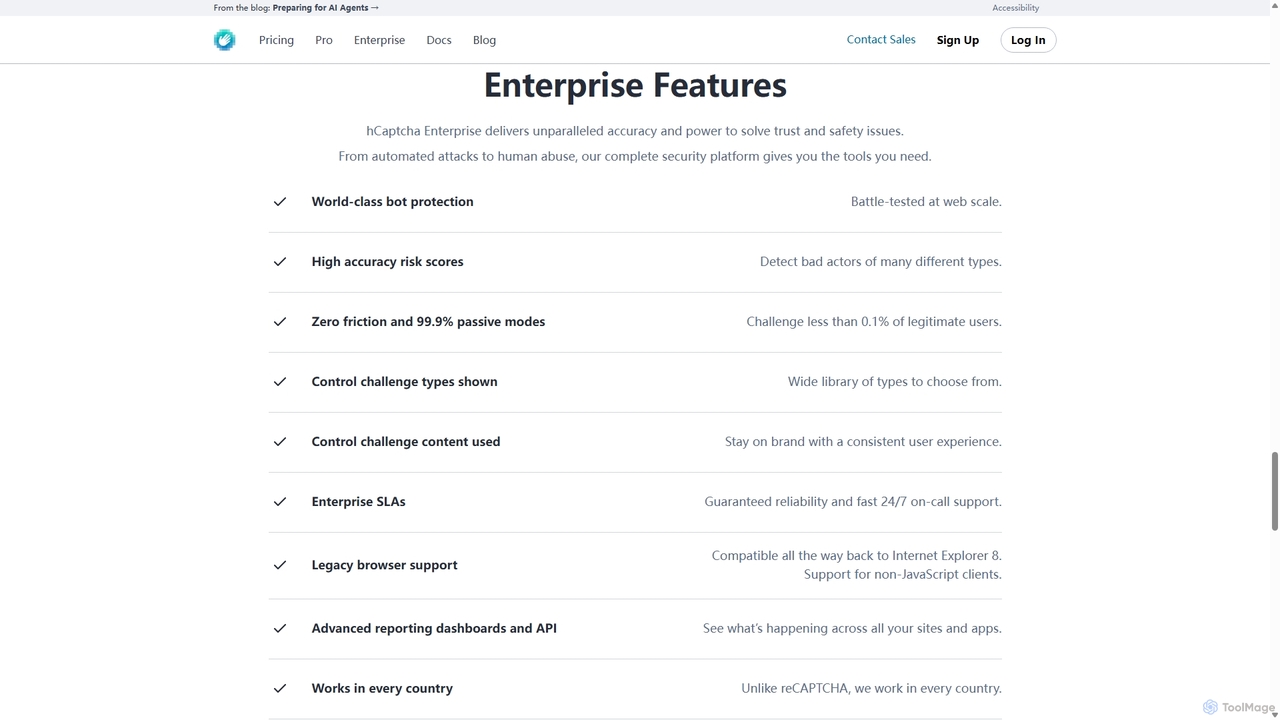
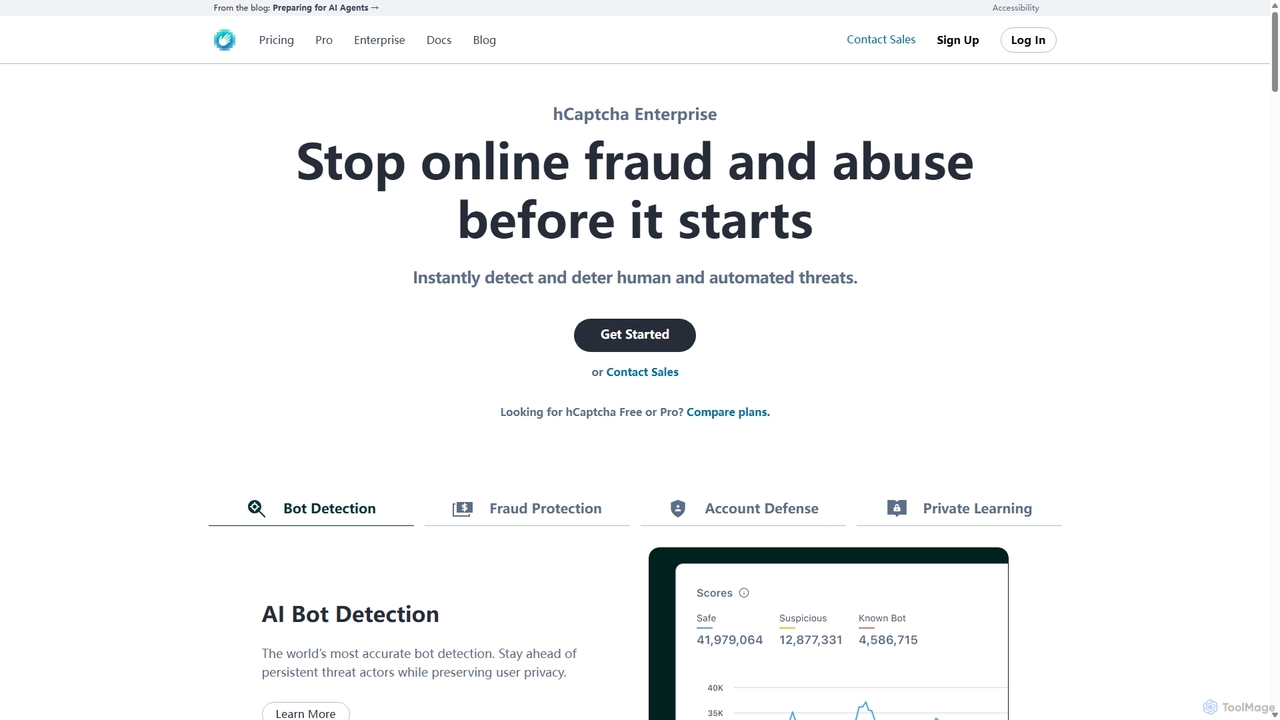
hCaptcha is a leading AI-powered security solution designed to protect websites and online services from bots, spam, and …

2.8K
HCaptcha

HCaptcha

hCaptcha is a leading AI-powered security solution designed to protect websites and online services from bots, fraud, and …

4.3M
Webtune AI

Webtune AI

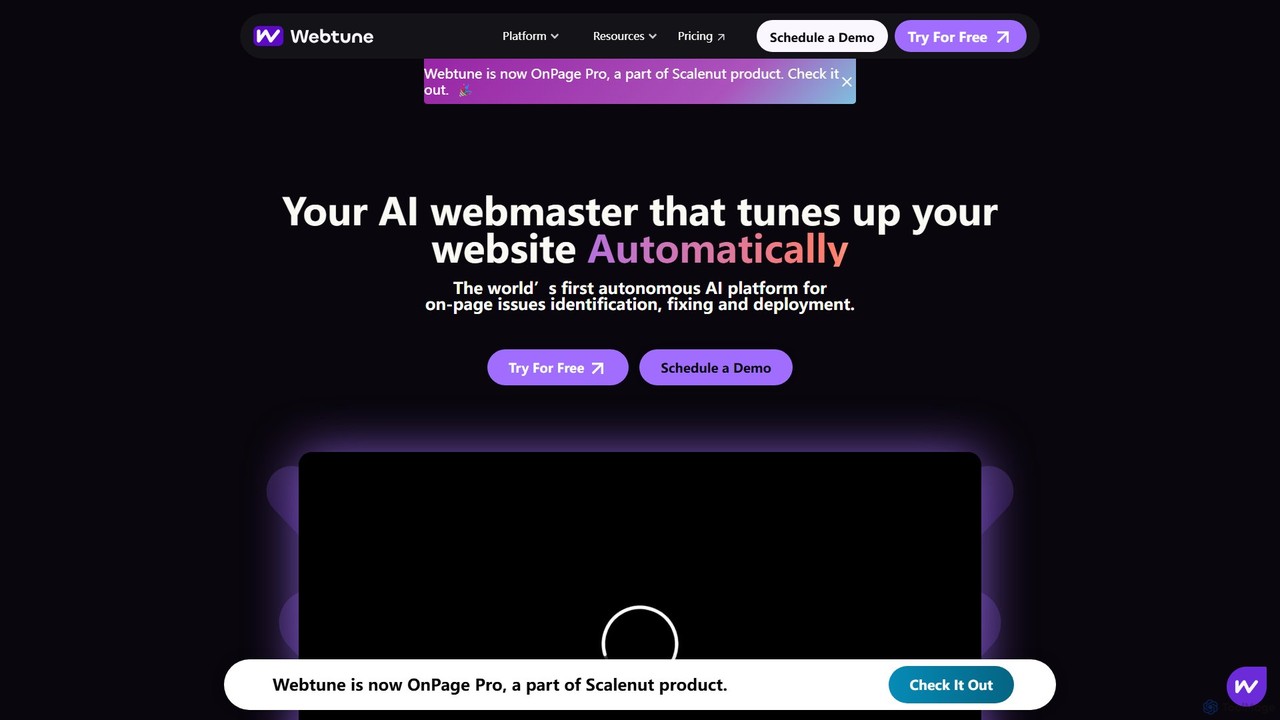
Webtune AI is an autonomous AI webmaster that automatically identifies, fixes, and deploys on-page SEO issues with a …

4.0K
wpsafe.ai

wpsafe.ai

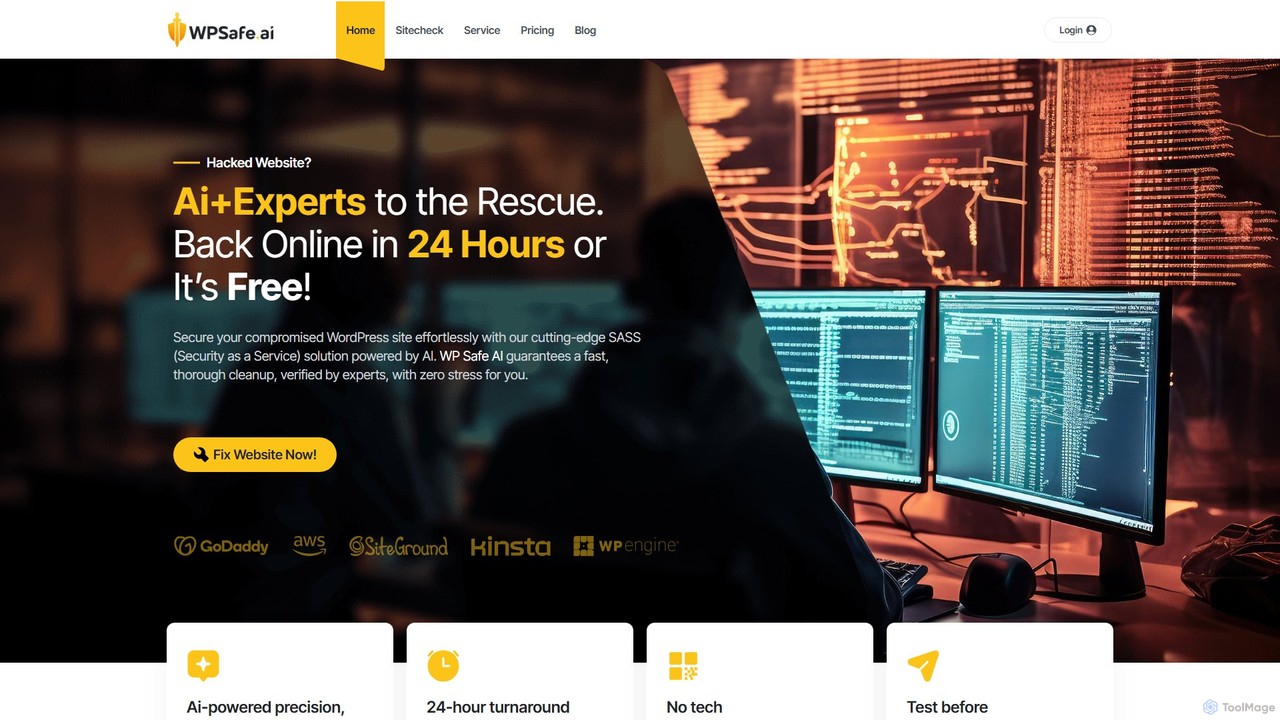
wpsafe.ai is an AI-powered Security as a Service (SaaS) solution designed for stress-free WordPress cleanup. It combines smart …

2.9K
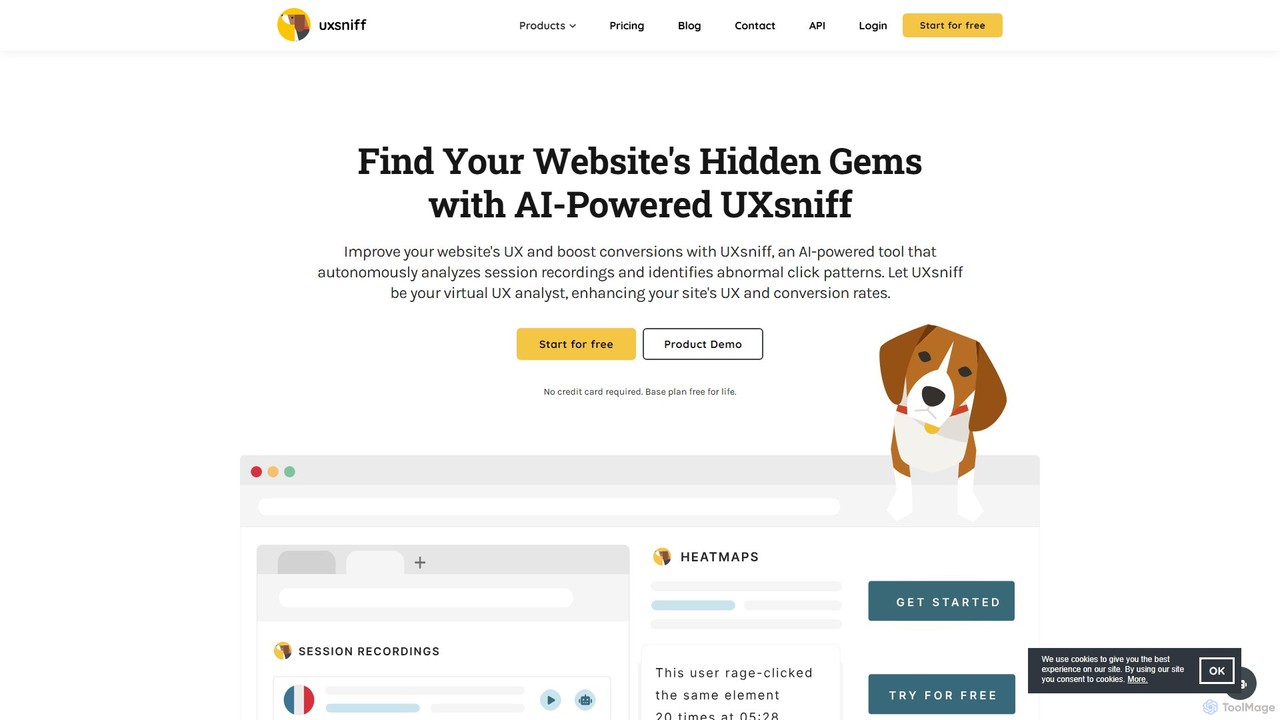
uxsniff

uxsniff

An AI-powered UX analytics platform offering website heatmaps, session recordings with GPT summaries, and automated audits. It helps …

5.7K

About Website Management

Website Management AI tools are a category of AI-powered solutions designed to automate, optimize, and enhance various aspects of operating and maintaining a website. These tools leverage machine learning and natural language processing to streamline tasks from content creation and SEO to performance monitoring and user experience personalization. They significantly boost efficiency and effectiveness, contributing directly to overall productivity in digital operations.

Core Features

  • AI-powered SEO Optimization: Automates keyword research, content briefs, on-page optimization, and technical SEO audits to improve search engine rankings.
  • Automated Content Generation & Management: Creates blog posts, product descriptions, and social media updates, and assists with content scheduling and repurposing.
  • Website Performance Monitoring: Identifies bottlenecks, analyzes load times, and suggests improvements for speed and user experience.
  • Personalized User Experience: Delivers dynamic content, product recommendations, and tailored navigation based on individual user behavior.
  • Security & Anomaly Detection: Monitors for unusual traffic patterns, potential threats, and security vulnerabilities to protect website integrity.

Applicable Scenarios

These tools are indispensable for digital marketers aiming to improve site visibility, e-commerce managers optimizing product listings, and webmasters ensuring peak site performance and security. They also benefit content creators streamlining publishing workflows and businesses seeking to personalize user journeys.

How to Choose

When selecting an AI website management tool, consider its integration capabilities with your existing CMS or marketing stack, the breadth of features (e.g., SEO, content, analytics), ease of use, scalability for future growth, and data privacy policies. Evaluating these aspects ensures the tool aligns with your specific operational needs and technical environment.

Website ManagementUse Cases

1

Automated SEO Content Brief Generation

Digital marketing teams utilize AI tools to rapidly generate comprehensive content briefs for blog posts and articles. By analyzing target keywords, competitor content, and search intent, the AI provides optimal headings, topics, and structure, significantly reducing manual research time and ensuring SEO best practices are integrated from the start.

2

E-commerce Product Description Optimization

E-commerce managers leverage AI to efficiently create and optimize product descriptions across vast catalogs. The AI can rewrite existing descriptions for better SEO, generate unique selling propositions, and adapt content for different platforms, leading to improved search visibility and higher conversion rates without extensive manual effort.

3

Website Performance Anomaly Detection

Webmasters and IT professionals deploy AI-powered monitoring systems to continuously analyze website traffic, server logs, and user behavior. The AI automatically identifies unusual spikes in traffic, sudden drops in performance, or potential security breaches, alerting teams proactively to mitigate issues before they impact user experience or business operations.

4

Personalized User Journey Mapping

UX designers and marketers employ AI to analyze individual user interactions and dynamically tailor the website experience. This includes showing personalized product recommendations, adjusting content based on browsing history, or guiding users through customized navigation paths, ultimately enhancing engagement and conversion rates.

5

Multi-language Content Localization

Global businesses use AI website management tools to streamline the translation and localization of website content for international audiences. The AI ensures linguistic accuracy and cultural relevance, adapting text, images, and even layout for different regions, which is crucial for expanding market reach and improving global user experience.

6

Automated Broken Link & Technical SEO Auditing

SEO specialists rely on AI tools for continuous auditing of website health. These tools automatically scan for broken links, missing image alt tags, duplicate content, schema markup errors, and other technical SEO issues. They generate detailed reports and actionable recommendations, ensuring the website maintains optimal technical performance for search engines.

Website ManagementFrequently Asked Questions