Security Best in category 10 results Application Security AI Tool

Popular AI tools in the Application Security field of Security include AppSanctuary、CodeAnt AI、ZeroPath、Zerothreat、Aptori、WhyLabs、Enforster AI、Ship Guard、DevOps Security、SecVibe, etc., helping you quickly improve efficiency.

SecVibe

SecVibe

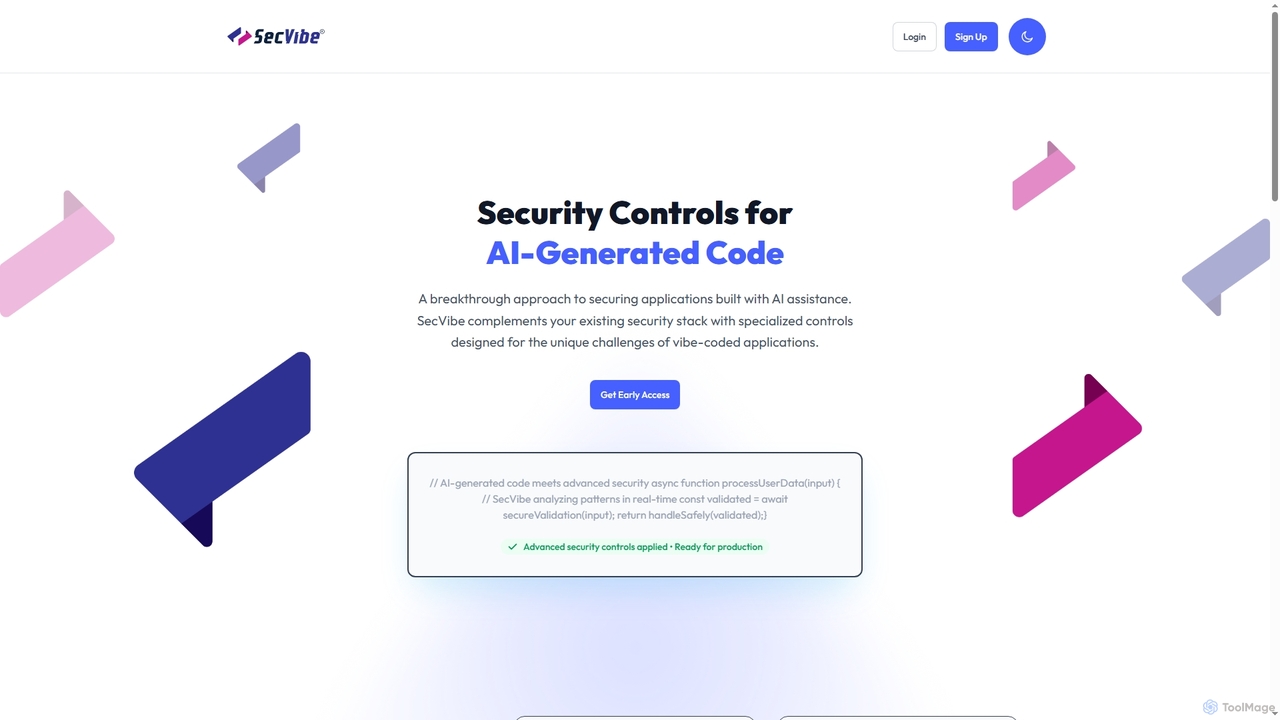
SecVibe is a cutting-edge security platform designed to protect applications built with AI-generated code. It offers specialized controls, …

2.2K
Ship Guard

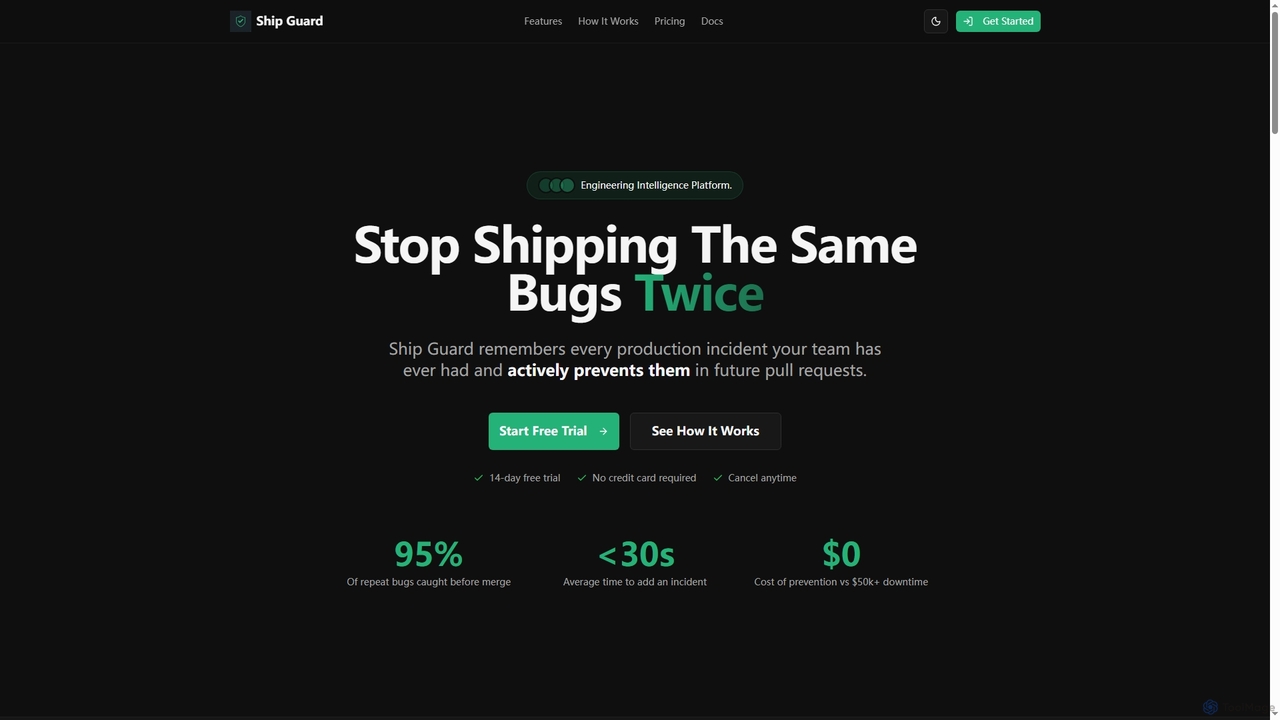
Ship Guard

Ship Guard is an engineering intelligence platform that leverages AI with a unique "Incident Memory" feature to prevent …

2.3K
Enforster AI

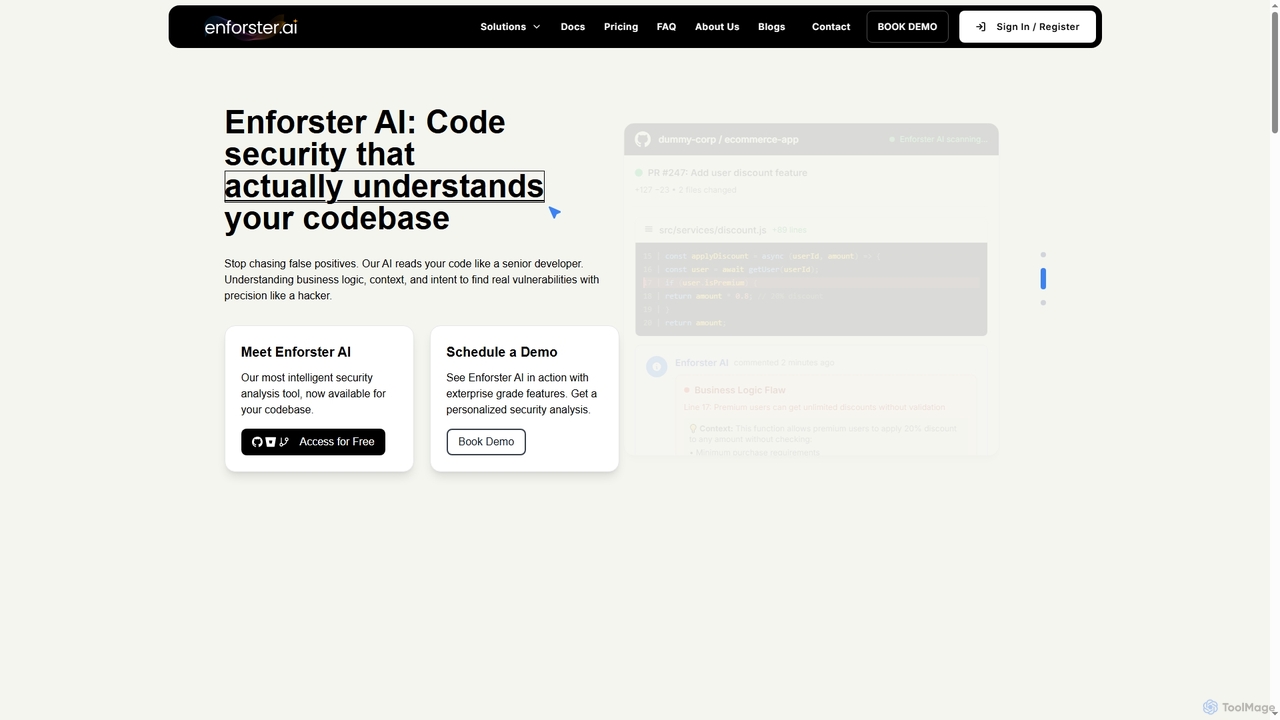
Enforster AI

Enforster AI is an AI-native Static Application Security Testing (SAST) tool that analyzes code like a senior developer. …

2.6K
Zerothreat

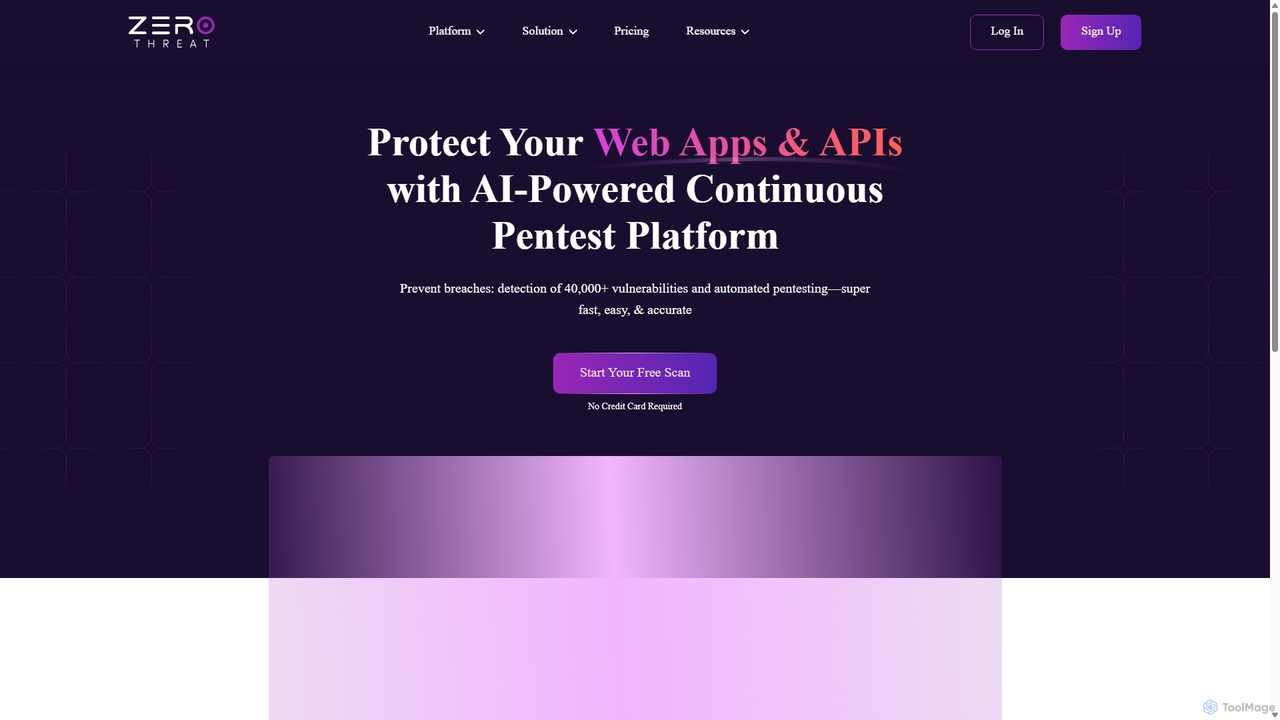
Zerothreat

ZeroThreat is an AI-powered continuous penetration testing and DAST platform designed to secure web applications and APIs. It …

27.2K
DevOps Security

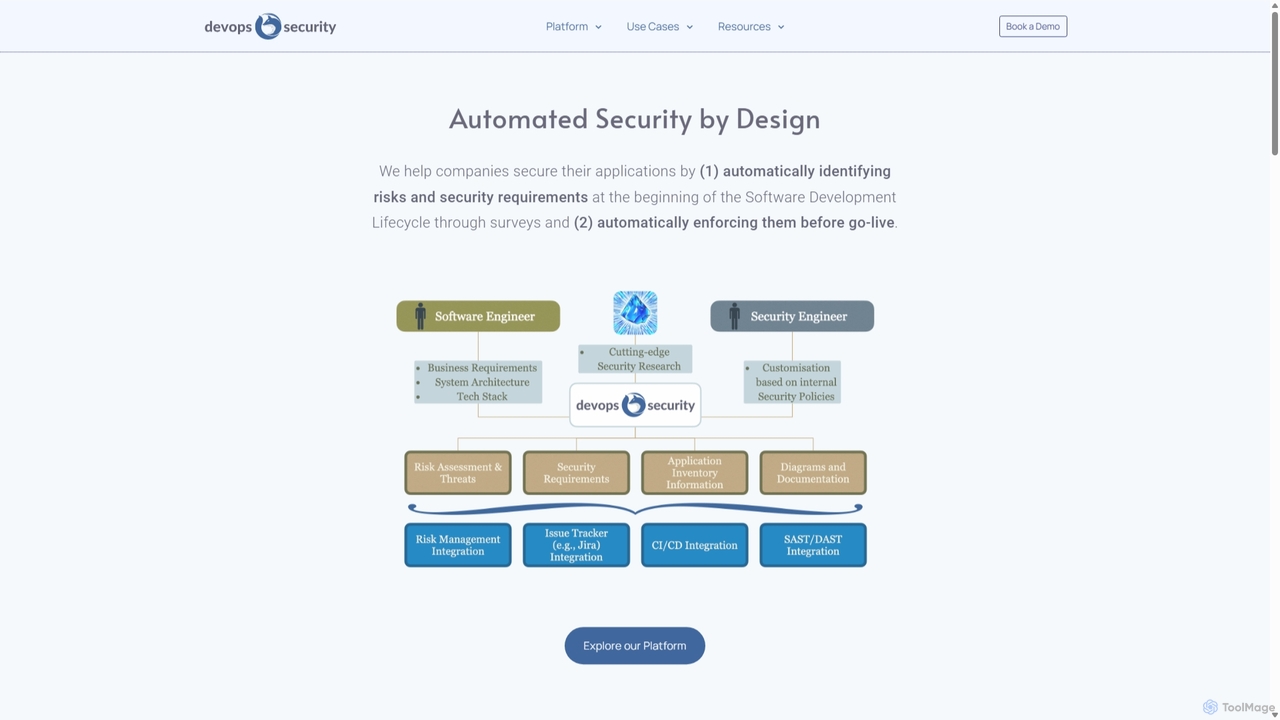
DevOps Security

An AI-native platform that automates application security by integrating risk assessment and requirement enforcement directly into the Software …

2.3K
ZeroPath

ZeroPath

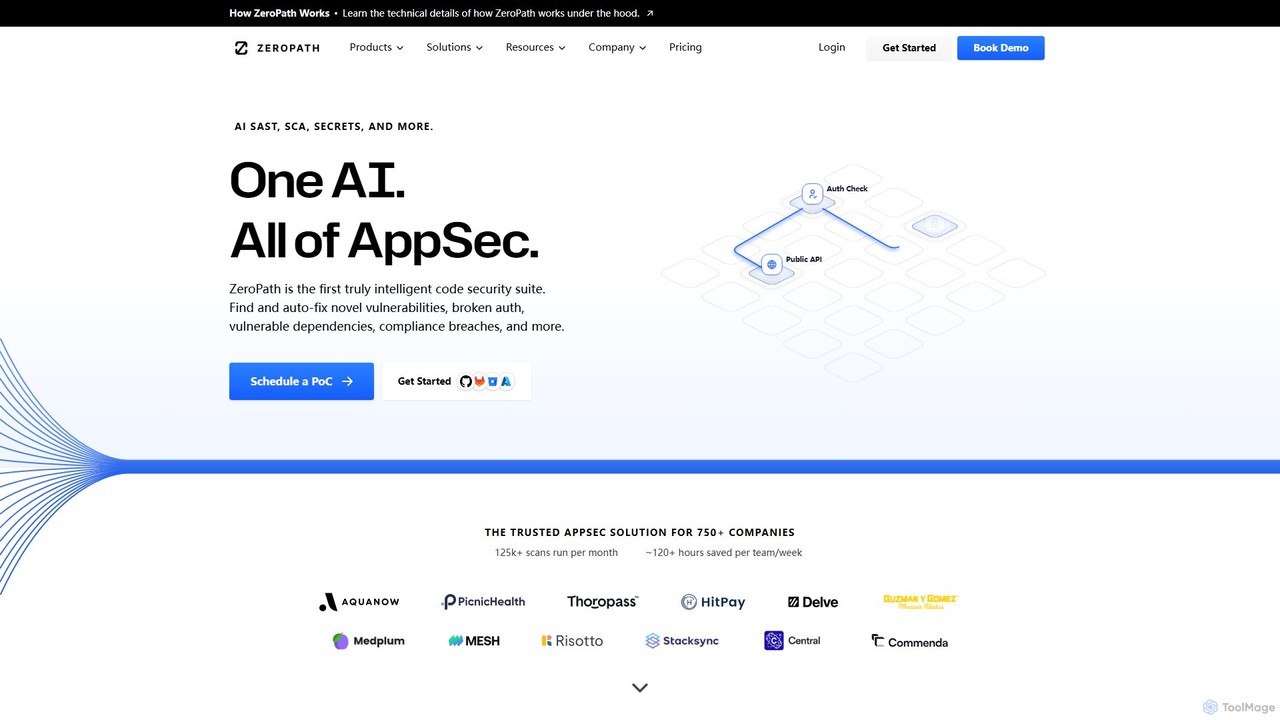
ZeroPath is an AI-native application security (AppSec) platform that unifies SAST, SCA, secrets detection, and more. It intelligently …

28.7K
CodeAnt AI

CodeAnt AI

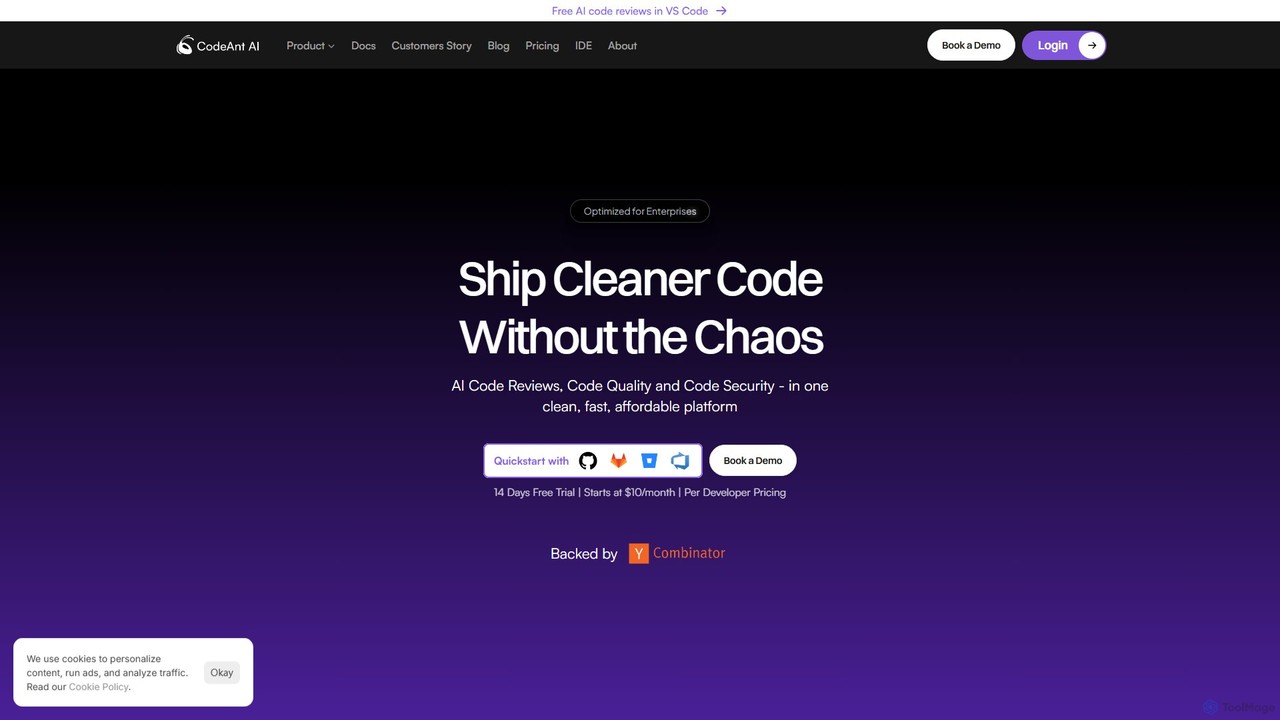
CodeAnt AI is an AI-powered platform that automates code reviews, enhances code quality, and ensures application security. It …

123.2K
WhyLabs

WhyLabs

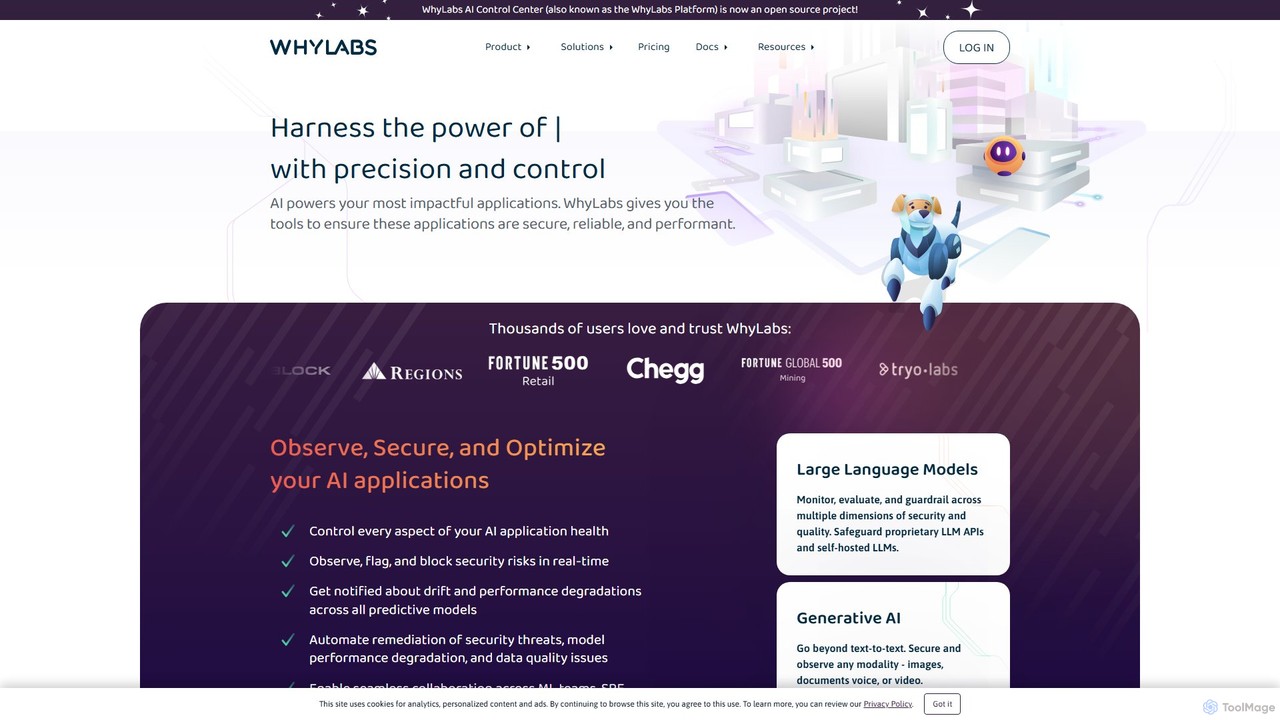
WhyLabs is an AI observability and security platform designed for MLOps, SRE, and security teams. It provides tools …

5.4K
AppSanctuary

AppSanctuary

AppSanctuary is an AI-powered application security platform that automates vulnerability scanning, compliance checks, and threat detection. It helps …

6.4M
Aptori

Aptori

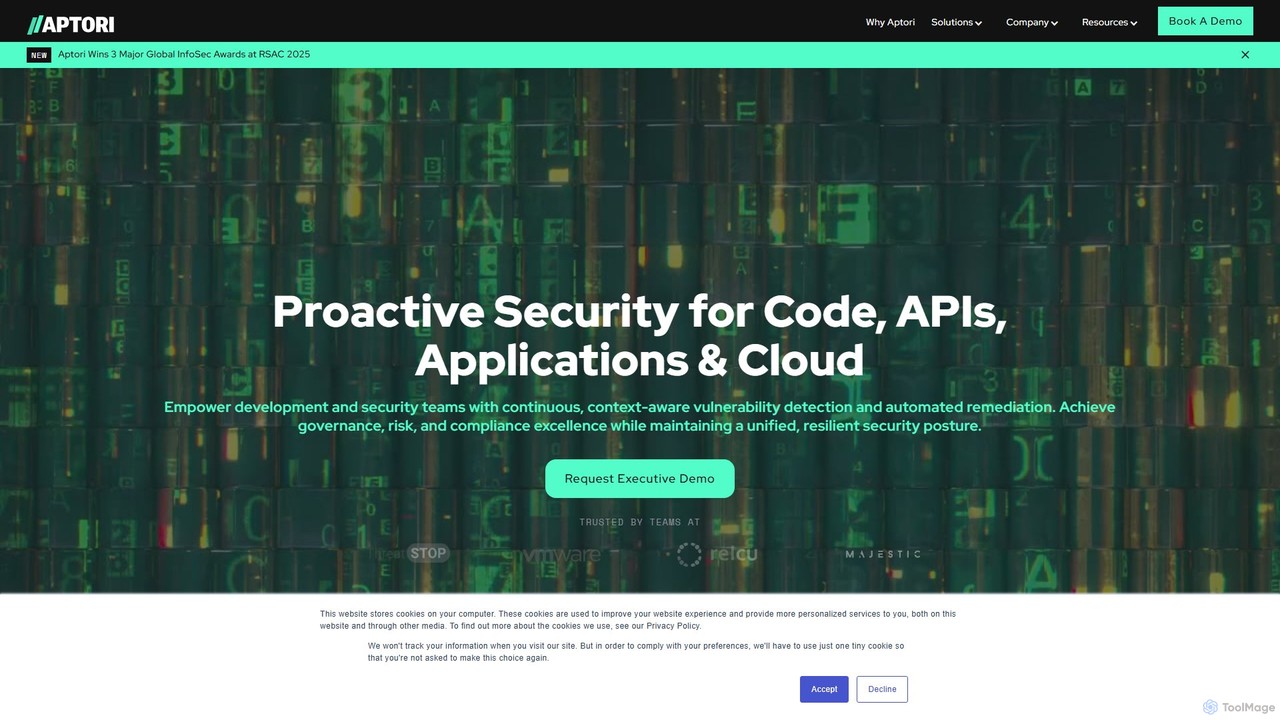
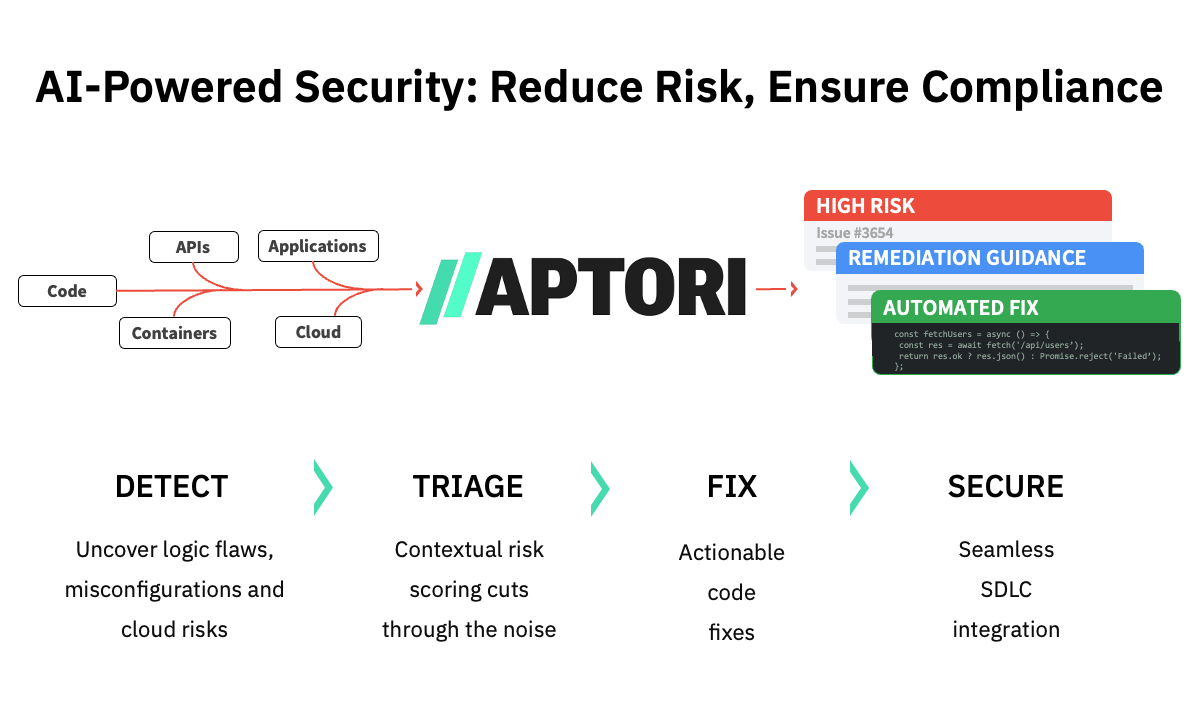
Aptori is an AI-powered application security platform that acts as an autonomous AI Security Engineer. It proactively detects, …

7.7K

About Application Security

Application Security tools leverage AI to identify, prevent, and mitigate vulnerabilities within software applications throughout their development and operational lifecycles. These advanced solutions utilize machine learning to analyze code, detect anomalies, and predict potential threats, significantly enhancing the overall security posture of digital assets. They provide proactive defense mechanisms, ensuring applications remain resilient against evolving cyber threats and compliance requirements.

Core Features

  • Automated Vulnerability Scanning: AI-driven analysis of source code, binaries, and running applications to pinpoint security flaws.
  • Threat Modeling & Prediction: Machine learning models assess application architecture to identify potential attack vectors and predict future threats.
  • Runtime Application Self-Protection (RASP): Real-time monitoring and blocking of attacks by embedding security directly into the application.
  • Secure Code Review: AI assists developers by flagging insecure coding practices and suggesting remediation during development.
  • API Security Analysis: Specialized tools to secure APIs, detecting misconfigurations and unauthorized access attempts.

Use Cases

Organizations use these tools to integrate security early into the DevSecOps pipeline, automate compliance checks, and protect critical web and mobile applications from exploitation. They are essential for maintaining data integrity and user trust across various industries.

How to Choose

Evaluate tools based on their integration capabilities with existing CI/CD pipelines, the breadth of vulnerability detection (SAST, DAST, IAST, RASP), support for specific programming languages, reporting features, and compliance certifications. Consider the level of automation and the accuracy of threat intelligence provided.

Application SecurityUse Cases

1

Automating Pre-Deployment Vulnerability Scans

Development teams integrate AI-powered Application Security tools into their CI/CD pipelines to automatically scan new code commits for security vulnerabilities before deployment. This allows developers to quickly identify and fix issues like SQL injection or cross-site scripting (XSS) early in the development cycle, preventing insecure code from reaching production and significantly reducing remediation costs and time.

2

Real-time Protection for Web Applications

Security operations teams deploy Runtime Application Self-Protection (RASP) tools to monitor live web applications for malicious activities. These AI-driven solutions embed directly within the application, detecting and blocking attacks such as zero-day exploits or unauthorized data access in real-time, without requiring code changes or network reconfigurations, thus providing immediate defense against active threats.

3

Enhancing Secure API Development

API developers utilize Application Security tools to analyze their APIs for potential security flaws, including authentication bypasses, broken access control, or sensitive data exposure. The AI helps identify misconfigurations and vulnerabilities specific to API endpoints, ensuring that APIs are built securely from the ground up and comply with industry best practices, safeguarding data exchanged between services.

4

Proactive Threat Modeling and Risk Assessment

Security architects employ AI-enhanced Application Security platforms to perform proactive threat modeling on new application designs. By analyzing architectural diagrams and design specifications, the AI can predict potential attack vectors and identify high-risk components, allowing teams to implement security controls and mitigate risks before any code is even written, leading to more robust and secure applications.

5

Ensuring Compliance with Industry Regulations

Compliance officers use Application Security tools to automate the process of checking applications against various industry regulations like GDPR, HIPAA, or PCI DSS. These tools generate detailed reports on security posture, highlight areas of non-compliance, and provide actionable recommendations, streamlining audit preparations and ensuring that applications meet necessary legal and regulatory standards.

6

Securing Mobile Applications Against Exploitation

Mobile app developers leverage specialized Application Security tools to scan their iOS and Android applications for vulnerabilities specific to mobile platforms, such as insecure data storage, weak cryptography, or reverse engineering risks. The AI helps detect these mobile-specific threats, ensuring that user data is protected and the application remains resilient against tampering and exploitation on various devices.

Application SecurityFrequently Asked Questions