Arkhet is an AI-first prototyping platform designed for product teams, enabling visual thinkers to generate interactive UI prototypes and user flows rapidly. It transforms wireframes and contextual annotations into high-fidelity designs, integrating design systems and real-time collaboration.
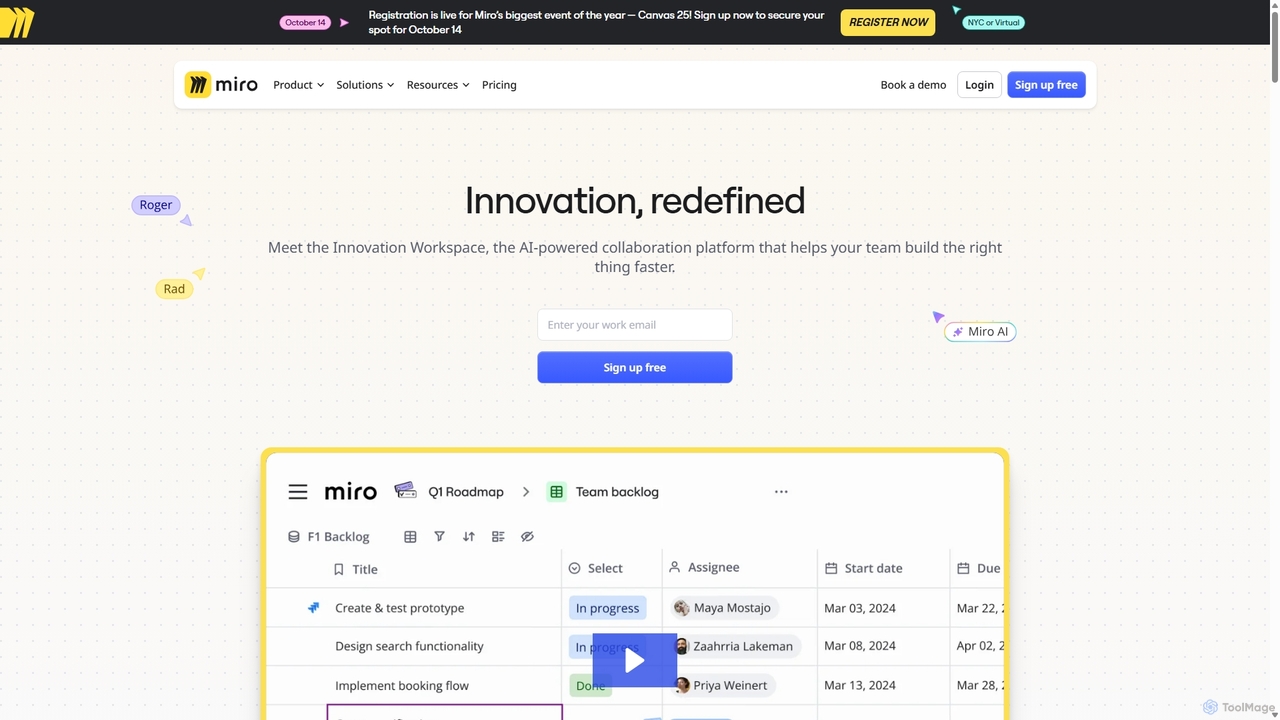
Miro is an AI-powered online collaborative whiteboard platform designed for modern teams. It provides an infinite canvas for brainstorming, planning, designing, and managing projects in real-time. With a vast template library, powerful integrations, and AI-driven features, Miro helps teams centralize communication and accelerate innovation from idea to execution.
Product overview
Arkhet Product overview
Arkhet is an AI-first prototyping platform designed for product teams, enabling visual thinkers to generate interactive UI prototypes and user flows rapidly. It transforms wireframes and contextual annotations into high-fidelity designs, integrating design systems and real-time collaboration.
Miro Product overview
Miro is an AI-powered online collaborative whiteboard platform designed for modern teams. It provides an infinite canvas for brainstorming, planning, designing, and managing projects in real-time. With a vast template library, powerful integrations, and AI-driven features, Miro helps teams centralize communication and accelerate innovation from idea to execution.
Detailed feature comparison
| Feature | Arkhet | Miro |
|---|---|---|
| Primary category | Generative Design | Brainstorming |
| Added | 2025-12-10 | 2025-09-08 |
| Pricing | Freemium | Freemium |
| Official website | www.arkhet.com | miro.com |
| Product type | Website | Website |
| Performance data | ||
| User rating | Not verified | Not verified |
| Comments | 0 | 0 |
| Monthly visits | 816 | 31M |
| Monthly growth | -60.2% | -5.1% |
| Favorites | 101 | 110 |
| Details | View details | View details |
Arkhet vs Miro monthly traffic
Compare Arkhet and Miro by monthly reach, traffic trend, visit depth, top regions, and acquisition sources.
How to interpret the traffic data
In the Arkhet vs Miro monthly traffic comparison, Arkhet currently shows 816 visits and Miro shows 31M; Miro has about 37,974.9 times the visible traffic of Arkhet, an absolute difference of about 31M visits. This reflects visible reach, not feature quality or paid users.
Both tools provide verified traffic details, so monthly trends, visit depth, regions, and acquisition sources can be compared on the same basis.
Arkhet monthly traffic:
Latest traffic
Monthly traffic trend
- 2026/1: 0 Monthly visits
- 2026/2: 438 Monthly visits
- 2026/3: 1.3K Monthly visits
- 2026/4: 2K Monthly visits
- 2026/5: 816 Monthly visits
Top regions
Top 5 countries/regions
| Country/region | Percentage | Traffic |
|---|---|---|
| ๐จ๐ฆCanada | 100% | 816 |
Miro monthly traffic:
Latest traffic
Monthly traffic trend
- 2025/9: 31.9M Monthly visits
- 2026/1: 29.8M Monthly visits
- 2026/2: 30M Monthly visits
- 2026/3: 34.4M Monthly visits
- 2026/4: 32.7M Monthly visits
- 2026/5: 31M Monthly visits
Top regions
Top 5 countries/regions
| Country/region | Percentage | Traffic |
|---|---|---|
| ๐บ๐ธUnited States | 32.34% | 10M |
| ๐ท๐บRussia | 26.41% | 8.2M |
| ๐ฉ๐ชGermany | 15.38% | 4.8M |
| ๐ฌ๐งUnited Kingdom | 13.32% | 4.1M |
| ๐ง๐ทBrazil | 12.55% | 3.9M |
Traffic sources
| Source type | Percentage | Traffic |
|---|---|---|
| Direct | 85.84% | 26.6M |
| Referral | 9.79% | 3M |
| 4.37% | 1.4M |
Search keywords
Usage comparison
Compare the core capabilities of Arkhet and Miro
Arkhet Core features
Miro Core features
Use cases
Arkhet Use cases
Miro Use cases
Best suited roles
Arkhet Best suited roles
Miro Best suited roles
Arkhet vs Miro๏ผIn-depth comparison and selection guidance
First decide whether the products solve the same kind of need
This in-depth Arkhet vs Miro comparison uses only the product records, taxonomy, audience, traffic, and community signals available on this page. Arkhet is primarily listed under โGenerative Designโ, while Miro is primarily listed under โBrainstormingโ, so the first decision is whether your actual task matches their recorded scope.
The structured fields currently show these decision-relevant differences: Primary category (Arkhet: Generative Design; Miro: Brainstorming); Monthly visits (Arkhet: 816; Miro: 31M); Monthly growth (Arkhet: -60.2%; Miro: -5.1%); Favorites (Arkhet: 101; Miro: 110); Website (Arkhet: www.arkhet.com; Miro: miro.com). These facts are more useful for selection than brand visibility alone.
What market visibility and monthly traffic mean
In the Arkhet vs Miro monthly traffic comparison, Arkhet currently shows 816 visits and Miro shows 31M; Miro has about 37,974.9 times the visible traffic of Arkhet, an absolute difference of about 31M visits. This reflects visible reach, not feature quality or paid users.
Both tools provide verified traffic details, so monthly trends, visit depth, regions, and acquisition sources can be compared on the same basis.
If public market visibility is an important first-pass criterion, investigate Miro first. The final choice should still follow taxonomy, use case, and a real trial because higher traffic does not prove broader capabilities or better workflow fit.
Product positioning, use cases, and roles
Arkhet and Miro currently overlap in shared categories: Prototyping; shared tags: ux design; shared roles: Product Manager. This can place both on the same shortlist, but it does not prove equal implementation, depth, or cost.
Arkhet's unique categories/tags are Generative Design, Team Workflow, Product Management, AI prototyping, Amazon Bedrock, component library, designers, and design systems; Miro's are Brainstorming, Collaboration, Visual Management, agile, AI-powered, brainstorming, collaboration, and diagramming. These unique fields are the strongest differentiators: validate the product whose recorded scope matches the task instead of following traffic alone.
What ratings, comments, and favorites can tell you
Arkhet has no verified rating, 0 comments, 101 favorites, and 99 likes๏ผMiro has no verified rating, 0 comments, 110 favorites, and 109 likesใ
Neither product has enough rating or comment samples for a credible reputation ranking.
Selection guidance by actual need
When to evaluate Arkhet first
Put Arkhet on the priority trial list when the task aligns with โGenerative Designโ and especially Generative Design, Team Workflow, Product Management, AI prototyping, Amazon Bedrock, and component library, or the users include Agency, Design Studio, Founder, and Product Designer. This follows recorded positioning and does not imply unlisted capabilities are absent.
Arkhet also currently records: pricing is freemium, product type is website, 816 verified monthly visits, no verified user rating. Verify any hard requirement around price, platform, or reach before trial, and do not let sparse review data substitute for testing.
When to evaluate Miro first
Put Miro on the priority trial list when the task aligns with โBrainstormingโ and especially Brainstorming, Collaboration, Visual Management, agile, AI-powered, and brainstorming, or the users include Agile Coach, Consultant, Facilitator, and IT Manager. This follows recorded positioning and does not imply unlisted capabilities are absent.
Miro also currently records: pricing is freemium, product type is website, 31M verified monthly visits, no verified user rating. Verify any hard requirement around price, platform, or reach before trial, and do not let sparse review data substitute for testing.
How to validate the recommendation before deciding
The available data describes positioning, public visibility, and community signals, but it cannot prove output quality, speed, integration effort, privacy, or long-term cost in your workflow. Before deciding, run the same representative tasks in Arkhet and Miro, then record completion time, accuracy, manual corrections, and the real paid threshold. A like-for-like trial turns this comparison into a defensible adoption decision.
Comparison FAQ
How should I choose between Arkhet and Miro?
Where does this comparison data come from?
What do unknown fields mean?
Related AI tools

Visual AI
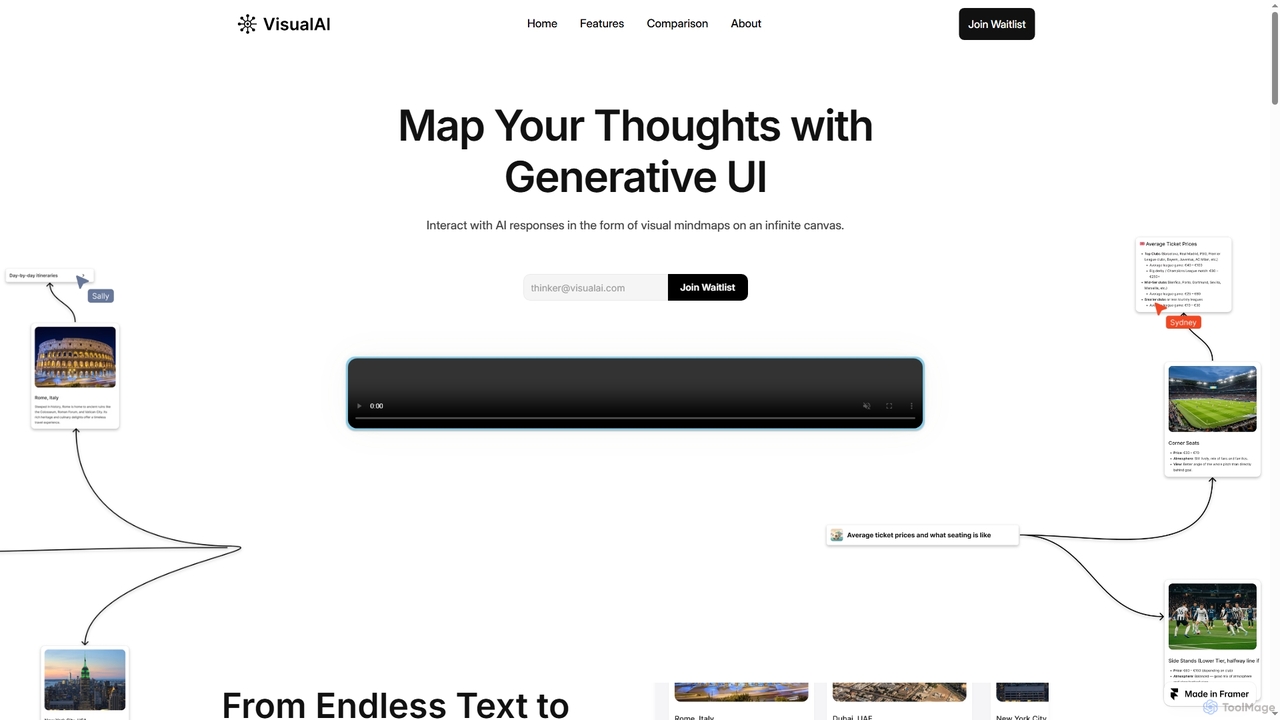
Visual AI is an innovative platform that transforms linear AI text responses into dynamic, visual clarity. It automatically structures information into interconnected nodes, enriching data with relevant visuals to enhance understanding and retention. Designed for non-linear thinkers, it offers an infinite collaborative workspace for brainstorming, prototyping, and evolving ideas.
Brainstorming
MindPlexa
MindPlexa is an AI-powered productivity platform that transforms ideas into actionable projects. It combines visual mind mapping with intelligent project management, allowing users to create, organize, and collaborate on ideas using intuitive canvases and smart nodes. The AI assistant helps generate project layouts, suggest tasks, and streamline workflows, making it an ideal tool for teams and individuals looking to boost creativity and efficiency.
Teamwork
Stormz
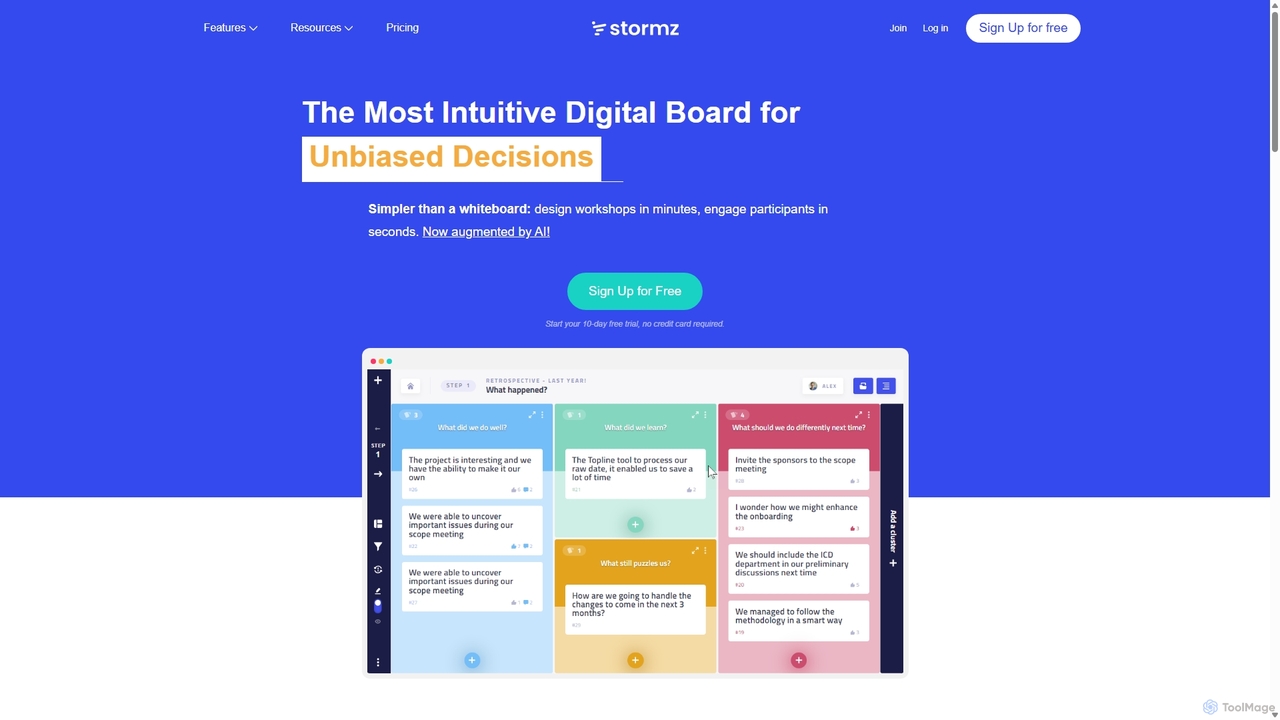
Stormz is an AI-augmented digital platform designed for facilitators to run highly engaging and productive collaborative workshops. It simplifies brainstorming, decision-making, and retrospectives for in-person, remote, or hybrid teams. With its intuitive interface and powerful features, Stormz ensures full participation and helps groups achieve unbiased, high-quality outcomes efficiently.
Meeting Management
UXPin
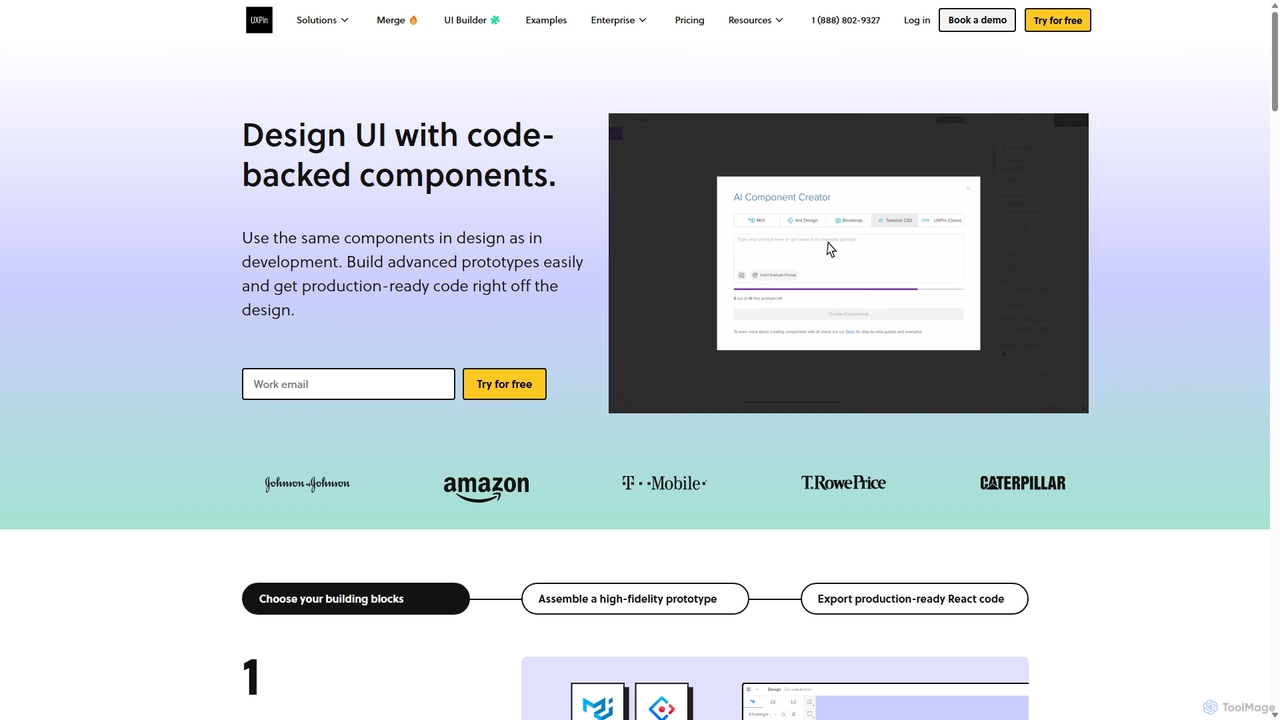
UXPin is a code-based design and prototyping tool that bridges the gap between design and engineering. It enables teams to create high-fidelity, interactive prototypes using real code components, ensuring consistency and dramatically speeding up the product development lifecycle from concept to launch.
Prototyping
Visily
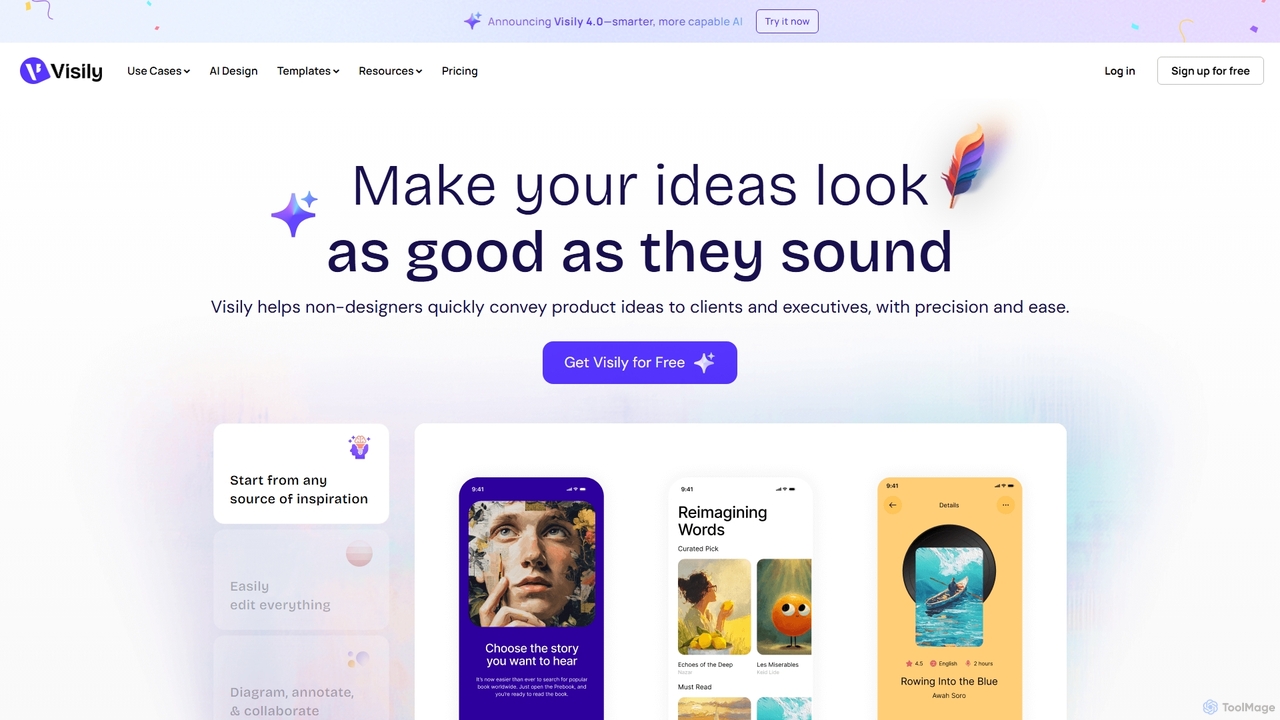
Visily is an AI-powered UI design and prototyping tool specifically created for non-designers. It enables teams to quickly transform ideas, screenshots, or text prompts into high-fidelity wireframes and mockups. With its intuitive interface and powerful collaboration features, Visily streamlines the process of visualizing product concepts and gathering feedback, bridging the gap between ideas and execution without a steep learning curve.
Ui Ux
Xmind AI
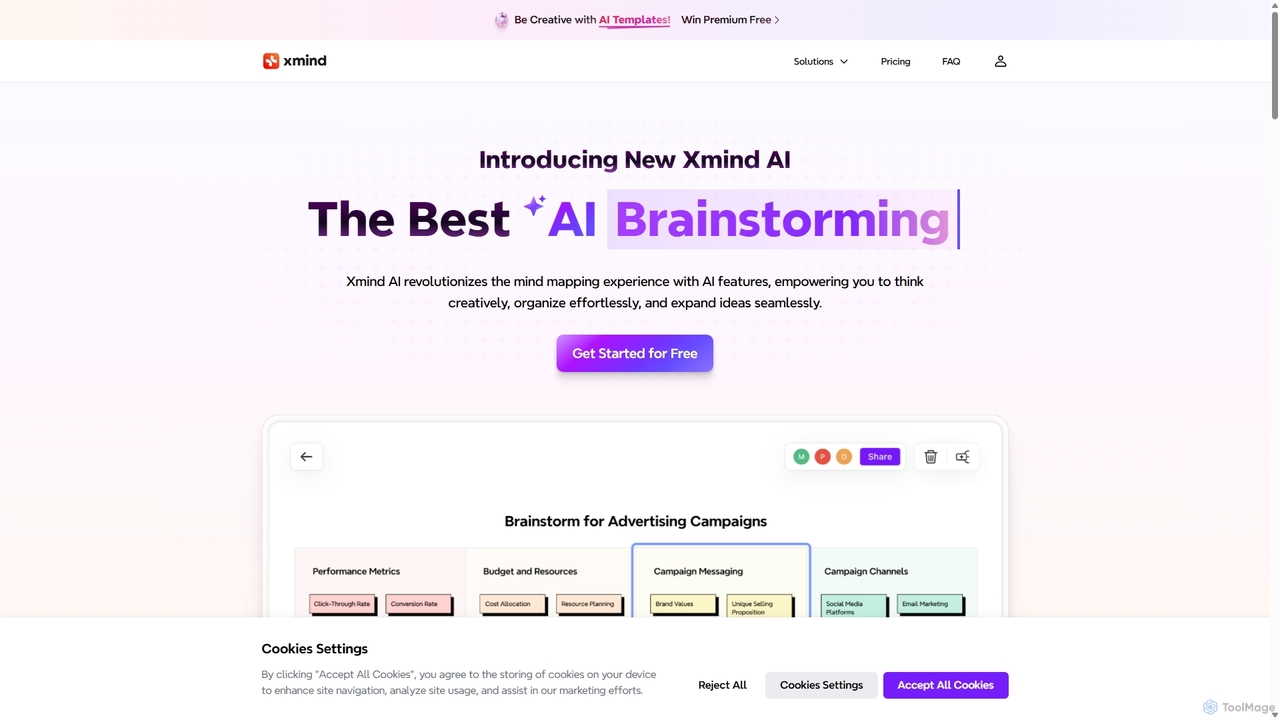
Xmind AI is an advanced AI-powered mind mapping and brainstorming tool designed to enhance creativity and productivity. It helps users visualize thoughts, organize complex information, and collaborate with teams in real-time. With features like AI-driven idea generation, content summarization, and automated to-do lists, Xmind AI transforms abstract concepts into structured, actionable plans.
Teamwork
Ideator
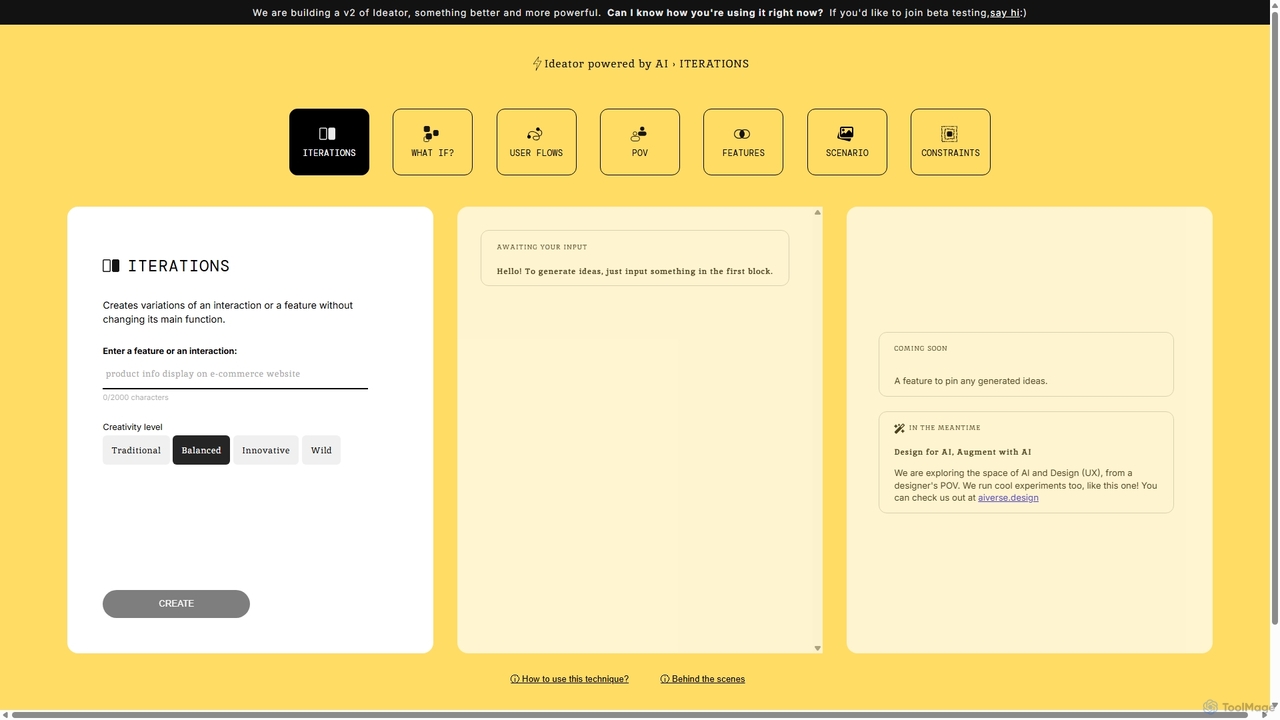
Ideator is an AI-powered brainstorming tool designed for UX/UI designers and innovators. It generates creative variations of a user-inputted feature or interaction, helping to overcome creative blocks and accelerate the ideation process. Users can adjust the creativity level from traditional to wild to explore a wide spectrum of design possibilities.
Idea Generation
MockFlow
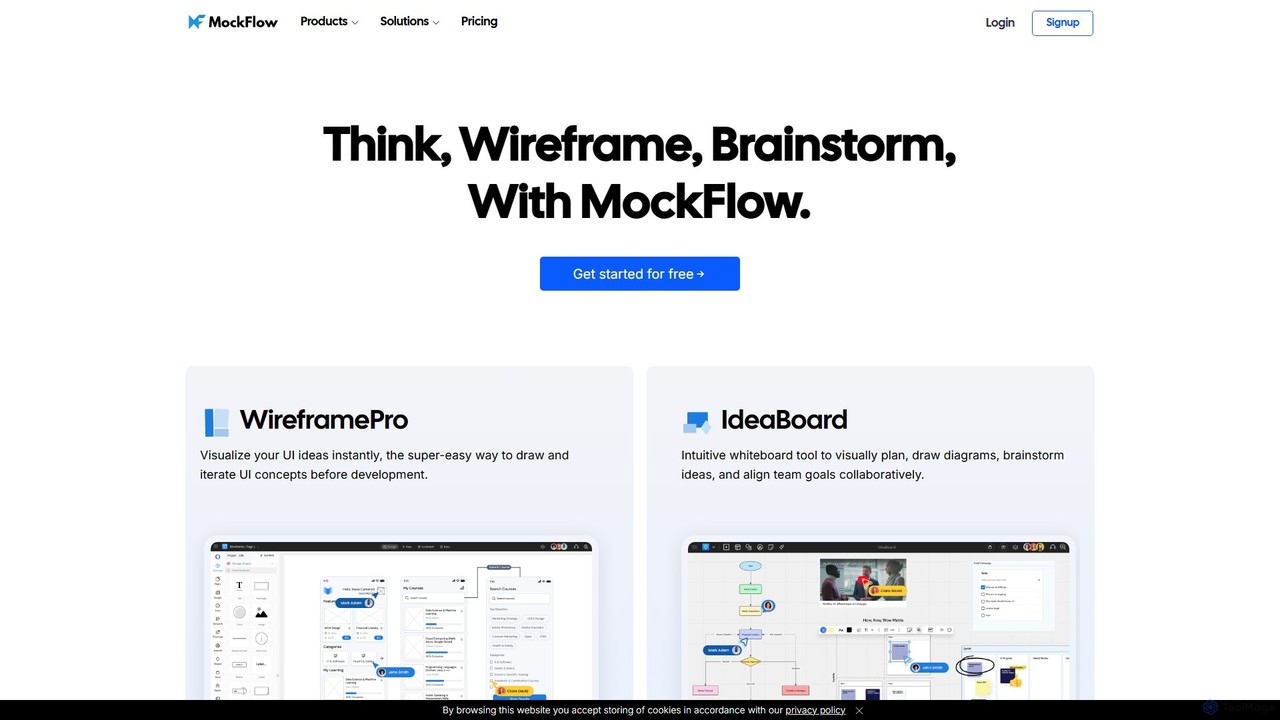
MockFlow is an all-in-one suite for product design, offering tools for wireframing, prototyping, and brainstorming. It leverages AI to accelerate the design process, allowing users to convert text or screenshots into editable wireframes, generate diagrams, and create content automatically. With extensive collaboration features and integrations, it streamlines the entire workflow from initial idea to developer handoff.
Ui Ux
Slite
Slite is an AI-powered knowledge base and team collaboration tool. It serves as a single source of truth, helping teams organize their documents, share knowledge, and make decisions asynchronously. Its core AI feature, 'Ask', allows users to find answers from across the entire workspace using natural language questions, making information instantly accessible.
Internal Communication
Figr AI
Figr AI is an AI-powered design platform that transforms text prompts into high-fidelity UI/UX designs, diagrams, and prototypes. It streamlines the creative process, enabling designers, developers, and product managers to rapidly visualize ideas, generate components, and build complete user flows. By automating repetitive tasks, Figr AI accelerates product development, enhances collaboration, and makes professional design accessible to everyone on the team.
Ui Ux
Slack
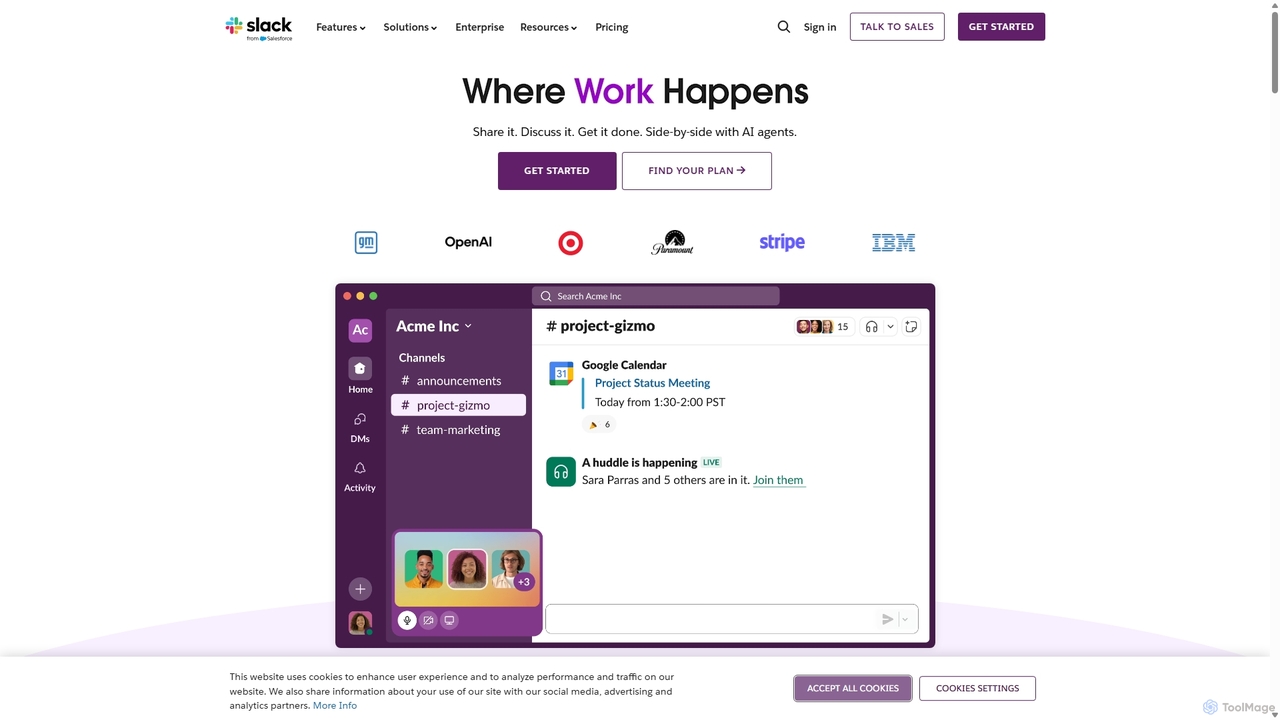
Slack is an AI-powered collaboration hub that connects your people, partners, and tools. It replaces email with faster, better-organized communication through channels. With integrated AI, workflow automation, and thousands of apps, Slack centralizes your work to boost productivity and streamline project management.
Project Management
Pixso
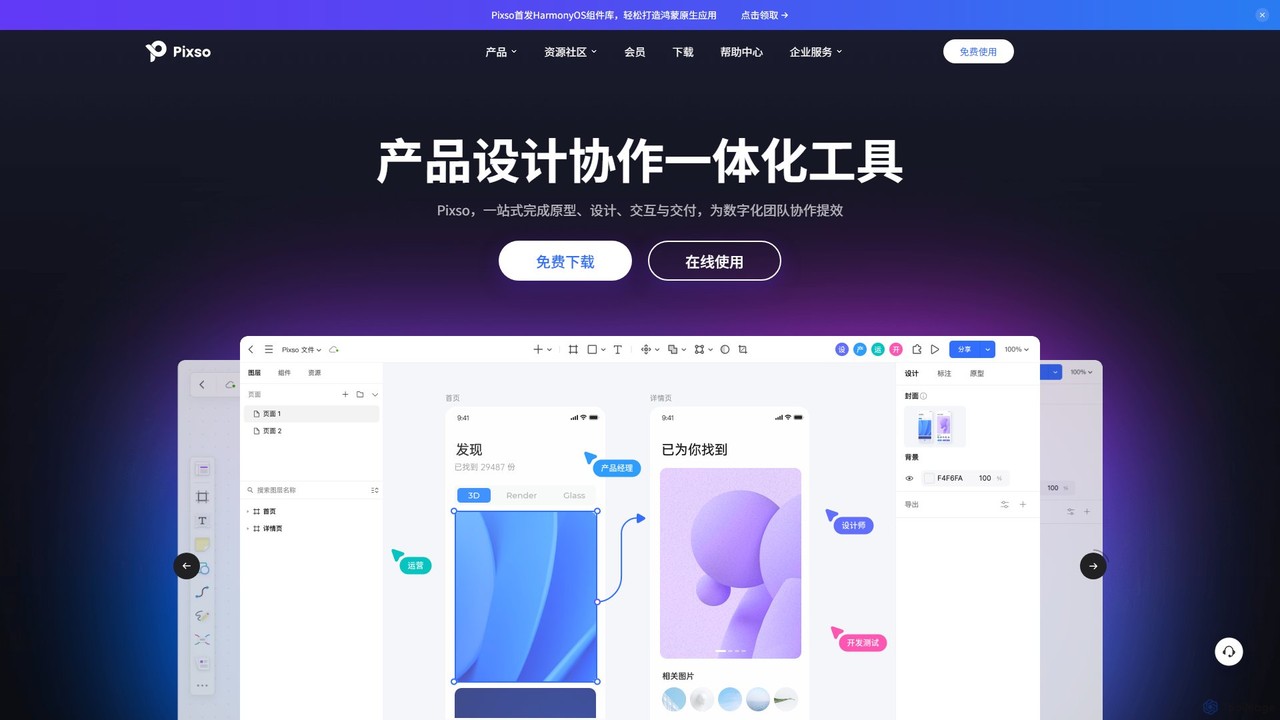
Pixso is an all-in-one, cloud-based collaborative product design platform for UI/UX design, prototyping, and developer handoff. It integrates design tools, interactive prototyping, and an online whiteboard, positioning itself as a powerful, real-time alternative to Figma and Sketch, built to enhance team efficiency.
Ui Ux
Magic Patterns
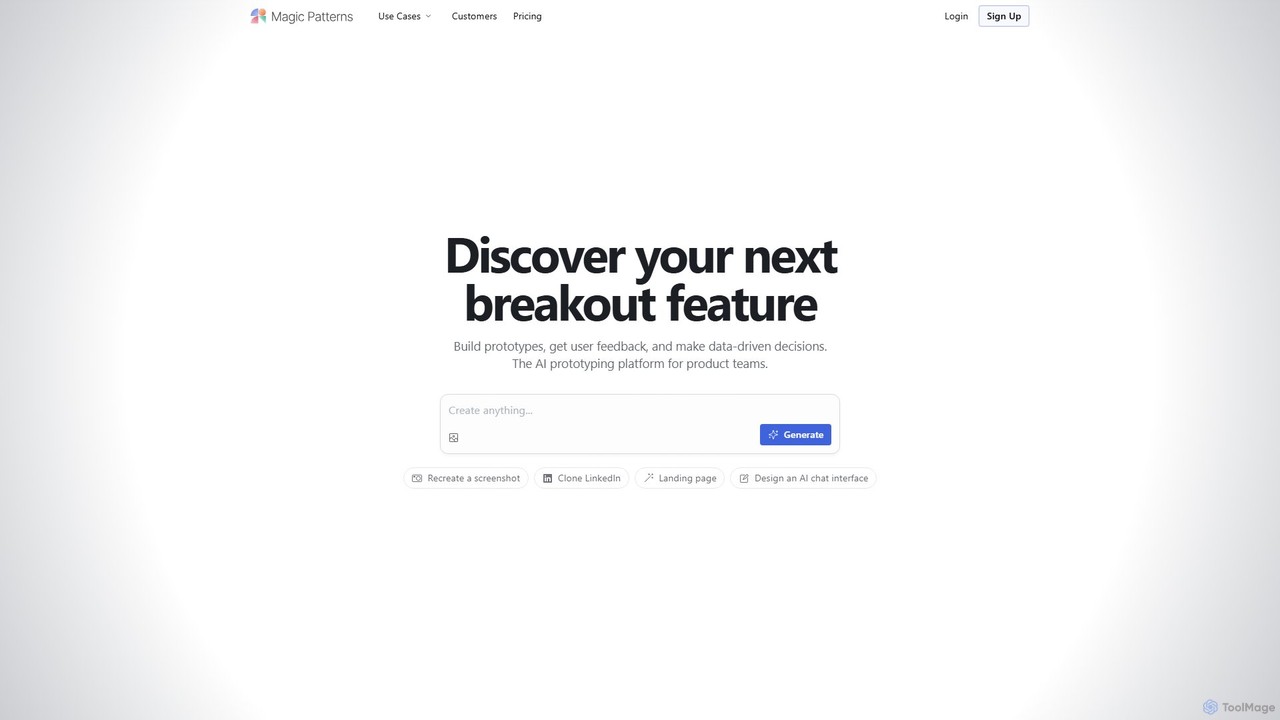
Magic Patterns is an AI-powered prototyping platform for product teams, designers, and developers. It accelerates UI creation by generating interactive prototypes and production-ready code (React, Tailwind CSS) from text prompts, screenshots, or existing websites. It helps teams iterate faster, gather user feedback, and make data-driven decisions.
Prototyping
Scrintal
Scrintal is an AI-powered visual note-taking and research tool designed for thinkers, researchers, and students. It combines an infinite canvas for brainstorming with a powerful block-based editor and an AI assistant, Gobu. Organize ideas, connect concepts with bi-directional links, and seamlessly turn your visual thoughts into structured written documents.
Research
FunBlocks
FunBlocks is an all-in-one AI workspace designed to revolutionize thinking and boost productivity. It seamlessly integrates AI-powered tools for mind mapping (AIFlow), document creation (AI Docs), slide generation (AI Slides), and web research (Browser Extension). From brainstorming complex ideas visually to producing polished documents and presentations with a single click, FunBlocks supports the entire knowledge workflow, enhancing creativity and critical thinking for students, professionals, and teams.
Presentations