CircleCI is a leading continuous integration and continuous delivery (CI/CD) platform that automates the software development process. It enables engineering teams to build, test, and deploy code quickly, reliably, and at scale, increasing productivity and confidence in every release.

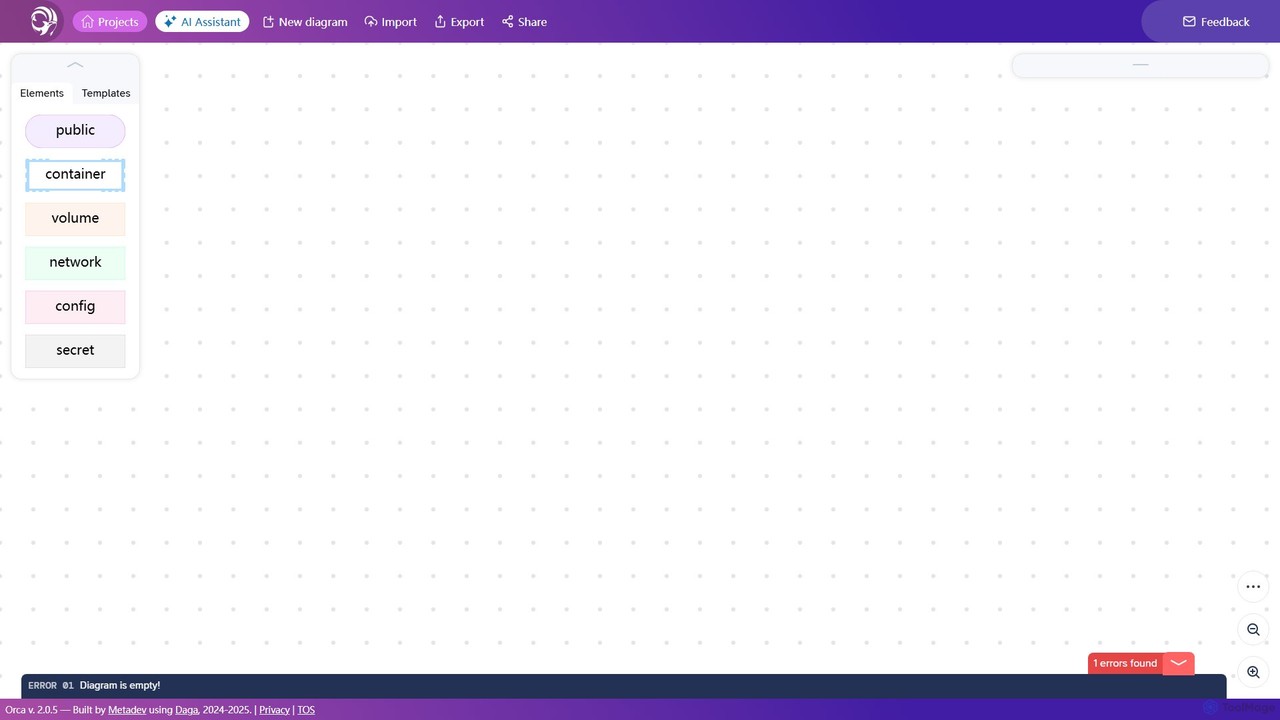
Orca is an intuitive visual tool for designing and managing containerized application architectures. It simplifies the complexity of Docker and Kubernetes by allowing users to create infrastructure diagrams that automatically generate valid configuration files like docker-compose.yml.
Product overview
CircleCI Product overview
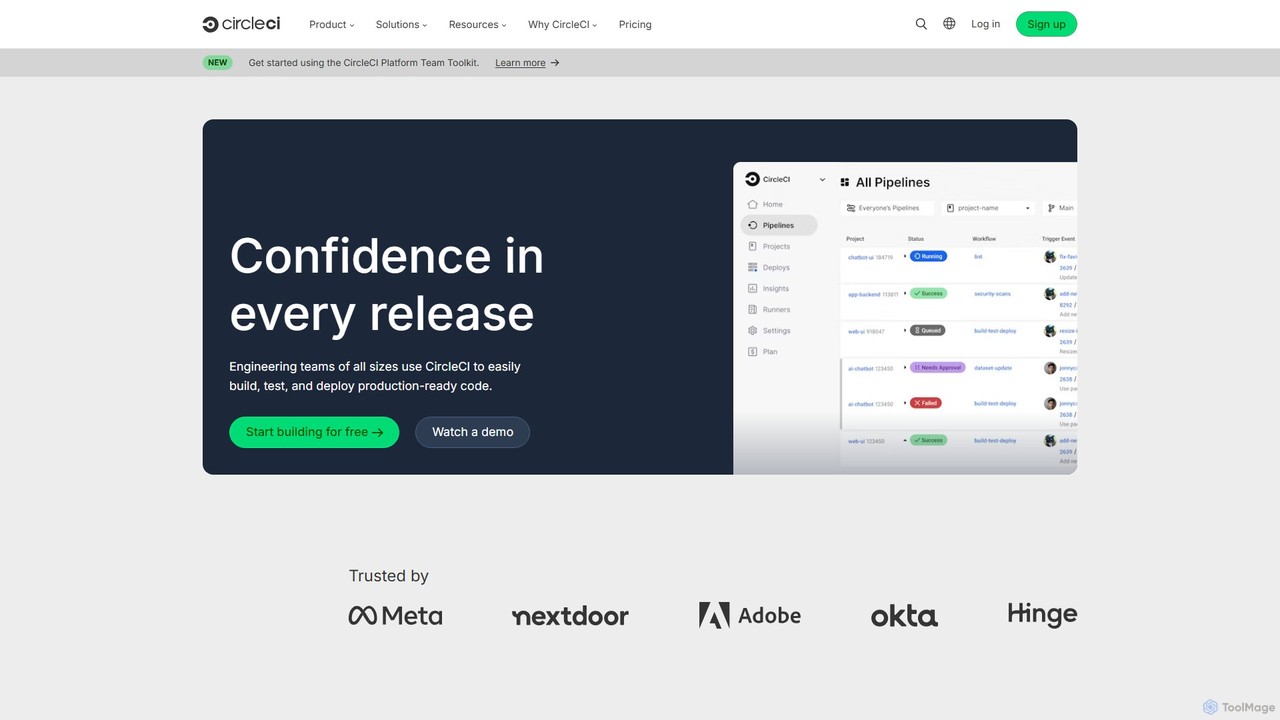
CircleCI is a leading continuous integration and continuous delivery (CI/CD) platform that automates the software development process. It enables engineering teams to build, test, and deploy code quickly, reliably, and at scale, increasing productivity and confidence in every release.
Orca Product overview
Orca is an intuitive visual tool for designing and managing containerized application architectures. It simplifies the complexity of Docker and Kubernetes by allowing users to create infrastructure diagrams that automatically generate valid configuration files like docker-compose.yml.
Detailed feature comparison
| Feature | CircleCI | Orca |
|---|---|---|
| Primary category | Infrastructure Management | Containerization |
| Added | 2025-08-09 | 2025-08-16 |
| Pricing | Freemium | Freemium |
| Official website | circleci.com | orca-tool.com |
| Product type | Website | Website |
| Performance data | ||
| User rating | Not verified | Not verified |
| Comments | 0 | 0 |
| Monthly visits | 973.9K | 1.2K |
| Monthly growth | -16.8% | -2.7% |
| Favorites | 115 | 124 |
| Details | View details | View details |
CircleCI vs Orca monthly traffic
Compare CircleCI and Orca by monthly reach, traffic trend, visit depth, top regions, and acquisition sources.
How to interpret the traffic data
In the CircleCI vs Orca monthly traffic comparison, CircleCI currently shows 973.9K visits and Orca shows 1.2K; CircleCI has about 828.8 times the visible traffic of Orca, an absolute difference of about 972.7K visits. This reflects visible reach, not feature quality or paid users.
Both tools provide verified traffic details, so monthly trends, visit depth, regions, and acquisition sources can be compared on the same basis.
CircleCI monthly traffic:
Latest traffic
Monthly traffic trend
- 2025/9: 1.1M Monthly visits
- 2026/1: 1.1M Monthly visits
- 2026/2: 1.1M Monthly visits
- 2026/3: 1.2M Monthly visits
- 2026/4: 1.2M Monthly visits
- 2026/5: 973.9K Monthly visits
Top regions
Top 5 countries/regions
| Country/region | Percentage | Traffic |
|---|---|---|
| 🇺🇸United States | 49.09% | 478.1K |
| 🇬🇧United Kingdom | 17.51% | 170.5K |
| 🇮🇳India | 15.42% | 150.2K |
| 🇯🇵Japan | 9.33% | 90.9K |
| 🇩🇪Germany | 8.65% | 84.2K |
Traffic sources
| Source type | Percentage | Traffic |
|---|---|---|
| Direct | 77.95% | 759.2K |
| Referral | 18.83% | 183.4K |
| 3.22% | 31.4K |
Search keywords
Orca monthly traffic:
Latest traffic
Monthly traffic trend
- 2025/9: 375 Monthly visits
- 2026/1: 0 Monthly visits
- 2026/2: 76 Monthly visits
- 2026/3: 464 Monthly visits
- 2026/4: 1.2K Monthly visits
- 2026/5: 1.2K Monthly visits
Top regions
Top 5 countries/regions
| Country/region | Percentage | Traffic |
|---|---|---|
| 🇮🇩Indonesia | 71.75% | 843 |
| 🇮🇳India | 22.79% | 268 |
| 🇬🇷Greece | 5.46% | 64 |
Search keywords
Usage comparison
Compare the core capabilities of CircleCI and Orca
CircleCI Core features
Orca Core features
Use cases
CircleCI Use cases
Orca Use cases
CircleCI vs Orca:In-depth comparison and selection guidance
First decide whether the products solve the same kind of need
This in-depth CircleCI vs Orca comparison uses only the product records, taxonomy, audience, traffic, and community signals available on this page. CircleCI is primarily listed under “Infrastructure Management”, while Orca is primarily listed under “Containerization”, so the first decision is whether your actual task matches their recorded scope.
The structured fields currently show these decision-relevant differences: Primary category (CircleCI: Infrastructure Management; Orca: Containerization); Monthly visits (CircleCI: 973.9K; Orca: 1.2K); Monthly growth (CircleCI: -16.8%; Orca: -2.7%); Favorites (CircleCI: 115; Orca: 124); Website (CircleCI: circleci.com; Orca: orca-tool.com). These facts are more useful for selection than brand visibility alone.
What market visibility and monthly traffic mean
In the CircleCI vs Orca monthly traffic comparison, CircleCI currently shows 973.9K visits and Orca shows 1.2K; CircleCI has about 828.8 times the visible traffic of Orca, an absolute difference of about 972.7K visits. This reflects visible reach, not feature quality or paid users.
Both tools provide verified traffic details, so monthly trends, visit depth, regions, and acquisition sources can be compared on the same basis.
If public market visibility is an important first-pass criterion, investigate CircleCI first. The final choice should still follow taxonomy, use case, and a real trial because higher traffic does not prove broader capabilities or better workflow fit.
Product positioning, use cases, and roles
CircleCI and Orca currently overlap in shared tags: devops, docker, and kubernetes. This can place both on the same shortlist, but it does not prove equal implementation, depth, or cost.
CircleCI's unique categories/tags are Infrastructure Management, Continuous Integration, Deployment Automation, automation, aws, CI/CD, deployment, and github; Orca's are Containerization, Infrastructure As Code, Visual Programming, containerization, docker-compose, infrastructure as code, microservices, and visual editor. These unique fields are the strongest differentiators: validate the product whose recorded scope matches the task instead of following traffic alone.
What ratings, comments, and favorites can tell you
CircleCI has no verified rating, 0 comments, 115 favorites, and 120 likes;Orca has no verified rating, 0 comments, 124 favorites, and 109 likes。
Neither product has enough rating or comment samples for a credible reputation ranking.
Selection guidance by actual need
When to evaluate CircleCI first
Put CircleCI on the priority trial list when the task aligns with “Infrastructure Management” and especially Infrastructure Management, Continuous Integration, Deployment Automation, automation, aws, and CI/CD. This follows recorded positioning and does not imply unlisted capabilities are absent.
CircleCI also currently records: pricing is freemium, product type is website, 973.9K verified monthly visits, no verified user rating. Verify any hard requirement around price, platform, or reach before trial, and do not let sparse review data substitute for testing.
When to evaluate Orca first
Put Orca on the priority trial list when the task aligns with “Containerization” and especially Containerization, Infrastructure As Code, Visual Programming, containerization, docker-compose, and infrastructure as code. This follows recorded positioning and does not imply unlisted capabilities are absent.
Orca also currently records: pricing is freemium, product type is website, 1.2K verified monthly visits, no verified user rating. Verify any hard requirement around price, platform, or reach before trial, and do not let sparse review data substitute for testing.
How to validate the recommendation before deciding
The available data describes positioning, public visibility, and community signals, but it cannot prove output quality, speed, integration effort, privacy, or long-term cost in your workflow. Before deciding, run the same representative tasks in CircleCI and Orca, then record completion time, accuracy, manual corrections, and the real paid threshold. A like-for-like trial turns this comparison into a defensible adoption decision.
Comparison FAQ
How should I choose between CircleCI and Orca?
Where does this comparison data come from?
What do unknown fields mean?
Related AI tools

Qovery
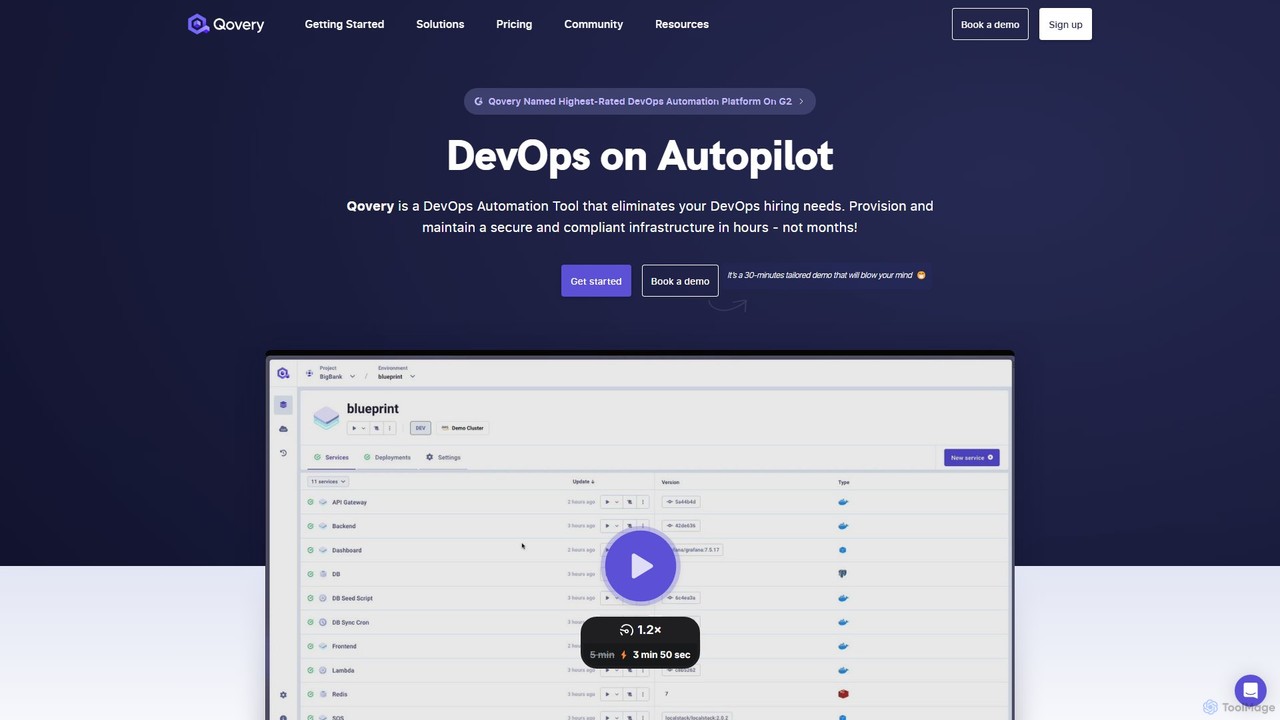
Qovery is a DevOps Automation Platform that provides self-service infrastructure for developers. It automates environment provisioning, accelerates deployment cycles, and optimizes cloud costs on AWS, Azure, and GCP, eliminating the need for extensive DevOps hiring.
Infrastructure As Code
Milk Infrastructure
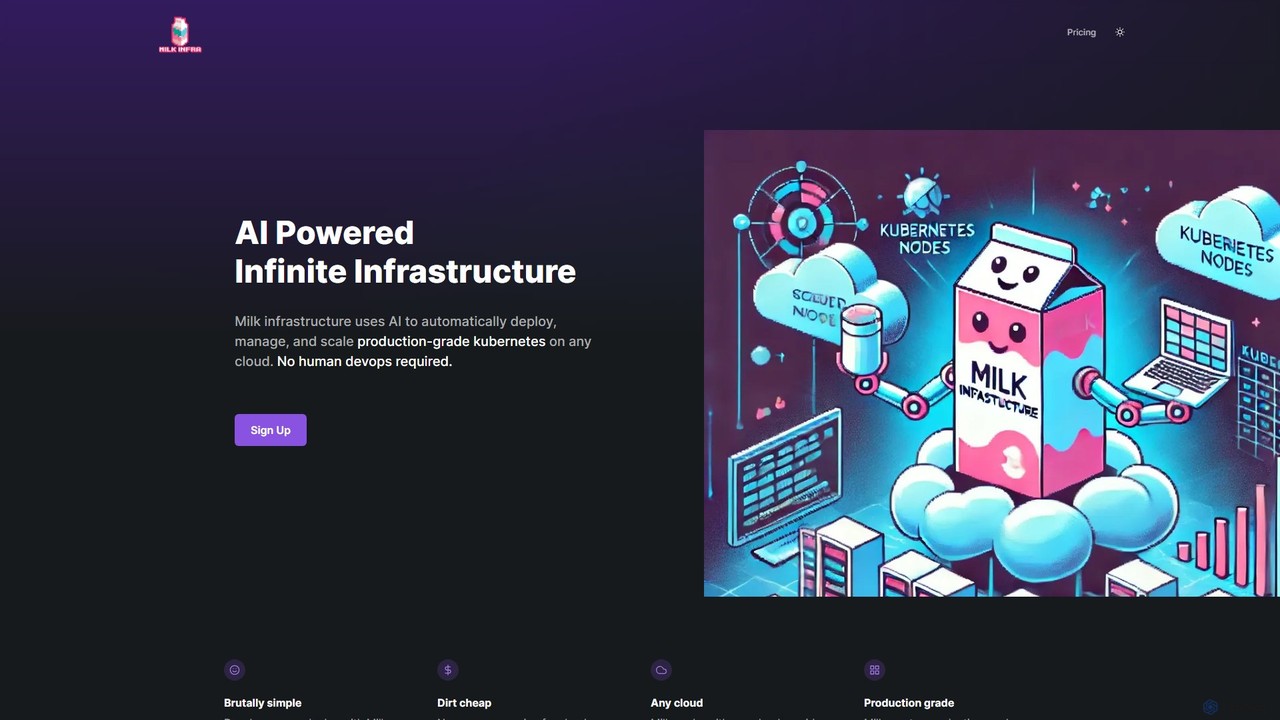
Milk Infrastructure is an AI-powered platform that automates the deployment, management, and scaling of production-grade Kubernetes clusters on any cloud. It eliminates the need for human DevOps, allowing developers to deploy applications effortlessly via GitHub. With features like dynamic scaling, built-in CI/CD, and an Infrastructure as Code approach, it offers a cost-effective and simple solution for modern application hosting.
Infrastructure Management
Convox
Convox is a Platform as a Service (PaaS) that automates cloud infrastructure management. It simplifies application deployment, scaling, monitoring, and CI/CD on major cloud providers like AWS and GCP, allowing development teams to focus on writing code instead of managing complex operations.
Paas
Rebolt
Rebolt is an AI-powered platform designed to automate the entire software development lifecycle. It helps developer and DevOps teams build, test, and deploy applications faster and more reliably by leveraging AI for CI/CD pipeline optimization, code generation, and intelligent monitoring.
Code Assistant
GenieEngage
GenieEngage is a DevOps-as-a-Service partner providing expert solutions in DevOps, DevSecOps, and GitOps. It helps businesses accelerate software delivery, enhance security, and scale infrastructure on clouds like AWS, Azure, and GCP, offering a full team of experts as a cost-effective alternative to in-house hiring.
Infrastructure Management
Bunnyshell
Bunnyshell is an AI-orchestrated Environments as a Service (EaaS) platform that automates the creation of ephemeral, production-like environments. It's designed to accelerate the testing, review, and deployment of code, especially AI-generated code, enabling teams to ship software up to 100x faster while reducing cloud costs by up to 70%.
Infrastructure
Release
Release is an AI-powered ephemeral environments platform that accelerates software development. It provides instant, isolated testing environments for every feature or pull request, eliminating infrastructure bottlenecks. By integrating with AI development tools and IDEs, Release enables teams to test and deploy code up to 10x faster.
Devops
Signadot
Signadot is a Kubernetes-native microservices testing platform designed for high-velocity engineering teams. It unifies local testing, preview environments, and AI-powered contract testing (SmartTests) into a single solution. By creating lightweight, isolated 'Sandboxes' in seconds, it helps teams accelerate development cycles, reduce infrastructure costs, and improve release quality without duplicating entire environments.
Kubernetes

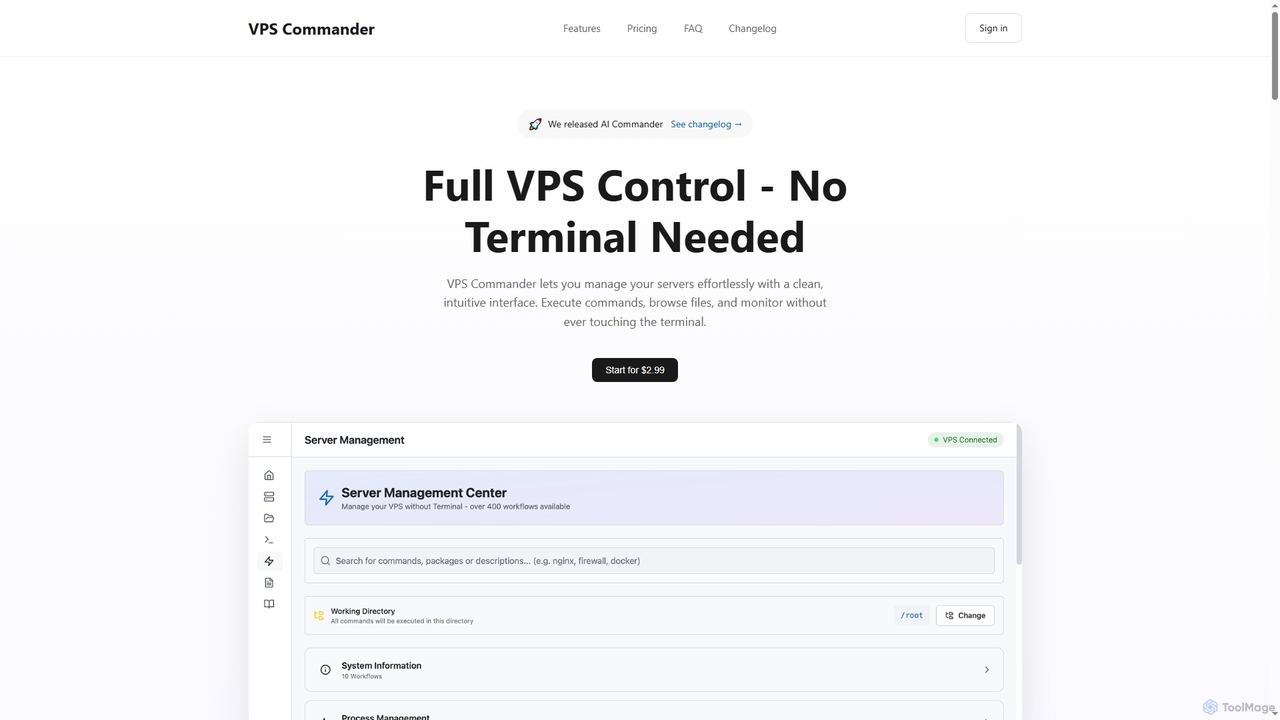
VPS Commander
VPS Commander simplifies complex server management, transforming intricate terminal commands into intuitive clicks. It offers a modern interface for managing workflows, files, and processes, empowering anyone to control their Virtual Private Servers without needing command-line expertise.
Cloud Management
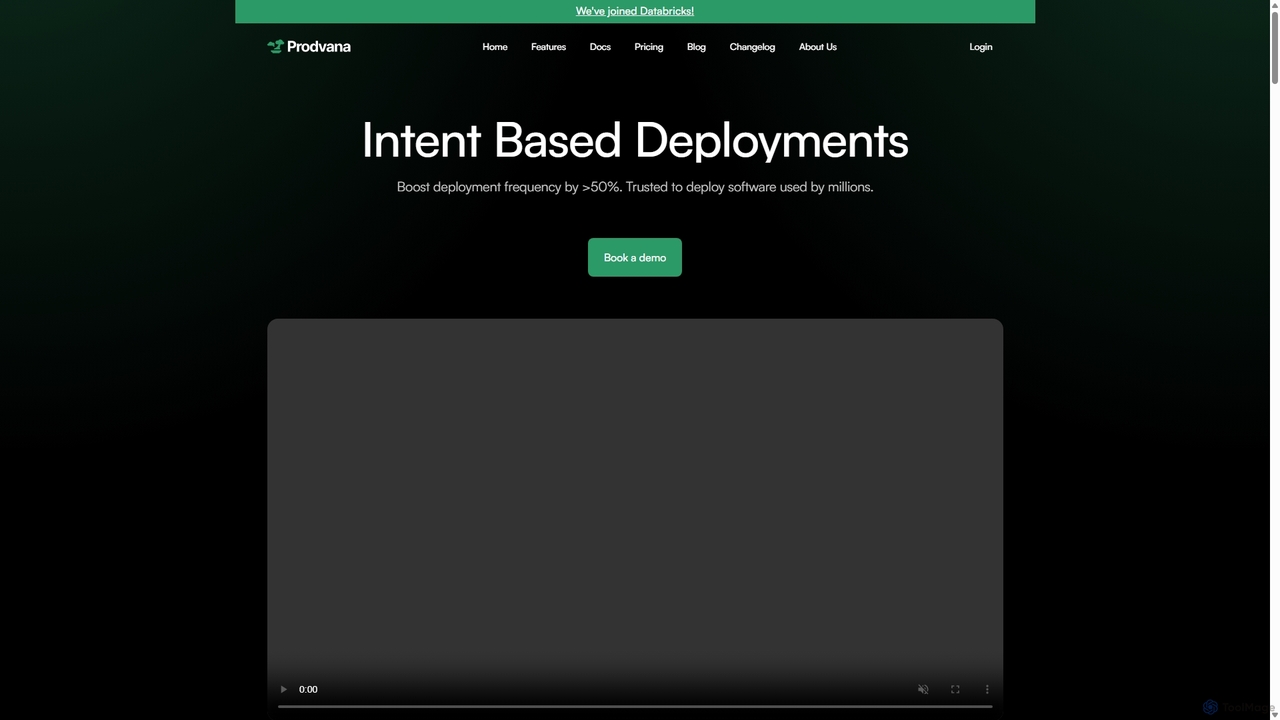
Prodvana
Prodvana is an intelligent, intent-based deployment platform designed for modern software delivery. It helps engineering teams accelerate deployment frequency, enhance reliability, and reduce operational overhead by automating release paths, providing pre-deployment insights, and seamlessly integrating with existing infrastructure like Kubernetes, Terraform, and serverless providers.
Infrastructure Management
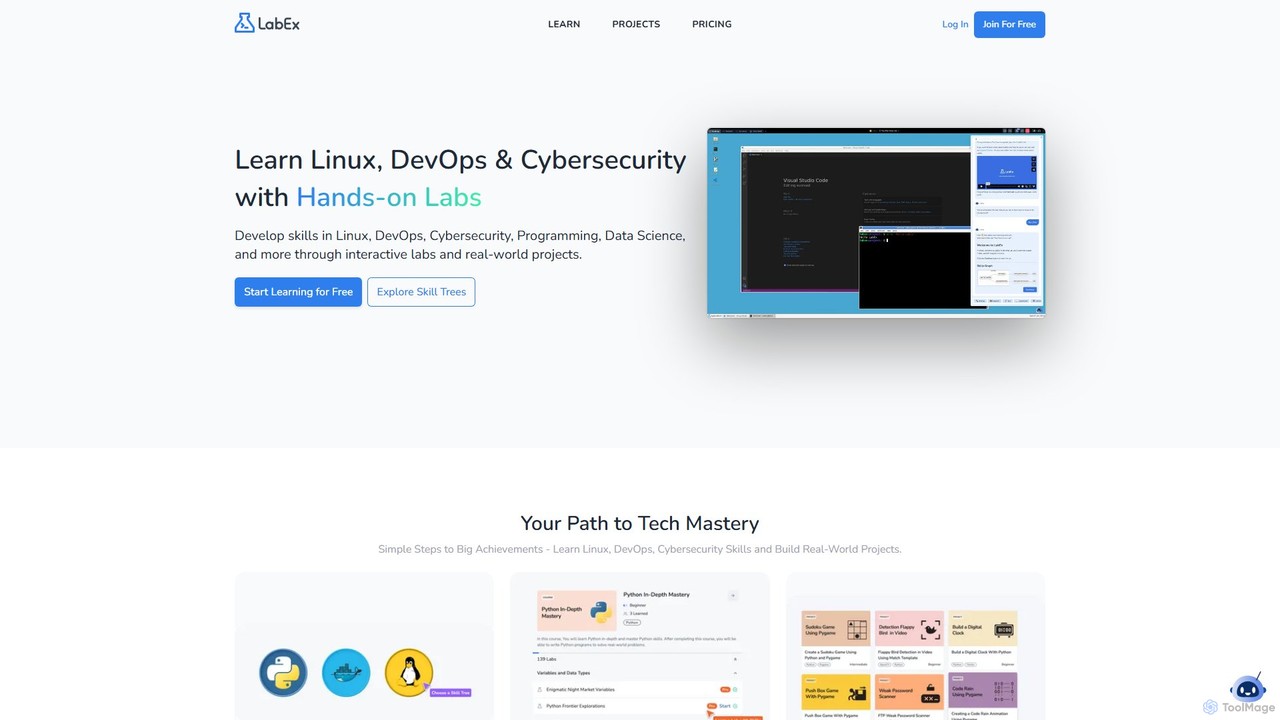
LabEx
LabEx is an interactive, hands-on learning platform for tech skills like Linux, DevOps, Cybersecurity, and Data Science. It offers over 6,000 labs in real-world environments, eliminating the need for complex local setups. The platform features structured "Skill Trees" for guided learning and an AI assistant, Labby, powered by ChatGPT, to provide real-time help with code debugging and technical questions. Learn by doing, build projects, and master in-demand tech skills effectively.
Cloud Computing
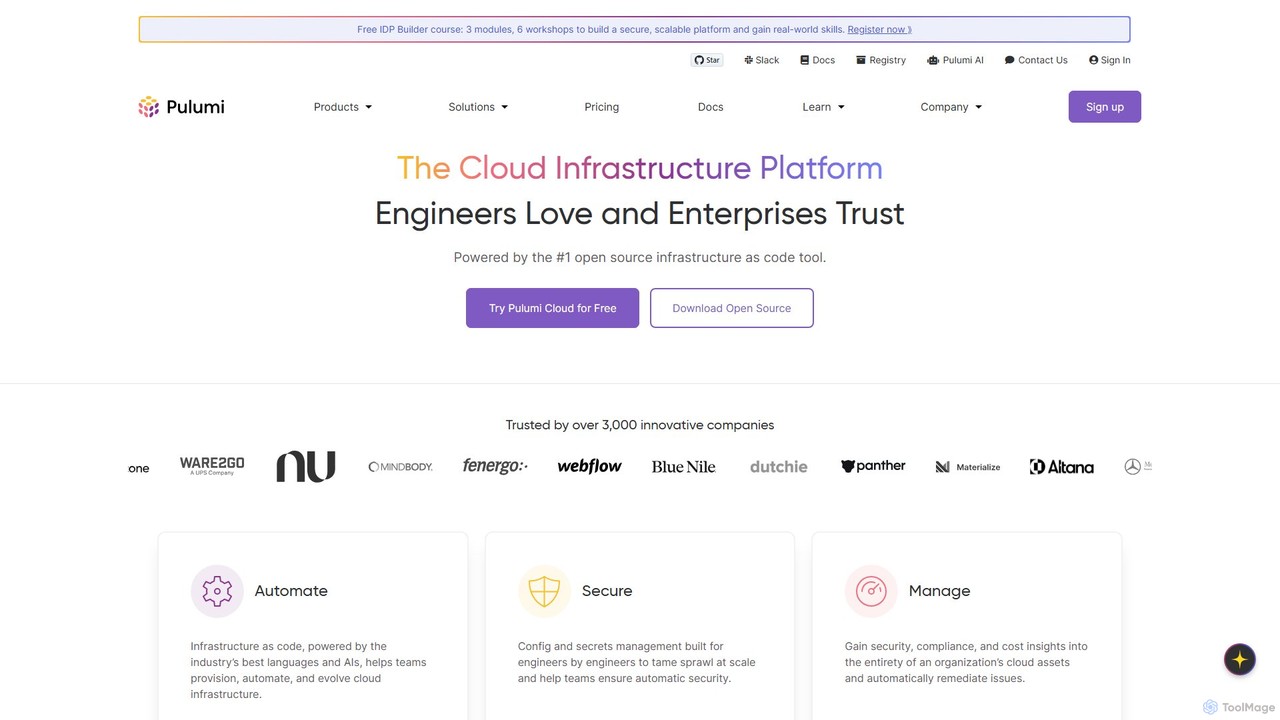
Pulumi
Pulumi is a universal Infrastructure as Code (IaC) platform that allows developers and infrastructure teams to build, deploy, and manage cloud infrastructure using familiar programming languages like Python, TypeScript, Go, and C#. It integrates AI to enhance security, compliance, and operational efficiency.
Management
ClawCloud Run
ClawCloud Run is a cloud-native development platform designed to simplify the application lifecycle. It enables developers to build, deploy, manage, and run applications in a unified cloud environment without writing complex YAML files. Featuring a visual canvas, one-click templates, and integrated database management, it accelerates the go-to-market process.
Platform As A Service
Bito
Bito is an AI-powered code review assistant that integrates directly into your IDE and Git provider. It helps development teams accelerate their workflow, improve code quality, and reduce regressions by providing on-demand, context-aware feedback and suggestions. Bito is designed to save time, upskill junior engineers, and ensure enterprise-grade security.
Code Quality