

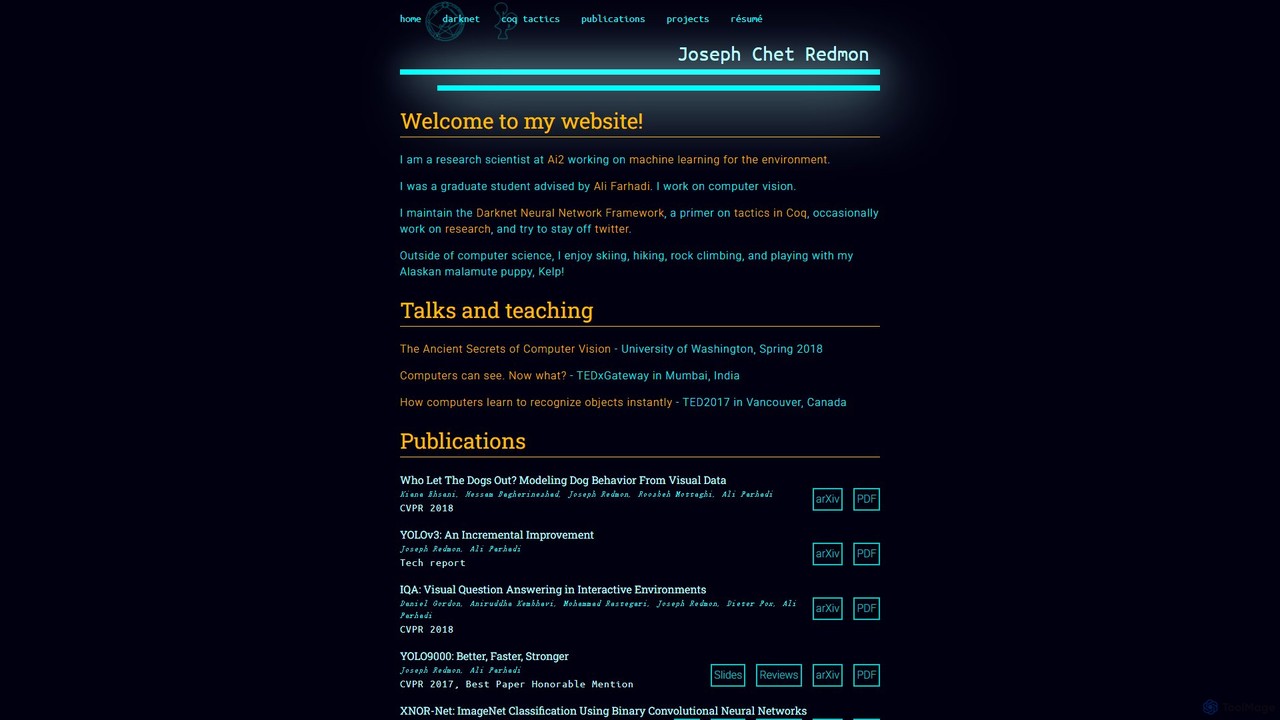
Darknet Overview
Darknet is an influential open-source neural network framework developed by Joseph Redmon. Written entirely in C and CUDA, it is designed for speed, efficiency, and portability. Unlike larger, more complex frameworks, Darknet has minimal dependencies, making it straightforward to compile and run on various platforms, from embedded systems to powerful GPU servers. It gained widespread recognition as the foundation for YOLO (You Only Look Once), a revolutionary real-time object detection algorithm that significantly advanced the field of computer vision.
The philosophy behind Darknet is to provide a transparent and relatively simple codebase that allows researchers and developers to understand the inner workings of neural networks. While its primary claim to fame is object detection, the framework is versatile and also supports other tasks such as image classification and recurrent neural networks (RNNs).
How to use Darknet
Using Darknet typically involves a command-line interface and follows a clear workflow for both inference and training:
- Installation: First, clone the Darknet repository from GitHub. The installation process involves compiling the source code using a Makefile. Users can edit the Makefile to enable or disable options like GPU support (via CUDA and cuDNN for significant speed-up), OpenCV for better image/video processing, and OpenMP for parallel CPU computation.
- Running Pre-trained Models: To perform object detection with a pre-trained model like YOLOv3, you need to download the corresponding pre-trained weight file. Then, you can run detection on an image with a single command:
./darknet detect cfg/yolov3.cfg yolov3.weights data/dog.jpg. The framework will process the image and output a new image with bounding boxes and class labels drawn on it. - Training a Custom Model: To train Darknet on a custom dataset, you need to prepare your data by creating labeled text files for each image, specifying the object class and bounding box coordinates. You will also need to create a custom
.datafile, a.namesfile listing your object classes, and a custom.cfg(configuration) file based on an existing model architecture. The training is initiated with a command, and Darknet will save the model weights periodically.
Core Features of Darknet
- High Performance: Written in C and optimized with CUDA, Darknet is one of the fastest frameworks for neural network inference, especially for object detection.
- YOLO (You Only Look Once): The framework's flagship feature is its implementation of YOLO, a state-of-the-art system that performs object detection in real-time by looking at the entire image just once.
- CPU and GPU Support: It can run on standard CPUs, but its performance is massively accelerated on NVIDIA GPUs using CUDA.
- Open Source and Transparent: The full source code is available on GitHub, allowing for complete transparency, modification, and extension. The C codebase is more accessible for deep-level understanding than some more abstracted frameworks.
- Minimal Dependencies: It can be compiled and run with very few external libraries, simplifying deployment.
- Versatility: Beyond object detection, it supports image classification models (like ResNet, ResNeXt) and RNNs for sequence-based tasks.
Use Cases for Darknet
Darknet and YOLO are used in a vast array of applications across various industries:
- Autonomous Systems: Real-time detection of pedestrians, vehicles, and traffic signs for self-driving cars and drones.
- Security and Surveillance: Monitoring for intruders, tracking objects of interest, and analyzing crowd behavior in video feeds.
- Retail Analytics: Counting customers, monitoring shelf inventory, and analyzing in-store customer traffic patterns.
- Industrial Automation: Detecting defects in products on a manufacturing line and guiding robotic arms.
- Agriculture: Monitoring crop health, identifying pests, and estimating yield from aerial imagery.
- Academic Research: Serving as a baseline and platform for developing and testing new computer vision algorithms.
Advantages of Darknet
The primary advantage of Darknet is its unparalleled combination of speed and accuracy for real-time object detection. Its lightweight and self-contained nature makes it easy to deploy in resource-constrained environments where larger frameworks might be impractical. The transparency of its C code is a significant benefit for students and researchers who want to learn the fundamental principles of deep learning without layers of abstraction. Its open-source license and active community have led to numerous forks and improvements, keeping it relevant in the field.
Pricing and Plans
Darknet is a completely free and open-source project. It is distributed under a permissive license, allowing for free use in both academic and commercial projects. There are no fees, subscriptions, or paid plans associated with the framework.
Traffic
Latest traffic
Status
Monthly traffic trend
- 2025-9: 58.1K
- 2026-1: 71.8K
- 2026-2: 46.4K
- 2026-3: 58.7K
- 2026-4: 56.7K
- 2026-5: 53.5K
Geography
Top 5 countries / regions
- 🇺🇸United States40.8%
- 🇺🇿Uzbekistan21.4%
- 🇮🇳India16.5%
- 🇮🇹Italy12.0%
- 🇮🇩Indonesia9.2%
Traffic sources
| Source type | Percentage |
|---|---|
Direct | 83.3% |
Referral | 15.1% |
Email | 1.6% |
Top keywords
| Keyword | Cost per click |
|---|---|
| darknet | $0.93 |
| darknet vision artificial | $0.00 |
| jeremy irvin olmo | $0.00 |
| joseph redmon | $0.00 |
| yolo | $1.62 |
Darknet Alternatives
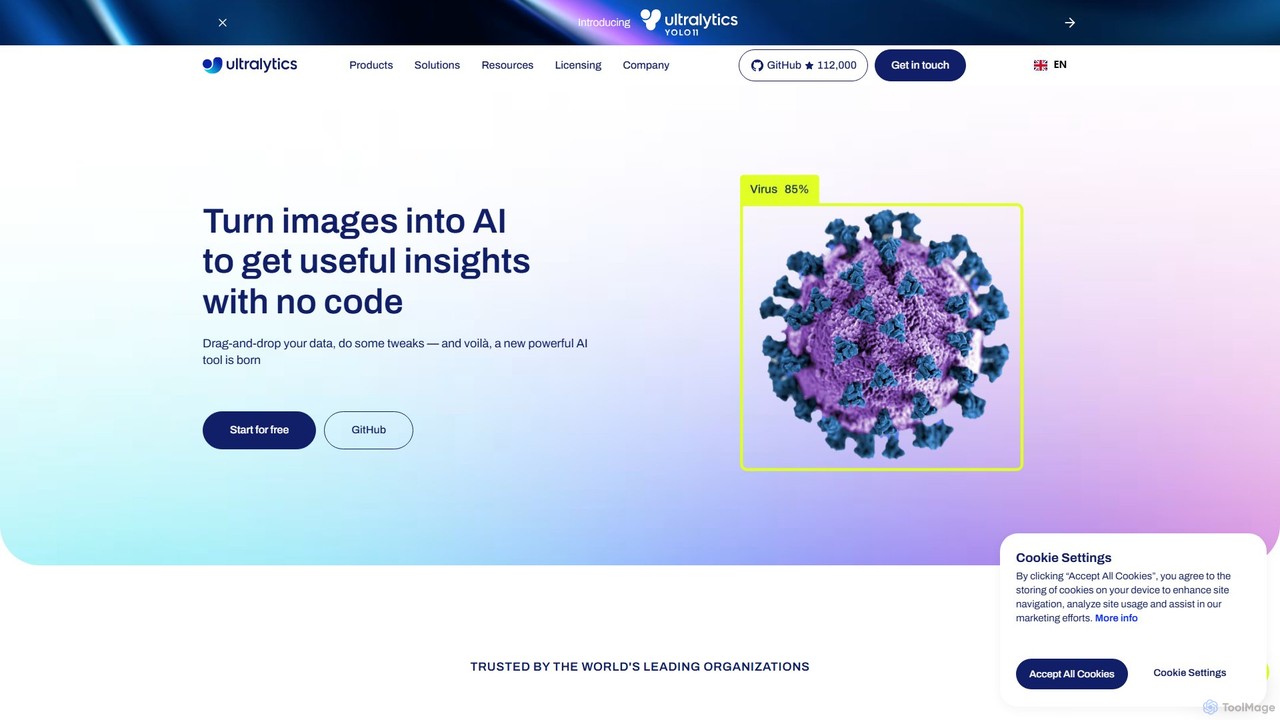
Ultralytics
Ultralytics is a leading Vision AI company, creators of the world-renowned YOLO (You Only Look Once) models. They provide a comprehensive ecosystem, including the open-source YOLOv8 framework and the Ultralytics HUB, a no-code platform for training and deploying AI models.
Machine Learning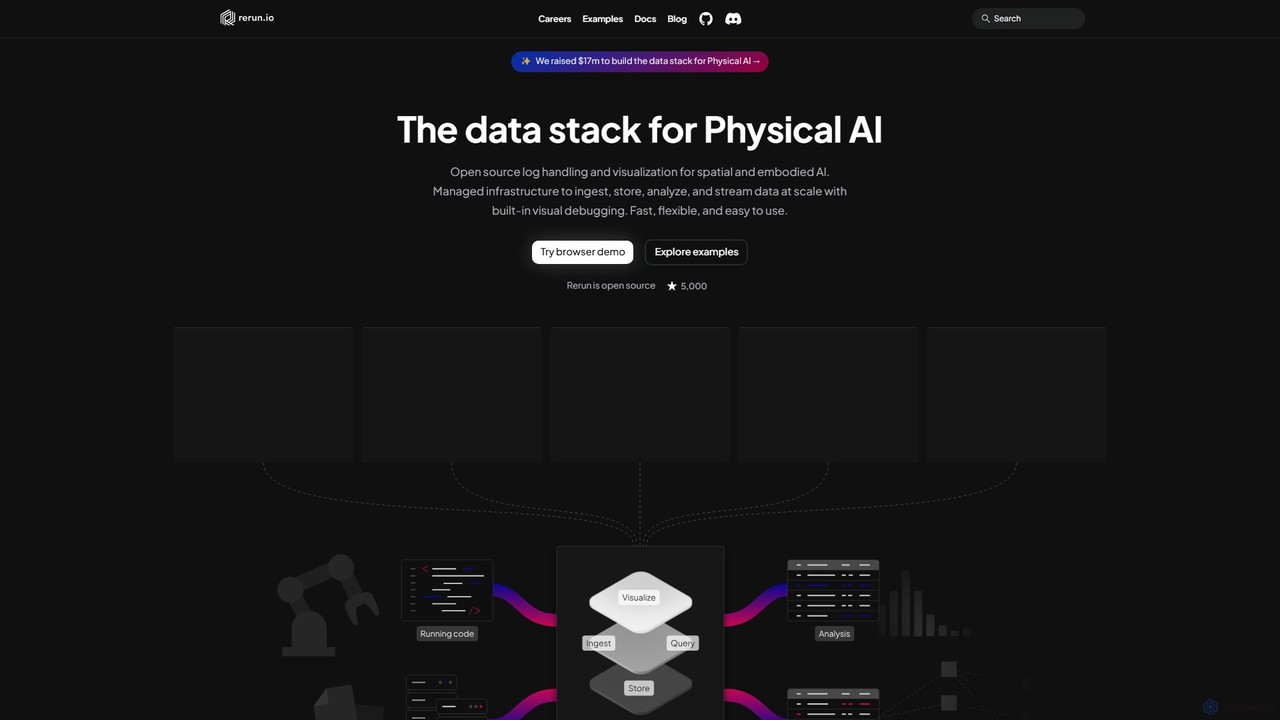
Rerun
Rerun is an open-source data stack for Physical AI, providing powerful logging and visualization tools for multimodal, time-series data. Designed for robotics, computer vision, and spatial computing, it helps developers understand and debug complex systems with SDKs for Python, Rust, and C++.
Machine Learning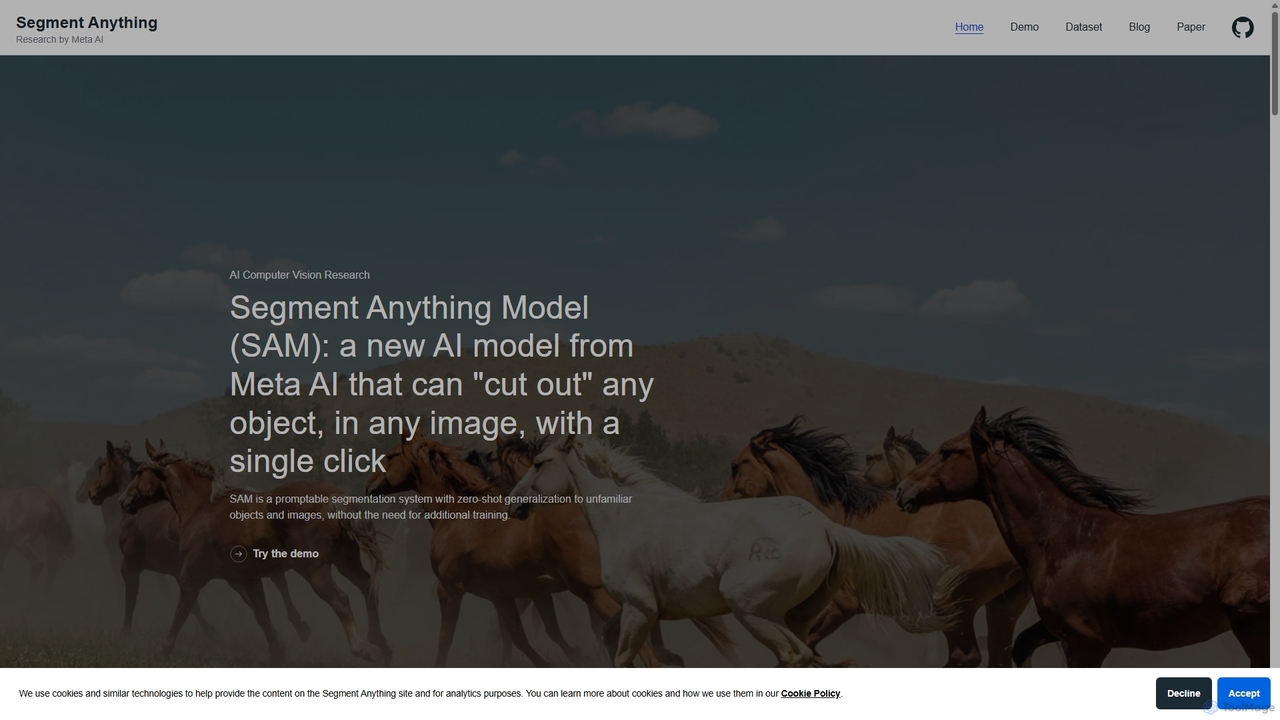
Segment Anything
Segment Anything (SAM) is a groundbreaking AI model from Meta AI for image segmentation. It can identify and "cut out" any object in any image with a single click or prompt. Featuring zero-shot generalization, SAM understands objects without prior specific training, making it incredibly versatile for researchers, developers, and creators in computer vision, image editing, and data annotation.
Data Annotation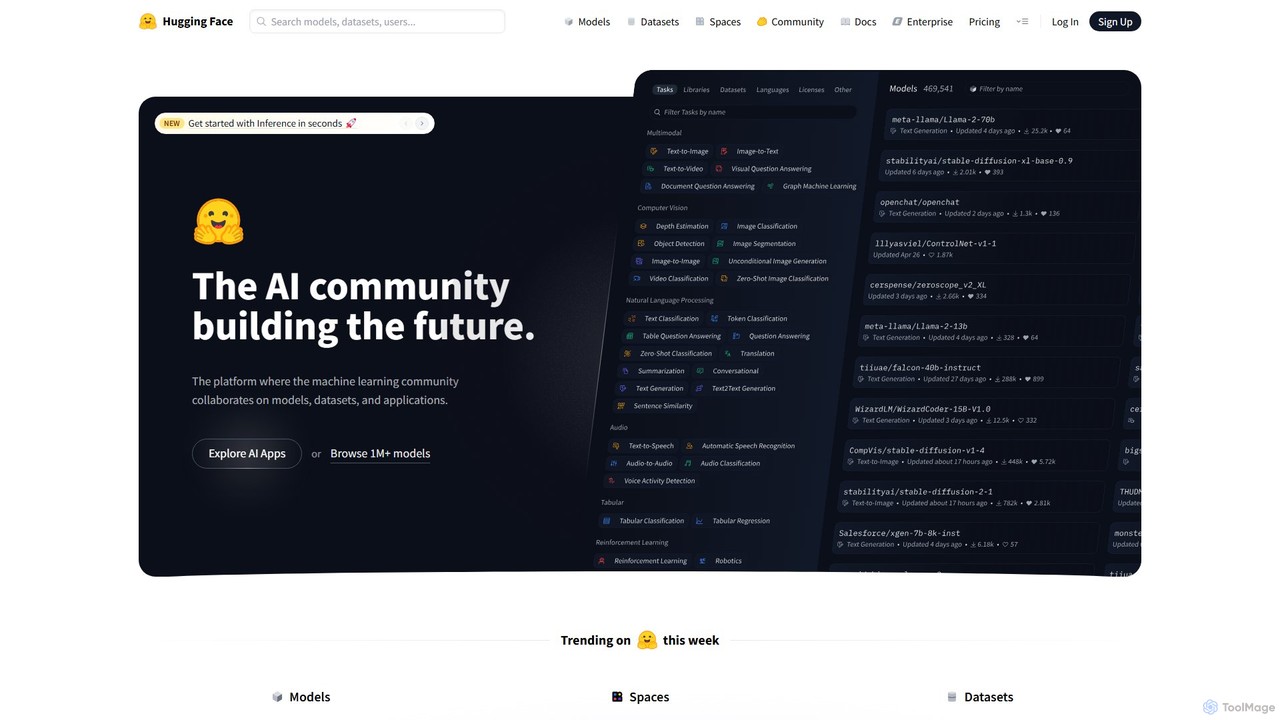
Hugging Face
Hugging Face is the leading open-source platform and community for machine learning. It provides tools for developers and researchers to build, train, and deploy state-of-the-art models, offering a vast hub of pre-trained models, datasets, and demo applications.
Dataset
Google Research
Google Research is a premier hub for exploring groundbreaking advancements in science and AI. It provides open access to a vast repository of research papers, project showcases, and open-source resources across diverse fields like machine learning, quantum computing, and healthcare. It's an essential platform for researchers, developers, and enthusiasts to stay at the forefront of technological innovation and understand its real-world impact.
Learning PlatformDarknet Categories
Darknet Embed Widget
Copy this embed code to place the badge on your blog, article, or product site and send readers directly to this ToolMage detail page.

Related AI tools
Ultralytics
Ultralytics is a leading Vision AI company, creators of the world-renowned YOLO (You Only Look Once) models. They provide a comprehensive ecosystem, including the open-source YOLOv8 framework and the Ultralytics HUB, a no-code platform for training and deploying AI models.
Machine LearningRerun
Rerun is an open-source data stack for Physical AI, providing powerful logging and visualization tools for multimodal, time-series data. Designed for robotics, computer vision, and spatial computing, it helps developers understand and debug complex systems with SDKs for Python, Rust, and C++.
Machine LearningSegment Anything
Segment Anything (SAM) is a groundbreaking AI model from Meta AI for image segmentation. It can identify and "cut out" any object in any image with a single click or prompt. Featuring zero-shot generalization, SAM understands objects without prior specific training, making it incredibly versatile for researchers, developers, and creators in computer vision, image editing, and data annotation.
Data AnnotationHugging Face
Hugging Face is the leading open-source platform and community for machine learning. It provides tools for developers and researchers to build, train, and deploy state-of-the-art models, offering a vast hub of pre-trained models, datasets, and demo applications.
Dataset
Jyek
Jyek is an AI agent platform that understands objectives, creates execution plans, uses tools, and delivers verifiable results for complex, multi-step tasks.
AutomationGoogle Research
Google Research is a premier hub for exploring groundbreaking advancements in science and AI. It provides open access to a vast repository of research papers, project showcases, and open-source resources across diverse fields like machine learning, quantum computing, and healthcare. It's an essential platform for researchers, developers, and enthusiasts to stay at the forefront of technological innovation and understand its real-world impact.
Learning Platform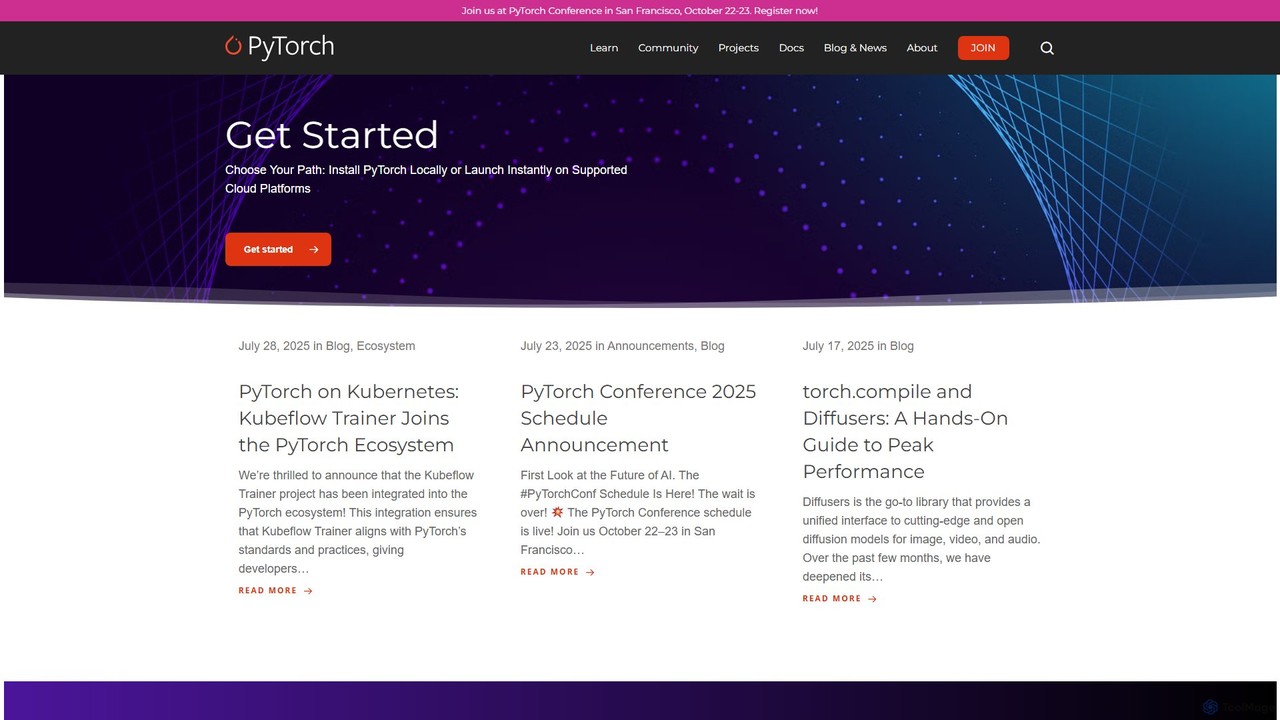
PyTorch
PyTorch is an open-source machine learning framework based on the Torch library, used for applications such as computer vision and natural language processing. It offers a flexible, Python-first environment that accelerates the path from research prototyping to production deployment.
Deep Learning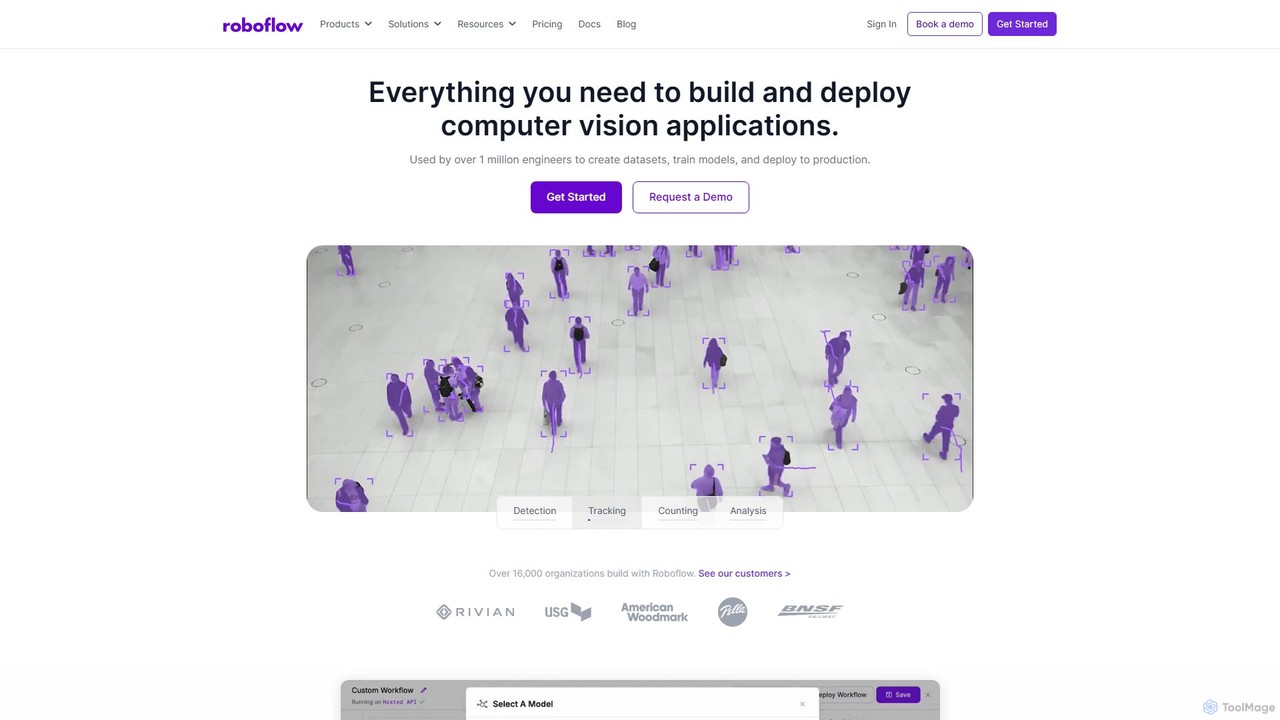
Roboflow
Roboflow is an end-to-end computer vision platform for developers and enterprises. It provides a comprehensive suite of tools to build, train, and deploy computer vision models at scale. From dataset creation and collaborative labeling to one-click model training and deployment to cloud or edge devices, Roboflow streamlines the entire MLOps lifecycle for vision AI, empowering over a million engineers to give their software the sense of sight.
Data Labeling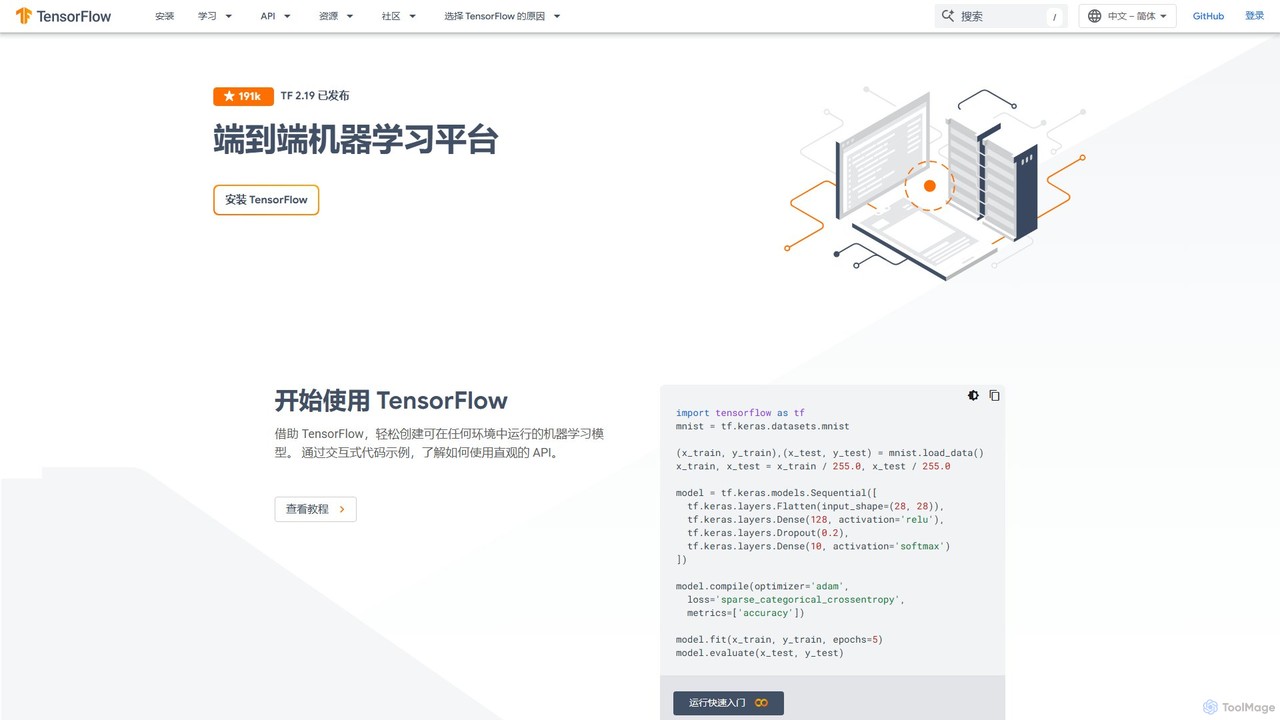
TensorFlow
TensorFlow is an end-to-end open-source platform for machine learning developed by Google. It provides a comprehensive, flexible ecosystem of tools, libraries, and community resources that lets researchers and developers build and deploy ML-powered applications. From beginners to experts, TensorFlow offers intuitive high-level APIs for easy model building and powerful low-level APIs for advanced research, enabling deployment across servers, edge devices, and browsers.
Frameworks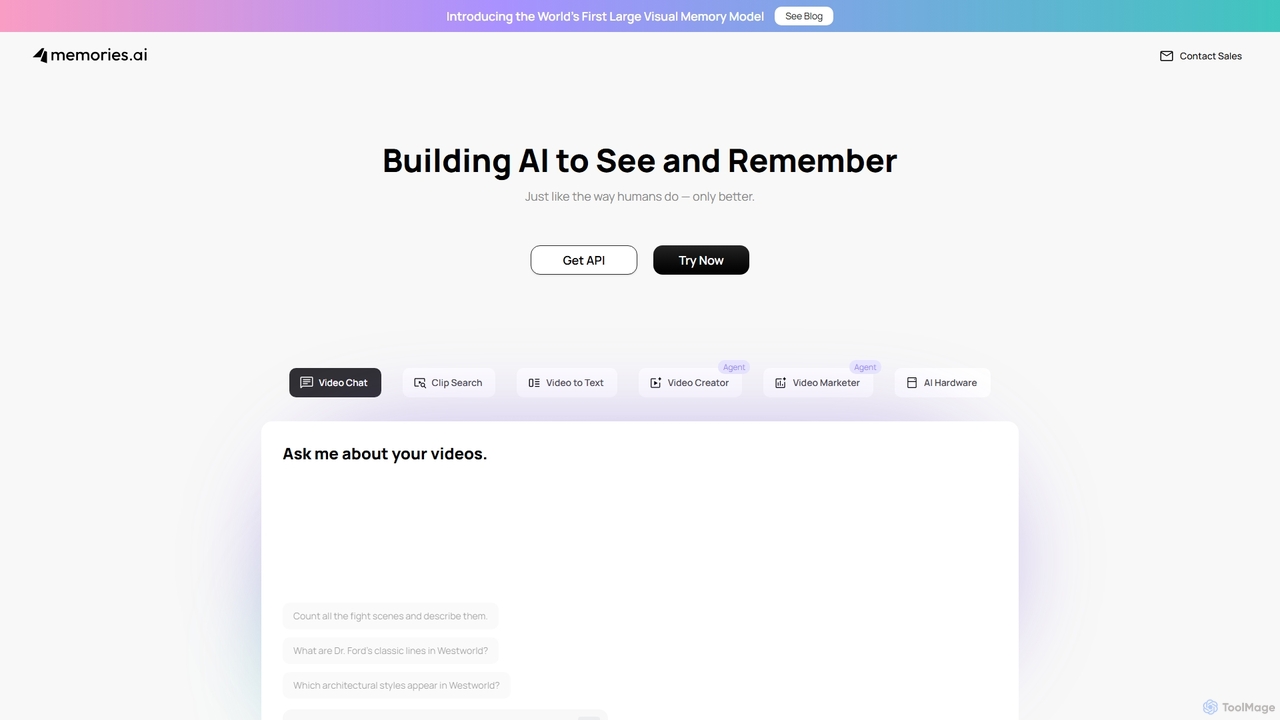
Memories.ai
Memories.ai is an advanced AI video analysis platform that transforms raw video footage into searchable, actionable insights. It leverages computer vision and machine learning to automate tasks like object detection, transcription, and content tagging. Ideal for businesses, marketers, and content creators, it provides tools for security monitoring, campaign analysis, and efficient video data management, effectively creating a "human-like visual memory" for your content archives.
Api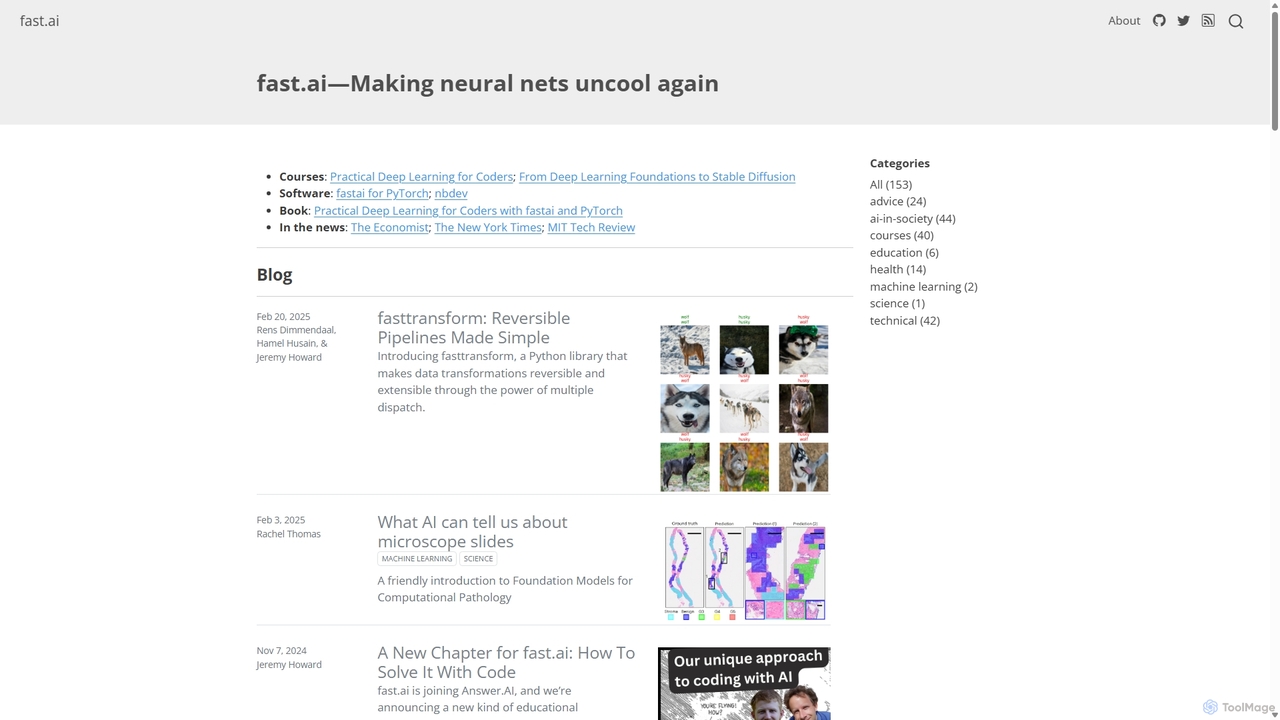
Fast.ai
Fast.ai is a research institute dedicated to making deep learning accessible to everyone. It offers free courses, an open-source software library (fastai), cutting-edge research, and a vibrant community, empowering coders of all backgrounds to become deep learning practitioners.
Machine Learning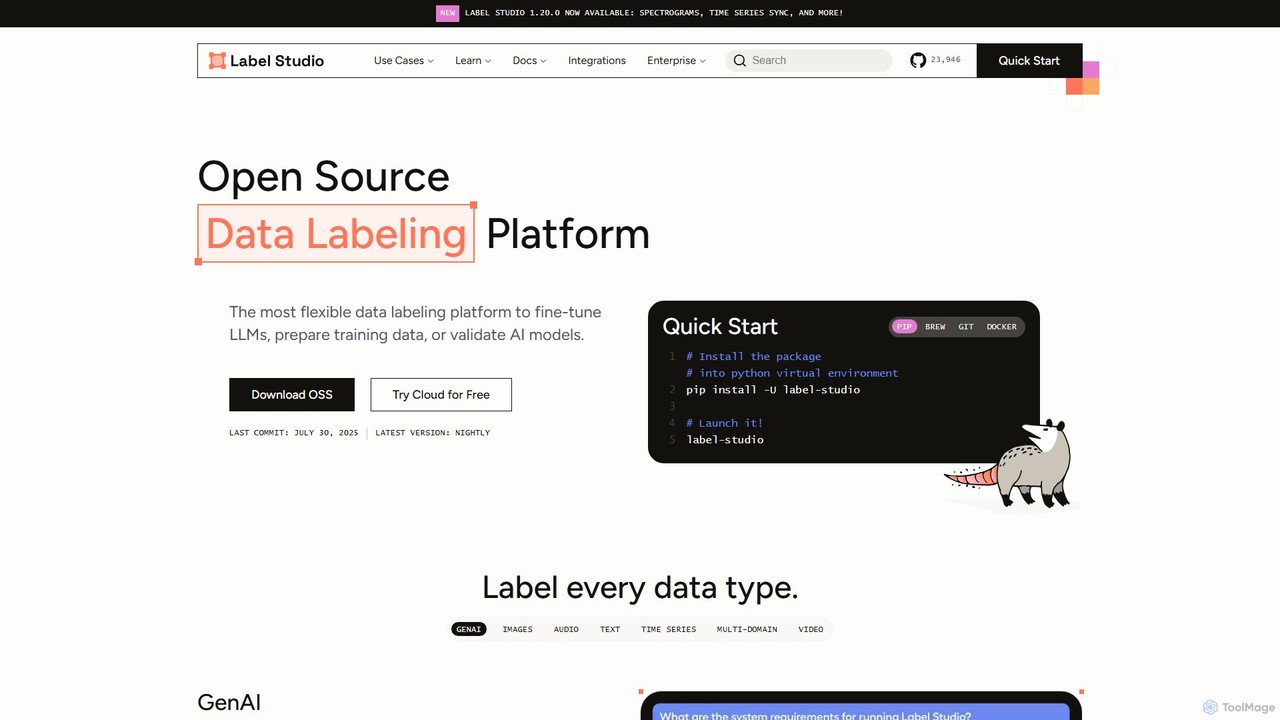
Label Studio
Label Studio is a versatile open-source data labeling platform designed for a wide range of data types. It enables users to annotate images, text, audio, video, and time-series data to fine-tune LLMs, prepare training data for machine learning, and validate AI models with human-in-the-loop feedback.
Training Data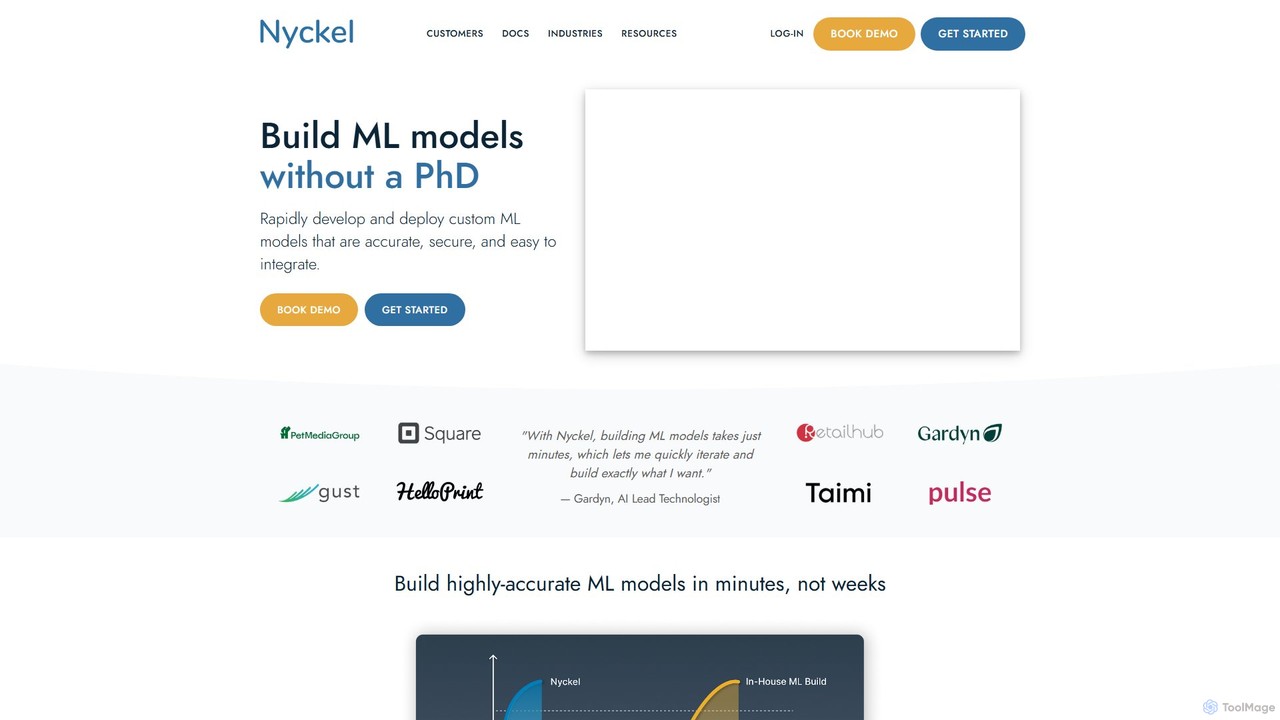
Nyckel
Nyckel is an AutoML platform that enables developers and businesses to rapidly build, train, and deploy high-accuracy custom machine learning models for image, text, and multimodal classification, search, and detection. It simplifies the entire ML lifecycle, requiring no specialized expertise (like a PhD), and provides a secure, scalable, and easy-to-integrate API.
Data Analysis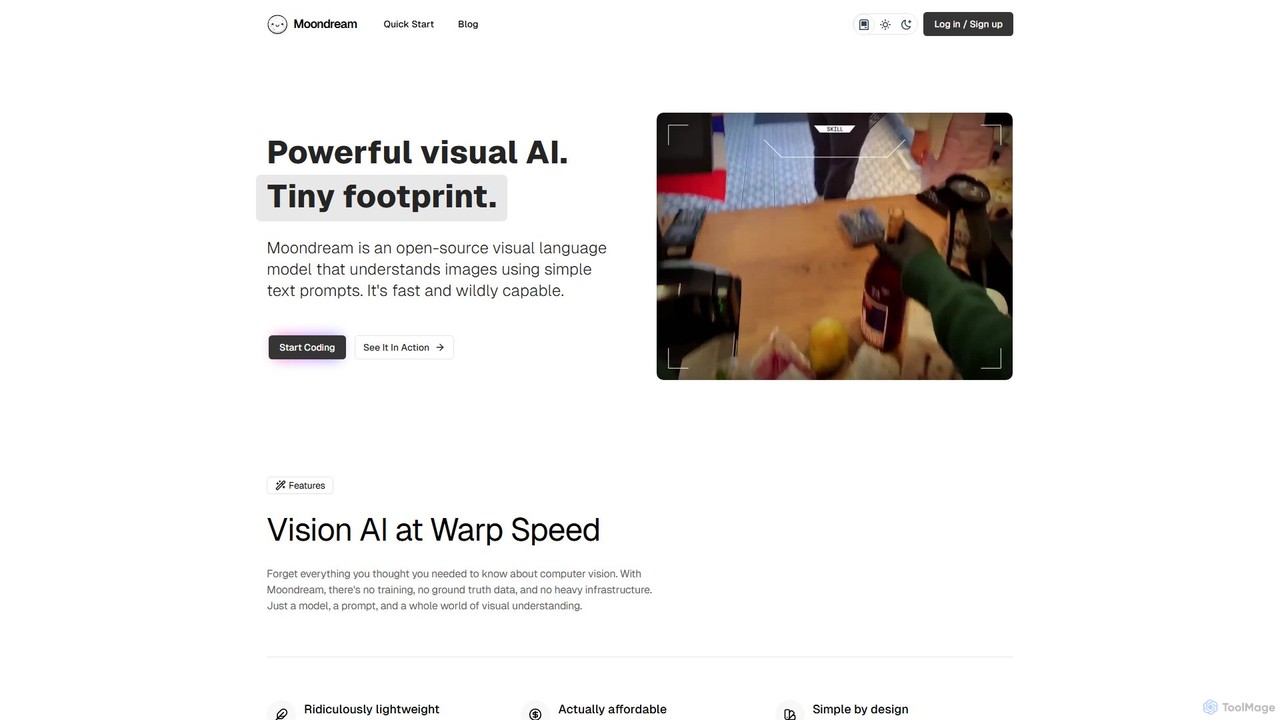
Moondream
Moondream is a powerful, open-source visual language model (VLM) that is incredibly lightweight and fast. With a tiny 1GB footprint, it runs anywhere from edge devices to laptops. It allows developers to understand images through simple text prompts for tasks like captioning, object detection, OCR, and visual Q&A, without needing complex training or heavy infrastructure. It's designed for simplicity, versatility, and affordability.
Language Models
MindSpore
MindSpore is an open-source, all-scenario AI computing framework designed for developers and data scientists. It provides a developer-friendly experience with flexible deployment across cloud, edge, and device environments. It excels in distributed training for large models and offers specialized toolkits for scientific computing (AI4S), ensuring high performance and efficiency, especially on Ascend hardware.
Scientific Computing
Darknet Comments (0)
Sign in to comment.
Sign inNo comments yet.