Best of the Year 25 results Ai Models AI Tools

Popular AI tools in the Ai Models field include Google AI for Developers、Google AI、Cerebras、Hume AI、PricePerToken、Upstage、Darknet、Cleora、Ray3、Moondream, etc., helping you quickly improve efficiency.

Rixx

Rixx

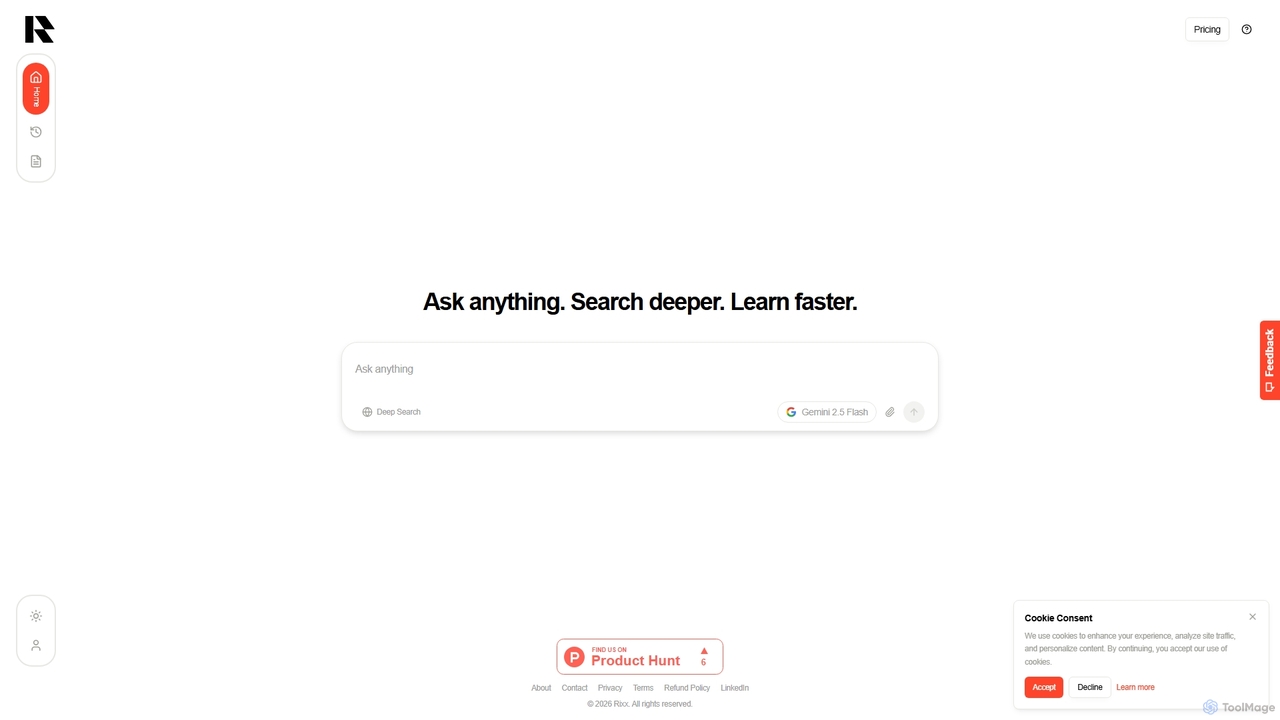
Rixx is an AI-powered research engine designed for deep understanding, not just information retrieval. It synthesizes complex information …

2.4K
PricePerToken

PricePerToken

PricePerToken is an essential AI tool offering real-time LLM API pricing comparisons for over 300 models. It helps …

187.4K
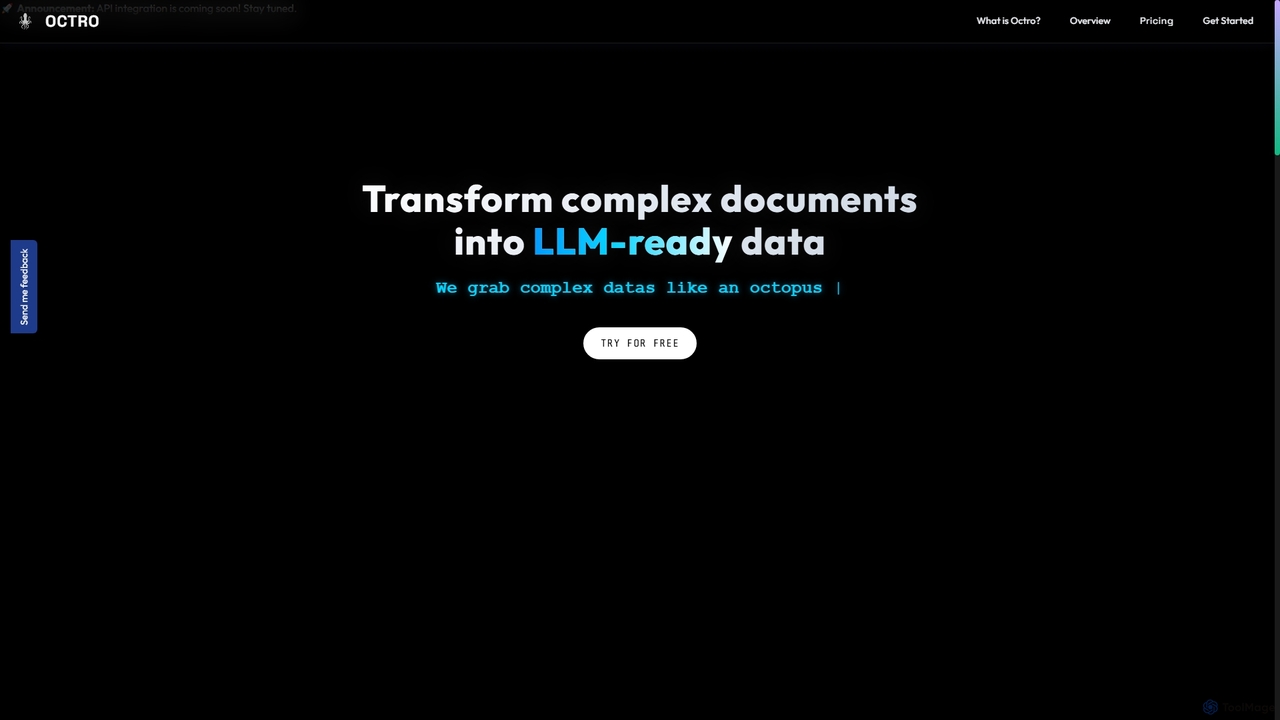
Octro

Octro

Octro is an AI-powered tool designed to transform complex documents, particularly PDFs, into structured, LLM-ready data formats like …

2.4K
Free
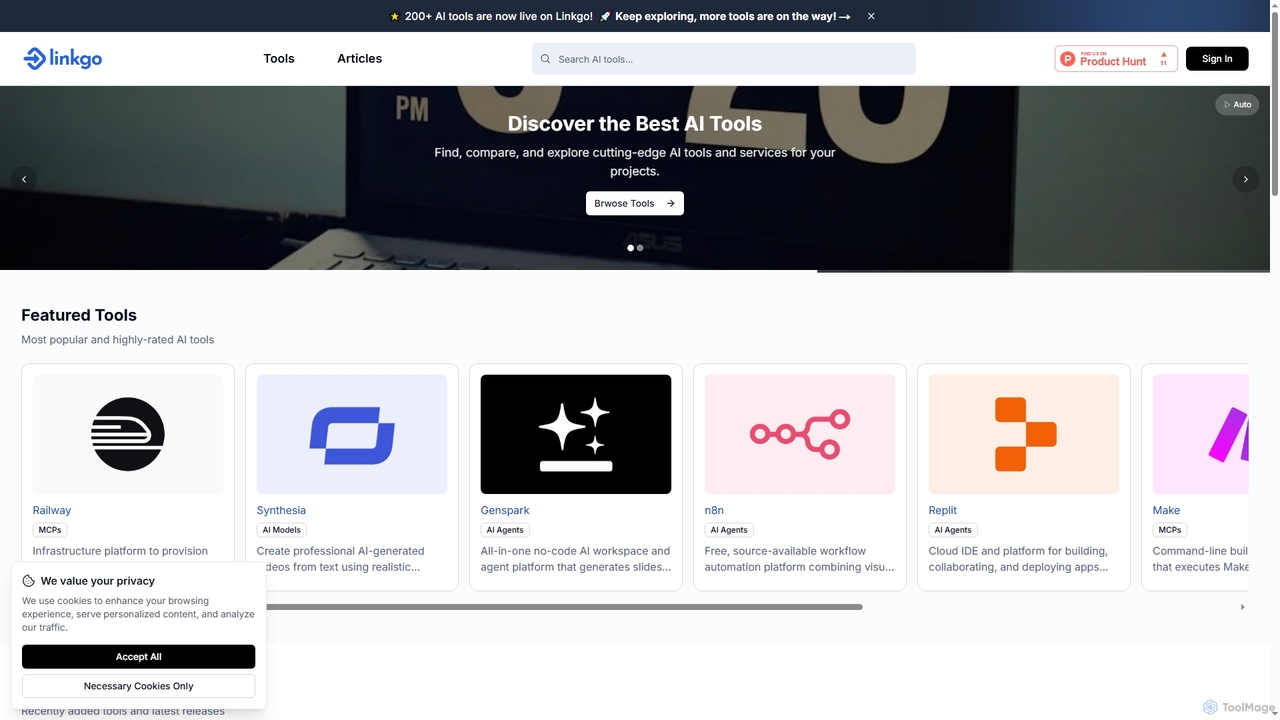
Linkgo

Linkgo

Linkgo is a comprehensive directory designed to help users discover, compare, and explore a wide array of cutting-edge …

40.2K
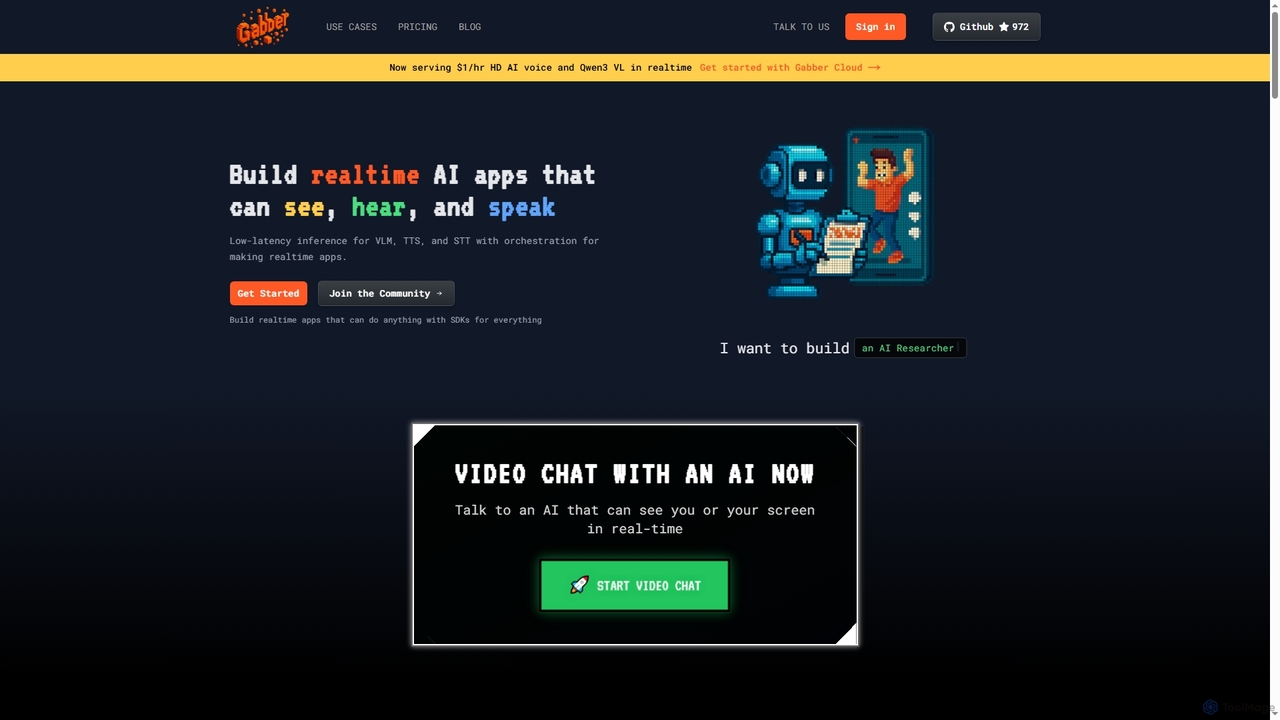
Gabber

Gabber

Gabber is a powerful platform for building real-time, multimodal AI applications that can see, hear, and speak. It …

4.5K
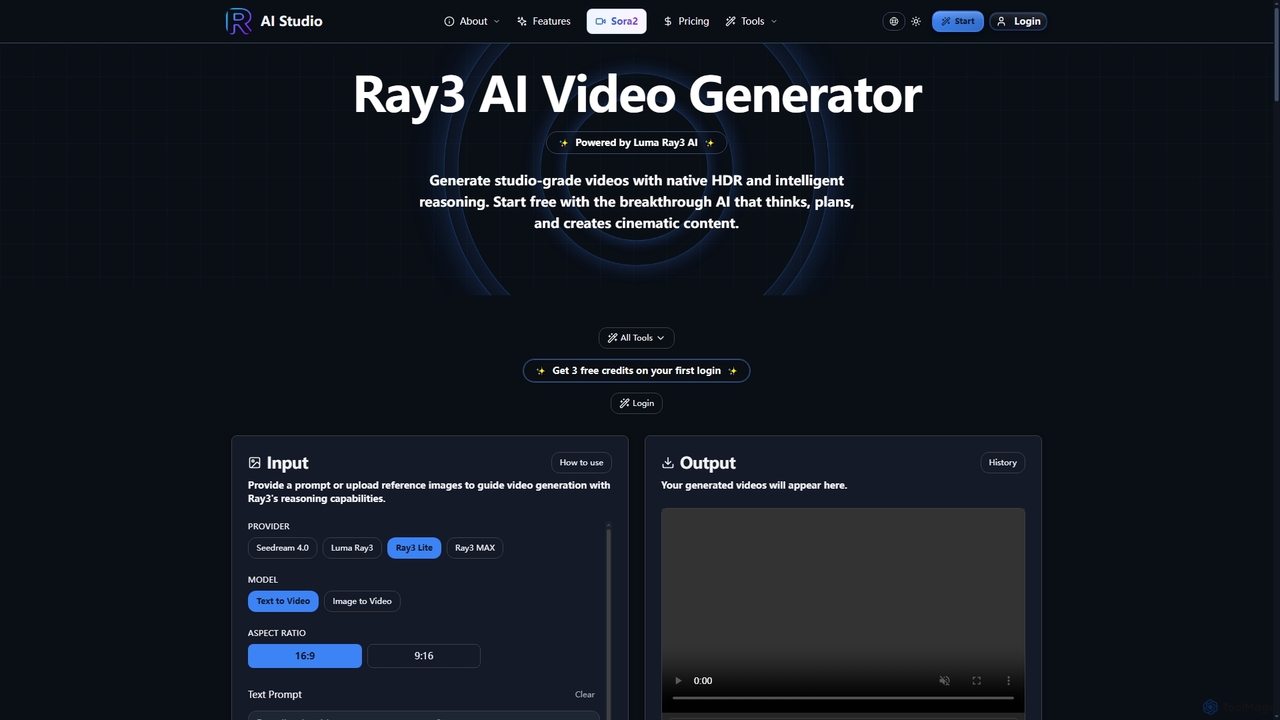
Ray3

Ray3

Ray3 is the world's first reasoning AI video model, powered by Luma AI, capable of generating studio-grade videos …

46.6K
Avian

Avian

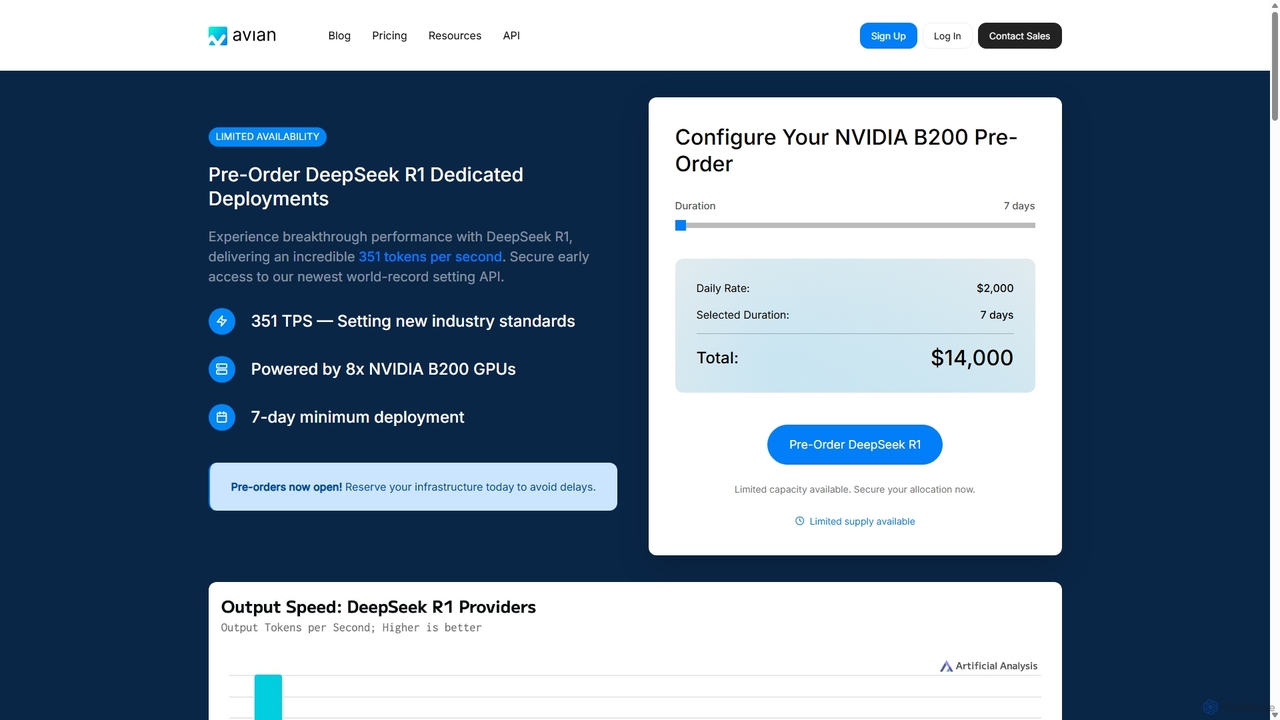
Avian is a high-performance AI inference platform offering world-record speeds for large language models (LLMs). It provides both …

13.4K
Genie 3 AI

Genie 3 AI

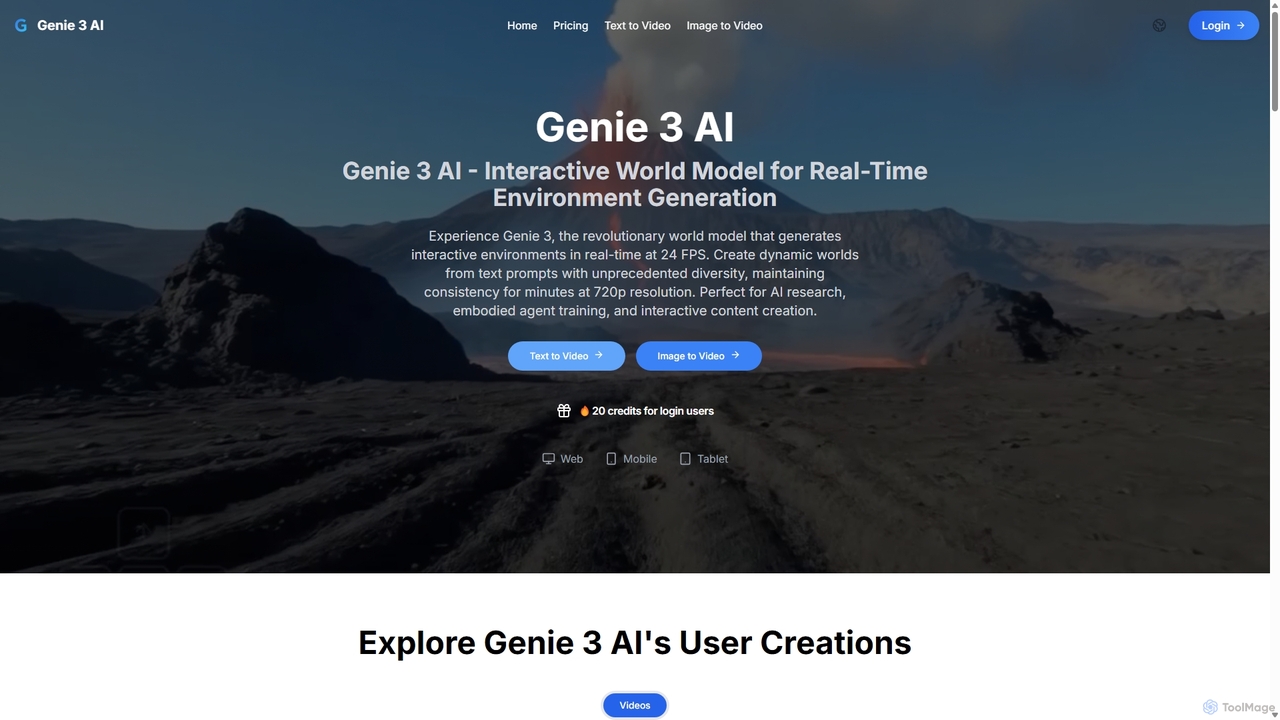
Genie 3 AI is a revolutionary interactive world model that generates dynamic, navigable environments from text or image …

27.1K
Google AI for Developers

Google AI for Developers

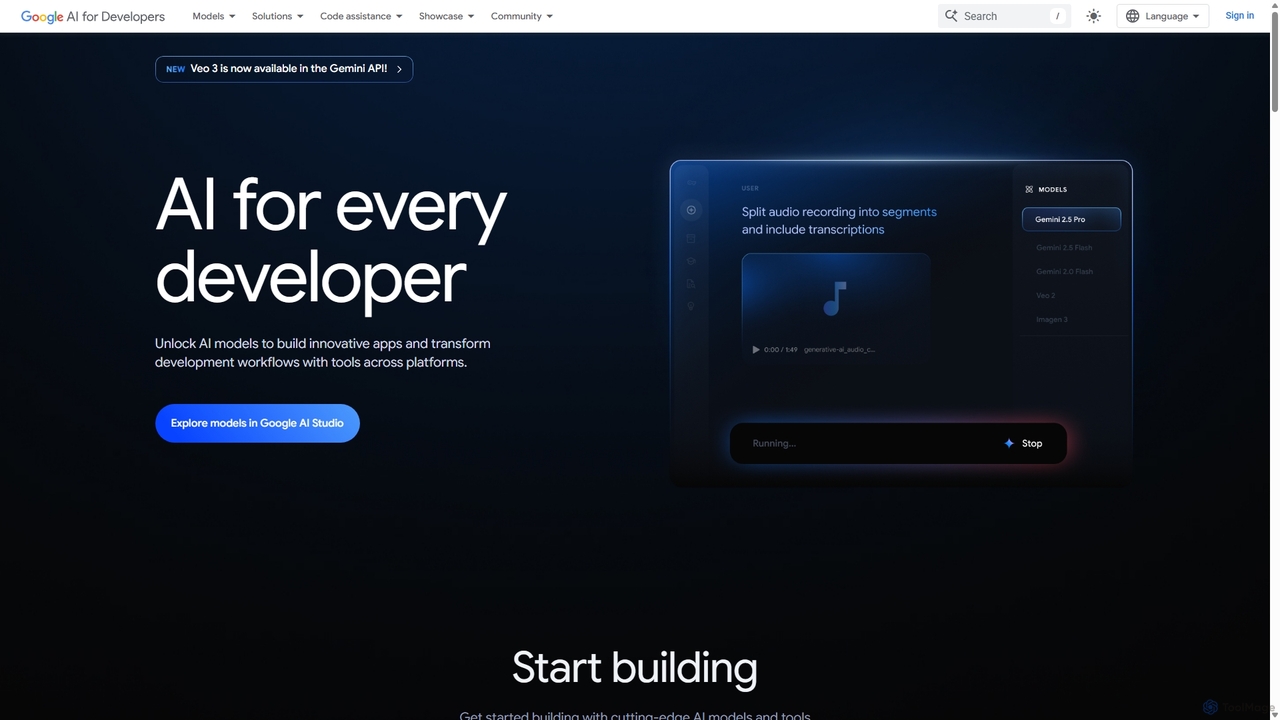
A comprehensive platform by Google providing developers with access to cutting-edge AI models like Gemini, Imagen, and Veo …

11.0M
Google AI

Google AI

Google AI is a comprehensive ecosystem of advanced artificial intelligence models, tools, and research initiatives. It encompasses the …

2.6M
Moondream

Moondream

Moondream is a powerful, open-source visual language model (VLM) that is incredibly lightweight and fast. With a tiny …

43.7K
Free
Darknet

Darknet

Darknet is a high-performance, open-source neural network framework written in C and CUDA. Created by Joseph Redmon, it …

59.1K
syntheticAIdata

syntheticAIdata

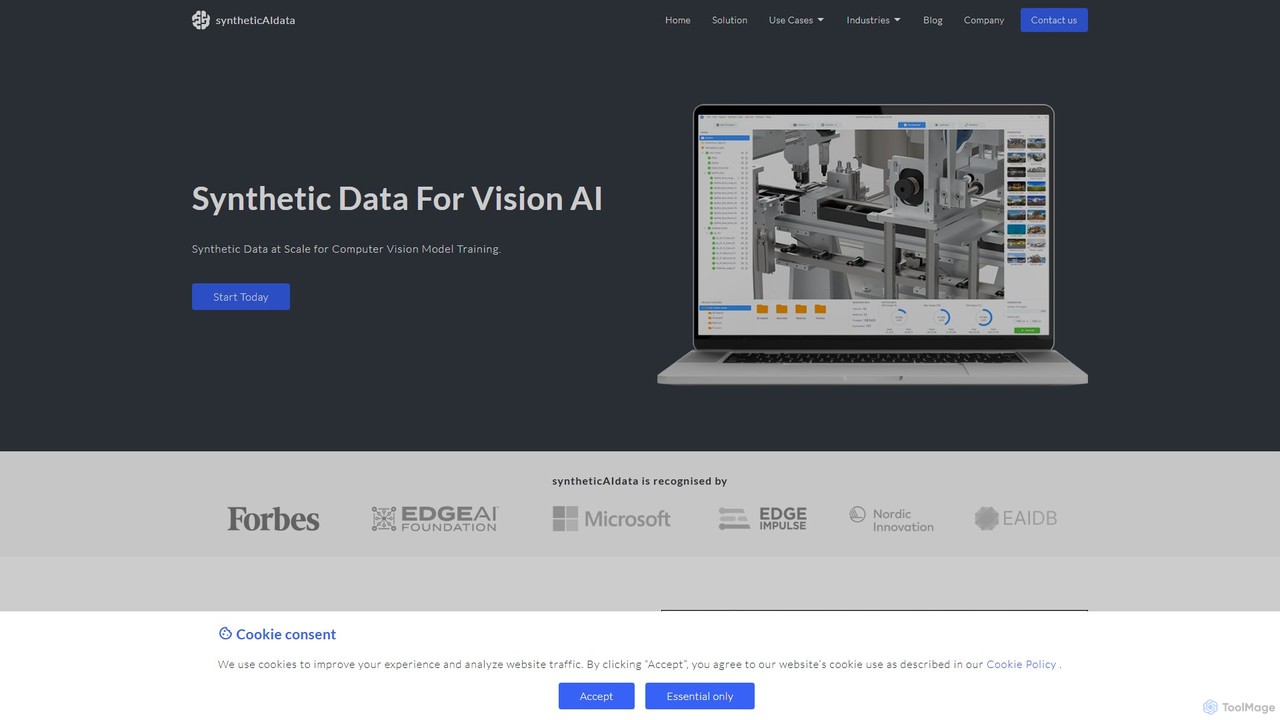
syntheticAIdata is an advanced platform for generating high-quality, perfectly annotated synthetic data at scale for computer vision AI …

3.7K
Hume AI

Hume AI

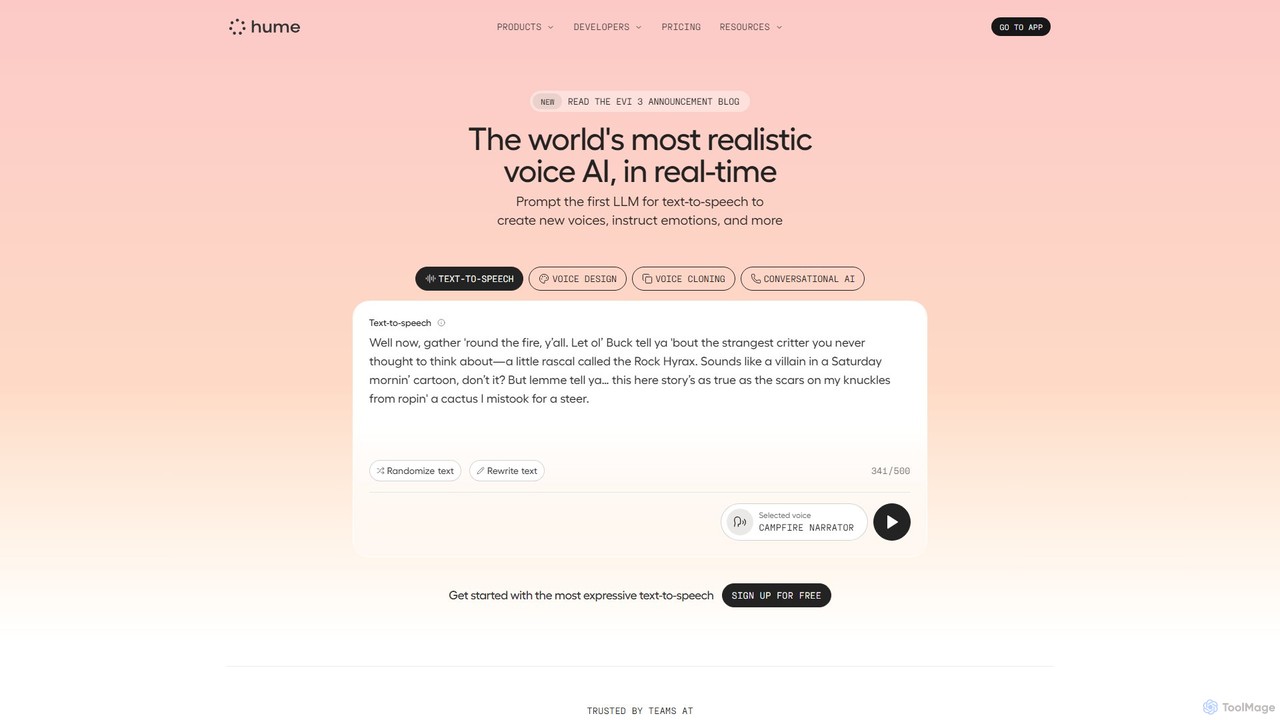
Hume AI is a research lab and technology company that provides empathic AI tools. It features the world's …

342.4K
Free
Cleora

Cleora

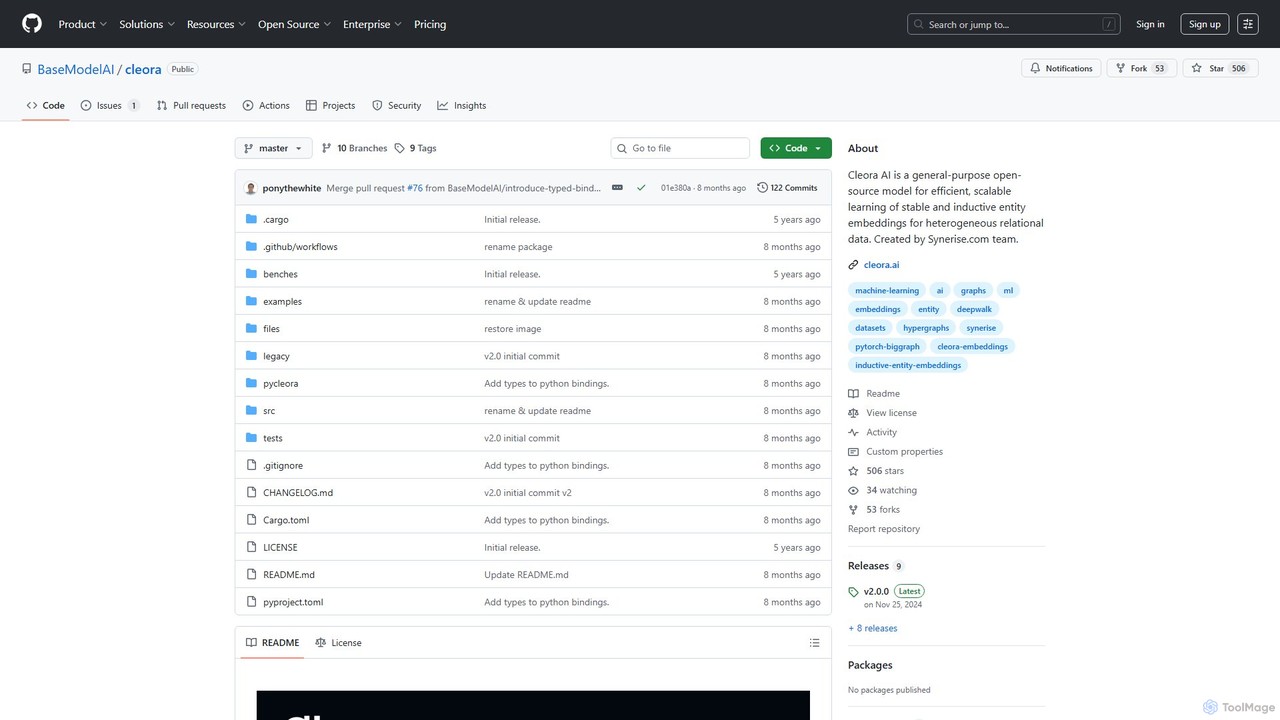
Cleora is an open-source, high-performance model for creating stable and inductive entity embeddings from large-scale, heterogeneous relational data …

50.9K
Upstage

Upstage

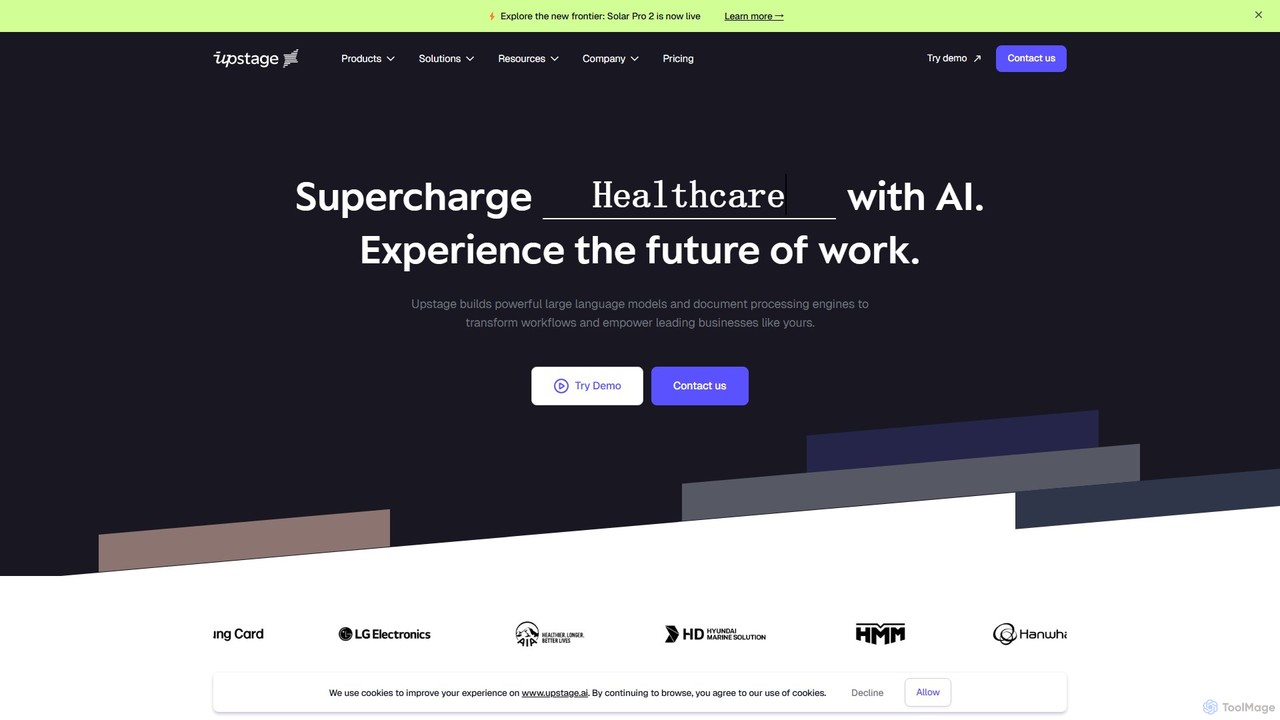
Upstage provides high-performance, enterprise-grade AI models for businesses. Its suite includes the powerful Solar LLM for language tasks, …

103.5K
Free
ImageBind

ImageBind

ImageBind is a pioneering AI model from Meta AI that creates a unified embedding space for six different …

2.6K
Free
genworlds

genworlds

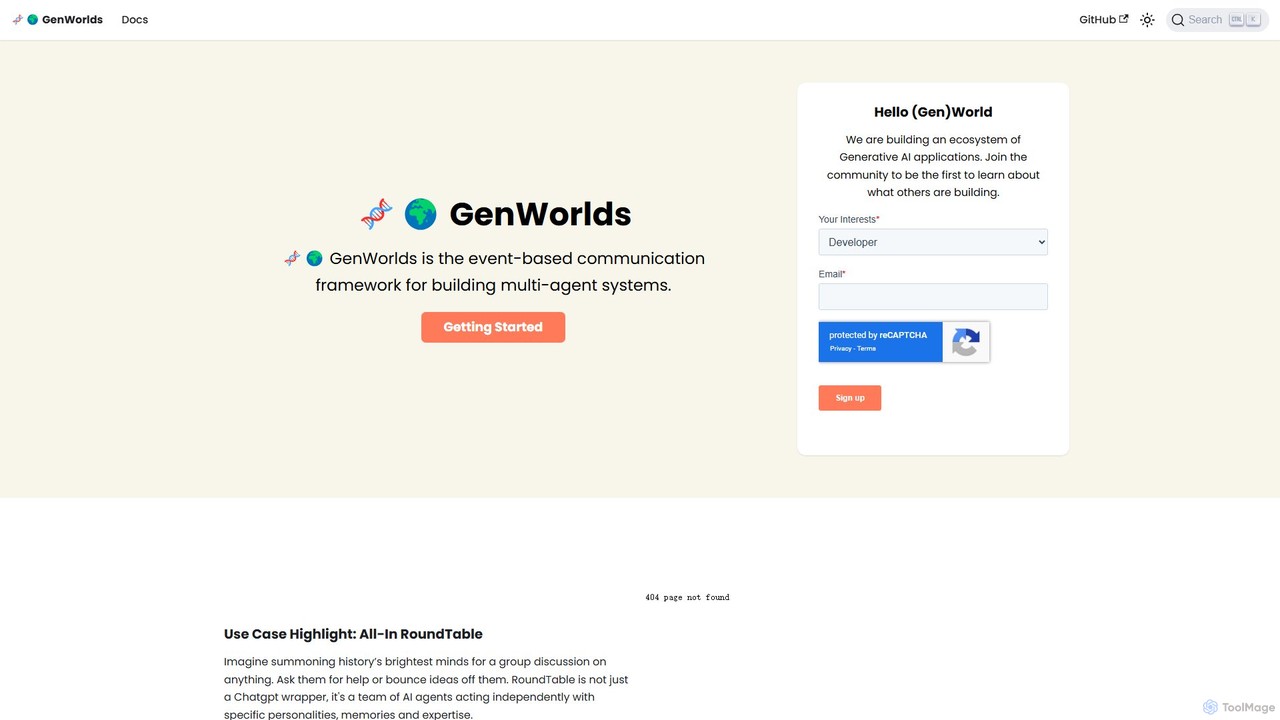
GenWorlds is an open-source, event-based framework for building and coordinating complex multi-agent AI systems. It allows developers to …

2.4K
Kommu

Kommu

Kommu offers KommuAssist, a hardware and software kit that upgrades existing cars with Level 2 autonomous driving capabilities. …

7.6K
Luxand.cloud

Luxand.cloud

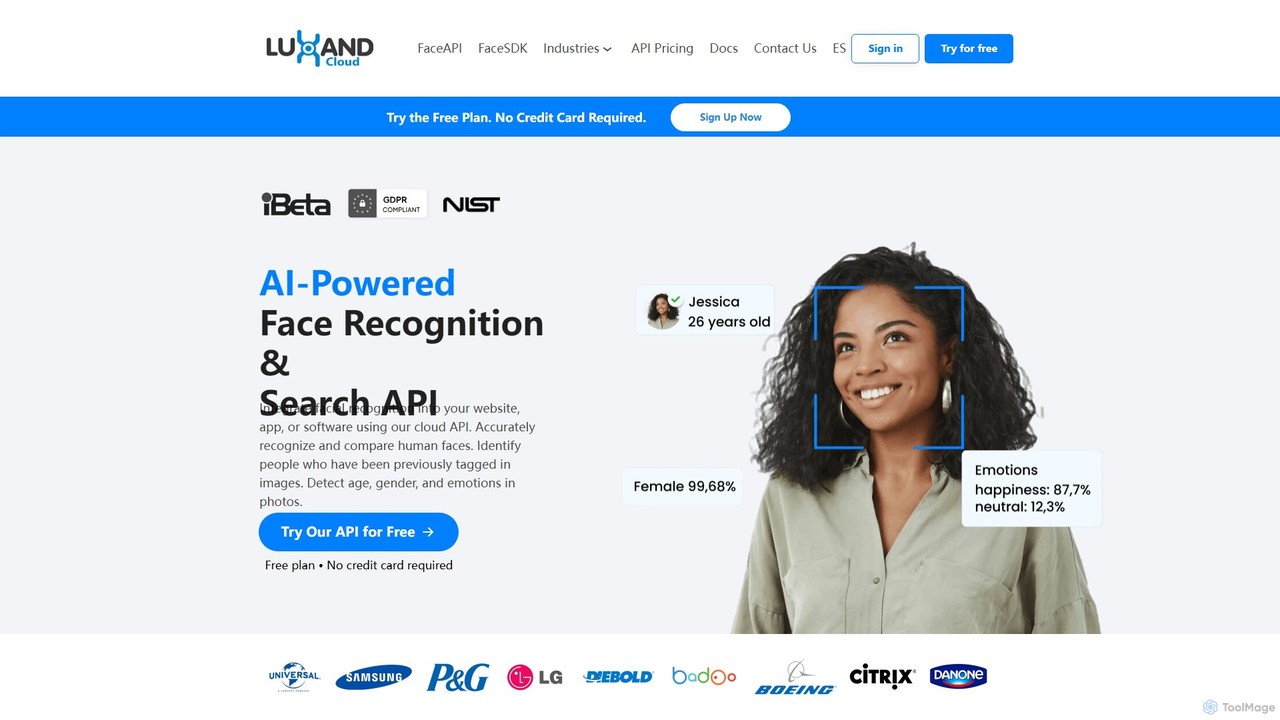
A powerful AI-powered cloud API for developers and businesses, providing advanced face recognition, liveness detection, and demographic analysis …

13.1K
Alaya AI

Alaya AI

Alaya AI is a decentralized AI data platform that connects a global community with AI training tasks. It …

5.6K
FineCodeX

FineCodeX

FineCodeX is an enterprise-grade AI code generation tool powered by a fine-tuned Llama-3.3-70B model. It delivers superior accuracy …

2.4K
Cerebras

Cerebras

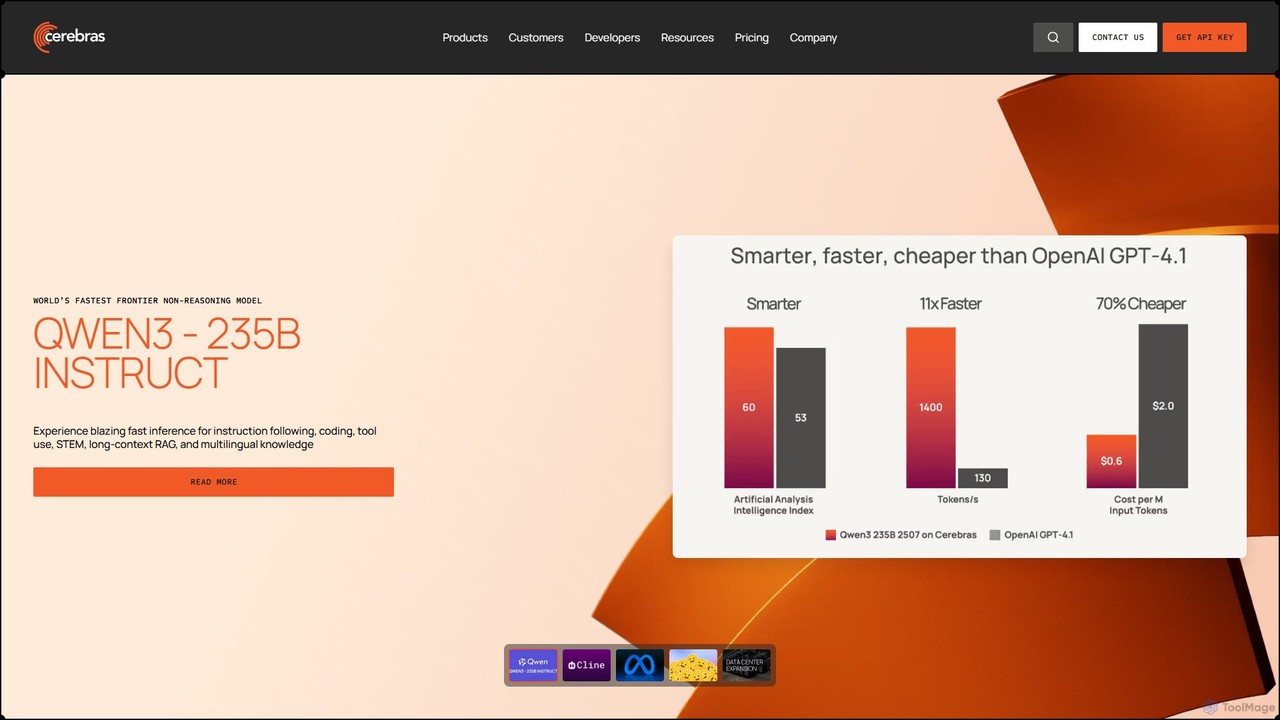
Cerebras provides the world's fastest AI inference and training platform, powered by its revolutionary Wafer Scale Engine (WSE). …

648.7K
Free
DeepClaude

DeepClaude

A free, open-source tool that combines DeepSeek R1's reasoning with Claude's code generation via a unified, zero-latency streaming …

2.4K
AgentQL

AgentQL

AgentQL is a developer toolset that connects LLMs and AI agents to the web. It uses an AI-powered …

21.8K

About Ai Models

AI Models are foundational algorithms trained on vast datasets to recognize patterns, make predictions, or generate new content. These models, often built on neural network architectures, form the core intelligence behind various AI applications. They enable software to understand language, interpret images, and forecast trends with remarkable accuracy. Accessing these models, often via APIs, allows developers and businesses to integrate advanced AI capabilities into their products and workflows without building them from scratch.

Core Features

  • Predictive Analysis: Forecasts future outcomes or trends based on historical data patterns.
  • Natural Language Processing (NLP): Understands, interprets, and generates human language for tasks like translation or summarization.
  • Computer Vision: Processes and analyzes visual information from images or videos to identify objects and scenes.
  • Generative Capabilities: Creates original content, including text, images, code, or audio, based on input prompts.
  • Fine-Tuning & Customization: Allows adaptation of a pre-trained model to specific tasks or datasets for improved performance.

Use Cases

AI Models are utilized across numerous sectors. Developers integrate them into applications to power features like intelligent chatbots or recommendation engines. Data scientists use them for complex data analysis, such as fraud detection in finance or medical diagnosis in healthcare. Enterprises deploy them to automate internal processes, optimize supply chains, and gain competitive insights from market data.

How to Choose

Selecting an AI Model depends on your specific needs. First, evaluate the model's primary function (e.g., language, vision, data analysis) and its performance on relevant benchmarks. Consider the ease of integration, focusing on API documentation, SDKs, and community support. Assess the pricing structure—whether it's pay-per-use, subscription-based, or open-source. Finally, consider scalability and the provider's infrastructure to ensure it can handle your expected workload.

Ai ModelsUse Cases

1

Building an Intelligent Customer Service Chatbot

A developer at an e-commerce company is tasked with reducing customer support response times. By integrating a powerful Natural Language Processing (NLP) model via its API, they build a chatbot. This chatbot can understand complex customer queries, access order information, and provide instant, accurate responses 24/7. The result is a significant reduction in support tickets and an increase in customer satisfaction, as users get immediate help without waiting for a human agent.

2

Automating Marketing Content Creation

A marketing team needs to produce a high volume of content for social media, blogs, and email campaigns. They use a generative AI model specialized in text creation. By providing brief outlines or keywords, the model generates well-structured drafts for blog posts, multiple variations of ad copy, and engaging social media captions. This allows the team to scale their content production efforts, maintain a consistent publishing schedule, and focus more time on strategy and creative direction rather than manual writing.

3

Developing a Product Recommendation Engine

An online retail platform wants to increase user engagement and sales. A data scientist on the team uses a predictive AI model trained on user browsing history, purchase data, and product attributes. The model identifies patterns and predicts which products a user is most likely to be interested in. This personalized recommendation engine is then integrated into the website, showing relevant products on the homepage and product pages, leading to higher conversion rates and improved customer loyalty.

4

Analyzing Medical Images for Diagnostics

In a healthcare research setting, a radiologist uses a computer vision model trained to detect anomalies in medical scans like X-rays and MRIs. By uploading a scan, the model highlights potential areas of concern that might be subtle to the human eye. This serves as a powerful second opinion, helping the radiologist to identify potential issues faster and with greater confidence. The use of the model streamlines the diagnostic workflow and can contribute to earlier detection of diseases.

5

Real-Time Financial Fraud Detection

A financial technology company needs to protect its users from fraudulent transactions. They deploy a machine learning model that analyzes transaction data in real-time, including amount, location, time, and user history. The model is trained to recognize patterns indicative of fraud. When a suspicious transaction occurs, the model flags it instantly, allowing the system to block the payment and notify the user. This proactive approach significantly reduces financial losses for both the company and its customers.

6

Assisting Software Development with Code Generation

A software developer is working on a complex new feature and needs to write a significant amount of boilerplate code. Instead of writing it manually, they use a code generation AI model. By describing the required function in natural language, the model generates clean, efficient code in the desired programming language. It can also be used to explain existing code snippets, suggest bug fixes, and translate code from one language to another, dramatically speeding up the development cycle and reducing human error.

Ai ModelsFrequently Asked Questions