ToolMage
Sign in

Best 1,111 Audio AI tools

Popular Audio AI tools include Suno, labs.google/fx, ElevenLabs, SeaArt, BandLab, Envato Elements, Vocal Remover, DeepAI, invideo, and Clipchamp, helping you work more efficiently.

Maestra
Freemium

Maestra

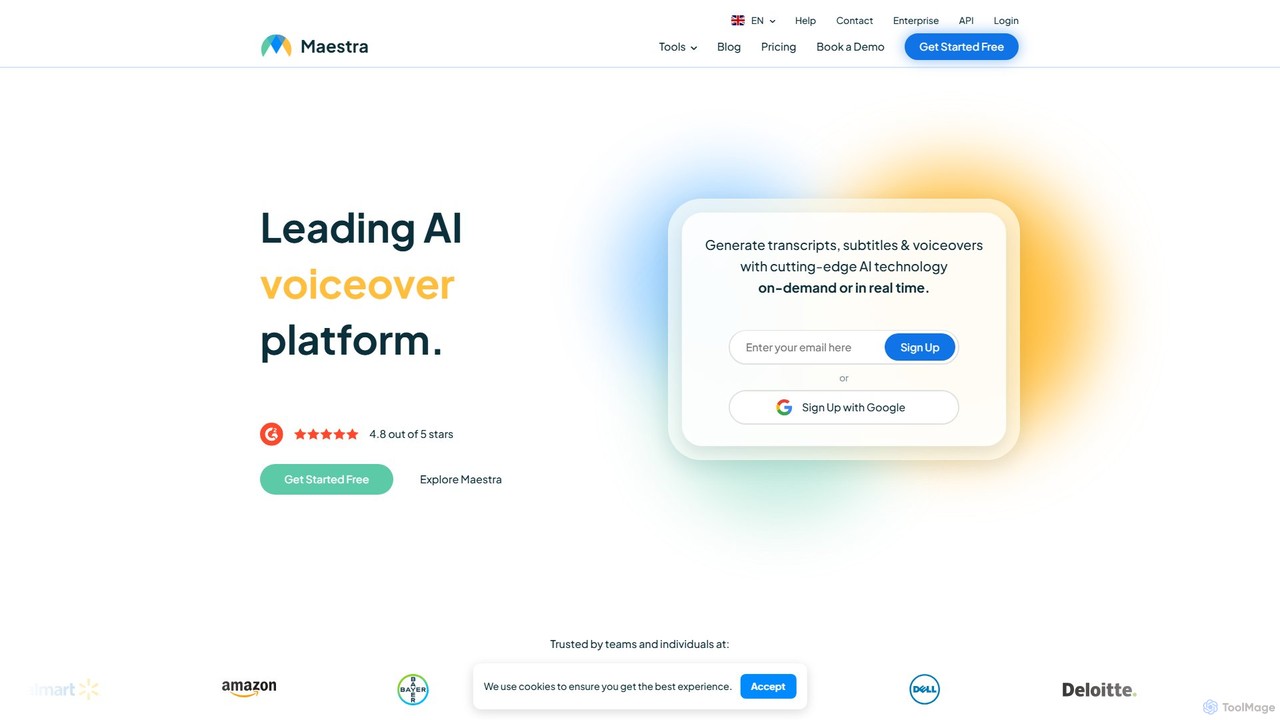
Maestra is an all-in-one AI platform for content creators and businesses, offering fast and accurate transcription, subtitling, translation, and voiceover services in over 125 languages. It features AI dubbing, voice cloning, real-time translation, and robust collaboration tools, integrating seamlessly with platforms like YouTube, Zoom, and Slack to streamline content localization and accessibility workflows.

Transcription
Visits 1.5MFavorites 111Likes 127
YourBestAccent
Freemium

YourBestAccent

YourBestAccent is an AI-powered language learning platform that uses voice cloning technology to help you master pronunciation and accent in any language. It creates a digital clone of your voice, allowing you to practice with personalized, native-like audio feedback for a more natural and effective learning experience.

Voice Cloning
Visits 16.1KFavorites 125Likes 124
listen2
Free

listen2

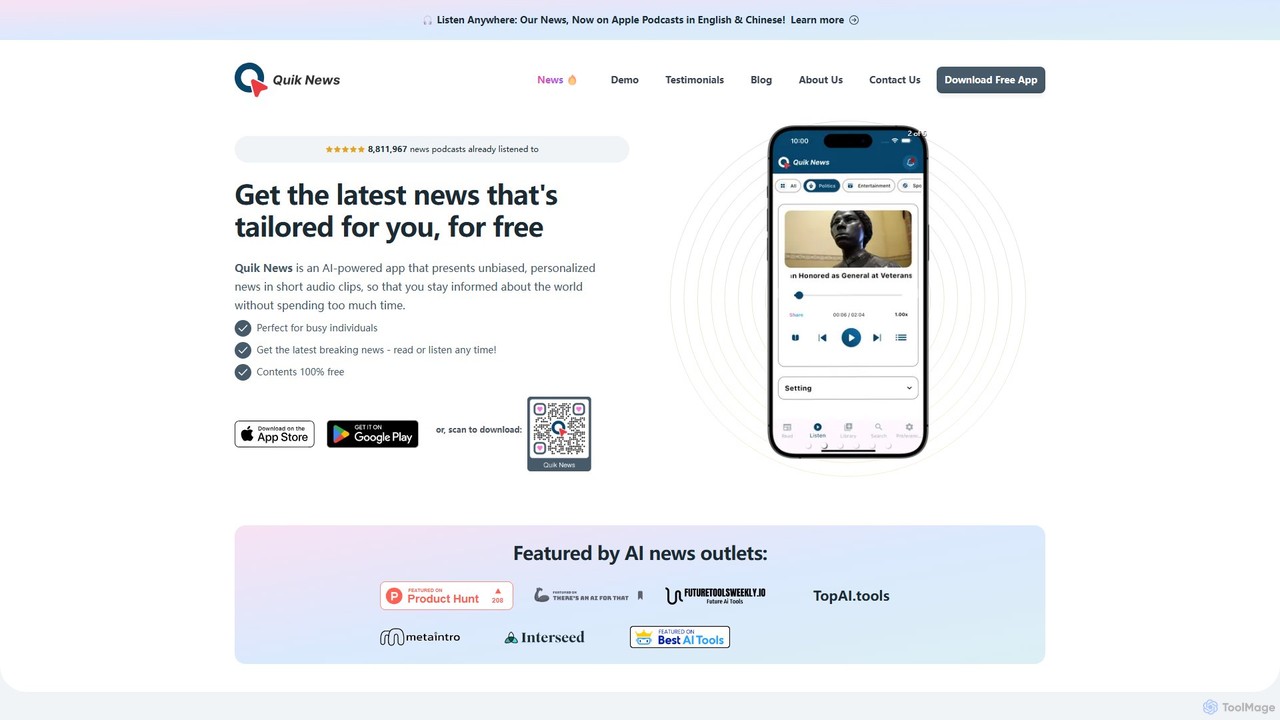
listen2 is an AI-powered news platform that delivers personalized, unbiased news in short, high-quality audio clips. Sourcing from over 80,000 global outlets, it's designed for busy individuals to stay informed while multitasking. Features include multi-language support and a unique political slider to customize the news presentation style.

Text To Speech
Visits 5.5KFavorites 111Likes 145
dreamery
Freemium

dreamery

Dreamery is a versatile AI platform that instantly transforms your photos into professional headshots, artistic portraits, and more. It also features a powerful AI voice cloner and text-to-speech tool. With a flexible pay-per-use model, you get free credits to start without any subscription or credit card required, making it accessible for everyone.

Voice Cloning
Visits 5.5KFavorites 114Likes 124
Splash
Freemium

Splash

Splash is an AI-powered music creation platform that enables users to generate original songs, instrumental tracks, and vocals from simple text prompts. It combines text-to-music and text-to-singing technologies, making music production accessible to everyone, from content creators to professional musicians.

Music Generation
Visits 40KFavorites 153Likes 150
artiro
Freemium

artiro

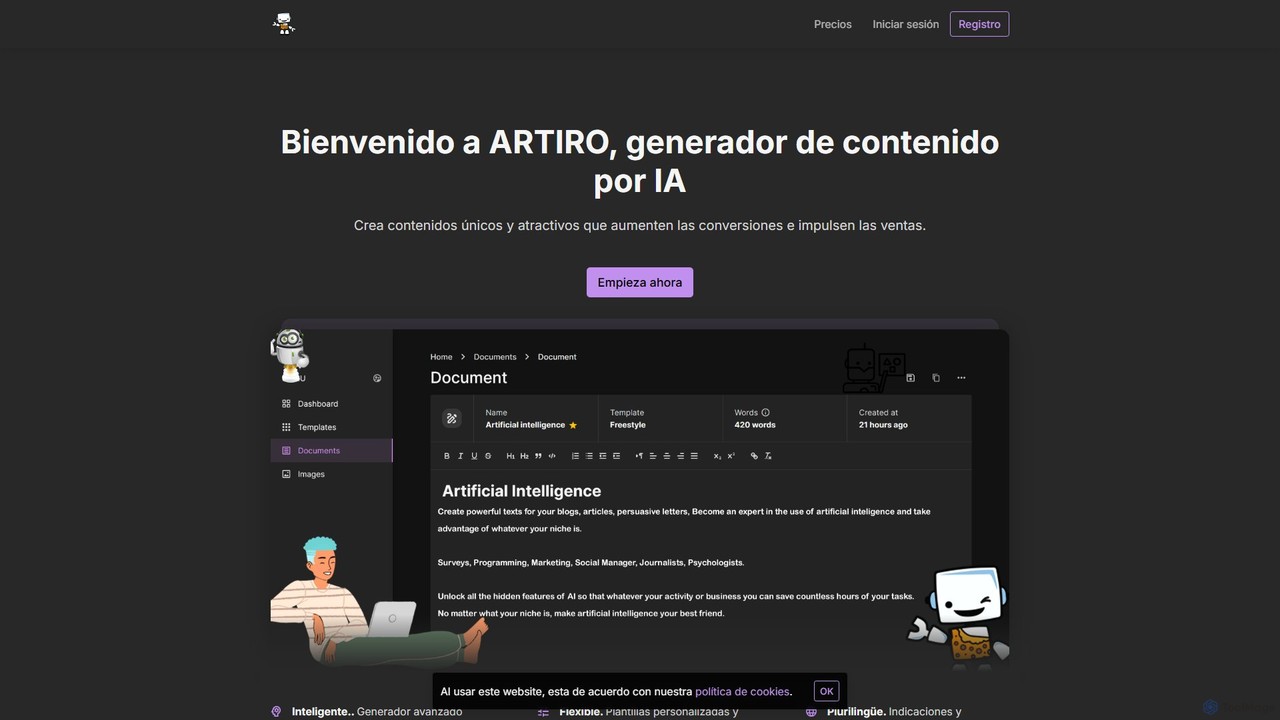
artiro is an all-in-one AI-powered platform for content creation. It generates unique text for blogs and marketing, creates stunning images in various styles, transcribes audio files into editable documents, and offers interactive AI chat. With over 50 templates and support for 30+ languages, artiro streamlines creative workflows for marketers, writers, and businesses, boosting productivity and engagement.

Transcription
Visits 5.6KFavorites 107Likes 105
invideo
Freemium

invideo

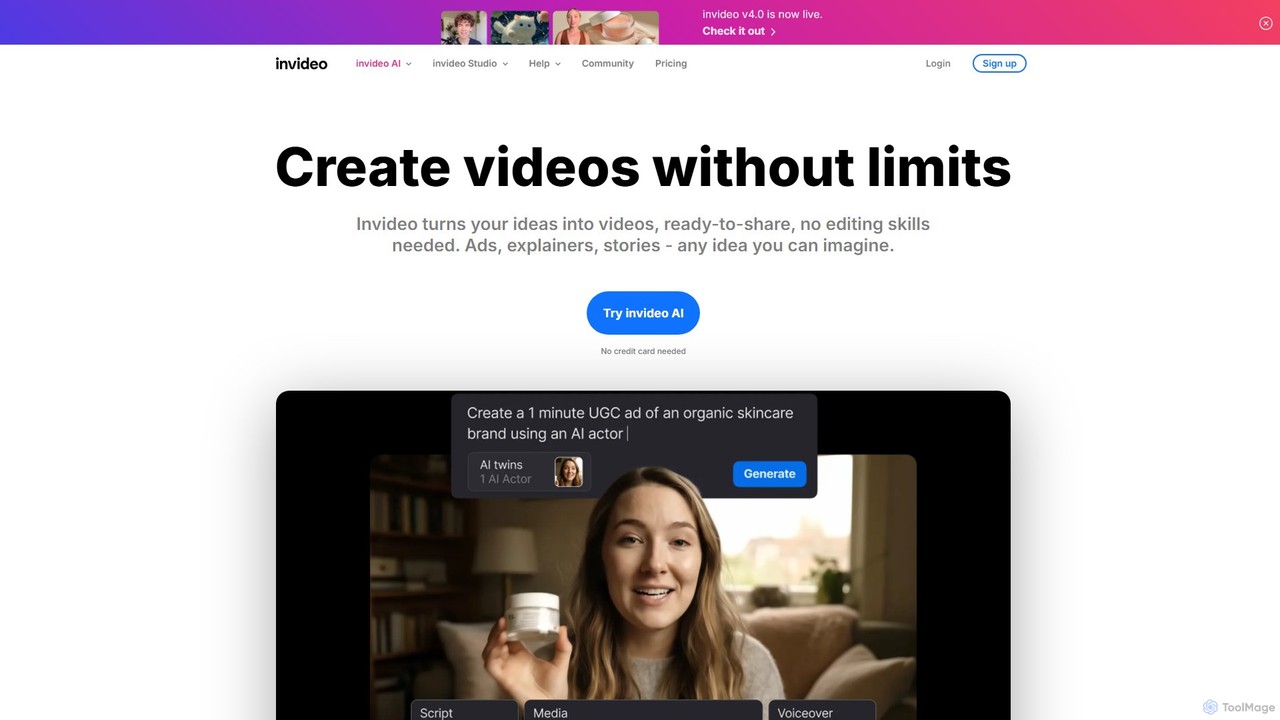
invideo is an AI-powered video creation platform that transforms text prompts, ideas, or URLs into publish-ready videos. It automates scriptwriting, visual creation, voiceovers, and editing, enabling users without technical skills to produce high-quality ads, social media content, and explainer videos in minutes.

Text To Speech
Visits 7.8MFavorites 173Likes 176

About Audio

Audio AI tools are AI-powered applications that process, generate, and analyze sound using advanced machine learning algorithms. These tools leverage deep learning models to understand speech, create synthetic voices, compose music, and enhance audio quality. They significantly streamline workflows for content creators, musicians, developers, and businesses, enabling innovative sound experiences and efficient audio management.

Core Features

  • Speech-to-Text: Accurately transcribes spoken language into written text, supporting multiple languages and accents.
  • Text-to-Speech: Converts written text into natural-sounding human speech, offering various voices and emotional tones.
  • Noise Reduction & Enhancement: Identifies and removes unwanted background noise while improving clarity and quality of audio recordings.
  • Music Generation & Composition: Creates original musical pieces, melodies, harmonies, and sound effects based on user input or specific styles.
  • Audio Editing & Mastering: Automates tasks like mixing, mastering, equalization, and sound separation for professional audio production.

Use Cases

Audio AI tools are indispensable across various sectors. Podcasters and YouTubers use them for automatic transcription and voice enhancement. Musicians and producers leverage AI for generating new musical ideas, mastering tracks, and creating unique soundscapes. Businesses integrate these tools for call center analytics, voice assistants, and personalized marketing audio. Developers utilize AI audio APIs to build innovative applications for accessibility, gaming, and virtual reality.

How to Choose

When selecting an Audio AI tool, consider its primary function (e.g., speech, music, editing) and the accuracy of its AI models. Evaluate supported languages and formats, integration capabilities with existing workflows, and the latency for real-time applications. Pricing models, scalability, and the availability of customization options for voices or musical styles are also crucial factors for making an informed decision.

Featured tool rankings

Audio use cases

1

Automate Podcast Transcription & Editing

Podcasters and video creators often spend hours manually transcribing audio and editing out filler words. AI audio tools can automatically convert spoken content into accurate text, allowing for quick editing of the transcript which then syncs back to the audio. This saves significant post-production time, enabling creators to focus more on content quality and audience engagement, and also improves SEO for their content.

2

Generate Unique Music for Content & Games

Musicians, game developers, and content creators can use AI music generation tools to compose original soundtracks, background music, or sound effects without extensive musical training. By inputting parameters like genre, mood, or instrumentation, users can quickly generate multiple variations, accelerating the creative process and providing unique audio assets for their projects, from YouTube videos to indie games.

3

Enhance Call Center Analytics & Efficiency

Customer service centers can deploy AI audio tools to transcribe customer calls in real-time, analyze sentiment, and identify key topics or pain points. This allows managers to gain insights into customer satisfaction, agent performance, and common issues, leading to improved training, faster problem resolution, and a more efficient overall customer support operation. It transforms raw audio data into actionable business intelligence.

4

Create Realistic Voiceovers for E-learning & Marketing

E-learning platforms and marketing agencies frequently require high-quality voiceovers for courses, presentations, and advertisements. Text-to-Speech AI tools can generate natural-sounding voices in various languages and accents, eliminating the need for expensive voice actors or recording studios. This enables rapid content localization, consistent brand voice, and cost-effective production of engaging audio content at scale.

5

Isolate & Remove Noise from Recordings

Audio engineers, journalists, and remote workers often deal with recordings marred by background noise like traffic, wind, or hums. AI noise reduction tools can intelligently identify and isolate unwanted sounds, cleaning up audio tracks with remarkable precision. This ensures clearer interviews, professional-sounding podcasts, and more effective communication in virtual meetings, significantly improving audio fidelity.

6

Develop Interactive Voice Assistants & Chatbots

Developers leverage AI audio tools to build sophisticated voice user interfaces for applications, smart devices, and chatbots. Speech recognition allows users to interact naturally using voice commands, while Text-to-Speech provides human-like responses. This creates intuitive and accessible user experiences, enabling hands-free operation and expanding the reach of digital services to a broader audience, including those with accessibility needs.

Audio FAQ

What are Audio AI tools?

Audio AI tools are software applications that utilize artificial intelligence, particularly machine learning and deep learning, to perform various tasks related to sound. This includes processing, generating, analyzing, and enhancing audio content. They are designed to automate complex audio tasks that traditionally required significant human effort or specialized skills, making audio manipulation more accessible and efficient.

How do AI audio tools work?

AI audio tools typically work by training neural networks on vast datasets of audio. For speech recognition, models learn to map sound waves to text. For text-to-speech, they learn to synthesize human-like voices from written input. Music generation involves learning patterns, harmonies, and structures from existing music. These models identify patterns, predict outcomes, and generate new audio based on the learned data and user-defined parameters.

What are the main functions of AI audio tools?

The main functions of AI audio tools include: Speech-to-Text (STT) for transcription, Text-to-Speech (TTS) for voice synthesis, Noise Reduction for cleaning audio, Music Generation for composing original tracks, Audio Separation to isolate instruments or vocals, and Audio Enhancement for mastering and improving sound quality. Some tools also offer sentiment analysis from speech or speaker diarization.

Who can benefit from using AI audio tools?

A wide range of users can benefit from AI audio tools. This includes content creators (podcasters, YouTubers) for transcription and voiceovers, musicians and producers for composition and mastering, businesses for call center analytics and voice assistants, developers for building audio-centric applications, educators for creating accessible learning materials, and journalists for transcribing interviews quickly.

How do AI audio tools compare to traditional audio editing software?

Traditional audio editing software provides manual control over every aspect of sound, requiring expertise and time. AI audio tools, however, automate many of these complex processes using intelligent algorithms. While traditional software offers granular control, AI tools excel in speed, efficiency, and generating new content (like music or voices) from minimal input. They complement each other, with AI often handling initial processing or generation, and traditional tools used for fine-tuning.