Developer Tools Best in category 9 results Data Management AI Tool

Popular AI tools in the Data Management field of Developer Tools include Mixpanel、OpenTrain AI、scrapetoai、Voxel51、gts.ai、Cleanlab、Elementary Data、Lilac、jsonai, etc., helping you quickly improve efficiency.

Mixpanel

Mixpanel

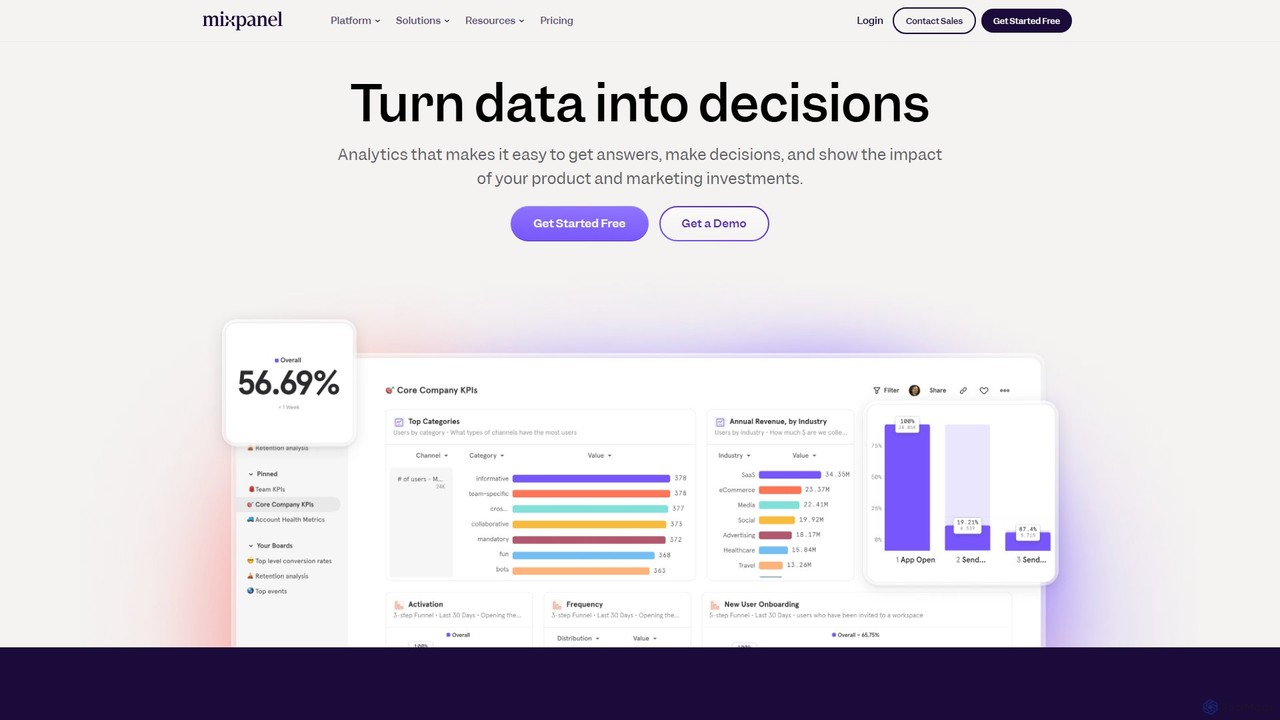
Mixpanel is a powerful product analytics platform that helps businesses understand user behavior, measure key metrics, and make …

1.6M
scrapetoai

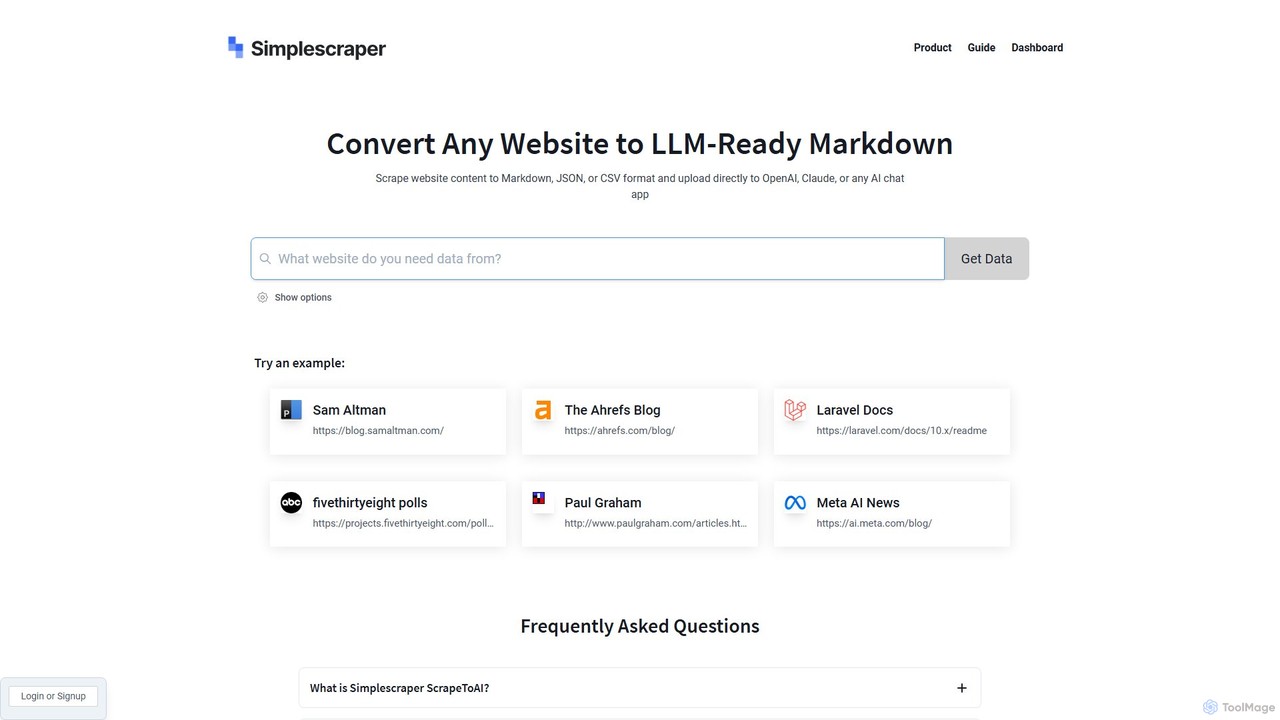
scrapetoai

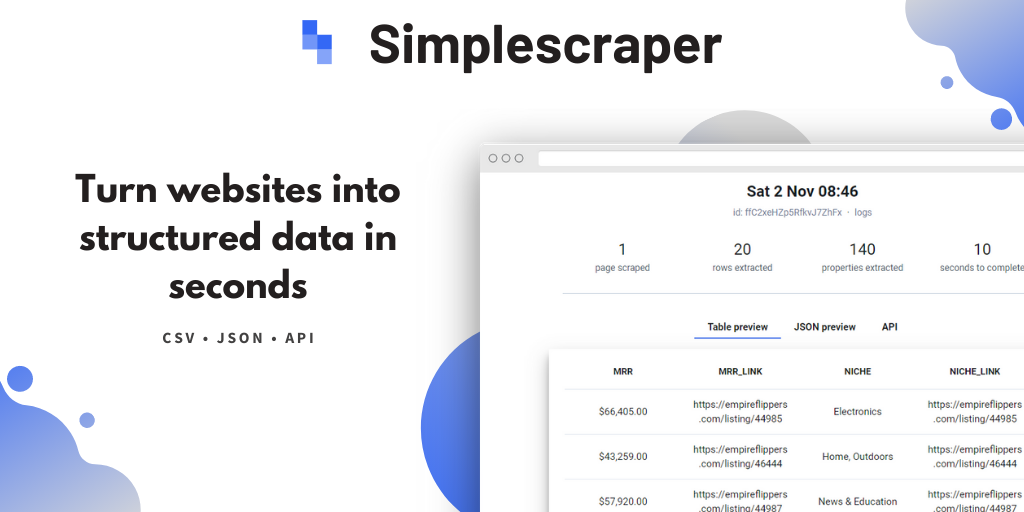
scrapetoai is a free online tool that converts any website's content into clean, LLM-ready formats like Markdown, JSON, …

119.2K
Elementary Data

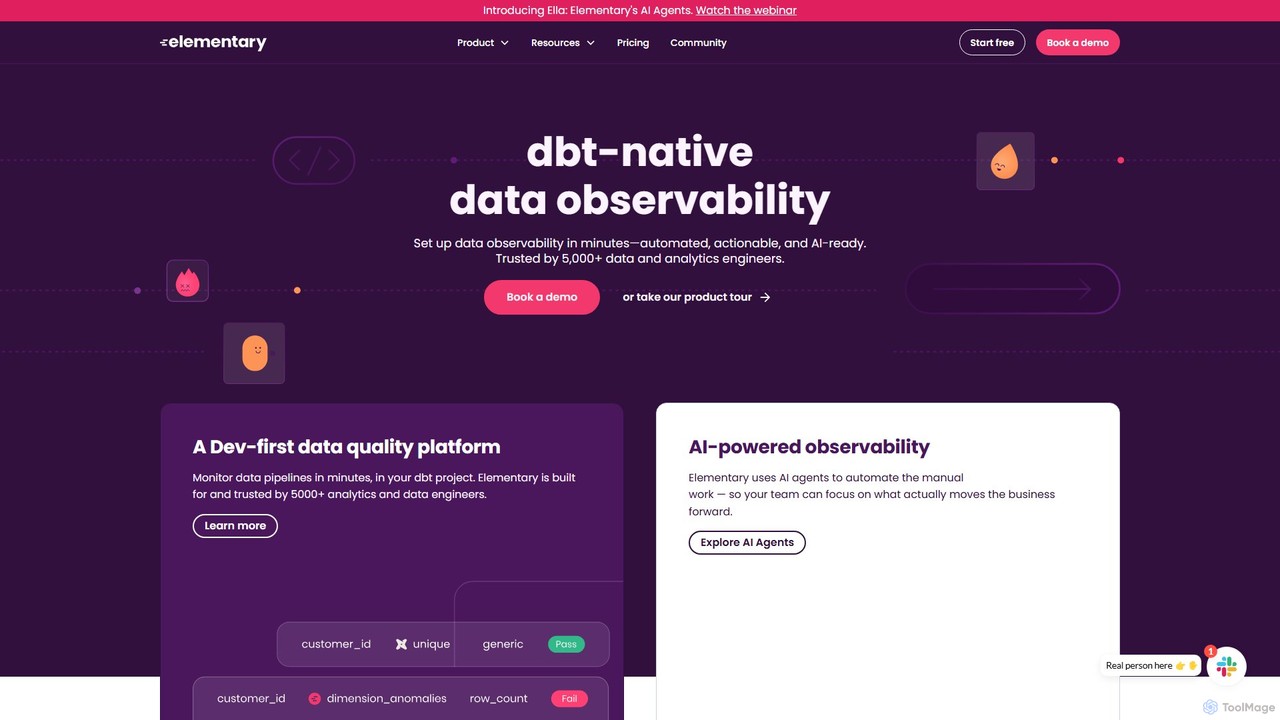
Elementary Data

Elementary Data is a dbt-native data observability platform designed for data and analytics engineers. It uses AI agents …

14.7K
Voxel51

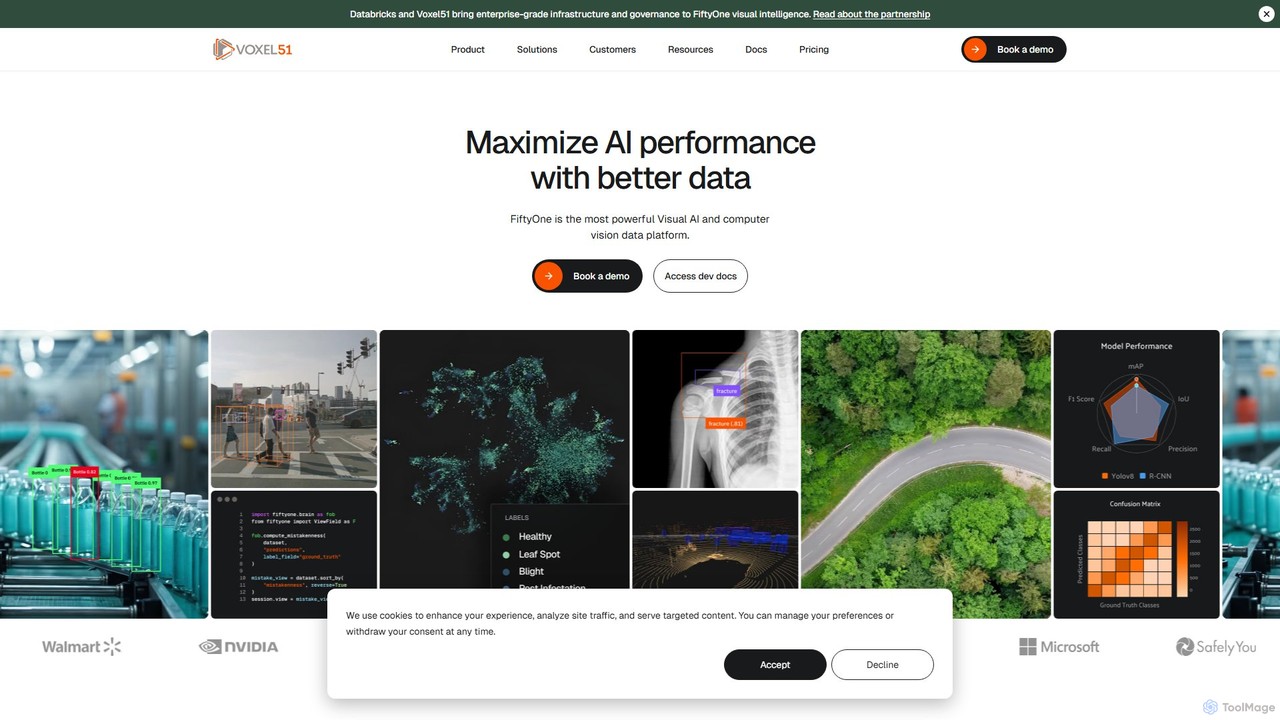
Voxel51

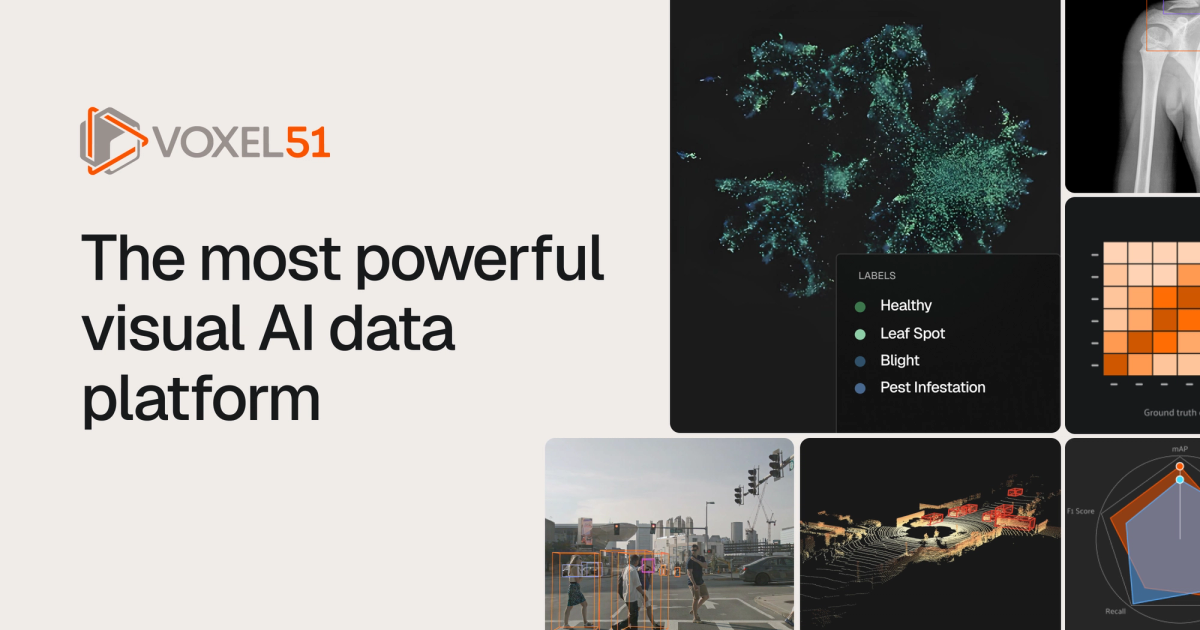
Voxel51 provides FiftyOne, an enterprise-grade computer vision and multimodal AI platform. It empowers developers and data scientists to …

111.3K
gts.ai

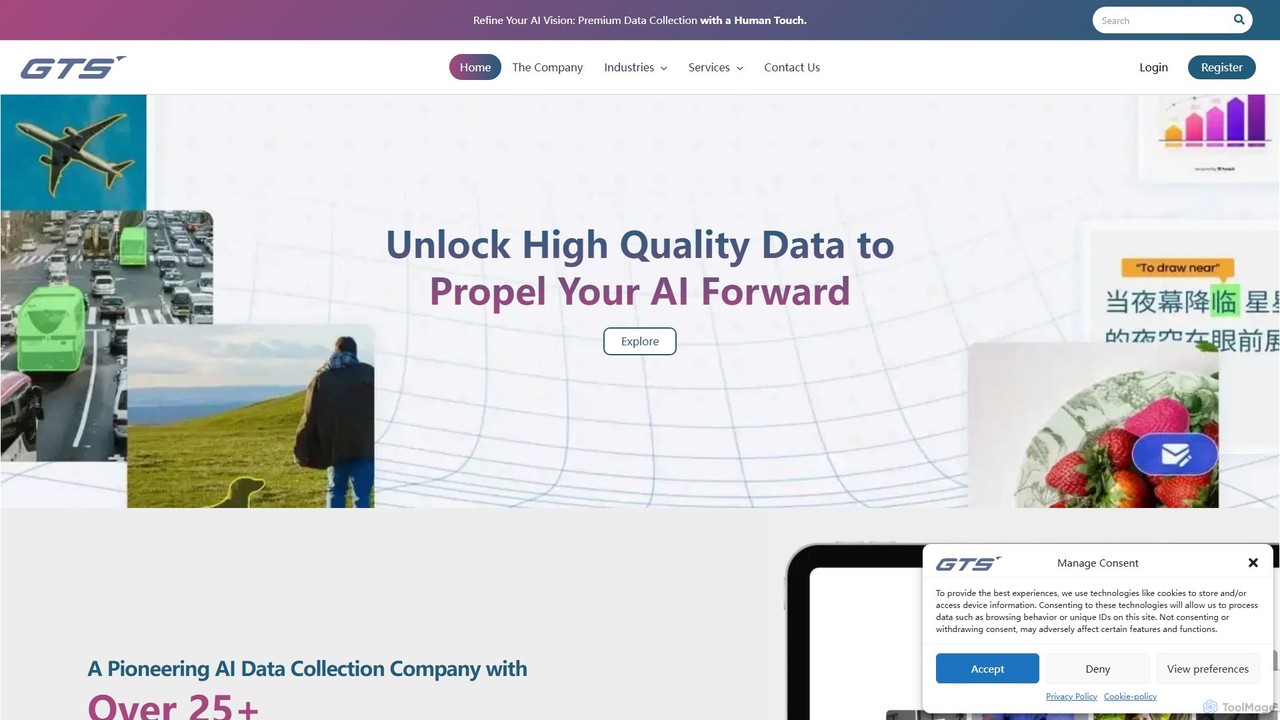
gts.ai

GTS.ai is a leading AI data solutions provider with over 25 years of experience. They offer high-quality, customized …

42.0K
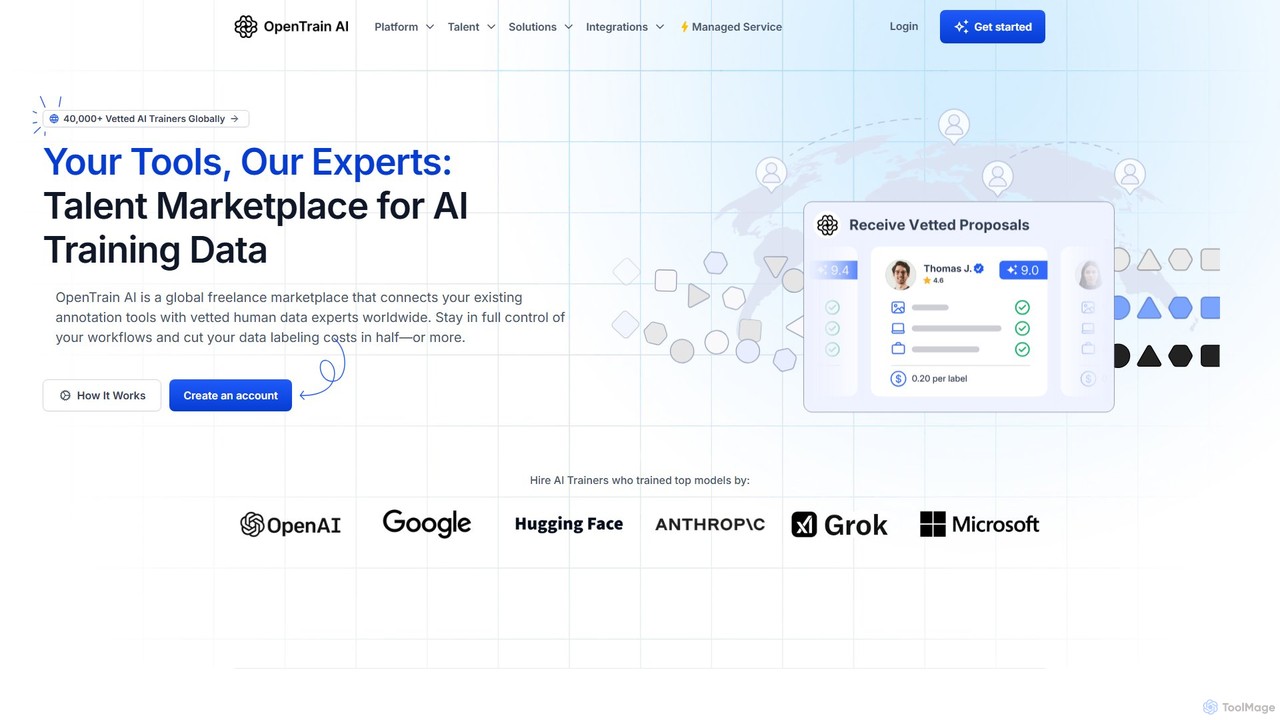
OpenTrain AI

OpenTrain AI

OpenTrain AI is a global talent marketplace connecting businesses with over 40,000 vetted human data experts for AI …

512.8K
Free
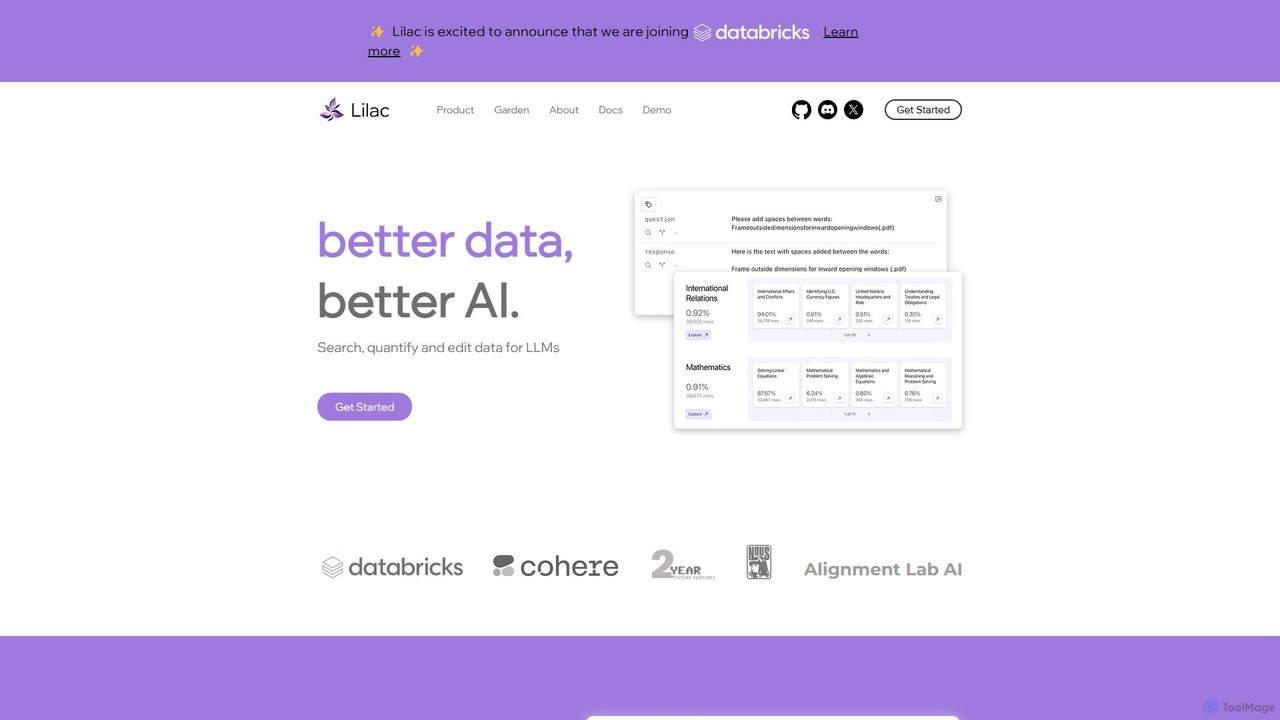
Lilac

Lilac

Lilac is an open-source tool for data scientists and ML engineers to explore, clean, and improve datasets for …

3.2K
jsonai

jsonai

jsonai is an AI-powered toolkit for developers and data analysts, designed to streamline working with JSON data. It …

2.5K
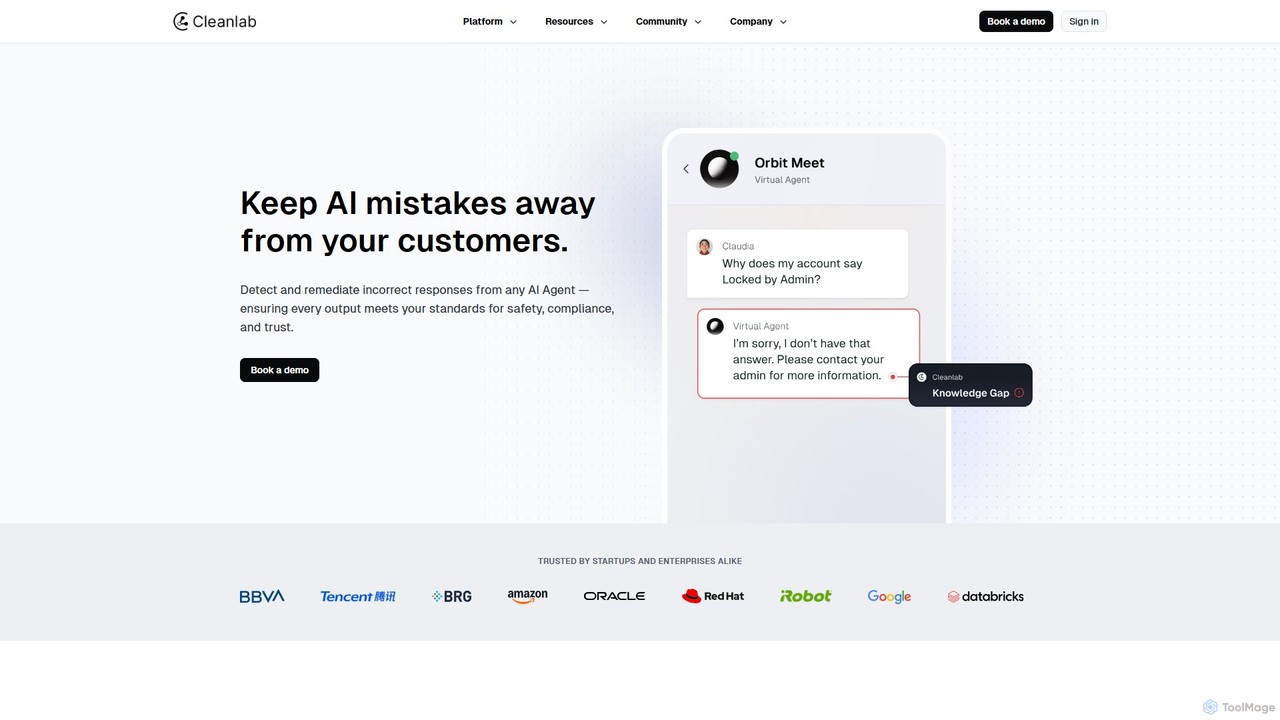
Cleanlab

Cleanlab

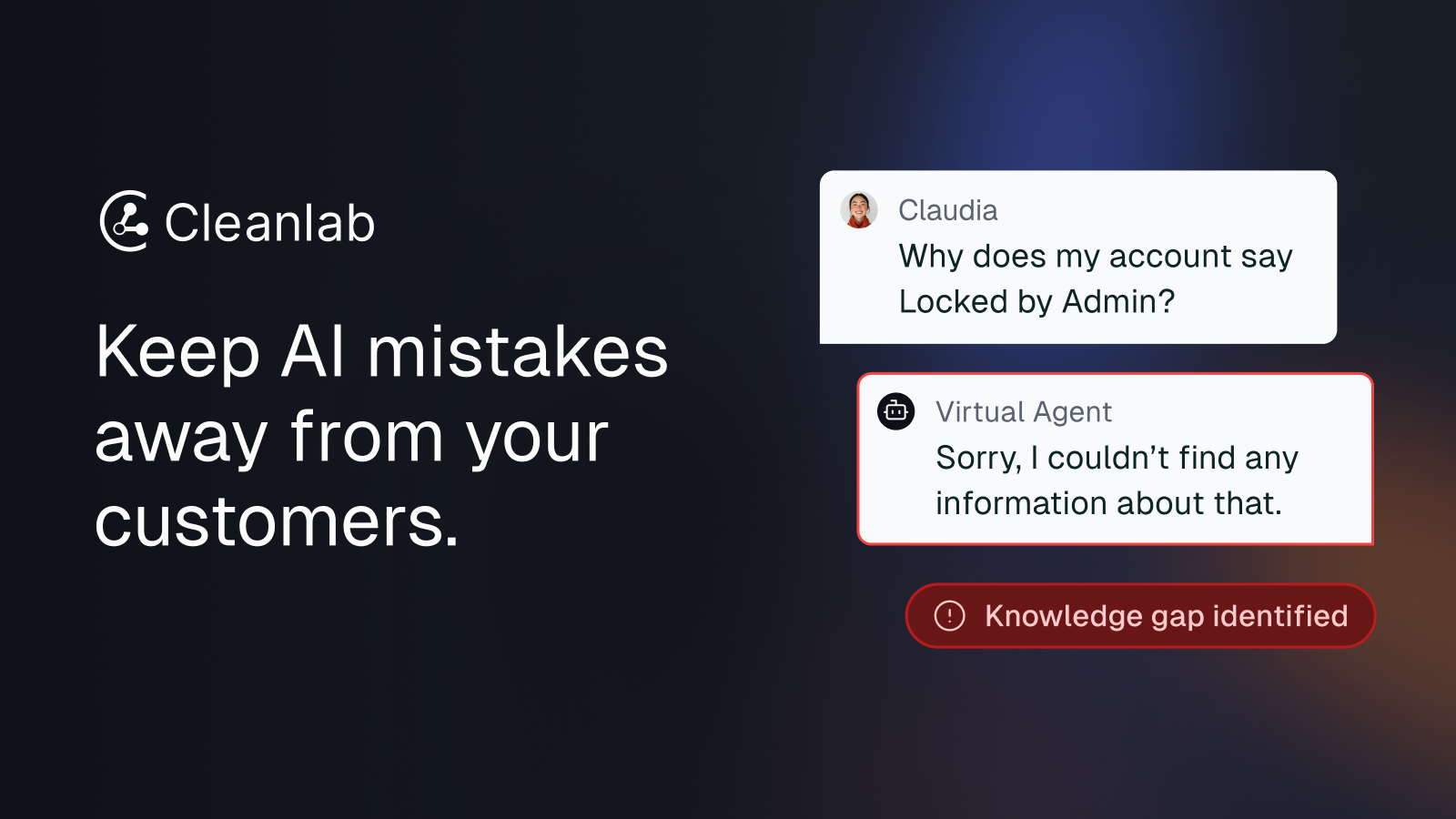
Cleanlab is an AI reliability platform that detects and fixes errors, hallucinations, and other issues in any AI …

29.7K

About Data Management

Data Management tools are essential platforms designed to streamline the entire lifecycle of an organization's data, from acquisition and storage to processing, analysis, and archiving. These tools often integrate AI capabilities to automate tasks, optimize performance, and provide intelligent insights, ensuring data quality, accessibility, and security. They empower developers and data professionals to build robust, scalable, and compliant data infrastructures, crucial for modern applications and data-driven decision-making.

Core Features

  • Data Integration & ETL: Automate the extraction, transformation, and loading of data from diverse sources into unified systems.
  • Database Management: Provide tools for designing, deploying, monitoring, and optimizing various types of databases.
  • Data Governance & Security: Implement policies for data privacy, compliance, access control, and threat detection.
  • Metadata Management: Catalog and manage information about data assets, improving discoverability and understanding.
  • Data Quality & Profiling: Identify and rectify inconsistencies, errors, and redundancies to ensure data accuracy.

Applicable Scenarios

In large enterprises, data management tools are used by data engineers to build and maintain complex data pipelines, ensuring real-time data availability for business intelligence dashboards. For startups, they help manage customer data securely and efficiently, supporting rapid product development and personalized user experiences. Developers leverage these tools to integrate various data sources into their applications, ensuring data consistency and reliability across microservices.

How to Choose

When selecting Data Management tools, consider the specific data types and volumes you handle, as well as your existing infrastructure's compatibility. Evaluate the tool's scalability, security features, and compliance certifications to meet regulatory requirements. Assess its integration capabilities with other developer tools and analytics platforms, and compare pricing models based on your budget and usage patterns.

Data ManagementUse Cases

1

Automating Data Pipeline Creation

Data engineers in a growing e-commerce company use AI-powered data management tools to automate the creation and maintenance of data pipelines. By defining data sources and transformation rules, they can ingest customer order data, website analytics, and inventory information into a central data warehouse, reducing manual coding effort by 70% and ensuring real-time data for sales forecasting.

2

Ensuring Data Governance and Compliance

A financial institution's compliance team utilizes data management platforms to enforce strict data governance policies across sensitive customer information. The tools automatically classify data, apply access controls based on roles, and monitor data usage for anomalies, helping the institution meet GDPR and CCPA regulations and avoid costly penalties.

3

Optimizing Database Performance

DevOps teams leverage data management tools with AI-driven insights to monitor and optimize the performance of production databases. The tools identify slow queries, suggest indexing improvements, and predict potential bottlenecks, allowing developers to proactively address issues and ensure application responsiveness during peak traffic.

4

Streamlining Master Data Management (MDM)

A global manufacturing company employs MDM solutions within its data management strategy to create a single, authoritative view of critical business entities like products, customers, and suppliers. This ensures data consistency across ERP, CRM, and supply chain systems, eliminating data silos and improving operational efficiency by 25%.

5

Facilitating Data Versioning and Rollback

Software development teams use data management tools that support data versioning to track changes in database schemas and datasets. This allows developers to experiment with new features, easily revert to previous data states if issues arise, and maintain a clear audit trail, significantly reducing the risk associated with database migrations and updates.

6

Enhancing Data Quality for Machine Learning

Data scientists preparing datasets for machine learning models utilize data quality features within data management platforms. These tools automatically detect and correct errors, fill missing values, and standardize formats across diverse data sources, ensuring the high-quality input necessary for training accurate and reliable AI models.

Data ManagementFrequently Asked Questions