Developer Tools Best in category 10 results Game Development AI Tool

Popular AI tools in the Game Development field of Developer Tools include CodeCombat、Inworld、Vagon、Bezi、Mexty、AI OC Maker、Cohezion、Glyf、Artifactory、Prompts Club, etc., helping you quickly improve efficiency.

AI OC Maker

AI OC Maker

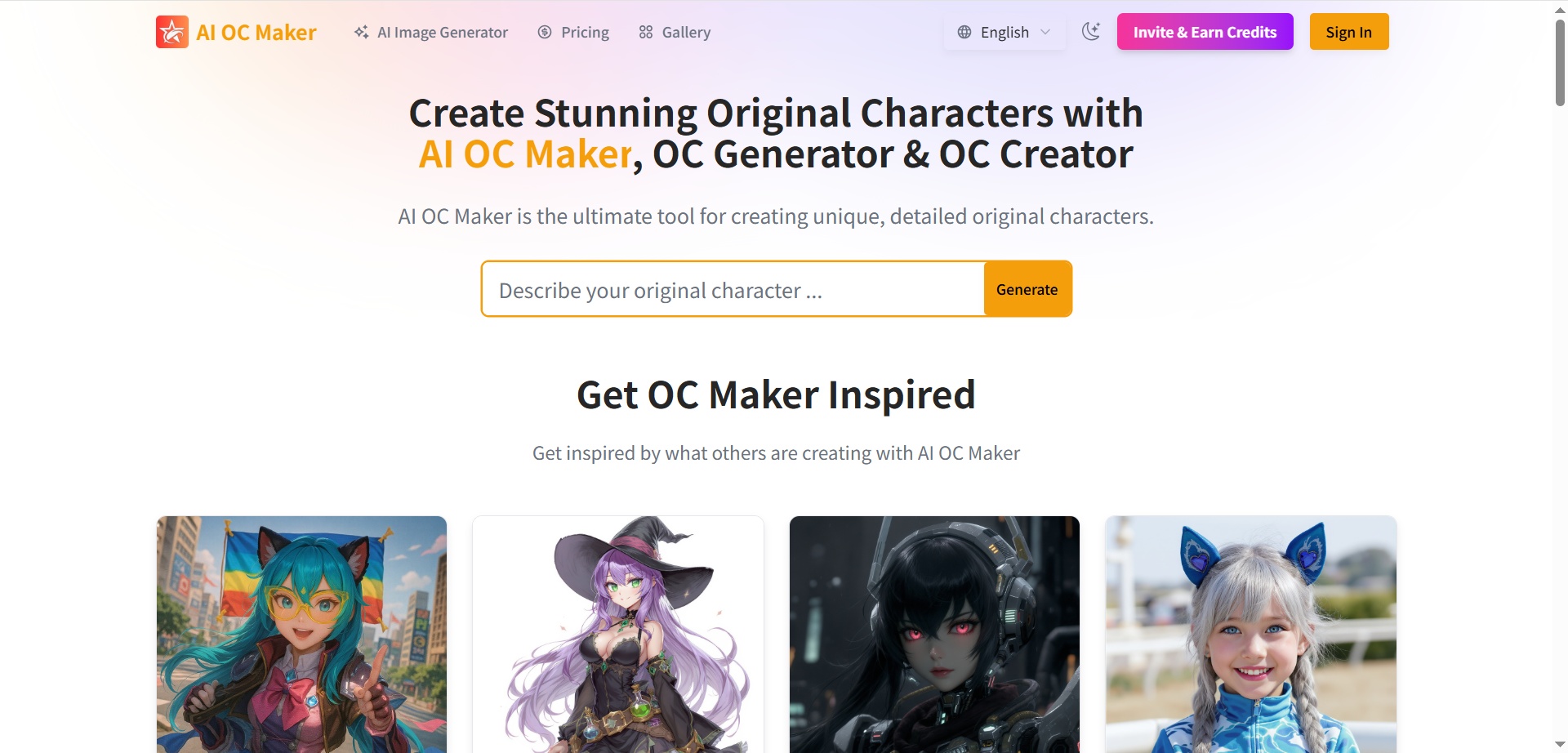
AI OC Maker is a web-based character generator that produces high-quality original characters (OC) with visual art and …

7.5K
Mexty

Mexty

Mexty is an AI-powered platform designed for educators, trainers, and instructional designers to create stunning interactive and personalized …

16.2K
Glyf

Glyf

Glyf is an AI-powered platform that transforms text prompts and images into high-quality 3D models. Designed for creators …

2.6K
Vagon

Vagon

Vagon is a high-performance cloud computing platform that provides users with powerful virtual desktops accessible from any device. …

235.1K
Bezi

Bezi

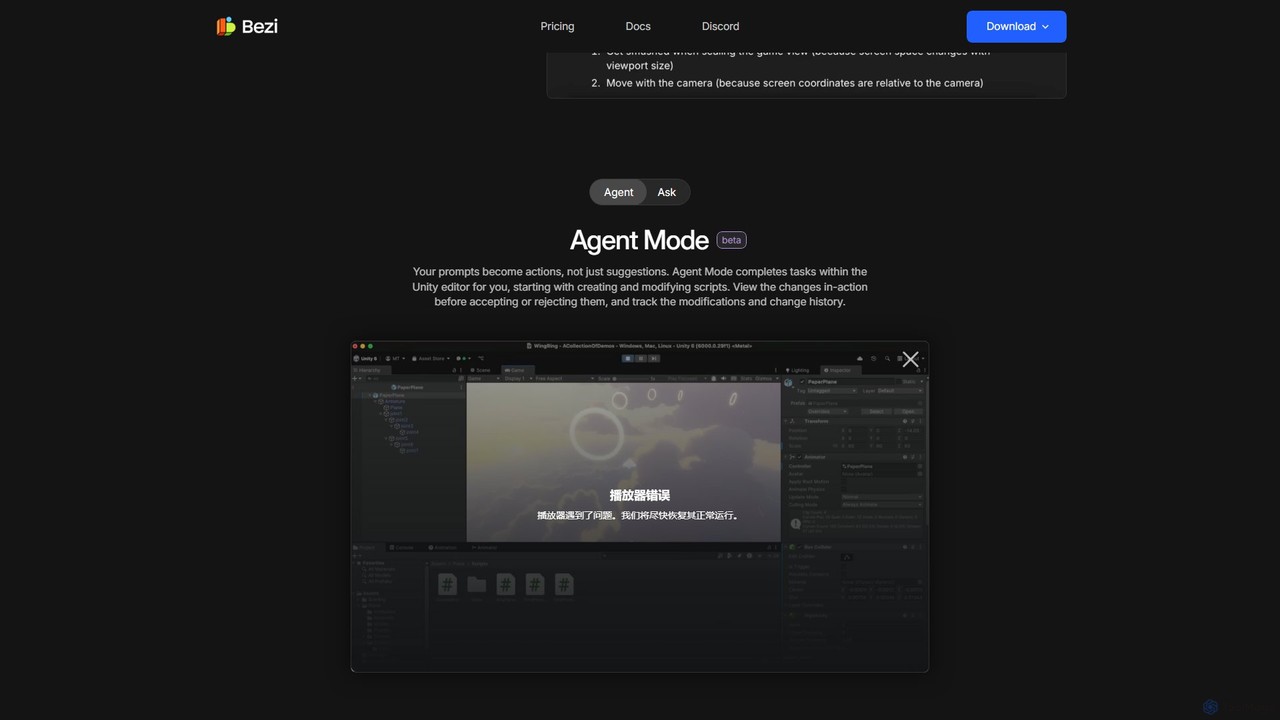
Bezi is an AI assistant for Unity developers and creatives, designed to accelerate game development. It understands your …

115.1K
Cohezion

Cohezion

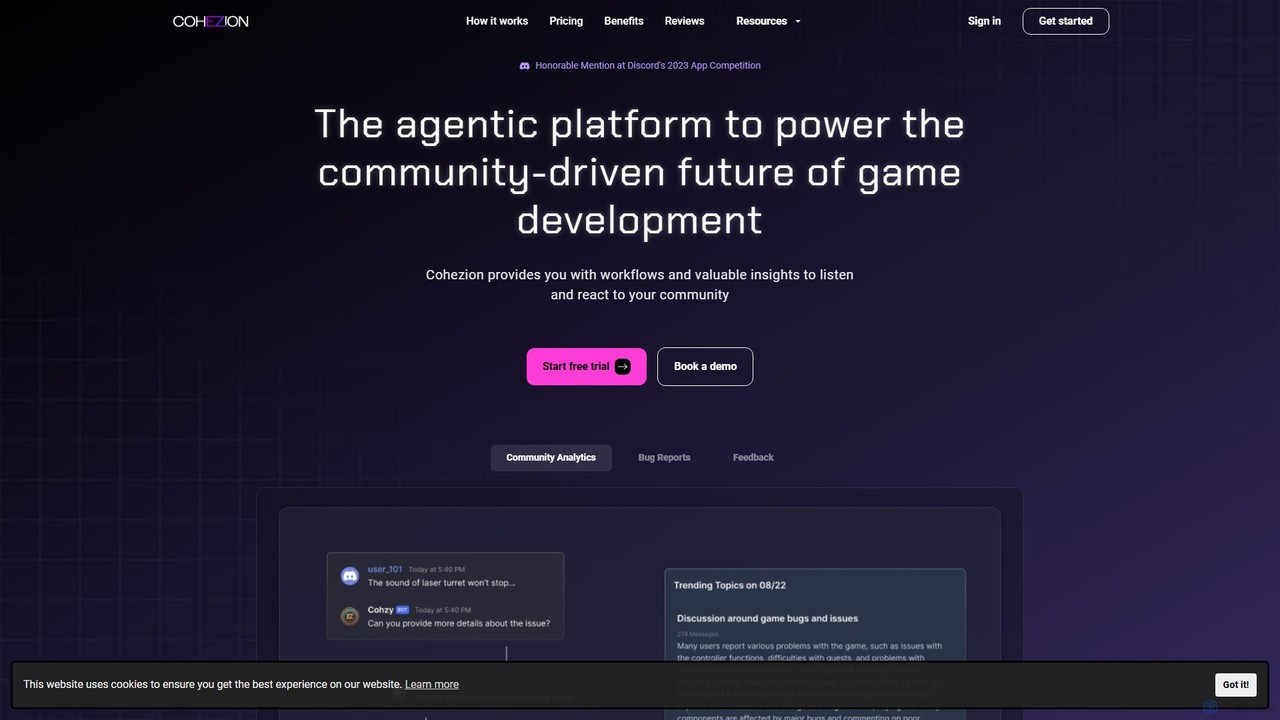
Cohezion is an AI-powered agentic platform for game developers, designed to streamline community management. It automates bug reporting …

2.8K
Prompts Club

Prompts Club

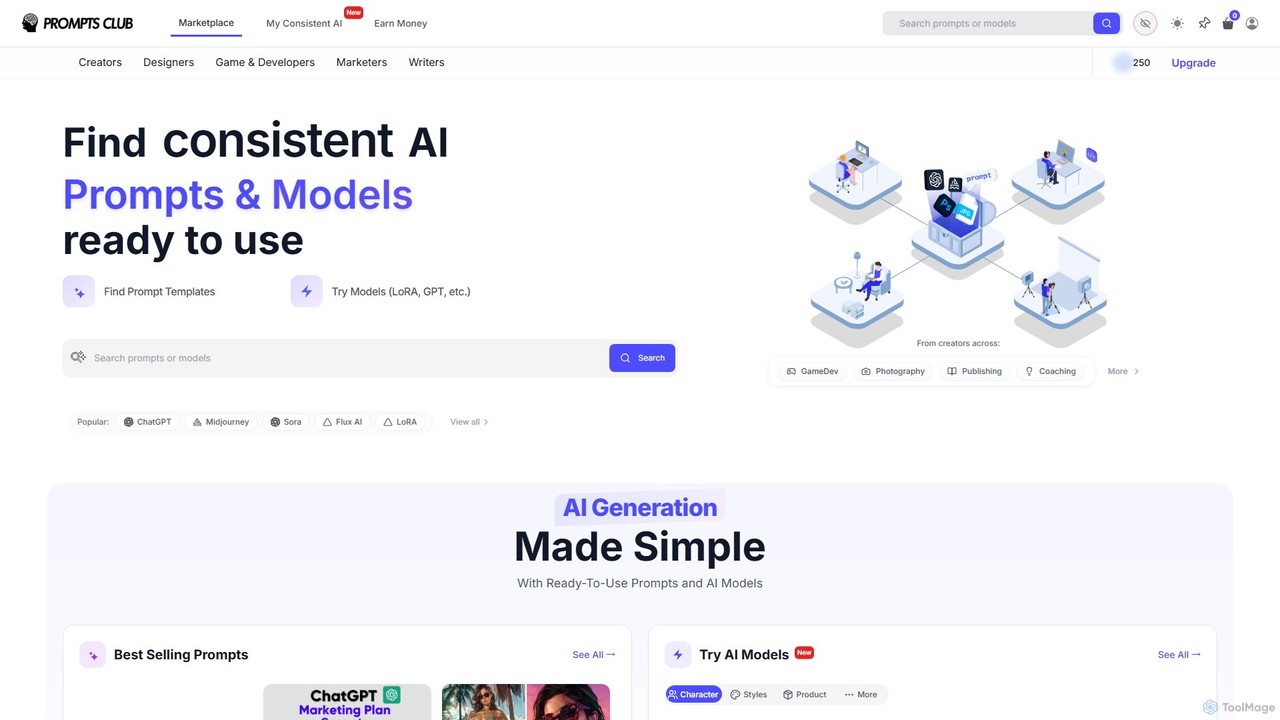
Prompts Club is a comprehensive marketplace for high-quality, ready-to-use AI prompts and models. It caters to creators, developers, …

2.3K
Inworld

Inworld

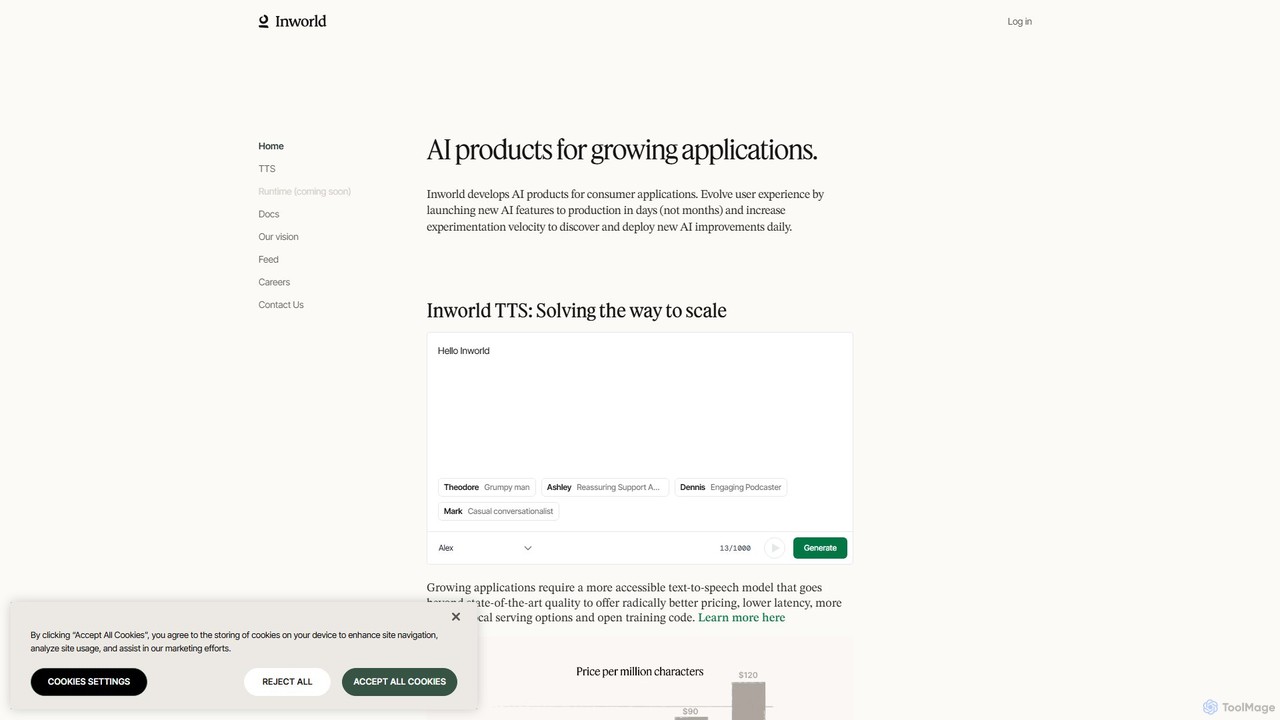
Inworld provides a suite of AI products and an intelligent runtime for developers to build, scale, and evolve …

464.1K
CodeCombat

CodeCombat

CodeCombat is a game-based learning platform that teaches computer science and AI to students of all ages. Through …

538.4K
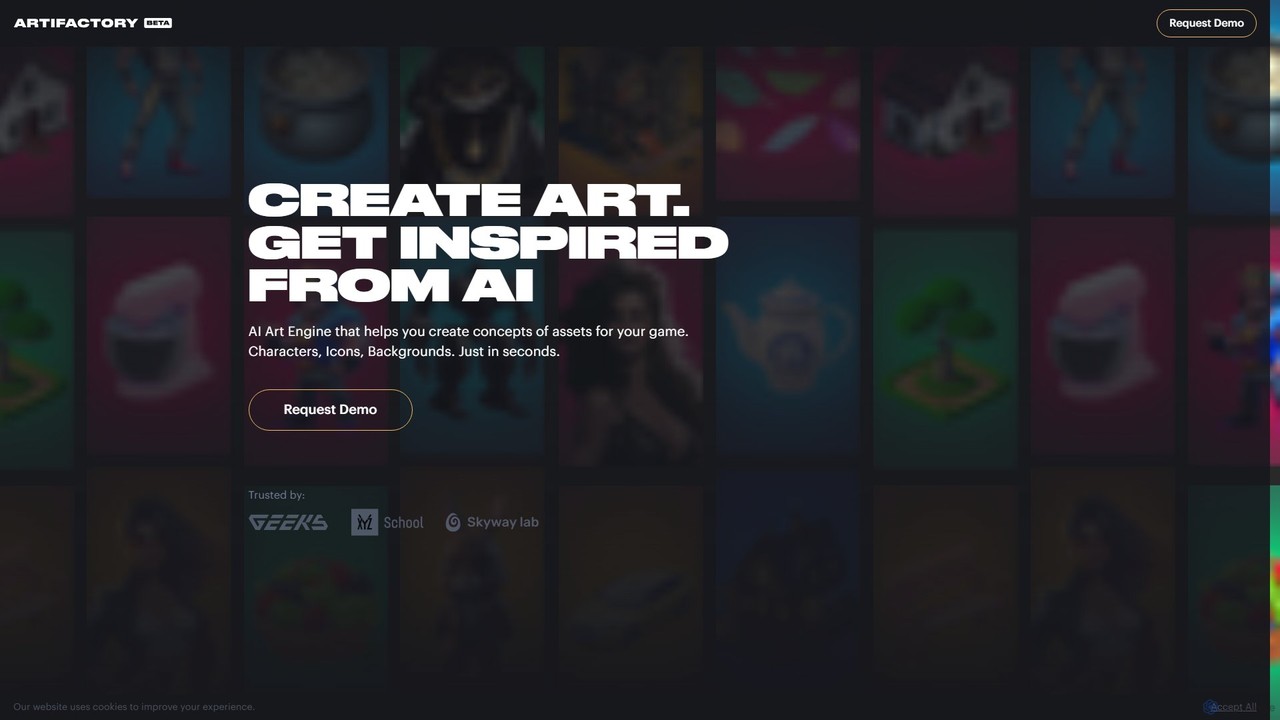
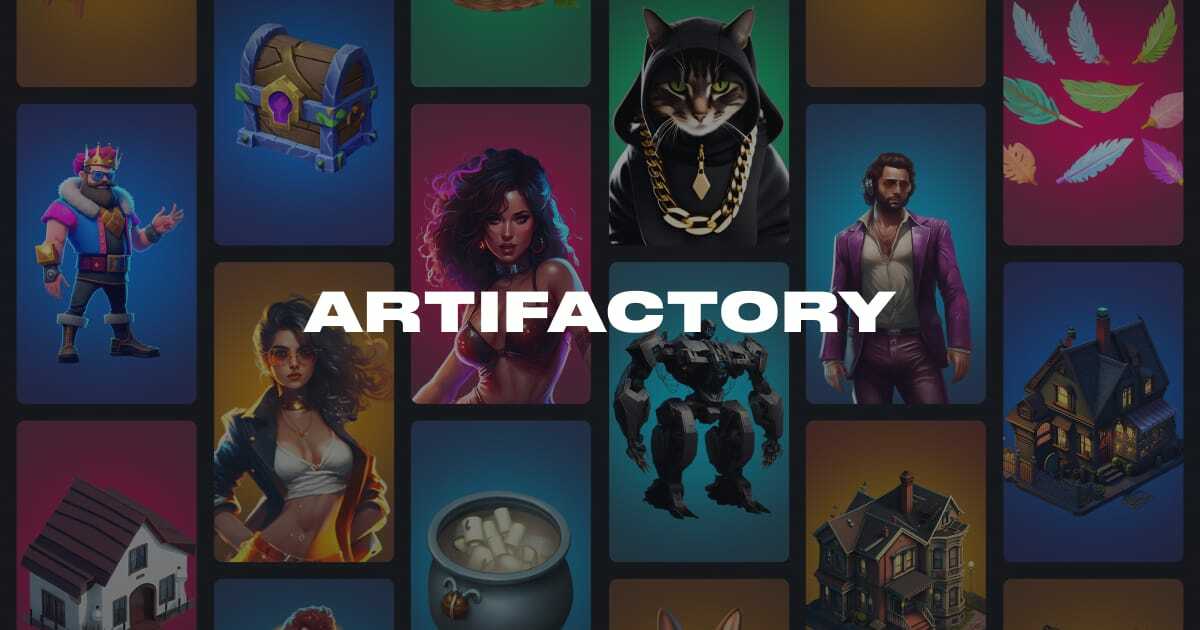
Artifactory

Artifactory

Artifactory is a specialized AI art engine for game developers, enabling the rapid creation of game assets like …

2.5K

About Game Development

AI Game Development tools are a specialized category of software that leverages artificial intelligence to automate and enhance the creation of video games. These tools utilize machine learning models for tasks like procedural content generation (PCG), AI-powered asset creation, and intelligent NPC behavior scripting. This enables developers, from solo indies to large studios, to build more complex, dynamic, and immersive game worlds with greater efficiency. By handling repetitive or complex tasks, these tools free up creators to focus on core gameplay mechanics and narrative design.

Core Features

  • Procedural Content Generation (PCG): Automatically creates game levels, maps, terrain, and environments based on rules and algorithms.
  • AI-Powered Asset Creation: Generates 2D textures, 3D models, concept art, sound effects, and music from text prompts or style inputs.
  • Intelligent NPC Behavior: Develops realistic and adaptive non-player character (NPC) logic without extensive manual scripting.
  • Automated Game Testing: Deploys AI agents to play the game, identify bugs, test balance, and find exploits.
  • Code Assistance & Optimization: Assists with writing boilerplate code, suggesting optimizations, and debugging complex issues.

Use Cases

These tools are widely used by indie developers, AAA game studios, game artists, and level designers. Common applications include rapidly prototyping new game ideas, populating vast open-world games with unique content, generating thousands of asset variations for characters and items, and creating smarter, more believable enemies and allies.

How to Choose

When selecting an AI game development tool, consider its integration capabilities with your chosen game engine (e.g., Unity, Unreal Engine). Evaluate its specific focus—whether it excels at asset generation, NPC logic, or world-building. Also, assess the level of customization and control it offers over the generated output and its potential impact on your game's performance.

Game DevelopmentUse Cases

1

Accelerate Game Prototyping

An indie developer or a small team can use AI game development tools to rapidly create a playable prototype. Instead of spending weeks manually modeling placeholder characters, designing basic levels, and writing simple enemy scripts, they can use AI to generate these elements in a matter of hours. For example, a developer can input prompts like 'low-poly fantasy village' to generate a test environment and 'goblin warrior sprite sheet' for basic enemy assets. This allows the team to focus on testing and refining core gameplay mechanics much earlier in the development cycle.

2

Generate Large-Scale Game Worlds

Level designers and environment artists working on open-world RPGs or simulation games use AI-powered procedural content generation (PCG) to build vast and varied landscapes. By setting parameters for terrain height, biome types, and asset density (e.g., forests, mountains, rivers), the AI can generate square kilometers of unique world space. This process not only saves thousands of hours of manual work but also ensures that no two areas are exactly alike, enhancing player exploration and replayability. The designer can then refine specific points of interest by hand.

3

AI-Powered 2D/3D Asset Creation

A game artist can significantly speed up their workflow by using generative AI tools. For a fantasy game, an artist could generate hundreds of concept variations for a 'dragon's sword' with different styles, materials, and embellishments. Similarly, they can create seamless textures for environments, such as 'mossy stone wall' or 'alien metal plating,' by simply describing them. This approach is ideal for brainstorming, creating unique in-game items, and producing a high volume of assets under tight deadlines.

4

Scripting Intelligent NPC Behavior

Game programmers and designers can create more lifelike and unpredictable non-player characters (NPCs) using AI. Instead of relying on simple, repetitive patrol paths and trigger-based reactions, AI can generate complex behavior trees. This allows NPCs to react dynamically to the player's actions, collaborate with other NPCs, and adapt their strategies based on the changing game state. For instance, an enemy squad might learn to flank the player after repeated frontal assaults fail, creating a more challenging and immersive combat experience.

5

Automate Game Balancing and QA Testing

A Quality Assurance (QA) team can deploy AI agents to autonomously play a game 24/7, performing tasks that are tedious and time-consuming for human testers. These AI players can explore every corner of a level to find collision bugs, test weapon combinations to identify overpowered builds, and stress-test game systems to ensure stability. By analyzing data from thousands of AI-driven playthroughs, developers can make more informed decisions about game balance, difficulty curves, and bug fixing before release.

6

Create Dynamic Narrative Content

Narrative designers can leverage AI tools based on large language models (LLMs) to generate rich in-game text and story elements. This can include creating branching dialogue options for NPCs, writing item descriptions and lore books, or even generating entire quest lines based on high-level plot points. For a role-playing game, this allows for a world filled with unique conversations and background stories, making the game feel deeper and more alive without requiring a massive writing team to script every single interaction manually.

Game DevelopmentFrequently Asked Questions