ToolMage
Sign in

Best 116 Low Code No Code AI tools for Developer Tools

Popular Low Code No Code AI tools in Developer Tools include Manus 1.5, Manus, IBM, Abacus.AI, BLACKBOX.AI, UiPath, MiniMax Agent, Streamlit, Hex, and Uizard, helping you work more efficiently.

raggenie
Freemium

raggenie

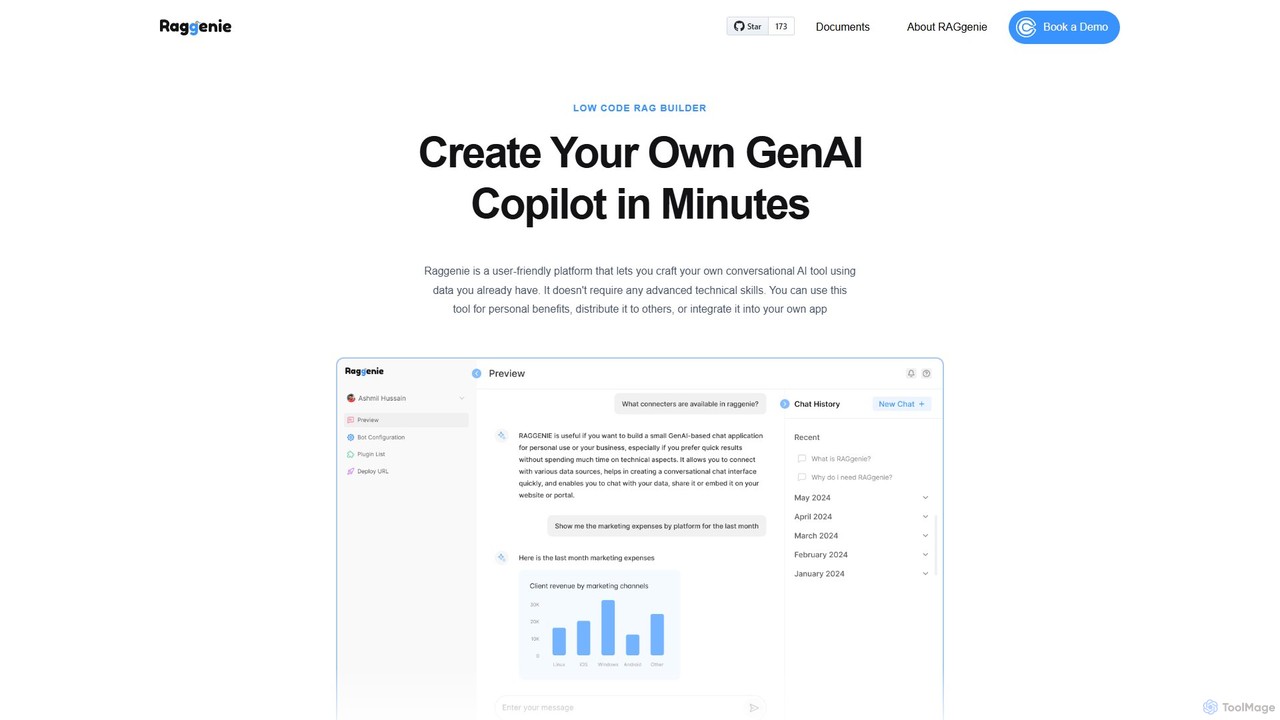
RAGGENIE is a low-code, open-source platform for building custom Retrieval-Augmented Generation (RAG) applications. It enables users to create conversational AI chatbots and co-pilots by connecting to various databases and document sources, allowing you to chat with your data in natural language without extensive coding.

Database
Visits 6.4KFavorites 175Likes 149
Dataiku
Freemium

Dataiku

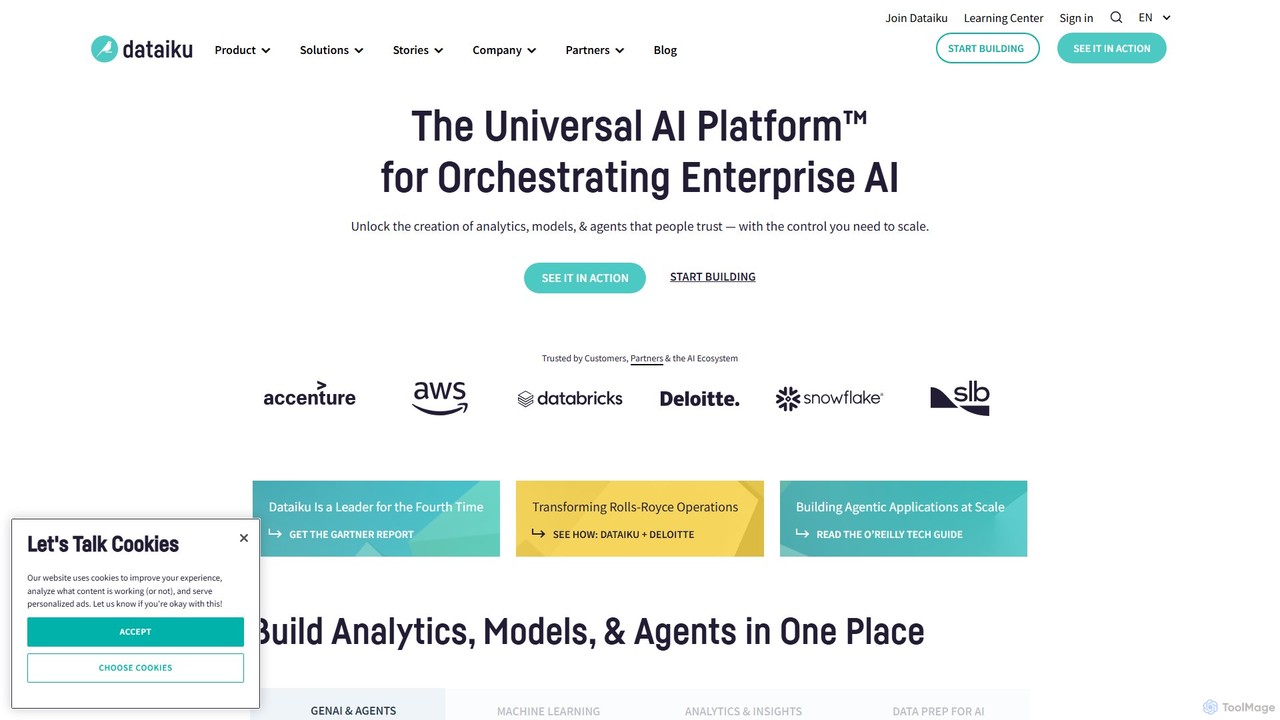
Dataiku is the Universal AI Platform™, enabling organizations to build, deploy, and manage AI and analytics applications. It provides a collaborative, end-to-end environment for everyone, from data analysts to data scientists, to work with data, create machine learning models, and build enterprise-grade Generative AI solutions with robust governance and scalability.

Business Intelligence
Visits 309.7KFavorites 117Likes 113
Fellou
Freemium

Fellou

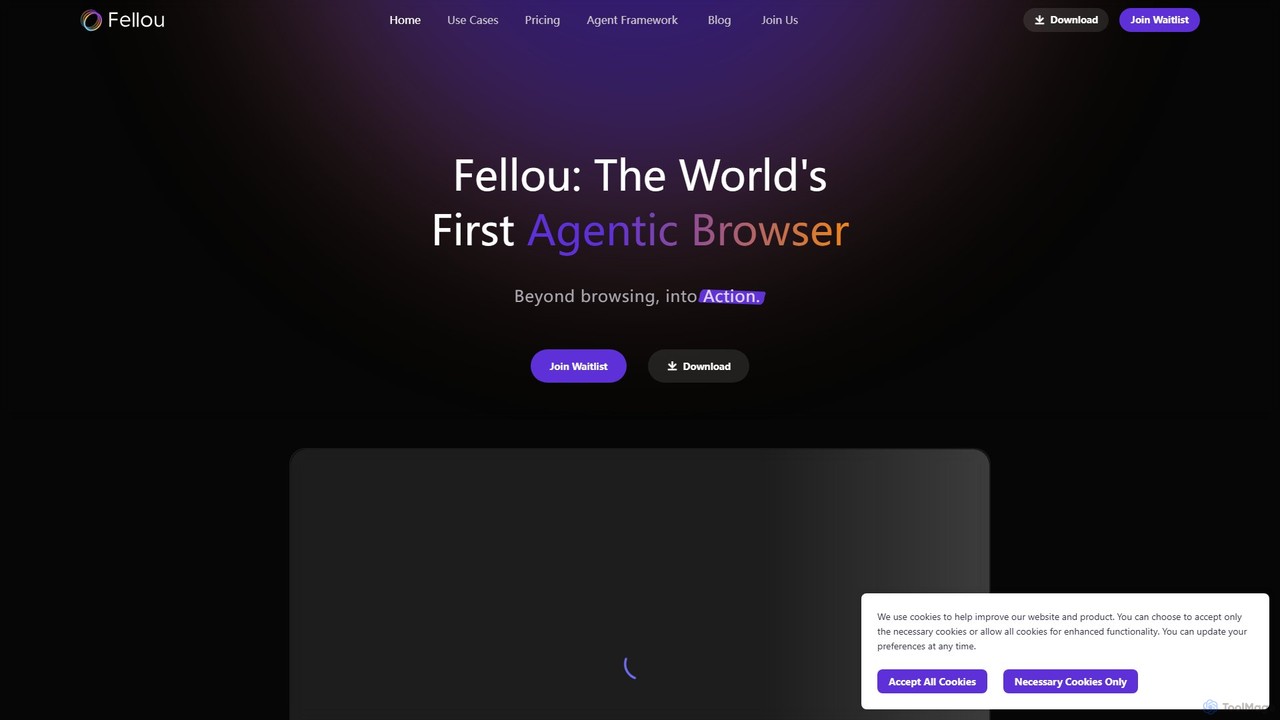
Fellou is the world's first agentic browser, designed to transform browsing into action. It functions as an AI-powered digital partner that automates complex workflows, conducts deep research across public and private websites, and generates insightful reports. With no-code automation and a powerful developer framework, Fellou streamlines tasks from data analysis to social media management, significantly boosting productivity.

Ai Browser
Visits 66.8KFavorites 121Likes 142
vika
Freemium

vika

vika is a pioneering multi-dimensional table and an API-oriented, easy-to-use low-code platform. It empowers teams to build flexible, scalable digital systems and automate workflows without extensive coding, integrating the functionality of a database with the simplicity of a spreadsheet.

Project Management
Visits 103.9KFavorites 118Likes 121
Langtail
Freemium

Langtail

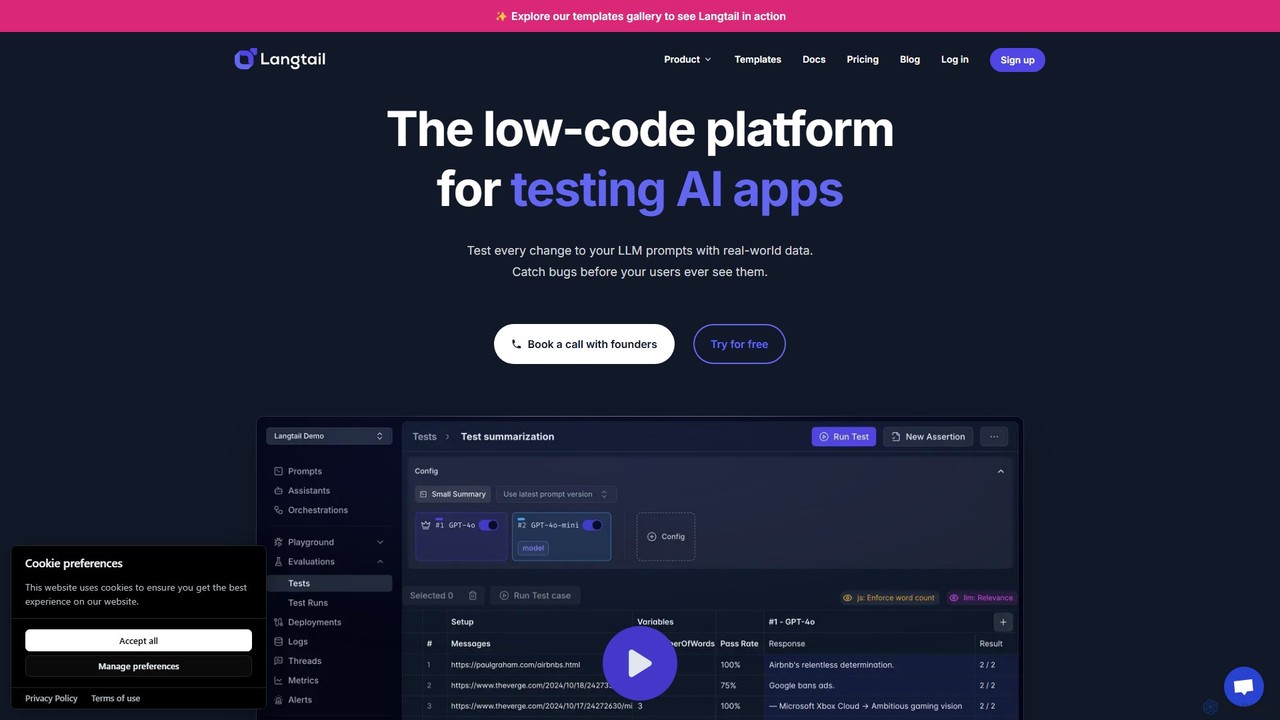
Langtail is a low-code platform for testing and debugging AI applications powered by Large Language Models (LLMs). It helps teams ensure predictability and safety with a spreadsheet-like testing interface, an AI Firewall to block malicious inputs, and collaborative tools for prompt management. Catch bugs and optimize your LLM outputs before they reach users.

Low Code No Code
Visits 13.7KFavorites 130Likes 118
Cerbrec
Freemium

Cerbrec

Cerbrec is an enterprise-grade AI platform, powered by Stanford Research Institute, that enables businesses to build and deploy bespoke AI agents. Using its low-code Graphbook interface, companies can automate data analysis, manage risk, and optimize operations in sectors like biopharma, manufacturing, and sports.

Business Intelligence
Visits 8.1KFavorites 116Likes 119
victordibia
Free

victordibia

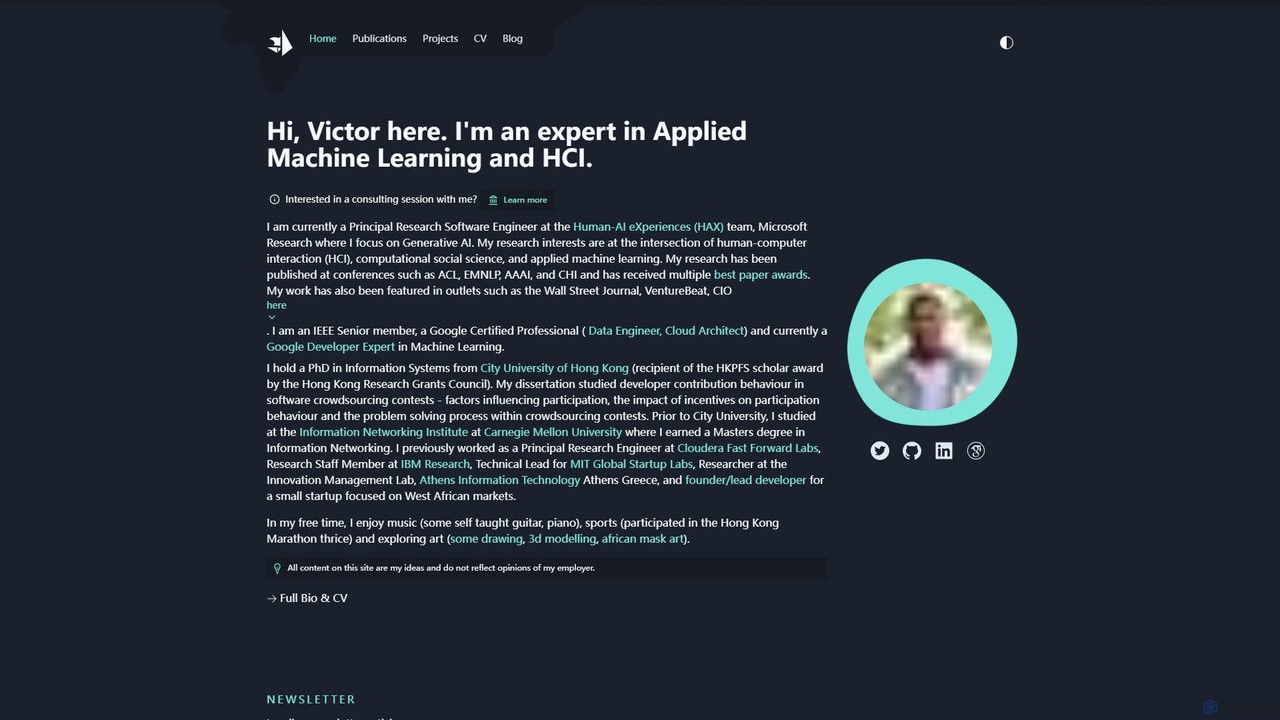
A comprehensive resource hub by Victor Dibia, a leading researcher in Applied ML and HCI. It features open-source AI tools like AutoGen Studio and LIDA, in-depth articles, research papers, and talks on generative AI, multi-agent systems, and human-computer interaction. A valuable platform for developers, researchers, and AI enthusiasts.

Data Visualization
Visits 28.7KFavorites 165Likes 143
Prompteus
Paid

Prompteus

Prompteus is an AI orchestration platform for modern teams, designed to build, manage, and scale AI workflows. It bridges Large Language Models (LLMs), human-in-the-loop decisions, and existing business tools, with a strong focus on security, compliance, and collaboration between technical and non-technical users.

Workflow Management
Visits 6.4KFavorites 116Likes 120
GyataGPT
Freemium

GyataGPT

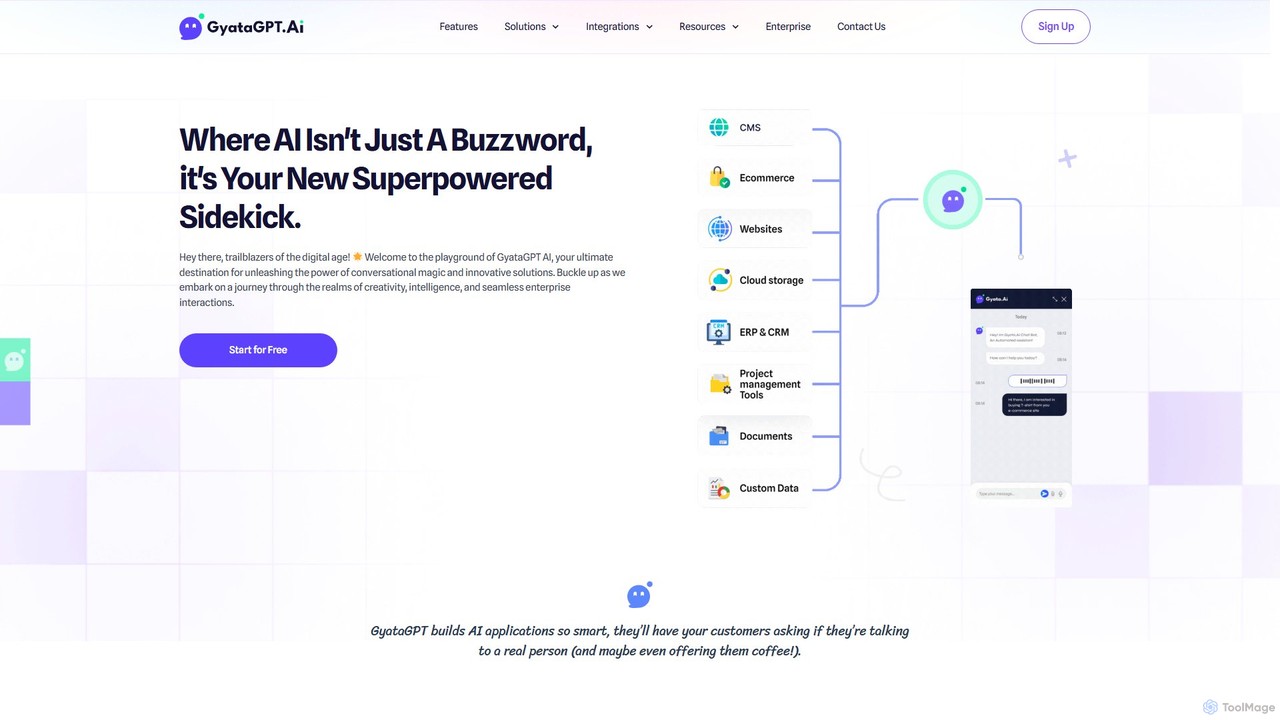
GyataGPT is a self-hosted, enterprise-grade conversational AI platform for building secure and intelligent applications. It allows businesses to create custom chatbots, helpdesks, and automation solutions on their own cloud infrastructure (AWS/Azure), ensuring complete data control. The platform integrates with over 30 data sources and supports various LLMs like OpenAI and Amazon Bedrock to deliver personalized, human-like interactions across multiple industries.

Chatbot
Visits 6.4KFavorites 112Likes 120
TaskingAI
Freemium

TaskingAI

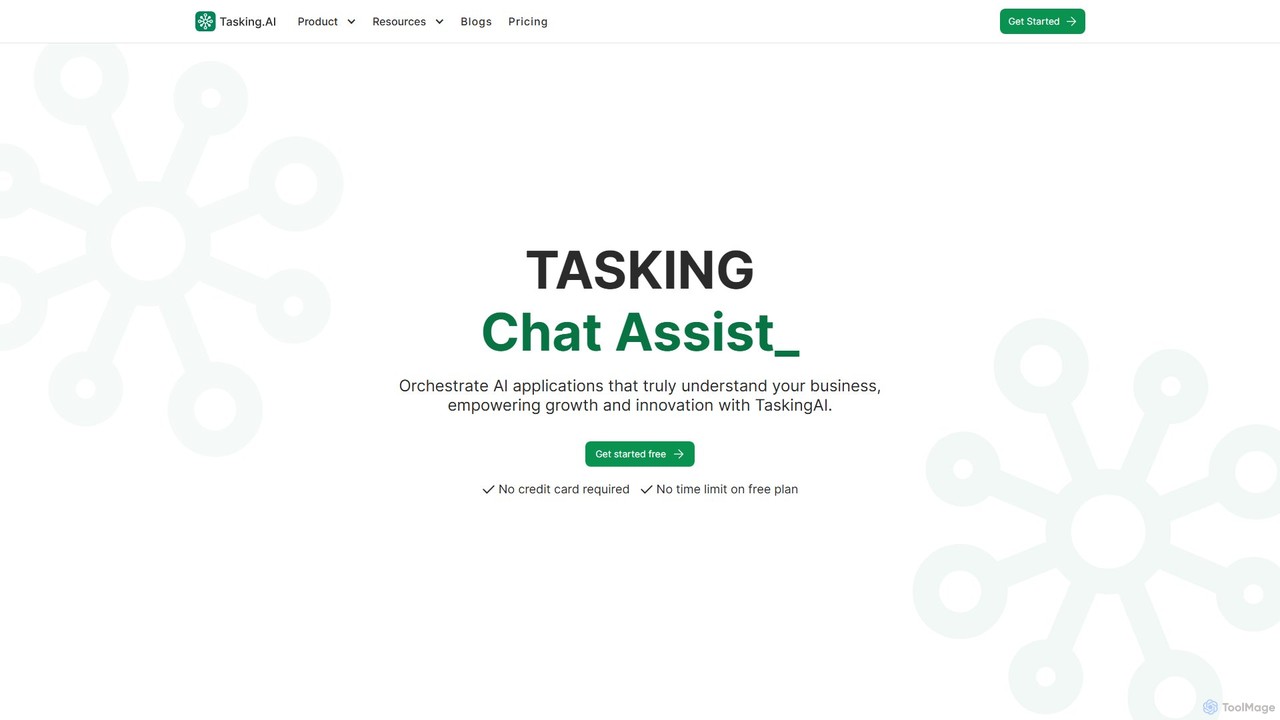
TaskingAI is an open-source AI-native application development platform designed to orchestrate sophisticated AI applications. It enables users to build, test, and deploy custom AI assistants and agents using various large language models (LLMs), Retrieval-Augmented Generation (RAG) with their own data, and powerful tool integrations. It offers a flexible, cloud-based environment for both no-code builders and developers.

Customer Support
Visits 8KFavorites 110Likes 128
Recodez
Freemium

Recodez

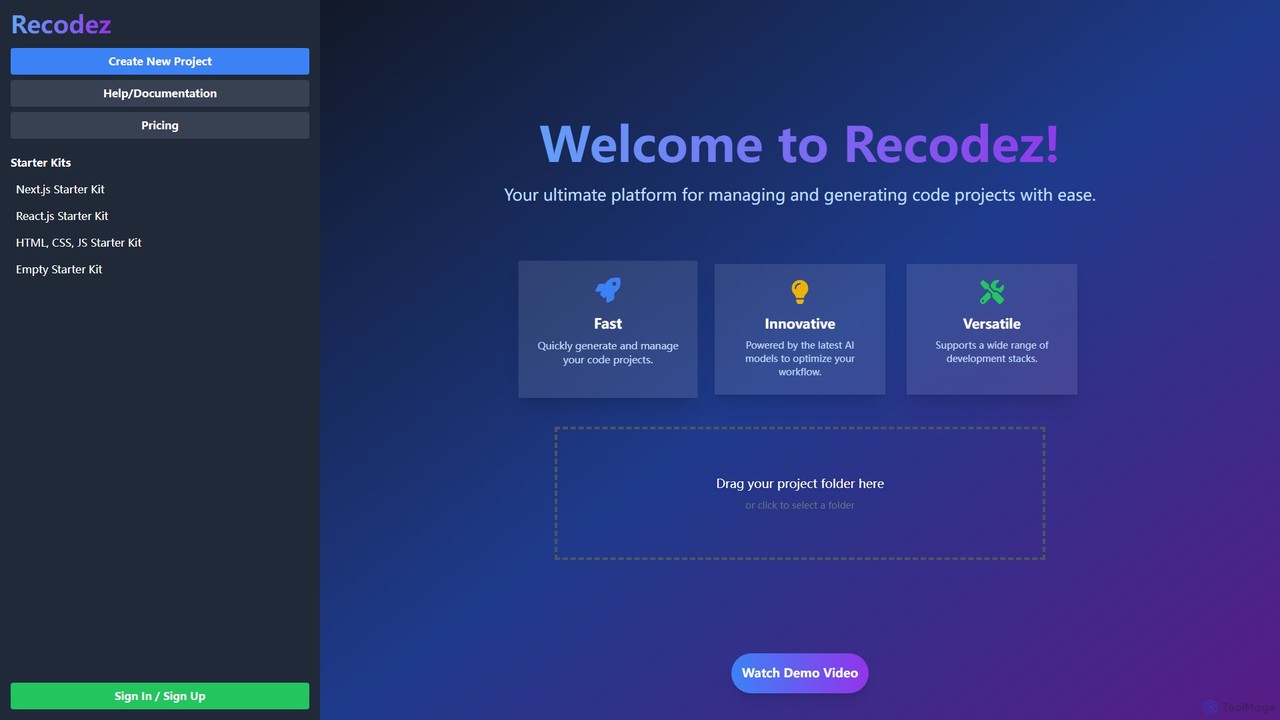
Recodez is an AI-powered platform designed to streamline software development. It enables developers to generate, manage, and refactor code projects with ease, supporting various frameworks like Next.js and React. By leveraging advanced AI models, Recodez accelerates the entire development lifecycle, from project scaffolding to code optimization.

Code Assistant
Visits 6.4KFavorites 136Likes 142
Devpilot

Devpilot

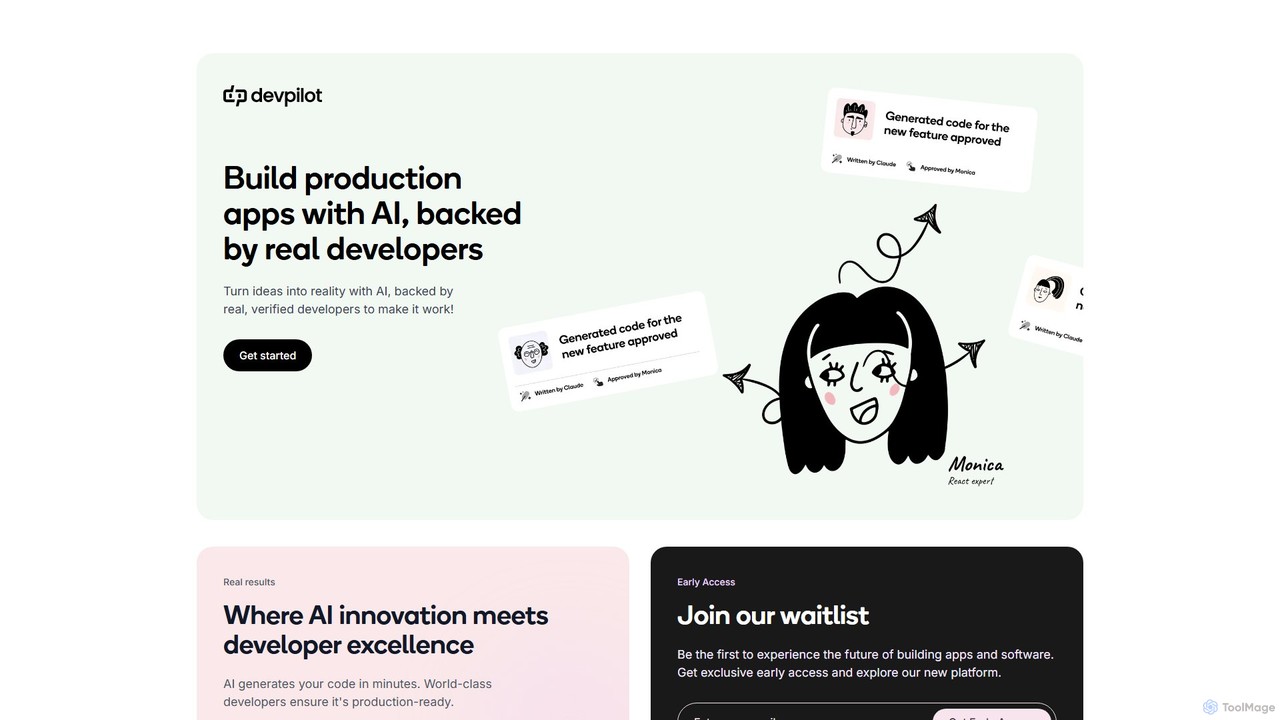
Devpilot is a unique platform that combines AI-powered code generation with expert human developers to build production-ready applications. It transforms your ideas into reality by having AI generate the initial code, which is then meticulously reviewed, refined, and perfected by world-class developers, ensuring unparalleled speed, quality, and reliability in software development.

Code Generation
Visits 7KFavorites 166Likes 156
Constellab
Freemium

Constellab

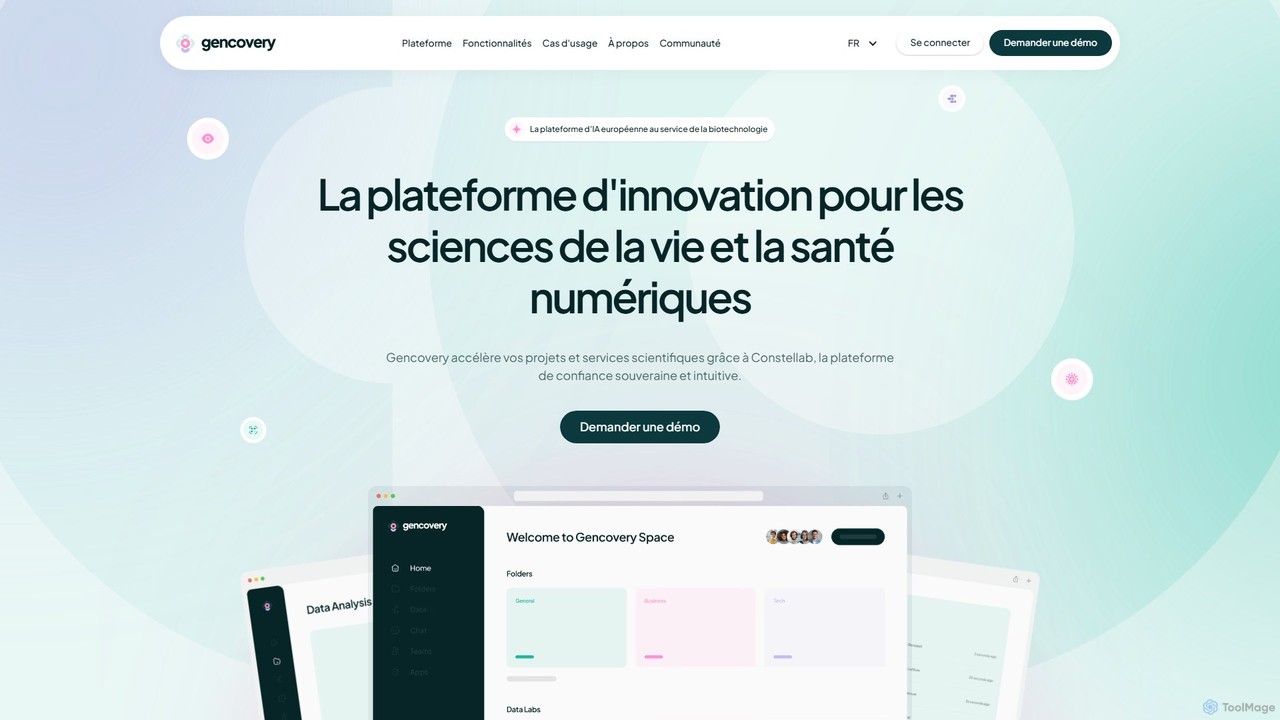
Constellab is a sovereign AI and data science platform designed for the life sciences and biotechnology sectors. It provides a collaborative, no-code environment for data analysis, visualization, and project management, with flexible deployment options (cloud, on-premise) to ensure data security, traceability, and regulatory compliance.

Low Code No Code
Visits 7.1KFavorites 146Likes 163
Oomol
Freemium

Oomol

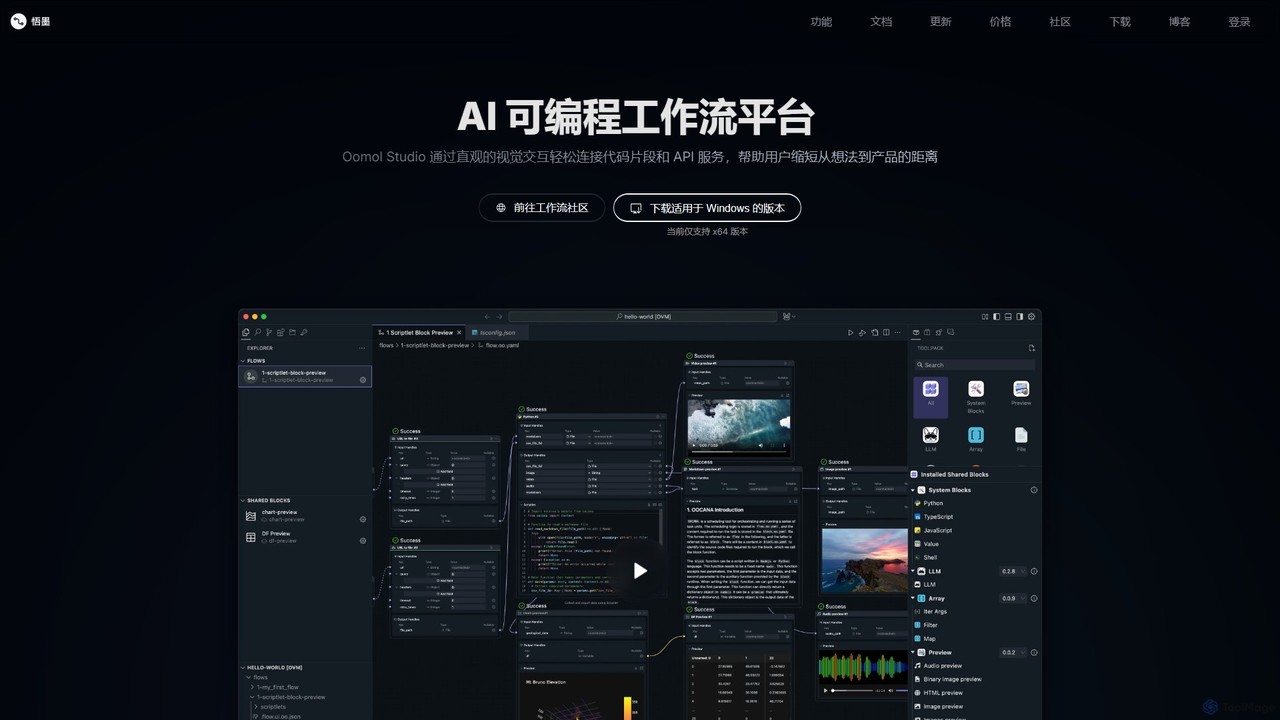
Oomol is an AI-programmable workflow platform that allows users to visually connect code snippets and APIs. It combines a drag-and-drop interface with a professional code editor, enabling rapid development and automation of tasks in data science, multimedia processing, and more, all within a unified, containerized environment.

Low Code No Code
Visits 39.3KFavorites 141Likes 142
LLMStack
Freemium

LLMStack

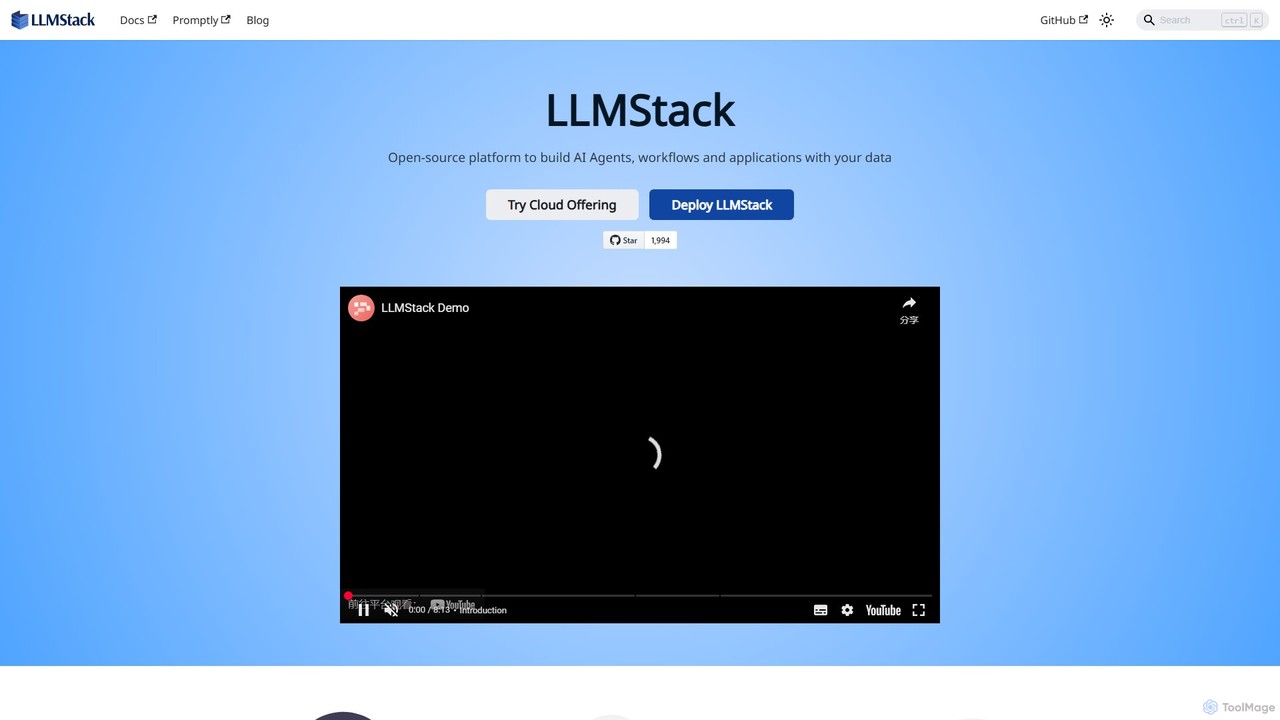
LLMStack is a no-code/low-code platform for building and deploying AI agents and applications. It specializes in Retrieval-Augmented Generation (RAG), allowing users to connect their own data to powerful LLMs like GPT, Gemini, and Claude to create custom chatbots, search tools, and more, with collaborative features.

Knowledge Base
Visits 10.4KFavorites 146Likes 176
SAP Conversational AI
Freemium

SAP Conversational AI

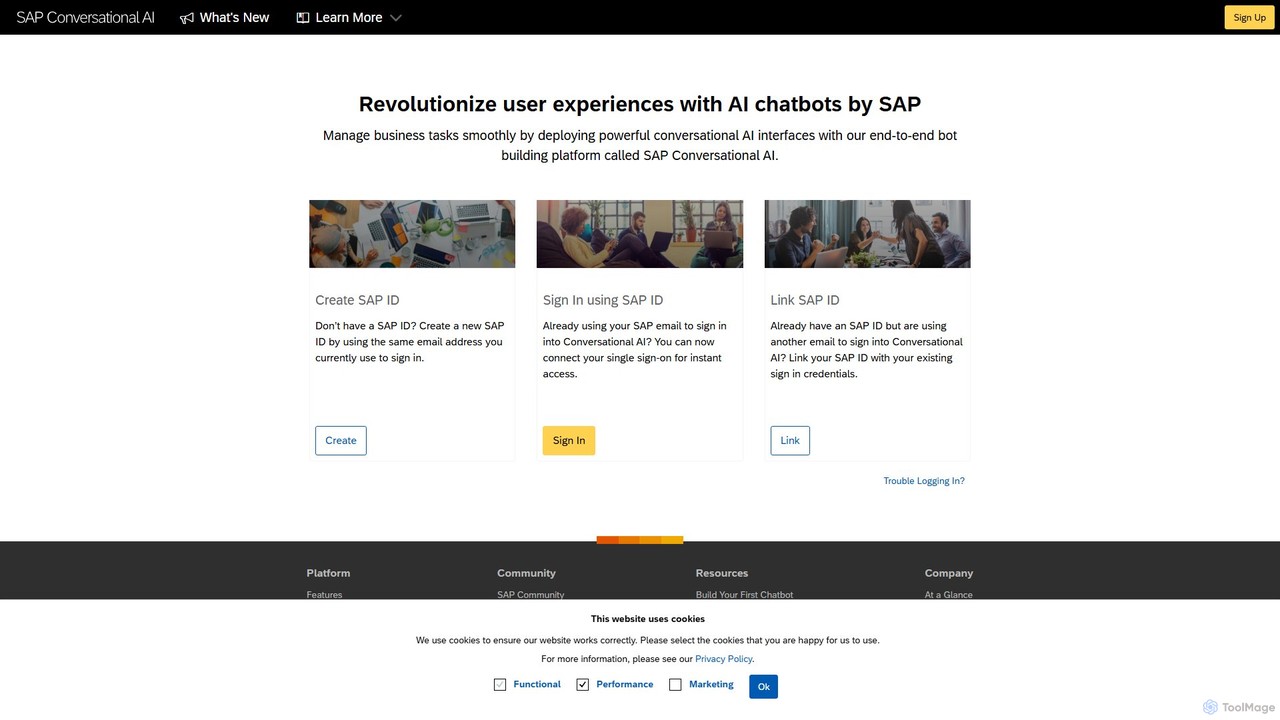
An end-to-end, low-code chatbot building platform by SAP, designed for enterprises to create powerful conversational AI interfaces. It enables seamless integration with SAP and other business systems to automate tasks and enhance user experiences.

Chatbot
Visits 165.9KFavorites 142Likes 142
Swantide
Paid

Swantide

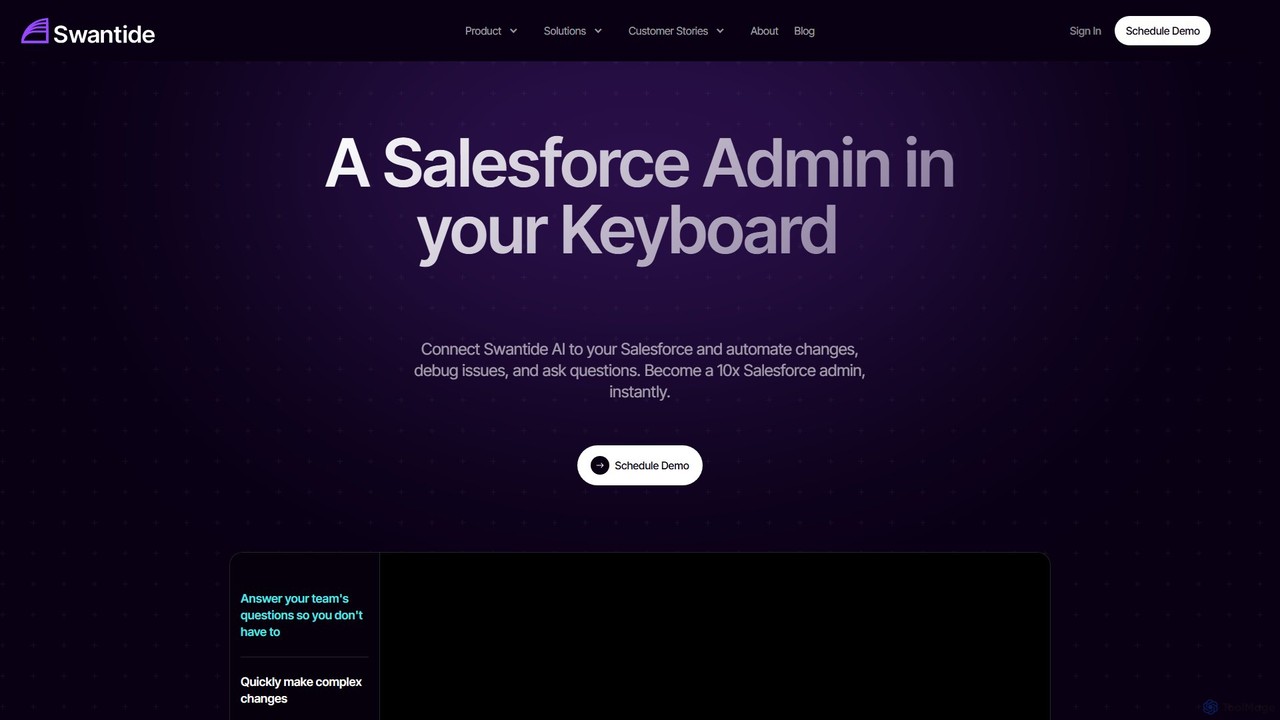
Swantide is an AI-powered platform that acts as a Salesforce administrator in your keyboard. It automates complex changes, debugs issues, answers team questions, and automatically generates documentation for your Salesforce instance. It's designed to make Salesforce admins, RevOps, and sales teams significantly more efficient, turning them into 10x performers.

Sales
Visits 9.9KFavorites 120Likes 137
n8nChat
Free

n8nChat

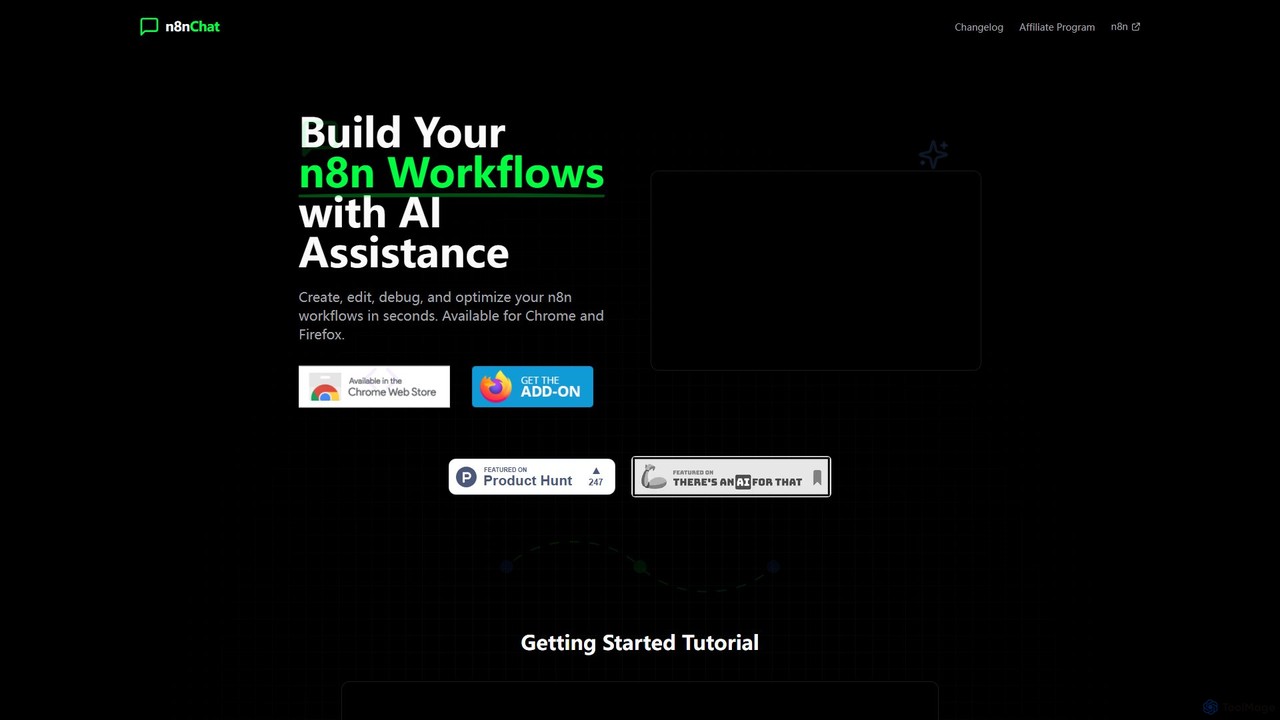
n8nChat is an AI-powered browser extension for Chrome and Firefox that accelerates n8n workflow creation. Describe your desired automation in natural language, and the AI will build, edit, debug, and optimize your workflows. It even generates custom JavaScript for Code nodes, making powerful automation accessible to everyone.

Ai Assistant
Visits 59.7KFavorites 167Likes 167
Opera Neon
Paid

Opera Neon

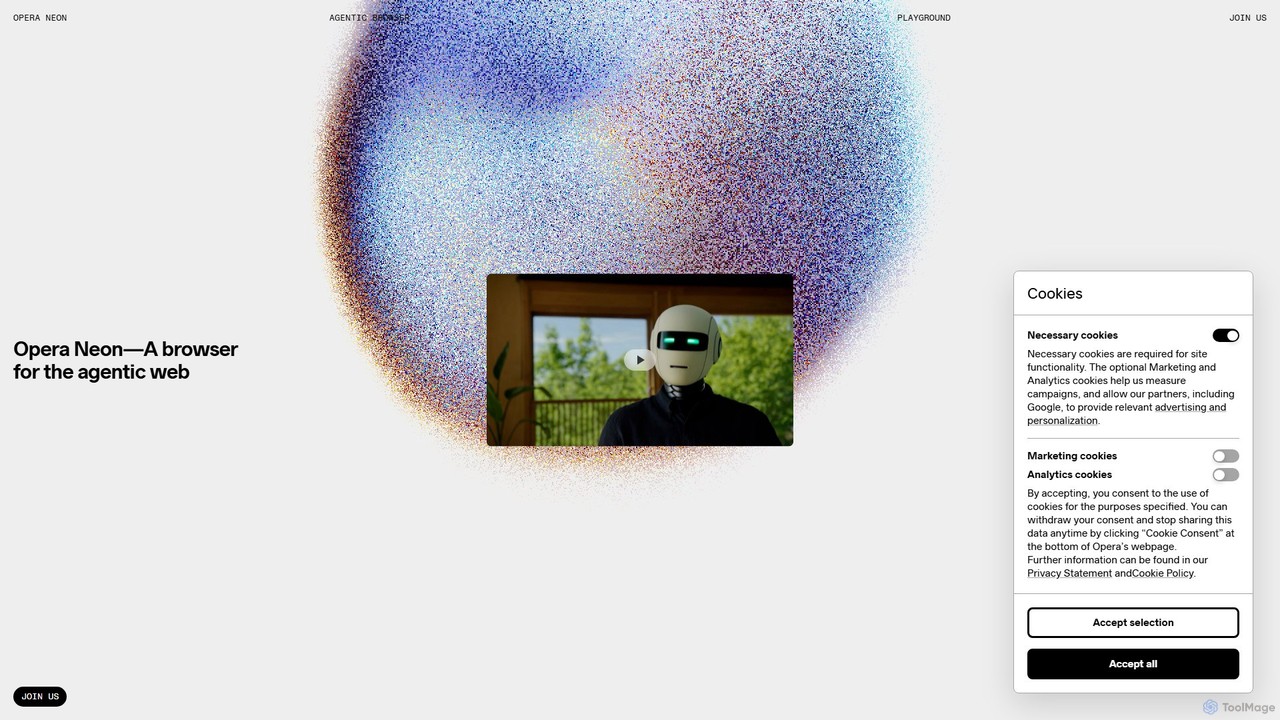
Opera Neon is a next-generation agentic AI browser designed to understand user intent, automate complex tasks, and create digital content. It integrates AI chat, task automation, and creative generation into a single, seamless browsing experience, acting as a proactive digital assistant.

Low Code No Code
Visits 298.6KFavorites 116Likes 115
sheeter
Paid

sheeter

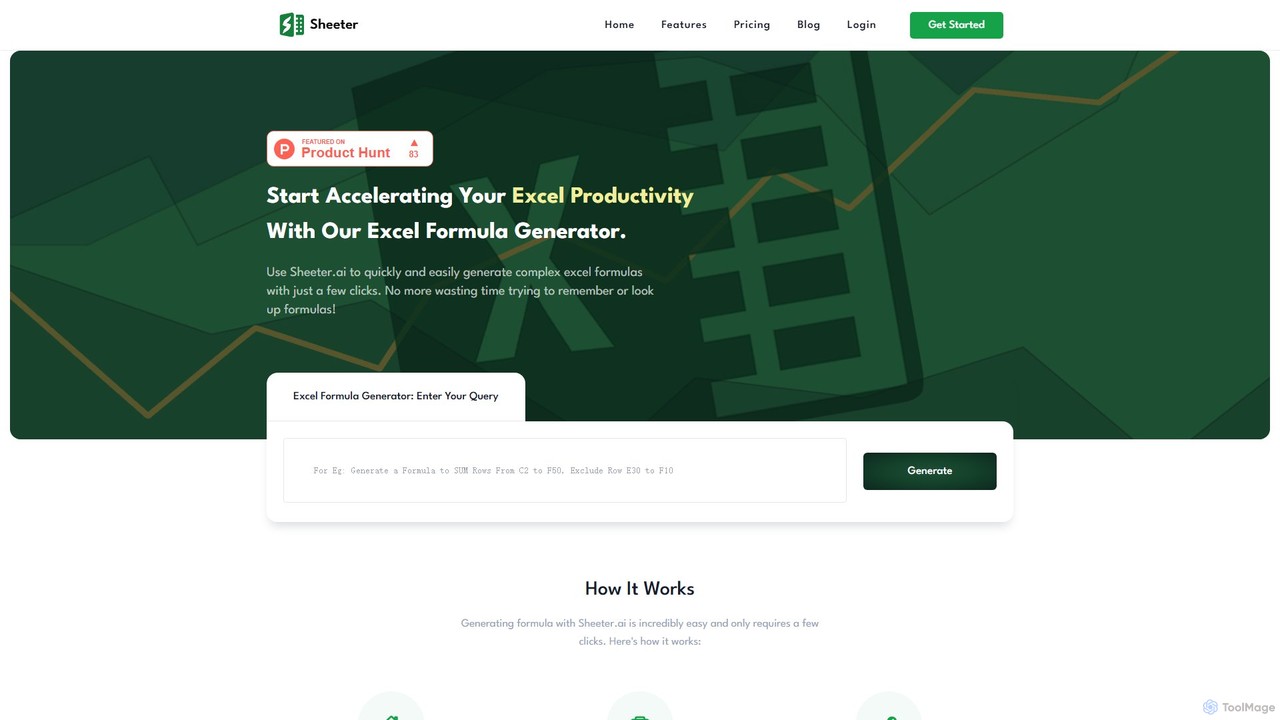
Sheeter is an AI-powered tool that generates complex formulas for Excel and Google Sheets from plain English descriptions. It also creates VBA scripts, Google Apps Scripts, and Regex, significantly boosting spreadsheet productivity and saving users time by eliminating the need to memorize or look up formulas.

Data Analysis
Visits 16.8KFavorites 147Likes 153

About Low Code No Code

Low Code No Code (LCNC) platforms are a category of developer tools that enable users to build applications and automate processes with minimal or no traditional programming. These tools leverage visual interfaces, drag-and-drop functionality, and pre-built components, significantly accelerating development cycles. LCNC empowers both professional developers and citizen developers to create custom software solutions, enhancing agility and reducing reliance on extensive coding expertise.

Core Features

  • Visual Development Interface: Provides intuitive drag-and-drop editors for designing user interfaces and application logic.
  • Pre-built Components & Templates: Offers ready-to-use modules, widgets, and templates for common functionalities and industry-specific solutions.
  • Workflow Automation: Enables the creation of automated business processes and data flows without writing code.
  • Data Integration: Facilitates seamless connection with various databases, APIs, and third-party services.
  • Deployment & Hosting: Simplifies the process of publishing and managing applications across different environments.

Applicable Scenarios

LCNC tools are ideal for businesses seeking rapid digital transformation, allowing them to quickly respond to market changes and internal needs. They are widely adopted for automating repetitive tasks, building custom internal tools, and developing customer-facing applications. From small startups to large enterprises, LCNC accelerates innovation across various departments.

How to Choose

When selecting an LCNC platform, consider its scalability for future growth, the breadth of its integration ecosystem with existing systems, and the level of customization it allows. Evaluate the learning curve for your team, the vendor's support and community, and the overall pricing model, including licensing and deployment costs, to ensure it aligns with your project's complexity and budget.

Featured tool rankings

Low Code No Code use cases

1

Automating Internal Business Processes

An HR manager needs to streamline the employee onboarding process, which involves multiple forms, approvals, and system updates. Using an LCNC platform, they can visually design a workflow that automatically sends welcome emails, triggers IT provisioning requests, collects necessary documents, and updates employee records across different systems, reducing manual effort and errors.

2

Developing Custom Departmental Applications

A marketing team requires a simple project tracking tool tailored to their specific campaign stages and reporting needs, which off-the-shelf solutions don't fully meet. With an LCNC tool, a citizen developer within the team can quickly build a custom application with drag-and-drop components, enabling them to manage tasks, track progress, and generate reports without relying on IT resources.

3

Creating Customer Self-Service Portals

A small e-commerce business wants to offer customers a portal to track orders, manage subscriptions, and access FAQs without overwhelming their support team. An LCNC platform allows them to rapidly develop a secure, user-friendly web portal with pre-built components for user authentication, order display, and knowledge base integration, significantly improving customer experience.

4

Rapid Prototyping and MVP Development

A startup founder has an innovative app idea but needs to validate it quickly with potential users before investing heavily in full-stack development. Leveraging an LCNC platform, they can build a functional Minimum Viable Product (MVP) or prototype in days or weeks, allowing them to gather early feedback, iterate rapidly, and secure funding with a tangible product.

5

Building Data Collection and Reporting Tools

A field sales team needs a mobile application to efficiently collect customer feedback and sales data during visits, which then feeds into a central dashboard. An LCNC tool enables the creation of custom mobile forms with offline capabilities and automated data synchronization, providing real-time insights for management and eliminating manual data entry.

6

Integrating Disparate SaaS Applications

An operations team uses several SaaS tools (e.g., CRM, ERP, project management) that don't natively communicate, leading to data silos and manual data transfer. An LCNC integration platform allows them to visually connect these applications, creating automated data flows and synchronizations between them, ensuring data consistency and eliminating repetitive tasks without custom API coding.

Low Code No Code FAQ

What are Low Code No Code (LCNC) platforms?

Low Code No Code (LCNC) platforms are development environments that allow users to create software applications with minimal or no manual coding. They achieve this through visual interfaces, drag-and-drop functionality, and pre-built components. LCNC tools democratize app development, enabling a broader range of users, including business analysts and citizen developers, to build custom solutions faster and more efficiently.

How do Low Code and No Code differ?

Low Code platforms require some basic coding knowledge, offering more flexibility and customization options for professional developers to extend functionality. No Code platforms, conversely, require absolutely no coding, relying entirely on visual configuration and pre-built modules, making them accessible to business users. No Code is faster for simpler applications, while Low Code suits more complex, integrated solutions.

Who benefits most from using Low Code No Code tools?

LCNC tools primarily benefit citizen developers, small to medium-sized businesses, and enterprise IT departments. Citizen developers can quickly build solutions for their specific departmental needs without IT backlog. SMBs can rapidly digitize operations without large development teams. Enterprise IT can accelerate application delivery, reduce shadow IT, and focus on more complex, strategic projects.

What are the main advantages of Low Code No Code development?

The main advantages include significantly faster application development and deployment, reduced development costs, and increased agility to respond to business needs. LCNC also lowers the technical barrier to entry, empowering more people to create software. This leads to improved collaboration between business and IT, and a quicker time-to-market for new digital solutions.

What are the potential limitations of Low Code No Code platforms?

While powerful, LCNC platforms can have limitations such as potential vendor lock-in, where migrating applications to a different platform can be challenging. They might also offer limited customization for highly unique or complex requirements that fall outside the platform's pre-built capabilities. Scalability for extremely large-scale, high-performance applications can sometimes be a concern, and security considerations need careful management within the platform's framework.