Best of the Year 21 results Manufacturing AI Tools

Popular AI tools in the Manufacturing field include Soff.ai、Carbonfact、Covariant、Overview.ai、Intelgic、SwitchOn、Mercura、Sorting Robotics、Berkshire Grey、Averroes, etc., helping you quickly improve efficiency.

Xolver

Xolver

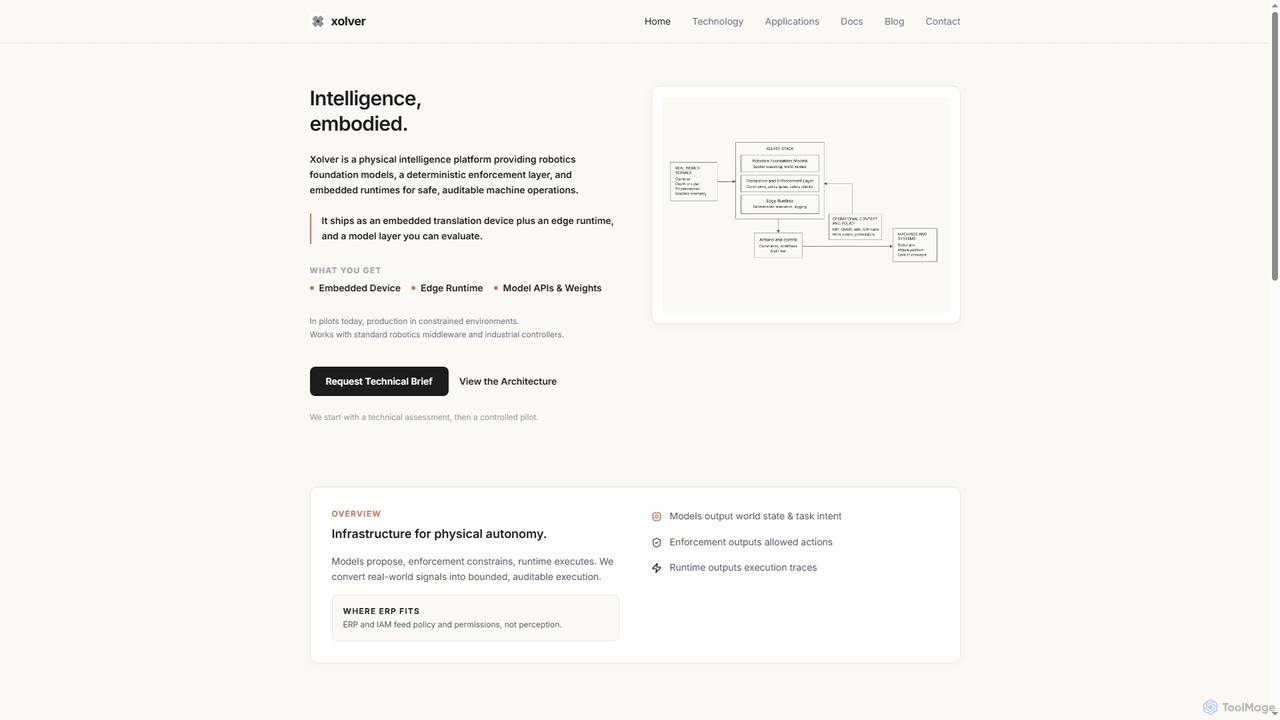
Xolver is a physical intelligence platform designed for robotics, providing foundation models, a deterministic enforcement layer, and embedded …

2.5K
SwitchOn

SwitchOn

SwitchOn is an AI-powered quality inspection platform for manufacturers, leveraging advanced computer vision to ensure zero-defect production. It …

19.2K
Locaxion

Locaxion

Locaxion is a vendor-agnostic provider of Real-Time Location Systems (RTLS) and Digital Twin solutions. With over 15 years …

8.2K
Overview.ai

Overview.ai

Overview.ai provides a next-generation AI industrial vision system, the OV20i, designed for high-accuracy defect detection in manufacturing. Leveraging …

24.1K
Sorting Robotics

Sorting Robotics

Sorting Robotics provides advanced automation and robotic solutions for the cannabis industry. Designed by ex-NASA engineers, their systems …

13.7K
Berkshire Grey

Berkshire Grey

Berkshire Grey delivers AI-powered robotic solutions to automate supply chain operations for retail, e-commerce, and logistics. Their systems …

11.8K
Vendra

Vendra

Vendra is an AI-powered marketplace that connects businesses with a network of verified American manufacturers for custom parts. …

7.3K
twinsync

twinsync

An AI-powered platform for creating and managing Digital Twins of physical assets, processes, and systems. TwinSync enables real-time …

2.4K
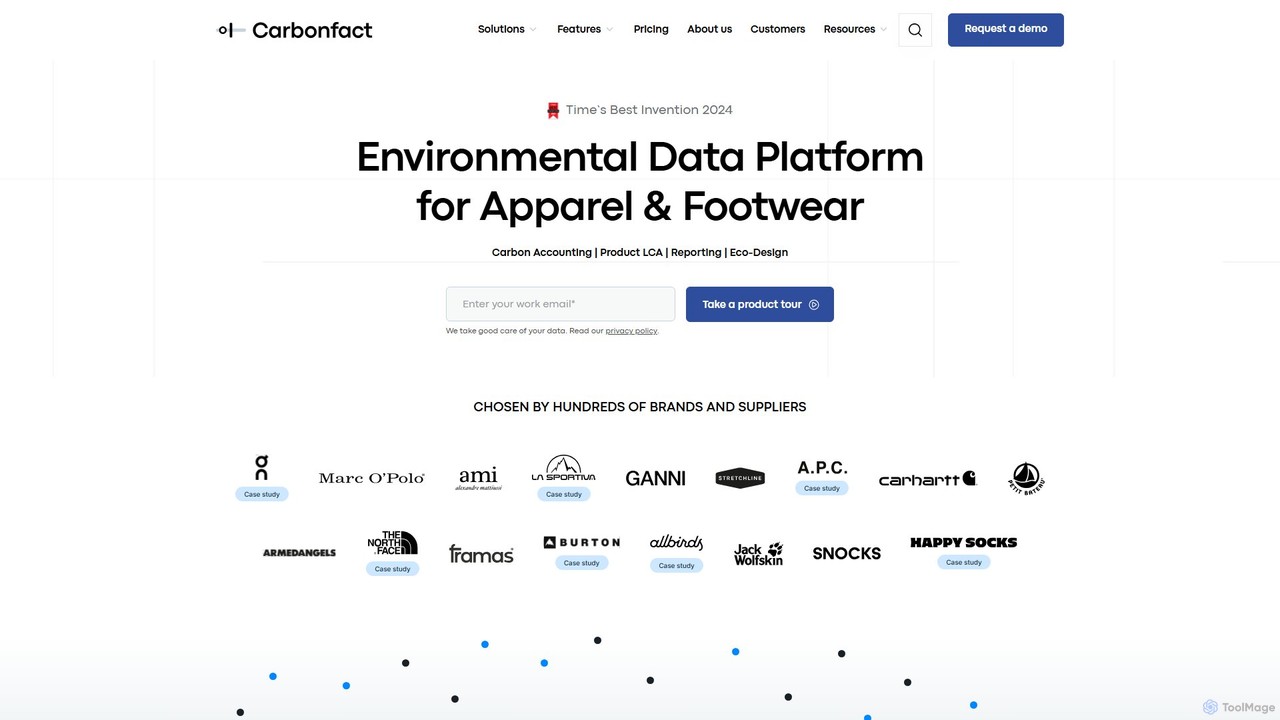
Carbonfact

Carbonfact

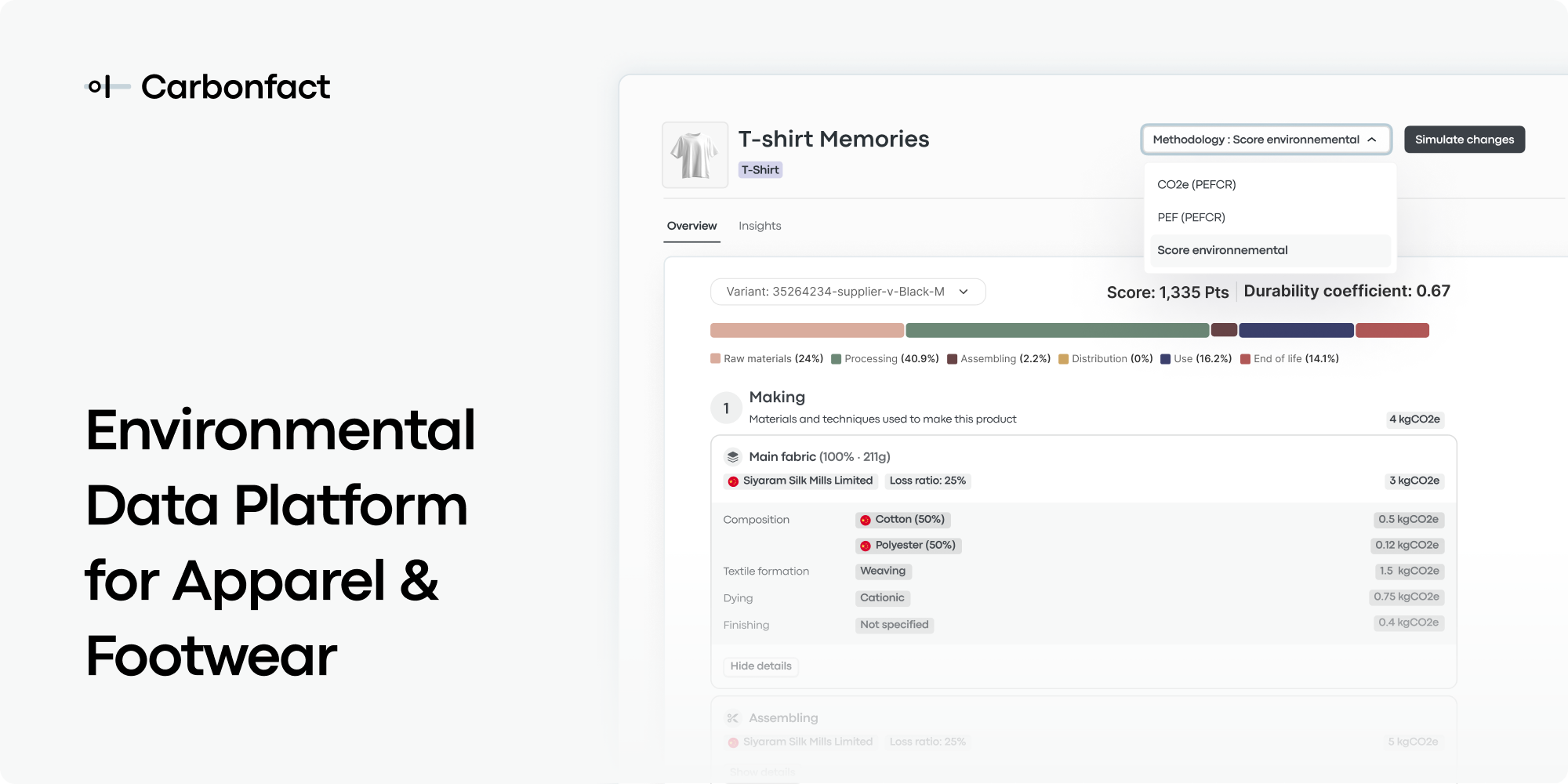
Carbonfact is an AI-powered sustainability platform specifically for the apparel and footwear industry. It automates carbon accounting, product …

30.2K
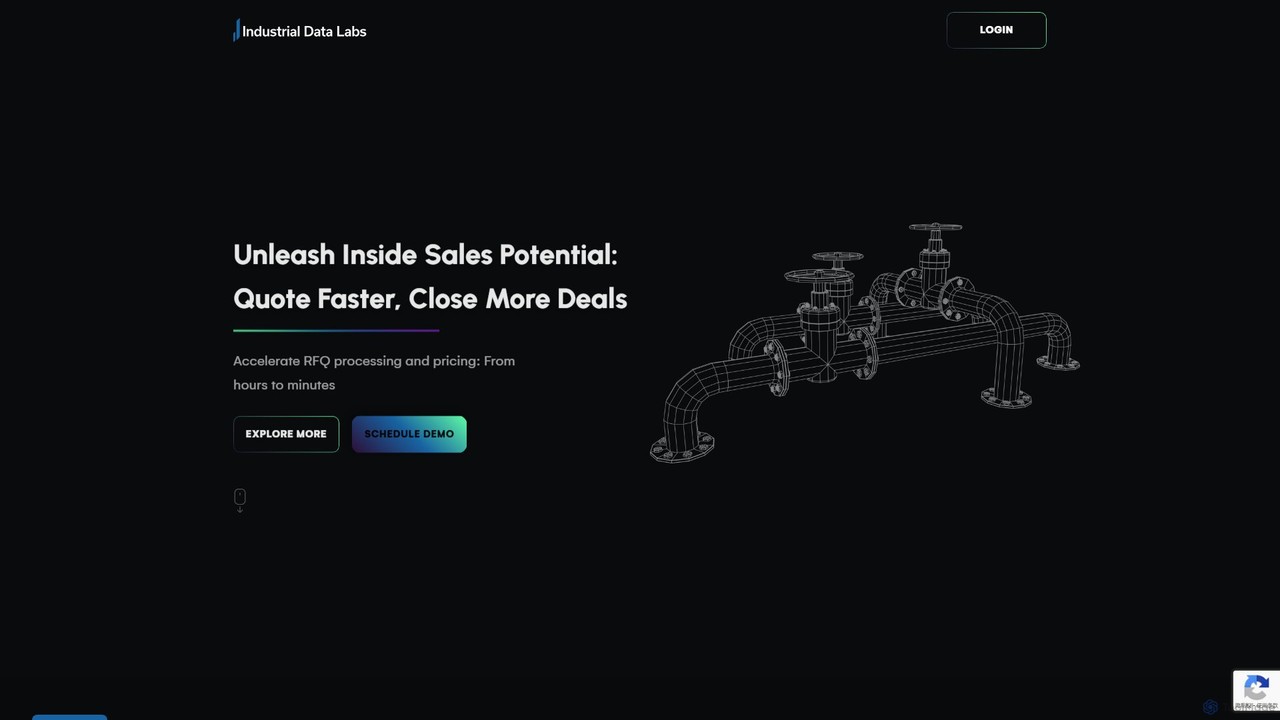
Industrial Data Labs

Industrial Data Labs

Industrial Data Labs (IDL) provides an AI-powered platform specifically designed for the industrial sector, focusing on the Pipe, …

2.5K
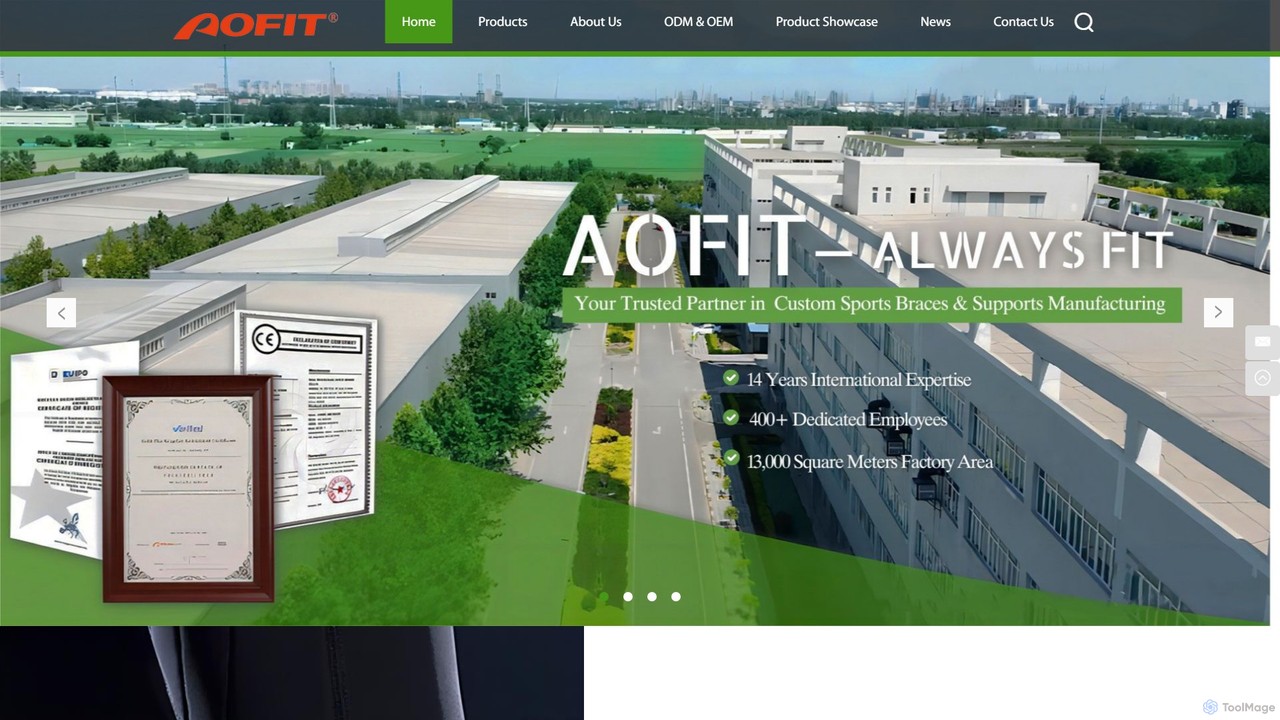
aofithealthcare

aofithealthcare

AOFIT is a leading OEM/ODM manufacturer specializing in high-quality healthcare and sports support products. They offer custom design, …

3.6K
Afterquote

Afterquote

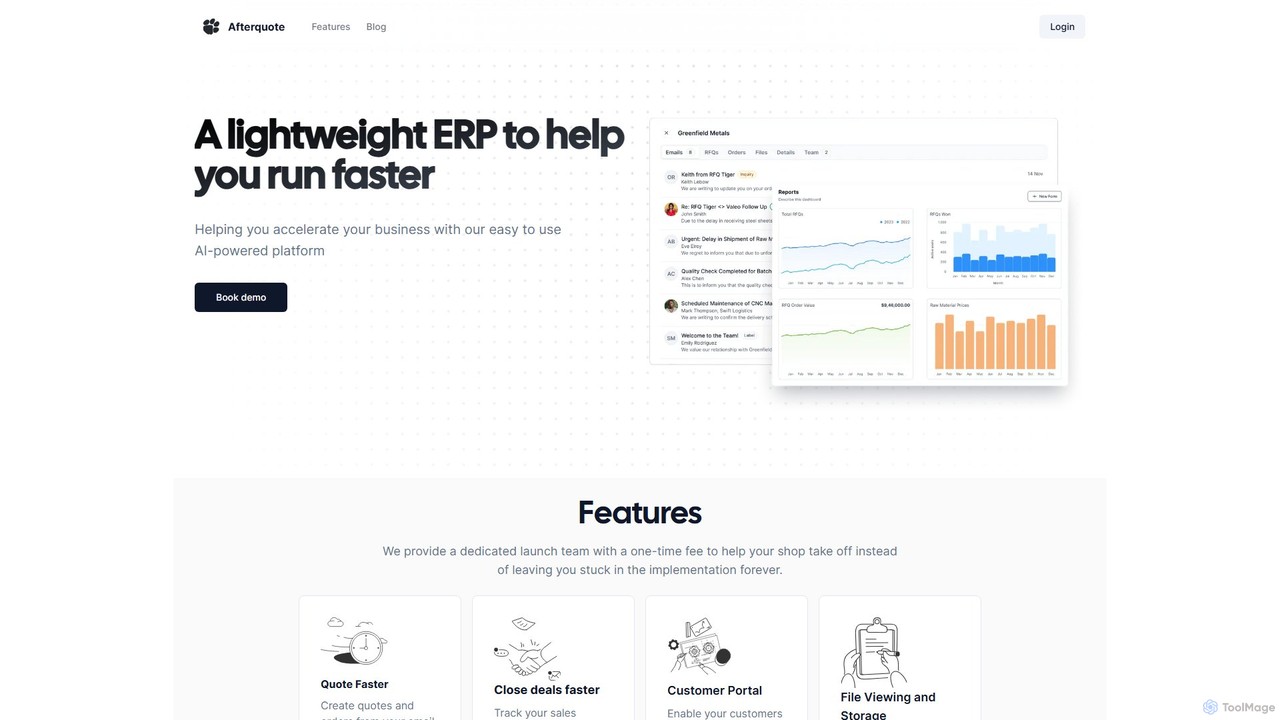
Afterquote is a lightweight, AI-powered ERP platform designed for manufacturing businesses, particularly in metal fabrication. It streamlines operations …

2.5K
Nanotronics

Nanotronics

Nanotronics is an industrial AI company providing an advanced platform for autonomous manufacturing. It combines AI, computer vision, …

3.3K
Averroes

Averroes

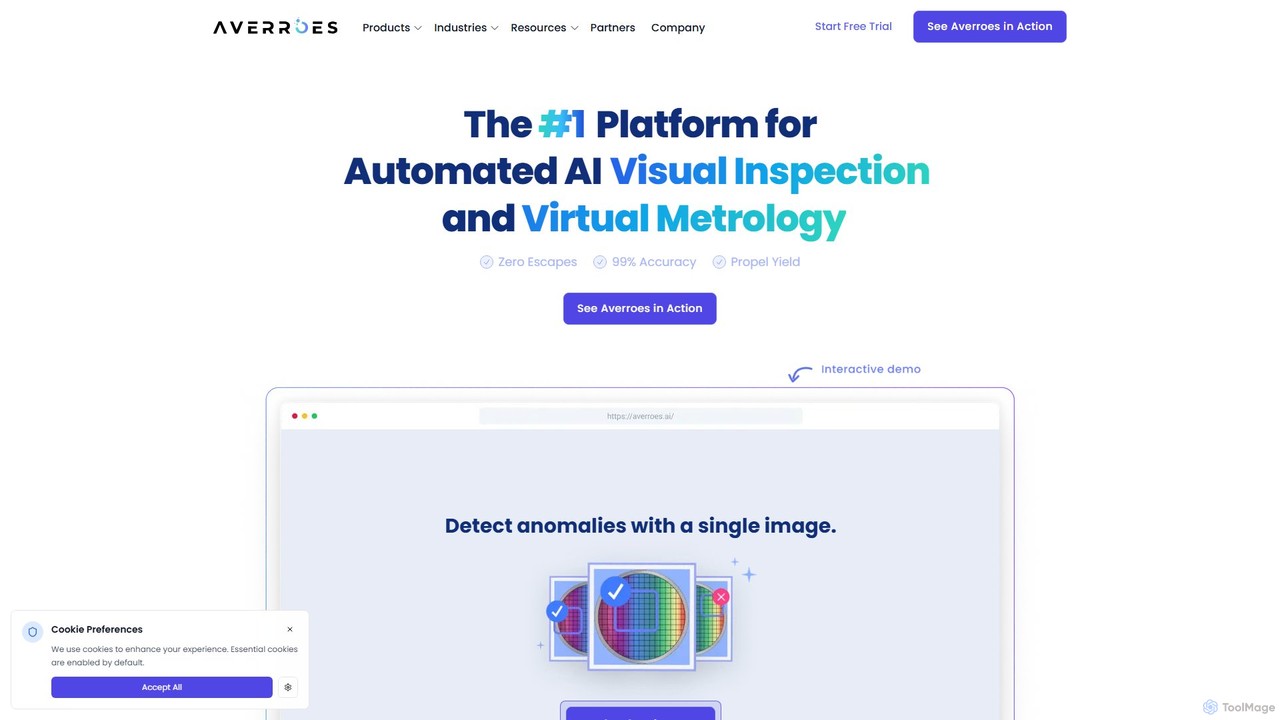
Averroes is a no-code AI platform for automated visual inspection and virtual metrology in manufacturing. It delivers over …

9.5K
Green Bio Tech

Green Bio Tech

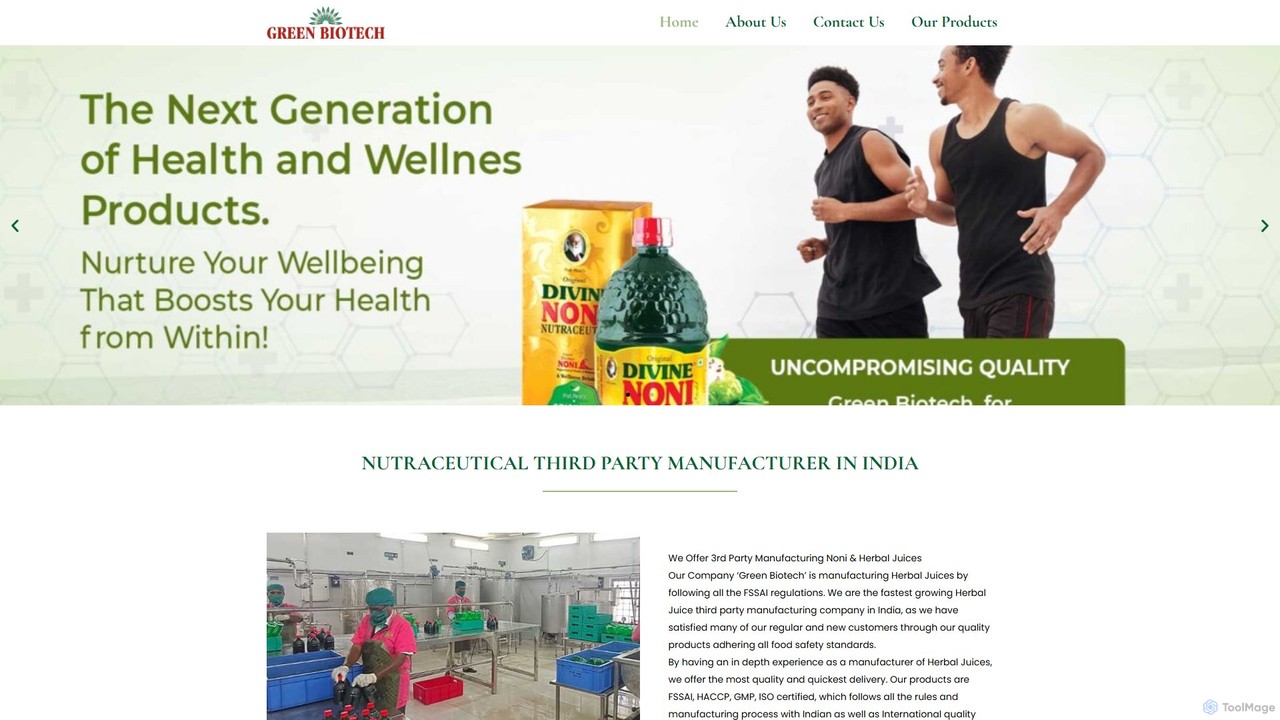
Green Bio Tech is an AI-powered platform for the nutraceutical industry, specializing in the development and third-party manufacturing …

2.5K
Covariant

Covariant

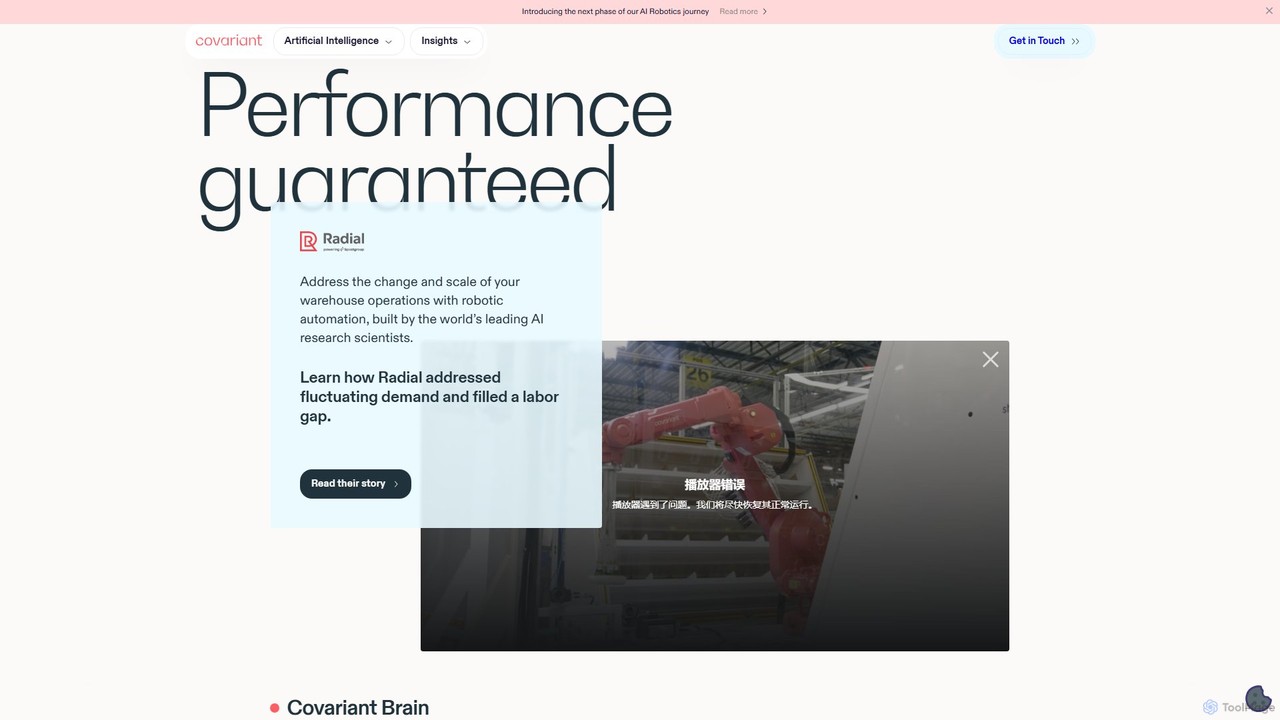
Covariant provides an advanced AI robotics platform, the Covariant Brain, designed to automate warehouse operations. Powered by Robotics …

25.2K
Mercura

Mercura

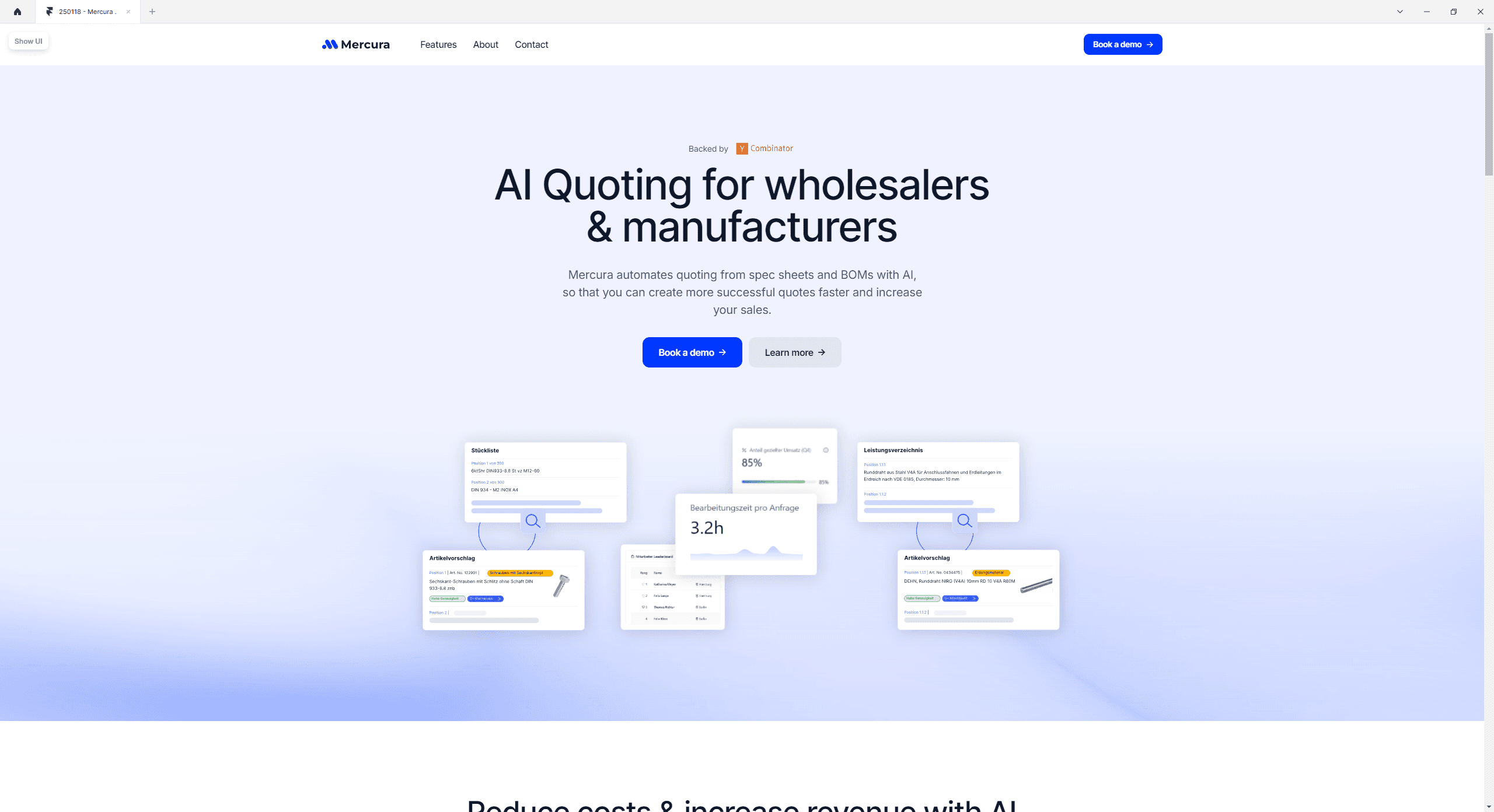
Mercura is an AI-powered platform designed for wholesalers and manufacturers to automate the quoting process. It intelligently processes …

14.7K
Intelgic

Intelgic

Intelgic provides comprehensive AI-powered machine vision solutions for industrial automation. Specializing in high-speed, high-precision defect detection, their system …

23.8K
Tangle

Tangle

Tangle is an AI-powered Manufacturing ERP platform designed to be as flexible and easy to use as a …

5.7K
Soff.ai

Soff.ai

Soff.ai is a quote intelligence platform for manufacturers, using AI to automate quoting, analyze sales data, and increase …

33.8K
Artwo

Artwo

Artwo is a pioneering Robotics as a Service (RaaS) platform offering on-demand access to advanced humanoid robots. It …

2.5K

About Manufacturing

AI Manufacturing tools are a class of software and systems that leverage artificial intelligence to optimize, automate, and enhance industrial production processes. These tools utilize technologies like machine learning, computer vision, and predictive analytics to interpret vast amounts of data from sensors, cameras, and enterprise systems. This enables manufacturers to significantly improve operational efficiency, reduce product defects, predict equipment failures before they occur, and build more agile and resilient supply chains.

Core Features

  • Predictive Maintenance: Analyzes real-time equipment data to forecast potential failures and schedule maintenance proactively, minimizing downtime.
  • AI-Powered Quality Control: Employs computer vision to automatically inspect products on the assembly line, identifying defects with greater speed and accuracy than human inspection.
  • Process Optimization: Uses machine learning models to analyze production variables and recommend optimal settings for energy consumption, material usage, and output.
  • Supply Chain Management: Provides advanced demand forecasting, inventory optimization, and logistics planning to reduce costs and improve delivery times.
  • Generative Design: Creates and refines product designs based on specified constraints like weight, material, and performance, accelerating innovation.

Use Cases

AI Manufacturing tools are widely adopted in sectors such as automotive, aerospace, electronics, pharmaceuticals, and consumer goods. They are used by process engineers to fine-tune production lines, quality assurance managers to automate inspection, and supply chain planners to forecast demand with high accuracy.

How to Choose

When selecting an AI Manufacturing tool, consider its integration capabilities with your existing Manufacturing Execution Systems (MES) and ERP software. Evaluate the tool's data processing power, scalability to handle your production volume, and the specific problem it solves (e.g., quality control vs. predictive maintenance). Also, assess the level of technical support and expertise provided by the vendor.

ManufacturingUse Cases

1

Automated Visual Quality Inspection on Production Lines

A quality assurance manager in an electronics manufacturing facility is tasked with reducing the defect rate for microchips. Instead of relying on manual inspection, which is slow and prone to error, they implement an AI-powered visual inspection system. High-resolution cameras capture images of each chip on the conveyor belt, and a computer vision model, trained on thousands of examples, instantly identifies microscopic cracks, misalignments, or soldering errors. This system inspects hundreds of units per minute with over 99% accuracy, allowing for immediate removal of faulty products and providing data to pinpoint the root cause of defects in the production process.

2

Predictive Maintenance for Industrial Machinery

A maintenance engineer at an automotive plant needs to prevent unexpected breakdowns of critical robotic arms on the assembly line, as downtime can cost thousands of dollars per minute. They deploy an AI predictive maintenance tool that connects to sensors on the robots, monitoring variables like vibration, temperature, and motor current. The AI model analyzes these data streams in real-time to detect subtle anomalies that precede a failure. The system automatically generates a maintenance alert, specifying the likely issue and the recommended action, allowing the engineer to schedule repairs during planned downtime, thus preventing catastrophic failures and extending the machinery's lifespan.

3

AI-Driven Demand Forecasting for Supply Chains

A supply chain planner for a large consumer goods company struggles with accurately forecasting product demand, leading to either costly overstocking or lost sales from stockouts. By using an AI manufacturing tool for supply chain management, they can analyze historical sales data, market trends, weather patterns, and even social media sentiment. The machine learning model identifies complex patterns and generates highly accurate demand forecasts for each product line. This enables the planner to optimize inventory levels across warehouses, plan production schedules more effectively, and ensure product availability without tying up excess capital.

4

Generative Design for High-Performance Components

An aerospace design engineer is challenged with creating a new aircraft bracket that is significantly lighter than the current design without compromising strength or safety. Using an AI generative design tool, the engineer inputs the required parameters: material properties, load-bearing points, spatial constraints, and performance targets. The AI algorithm then explores thousands of possible geometric configurations, evolving the design to find the most optimal structure. The result is a complex, organic-looking bracket that is 30% lighter yet stronger than the original, which would be nearly impossible to conceive through traditional design methods.

5

Optimizing Energy Consumption in Manufacturing

A plant manager at a steel mill aims to reduce the facility's massive energy costs. They implement an AI-powered process optimization tool that monitors the electric arc furnaces, which are the largest consumers of electricity. The AI system analyzes real-time data on energy prices, production schedules, raw material composition, and furnace performance. It then provides recommendations for the most energy-efficient operational settings, such as adjusting heating cycles to coincide with lower electricity tariffs. This continuous optimization helps the plant reduce its overall energy consumption by over 10%, leading to significant financial savings and a smaller carbon footprint.

6

Enhancing Worker Safety with AI Monitoring

A safety officer in a heavy manufacturing environment wants to proactively prevent workplace accidents. They install an AI-powered safety monitoring system that uses existing security cameras. The computer vision model is trained to recognize unsafe conditions in real-time, such as workers not wearing personal protective equipment (PPE) like helmets or safety glasses, or employees entering restricted, high-risk zones. When the system detects a violation, it sends an immediate alert to the safety officer and the area supervisor, allowing for instant intervention before an accident can occur. This creates a safer working environment and helps enforce safety protocols consistently.

ManufacturingFrequently Asked Questions