ToolMage
Sign in

Best 91 No Code & Low Code AI tools

Popular No Code & Low Code AI tools include CrewAI, TestSprite, Nyckel, Lyzr, Xunfei Spark Agent Development Platform, Autify, Spheron, AITable.ai, ChatBotKit, and Rowboat, helping you work more efficiently.

autocoder
Freemium

autocoder

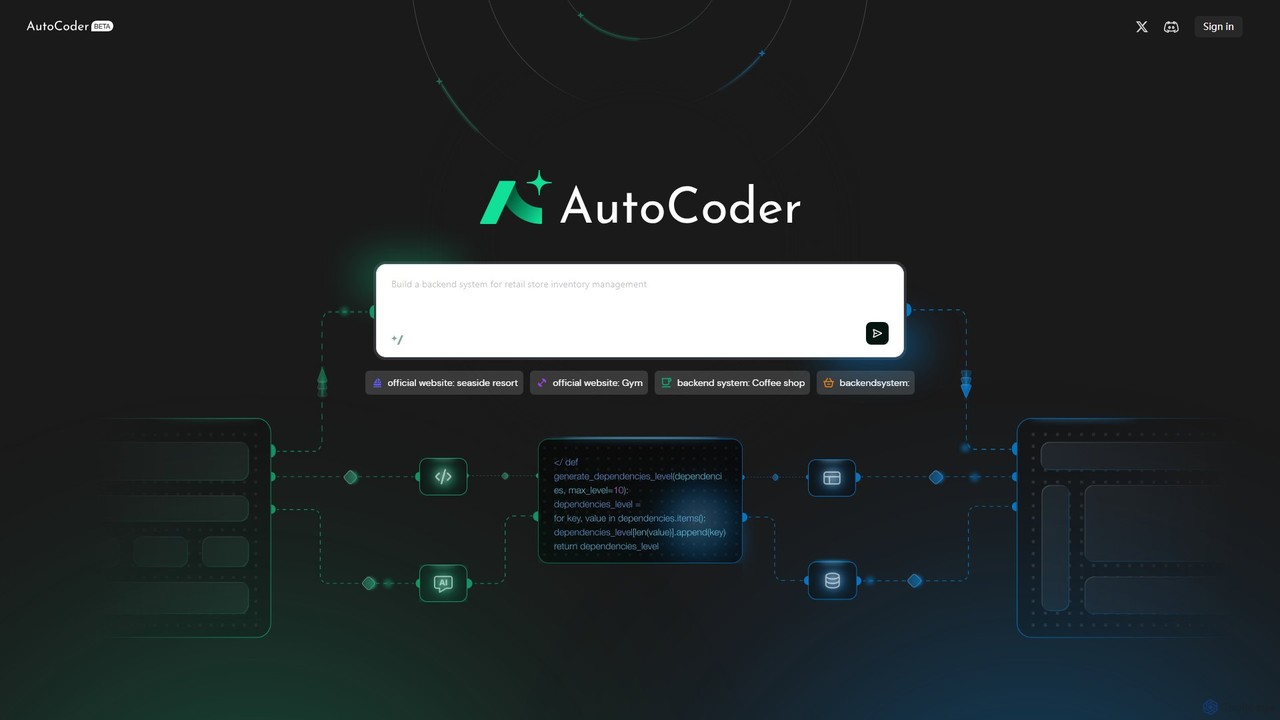
Autocoder is an AI-powered platform that transforms natural language prompts into high-quality, full-stack application code. Describe your website or backend system, and Autocoder generates the necessary frontend and backend components, accelerating development for everyone from entrepreneurs to experienced developers. Build prototypes, internal tools, or complete websites in minutes, not weeks.

Code Generation
Visits 45.4KFavorites 152Likes 174
Testbook.ai
Freemium

Testbook.ai

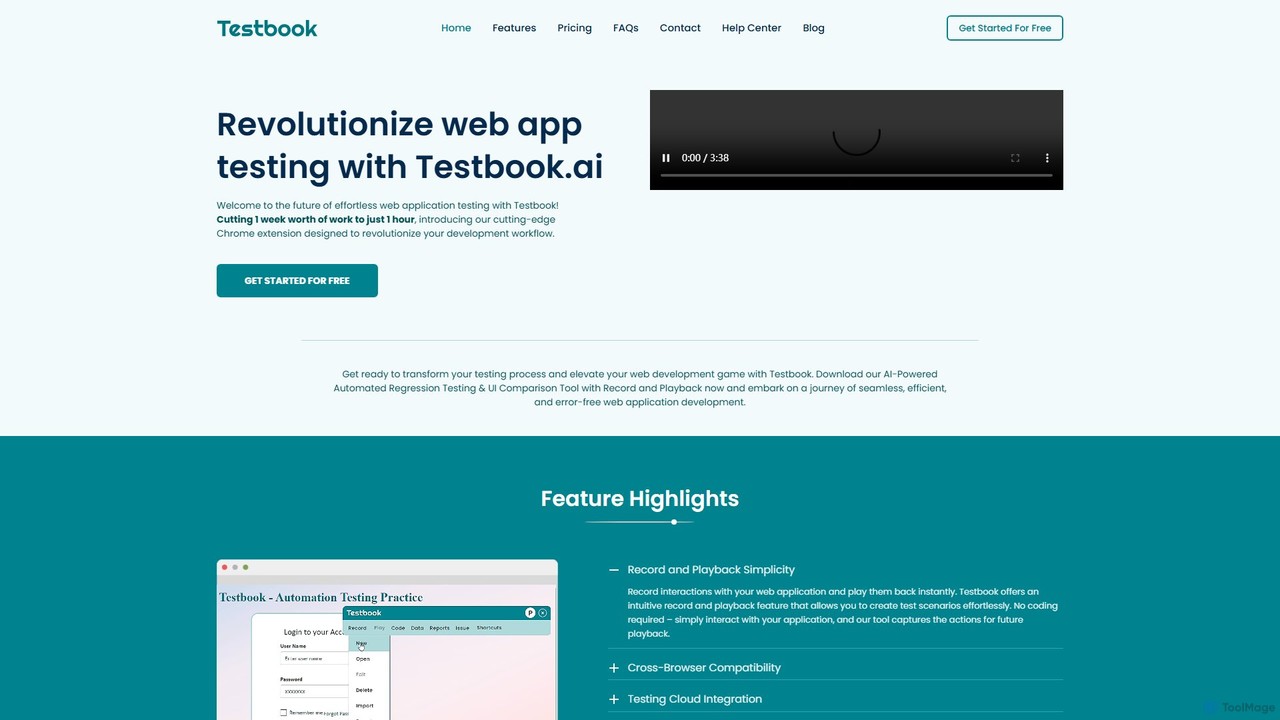
Testbook.ai is an AI-powered, no-code platform for automated web application testing. It uses a Chrome extension to record and playback user interactions, enabling rapid regression, UI, and cross-browser testing. Features include self-healing scripts, detailed reporting, and Jira integration to streamline development workflows.

Testing
Visits 8.2KFavorites 156Likes 137
Lyzr
Paid

Lyzr

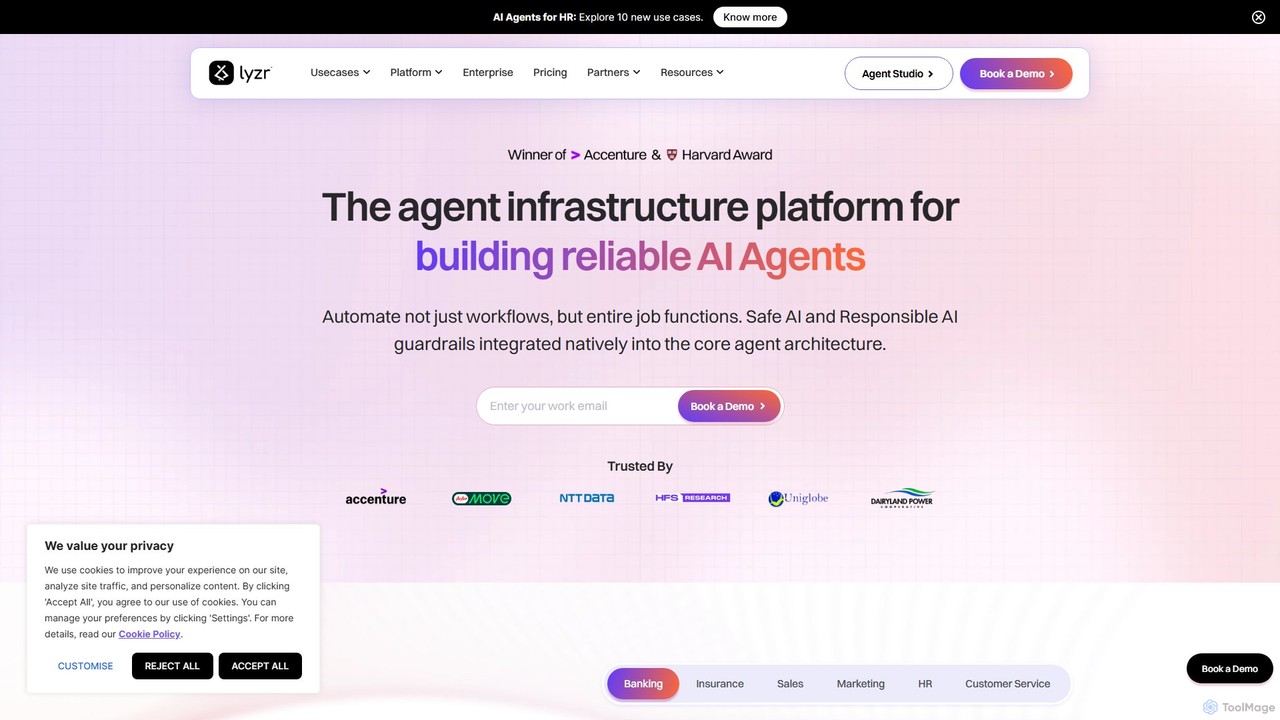
Lyzr is an enterprise-grade agent infrastructure platform designed for building, deploying, and managing a reliable AI workforce. It enables businesses to automate not just simple tasks but entire job functions through custom and pre-built AI agents, featuring robust security and responsible AI guardrails.

Enterprise Solutions
Visits 170.5KFavorites 111Likes 126
Spur
Paid

Spur

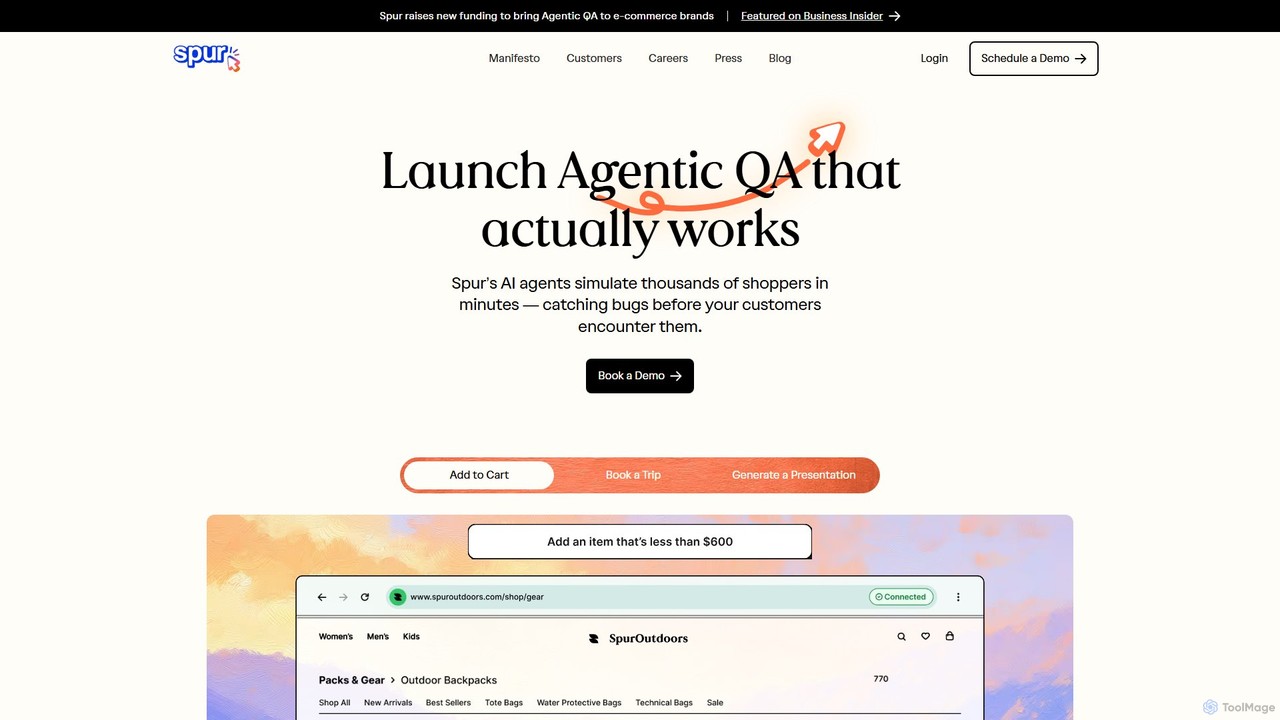
Spur is an AI QA engineer that automates software testing without any coding. Simply describe your test cases in plain English, and Spur's intelligent agent will execute them, identifying bugs that manual testing often misses. It's designed for fast-moving teams in e-commerce, travel, and B2C to ship products faster and with greater confidence. Spur's reliable, self-healing tests eliminate flakiness and reduce maintenance, allowing developers and QA teams to focus on building better products.

Testing
Visits 16.1KFavorites 122Likes 130
Ask On Data
Freemium

Ask On Data

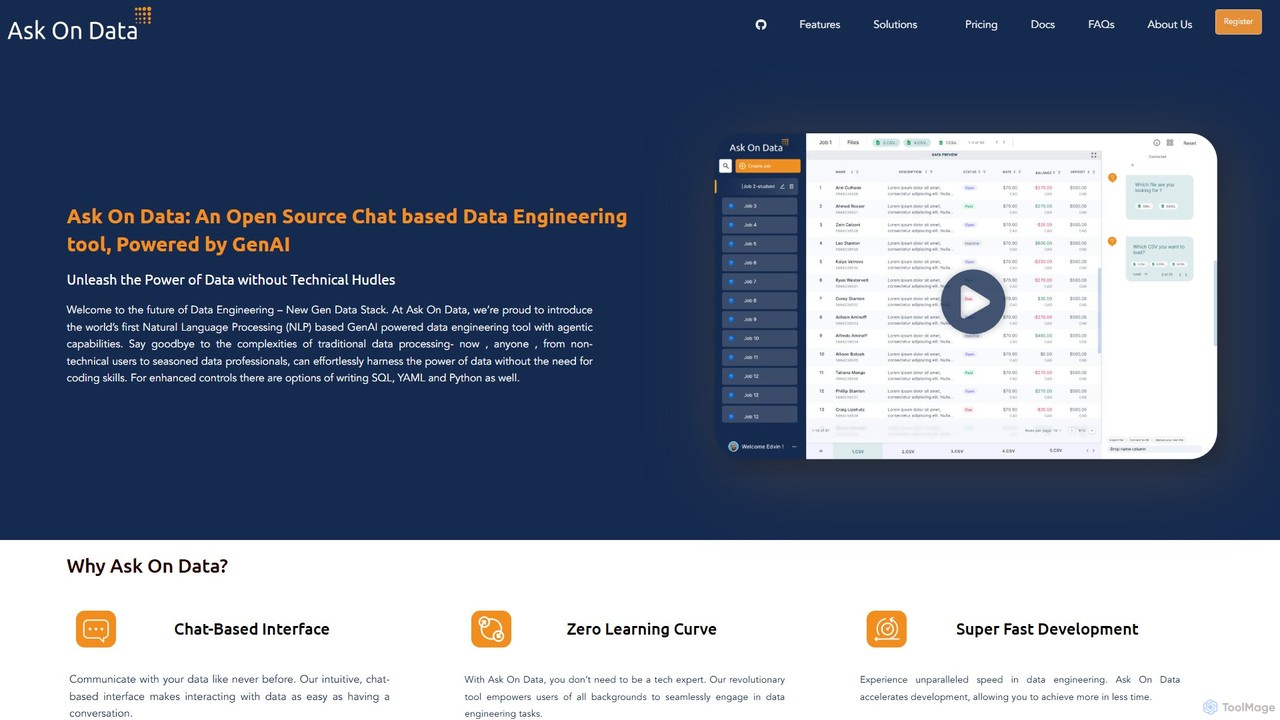
Ask On Data is an open-source, GenAI-powered data engineering tool that lets you build and manage data pipelines using a simple chat interface. By translating natural language commands into complex data operations, it eliminates the need for coding, making data engineering accessible to everyone. It supports various data sources, offers real-time previews, and provides both cloud-hosted and self-hosted options.

Etl
Visits 8.9KFavorites 147Likes 133
Docket

Docket

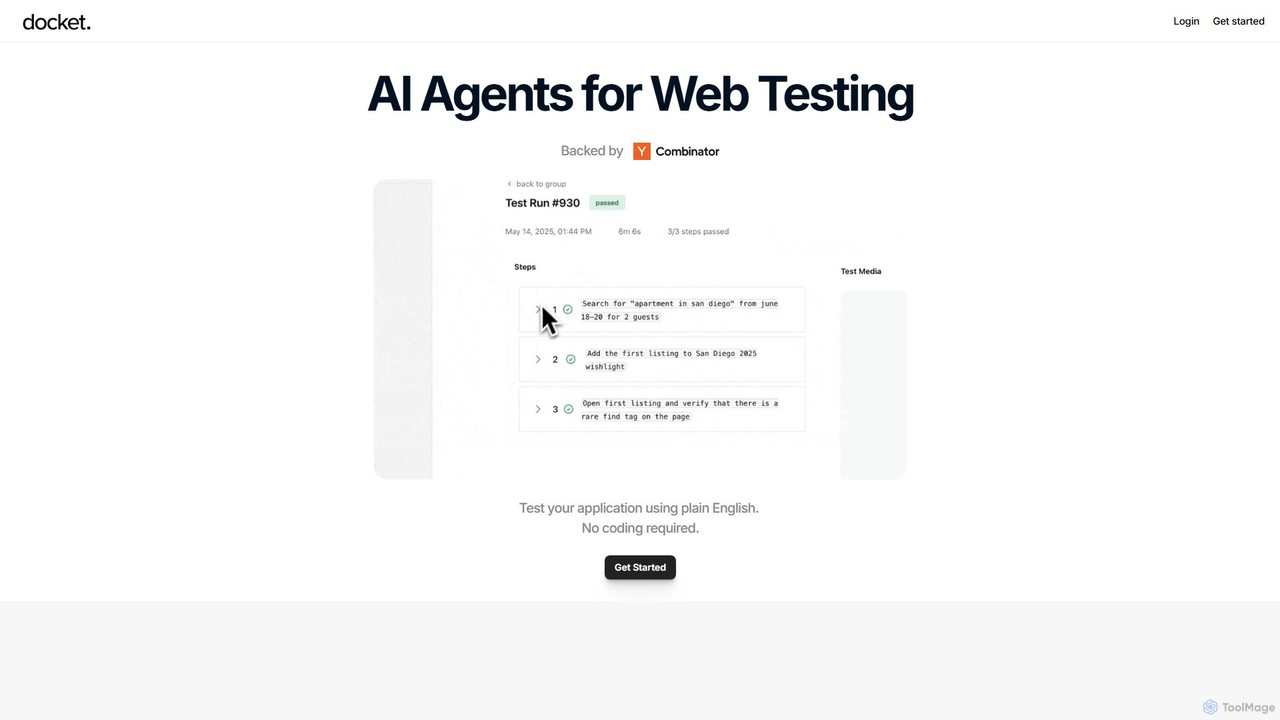
Docket is an AI-powered testing platform that uses intelligent agents to automate web application testing. It allows teams to create, maintain, and run tests using natural language, eliminating the need for complex code and brittle selectors. It visually interacts with applications, just like a human user.

Quality Assurance
Visits 11.1KFavorites 134Likes 131
nocodesites.ai
Freemium

nocodesites.ai

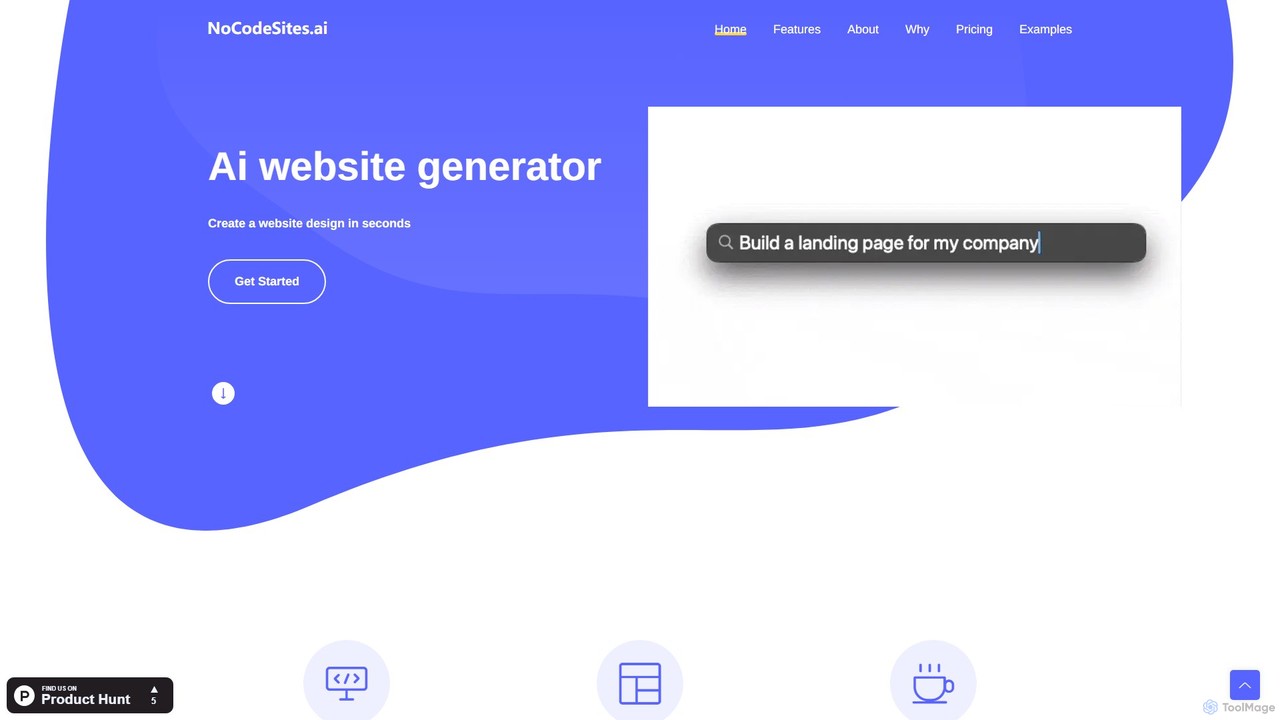
A powerful AI-driven website builder that transforms your text descriptions into fully functional websites in seconds. No coding required. Simply describe your desired site, and the AI will generate the design, layout, and even integrate necessary APIs for dynamic content like stock tickers or weather forecasts.

Platform
Visits 6.3KFavorites 158Likes 173
Rowboat
Freemium

Rowboat

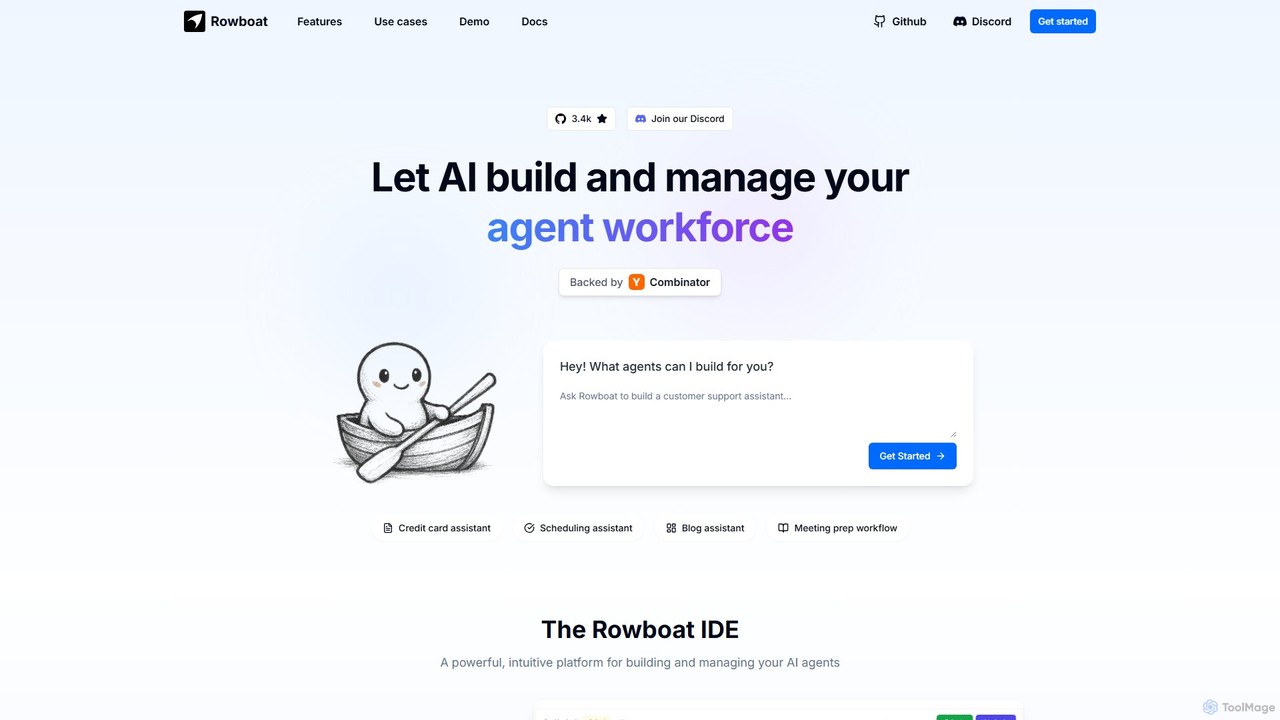
Rowboat is a powerful, AI-powered IDE for building, managing, and deploying complex multi-agent systems. Backed by Y Combinator, it allows users to describe workflows in plain English, and its AI copilot automatically generates the entire agent graph, including roles, prompts, and tool integrations. It's designed to simplify the creation of robust, real-world AI agents for productivity, e-commerce, support, and more, with features like open-source flexibility and support for over 100 LLMs.

Agent Builder
Visits 56.3KFavorites 137Likes 155
Tonkean
Paid

Tonkean

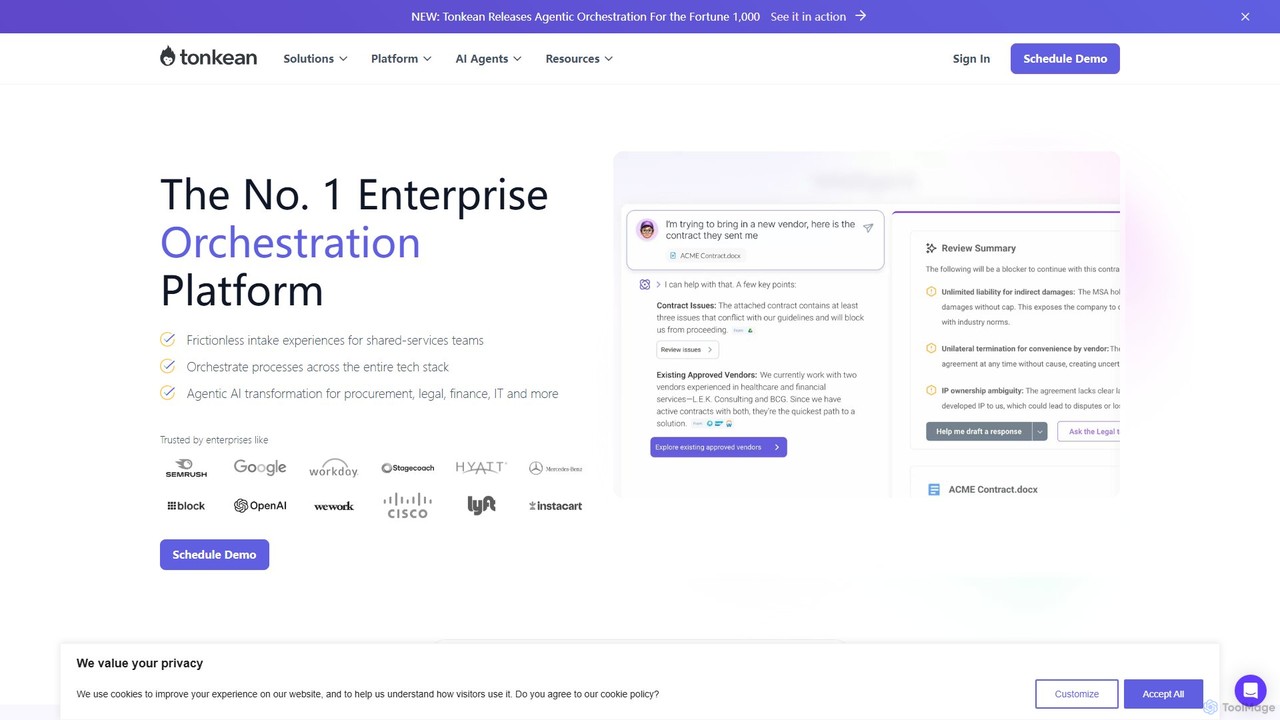
Tonkean is an AI-powered, no-code platform for enterprise process orchestration and intake management. It empowers operations teams to automate complex workflows, such as procurement and legal, by connecting existing systems and guiding employees through processes. Tonkean combines autonomous AI with rules-based logic to increase efficiency, ensure compliance, and accelerate business operations without writing a single line of code.

Workflow Automation
Visits 24.5KFavorites 157Likes 121
BlazeSQL
Freemium

BlazeSQL

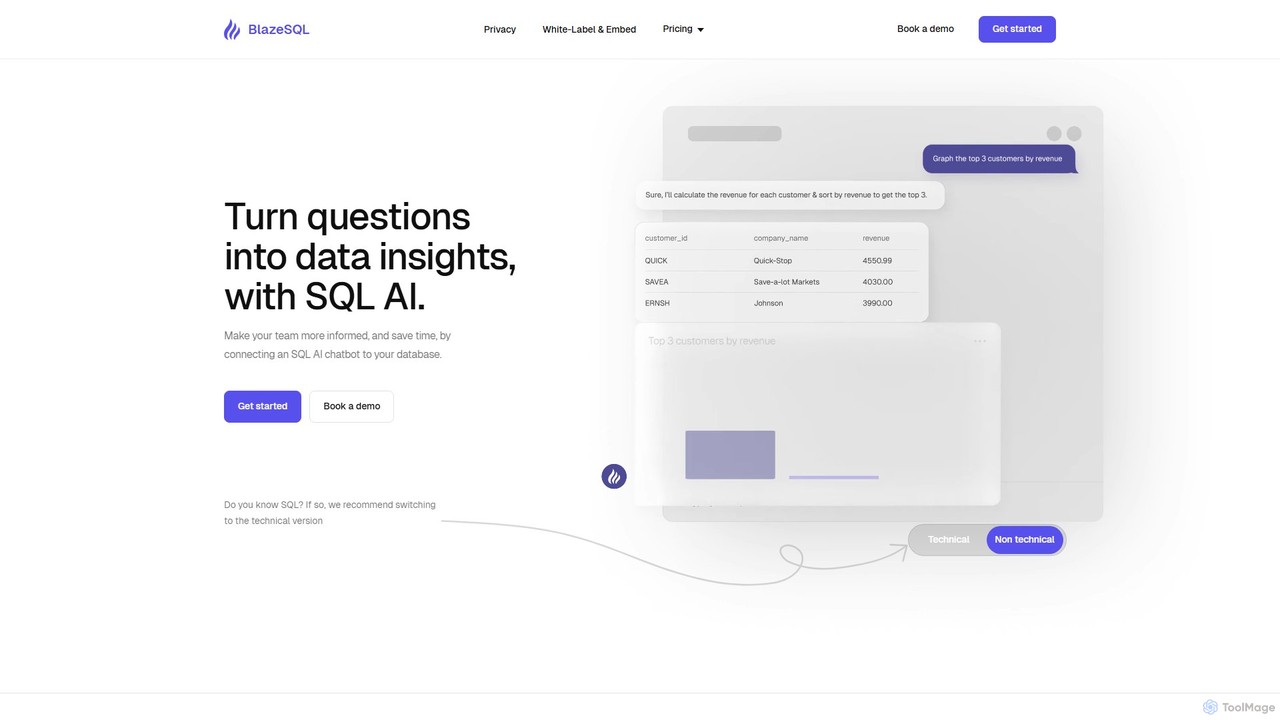
BlazeSQL is an AI-powered data analyst that connects to your database, allowing anyone on your team to ask questions in natural language and receive SQL queries, data insights, and visualizations in seconds. It streamlines data access, automates reporting, and empowers both technical and non-technical users to make data-driven decisions without needing to write code.

Analytics
Visits 29.8KFavorites 134Likes 126
echo.win
Freemium

echo.win

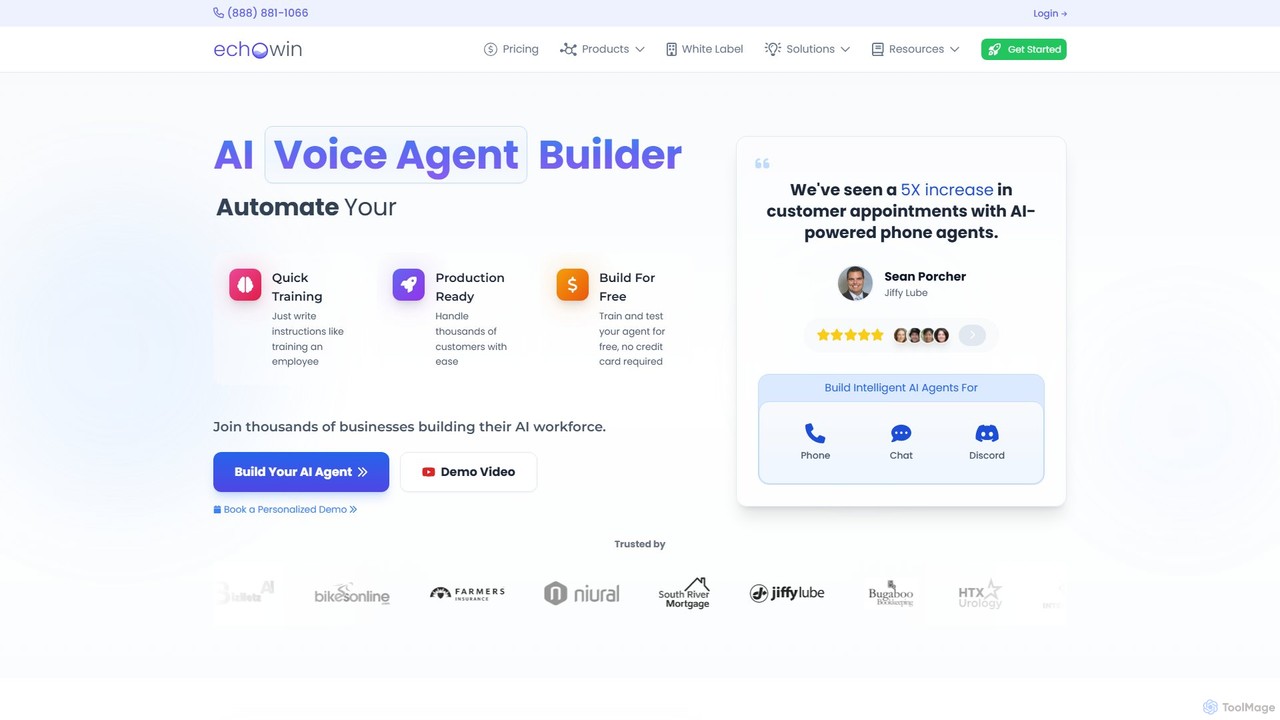
echo.win is a no-code platform for building and deploying intelligent AI voice agents. Automate customer support, schedule appointments, and handle inquiries 24/7 across phone, web chat, and Discord. Train agents with plain English, connect to your knowledge base, and integrate with over 8000 apps to streamline your business communications and workflows.

Voicebots
Visits 18.3KFavorites 130Likes 147
AnyAPI
Freemium

AnyAPI

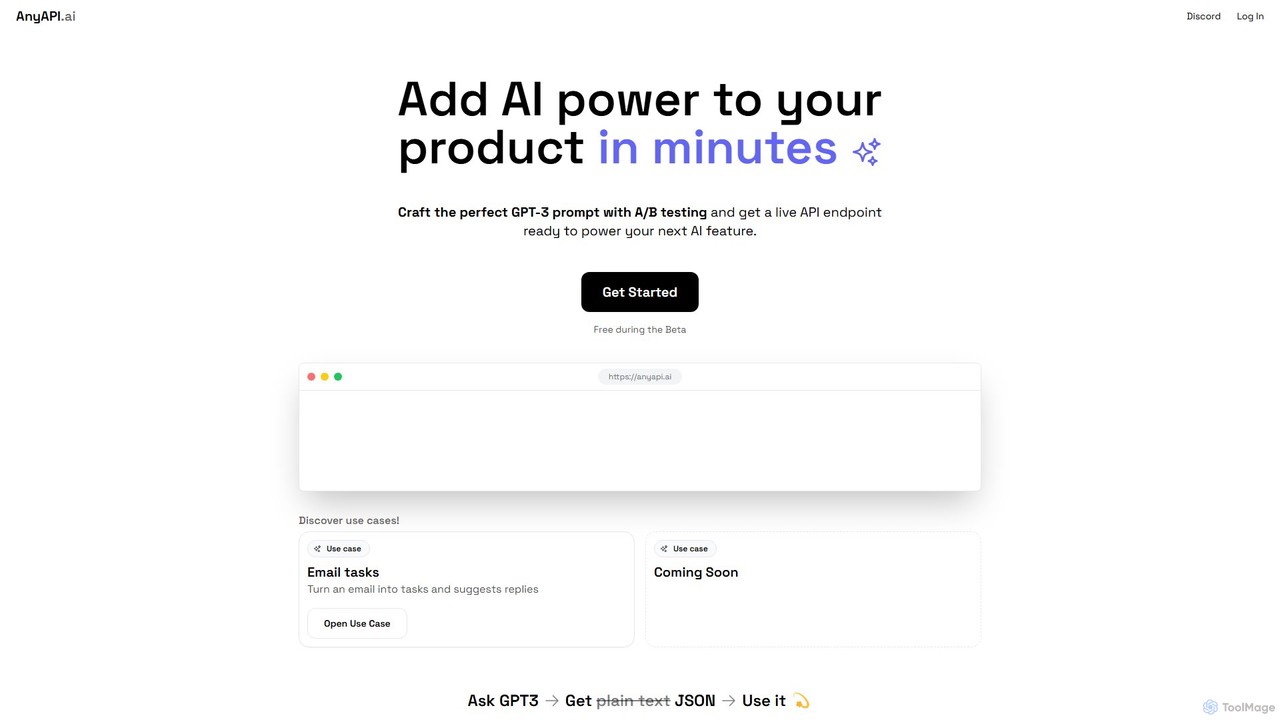
AnyAPI is a developer platform that enables you to add AI features to your product in minutes. It provides tools for crafting and A/B testing GPT-3 prompts, and instantly generates a live API endpoint for seamless integration. Simplify your AI development workflow and deploy powerful features without managing complex infrastructure.

Api
Visits 6.2KFavorites 123Likes 111
Lume AI
Paid

Lume AI

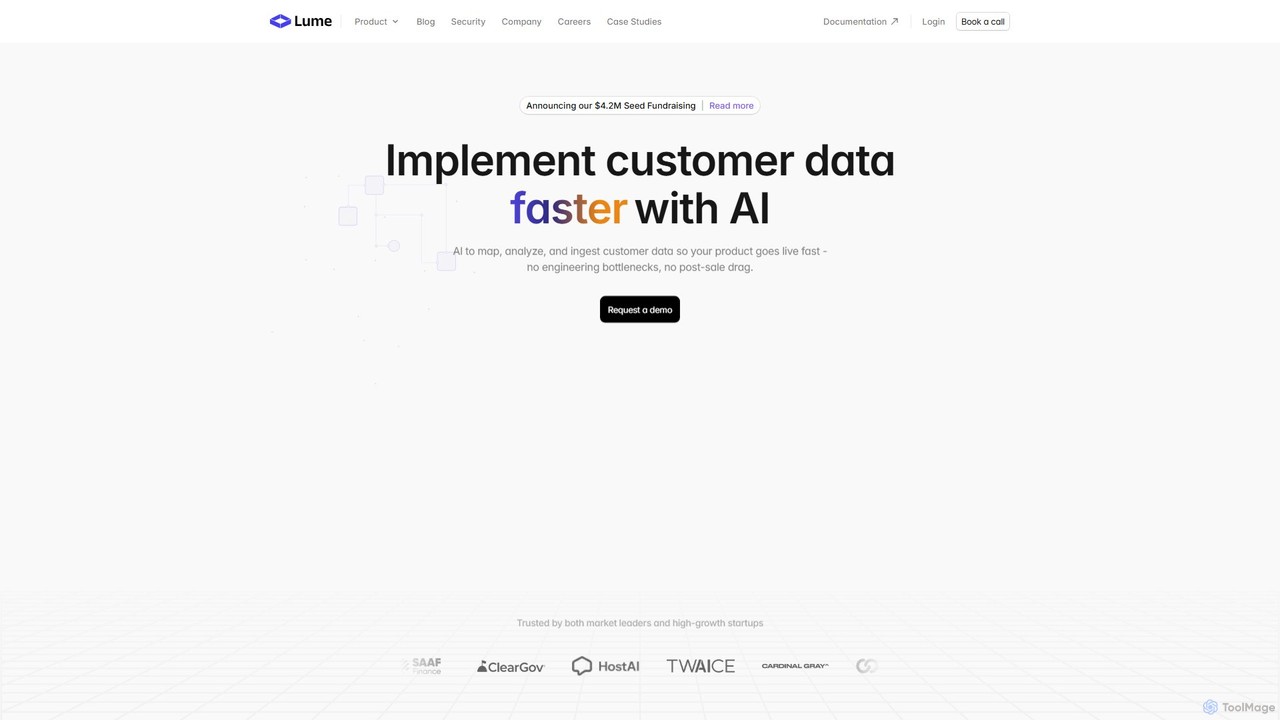
Lume AI is an AI-powered platform designed to automate and accelerate customer data implementation. It intelligently maps, analyzes, and ingests customer data, eliminating engineering bottlenecks and reducing onboarding time from weeks to days. By offering both a no-code interface and a flexible API, Lume AI helps businesses streamline data integration, normalize data from various sources, and manage complex data pipelines, allowing teams to focus on their core product value.

Data Management
Visits 21.9KFavorites 126Likes 134
table.studio
Freemium

table.studio

table.studio is an AI-powered data workspace that combines the simplicity of a spreadsheet with the power of a database and AI. Use natural language to query, analyze, and visualize your data, automating tedious tasks and uncovering insights instantly. It's designed for teams to collaborate on data projects in real-time.

Database Management
Visits 24.6KFavorites 140Likes 163
Respell
Freemium

Respell

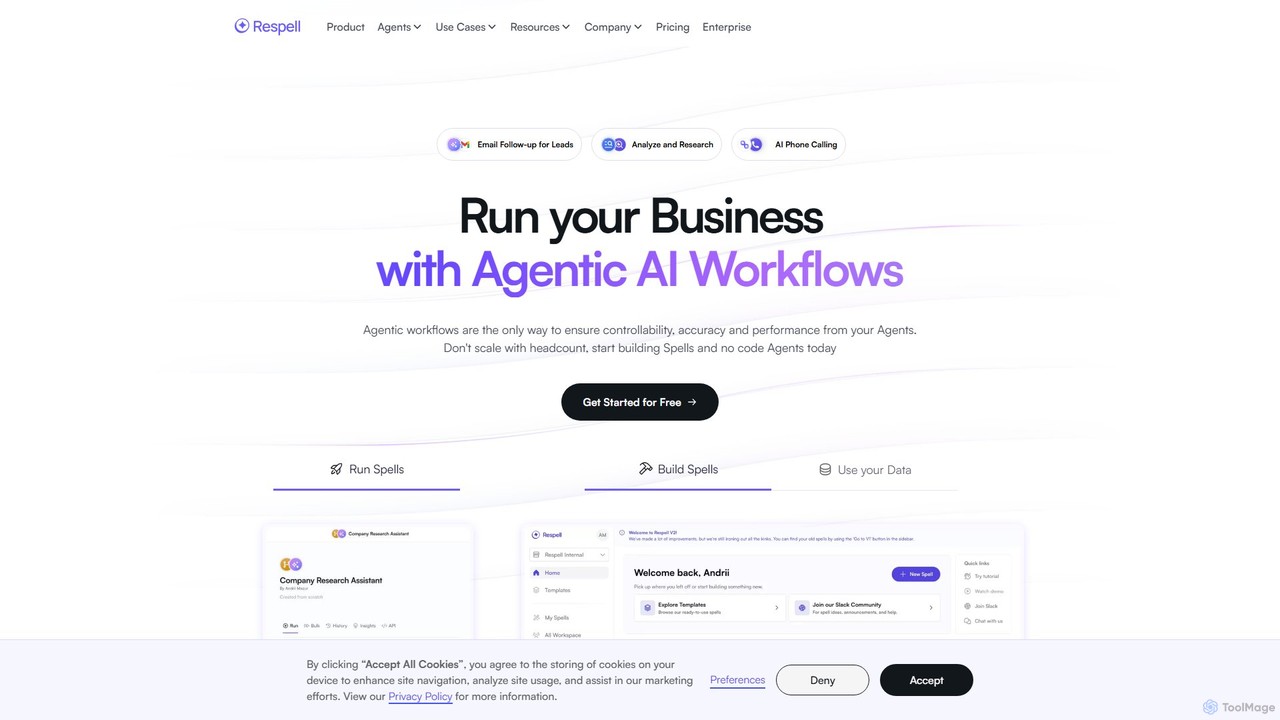
Respell is a no-code platform for building and deploying agentic AI workflows to automate complex business processes. It integrates with hundreds of apps like Salesforce and Slack, allowing teams in sales, marketing, and support to automate tasks like lead generation, data analysis, and customer outreach, thereby increasing efficiency and reducing manual work.

Workflow Management
Visits 8.1KFavorites 134Likes 147
Launchpad Stack
Paid

Launchpad Stack

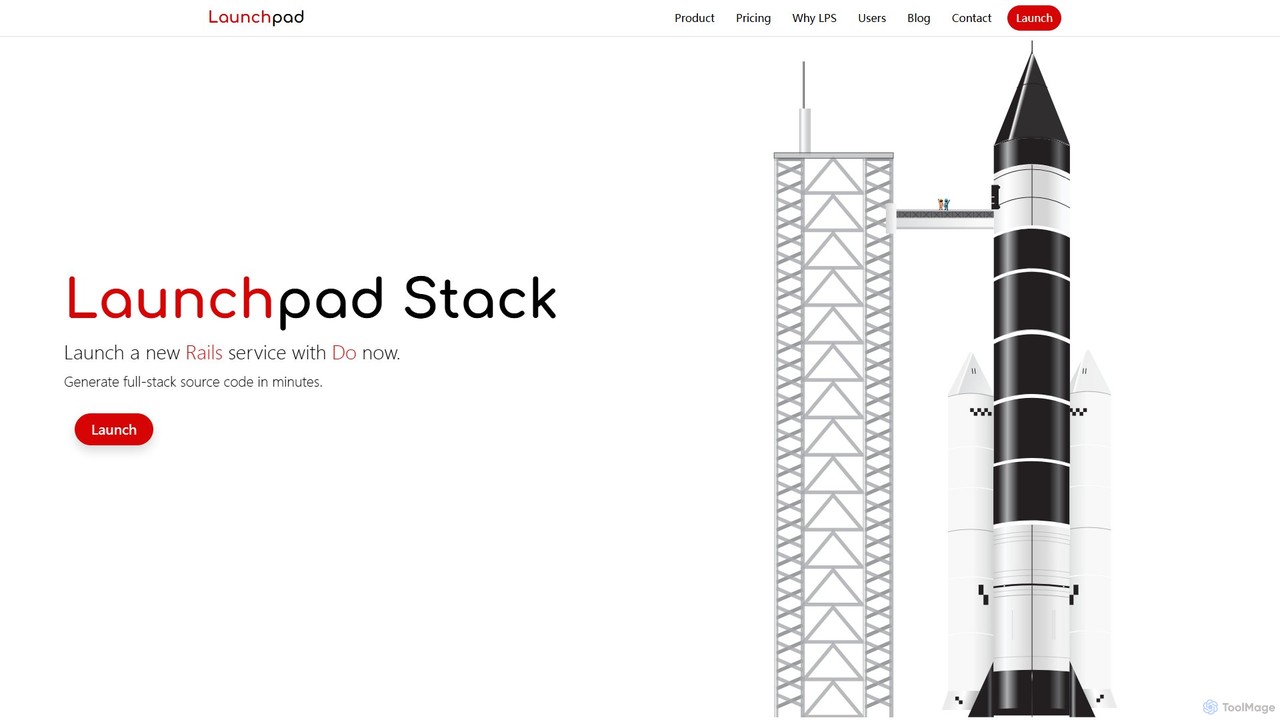
Launchpad Stack is an AI-powered platform that generates production-ready, full-stack source code in minutes. It combines AI efficiency with human-engineered quality, enabling developers, startups, and enterprises to rapidly build and deploy software applications with a reliable, scalable, and cost-effective foundation.

Code Generation
Visits 6.4KFavorites 135Likes 156
Lamatic.ai
Freemium

Lamatic.ai

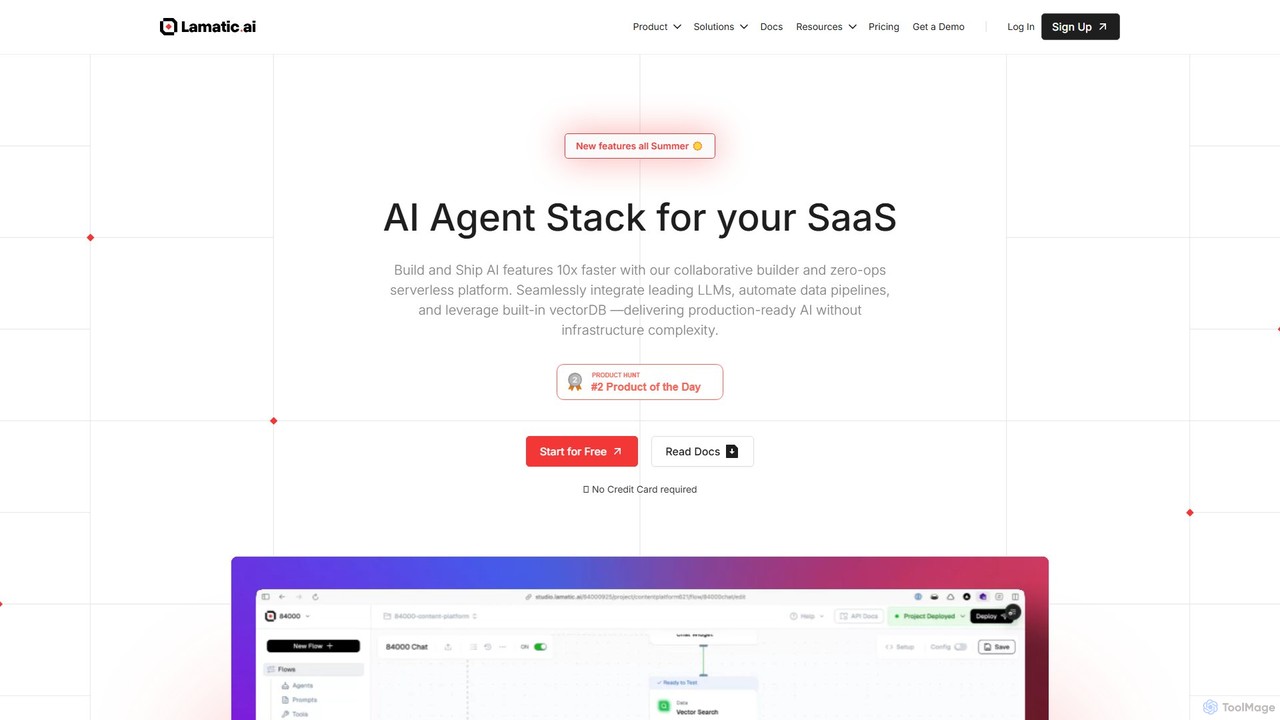
Lamatic.ai is a comprehensive platform designed for engineering teams to build, connect, and deploy AI agents on both cloud and edge environments. It features a visual flow builder, pre-built templates, and seamless one-click integrations to accelerate the development of agentic AI systems, from chatbots to image generators.

Ai Agent Development
Visits 37.2KFavorites 122Likes 127
Lila
Freemium

Lila

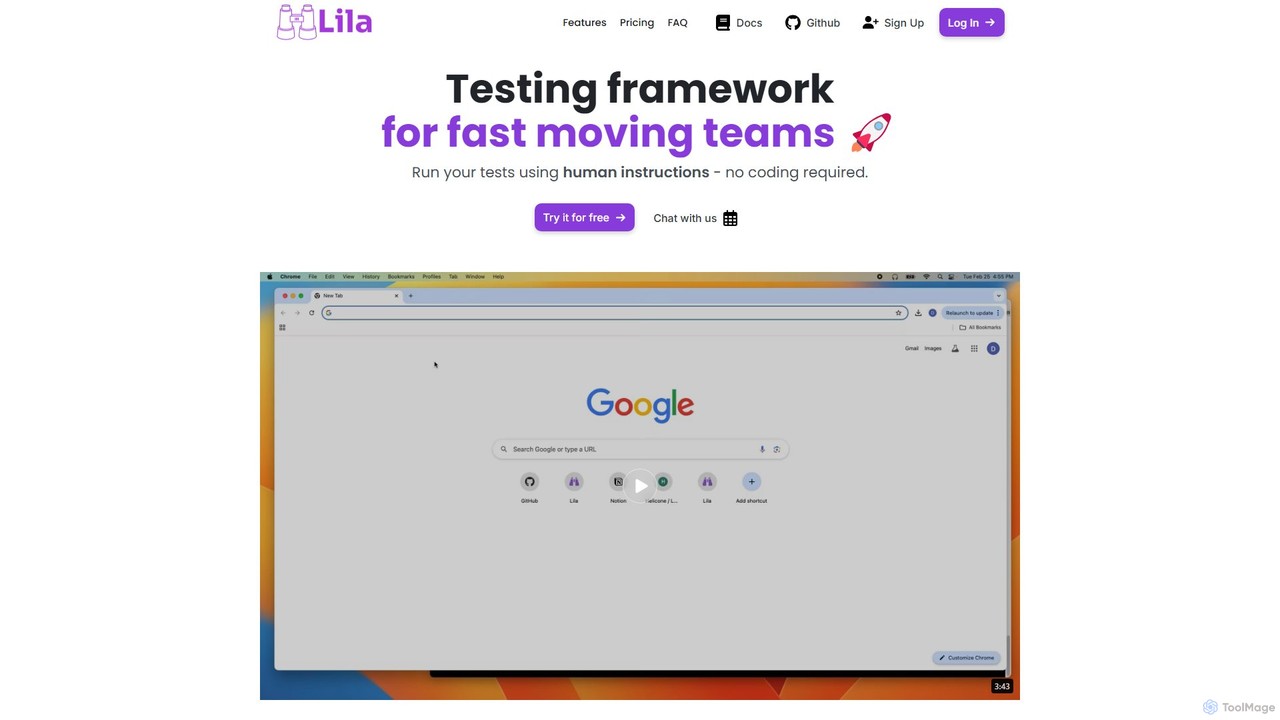
Lila is an AI-powered testing framework that simplifies end-to-end (e2e) testing for web applications. Using natural language, anyone can create robust, self-healing tests that integrate seamlessly into CI/CD pipelines. It's built on Playwright and designed to be resilient to UI changes, making test automation accessible and low-maintenance for startups, QA teams, and large enterprises.

Testing
Visits 6.2KFavorites 110Likes 126
QASolve
Paid

QASolve

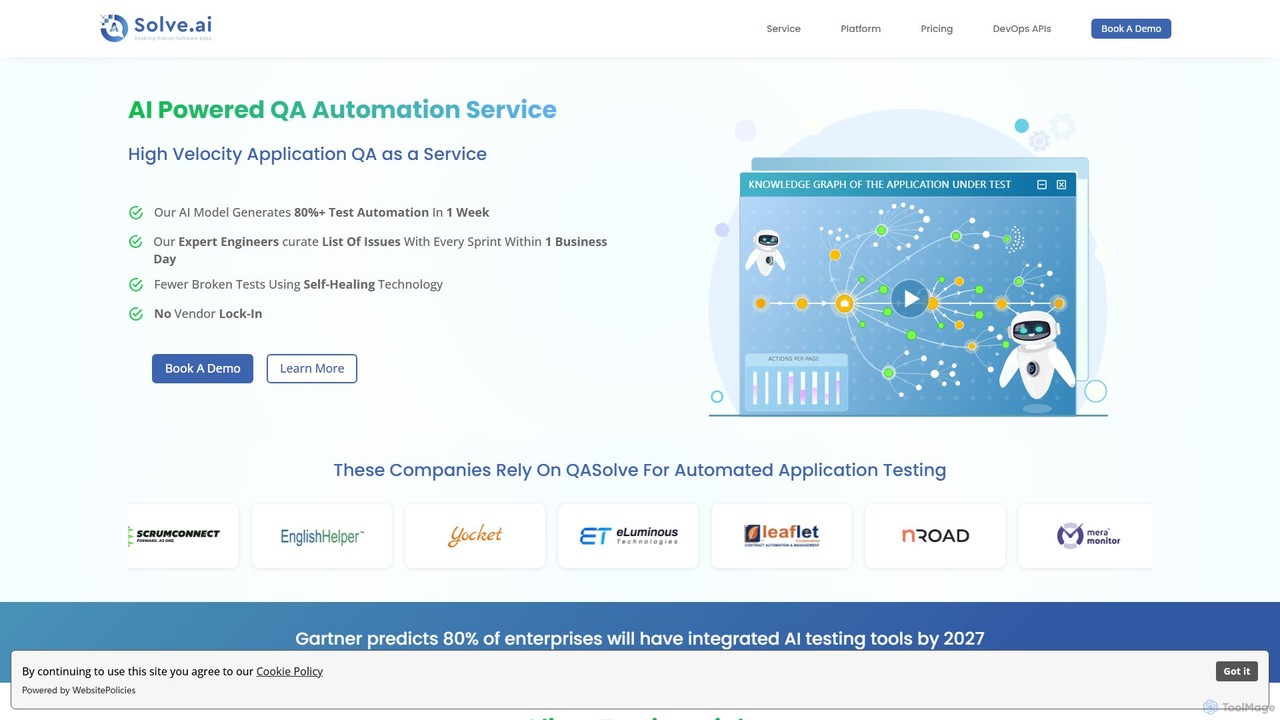
QASolve is an AI-augmented software testing and automation platform offered as a service. It autonomously generates over 80% of test automation scripts within a week, using AI agents to explore applications and create self-healing tests. This service accelerates QA cycles, reduces costs, and integrates seamlessly into CI/CD pipelines without requiring any coding from developers.

Testing
Visits 6.5KFavorites 162Likes 147

About No Code & Low Code

No Code & Low Code platforms are innovative development tools that enable users to create applications and automate workflows with minimal or no traditional programming. These platforms leverage visual interfaces, drag-and-drop functionalities, and pre-built components, significantly accelerating the development process. They empower business users and developers alike to build custom software solutions, fostering rapid innovation and digital transformation across organizations. This approach democratizes technology, allowing a broader range of individuals to contribute to software creation.

Core Features

  • Visual Development Interfaces: Intuitive drag-and-drop editors for designing user interfaces and application logic.
  • Pre-built Templates & Components: Ready-to-use modules and templates for common functionalities and industry-specific solutions.
  • Workflow Automation: Tools to design and automate complex business processes and data flows without writing code.
  • Data Integration Capabilities: Seamless connections with existing databases, APIs, and third-party applications.
  • Customization & Extensibility: Options to add custom code (Low Code) or configure advanced logic for unique requirements.

Use Cases

No Code & Low Code tools are widely adopted for various applications, from creating internal operational tools to customer-facing applications. Businesses use them to quickly prototype ideas, build departmental applications, and automate repetitive tasks. They are particularly valuable in scenarios requiring rapid iteration and deployment, such as developing minimum viable products (MVPs) or specialized departmental solutions.

How to Choose

When selecting a No Code or Low Code platform, consider the complexity and scalability of your project, as well as the platform's integration ecosystem. Evaluate the learning curve for your team, the availability of support resources, and the platform's security and compliance features. Assess whether the platform offers sufficient customization options and extensibility to meet both current and future needs, balancing ease of use with powerful capabilities.

Featured tool rankings

No Code & Low Code use cases

1

Rapidly Develop Custom Business Applications

Small to medium-sized businesses can leverage No Code & Low Code platforms to quickly build tailored internal tools like CRM extensions, project management dashboards, or inventory trackers. This enables them to address specific operational gaps without hiring expensive developers or waiting for lengthy development cycles. For instance, a sales team can create a custom lead tracking system that integrates with their existing email platform, improving data accuracy and sales efficiency within weeks.

2

Automate Complex Marketing & Sales Workflows

Marketing and sales professionals can utilize these platforms to automate intricate campaigns, from lead nurturing sequences to personalized customer outreach. By visually designing workflows, they can connect various tools like CRM, email marketing, and social media platforms. For example, a marketing manager can set up an automated system that sends targeted emails based on website visitor behavior, schedules social media posts, and updates CRM records, significantly reducing manual effort and improving campaign responsiveness.

3

Create Interactive Customer Portals & Self-Service Tools

Companies can empower their customers with self-service options by building interactive portals using No Code & Low Code tools. This allows customers to manage their accounts, track orders, access FAQs, or submit support requests independently. A SaaS company, for instance, can develop a customer portal where users can update their subscription details, view usage analytics, and access knowledge base articles, enhancing customer satisfaction and reducing support ticket volume.

4

Streamline HR & Operations Onboarding Processes

HR and operations departments can significantly improve efficiency by automating onboarding and administrative processes. No Code & Low Code platforms enable the creation of digital forms, automated approval workflows, and task assignments for new hires or internal requests. An HR manager can design an onboarding flow that automatically sends welcome emails, assigns training modules, collects necessary documents, and notifies relevant departments, ensuring a smooth and compliant new employee experience.

5

Build Data Collection & Reporting Applications for Field Teams

Organizations with field-based operations, such as construction, logistics, or healthcare, can develop custom mobile applications for data collection and reporting. Field teams can use these apps on tablets or smartphones to capture real-time data, submit inspection reports, or manage inventory on-site. For example, a construction supervisor can use a Low Code app to log daily progress, take photos of site conditions, and instantly share updates with the office, improving project oversight and decision-making.

6

Rapid Prototyping and MVP Development

Entrepreneurs and product managers can quickly validate new business ideas by building Minimum Viable Products (MVPs) with No Code & Low Code platforms. This allows them to test core functionalities and gather user feedback without significant upfront investment in traditional development. A startup founder, for instance, can launch a functional web application for a niche service within weeks, enabling early market testing and iterative improvements based on real user engagement, accelerating time-to-market.

No Code & Low Code FAQ

What are No Code & Low Code platforms?

No Code & Low Code platforms are development environments that allow users to create software applications and automate processes with minimal or no manual coding. No Code tools provide visual drag-and-drop interfaces for non-technical users, while Low Code platforms offer similar visual tools but also allow developers to add custom code for more complex functionalities. They democratize application development, enabling faster innovation and reducing reliance on traditional programming expertise across various industries and business functions.

What is the difference between No Code and Low Code?

The primary difference lies in the target user and the level of customization. No Code platforms are designed for business users and citizen developers, offering purely visual interfaces and pre-built components to create applications without writing any code. They are ideal for simpler, standardized applications. Low Code platforms, conversely, cater to professional developers and power users, providing visual development tools alongside the option to write custom code. This allows for greater flexibility, integration with existing systems, and the development of more complex, enterprise-grade applications, bridging the gap between business needs and technical capabilities.

What are the main benefits of using No Code & Low Code tools?

The main benefits of using No Code & Low Code tools include significantly accelerated development cycles, allowing businesses to bring solutions to market much faster. They reduce development costs by requiring fewer specialized developers and less time. These platforms also foster greater innovation by empowering a wider range of employees to create solutions, leading to increased agility and responsiveness to market changes. Furthermore, they improve collaboration between IT and business teams, ensuring that developed applications closely align with business needs and objectives.

Who can benefit most from No Code & Low Code development?

A wide range of individuals and organizations can benefit from No Code & Low Code development. Business users and citizen developers can create departmental applications or automate personal workflows without IT intervention. Small and medium-sized enterprises (SMEs) can build custom solutions without large development teams. Large enterprises can accelerate digital transformation, prototype new ideas, and offload simpler application development from their core IT teams. Essentially, anyone looking to build applications faster, more cost-effectively, and with less reliance on deep coding expertise stands to gain.

How do I choose the right No Code or Low Code platform for my project?

To choose the right platform, first assess your project's complexity and scalability requirements. For simple, standalone applications, a No Code platform might suffice. For more complex needs, integration with existing systems, or future extensibility, a Low Code platform is often better. Consider the platform's ecosystem, including available integrations, templates, and community support. Evaluate the learning curve for your team, pricing models, and the vendor's reputation for security and compliance. Finally, test a few options with a small pilot project to see which best fits your team's skills and project goals.