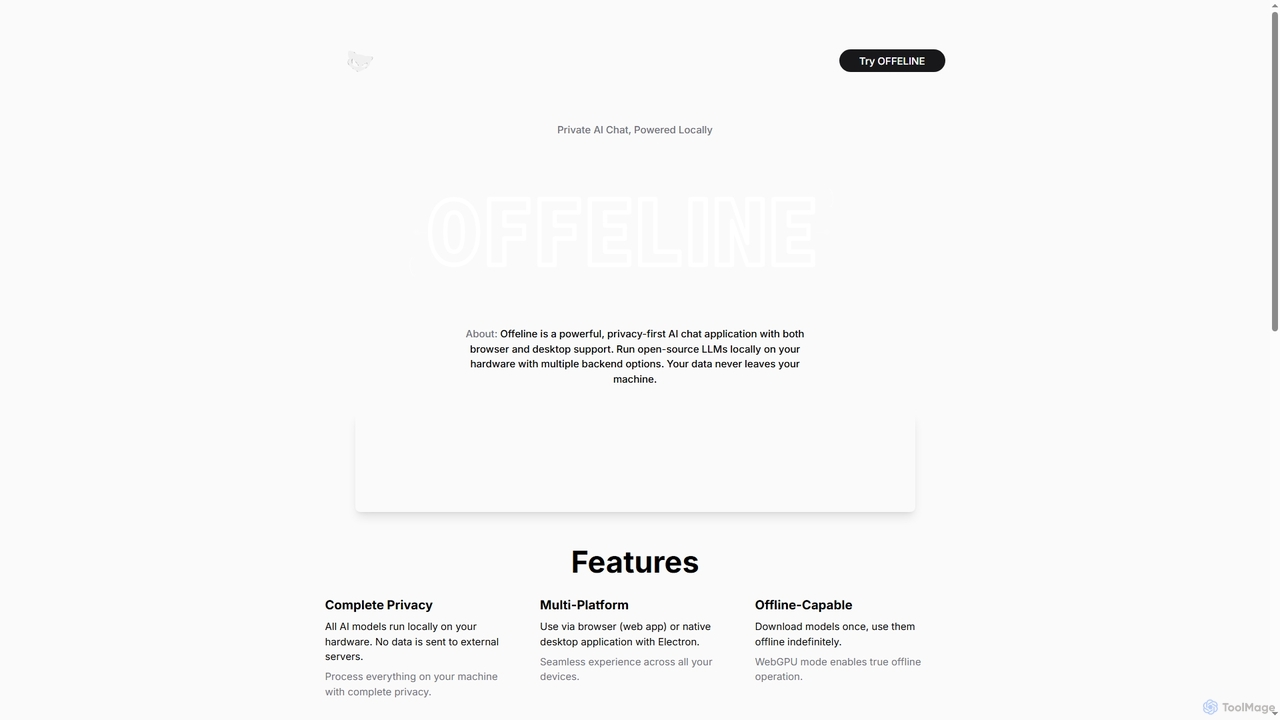
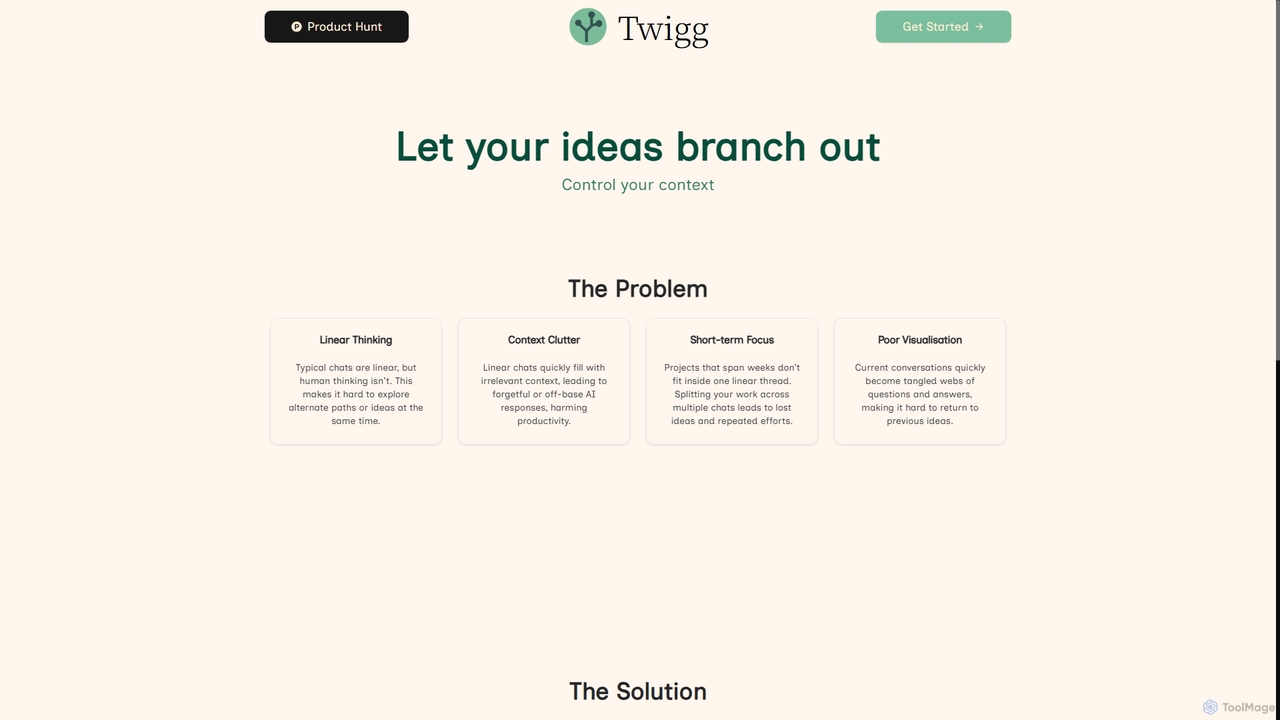
AI Chat tools are applications that enable users to interact with artificial intelligence through natural language conversations. Powered by large language models (LLMs), these tools understand context, generate human-like text, and perform a wide range of tasks based on user prompts. They serve as versatile assistants for brainstorming ideas, drafting content, summarizing information, and writing code, significantly enhancing productivity. Unlike traditional software with fixed menus, AI Chat offers a flexible, dynamic interface where possibilities are defined by the conversation itself.
Core Features
- Natural Language Understanding (NLU): Accurately interprets complex user queries, questions, and commands.
- Contextual Memory: Maintains conversation history to provide relevant and coherent follow-up responses.
- Multi-modal Capabilities: Accepts various inputs like text, images, or documents and can generate diverse outputs.
- Code Generation & Debugging: Writes, explains, and helps fix code snippets in numerous programming languages.
- Content Creation & Summarization: Drafts articles, emails, and reports, or condenses long texts into key points.
Use Cases
AI Chat tools are widely used across various professions. Developers use them for quick coding assistance and debugging, marketers for creating campaign copy and social media content, and students for research and learning support. They are also integrated into workflows for drafting legal documents, generating business reports, and providing instant answers from internal knowledge bases.
How to Choose
When selecting an AI Chat tool, consider the underlying model's power and specialization (e.g., GPT-4, Claude 3). Evaluate its integration capabilities, such as plugins or API access, to fit your workflow. Review the platform's data privacy policies, especially for sensitive information. Finally, compare usage limits and pricing models to find a plan that matches your expected volume of interaction.