Productivity Best in category 5 results Authentication AI Tool

Popular AI tools in the Authentication field of Productivity include World、FacePlugin、ShareID、PicKey、LoginLlama, etc., helping you quickly improve efficiency.

PicKey

PicKey

PicKey is a revolutionary AI-powered visual password manager that eliminates the need for traditional master passwords. It allows …

3.9K
Free
World

World

World is a decentralized identity and financial network designed for the AI era. It provides a universal 'proof …

663.3K
LoginLlama

LoginLlama

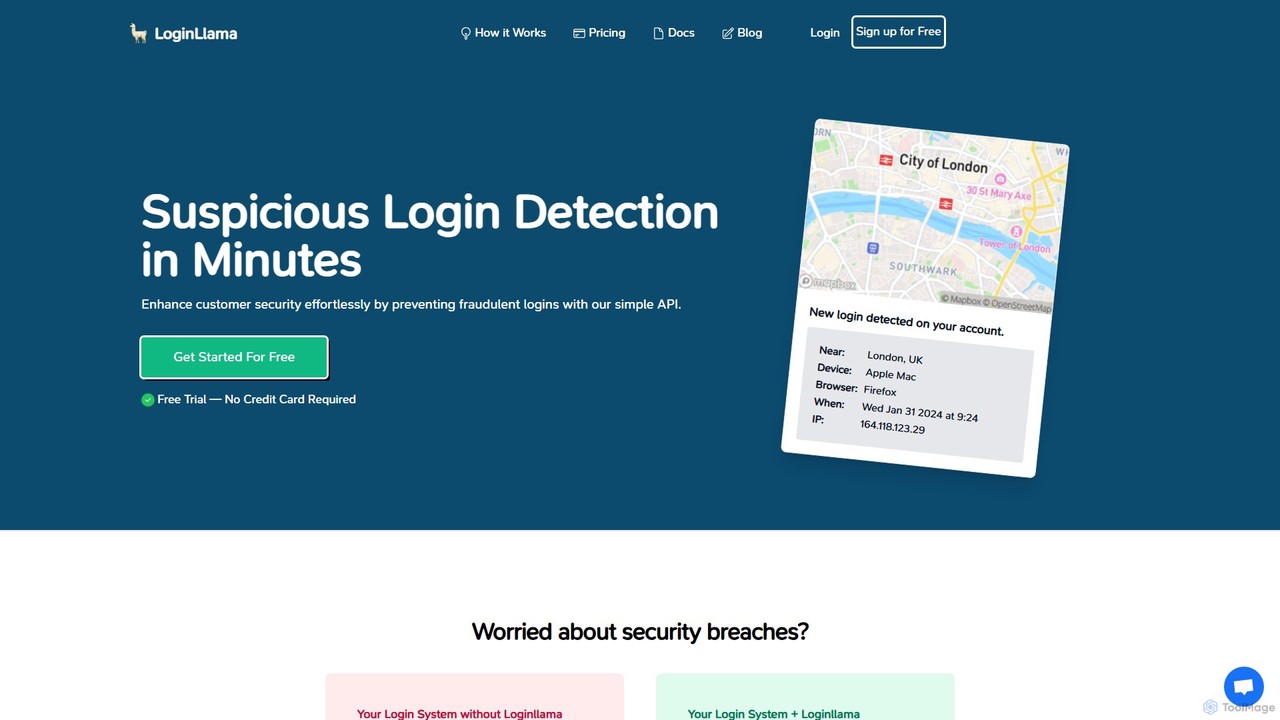
LoginLlama is an AI-powered API for developers that detects suspicious logins in real-time. By analyzing user behavior, IP …

3.1K
ShareID

ShareID

ShareID is an AI-powered identity verification platform that replaces passwords with secure, biometric authentication. It uses official ID …

7.6K
FacePlugin

FacePlugin

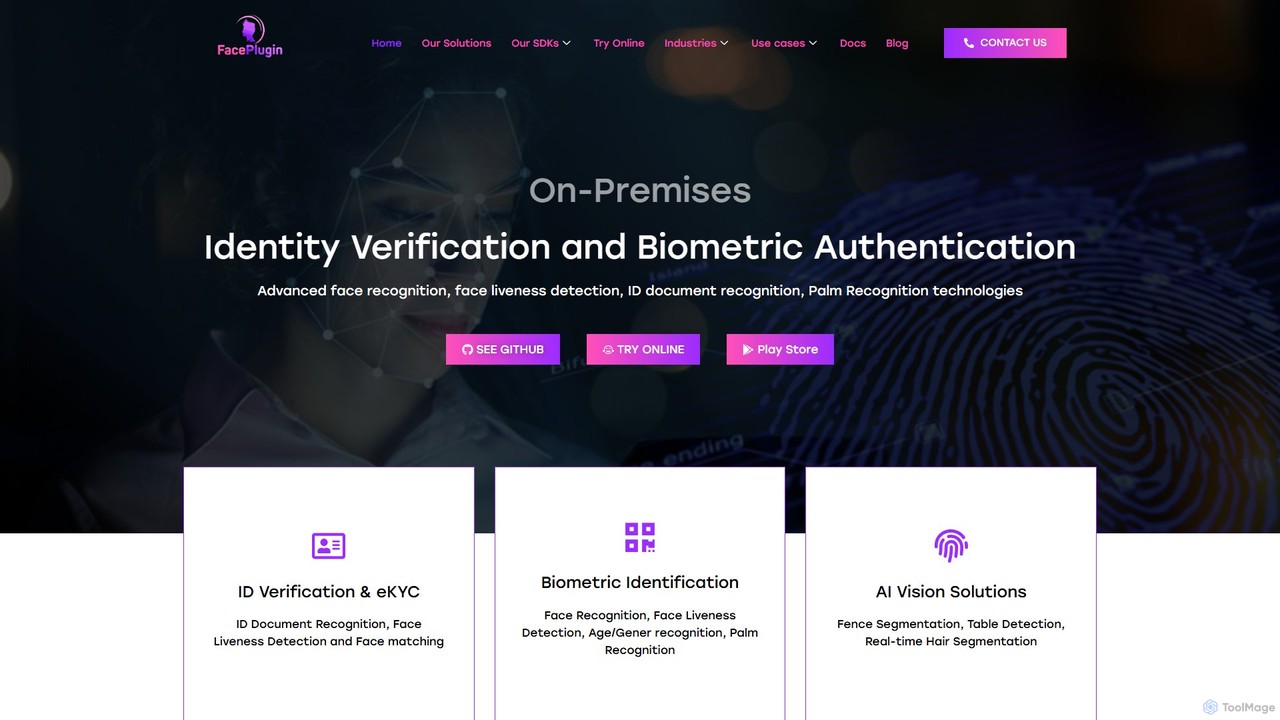
FacePlugin offers advanced, on-premise SDKs for identity verification, featuring face recognition, passive liveness detection, and ID document analysis. …

7.7K

About Authentication

Authentication tools are a class of AI-powered systems designed to verify a user's identity with high accuracy and security. These tools leverage machine learning algorithms to analyze unique biological or behavioral characteristics, such as facial features, voice patterns, or even typing rhythm. Their primary value lies in creating secure, yet frictionless, access to digital services, significantly reducing the risk of unauthorized access and fraud. As a component of productivity, they streamline workflows by replacing cumbersome traditional login methods with seamless verification.

Core Features

  • Biometric Recognition: Verifies identity using unique biological traits like face, fingerprint, iris, or voice patterns.
  • Behavioral Biometrics: Analyzes patterns in user actions, such as typing speed, mouse movements, or touchscreen interactions.
  • Liveness Detection: Prevents spoofing attacks by ensuring the biometric sample is from a live person, not a photo or recording.
  • Adaptive Authentication: Dynamically adjusts the level of security required based on risk factors like location, device, or user behavior.
  • Fraud Detection: Identifies and flags anomalous login attempts or transaction patterns in real-time.

Use Cases

These tools are critical in sectors requiring robust security. In finance, they secure mobile banking and payment approvals. For enterprises, they enable passwordless access to corporate networks and sensitive data. E-commerce platforms use them to prevent account takeover, while healthcare systems rely on them to protect patient records in compliance with regulations like HIPAA.

How to Choose

When selecting an authentication tool, consider its accuracy, specifically the False Acceptance Rate (FAR) and False Rejection Rate (FRR). Evaluate its integration capabilities via APIs and SDKs, and ensure it complies with industry standards (e.g., GDPR, CCPA). Also, assess the user experience for speed and ease of use, as well as the robustness of its anti-spoofing and liveness detection technologies.

AuthenticationUse Cases

1

Securing High-Value Financial Transactions

A user of a mobile banking app needs to authorize a large fund transfer. Instead of relying on a simple password or PIN, the app initiates an AI-powered facial recognition scan. The system uses liveness detection to ensure the user is physically present by asking them to perform a simple head movement. This process verifies the user's identity in seconds, securely authorizing the transaction while preventing fraud from stolen credentials or spoofing attacks with photos.

2

Frictionless Access for Enterprise Employees

An enterprise wants to improve security and productivity by implementing passwordless logins. An employee starts their workday by sitting at their computer. A continuous authentication system works in the background, analyzing their unique behavioral biometrics like typing cadence and mouse movement patterns. This passive verification grants them seamless access to all their authorized applications without ever needing to type a password, reducing login friction and eliminating risks associated with weak or stolen passwords.

3

Preventing E-commerce Account Takeover

An e-commerce platform's risk engine detects a suspicious login attempt for a customer's account from an unrecognized device in a different country. Instead of blocking the user outright, the system triggers an adaptive, step-up authentication. It sends a push notification to the customer's registered mobile device, asking them to verify their identity using voice recognition by speaking a random phrase. This AI-driven check confirms the legitimate user's identity and blocks the fraudulent attempt, protecting the account without inconveniencing the actual customer.

4

HIPAA-Compliant Access to Patient Records

A healthcare provider needs to ensure that only authorized medical staff can access sensitive Electronic Health Records (EHR). To comply with HIPAA regulations, they deploy a multi-factor authentication system. A doctor accesses a patient's file by first scanning their fingerprint on a terminal, followed by a quick facial scan via the workstation's camera. The AI system verifies both biometric factors against the doctor's registered profile, granting secure and auditable access in seconds, thereby protecting patient privacy and maintaining regulatory compliance.

5

Automating Identity Verification for Customer Support

A customer calls their telecommunications provider for support. Instead of asking a series of tedious security questions ('What is your mother's maiden name?'), the automated IVR system uses AI-powered voice biometrics. It compares the caller's voiceprint to the one on file while they state their reason for calling. Within the first few seconds, the system authenticates the customer with high confidence. This allows the support agent to immediately access the customer's account and resolve the issue, reducing call time and improving customer satisfaction.

6

Enhancing Security for Online Gaming Platforms

An online gaming company aims to protect valuable player accounts from being hacked or sold. They integrate an AI authentication system that analyzes player behavior. The system learns a player's typical keystroke dynamics, mouse movement speed, and in-game navigation patterns. If it detects a significant deviation from this established profile—suggesting a different person is playing—it can trigger a secondary verification, like a push notification to their phone, or temporarily lock the account to prevent unauthorized asset transfers, securing the player's digital property.

AuthenticationFrequently Asked Questions