Productivity Best in category 14 results Financial Management AI Tool

Popular AI tools in the Financial Management field of Productivity include marketfeed、Tyms、Monarch Money、Nova Money、simplifymoney、aurumkuberx、ChatGiraffe、EconPulse、SpendStory、PocketWiseAI, etc., helping you quickly improve efficiency.

SpendStory

SpendStory

SpendStory is an AI-powered financial tool that connects to your bank to analyze a year of spending data. …

3.2K
ChatGiraffe

ChatGiraffe

ChatGiraffe is an AI-powered expense tracker and bookkeeping tool designed to simplify financial management. It helps individuals and …

4.1K
EconPulse

EconPulse

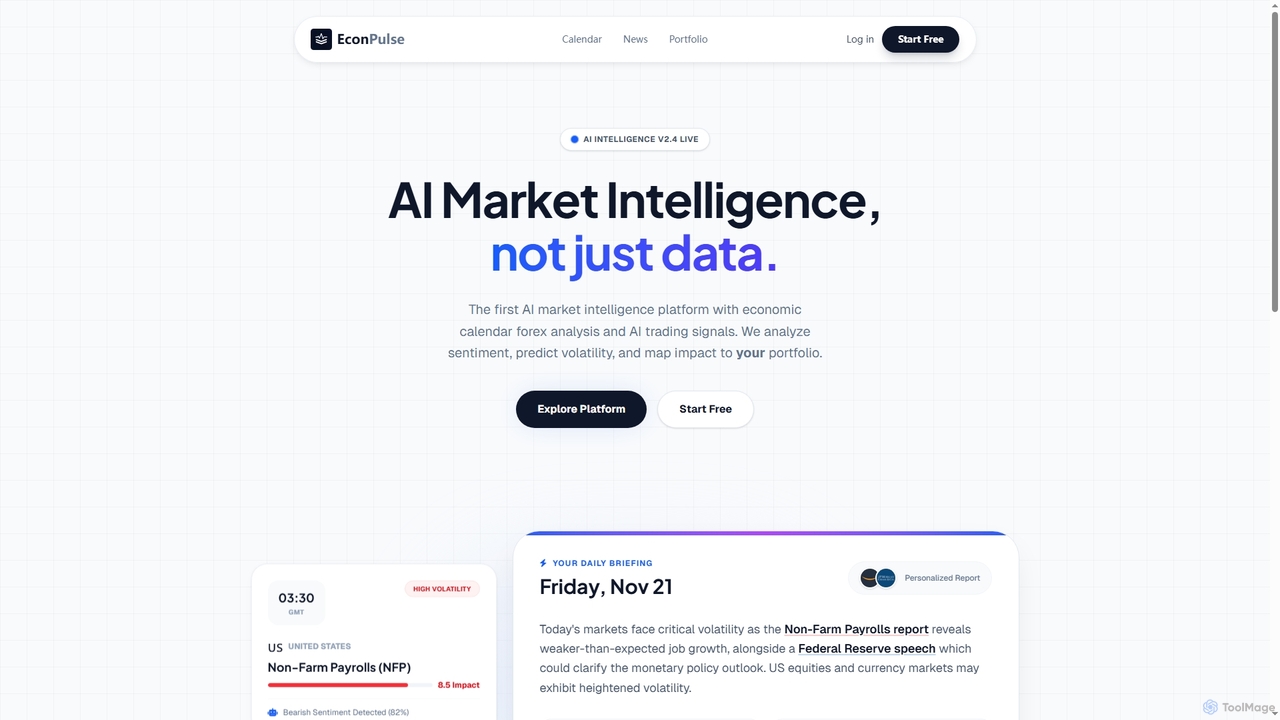
EconPulse is an AI market intelligence platform that provides real-time trading insights, economic calendar forex analysis, and personalized …

3.3K
PocketWiseAI

PocketWiseAI

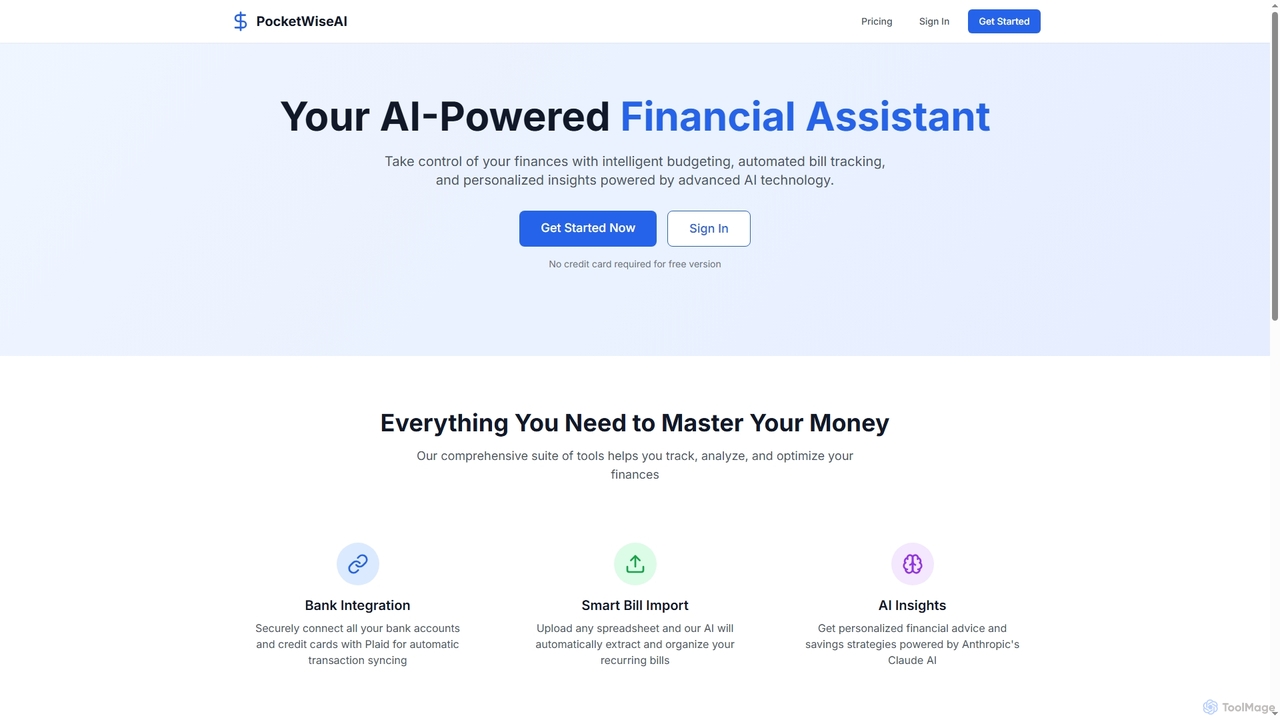
PocketWiseAI is an AI-powered personal finance assistant designed to help users master their money. It offers intelligent budgeting, …

3.1K
Cartinel

Cartinel

Cartinel is an AI-powered browser extension for Chrome and Firefox that acts as a financial guardian, preventing impulse …

3.1K
ZeroDown

ZeroDown

ZeroDown is a real estate technology platform that empowers homebuyers to purchase their next home before selling their …

3.0K
Nova Money

Nova Money

Nova Money is an AI-powered personal finance forecasting app that moves beyond traditional budgeting. It helps users predict …

10.9K
aurumkuberx

aurumkuberx

Aurum KuberX is an AI-powered FinTech platform designed to help users find the best home loan interest rates …

4.9K
Tyms

Tyms

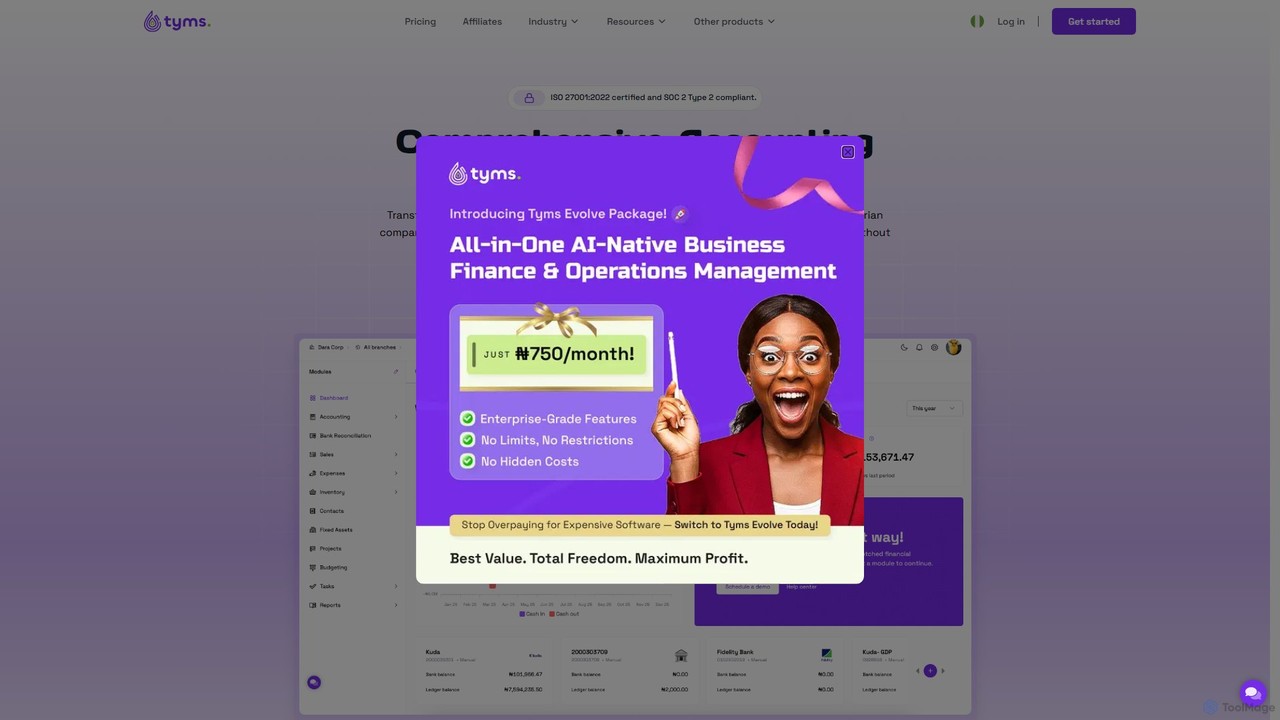
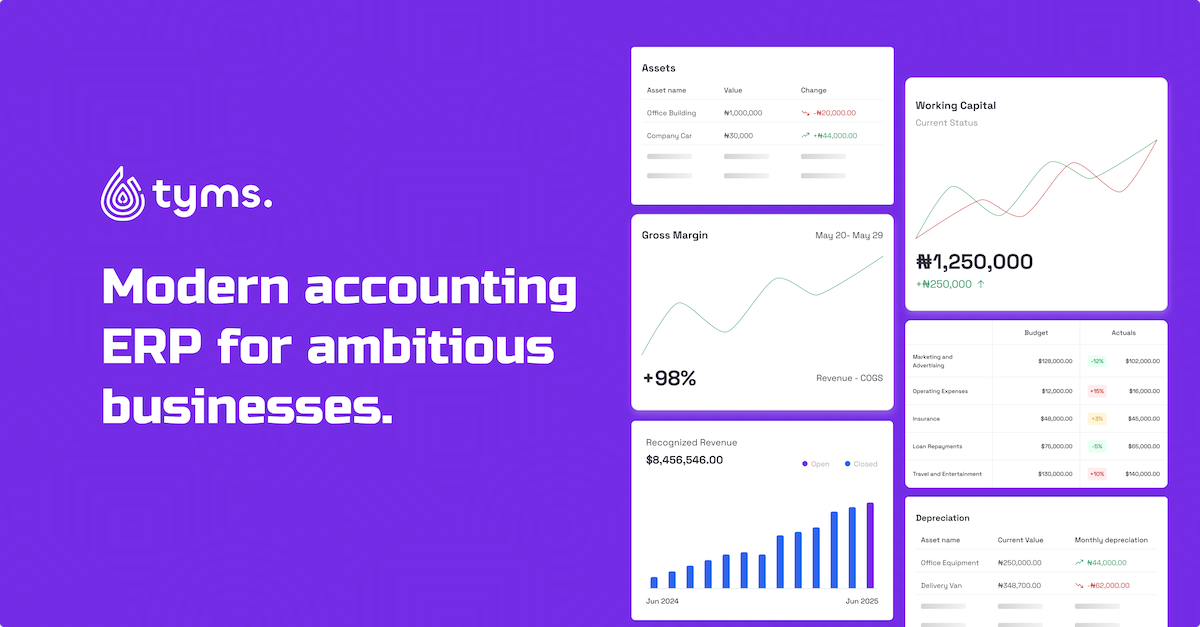
Tyms is an AI-powered accounting software designed for modern businesses, especially in Nigeria. It automates financial tasks, ensures …

22.8K
ChartX

ChartX

ChartX is a next-generation AI-powered infrastructure designed for elder care facilities. It streamlines operations by automating billing, patient …

3.1K
Monarch Money

Monarch Money

Monarch Money is an all-in-one personal finance platform designed to help you track, budget, and plan your financial …

16.7K
simplifymoney

simplifymoney

Simplify Money is an AI-powered personal finance companion designed for Gen Z in India. It combines net worth …

6.4K
DollarDrip

DollarDrip

DollarDrip is an AI-powered investment platform that simplifies and enhances the dollar-cost averaging (DCA) strategy. It helps users …

3.1K
marketfeed

marketfeed

marketfeed is an investment platform that uses automated trading to generate dual returns from a single investment. It …

46.7K

About Financial Management

AI Financial Management tools are a specialized category of productivity software that uses artificial intelligence to automate, analyze, and optimize financial operations. These tools leverage machine learning for predictive forecasting and natural language processing to interpret data from invoices and reports. They streamline complex financial tasks, reduce manual errors, and provide actionable insights for better decision-making. This enhances overall productivity by allowing finance professionals to focus on strategic planning rather than routine data entry.

Core Features

  • Automated Bookkeeping: AI automatically categorizes transactions, reconciles accounts, and maintains accurate financial records in real-time.
  • Intelligent Expense Management: Utilizes OCR to scan receipts, enforces spending policies, and automates the entire expense approval workflow.
  • Predictive Financial Forecasting: Employs machine learning models to analyze historical data and predict future cash flow, revenue, and budget variances.
  • AI-Powered Reporting & Analysis: Generates in-depth financial reports and dashboards, highlighting key trends, anomalies, and performance indicators.
  • Automated Invoice Processing: Extracts data from vendor invoices, matches it with purchase orders, and routes it for payment, minimizing manual intervention.

Applicable Scenarios

These tools are valuable across various sectors. Small businesses use them to automate daily accounting tasks without needing a large finance team. Startups rely on them for accurate cash flow forecasting to manage their runway. In large enterprises, finance departments use these tools for complex budget analysis, fraud detection, and ensuring regulatory compliance.

Selection Criteria

When choosing an AI Financial Management tool, consider its integration capabilities with your existing accounting systems (e.g., QuickBooks, Xero, SAP). Evaluate the scope of its features—whether you need simple bookkeeping or advanced forecasting and analytics. Assess the tool's scalability to ensure it can grow with your business. Finally, prioritize solutions with robust data security protocols and compliance certifications.

Financial ManagementUse Cases

1

Automating Small Business Bookkeeping

A small business owner connects their bank accounts and credit cards to an AI financial management tool. The system automatically imports transactions, uses machine learning to categorize expenses like 'Office Supplies' or 'Marketing', and flags any unusual activity. This eliminates hours of manual data entry each week. At the end of the month, the owner can generate a profit and loss statement and a balance sheet with a single click, providing a clear view of the business's financial health and saving significant time and accounting fees.

2

Streamlining Corporate Expense Reporting

An employee on a business trip takes a photo of a meal receipt using their company's expense management app. The AI tool's OCR technology instantly extracts the vendor, date, and amount. It then cross-references the expense against company travel policies, flagging if the amount exceeds the daily meal allowance. The approved expense is automatically added to a report and routed to the manager for final approval. This process reduces reimbursement times from weeks to days and ensures consistent policy enforcement across the organization.

3

AI-Powered Cash Flow Forecasting for Startups

A startup founder uses an AI financial tool to get a realistic projection of their cash runway. The tool analyzes historical bank transactions, current accounts receivable, recurring revenue, and projected sales from the CRM. By running thousands of simulations, the AI model provides a best-case, worst-case, and most-likely cash flow scenario for the next 12 months. This insight is critical for making timely decisions about hiring, spending, and when to start the next fundraising round, significantly reducing financial uncertainty.

4

Intelligent Invoice Processing for Accounts Payable

An Accounts Payable department receives hundreds of invoices weekly in various formats (PDF, email, paper). Instead of manual entry, they use an AI tool that automatically extracts key data like invoice number, PO number, line items, and total amount. The AI then performs a three-way match between the invoice, purchase order, and goods receipt note. Any discrepancies are flagged for human review, while matched invoices are automatically routed for approval. This reduces invoice processing time by over 80% and minimizes late payment fees.

5

Financial Anomaly Detection for Fraud Prevention

A corporate finance team uses an AI platform to continuously monitor all financial transactions in real-time. The AI has been trained on historical data to understand normal spending patterns. It automatically flags transactions that deviate from the norm, such as an unusually large payment to a new vendor, duplicate invoices, or payments made at odd hours. This proactive alert system allows the team to investigate potential fraud or errors immediately, rather than discovering them months later during an audit, protecting the company's assets.

6

Personal Finance Management and Budgeting

An individual links their various bank accounts, credit cards, and investment portfolios to a personal finance AI app. The app automatically categorizes all spending, providing a clear visual breakdown of where their money goes each month. Based on spending habits, the AI suggests a personalized budget, identifies areas for potential savings (like unused subscriptions), and sends alerts when they are close to exceeding a budget category. This empowers the user to take control of their finances, save more effectively, and work towards financial goals like saving for a down payment.

Financial ManagementFrequently Asked Questions