ToolMage
Sign in

Best 59 Learning AI tools for Productivity

Popular Learning AI tools in Productivity include Socratic by Google, Coddy, Achievable, CodeCombat, Quizgecko, Codemia, ProjectPro, soyhenry, QANDA, and Why Try AI, helping you work more efficiently.

tute.ai
Freemium

tute.ai

tute.ai is an AI-powered personal tutor that provides instant homework help, personalized learning paths, and in-depth explanations across a wide range of subjects. It's designed to make learning accessible, effective, and engaging for students of all ages, 24/7.

Personal Assistant
Visits 5.5KFavorites 125Likes 131
QuizRise
Freemium

QuizRise

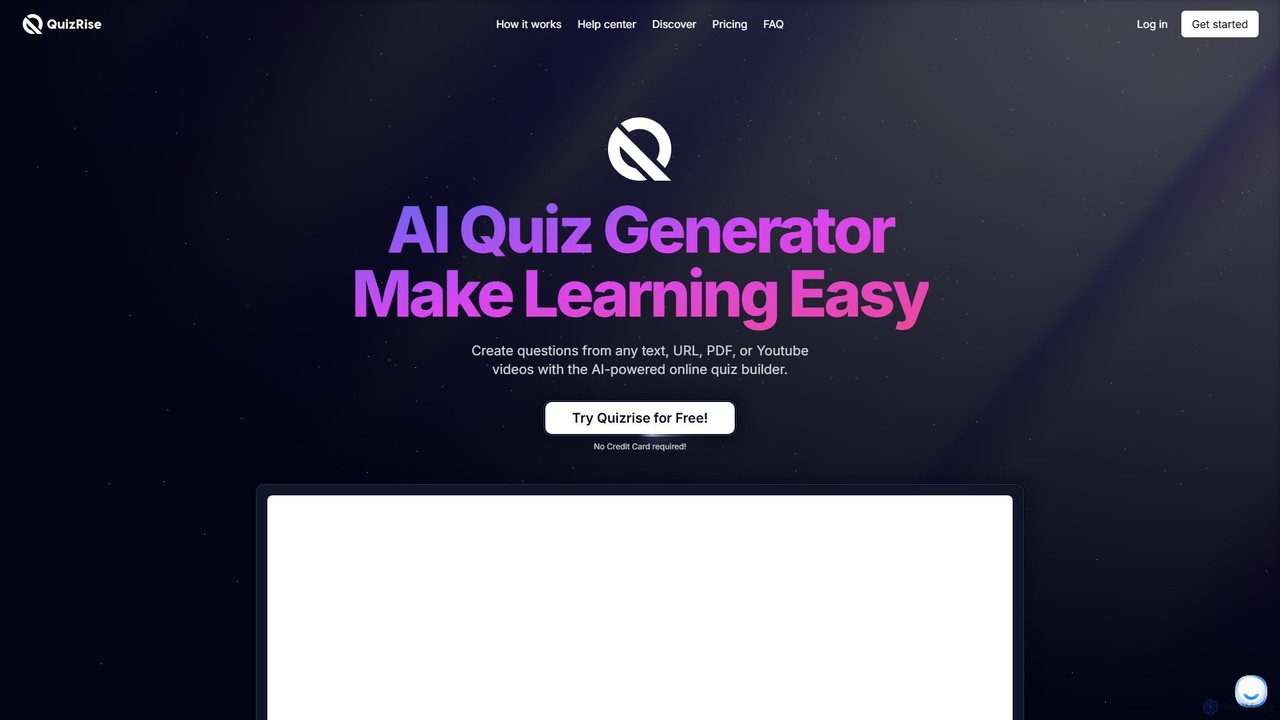
QuizRise is an AI-powered quiz generator that transforms any content—text, URLs, PDFs, or YouTube videos—into engaging quizzes and flashcards in seconds. Designed for students, teachers, and businesses, it supports multiple question types, spaced repetition for effective learning, and detailed analytics. Easily create, customize, share, and analyze educational materials to make learning more efficient and interactive.

Assessment
Visits 41.8KFavorites 98Likes 85
CodeCombat
Freemium

CodeCombat

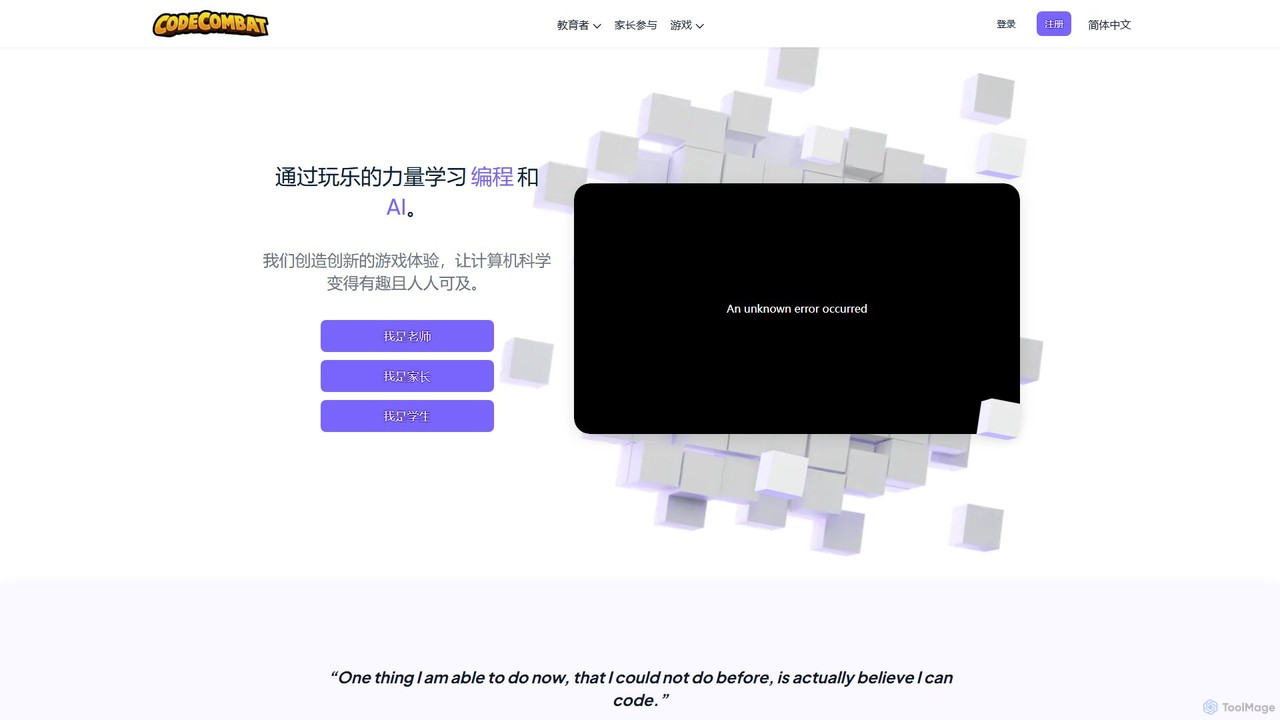
CodeCombat is a game-based learning platform that teaches computer science and AI to students of all ages. Through engaging games, learners master real programming languages like Python, JavaScript, and C++. The platform offers comprehensive curricula for K-12, AI-powered tools for creation and assistance, and competitive esports leagues, making coding fun and accessible for everyone.

Game Development
Visits 526.2KFavorites 130Likes 132
BookRead
Freemium

BookRead

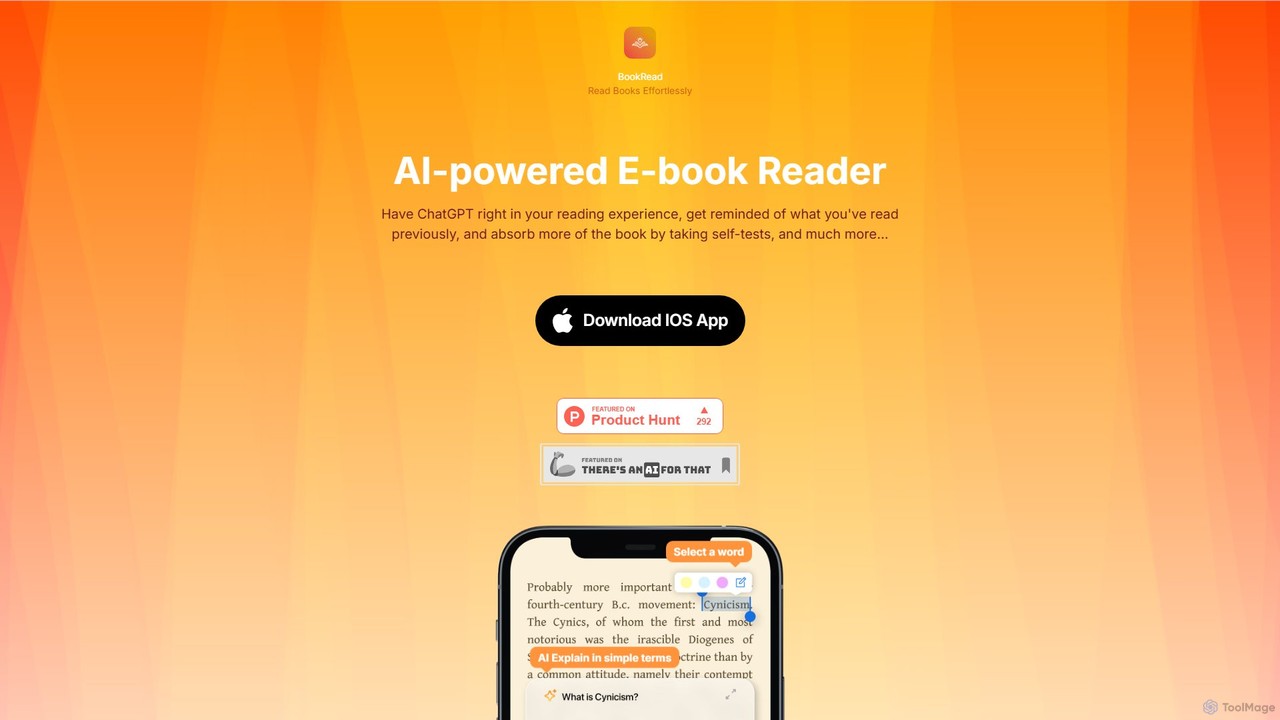
BookRead is an AI-powered e-reader app for iOS that enhances the reading experience. It integrates a ChatGPT-like assistant to explain complex words, phrases, and concepts in simple terms. Features like automated reading summaries and chapter-end flashcards help users understand and retain information more effectively, turning passive reading into an active learning journey.

Reading
Visits 5.4KFavorites 99Likes 111
studyforcitizenship
Freemium

studyforcitizenship

An AI-powered platform designed to help aspiring US citizens prepare for the naturalization test. It offers comprehensive study materials, including interactive practice exams, flashcards, and audio support for the official USCIS civics questions, as well as reading and writing test preparation.

Test Preparation
Visits 5.5KFavorites 147Likes 130
Llama Tutor
Free

Llama Tutor

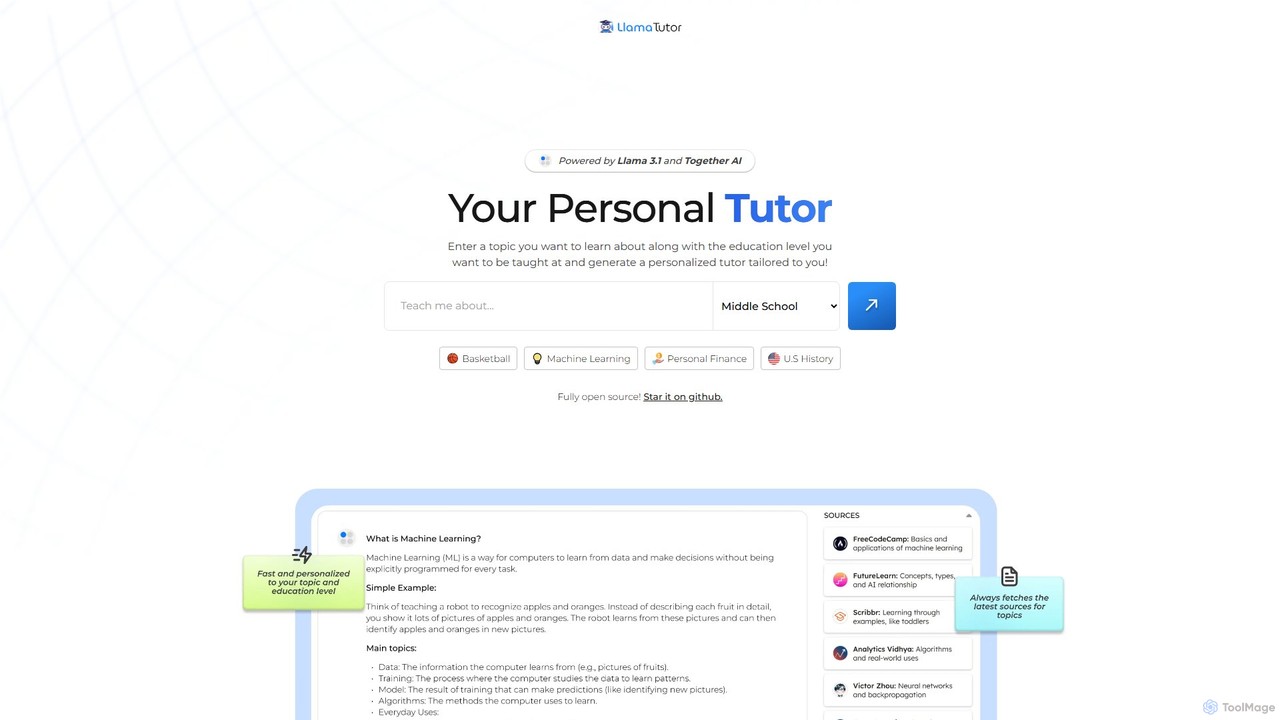
Llama Tutor is a free, open-source AI personal tutor powered by Llama 3.1. It provides personalized learning experiences on any topic, tailored to your specific educational level, from elementary school to graduate studies. Simply enter a subject and your level to start learning.

Open Source
Visits 7.1KFavorites 100Likes 96
QANDA
Freemium

QANDA

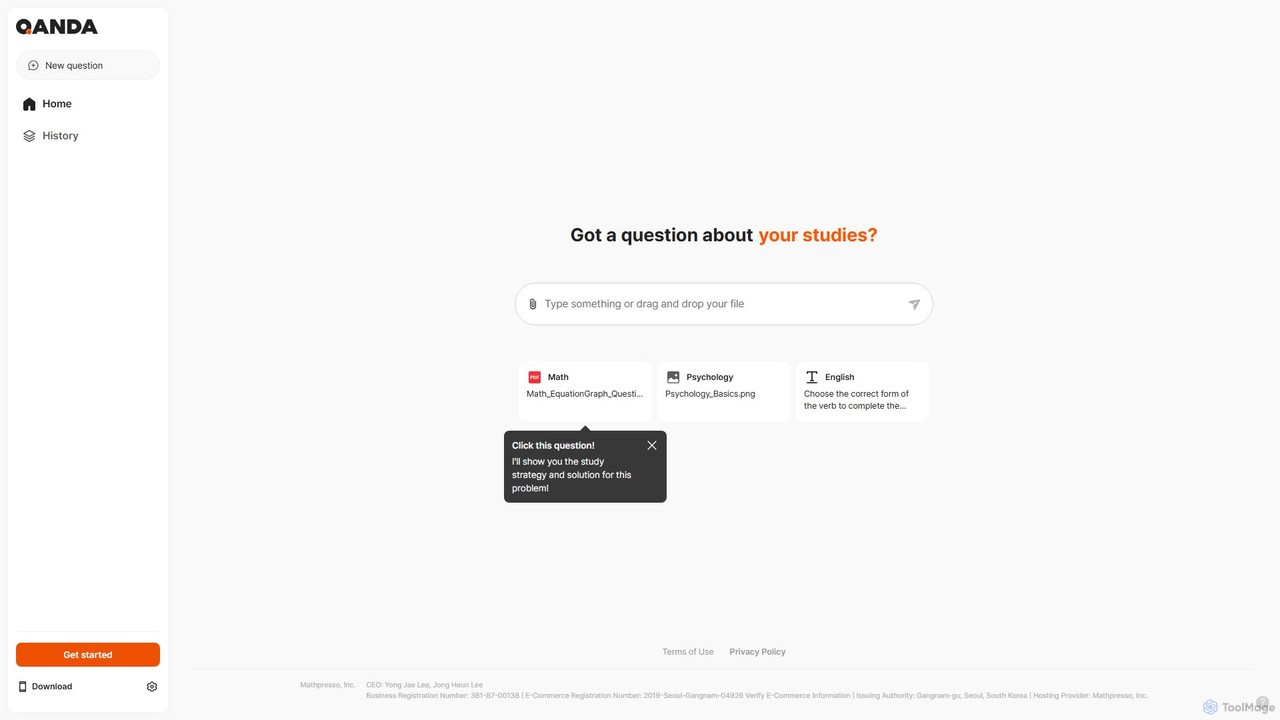
QANDA is an AI-powered educational app that provides instant answers and step-by-step solutions for a wide range of academic subjects. Simply take a photo of a problem, and QANDA's AI will solve it in seconds. It also offers access to live tutors for personalized help.

Specialized Chatbots
Visits 159.3KFavorites 150Likes 143
Readyy
Freemium

Readyy

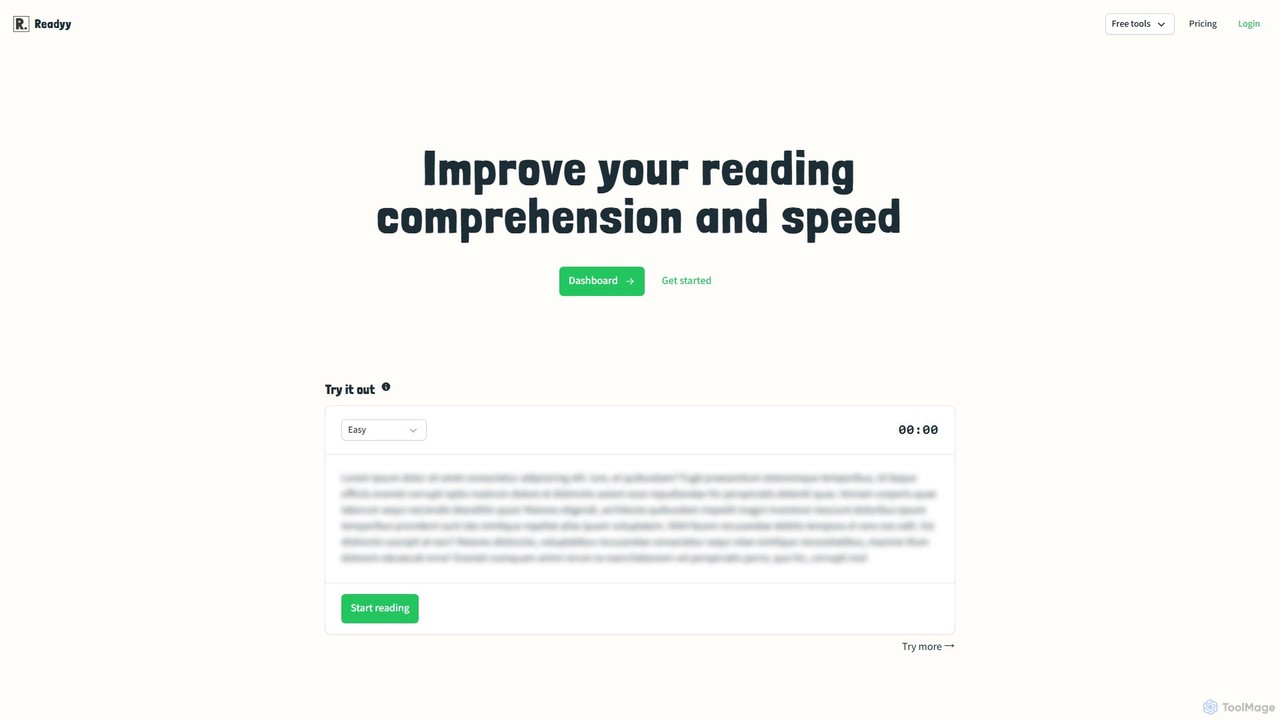
Readyy is an AI-powered platform designed to enhance reading speed and comprehension. It provides users with AI-generated reading tests, detailed progress tracking, and a competitive global leaderboard. Ideal for students, professionals, and educational institutions, Readyy uses GPT technology to deliver fresh, engaging content, helping users improve their literacy and cognitive skills effectively.

Reading
Visits 6.2KFavorites 150Likes 147
Achievable
Paid

Achievable

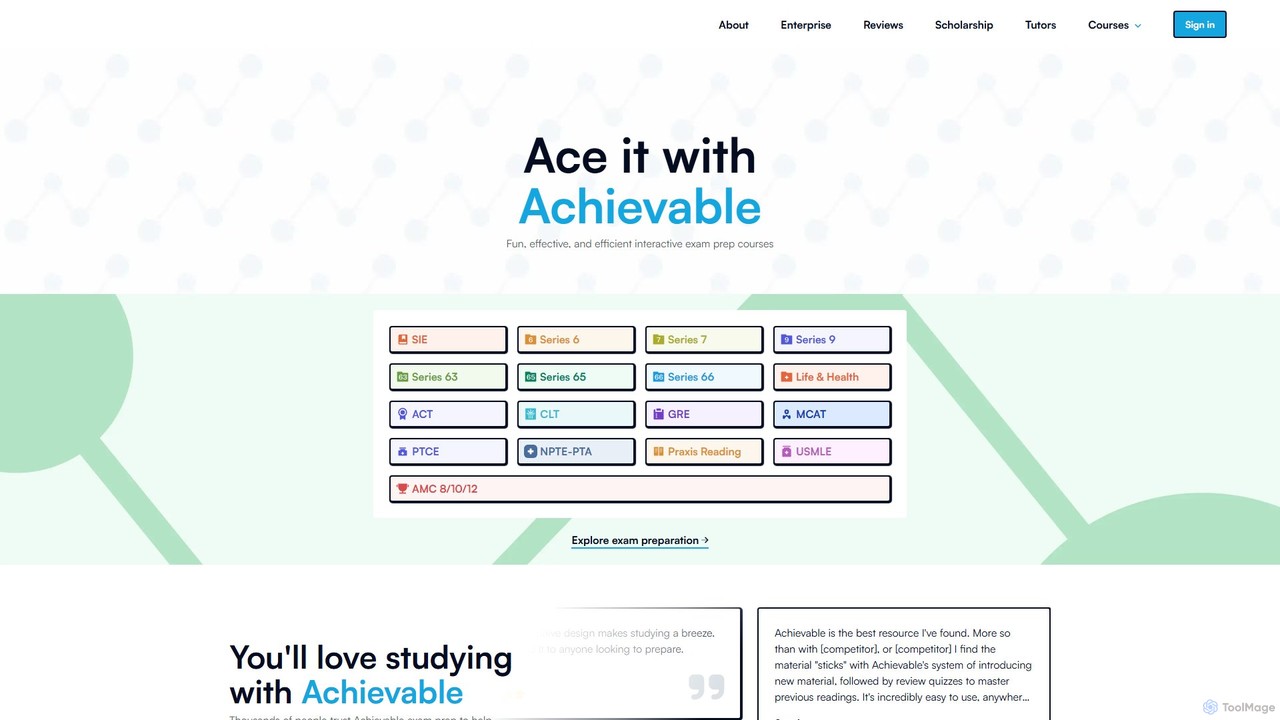
Achievable is an AI-powered exam preparation platform that uses adaptive learning and memory science to help students and professionals pass high-stakes exams. It offers personalized study plans, extensive practice questions, and expert-written content for exams like FINRA, GRE, MCAT, and more, boasting a 95%+ success rate.

Personalized Learning
Visits 742.2KFavorites 123Likes 124
theoriestudio
Freemium

theoriestudio

theoriestudio is an AI-powered online learning platform designed to help users in the Netherlands pass their driving theory exam on the first try. It offers a comprehensive digital course, realistic mock exams, over 2000 practice questions, and a personal progress tracker. Accessible on any device, it provides a structured, interactive, and efficient alternative to traditional study books.

Personalized Learning
Visits 5.5KFavorites 155Likes 181
EverTutor
Freemium

EverTutor

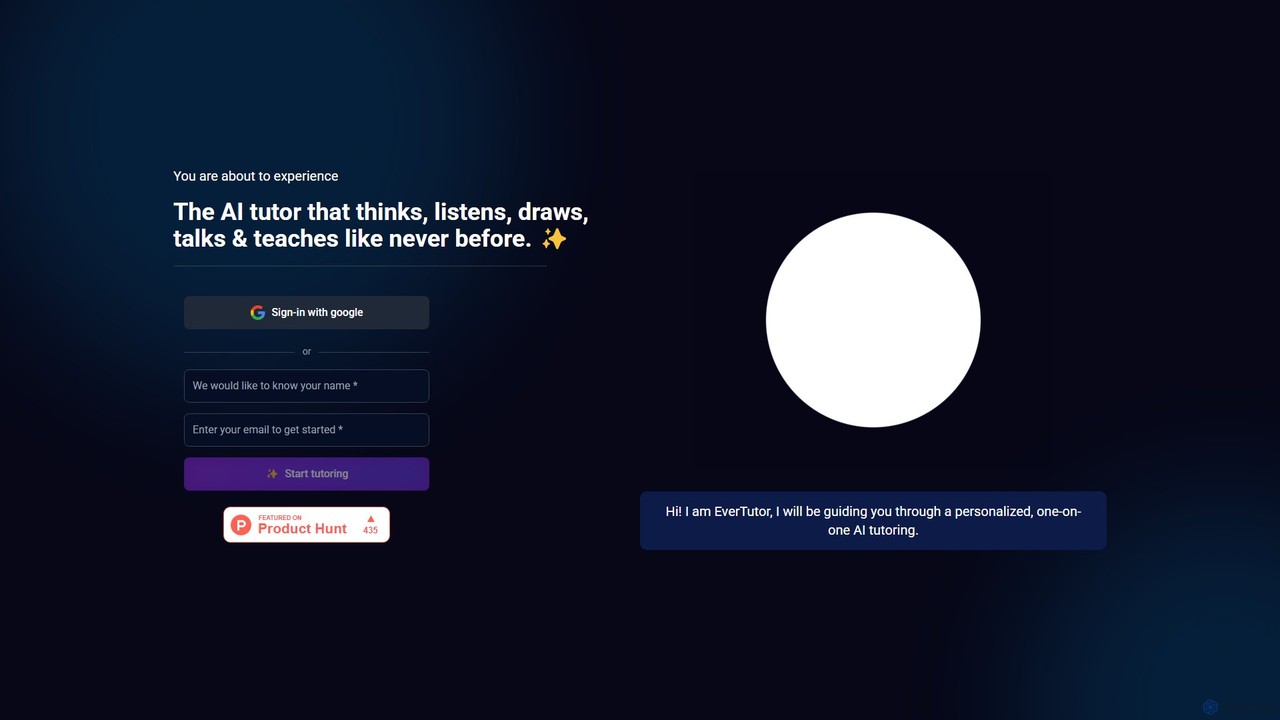
EverTutor is a revolutionary AI-powered tutor that offers personalized, one-on-one learning experiences. It thinks, listens, talks, and even draws to explain complex concepts, making it an ideal companion for homework help, exam preparation, and concept clarification across various subjects.

Personal Assistant
Visits 5.5KFavorites 133Likes 132

About Learning

AI Learning tools are applications that use artificial intelligence to create personalized and efficient educational experiences. They leverage algorithms to analyze learning patterns, automate content creation, and provide instant feedback, fundamentally changing how individuals acquire knowledge. As a key component of modern productivity, these tools enable users to master new skills faster and more effectively. They transform passive content into interactive dialogues and adaptive study plans.

Core Features

  • Personalized Learning Paths: Adapts curriculum and difficulty in real-time based on user performance and goals.
  • AI-Powered Tutoring: Provides 24/7 assistance by answering questions and explaining complex topics on demand.
  • Content Summarization: Quickly condenses long articles, research papers, or videos into key takeaways and summaries.
  • Interactive Practice: Automatically generates quizzes, flashcards, and simulations to reinforce understanding and memory.
  • Knowledge Analysis: Identifies gaps in a user's understanding and suggests specific topics for review.

Use Cases

These tools are widely used by students for exam preparation, professionals for upskilling in areas like coding or data science, and language learners for immersive practice. Researchers also use them to quickly analyze and understand large volumes of academic literature, while corporate trainers deploy them for scalable employee education.

How to Choose

When selecting an AI Learning tool, first consider the specific subject matter it covers. Evaluate its adaptability and personalization features to ensure it matches your learning style. Check for compatibility with your existing content sources (like PDFs or web links) and assess the quality of its feedback and progress tracking mechanisms.

Featured tool rankings

Learning use cases

1

Accelerating Academic Research for Students

A university student preparing a literature review uses an AI learning tool to process dozens of academic papers. By uploading the PDFs, the tool automatically extracts key findings, methodologies, and citations. It then generates a synthesized summary highlighting common themes and conflicting results, reducing the initial research time from weeks to a few days and enabling the student to focus on critical analysis rather than manual data extraction.

2

Mastering a New Programming Language

A software developer learning Python uses an AI tutor. The platform provides interactive coding challenges and gives instant, line-by-line feedback on errors. When the developer is stuck on a concept like 'decorators', they can ask the AI to explain it in simple terms or provide an analogy. The tool creates a personalized learning path, suggesting more advanced topics only after the fundamentals are mastered, ensuring a solid understanding.

3

Personalized Language Learning Practice

A user learning French utilizes an AI conversation partner for daily practice. They can initiate conversations on various topics, from ordering food to discussing politics. The AI provides real-time corrections on pronunciation and grammar, suggests more natural phrasing, and introduces new vocabulary contextually. This provides safe, on-demand immersive practice that is often more accessible and less intimidating than speaking with a native human partner.

4

Efficient Corporate Training and Upskilling

An HR department uses an AI learning platform to train new sales hires. The system creates customized modules covering product knowledge, sales techniques, and CRM software usage. It uses interactive simulations where new hires can practice sales pitches with an AI 'client' and receive immediate feedback. The platform tracks each employee's progress, identifies knowledge gaps, and automatically assigns remedial content, ensuring a consistent and effective onboarding process.

5

Simplifying Complex Subjects for Self-Learners

An individual interested in quantum physics uses an AI tool that acts as an explainer. They can paste a link to a dense scientific paper or a complex Wikipedia article, and the tool breaks it down into simple, digestible explanations. It uses analogies (e.g., explaining quantum entanglement using a 'pair of magic coins' analogy) and can generate diagrams to visualize abstract concepts, making advanced topics accessible to a non-expert audience.

6

Creating Dynamic Study Materials from Notes

A high school student uploads photos of their handwritten class notes into an AI learning app. The app uses OCR to digitize the text and then automatically identifies key terms, dates, and concepts. From this, it generates a set of interactive flashcards for memorization and a practice quiz to test comprehension. The student saves hours of manual work creating study aids and gets a more effective way to review material before an exam.

Learning FAQ

What are AI Learning tools?

AI Learning tools are software applications that use artificial intelligence to personalize and enhance the educational process. Unlike static content, they actively adapt to a user's learning style and pace. Key features often include AI tutors that can answer specific questions, content summarizers for dense texts, and adaptive quiz generators that focus on a user's weak points. They make learning more efficient and engaging.

How do I choose the right AI Learning tool?

To choose the right tool, first identify your primary learning goal (e.g., language, coding, academic research). Then, evaluate these key factors:

  • Content Specialization: Does the tool have expertise in your chosen subject?
  • Personalization Level: How well does it adapt to your performance and provide customized feedback?
  • Input Formats: Can it process your materials, such as PDFs, web links, or videos?
  • Interactivity: Does it offer features like quizzes, simulations, or conversational practice?

Finally, consider the pricing model and check for user reviews to gauge its effectiveness.

What's the difference between AI Learning tools and traditional online courses?

Traditional online courses (like those on Coursera or edX) typically offer a fixed, one-size-fits-all curriculum with pre-recorded videos and standardized tests. AI Learning tools, in contrast, are dynamic and interactive. They act as a personal tutor, adapting the content and difficulty in real-time based on your performance, answering your specific questions, and generating practice materials on the fly. They focus on personalized skill acquisition rather than passive content consumption.

Who can benefit most from AI Learning tools?

A wide range of users can benefit significantly. This includes:

  • Students: For studying more efficiently, understanding complex topics, and preparing for exams.
  • Professionals: For continuous upskilling, learning new software, or acquiring job-related skills quickly.
  • Language Learners: For immersive, on-demand conversational practice without pressure.
  • Researchers: To accelerate literature reviews and synthesize information from numerous sources.

Essentially, anyone engaged in self-directed learning can improve their effectiveness and save time with these tools.

How do AI Learning tools enhance productivity?

As a subset of Productivity tools, AI Learning tools boost efficiency by targeting the root of knowledge work: learning itself. They reduce the time spent searching for information, digesting dense material, and creating study aids. By providing personalized, on-demand guidance, they minimize learning plateaus and help users acquire skills faster. This allows individuals and teams to apply new knowledge to their work more quickly, leading to faster innovation and improved performance.