ToolMage
Sign in

Best 56 Monitoring AI tools for Productivity

Popular Monitoring AI tools in Productivity include Dynatrace, Visualping, Peec AI, Arize, recentlyfollowed, Evidently AI, Otterly.ai, getmaxim, Confident AI, and Raygun, helping you work more efficiently.

Overwatch Data
Paid

Overwatch Data

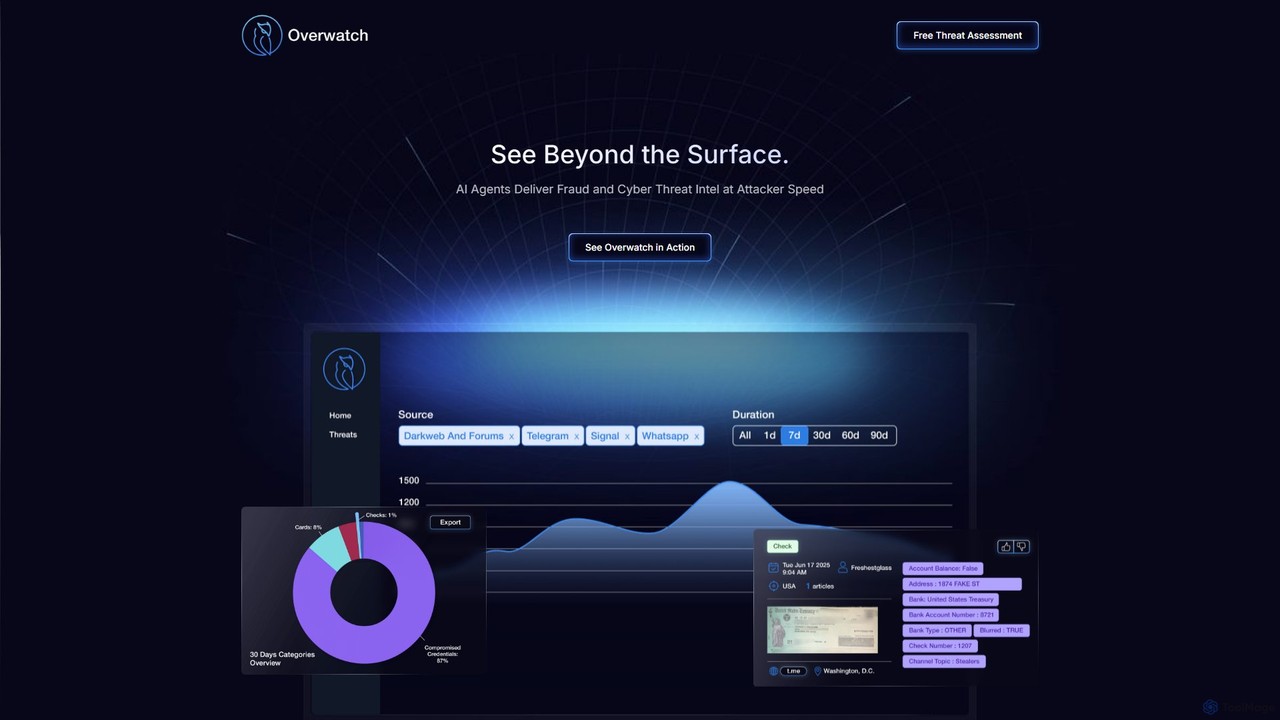
Overwatch Data is an AI-powered threat intelligence platform for cyber and fraud teams. It uses AI agents to monitor over 300,000 sources, including the deep/dark web and social media, 24/7. The platform delivers real-time, context-rich alerts to help businesses proactively prevent fraud, data breaches, and cyberattacks.

Monitoring
Visits 8.4KFavorites 131Likes 114
Treblle
Freemium

Treblle

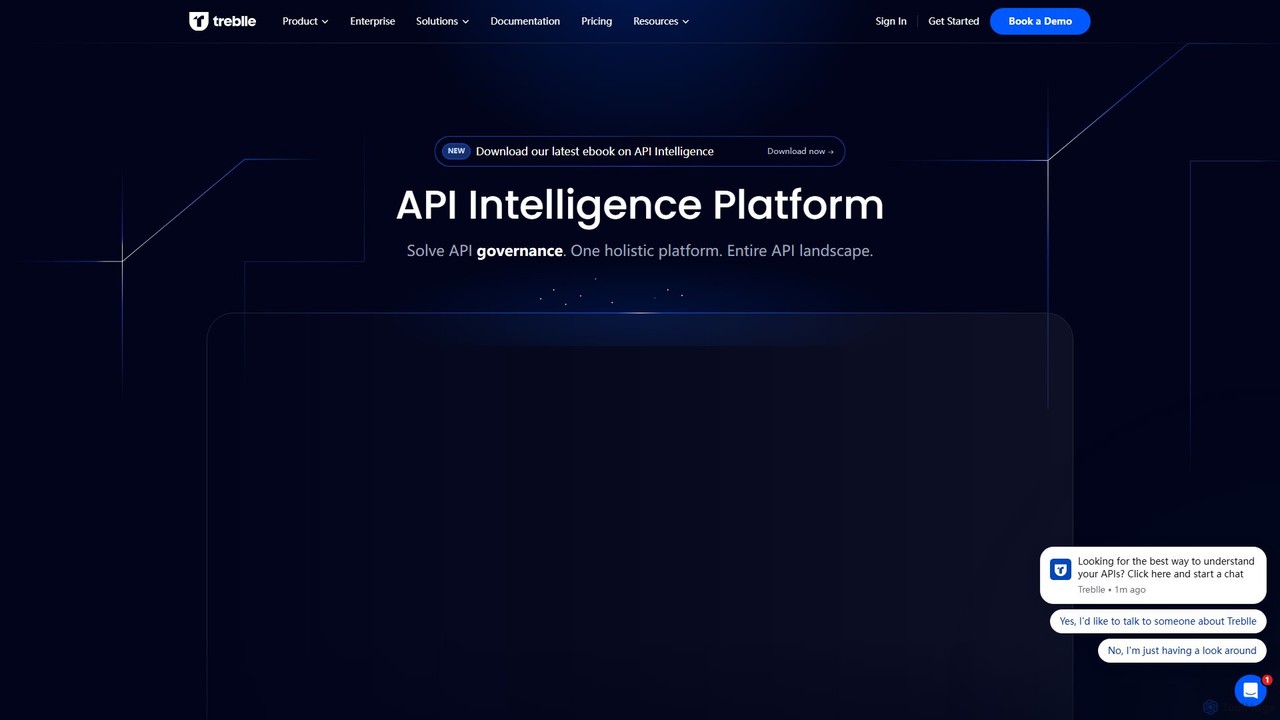
Treblle is an all-in-one API intelligence and management platform designed to help developers and businesses understand, monitor, and secure their APIs throughout the entire lifecycle. It provides real-time observability, automated documentation, advanced security analysis, and AI-powered insights to streamline API development, improve performance, and ensure robust governance.

Analytics
Visits 38.8KFavorites 116Likes 131
Arize
Freemium

Arize

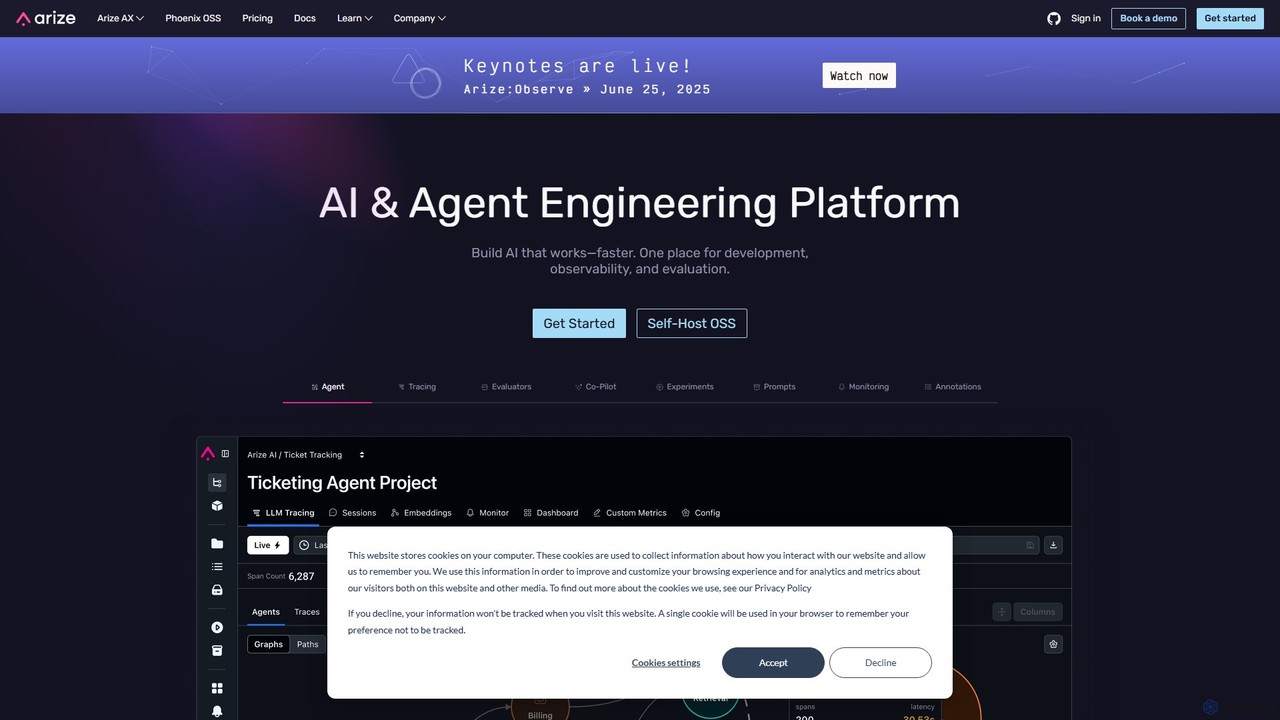
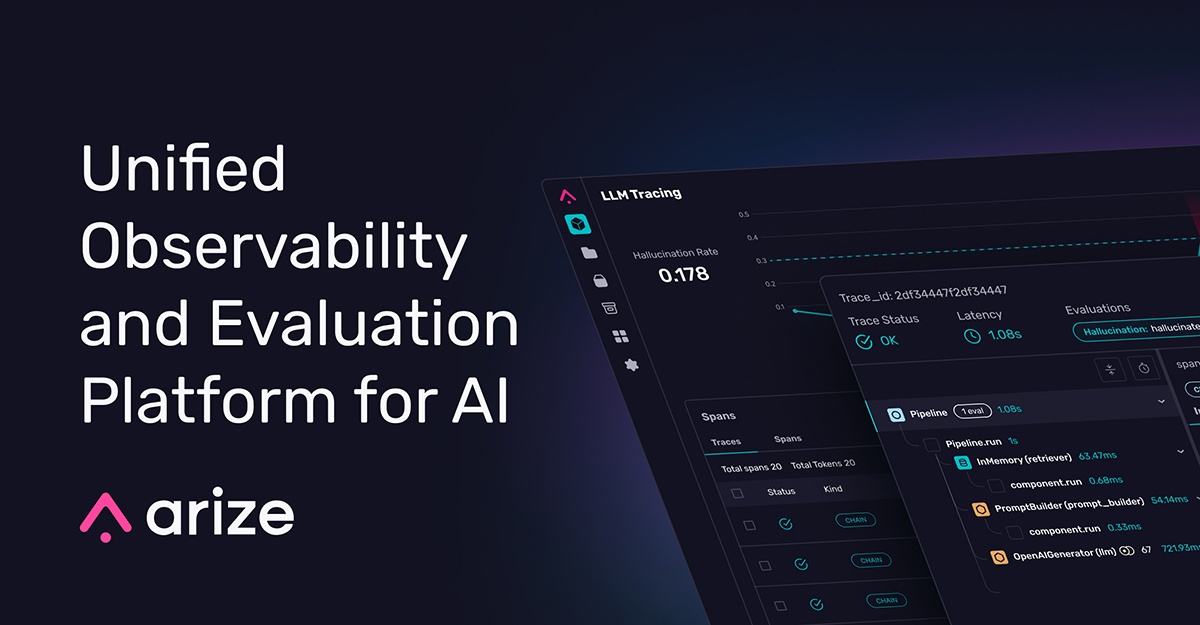
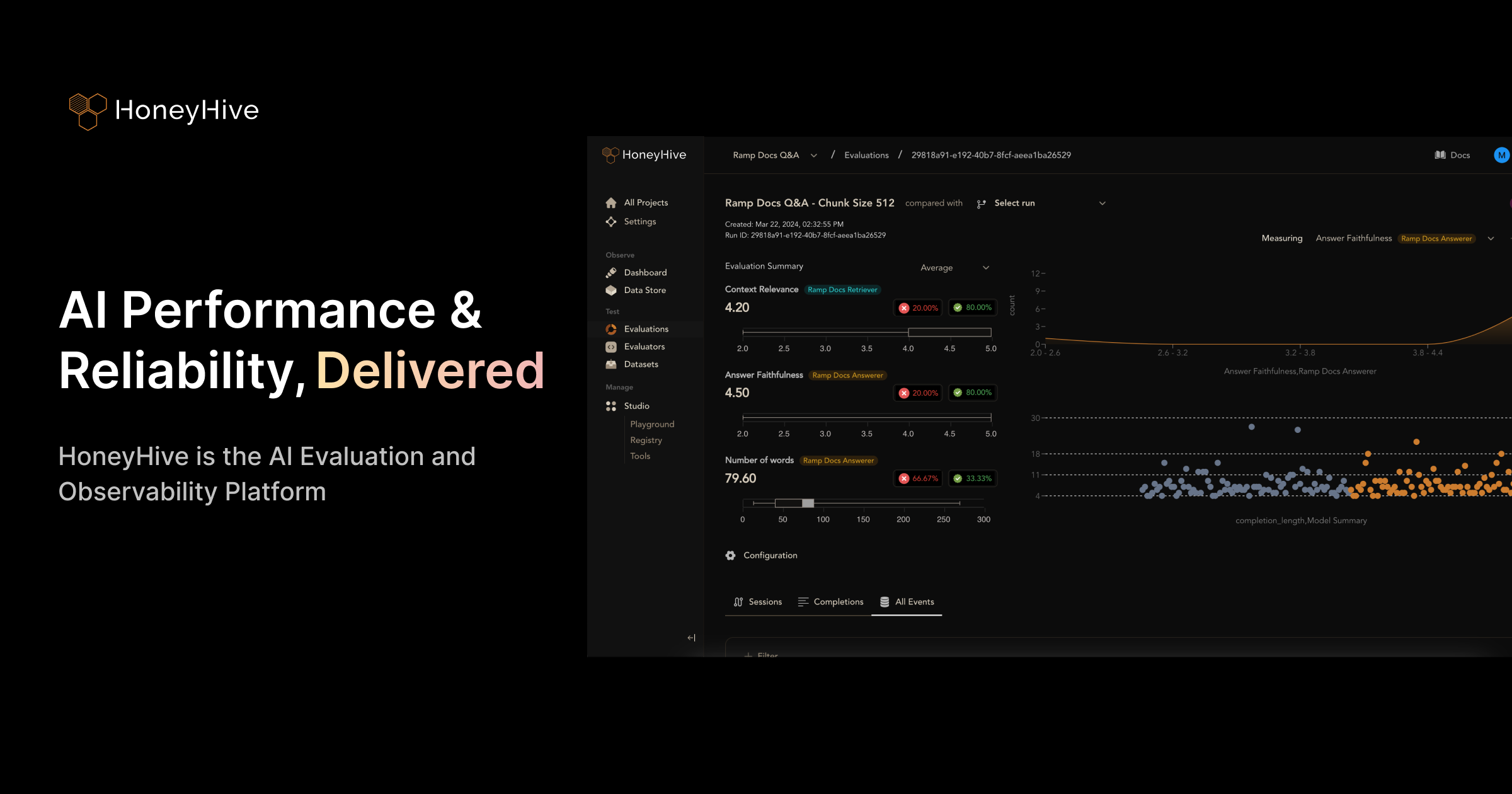
Arize is an AI & Agent Engineering Platform designed for development, observability, and evaluation. It provides a unified solution for teams to build, monitor, debug, and improve LLM and ML models faster. By closing the loop between development and production, Arize helps ensure AI systems are reliable, trustworthy, and high-performing at scale.

Mlops
Visits 254.2KFavorites 115Likes 105
viact
Paid

viact

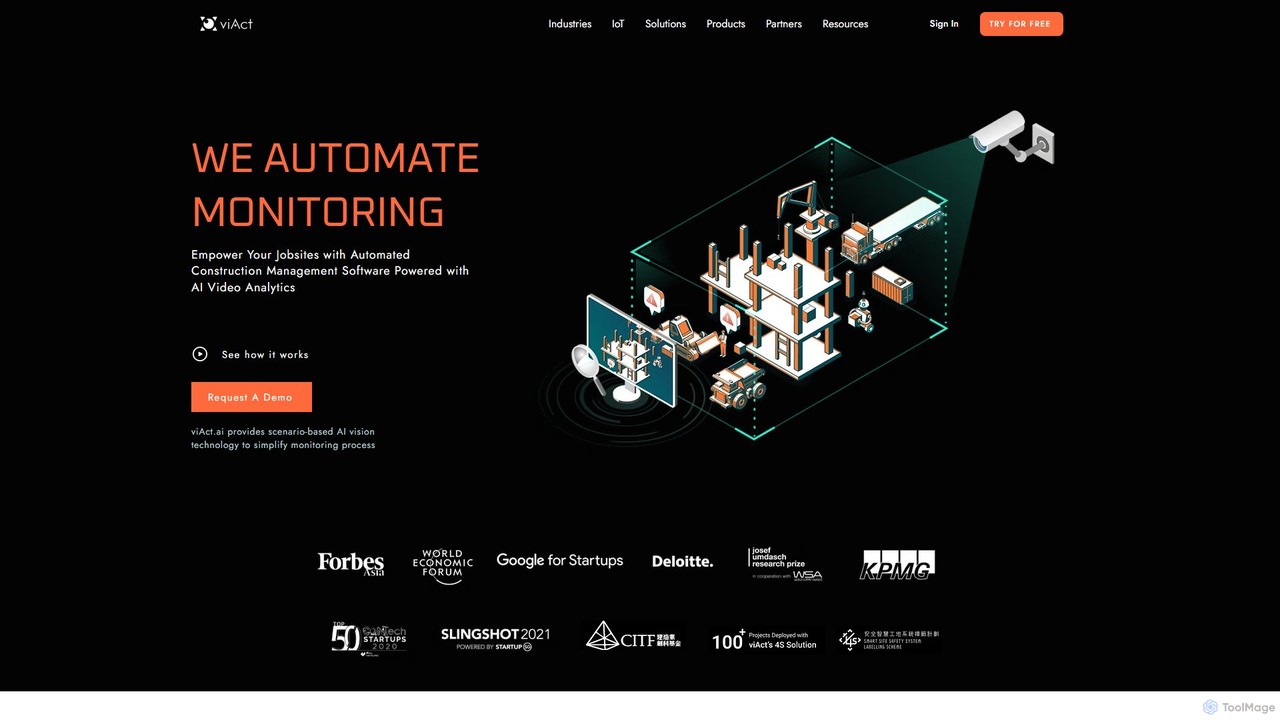
viAct is an AI-powered video analytics platform designed for the construction industry. It automates worksite monitoring to enhance safety, productivity, and compliance. By leveraging existing CCTV cameras, viAct's computer vision technology detects safety hazards like PPE non-compliance and danger zone intrusions, providing real-time alerts and data-driven insights through a smart dashboard.

Site Management
Visits 55.9KFavorites 129Likes 119
WellTra
Freemium

WellTra

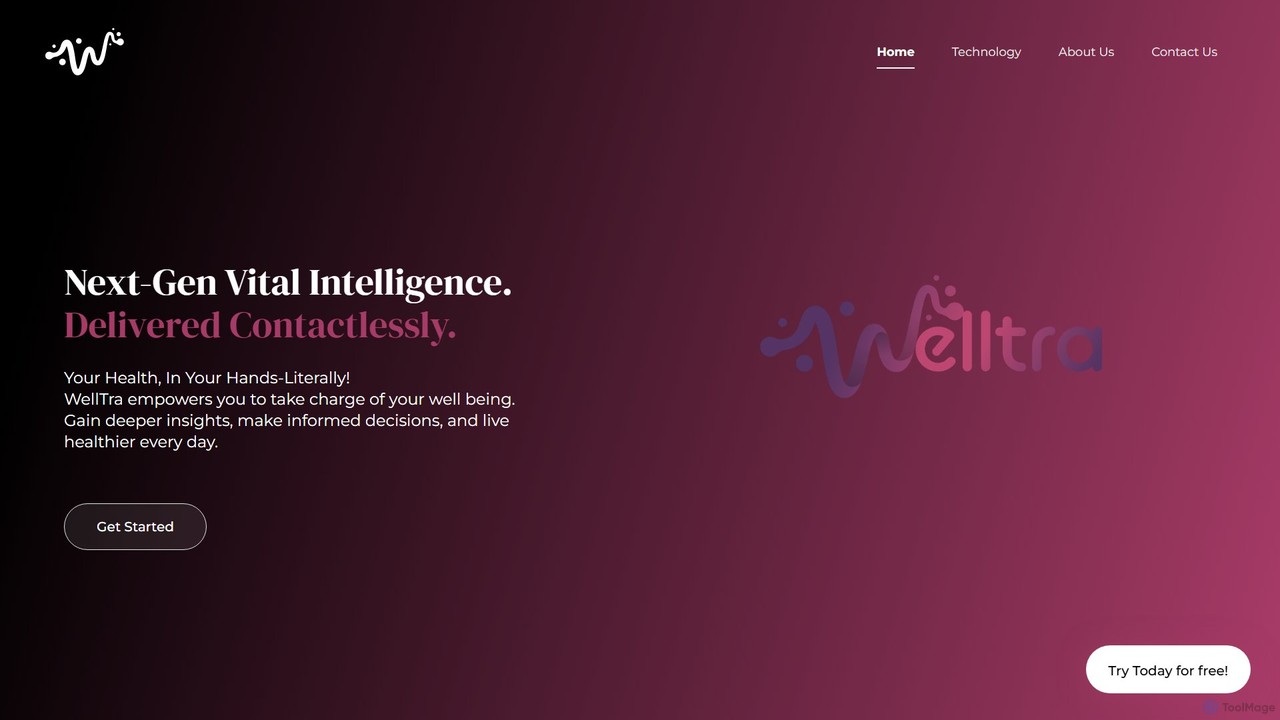
WellTra is a next-generation AI platform that provides contactless vital sign monitoring using any standard camera. Leveraging rPPG technology, it measures key health metrics like heart rate, blood pressure, and stress levels in real-time, offering personalized wellness insights while prioritizing user privacy through on-device processing.

3D
Visits 6KFavorites 99Likes 109
getmaxim
Freemium

getmaxim

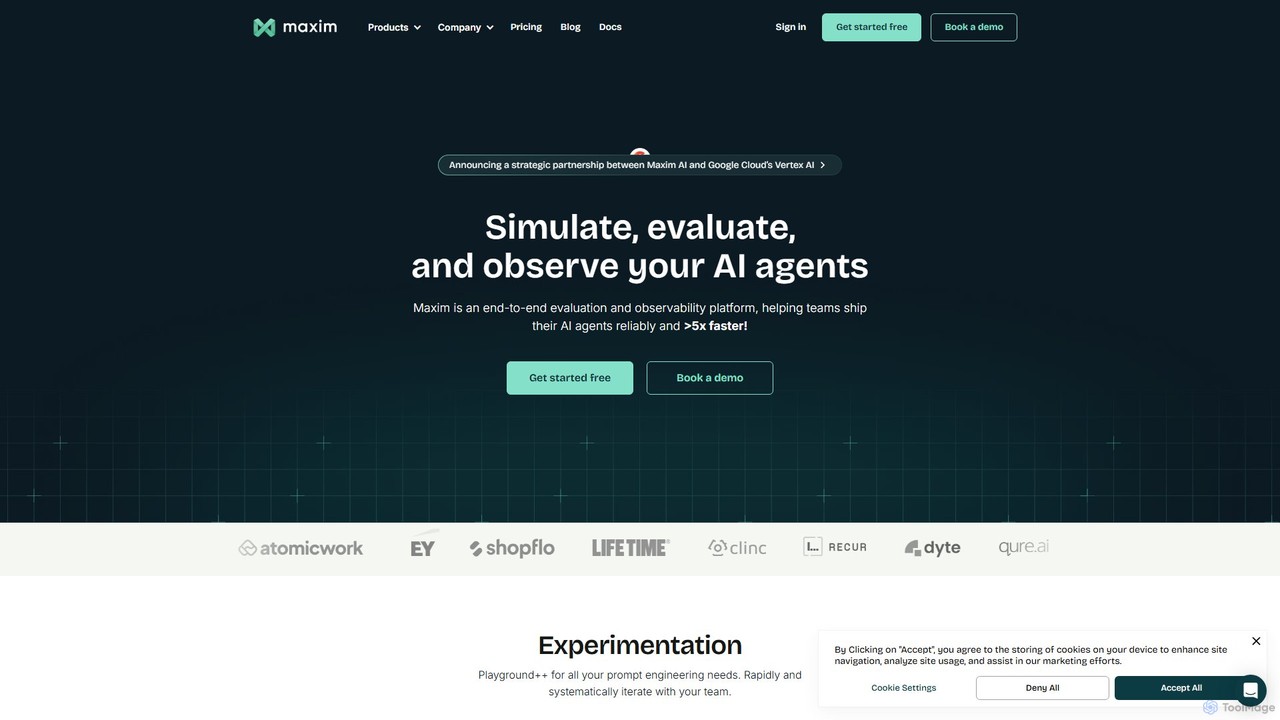
getmaxim is a comprehensive GenAI evaluation and observability platform designed for AI development teams. It enables users to test, monitor, and improve AI applications by running extensive evaluations on LLMs and RAG pipelines, automating testing, and providing real-time production monitoring to ensure high-quality, reliable, and responsible AI.

Llm
Visits 108.4KFavorites 162Likes 143
ReadPartner
Freemium

ReadPartner

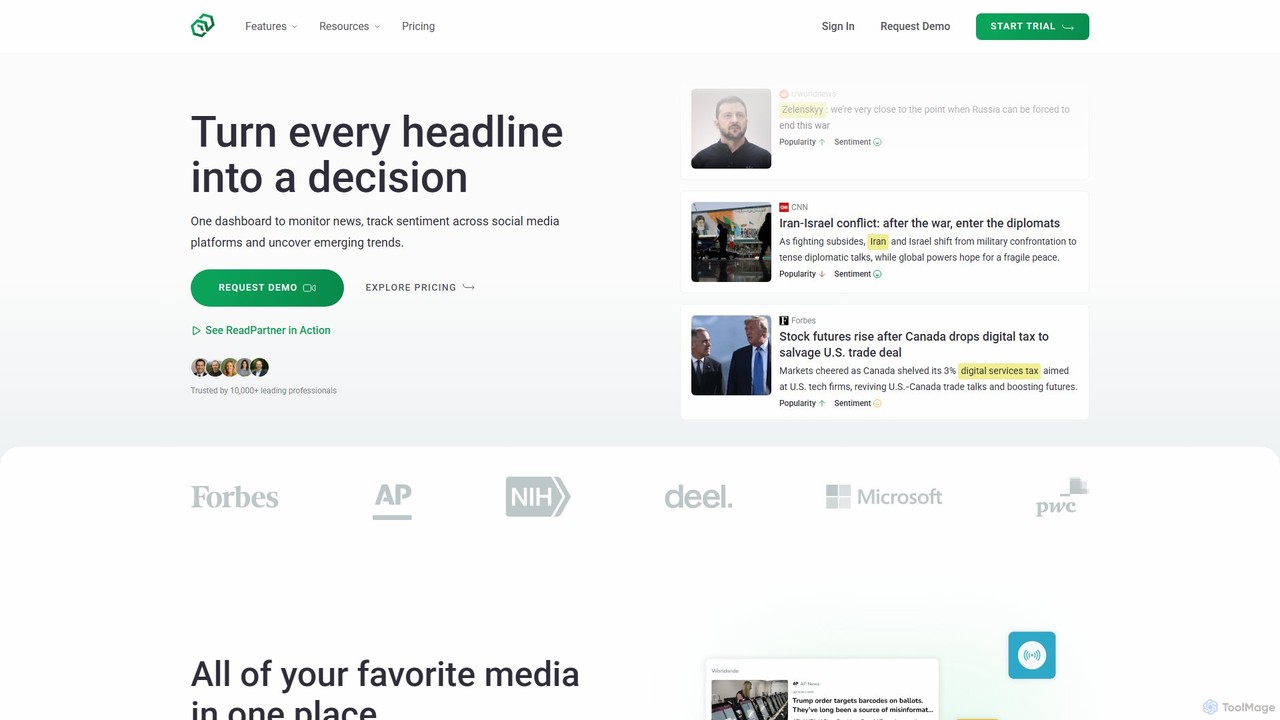
ReadPartner is an AI-powered media intelligence platform for businesses. It provides a unified dashboard to monitor global news, track social media sentiment, and analyze emerging market trends in real-time, enabling data-driven, predictive decision-making.

Market Research
Visits 14.4KFavorites 87Likes 82
Mezmo
Freemium

Mezmo

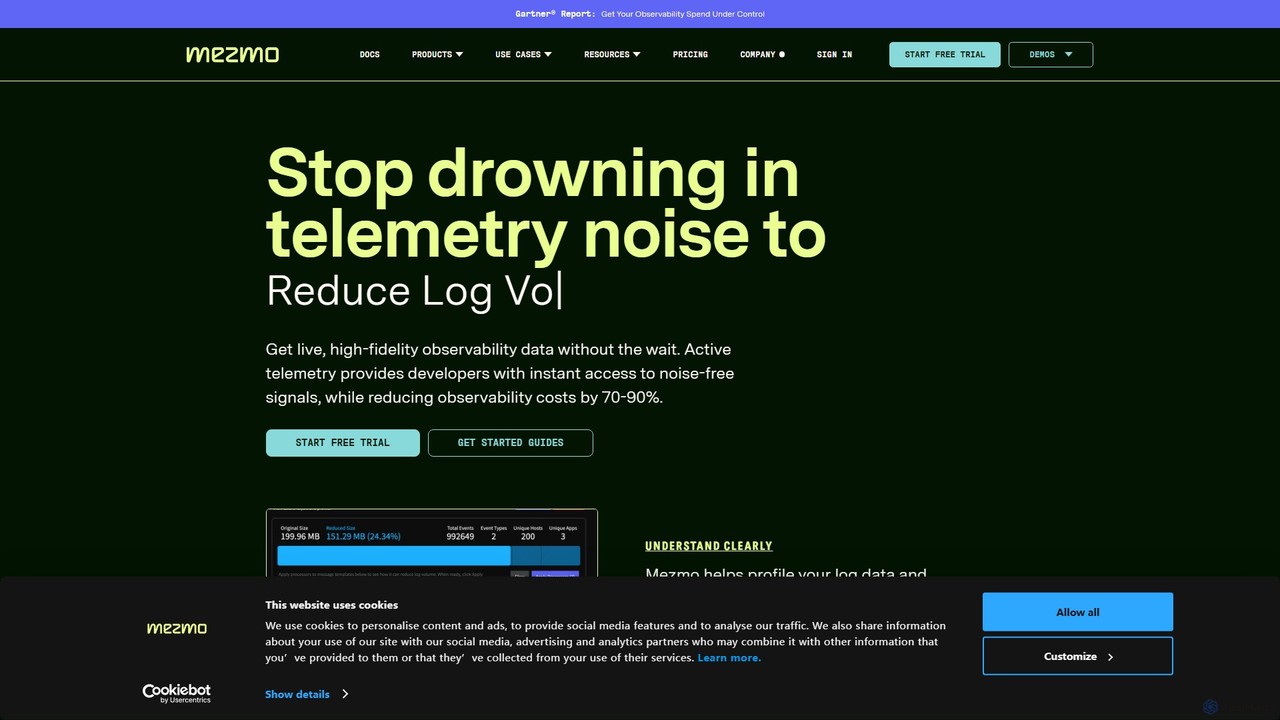
Mezmo is a comprehensive telemetry data pipeline platform designed for developers, DevOps, and SRE teams. It enables users to ingest, process, and analyze logs, metrics, and traces from any source. With a focus on control and cost-efficiency, Mezmo allows you to filter, transform, and route your observability data to any destination, optimizing performance and reducing expenses.

Analytics
Visits 76.2KFavorites 112Likes 123

About Monitoring

AI Monitoring tools are a specialized category of software designed to observe, track, and analyze the performance of machine learning models and AI-driven systems in production. They utilize statistical methods and AI to automatically detect issues like data drift, concept drift, and performance degradation that traditional monitoring tools often miss. This proactive oversight ensures that AI applications remain accurate, fair, and reliable over time, maintaining business value and mitigating operational risks. These platforms are a critical component of the MLOps lifecycle for any organization deploying mission-critical AI.

Core Features

  • Model Performance Tracking: Continuously monitors key metrics like accuracy, precision, recall, and F1-score in real-time.
  • Data and Concept Drift Detection: Automatically identifies shifts in input data distributions or changes in the relationship between data and outcomes.
  • Explainability and Bias Auditing: Provides insights into model predictions and helps detect and mitigate algorithmic bias against specific demographics.
  • Automated Alerting: Configures intelligent, context-aware alerts for performance degradation, data anomalies, or potential bias.
  • Centralized Dashboard: Offers a unified view of all deployed models, their health, and operational metrics for streamlined management.

Use Cases

These tools are essential for MLOps engineers, data scientists, and IT operations teams in sectors like finance, e-commerce, healthcare, and autonomous systems. For example, a fintech company uses an AI monitoring tool to ensure its credit scoring model remains fair and accurate as market conditions change. Similarly, an e-commerce platform monitors its recommendation engine to prevent performance decay that could impact sales.

How to Choose

When selecting an AI Monitoring tool, consider its compatibility with your existing machine learning frameworks (e.g., TensorFlow, PyTorch) and deployment platforms (e.g., Kubernetes, cloud services). Evaluate the range of detectable issues, from simple data drift to complex ethical bias. Also, assess the quality of its dashboards, the flexibility of its alerting system, and its ability to integrate into your CI/CD and incident response workflows.

Featured tool rankings

Monitoring use cases

1

Ensuring Fintech AI Model Reliability

An MLOps team at a financial services company is responsible for a real-time credit scoring model. They use an AI Monitoring tool to continuously track the model's predictive accuracy and decision latency. The platform automatically detects data drift when economic conditions change, alerting the team that incoming applicant data no longer matches the training data. It also provides explainability reports for individual loan decisions, helping the company comply with regulatory requirements for fairness and transparency. This prevents silent model failure, protects against financial losses, and ensures regulatory compliance.

2

Optimizing E-commerce Recommendation Engines

An e-commerce platform relies on a recommendation engine to personalize user experience and drive sales. A data science team uses an AI Monitoring tool to track the engine's click-through rate (CTR) and conversion metrics across different user segments. The tool alerts them when a specific segment shows a sudden drop in engagement, indicating 'concept drift' where user preferences have changed. By analyzing the model's feature importance, they can identify outdated recommendations and retrain the model with fresh data, quickly restoring personalization effectiveness and preventing a decline in revenue.

3

Auditing AI Chatbots for Fairness in Customer Service

A large enterprise deploys an AI chatbot to handle initial customer support queries. The AI ethics officer uses a monitoring platform to audit the chatbot's conversations for potential bias. The tool analyzes response sentiment and resolution rates across different customer demographics, flagging instances where the chatbot may be providing a lower quality of service to certain groups. This allows the development team to identify and correct biases in the training data or model logic, ensuring equitable customer service and protecting the company's brand reputation.

4

Maintaining Performance of Medical Imaging AI

A healthcare technology company provides an AI model that assists radiologists in detecting diseases from medical scans. It's critical that the model's accuracy does not degrade over time due to new scanning equipment or changing patient populations. The company uses an AI Monitoring platform to track the model's predictions against ground truth data from radiologists. The system automatically flags cases with low prediction confidence or those from new types of scanners, creating a feedback loop for continuous model improvement and validation. This ensures patient safety and maintains regulatory approval.

5

Monitoring Autonomous Vehicle Perception Models

An autonomous vehicle company needs to ensure the highest level of safety and reliability for its perception models (e.g., object detection). Engineers use an AI Monitoring tool to analyze model performance in diverse and rare edge-case scenarios encountered in the real world. The platform ingests sensor data and model outputs, automatically flagging discrepancies or performance drops in specific conditions like heavy rain or low light. This allows for targeted data collection and model retraining, systematically improving the vehicle's safety and robustness in all driving environments.

6

Detecting Anomalies in Manufacturing Supply Chains

A logistics manager for a large manufacturing firm uses an AI monitoring tool to oversee a complex supply chain. The AI model, trained on historical logistics data, predicts delivery times and identifies potential bottlenecks. The monitoring tool tracks the model's prediction accuracy and watches for anomalies in real-time data streams (e.g., unexpected delays from a specific port). When an anomaly is detected, it alerts the manager, who can then proactively reroute shipments or adjust production schedules, minimizing disruptions and reducing operational costs.

Monitoring FAQ

What are AI Monitoring tools?

AI Monitoring tools are specialized platforms designed to ensure that machine learning models perform reliably, accurately, and fairly after they are deployed in a live environment. Unlike traditional software monitoring that checks for uptime and errors, AI monitoring focuses on model-specific issues like performance degradation, data drift (when input data changes), concept drift (when relationships in the data change), and algorithmic bias. They provide the necessary visibility for MLOps and data science teams to trust and manage their production AI systems effectively.

How do I choose the right AI Monitoring tool?

Choosing the right tool depends on your specific needs. Consider the following factors:

  • Integration: Does it easily connect with your existing ML frameworks (Scikit-learn, TensorFlow, etc.), data sources, and deployment platforms (Kubernetes, AWS SageMaker, etc.)?
  • Monitoring Capabilities: Does it cover the key issues you care about, such as data drift, accuracy, latency, and bias detection?
  • Usability: Are the dashboards intuitive and the alerts actionable for your team (data scientists, MLOps engineers)?
  • Scalability: Can the tool handle the volume of predictions and data your models process, especially as you deploy more models?
  • Explainability: Does it offer features to help you understand why a model made a particular prediction, which is crucial for debugging and compliance?
What's the difference between AI Monitoring and traditional APM tools?

The primary difference is their focus. Traditional Application Performance Monitoring (APM) tools track infrastructure and application health, focusing on metrics like CPU usage, memory, latency, and error rates. They answer the question, 'Is the service running?'. AI Monitoring tools, on the other hand, focus on the health of the ML model itself. They track statistical and predictive metrics to answer a different question: 'Is the service still providing smart and fair results?'. An APM tool can tell you an API endpoint is fast, but only an AI Monitoring tool can tell you if the predictions from that API are still accurate.

What key metrics should I track with an AI Monitoring tool?

The metrics depend on your model's use case, but some common and crucial ones include:

  • Model Performance Metrics: For classification tasks, this includes accuracy, precision, and recall. For regression, it's metrics like Mean Absolute Error (MAE) or Root Mean Squared Error (RMSE).
  • Drift Metrics: These measure the statistical distance between your training data distribution and the live production data (data drift), or changes in data relationships (concept drift).
  • Operational Metrics: This includes prediction latency (how fast the model responds) and throughput (how many predictions it can make per second).
  • Fairness Metrics: These measure for bias, such as Demographic Parity or Equal Opportunity, to ensure your model treats different user groups equitably.
Who needs to use AI Monitoring tools?

AI Monitoring tools are essential for several roles involved in the machine learning lifecycle. MLOps Engineers use them to ensure the stability and performance of production systems. Data Scientists use them to validate that their models are behaving as expected in the real world and to get feedback for future iterations. Product Managers for AI-powered features use them to track business impact and ensure a positive user experience. Finally, Compliance and Risk Officers in regulated industries like finance and healthcare rely on them to audit models for fairness and transparency, ensuring they meet legal and ethical standards.