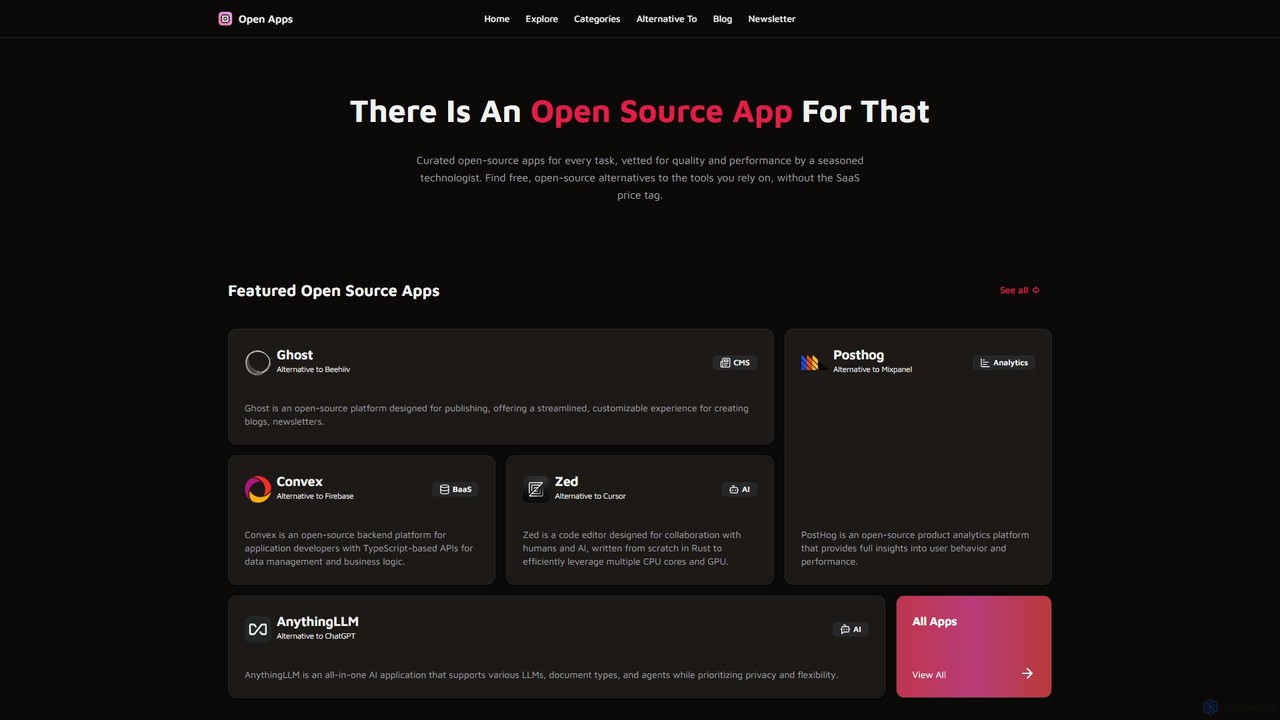
Productivity Best in category 5 results Resource Discovery AI Tool

Popular AI tools in the Resource Discovery field of Productivity include openapps、AIJourney、aiartapps、AiTalkTutor、dropoutdeveloper, etc., helping you quickly improve efficiency.

Free
openapps

openapps

A curated directory of high-quality, open-source software alternatives to popular SaaS products. Vetted by a seasoned technologist, openapps …

45.3K
Free
AiTalkTutor

AiTalkTutor

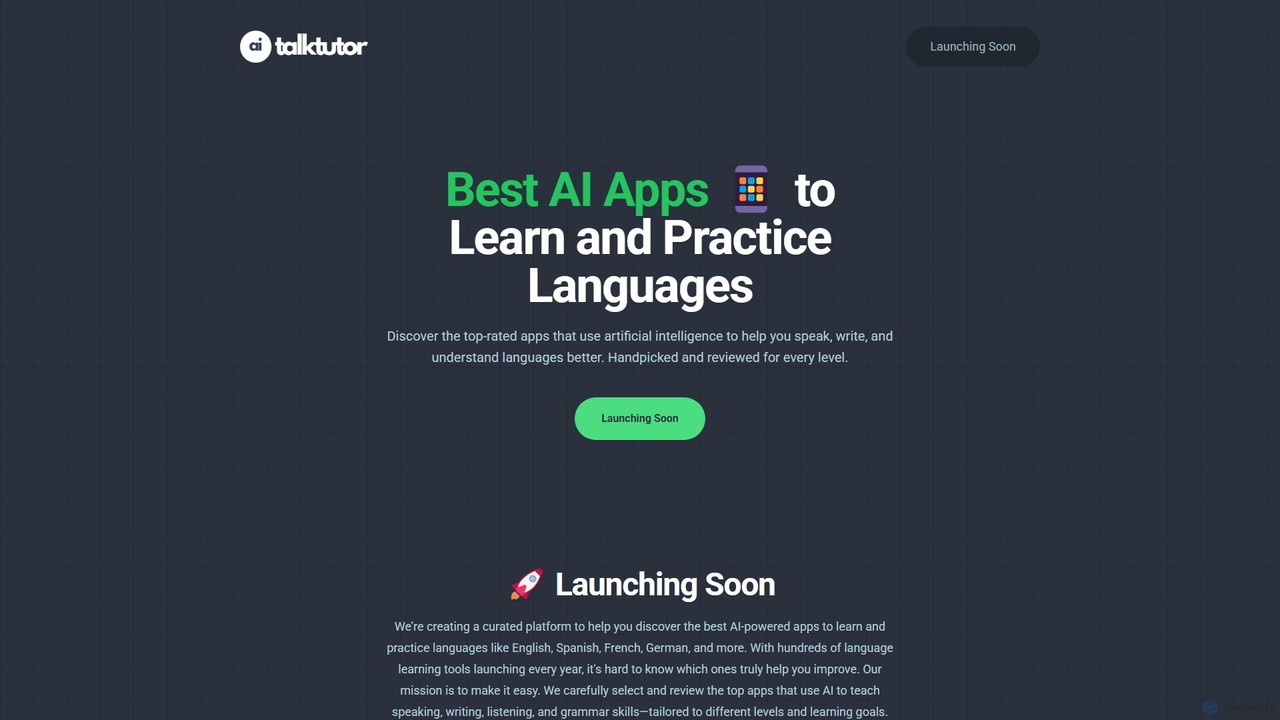
A curated discovery platform featuring expert-reviewed AI-powered applications for language learning. AiTalkTutor helps users find, compare, and choose …

2.8K
Free
aiartapps

aiartapps

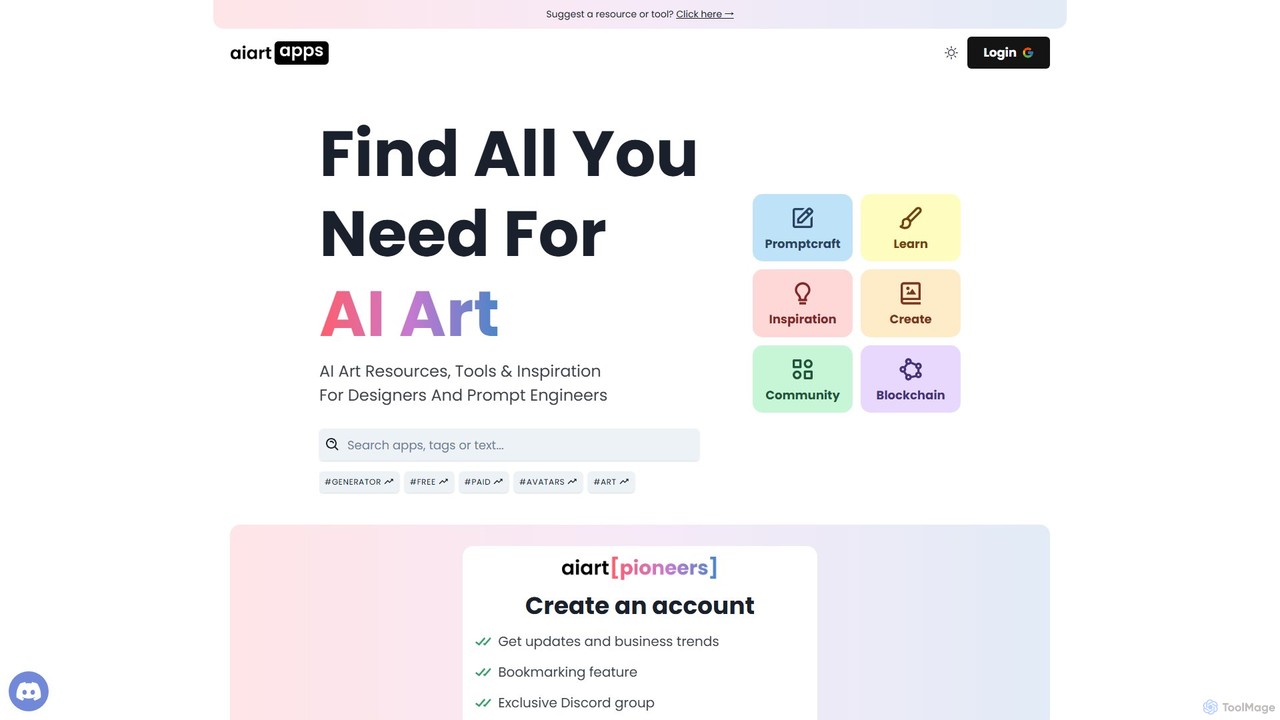
aiartapps is a comprehensive directory and resource hub for the AI art ecosystem. It curates and categorizes a …

4.1K
dropoutdeveloper

dropoutdeveloper

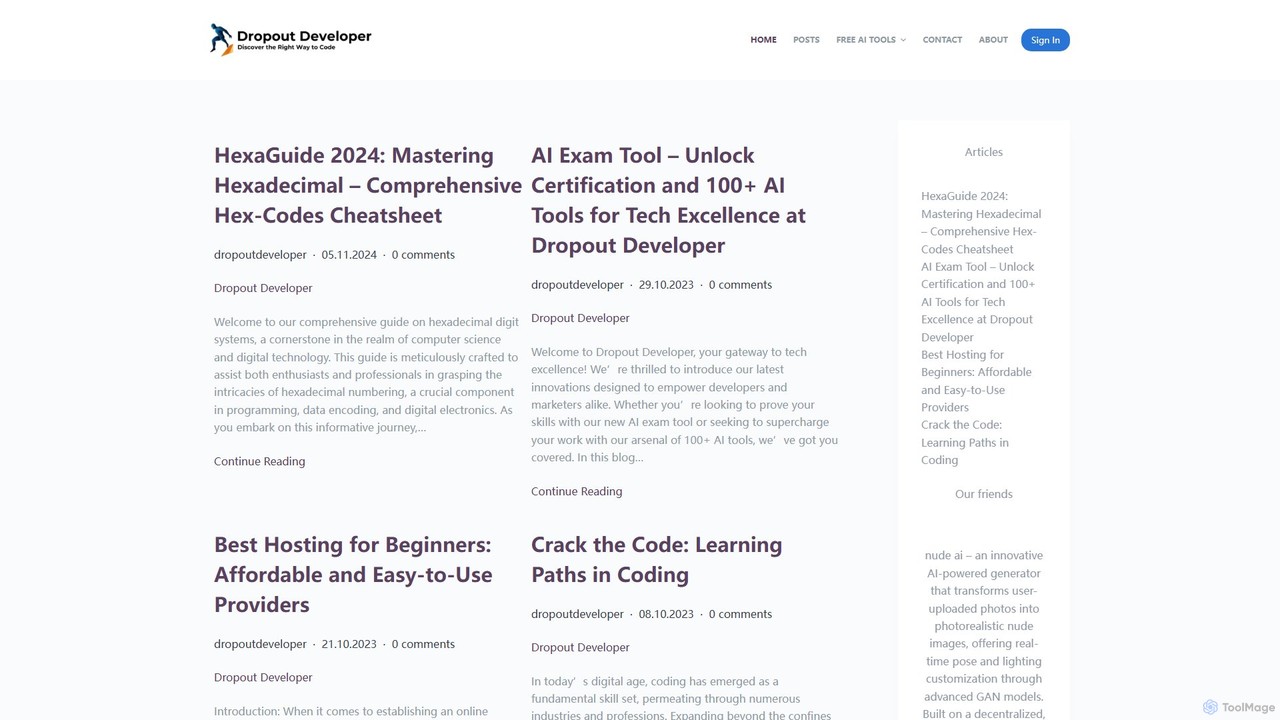
Dropout Developer is a comprehensive platform for developers and tech enthusiasts, offering a curated collection of over 100 …

2.8K
AIJourney

AIJourney

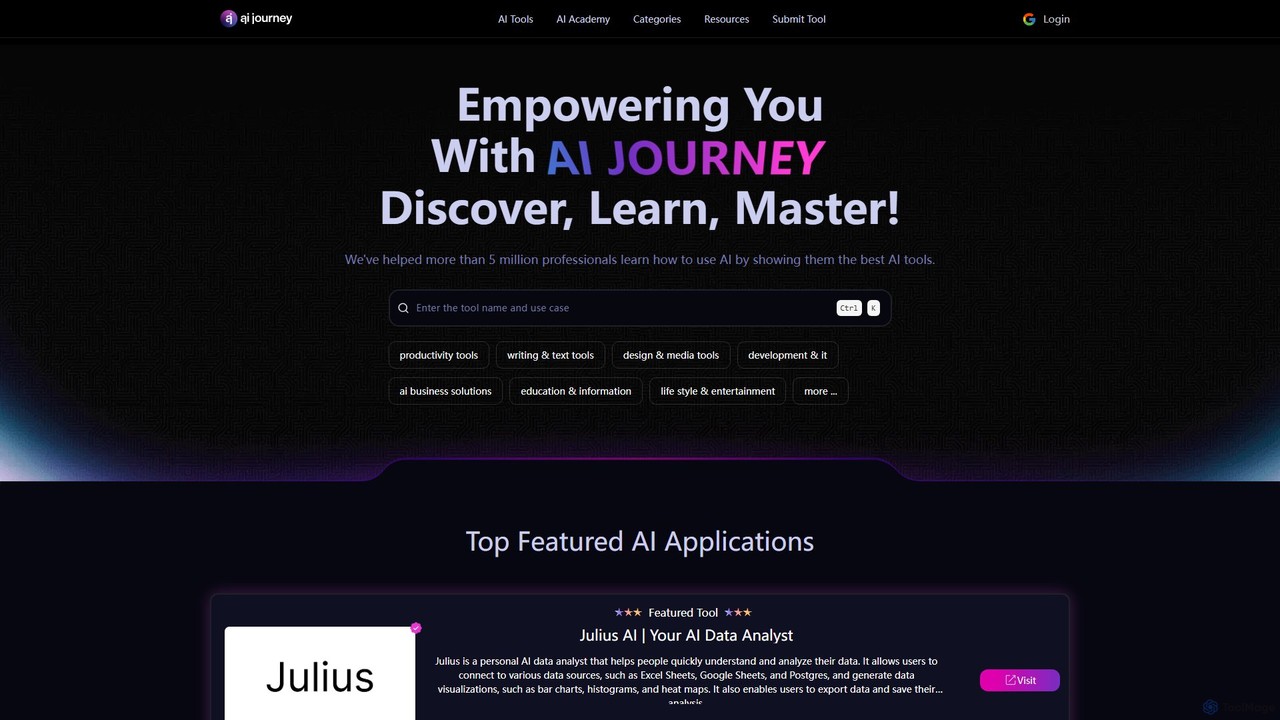
AIJourney is a comprehensive AI tool directory and learning hub. It helps users discover, compare, and master the …

25.9K

About Resource Discovery

Resource Discovery tools are AI-powered platforms designed to intelligently find, curate, and recommend relevant information from vast digital sources. They utilize advanced technologies like natural language processing and machine learning to understand user intent and the context of information, going beyond simple keyword matching. These tools are invaluable for professionals and researchers who need to efficiently navigate information overload, uncover hidden insights, and stay updated on specific topics. By automating the process of sifting through articles, papers, and data, they significantly accelerate research and decision-making within the broader goal of enhancing productivity.

Core Features

  • Semantic Search: Understands the conceptual meaning of queries to deliver highly relevant results, not just keyword matches.
  • Automated Curation: Aggregates and organizes content from multiple sources based on specific topics or criteria.
  • Personalized Feeds: Learns from user interactions to provide tailored recommendations and updates.
  • Knowledge Graphing: Visually maps relationships between concepts, authors, and resources to reveal connections.
  • Trend Identification: Analyzes data streams to highlight emerging topics and influential sources in a field.

Use Cases

These tools are widely used by academic researchers for literature reviews, market analysts for competitive intelligence, developers for finding code libraries, and content creators for sourcing fresh ideas. They are essential in any field where staying informed and quickly finding specific, high-quality information is critical for productivity and innovation.

How to Choose

When selecting a tool, consider the scope of its data sources (e.g., academic journals, news, code repositories). Evaluate the sophistication of its search and filtering capabilities. Assess its personalization features and how well it integrates with your existing workflow, such as through browser extensions or API access. Finally, consider the pricing model and whether it aligns with your usage frequency and budget.

Resource DiscoveryUse Cases

1

Accelerating Academic Literature Reviews

For PhD students and researchers, a comprehensive literature review is a time-consuming process. A Resource Discovery tool automates this by searching across multiple academic databases like arXiv, PubMed, and IEEE Xplore simultaneously. Instead of manually tracking citations, the tool can use semantic search to find conceptually related papers, even if they don't share exact keywords. It can also generate a knowledge graph showing influential authors and seminal papers, helping researchers quickly grasp the state of the art and identify research gaps, reducing weeks of manual work to a matter of hours.

2

Tracking Market Trends and Competitor Activity

A market analyst for a tech company needs to stay ahead of industry shifts. Using a Resource Discovery tool, they can set up personalized feeds to monitor news, press releases, patent filings, and social media mentions related to key competitors and technologies. The AI can filter out noise and surface significant events, such as a competitor launching a new product or a new technology gaining traction. This provides a real-time, curated intelligence dashboard, enabling faster, more informed strategic decisions without having to manually scan dozens of websites daily.

3

Discovering Developer Tools and Code Libraries

Software developers often need to find the right library or API for a specific task. Instead of relying on generic web searches, a developer-focused Resource Discovery tool can search across GitHub, Stack Overflow, and package managers. The tool can analyze code snippets, documentation, and community discussions to recommend the most suitable and well-maintained libraries based on the developer's project context (e.g., programming language, framework). This helps avoid deprecated packages and accelerates the development cycle by quickly identifying optimal solutions.

4

Sourcing Data and Ideas for Content Creation

A journalist or content marketer needs to find unique data points, expert quotes, and fresh angles for their articles. A Resource Discovery tool can scan academic studies, industry reports, and niche blogs to uncover compelling statistics and insights that are not widely reported. By setting up alerts for specific keywords or topics, the creator receives a curated digest of the latest relevant information. This allows them to produce more original, data-driven content that stands out, while significantly cutting down on research time.

5

Validating Ideas for New Products

A product manager exploring a new product idea needs to understand the existing market and user pain points. They can use a Resource Discovery tool to analyze online communities like Reddit, product review sites, and support forums. The AI can identify recurring themes, feature requests, and common complaints related to existing solutions. This provides qualitative data at scale, helping the product manager validate their hypothesis, define the minimum viable product (MVP) scope, and build a product that genuinely addresses a market need.

6

Identifying Investment Opportunities for VCs

Venture capitalists (VCs) and angel investors need to identify promising early-stage startups. A Resource Discovery platform can be configured to track sources like tech news sites, startup directories (e.g., Crunchbase), and academic research hubs for signs of innovation. The AI can flag companies or research projects in emerging sectors (e.g., generative AI, quantum computing) that are gaining traction, receiving grants, or being founded by experienced entrepreneurs. This provides a proactive deal-sourcing mechanism, helping investors discover opportunities before they become mainstream.

Resource DiscoveryFrequently Asked Questions