ToolMage
Sign in

Best 8 Assistant for Research

Popular Assistant in Research include Deta Surf, EssayWriter, Locus, Manus AI, Orma, Gamaa, and Promptsion, helping you work more efficiently.

Gamaa
Paid

Gamaa

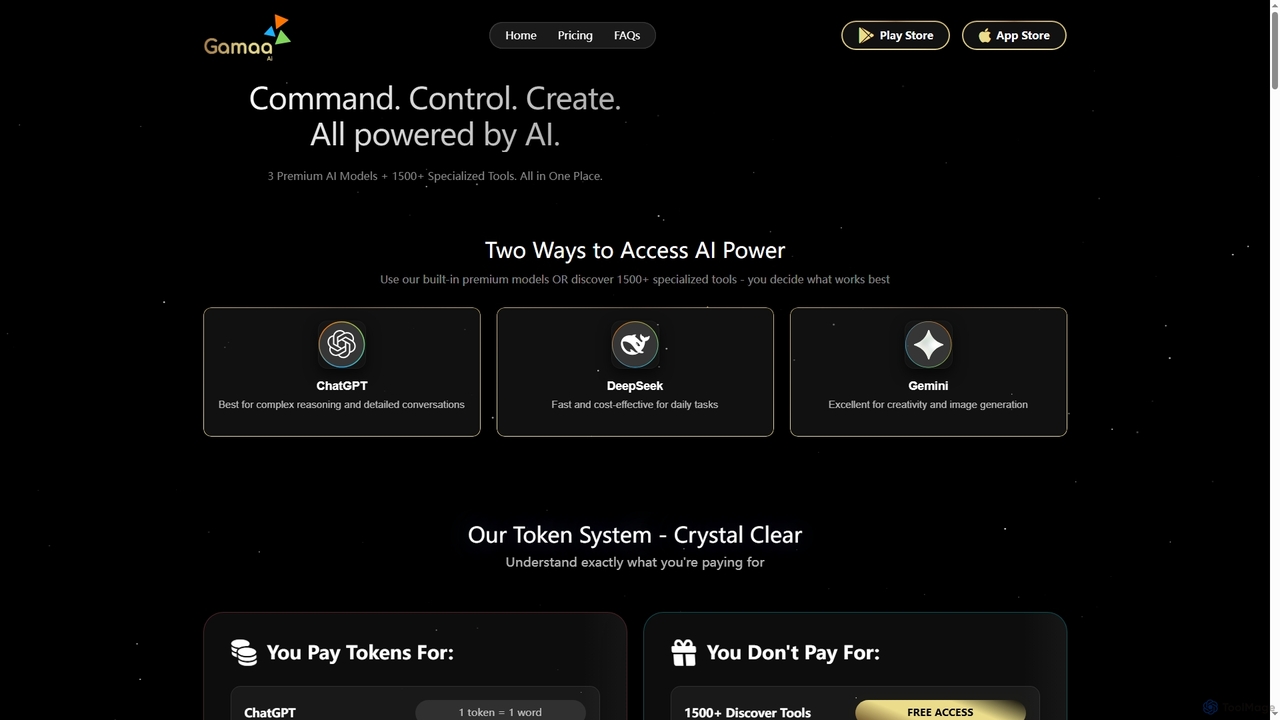
Gamaa is an advanced AI platform offering a unified chat interface that integrates the reasoning power of DeepSeek, the creativity of ChatGPT, and the data context of Gemini. It provides access to over 1500 AI tools for writing, coding, analytics, and research, alongside a trending gallery of prompts and workflows. Its flexible credit system ensures users only pay for what they generate.

Analytics
Visits 3.6KFavorites 87Likes 92
Orma
Freemium

Orma

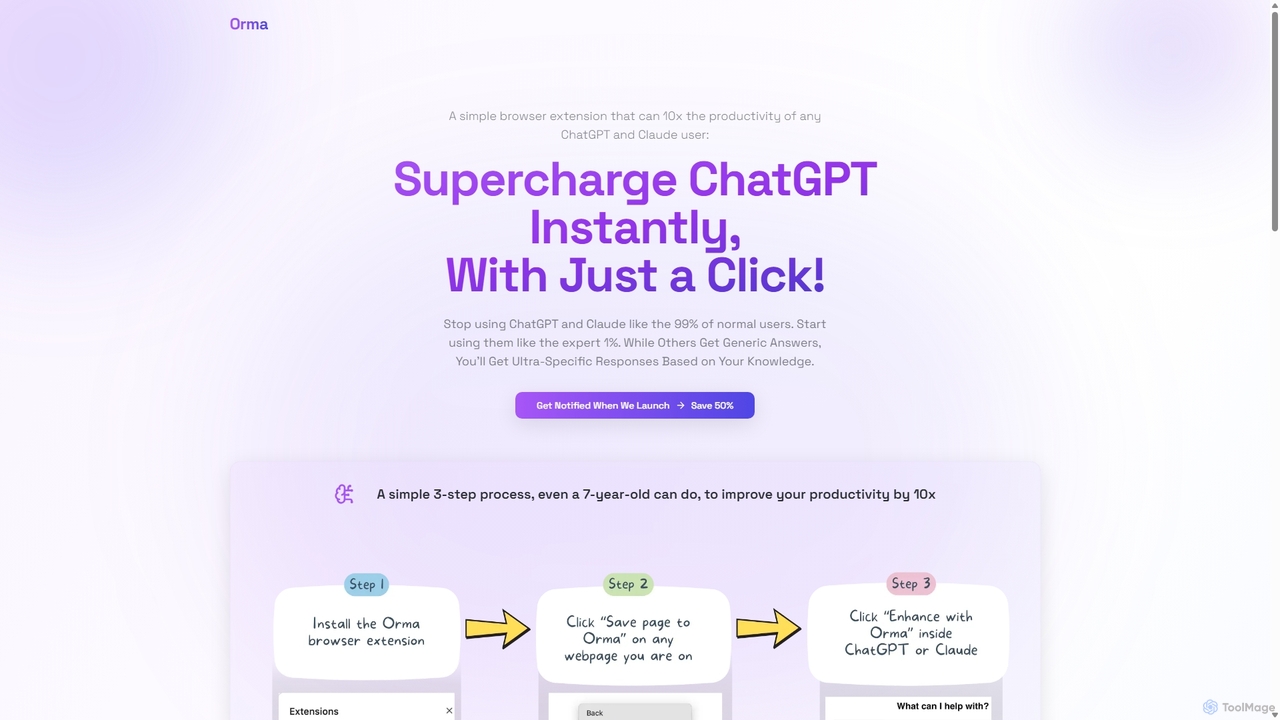
Orma is a browser extension that transforms your web browsing into a personal knowledge base, or 'digital memory layer'. It allows you to intelligently capture web content and seamlessly integrate it with AI models like ChatGPT and Claude. This turns generic AI responses into highly specific, personalized insights based on your own curated knowledge, boosting productivity by up to 10x.

Search Tools
Visits 3.6KFavorites 143Likes 140
Manus AI
Freemium

Manus AI

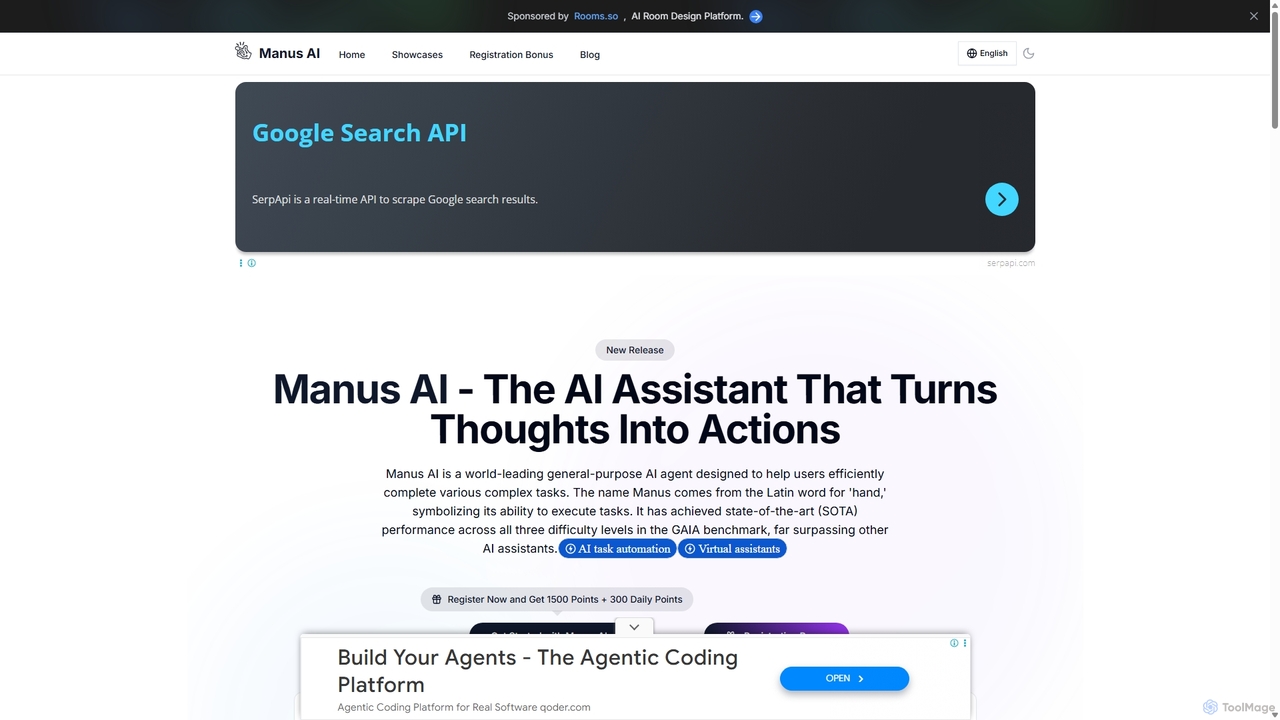
Manus AI is a world-leading general-purpose AI agent designed to transform thoughts into actions. It autonomously plans and executes complex tasks by intelligently calling various tools, functioning more like a human colleague than a traditional chatbot. It excels in data analysis, code development, content creation, and in-depth research.

Data Analysis
Visits 3.6KFavorites 128Likes 112
Manus AI
Freemium

Manus AI

Manus AI is a state-of-the-art general AI agent designed to automate complex tasks by bridging thoughts and actions. Leveraging advanced LLMs and seamless tool integration, it excels in real-world problem-solving, demonstrated by its superior performance in the GAIA benchmark. It acts as an autonomous digital assistant to enhance productivity for individuals and businesses.

Task Management
Visits 3.7KFavorites 148Likes 142
Deta Surf
Free

Deta Surf

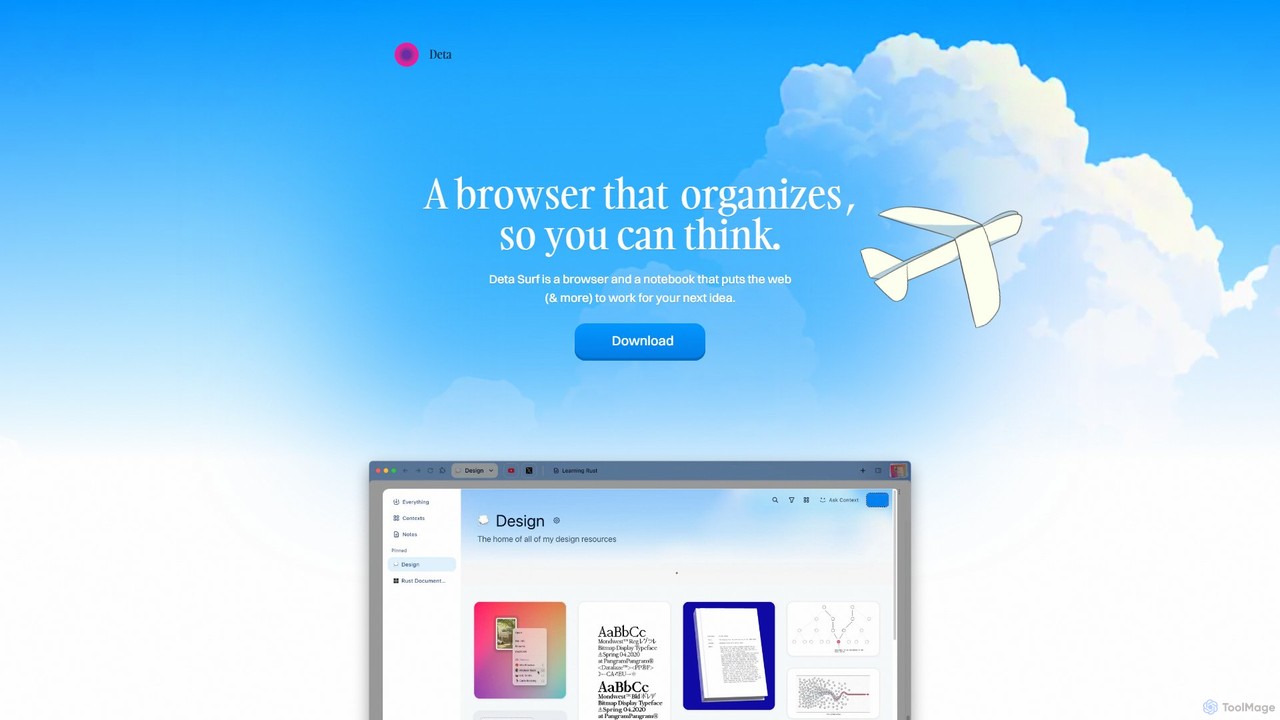
Deta Surf is an intelligent browser and notebook that organizes your web experience. It uses AI to help you collect, remember, and synthesize information, all while keeping your data private and local on your device. It's designed to reduce context switching and enhance your thinking and creativity.

Browser
Visits 20.8KFavorites 123Likes 133
Locus
Freemium

Locus

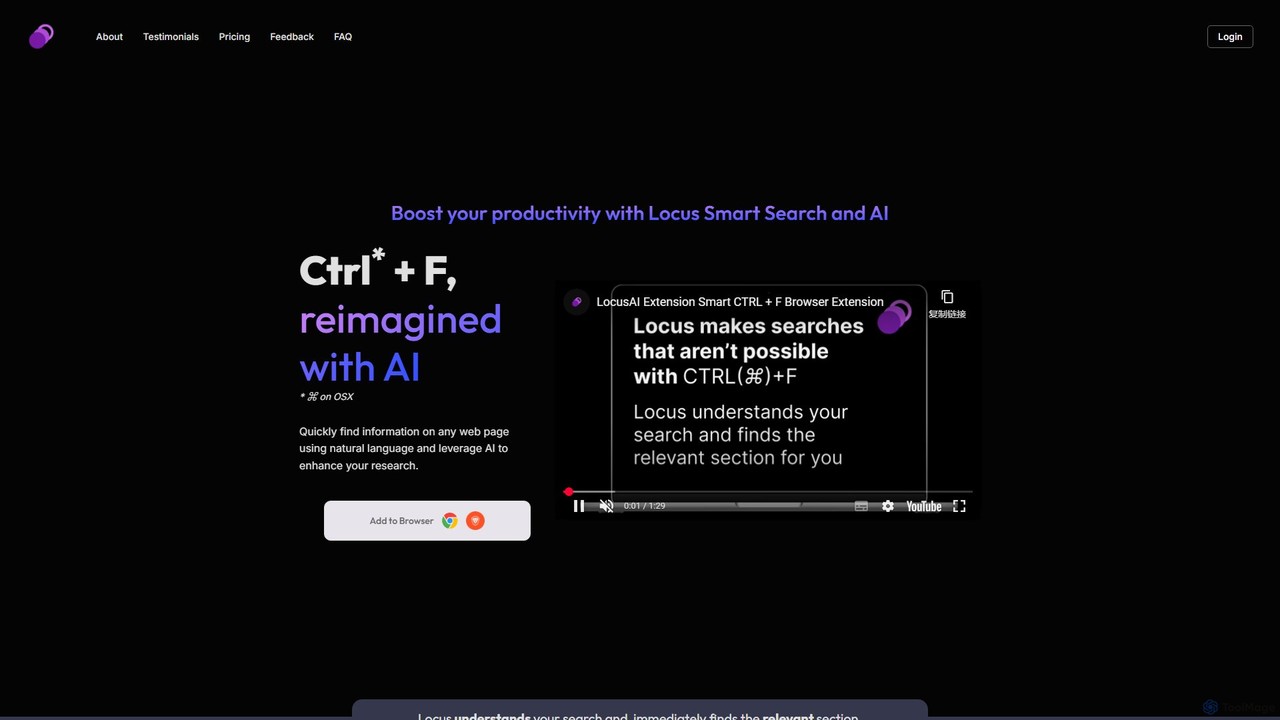
Locus is an AI-powered browser extension that reimagines the Ctrl+F function. It allows you to use natural language to search web pages and PDFs, instantly finding relevant information without needing exact keywords. Locus also offers AI assistance to summarize content, brainstorm ideas, and create study notes, significantly boosting your research and reading productivity.

Search
Visits 4.2KFavorites 106Likes 116
EssayWriter
Freemium

EssayWriter

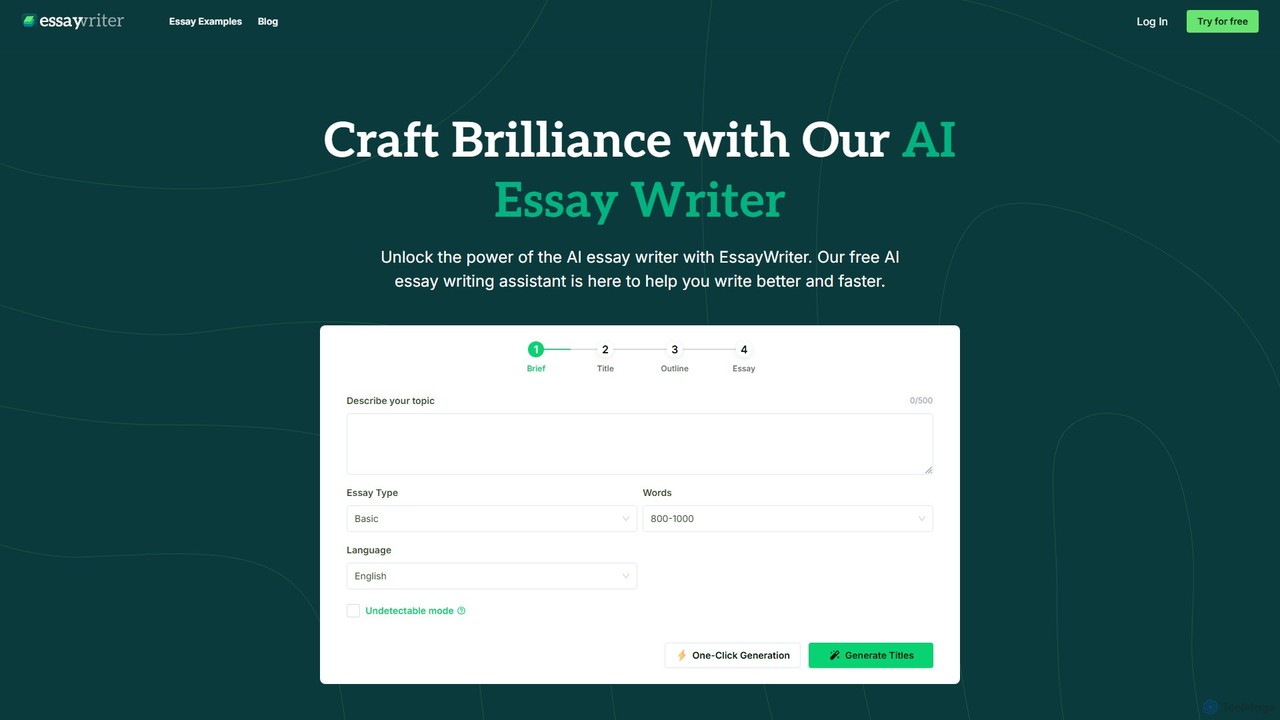
EssayWriter is an AI-powered academic writing assistant designed to help students, teachers, and researchers craft high-quality essays and papers. It offers a comprehensive suite of tools, including an AI drafter, an integrated research database, a citation generator (APA, MLA, Chicago), and a plagiarism checker. Powered by advanced models like GPT-4, it streamlines the entire writing process from ideation to final polish.

Academic
Visits 5.9KFavorites 109Likes 113
Promptsion
Freemium

Promptsion

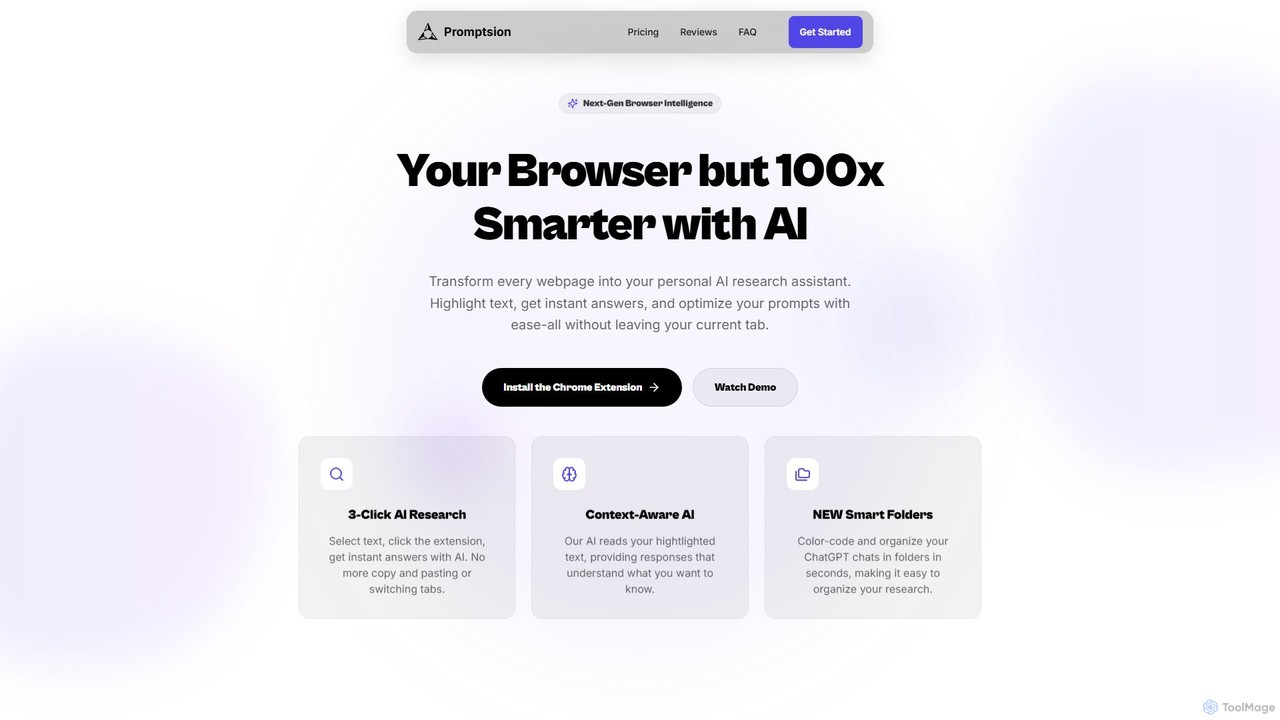
Promptsion is an AI-powered Chrome extension that transforms your browser into a smart research assistant. Highlight text on any webpage to get instant, context-aware answers, optimize your prompts for better AI responses, and organize your ChatGPT conversations with color-coded folders, all without switching tabs.

Browser Extension
Visits 3.6KFavorites 83Likes 91

About Assistant

AI Assistant tools are intelligent software designed to streamline and automate various tasks, particularly within research and information management. These tools leverage advanced natural language processing (NLP), machine learning, and sometimes generative AI to understand user intent, process data, and provide actionable insights. They significantly enhance productivity by handling repetitive tasks, organizing information, and offering personalized support, allowing users to focus on higher-level analytical work. Within the broader "Research" category, AI Assistants act as a crucial layer, transforming raw data into structured, accessible, and summarized formats.

Core Features

  • Intelligent Information Retrieval: Quickly finds and synthesizes relevant data from vast datasets or the web.
  • Automated Summarization: Condenses long documents, articles, or reports into concise summaries.
  • Task Automation: Handles repetitive administrative or data-entry tasks, such as scheduling or data organization.
  • Personalized Recommendations: Suggests relevant content, tools, or next steps based on user behavior and preferences.
  • Natural Language Interaction: Allows users to interact using conversational language for queries and commands.

Applicable Scenarios

AI Assistant tools are invaluable for professionals across various fields. Researchers can use them to quickly review literature and identify key findings. Business analysts leverage them for market research, competitor analysis, and report generation. Content creators utilize assistants to brainstorm ideas, fact-check, and draft initial content outlines, significantly speeding up their workflow and ensuring accuracy.

How to Choose

When selecting an AI Assistant, consider its core functionalities, ensuring they align with your primary tasks (e.g., summarization, data analysis, scheduling). Evaluate its integration capabilities with existing tools and platforms (e.g., CRM, project management software). Assess the accuracy and reliability of its AI models, especially for critical data processing. Finally, compare pricing models and user-friendliness, opting for a solution that offers a balance of features, cost-effectiveness, and ease of adoption.

Featured tool rankings

Assistant use cases

1

Automating Literature Review for Researchers

Academic researchers and scientists can utilize AI Assistants to rapidly scan thousands of research papers, journals, and articles. The assistant identifies key methodologies, findings, and authors, then summarizes relevant sections, saving hundreds of hours typically spent on manual review. This allows researchers to quickly grasp the current state of research and pinpoint gaps for new studies.

2

Streamlining Market Research for Business Analysts

Business analysts employ AI Assistants to gather and synthesize market data, competitor intelligence, and consumer trends from various online sources. The assistant can identify emerging patterns, generate concise reports, and highlight critical insights, enabling faster and more informed strategic decision-making without extensive manual data compilation.

3

Enhancing Content Creation and Fact-Checking

Content creators, journalists, and marketers use AI Assistants to brainstorm topics, generate initial drafts, and rigorously fact-check information across multiple sources. The assistant can verify statistics, dates, and claims, ensuring the accuracy and credibility of published content while significantly accelerating the content production cycle.

4

Personalized Learning and Skill Development

Individuals seeking to learn new skills or deepen their knowledge can use AI Assistants as personalized tutors. The assistant provides tailored explanations, suggests relevant learning resources, answers specific questions, and tracks progress, adapting to the user's learning style and pace, making self-education more efficient and engaging.

5

Optimizing Project Management and Task Delegation

Project managers and team leads leverage AI Assistants to manage project timelines, track task progress, and automate routine communications. The assistant can identify potential bottlenecks, suggest resource reallocations, and send automated reminders, ensuring projects stay on schedule and team members are efficiently utilized.

6

Assisting Customer Support with Information Retrieval

Customer service agents can use AI Assistants to quickly retrieve accurate information from extensive knowledge bases or product documentation during live interactions. The assistant provides instant answers to complex queries, suggests troubleshooting steps, and helps agents offer consistent and efficient support, improving customer satisfaction and reducing resolution times.

Assistant FAQ

What are AI Assistant tools?

AI Assistant tools are software applications that use artificial intelligence, primarily natural language processing and machine learning, to help users perform tasks more efficiently. They act as intelligent companions, automating repetitive actions, processing information, and providing insights, often through conversational interfaces. Within the research domain, they excel at data synthesis and information management.

How do AI Assistants differ from general research tools?

While general research tools provide access to information databases or search engines, AI Assistants go a step further by actively processing, analyzing, and synthesizing that information. They don't just find data; they understand context, summarize content, answer specific questions, and can even automate follow-up tasks, offering a more proactive and intelligent layer of support than traditional tools.

What are the key benefits of using an AI Assistant?

The primary benefits include significant time savings by automating routine tasks like data entry, scheduling, and information retrieval. They enhance accuracy by cross-referencing data and reducing human error. AI Assistants also boost productivity by allowing users to focus on strategic work, provide personalized insights, and improve decision-making through rapid data analysis and summarization.

Who can benefit most from using AI Assistant tools?

A wide range of professionals can benefit, including researchers, academics, content creators, marketers, business analysts, project managers, and customer service agents. Anyone who deals with large volumes of information, repetitive tasks, or requires quick access to synthesized data can leverage AI Assistants to improve their workflow and output.

What should I look for when choosing an AI Assistant for research?

For research, prioritize assistants with strong natural language understanding (NLU) for accurate query interpretation and robust summarization capabilities. Look for tools that can integrate with your existing data sources (e.g., academic databases, cloud storage) and offer advanced analytical features. Data security, privacy policies, and the ability to customize or train the AI for specific domains are also crucial considerations.