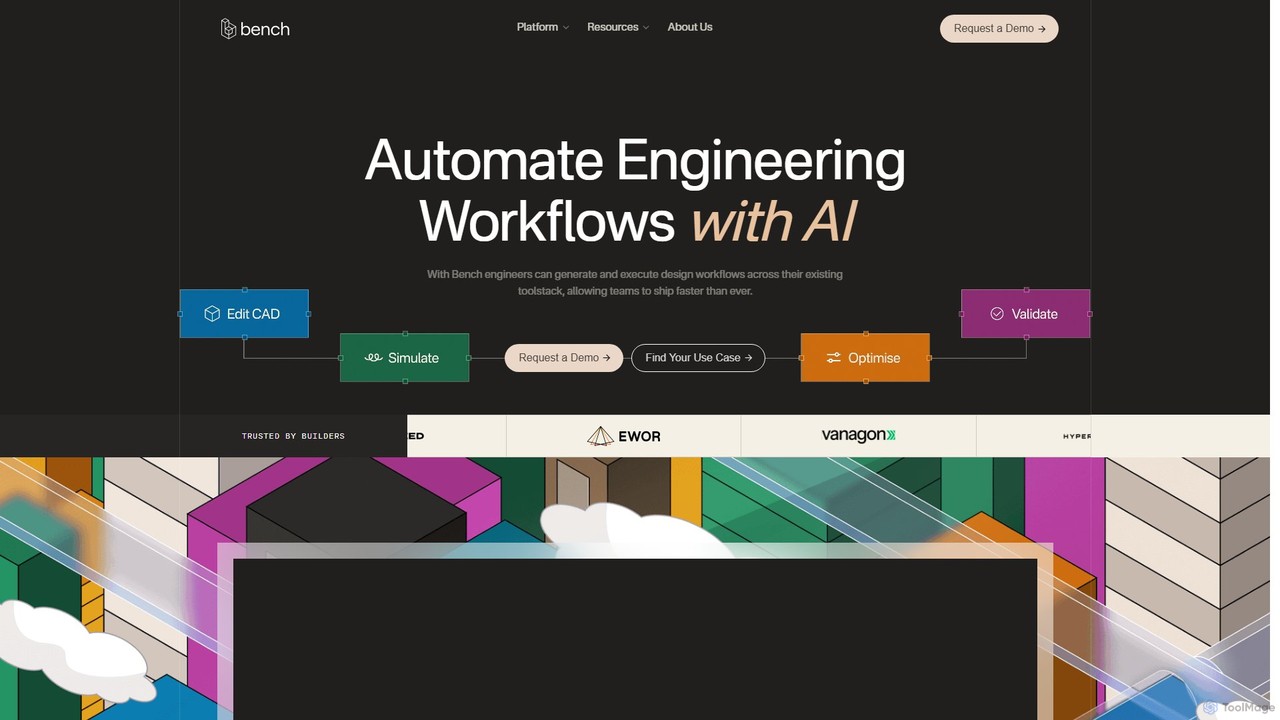
Bench is an AI-powered platform that automates engineering workflows. It integrates with your existing CAD, CAE, and PLM toolstack, enabling engineers to generate and execute complex design workflows, run parallel simulations, and automate revisions, ultimately accelerating product development and time-to-market.

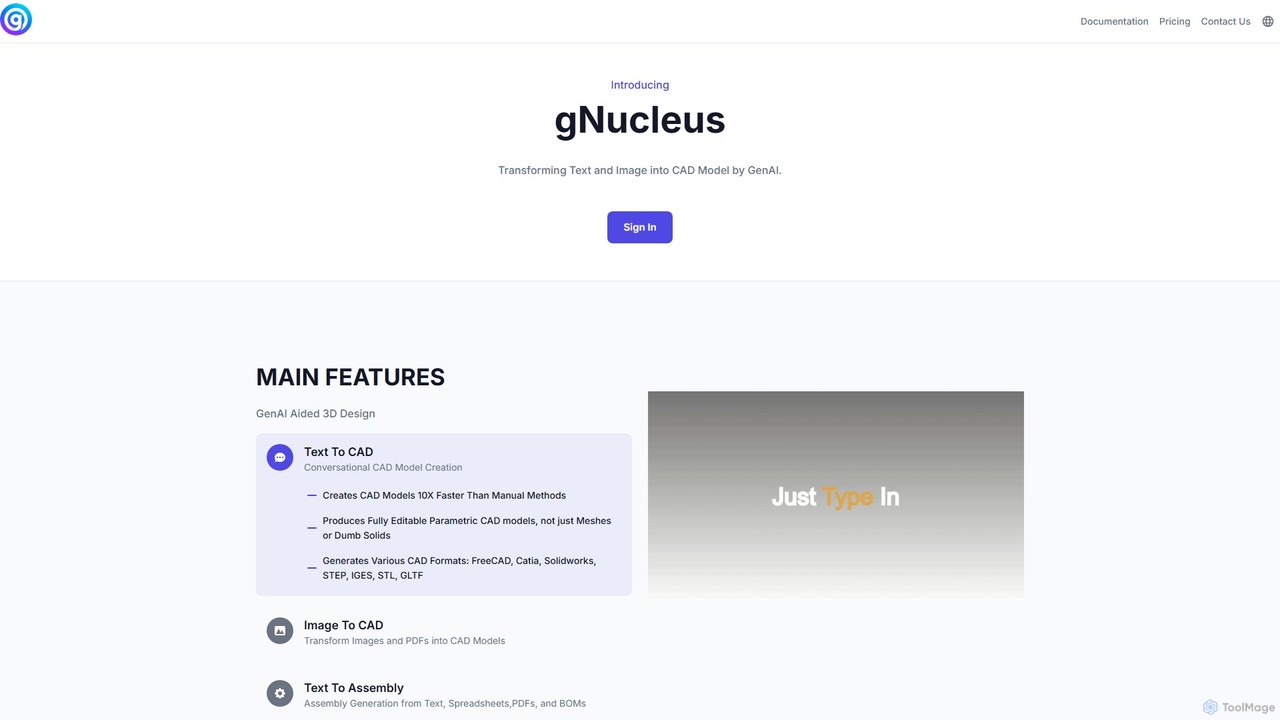
gNucleus is a generative AI platform that transforms text, images, and data into fully editable, parametric 3D CAD models. Designed for engineers and designers, it accelerates the design process by up to 10x, supporting various CAD formats and seamless integration with existing workflows.
Product overview
Bench Product overview
Bench is an AI-powered platform that automates engineering workflows. It integrates with your existing CAD, CAE, and PLM toolstack, enabling engineers to generate and execute complex design workflows, run parallel simulations, and automate revisions, ultimately accelerating product development and time-to-market.
gNucleus Product overview
gNucleus is a generative AI platform that transforms text, images, and data into fully editable, parametric 3D CAD models. Designed for engineers and designers, it accelerates the design process by up to 10x, supporting various CAD formats and seamless integration with existing workflows.
Detailed feature comparison
| Feature | Bench | gNucleus |
|---|---|---|
| Primary category | 3D | 3D Modeling |
| Added | 2025-08-10 | 2025-08-03 |
| Pricing | Paid | Freemium |
| Official website | getbench.ai | gnucleus.ai |
| Product type | Website | Website |
| Performance data | ||
| User rating | Not verified | Not verified |
| Comments | 0 | 0 |
| Monthly visits | 3.7K | 1K |
| Monthly growth | 21.3% | 1265.8% |
| Favorites | 131 | 117 |
| Details | View details | View details |
Bench vs gNucleus monthly traffic
Compare Bench and gNucleus by monthly reach, traffic trend, visit depth, top regions, and acquisition sources.
How to interpret the traffic data
In the Bench vs gNucleus monthly traffic comparison, Bench currently shows 3.7K visits and gNucleus shows 1K; Bench has about 3.6 times the visible traffic of gNucleus, an absolute difference of about 2.7K visits. This reflects visible reach, not feature quality or paid users.
Both tools provide verified traffic details, so monthly trends, visit depth, regions, and acquisition sources can be compared on the same basis.
gNucleus is registered at the gnucleus.ai/zh subpage. Because the current data does not state whether other host pages are excluded, treat this as domain-level context rather than independent traffic for one product or project.
Bench monthly traffic:
Latest traffic
Monthly traffic trend
- 2025/9: 3.7K Monthly visits
- 2026/1: 3.8K Monthly visits
- 2026/2: 2.7K Monthly visits
- 2026/3: 1.3K Monthly visits
- 2026/4: 3K Monthly visits
- 2026/5: 3.7K Monthly visits
Top regions
Top 5 countries/regions
| Country/region | Percentage | Traffic |
|---|---|---|
| 🇺🇸United States | 55.64% | 2.1K |
| 🇬🇧United Kingdom | 31.5% | 1.2K |
| 🇮🇳India | 12.86% | 475 |
Search keywords
gNucleus monthly traffic:
Latest traffic
Monthly traffic trend
- 2026/2: 204 Monthly visits
- 2026/3: 0 Monthly visits
- 2026/4: 76 Monthly visits
- 2026/5: 1K Monthly visits
Top regions
Top 5 countries/regions
| Country/region | Percentage | Traffic |
|---|---|---|
| 🇺🇸United States | 70.49% | 732 |
| 🇮🇳India | 29.51% | 306 |
Search keywords
Usage comparison
Compare the core capabilities of Bench and gNucleus
Bench Core features
gNucleus Core features
Use cases
Bench Use cases
gNucleus Use cases
Bench vs gNucleus:In-depth comparison and selection guidance
First decide whether the products solve the same kind of need
This in-depth Bench vs gNucleus comparison uses only the product records, taxonomy, audience, traffic, and community signals available on this page. Bench is primarily listed under “3D”, while gNucleus is primarily listed under “3D Modeling”, so the first decision is whether your actual task matches their recorded scope.
The structured fields currently show these decision-relevant differences: Primary category (Bench: 3D; gNucleus: 3D Modeling); Pricing (Bench: Paid; gNucleus: Freemium); Monthly visits (Bench: 3.7K; gNucleus: 1K); Monthly growth (Bench: 21.3%; gNucleus: 1265.8%); Favorites (Bench: 131; gNucleus: 117). These facts are more useful for selection than brand visibility alone.
What market visibility and monthly traffic mean
In the Bench vs gNucleus monthly traffic comparison, Bench currently shows 3.7K visits and gNucleus shows 1K; Bench has about 3.6 times the visible traffic of gNucleus, an absolute difference of about 2.7K visits. This reflects visible reach, not feature quality or paid users.
Both tools provide verified traffic details, so monthly trends, visit depth, regions, and acquisition sources can be compared on the same basis.
gNucleus is registered at the gnucleus.ai/zh subpage. Because the current data does not state whether other host pages are excluded, treat this as domain-level context rather than independent traffic for one product or project.
If public market visibility is an important first-pass criterion, investigate Bench first. The final choice should still follow taxonomy, use case, and a real trial because higher traffic does not prove broader capabilities or better workflow fit.
Product positioning, use cases, and roles
Bench and gNucleus currently overlap in shared categories: Automation; shared tags: automation, CAD, and engineering. This can place both on the same shortlist, but it does not prove equal implementation, depth, or cost.
Bench's unique categories/tags are 3D, Engineering, AI engineering, CAE, design optimization, hardware development, Onshape, and PLM; gNucleus's are 3D Modeling, Api, Cad, 3D modeling, API, FreeCAD, generative AI, and image to 3D. These unique fields are the strongest differentiators: validate the product whose recorded scope matches the task instead of following traffic alone.
What ratings, comments, and favorites can tell you
Bench has no verified rating, 0 comments, 131 favorites, and 124 likes;gNucleus has no verified rating, 0 comments, 117 favorites, and 121 likes。
Neither product has enough rating or comment samples for a credible reputation ranking.
Selection guidance by actual need
When to evaluate Bench first
Put Bench on the priority trial list when the task aligns with “3D” and especially 3D, Engineering, AI engineering, CAE, design optimization, and hardware development. This follows recorded positioning and does not imply unlisted capabilities are absent.
Bench also currently records: pricing is paid, product type is website, 3.7K verified monthly visits, no verified user rating. Verify any hard requirement around price, platform, or reach before trial, and do not let sparse review data substitute for testing.
When to evaluate gNucleus first
Put gNucleus on the priority trial list when the task aligns with “3D Modeling” and especially 3D Modeling, Api, Cad, 3D modeling, API, and FreeCAD. This follows recorded positioning and does not imply unlisted capabilities are absent.
gNucleus also currently records: pricing is freemium, product type is website, 1K monthly visits shown for the registered host (subpage scope unknown), no verified user rating. Verify any hard requirement around price, platform, or reach before trial, and do not let sparse review data substitute for testing.
How to validate the recommendation before deciding
The available data describes positioning, public visibility, and community signals, but it cannot prove output quality, speed, integration effort, privacy, or long-term cost in your workflow. Before deciding, run the same representative tasks in Bench and gNucleus, then record completion time, accuracy, manual corrections, and the real paid threshold. A like-for-like trial turns this comparison into a defensible adoption decision.
Comparison FAQ
How should I choose between Bench and gNucleus?
Where does this comparison data come from?
What do unknown fields mean?
Related AI tools

DraftAid
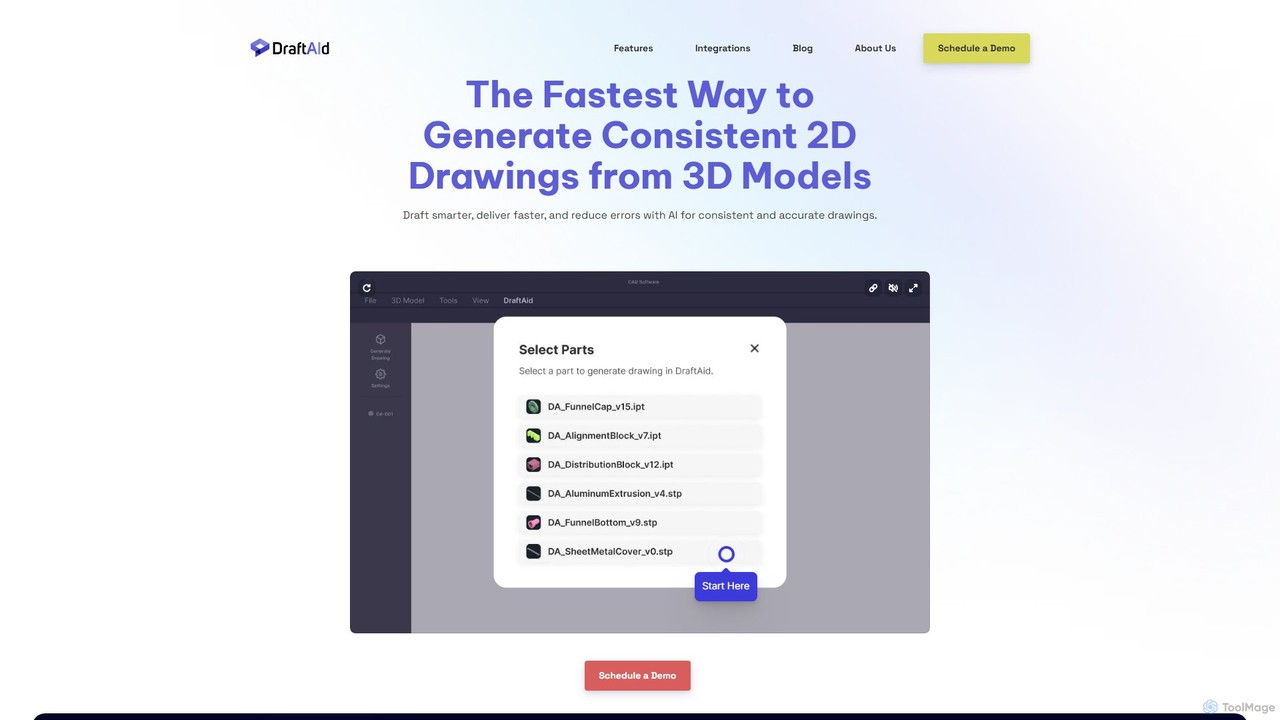
DraftAid is an AI-powered tool that automates the creation of 2D manufacturing drawings from 3D CAD models. It significantly accelerates the drafting process, boosting productivity by up to 3x. By intelligently adding dimensions, views, and details with a single click, it helps engineers, designers, and CNC programmers reduce manual work, minimize errors, and get products to manufacturing faster.
Cad
Enginuity Labs
Enginuity Labs offers an AI-powered engineering design studio, integrating intelligent agents into CAD, PCB, and simulation workflows. It automates repetitive tasks, enhances team collaboration with AI insights, and empowers engineers to focus on creativity while AI manages complexity in design processes.
3D Modeling
Hestus
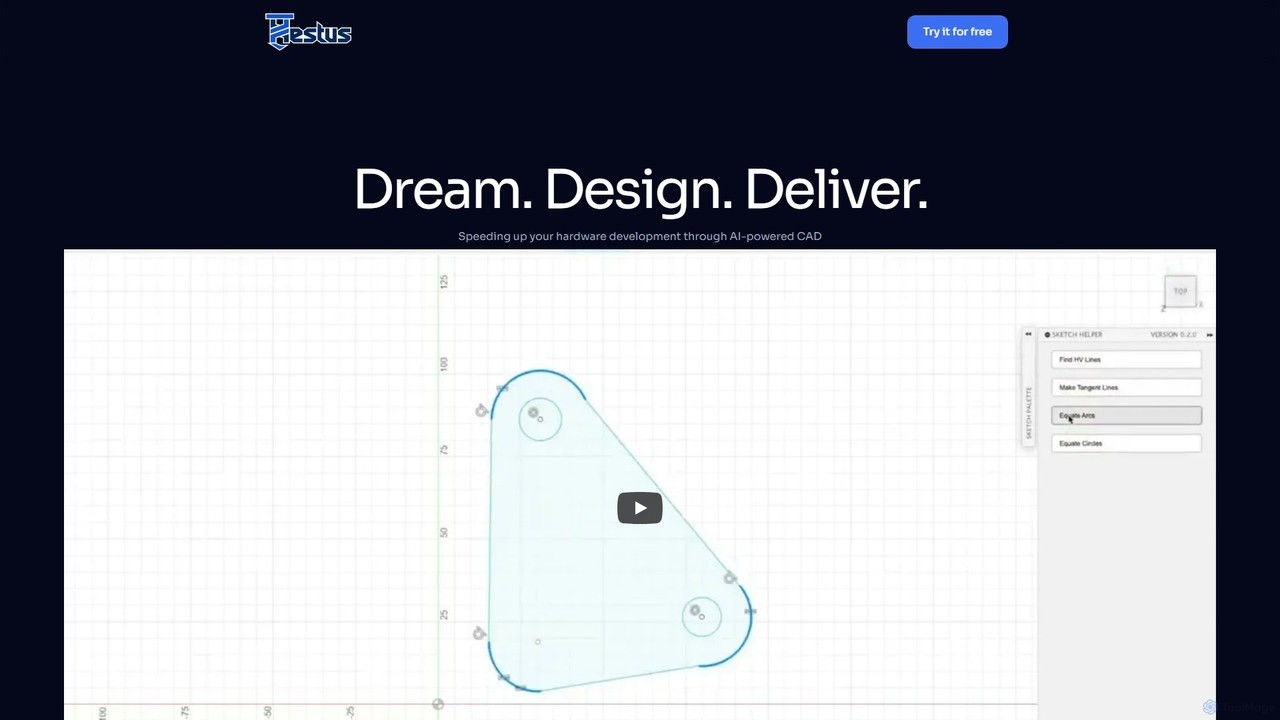
Hestus is an AI-powered CAD assistant for Autodesk Fusion 360 that accelerates hardware development. It automates mundane sketching tasks like adding constraints, generating geometry, and applying dimensions, allowing engineers to focus on creative design and innovation.
Developer Tools
Hypar
Hypar is a cloud-based generative design platform for the Architecture, Engineering, and Construction (AEC) industry. It empowers users to automate building design processes, rapidly generate and evaluate thousands of design options, and collaborate seamlessly in a data-driven environment.
3D Modeling
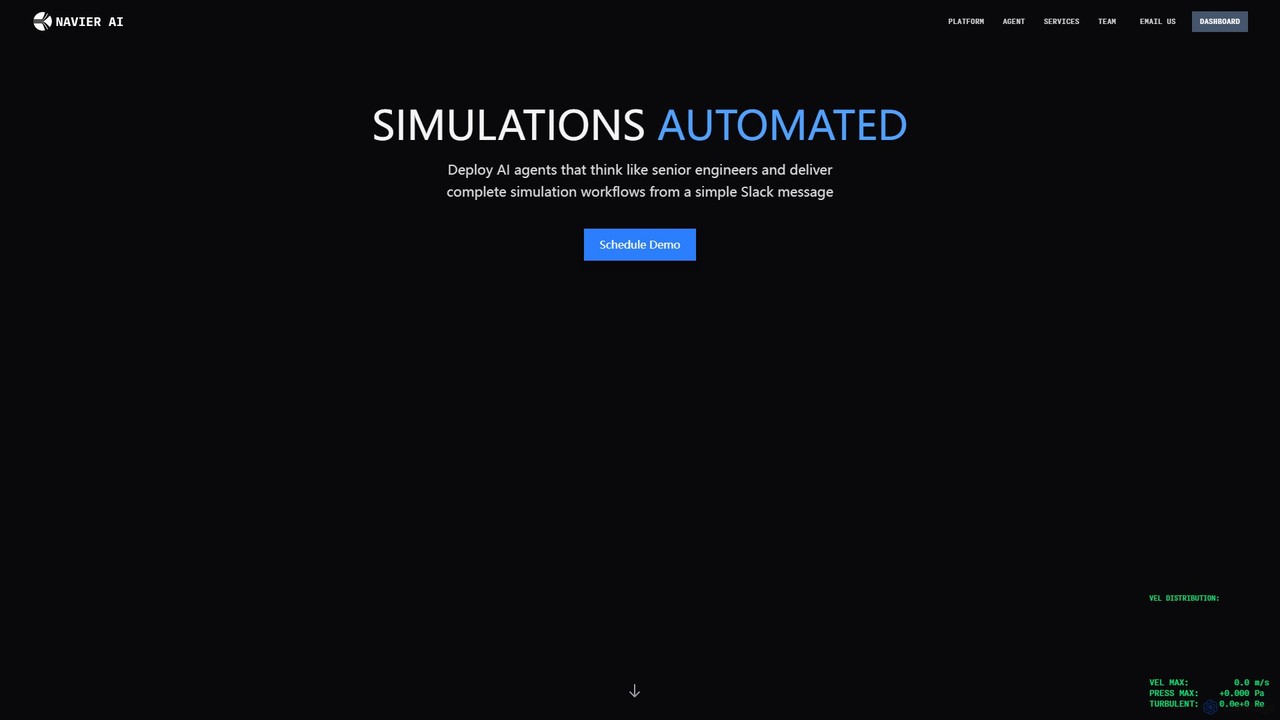
Navier AI
Navier AI deploys an autonomous AI agent that functions like a senior engineer, automating complete Computational Fluid Dynamics (CFD) simulation workflows from a simple Slack message. It integrates simulation, AI, and collaboration to accelerate design, analysis, and iteration cycles, offering a 95% reduction in time.
Api
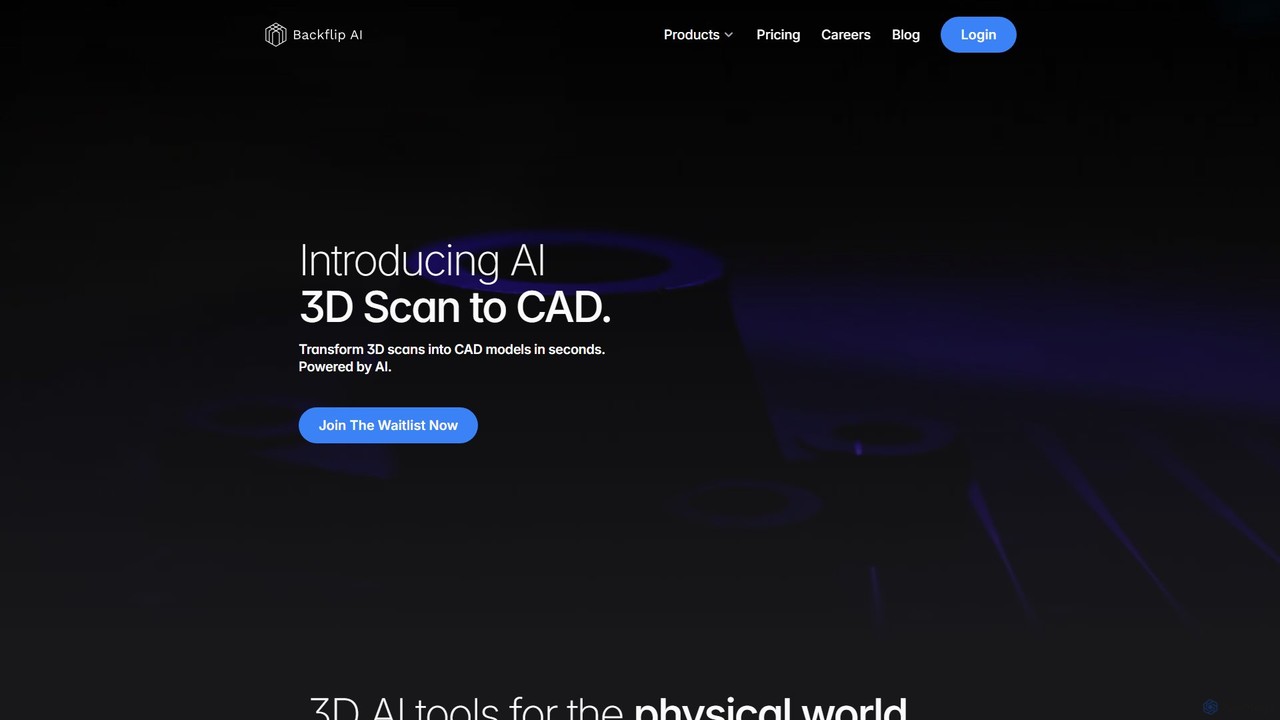
Backflip AI
Backflip AI is a powerful platform that transforms 3D design workflows. It features AI-driven tools to convert 3D scans into parametric CAD models in seconds and generate 3D mesh models from text, images, or sketches. It's designed to accelerate engineering, manufacturing, and creative processes.
Modeling
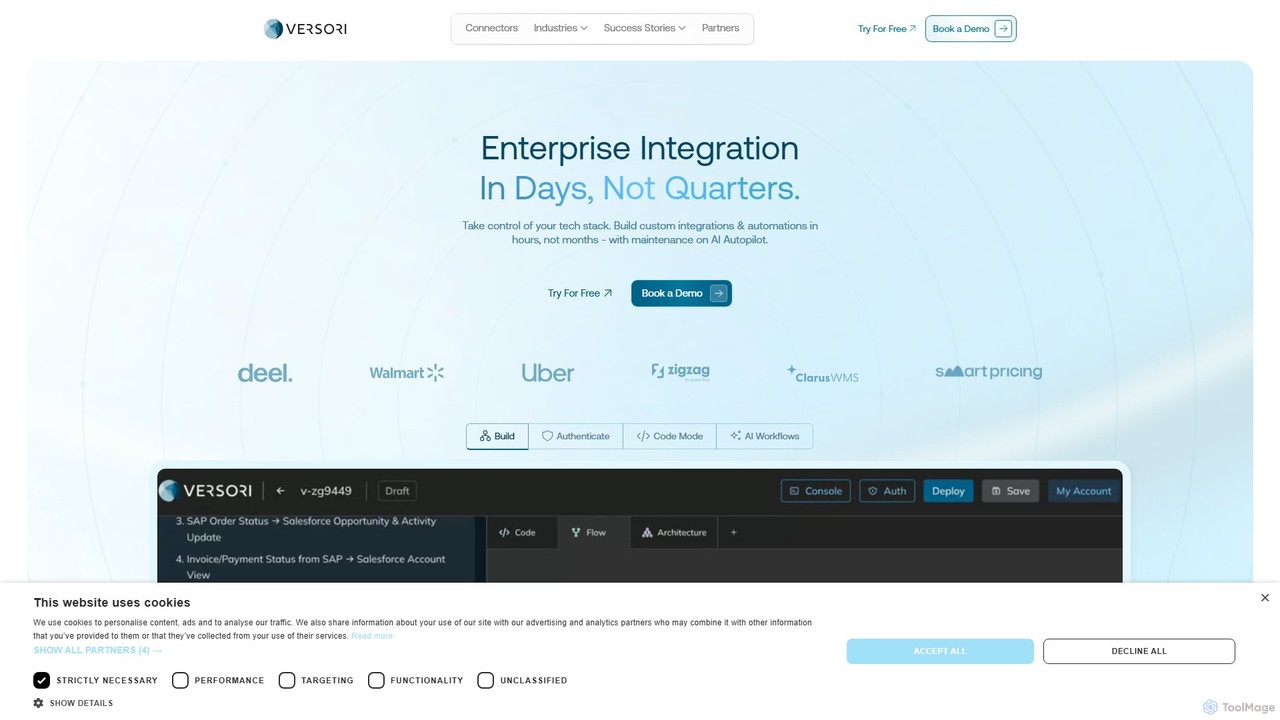
Versori
Versori is an Agentic Integration Platform that uses AI to build custom software integrations in days, not months. It empowers sales-led teams to close deals faster by fulfilling any integration request without relying on engineering resources, featuring self-healing agents and a white-glove service.
Sales
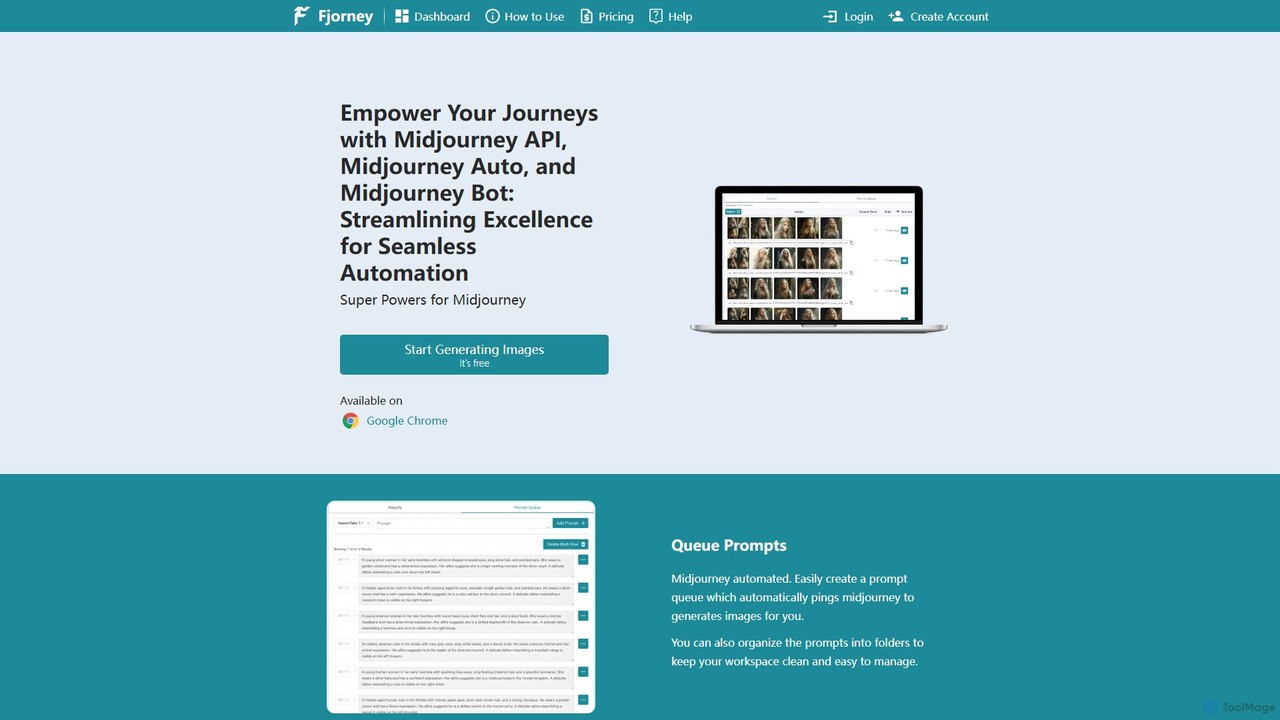
Fjorney
Fjorney is a powerful automation tool and API for Midjourney, designed to streamline your creative workflow. It operates as a Chrome extension, allowing you to queue prompts, auto-generate images, and integrate Midjourney into your applications via a simple API. Features include a prompt generator and variation creator to enhance your creative process.
Api
Photonium
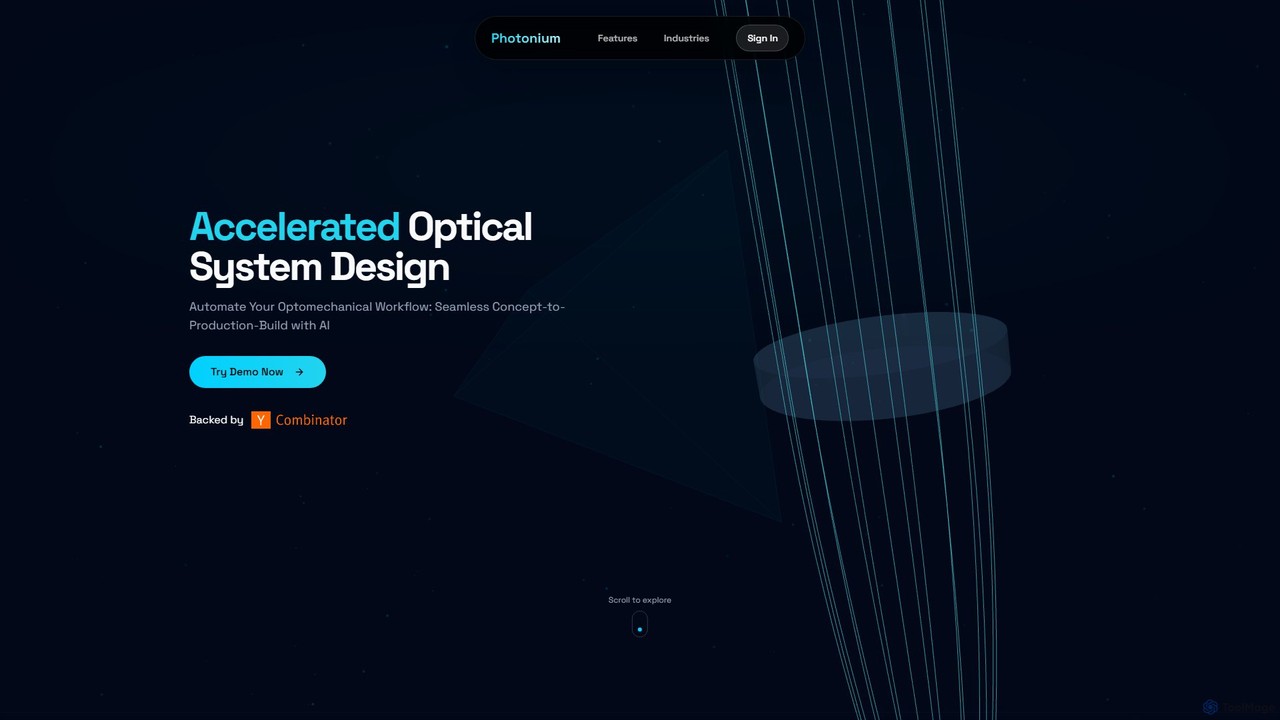
Photonium is an AI-powered platform that revolutionizes optical system design by automating the optomechanical workflow. It enables engineers to move seamlessly from concept to production-ready designs, integrating intuitive drag-and-drop optical layout with auto-generated 3D mechanical structures. This significantly reduces engineering time and accelerates innovation across various high-tech industries.
Cad
Context Clue
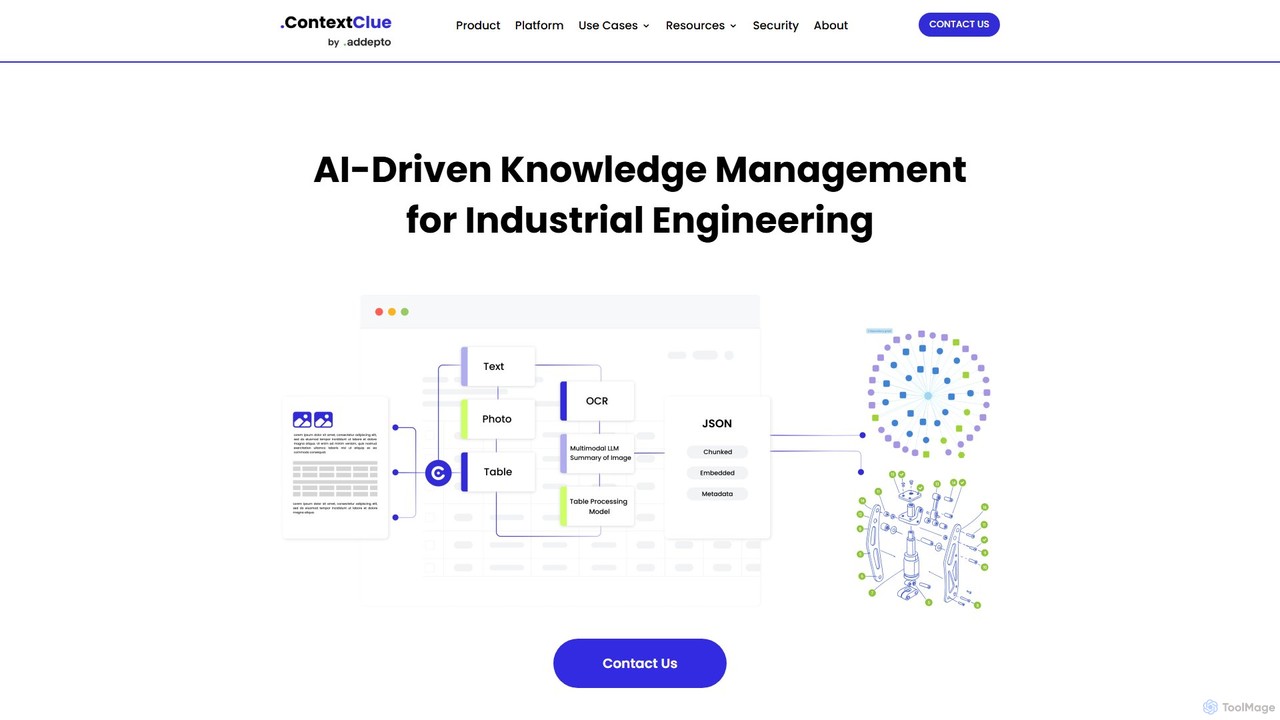
Context Clue is an AI-driven knowledge management platform for industrial engineering teams. It transforms complex data from CAD files, ERP systems, and technical documents into structured, queryable knowledge graphs. This enables engineers to instantly find information, visualize system relationships, and streamline workflows for spare parts planning, maintenance, and digital twin operations, significantly reducing search time and improving operational efficiency.
Data Analysis
Make-Print
An AI-powered platform designed for 3D printing and prototyping. It integrates project management with a Kanban board, a 3D file viewer, team collaboration tools, and a revolutionary generative AI that creates professional CAD models from text prompts. Streamline your entire workflow from concept to production.
Generative Design
dystr
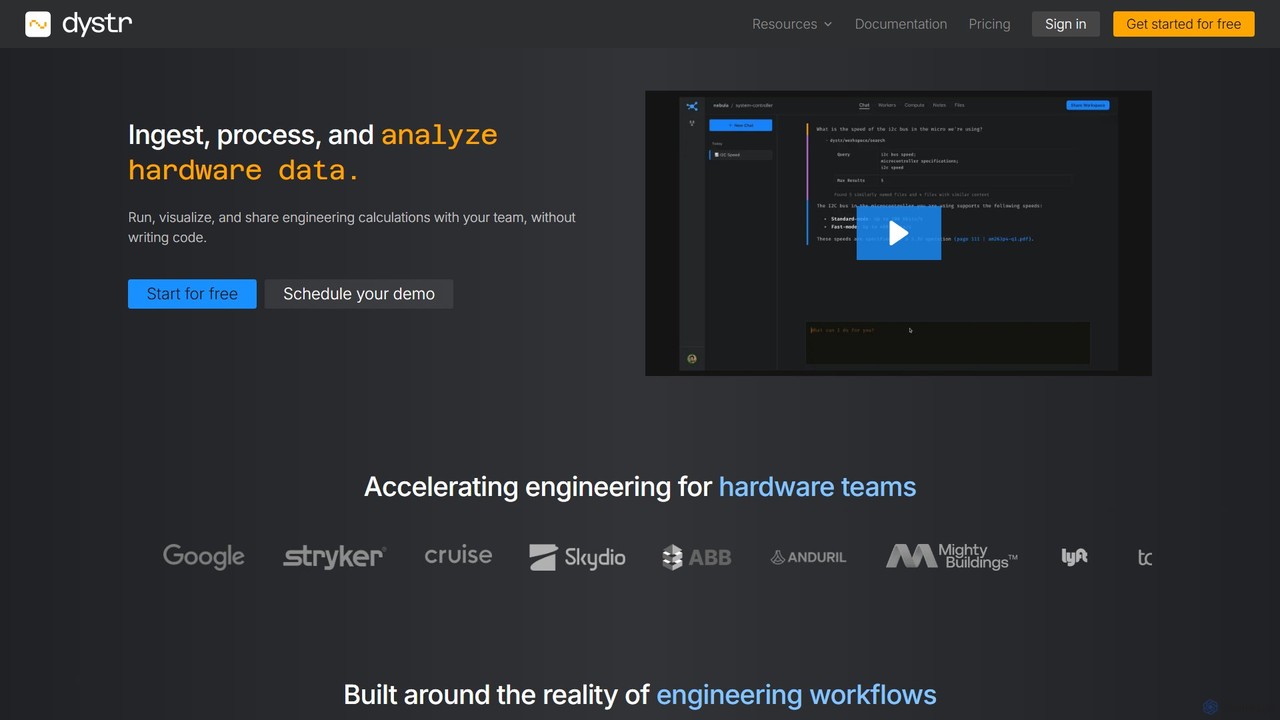
Dystr is an AI-powered engineering analysis platform for technical teams. It enables users to ingest, process, and analyze hardware data using natural language, without writing code. It streamlines workflows by automating calculations, generating live reports, and fostering collaboration in a unified, secure environment.
No Code
SnapMagic
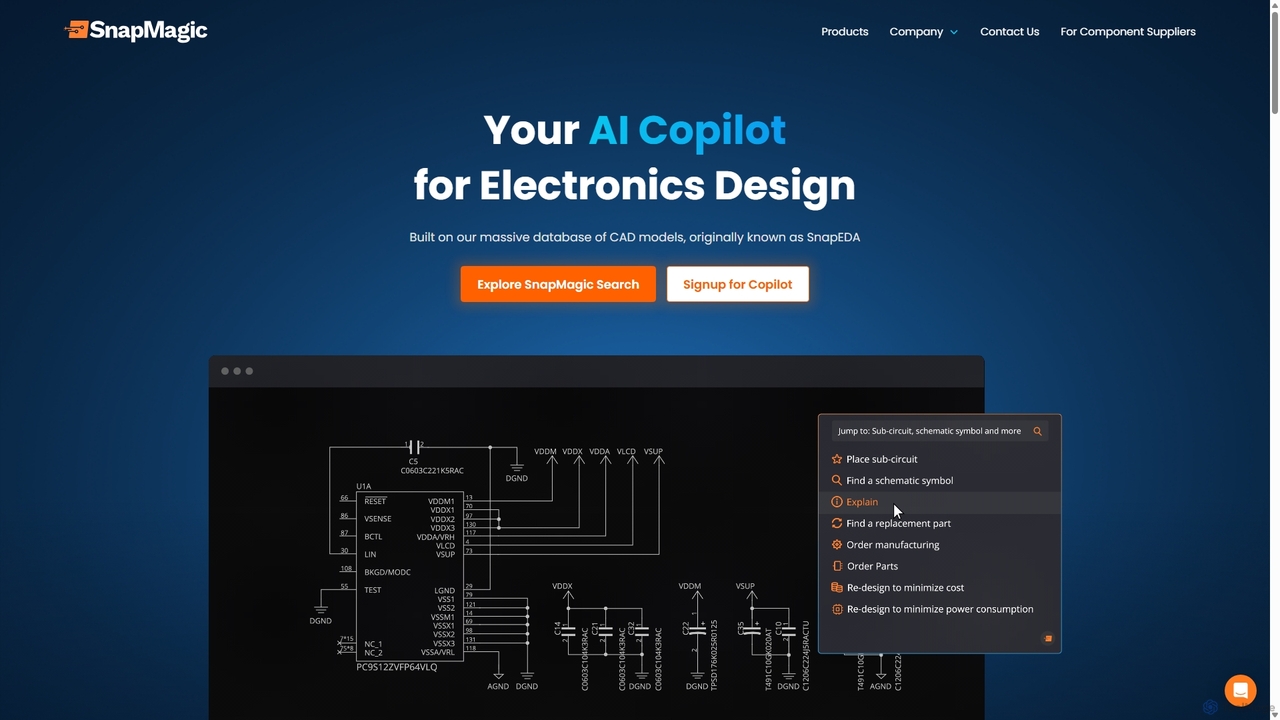
SnapMagic is an AI copilot for electronics design, automating and accelerating the circuit board creation process. It uses AI to auto-complete circuits, optimize your Bill of Materials (BOM) for cost and power, and provides real-time supply chain data. Engineers can interact with designs using natural language, streamlining repetitive tasks and fostering innovation from concept to manufacturing.
Hardware
Rowboat
Rowboat is a powerful, AI-powered IDE for building, managing, and deploying complex multi-agent systems. Backed by Y Combinator, it allows users to describe workflows in plain English, and its AI copilot automatically generates the entire agent graph, including roles, prompts, and tool integrations. It's designed to simplify the creation of robust, real-world AI agents for productivity, e-commerce, support, and more, with features like open-source flexibility and support for over 100 LLMs.
Agent Builder
CustomJS
CustomJS is a powerful platform that bridges the gap between no-code and custom development. It allows you to execute JavaScript, use NPM modules, and integrate custom logic into your favorite automation platforms like Make, Zapier, and Airtable. Unlock advanced functionalities like PDF generation, web scraping, and API creation without managing your own servers.
Backend