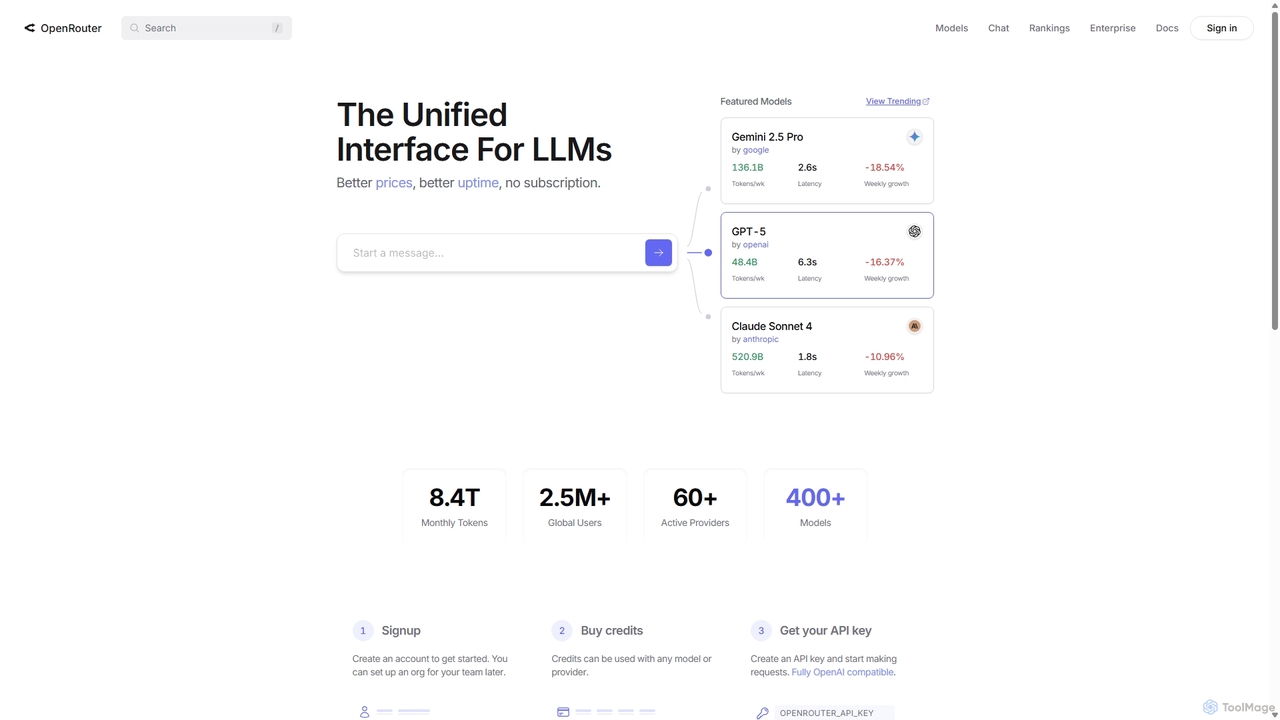
OpenRouter is a unified API gateway for developers, providing access to over 400 AI models from 60+ providers like OpenAI, Google, and Anthropic. It simplifies development with a single API, offers competitive pay-as-you-go pricing, automatic failovers for high availability, and intelligent model routing to optimize cost and performance.

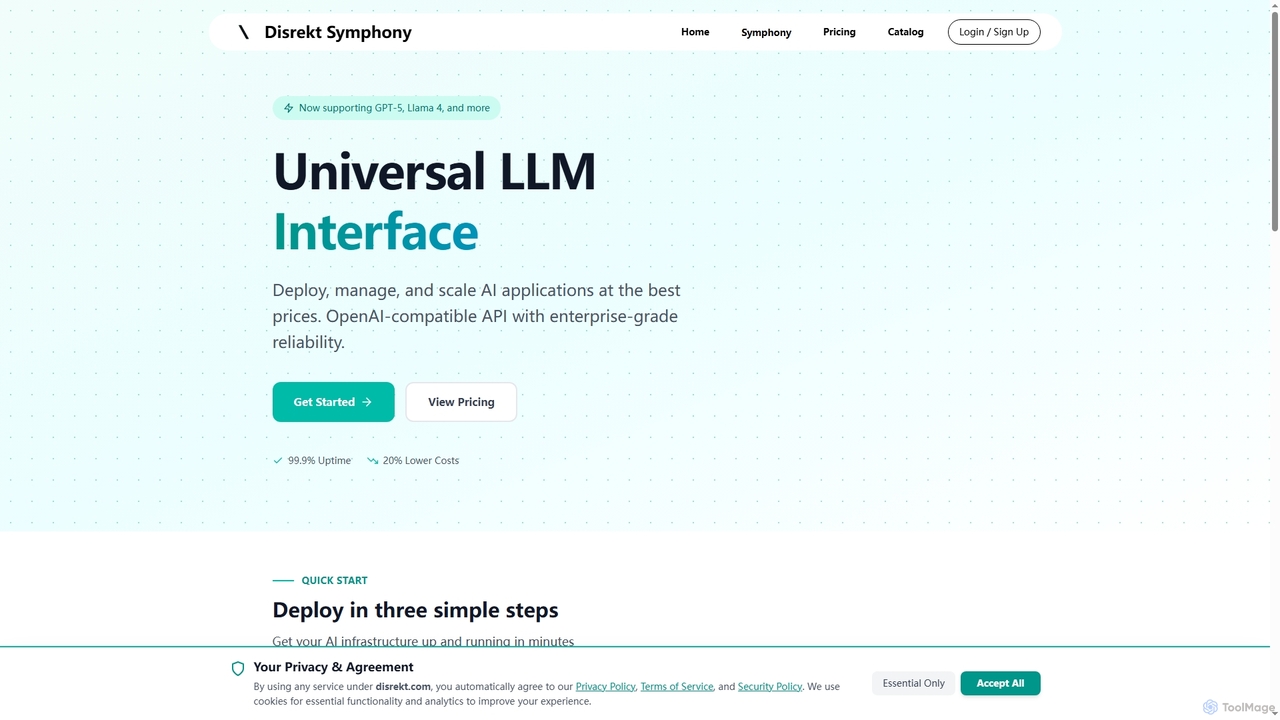
Symphony is a universal LLM interface providing an OpenAI-compatible API for deploying, managing, and scaling AI applications. It offers enterprise-grade reliability, up to 20% lower costs, and supports over 100 major AI models like GPT-5 and Llama 4, making it an ideal solution for developers and enterprises seeking efficient and robust AI infrastructure.
Product overview
OpenRouter Product overview
OpenRouter is a unified API gateway for developers, providing access to over 400 AI models from 60+ providers like OpenAI, Google, and Anthropic. It simplifies development with a single API, offers competitive pay-as-you-go pricing, automatic failovers for high availability, and intelligent model routing to optimize cost and performance.
Symphony Product overview
Symphony is a universal LLM interface providing an OpenAI-compatible API for deploying, managing, and scaling AI applications. It offers enterprise-grade reliability, up to 20% lower costs, and supports over 100 major AI models like GPT-5 and Llama 4, making it an ideal solution for developers and enterprises seeking efficient and robust AI infrastructure.
Detailed feature comparison
| Feature | OpenRouter | Symphony |
|---|---|---|
| Primary category | Model Deployment | Api Management |
| Added | 2025-09-02 | 2025-11-26 |
| Pricing | Freemium | Paid |
| Official website | openrouter.ai | symphony.disrekt.com |
| Product type | Website | Website |
| Performance data | ||
| User rating | Not verified | Not verified |
| Comments | 0 | 0 |
| Monthly visits | 16.8M | 4.2K |
| Monthly growth | -6.3% | Not verified |
| Favorites | 134 | 118 |
| Details | View details | View details |
OpenRouter vs Symphony monthly traffic
Compare OpenRouter and Symphony by monthly reach, traffic trend, visit depth, top regions, and acquisition sources.
How to interpret the traffic data
In the OpenRouter vs Symphony monthly traffic comparison, OpenRouter currently shows 16.8M visits and Symphony shows 4.2K; OpenRouter has about 4,036.8 times the visible traffic of Symphony, an absolute difference of about 16.8M visits. This reflects visible reach, not feature quality or paid users.
Only OpenRouter has complete third-party traffic details; Symphony uses visits recorded inside ToolMage. These scopes cannot estimate market share directly, and on-site views should not be treated as the product’s total website traffic.
OpenRouter monthly traffic:
Latest traffic
Monthly traffic trend
- 2025/9: 9M Monthly visits
- 2026/1: 8.4M Monthly visits
- 2026/2: 11.2M Monthly visits
- 2026/3: 15.8M Monthly visits
- 2026/4: 17.9M Monthly visits
- 2026/5: 16.8M Monthly visits
Top regions
Top 5 countries/regions
| Country/region | Percentage | Traffic |
|---|---|---|
| 🇺🇸United States | 34.38% | 5.8M |
| 🇨🇳China | 26.23% | 4.4M |
| 🇮🇳India | 20.47% | 3.4M |
| 🇷🇺Russia | 10.23% | 1.7M |
| 🇮🇩Indonesia | 8.69% | 1.5M |
Traffic sources
| Source type | Percentage | Traffic |
|---|---|---|
| Direct | 88.71% | 14.9M |
| Referral | 9.7% | 1.6M |
| 1.59% | 266.9K |
Search keywords
Symphony monthly traffic:
Latest traffic
Usage comparison
Compare the core capabilities of OpenRouter and Symphony
OpenRouter Core features
Symphony Core features
Use cases
OpenRouter Use cases
Symphony Use cases
Best suited roles
OpenRouter Best suited roles
Symphony Best suited roles
OpenRouter vs Symphony:In-depth comparison and selection guidance
First decide whether the products solve the same kind of need
This in-depth OpenRouter vs Symphony comparison uses only the product records, taxonomy, audience, traffic, and community signals available on this page. OpenRouter is primarily listed under “Model Deployment”, while Symphony is primarily listed under “Api Management”, so the first decision is whether your actual task matches their recorded scope.
The structured fields currently show these decision-relevant differences: Primary category (OpenRouter: Model Deployment; Symphony: Api Management); Pricing (OpenRouter: Freemium; Symphony: Paid); Monthly visits (OpenRouter: 16.8M; Symphony: 4.2K); Favorites (OpenRouter: 134; Symphony: 118); Website (OpenRouter: openrouter.ai; Symphony: symphony.disrekt.com). These facts are more useful for selection than brand visibility alone.
What market visibility and monthly traffic mean
In the OpenRouter vs Symphony monthly traffic comparison, OpenRouter currently shows 16.8M visits and Symphony shows 4.2K; OpenRouter has about 4,036.8 times the visible traffic of Symphony, an absolute difference of about 16.8M visits. This reflects visible reach, not feature quality or paid users.
Only OpenRouter has complete third-party traffic details; Symphony uses visits recorded inside ToolMage. These scopes cannot estimate market share directly, and on-site views should not be treated as the product’s total website traffic.
The current traffic scope is not sufficient for a reliable product ranking. Treat monthly visits as a market-interest signal, then decide using taxonomy, use cases, pricing, and a like-for-like trial rather than reading exposure as product capability.
Product positioning, use cases, and roles
OpenRouter and Symphony currently overlap in shared tags: AI infrastructure, developer tools, and High Availability; shared roles: AI Engineer, Data Scientist, DevOps Engineer, Machine Learning Engineer, Product Manager, Software Developer, and Startup Founder. This can place both on the same shortlist, but it does not prove equal implementation, depth, or cost.
OpenRouter's unique categories/tags are Model Deployment, Api Management, Development, AI models, anthropic, API aggregator, google gemini, and Llama; Symphony's are Api Management, Model Deployment, Cost Optimization, Ai Infrastructure, AI cost optimization, AI platform, ai scaling, and api management. These unique fields are the strongest differentiators: validate the product whose recorded scope matches the task instead of following traffic alone.
What ratings, comments, and favorites can tell you
OpenRouter has no verified rating, 0 comments, 134 favorites, and 136 likes;Symphony has no verified rating, 0 comments, 118 favorites, and 116 likes。
Neither product has enough rating or comment samples for a credible reputation ranking.
Selection guidance by actual need
When to evaluate OpenRouter first
Put OpenRouter on the priority trial list when the task aligns with “Model Deployment” and especially Model Deployment, Api Management, Development, AI models, anthropic, and API aggregator, or the users include Tech Lead. This follows recorded positioning and does not imply unlisted capabilities are absent.
OpenRouter also currently records: pricing is freemium, product type is website, 16.8M verified monthly visits, no verified user rating. Verify any hard requirement around price, platform, or reach before trial, and do not let sparse review data substitute for testing.
When to evaluate Symphony first
Put Symphony on the priority trial list when the task aligns with “Api Management” and especially Api Management, Model Deployment, Cost Optimization, Ai Infrastructure, AI cost optimization, and AI platform, or the users include CTO and Solutions Architect. This follows recorded positioning and does not imply unlisted capabilities are absent.
Symphony also currently records: pricing is paid, product type is website, 4.2K on-site monthly views, no verified user rating. Verify any hard requirement around price, platform, or reach before trial, and do not let sparse review data substitute for testing.
How to validate the recommendation before deciding
The available data describes positioning, public visibility, and community signals, but it cannot prove output quality, speed, integration effort, privacy, or long-term cost in your workflow. Before deciding, run the same representative tasks in OpenRouter and Symphony, then record completion time, accuracy, manual corrections, and the real paid threshold. A like-for-like trial turns this comparison into a defensible adoption decision.
Comparison FAQ
How should I choose between OpenRouter and Symphony?
Where does this comparison data come from?
What do unknown fields mean?
Related AI tools

Portkey AI
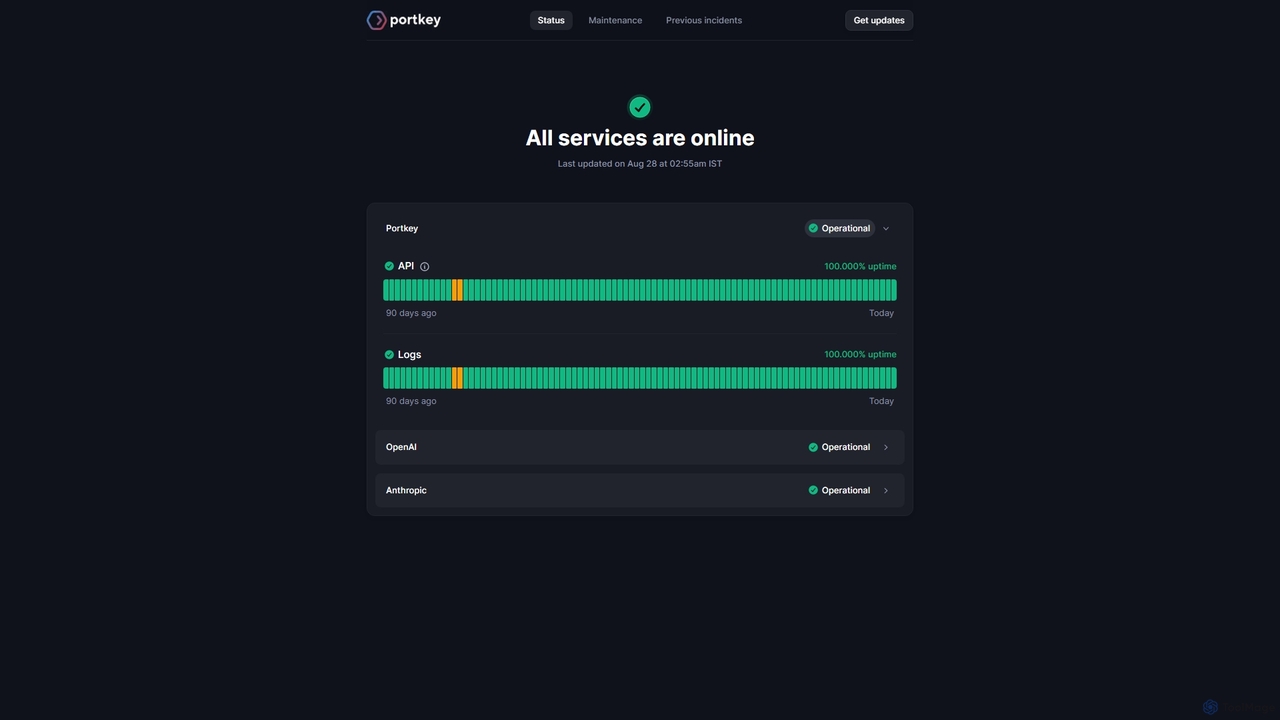
Portkey AI is an advanced AI gateway and LLM Ops platform designed for developers. It simplifies the development of reliable, scalable, and cost-effective AI applications by providing a unified API for various LLMs, real-time observability, semantic caching, and intelligent load balancing.
Infrastructure
AI Phantom
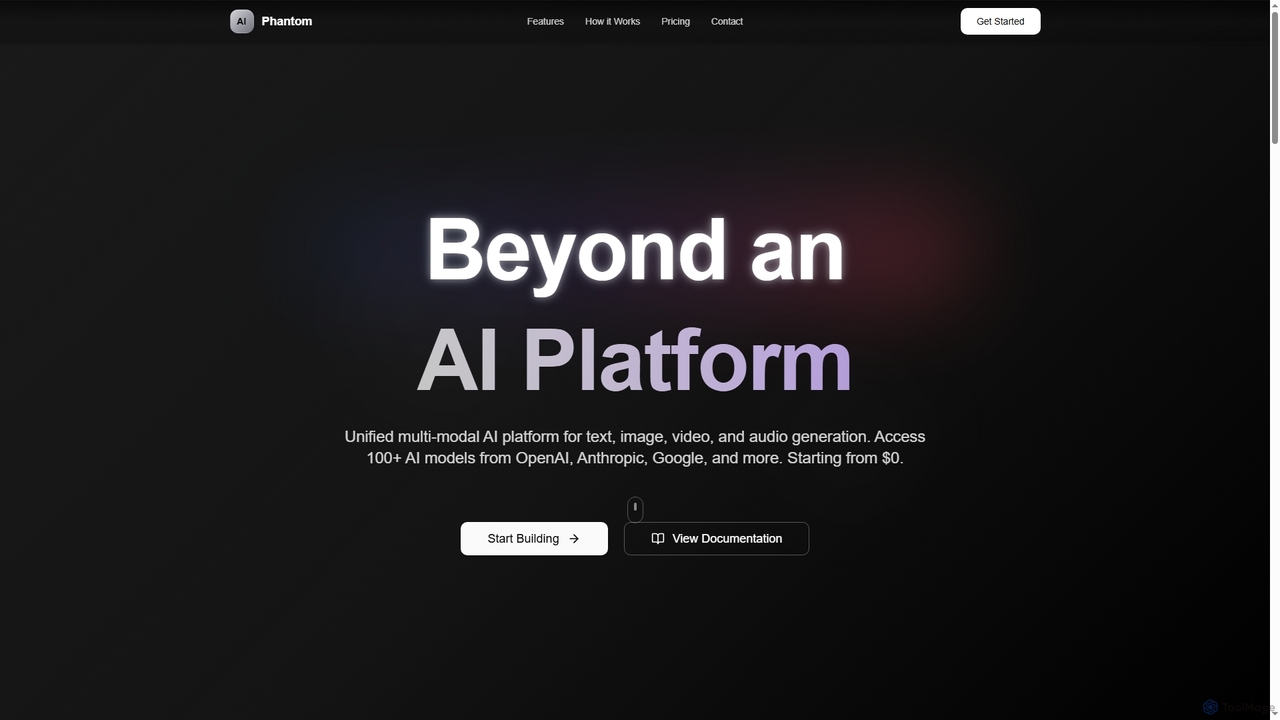
AI Phantom is a unified multi-modal AI platform providing access to over 100 AI models from providers like OpenAI, Google, and Anthropic through a single API. It specializes in intelligent routing, performance optimization, and real-time analytics for text, image, video, and audio generation.
Model Routing
TwoTrim
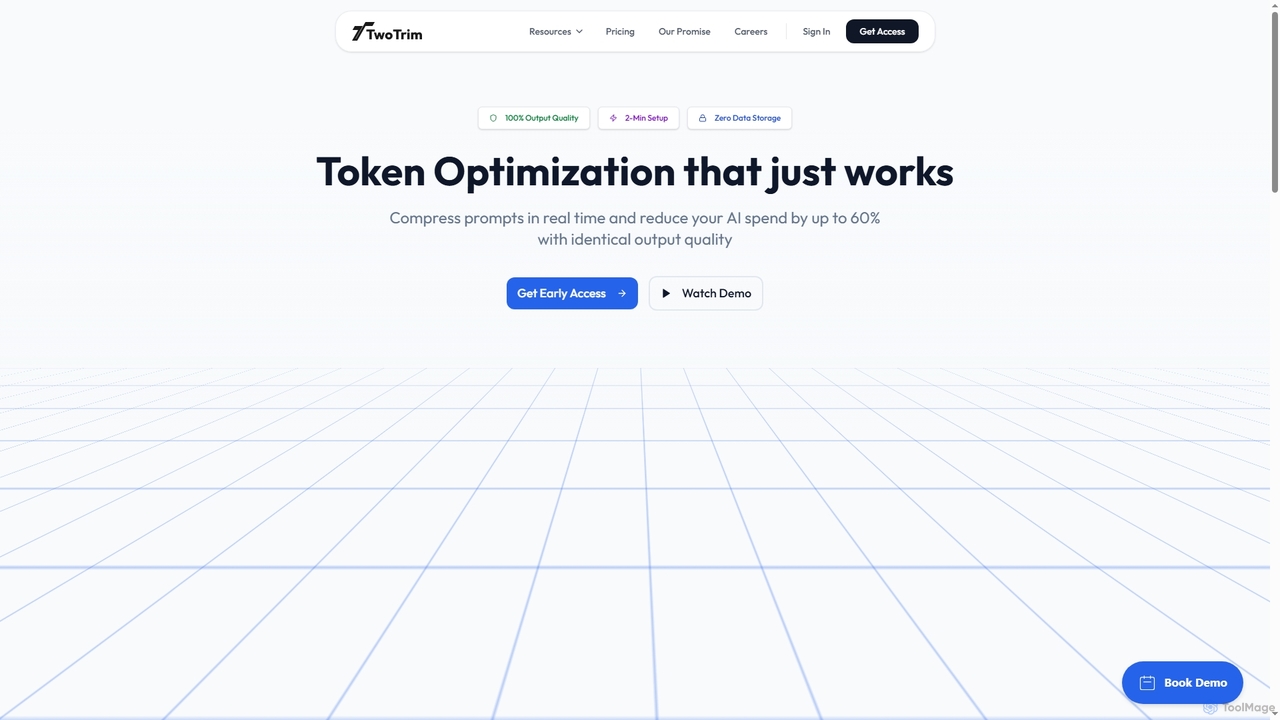
TwoTrim is an AI token optimization platform that intelligently compresses large language model prompts in real-time, reducing AI API costs by up to 60% while guaranteeing 100% output quality. It offers a secure, stateless, and transparent solution for enterprises.
Large Language Models
LangDrive
LangDrive is a developer-centric platform offering a unified API to fine-tune, manage, and deploy open-source Large Language Models (LLMs). It simplifies the complex MLOps pipeline, enabling businesses to create powerful, custom AI models for specialized tasks with greater control over data and costs.
Api Management
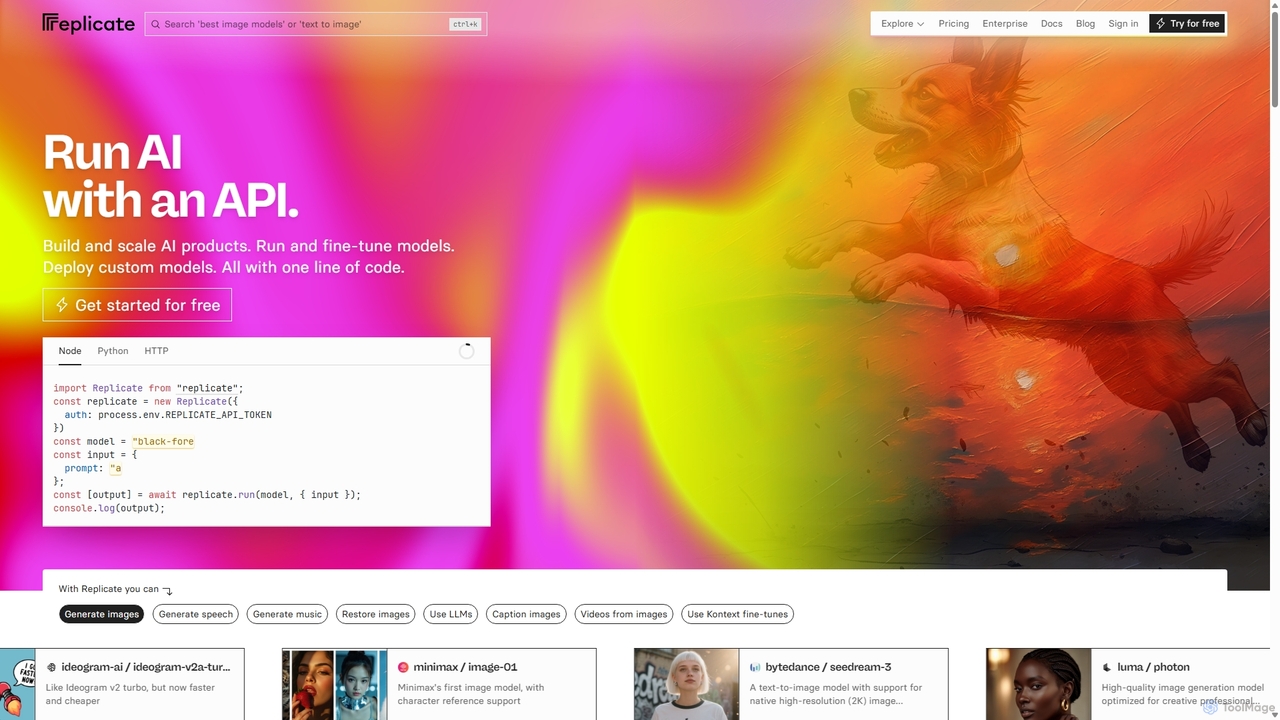
Replicate
Replicate is a cloud platform for developers to run, fine-tune, and deploy AI models via a simple API. It eliminates the need for managing complex infrastructure, offering access to thousands of models with pay-per-use pricing and automatic scaling.
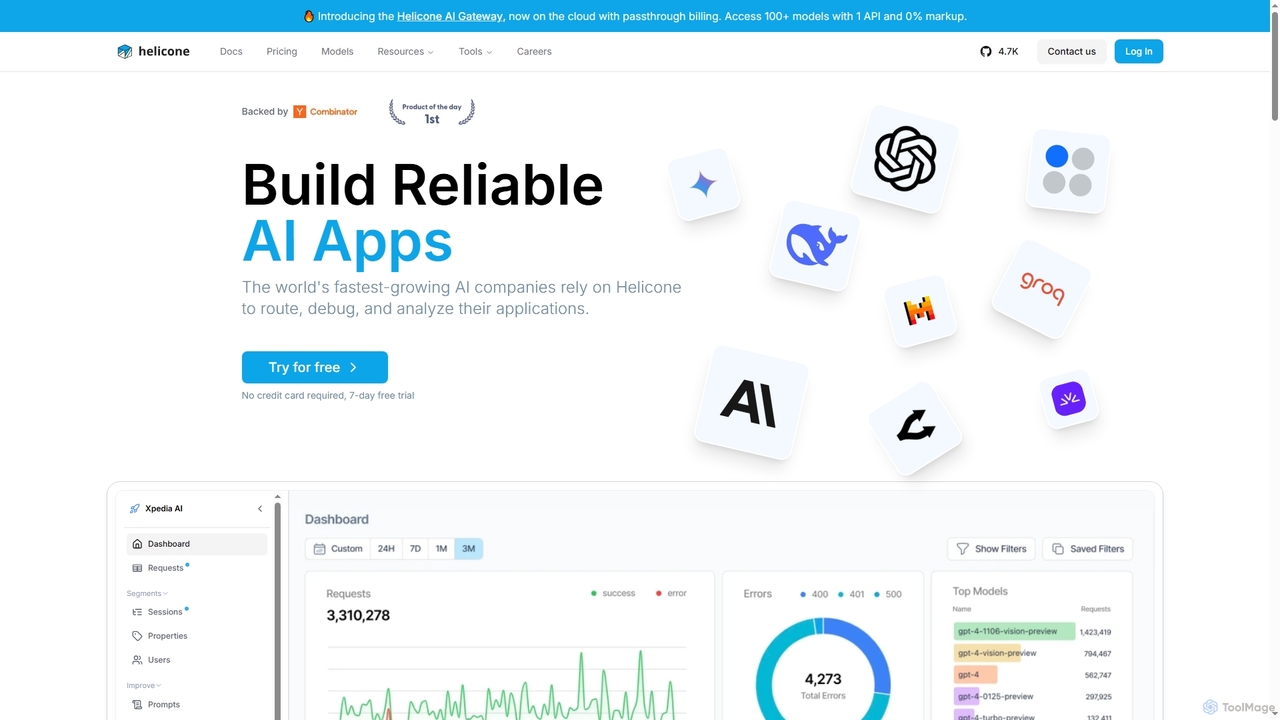
Machine LearningHelicone
Helicone is an open-source platform offering an AI Gateway and LLM Observability for developers. It helps build reliable AI applications by providing tools to route, monitor, debug, and analyze LLM usage. Key features include a unified API for 100+ models, intelligent caching, rate limiting, prompt management, and detailed performance analytics.
Api Management
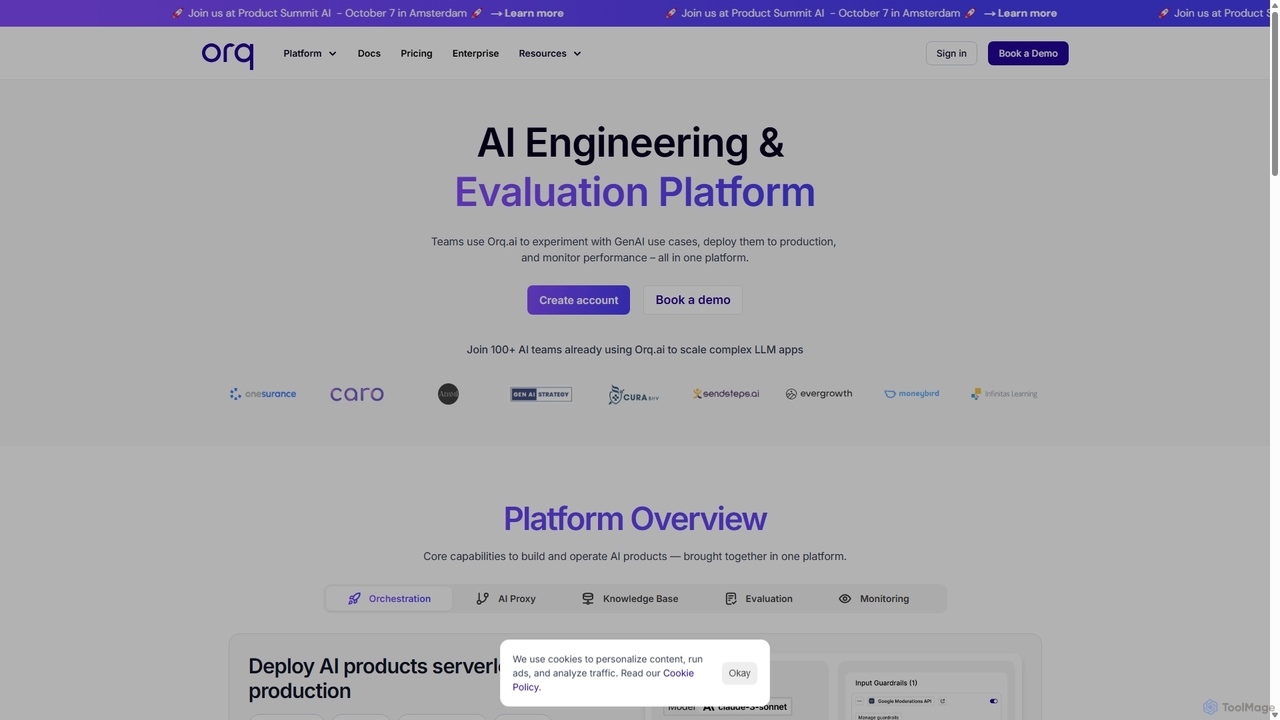
Orq.ai
Orq.ai is an end-to-end Generative AI Collaboration Platform for engineering and product teams. It enables users to experiment with GenAI use cases, deploy them to production, and monitor performance, all within a single, unified environment that supports the entire LLM application lifecycle.
Model Deployment
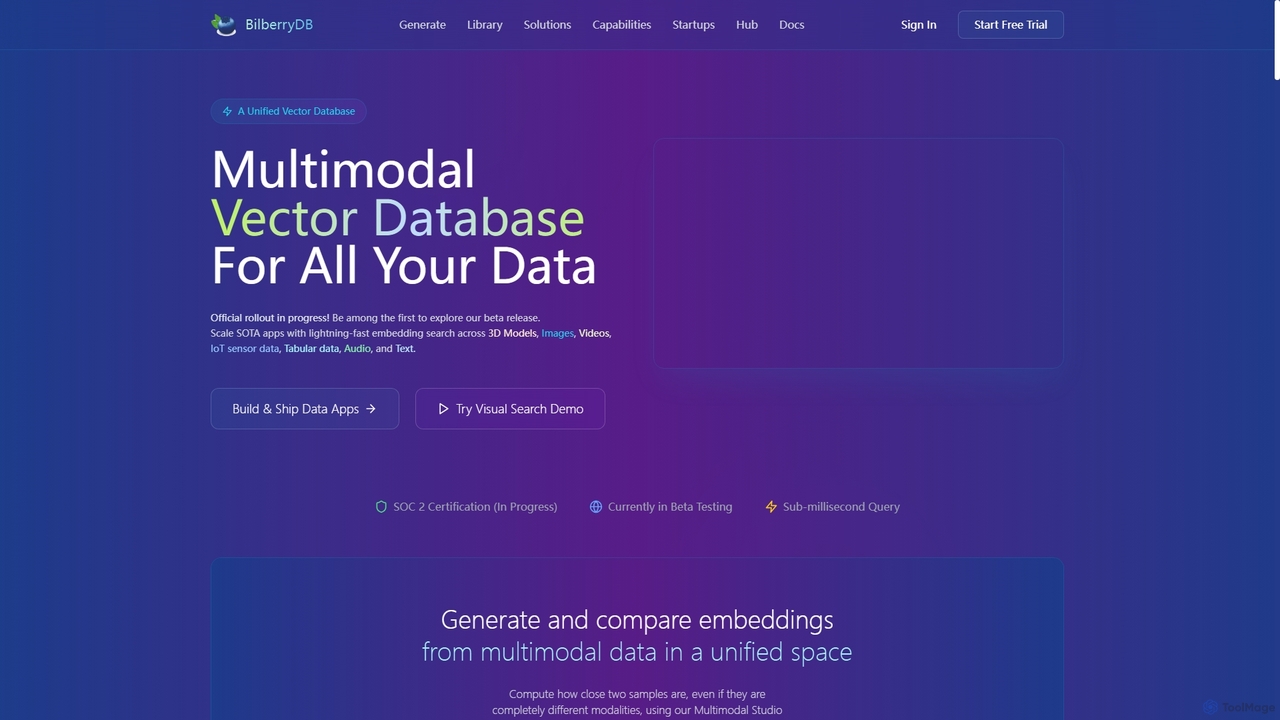
Bilberrydb
Bilberrydb is an enterprise-grade, multimodal vector database designed for building advanced AI applications. It enables lightning-fast embedding search across diverse data types including 3D models, images, videos, audio, text, and tabular data on a unified platform.
Vector Database
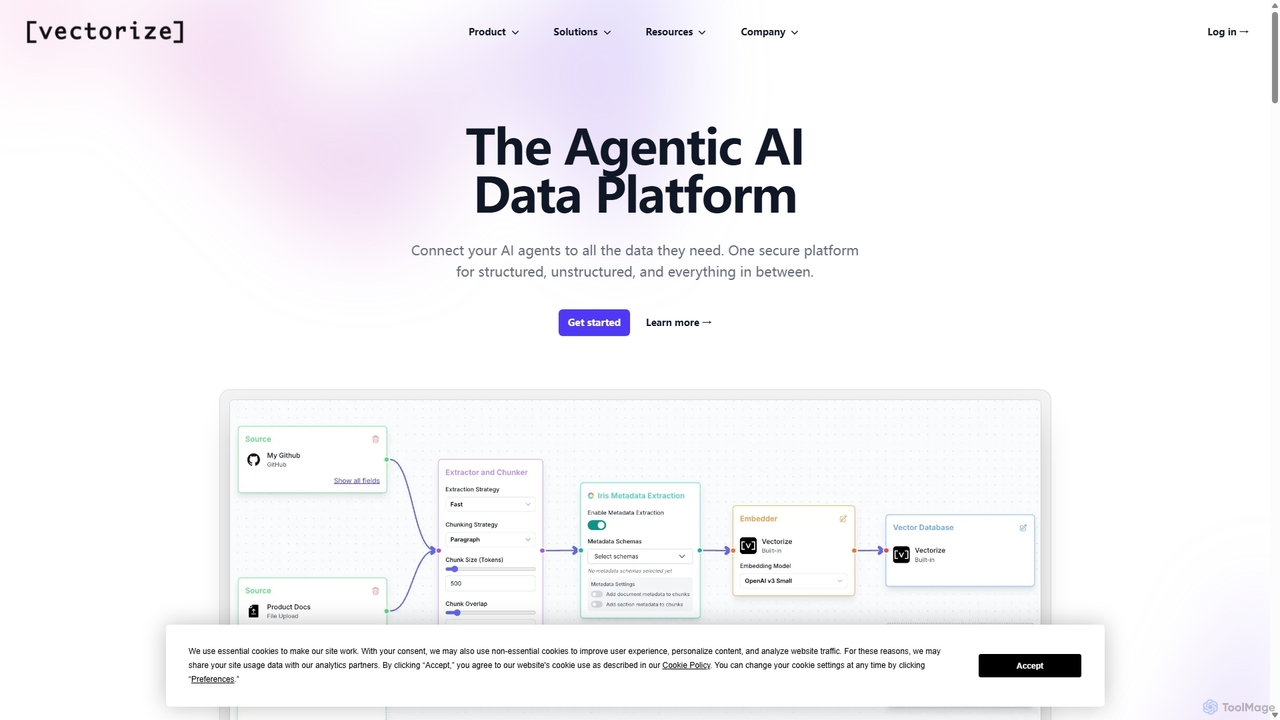
Vectorize
Vectorize is a RAG-as-a-Service platform that simplifies building AI applications on unstructured data. It offers managed RAG pipelines, extensive data source connectors, and the flexibility to use its managed vector database or connect your own, enabling developers to deploy production-ready AI solutions quickly.
Rag
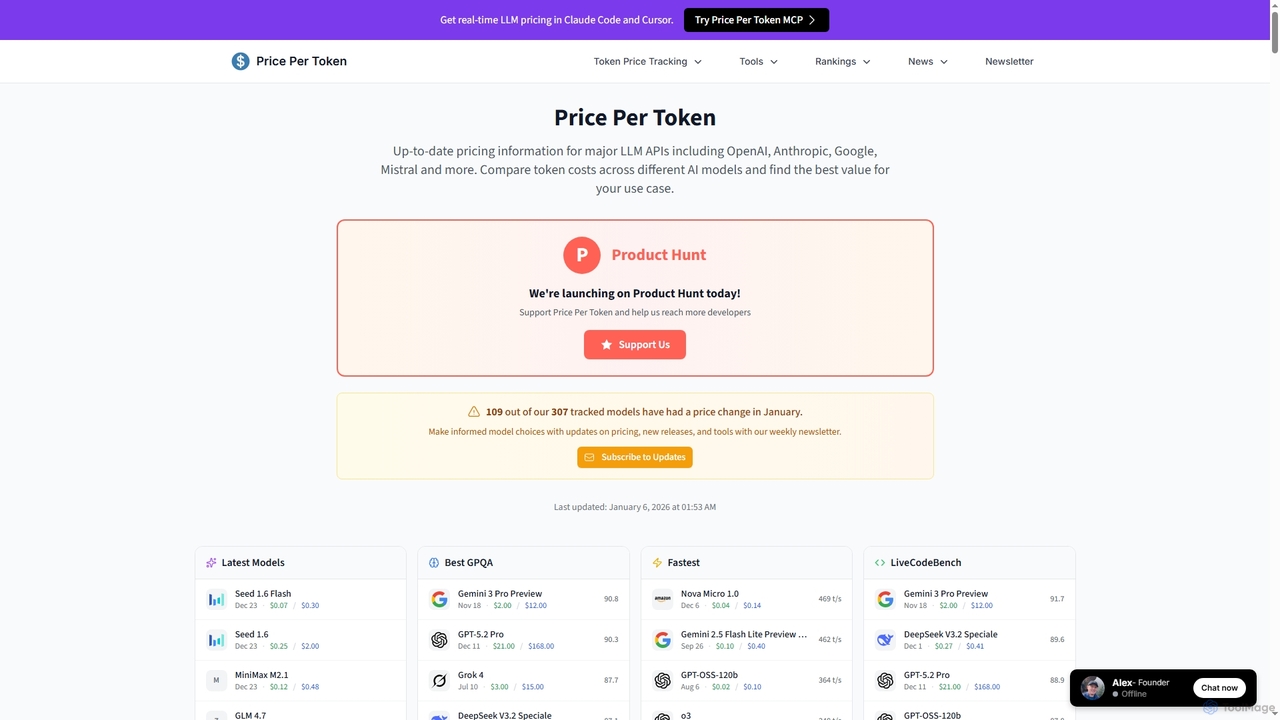
PricePerToken
PricePerToken is an essential AI tool offering real-time LLM API pricing comparisons for over 300 models. It helps developers, researchers, and businesses compare token costs, analyze performance benchmarks, and optimize their AI spending across major providers like OpenAI, Anthropic, Google, and Mistral.
Llm Pricing
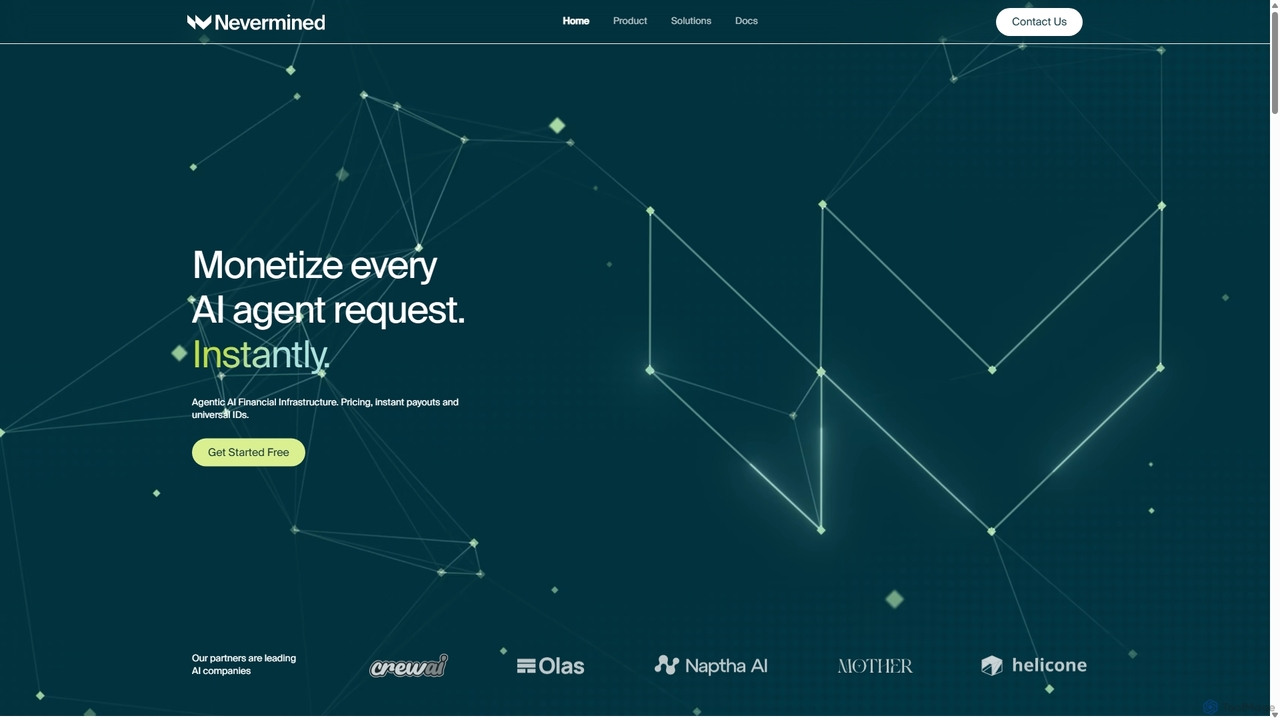
Nevermined
Nevermined is a specialized billing and payments infrastructure designed for the AI economy. It enables developers and businesses to instantly monetize every AI agent request through flexible, AI-native pricing models like usage-based, outcome-based, and value-based billing. It provides real-time metering, instant payouts, and universal agent IDs to support both human-to-agent and agent-to-agent transactions, future-proofing applications for the emerging agentic commerce landscape.
Monetization
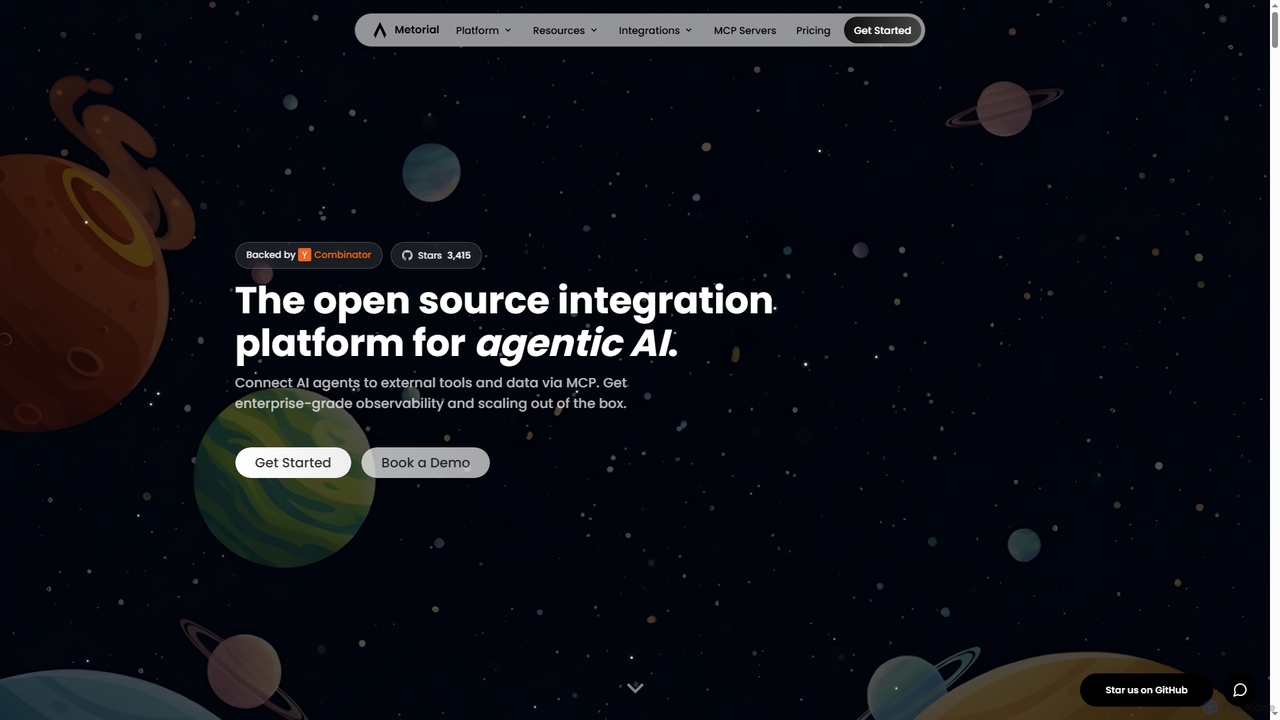
Metorial
Metorial is an integration platform for AI agents, enabling developers to quickly build, deploy, and monitor powerful agentic AI applications. It provides seamless connections to hundreds of tools, data sources, and APIs via its serverless Model Context Protocol (MCP) platform, offering robust SDKs, observability, and enterprise-grade security for scalable AI solutions.
Agentic Ai
Nexlayer
Nexlayer is the first agent-native cloud platform designed to empower AI coding agents to deploy production-ready applications swiftly. It automates complex infrastructure, enabling developers and founders to ship full-stack apps, APIs, and databases in minutes without DevOps overhead.
Application DevelopmentSiliconFlow
SiliconFlow is a unified AI infrastructure platform designed for high-performance inference of Large Language Models (LLMs) and multimodal models. It provides developers and enterprises with scalable, cost-effective, and flexible deployment options, including serverless APIs, reserved GPUs, and fine-tuning capabilities, all accessible through a single, OpenAI-compatible API.
Ai & Machine Learning
Unify
Unify is a developer-centric LLMOps platform designed to simplify building, monitoring, and optimizing AI applications. It provides a universal API and a hackable framework for logging, evaluation, tracing, and managing AI agents, enabling developers to create custom workflows and interfaces with ease.
Llmops