ToolMage
Sign in

Best 19 Database AI tools for Data

Popular Database AI tools in Data include easysbc, Smithery, Mem0, Meilisearch, SingleStore, ListKit, topyappers, Golden, PremAI, and Hopsworks, helping you work more efficiently.

Feishu Base
Freemium

Feishu Base

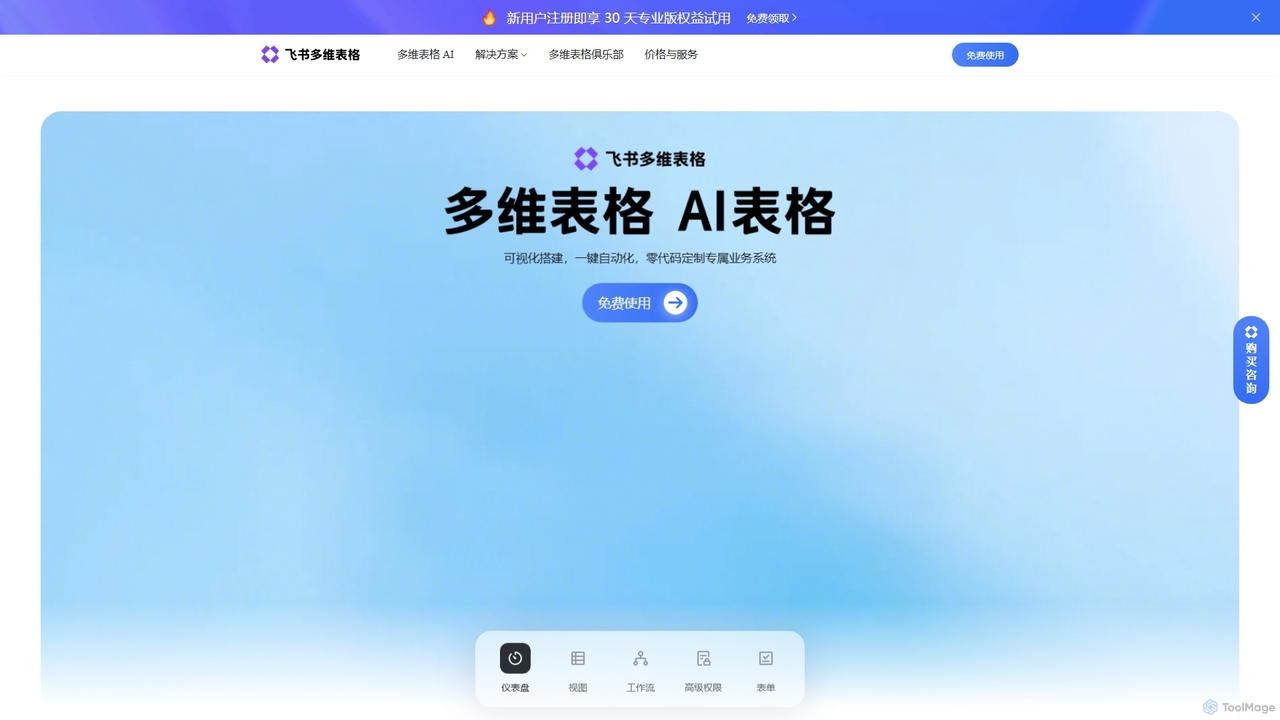
Feishu Base is an AI-powered no-code platform that combines the flexibility of a spreadsheet with the power of a database. It enables teams to build custom business systems, automate workflows, and analyze data through intuitive dashboards without writing any code. It's designed for seamless collaboration and data management.

Data Analysis
Visits 38.3KFavorites 75Likes 76
Smithery
Freemium

Smithery

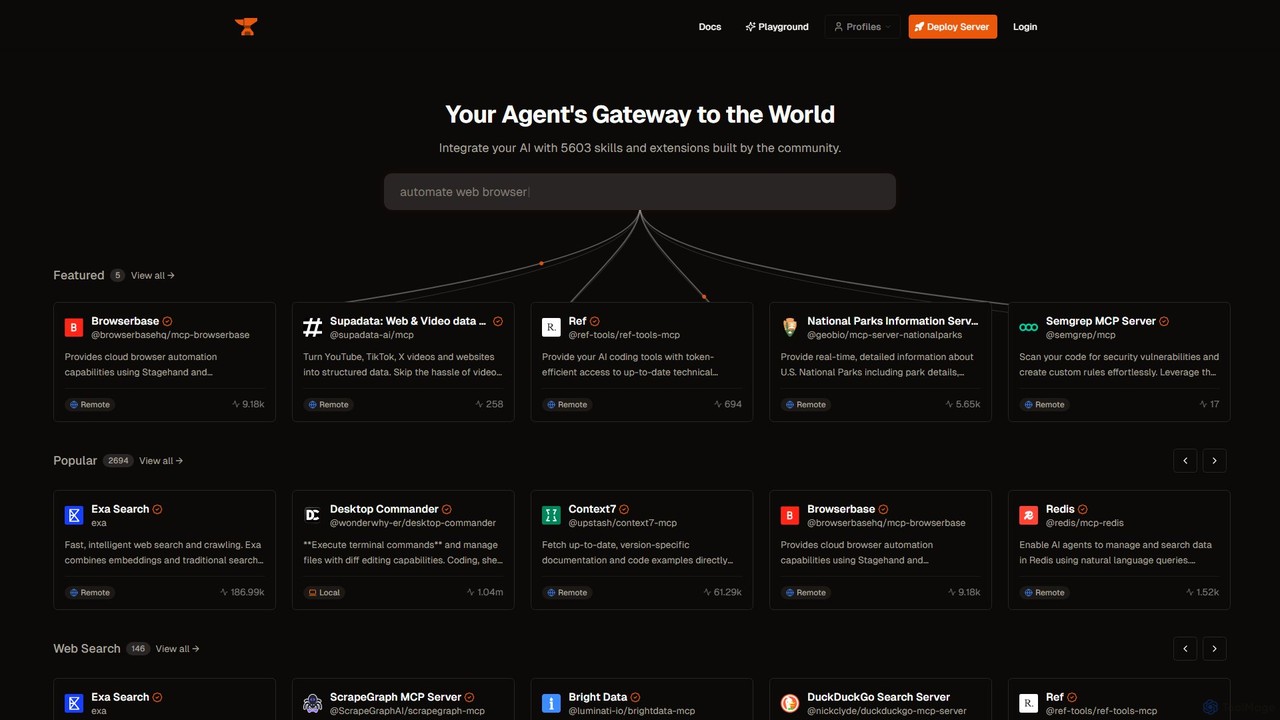
Smithery is a registry and protocol for AI agents, providing a gateway to thousands of community-built skills and extensions. It enables developers to easily integrate external tools like web browsers, databases, and APIs into their AI applications, enhancing their capabilities and context awareness.

Database
Visits 478.8KFavorites 87Likes 94
SingleStore
Freemium

SingleStore

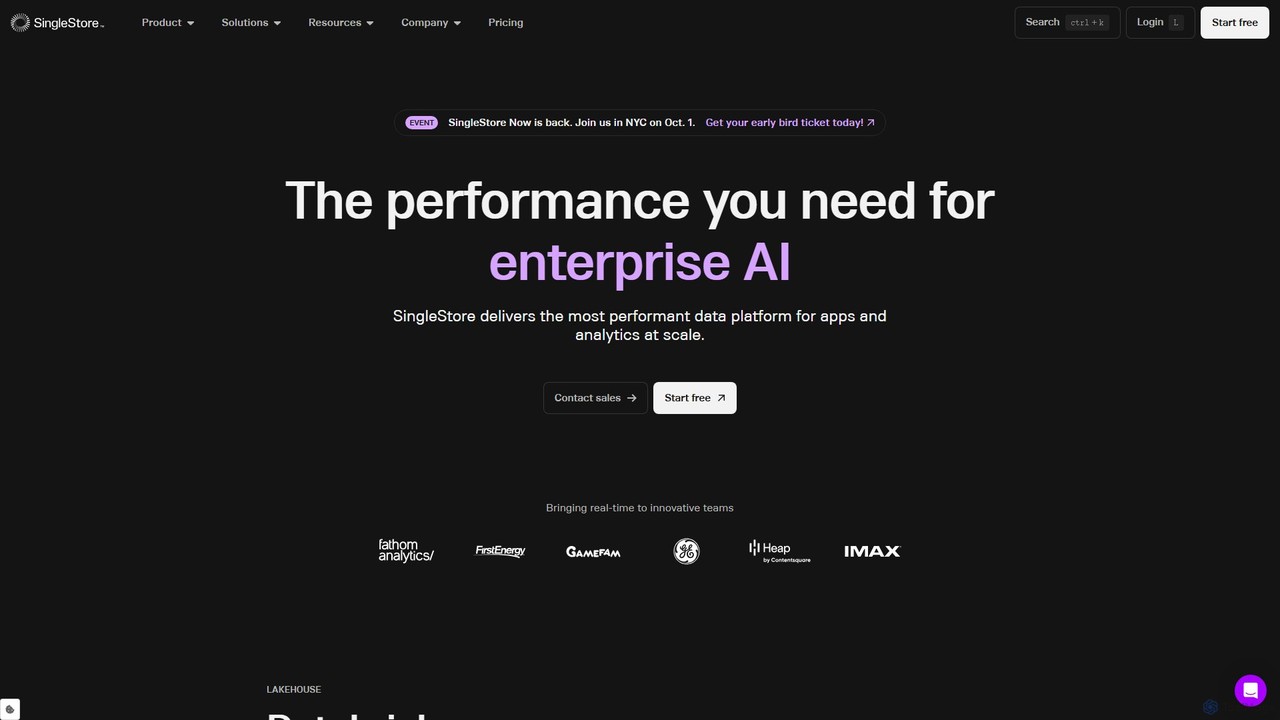
SingleStore is a high-performance, real-time data platform designed for enterprise AI and data-intensive applications. It unifies transactional (OLTP) and analytical (OLAP) workloads, including vector search, in a single, distributed SQL database, delivering millisecond latency at scale.

Vector Database
Visits 164.4KFavorites 132Likes 132
topyappers
Freemium

topyappers

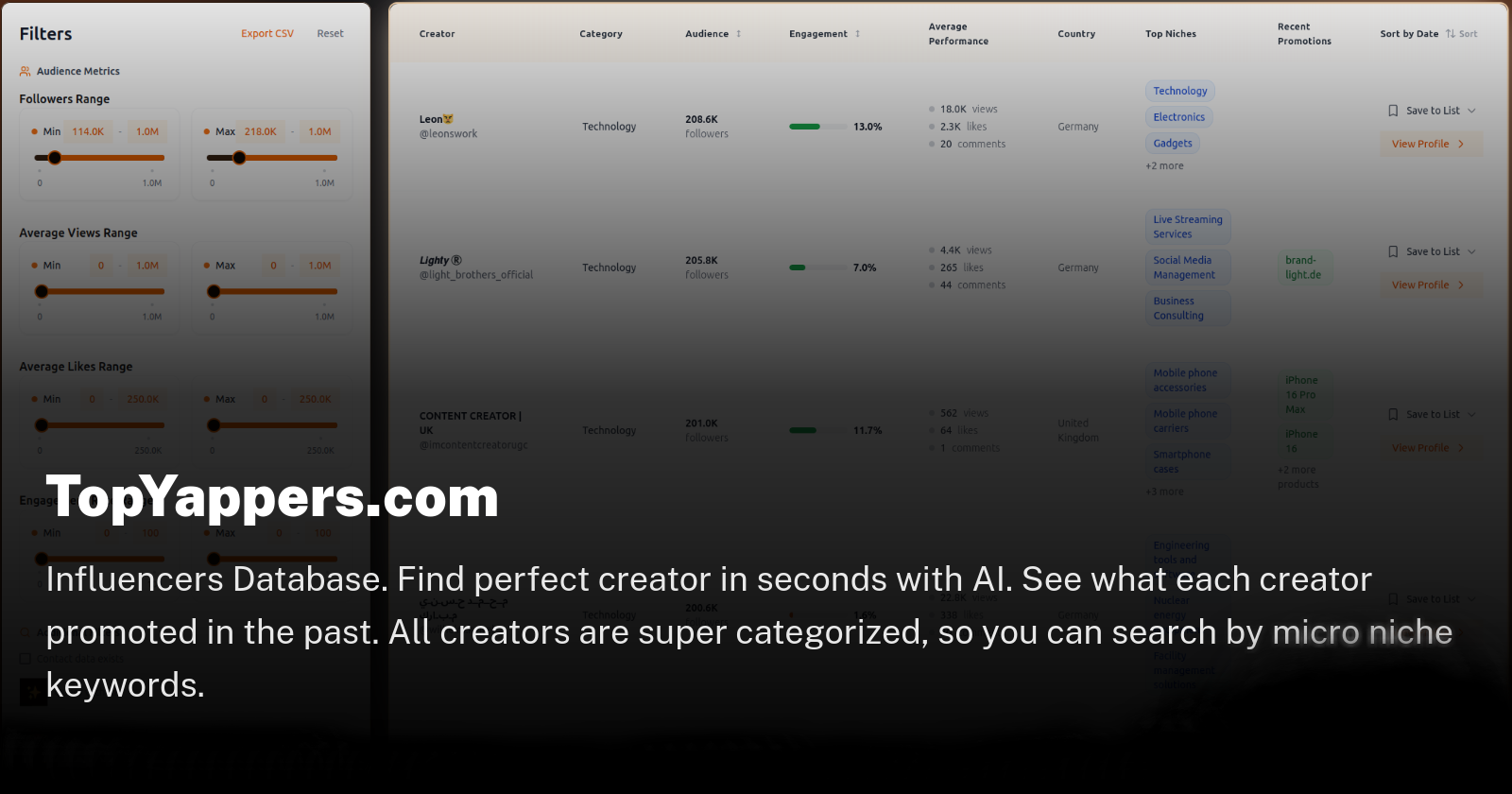
topyappers is an AI-powered influencer marketing platform designed to connect brands with the perfect creators. It features a database of over 17 million influencers on TikTok, Instagram, and YouTube, using advanced AI to analyze creator content, past promotions, and audience data for precise matching.

Database
Visits 60.1KFavorites 119Likes 127
easysbc
Free

easysbc

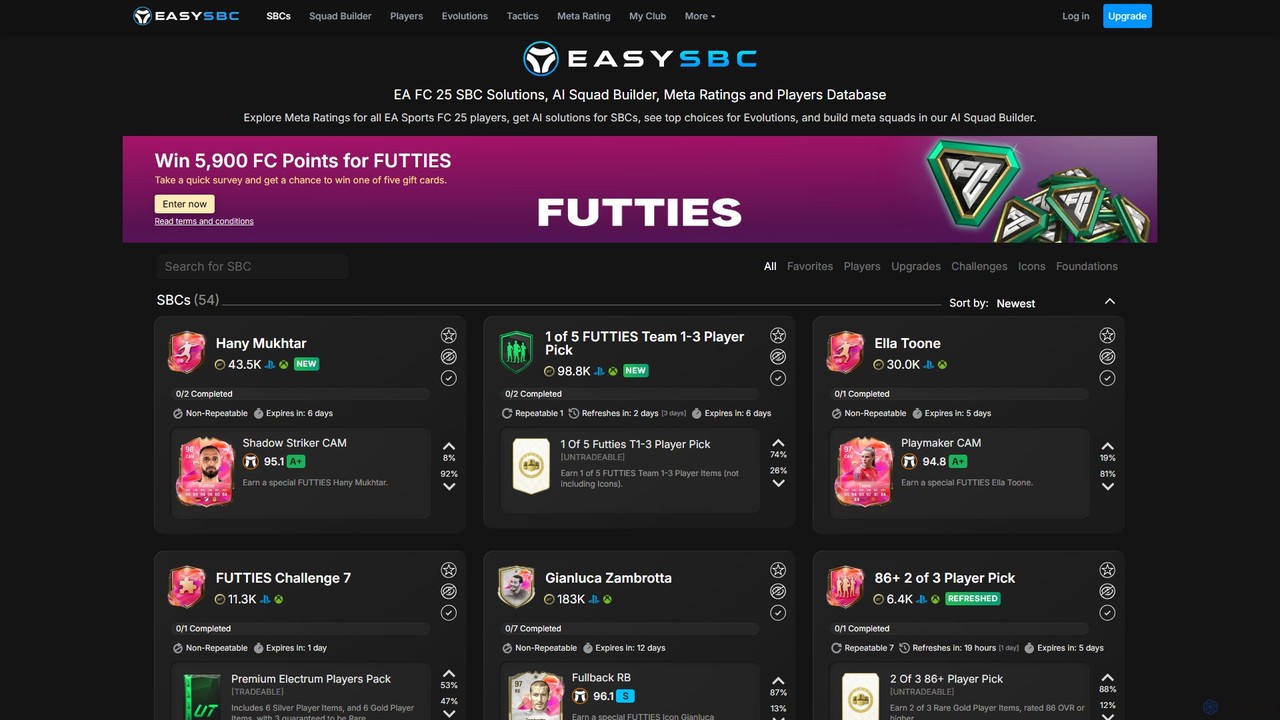
An AI-powered platform for EA Sports FC players, offering AI-generated solutions for Squad Building Challenges (SBCs), an intelligent Squad Builder for meta teams, a comprehensive player database with meta ratings, and insights into player evolutions. Optimize your Ultimate Team, save coins, and build competitive squads effortlessly.

Database
Visits 1.4MFavorites 101Likes 102
Hopsworks
Freemium

Hopsworks

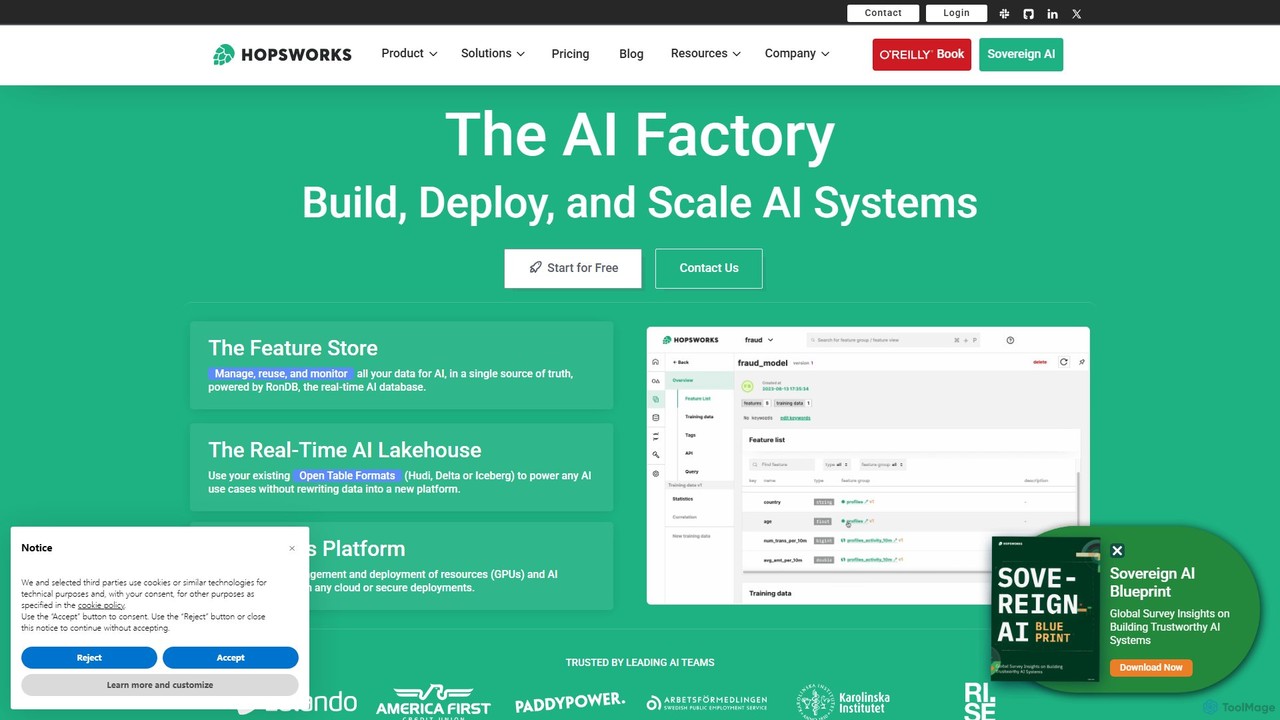
Hopsworks is a real-time AI Lakehouse and the industry's most advanced Feature Store. It's designed for MLOps, unifying data and compute to build and operate reliable, real-time AI systems. It supports any framework, cloud, or on-premises environment, enabling faster model development and significant cost reduction.

Database
Visits 40.2KFavorites 141Likes 131
semafind
Freemium

semafind

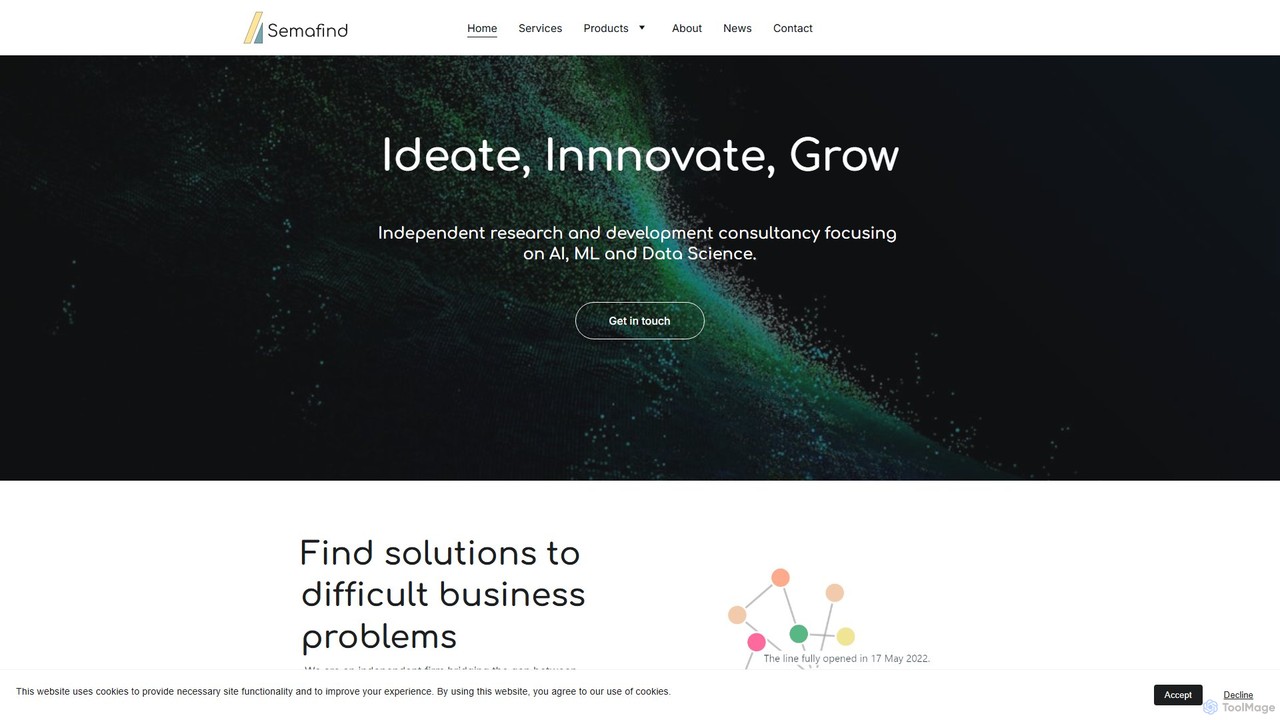
Semafind is an AI-powered semantic search platform that enables developers and businesses to build intelligent, context-aware search experiences. It goes beyond keywords to understand user intent, delivering highly relevant results from any data source.

Database
Visits 4.7KFavorites 108Likes 106
ListKit
Paid

ListKit

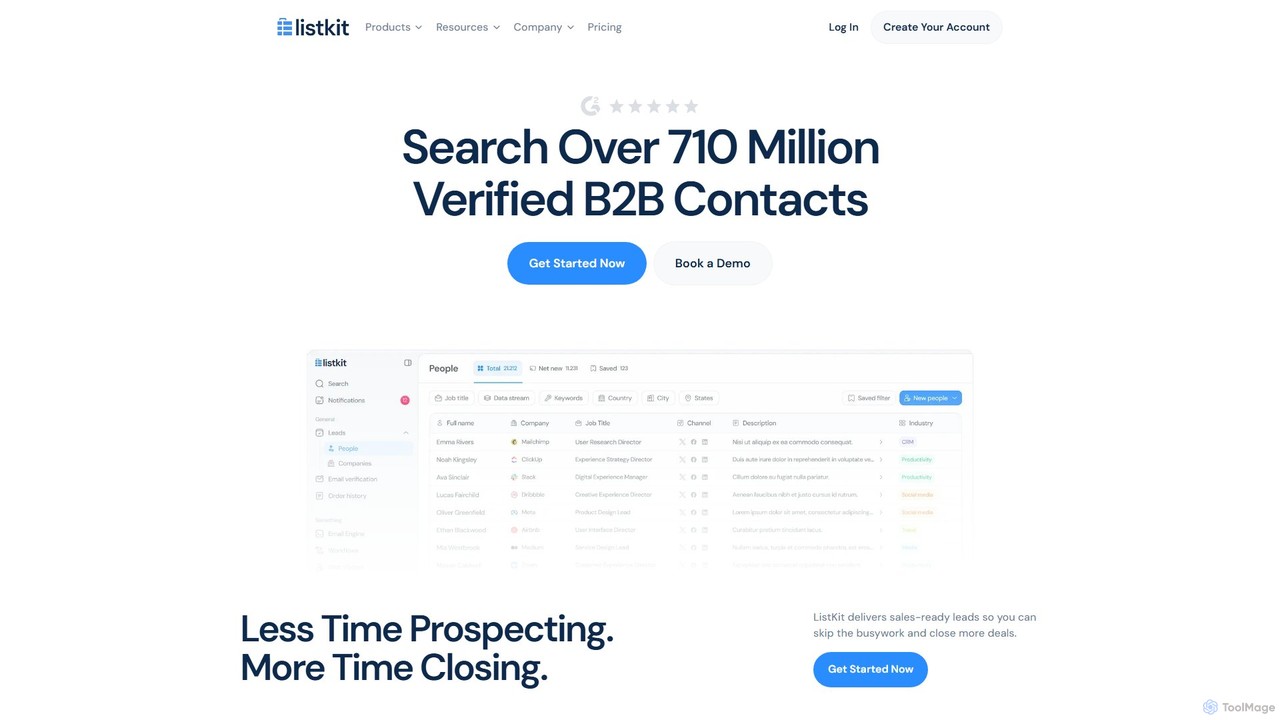
ListKit is a B2B lead generation and sales intelligence platform offering access to over 710 million triple-verified contacts. It's designed to help sales teams, founders, and agencies save time on prospecting and focus on closing deals by providing high-quality, sales-ready leads with low bounce rates.

Database
Visits 97.8KFavorites 128Likes 116
Trieve
Free

Trieve

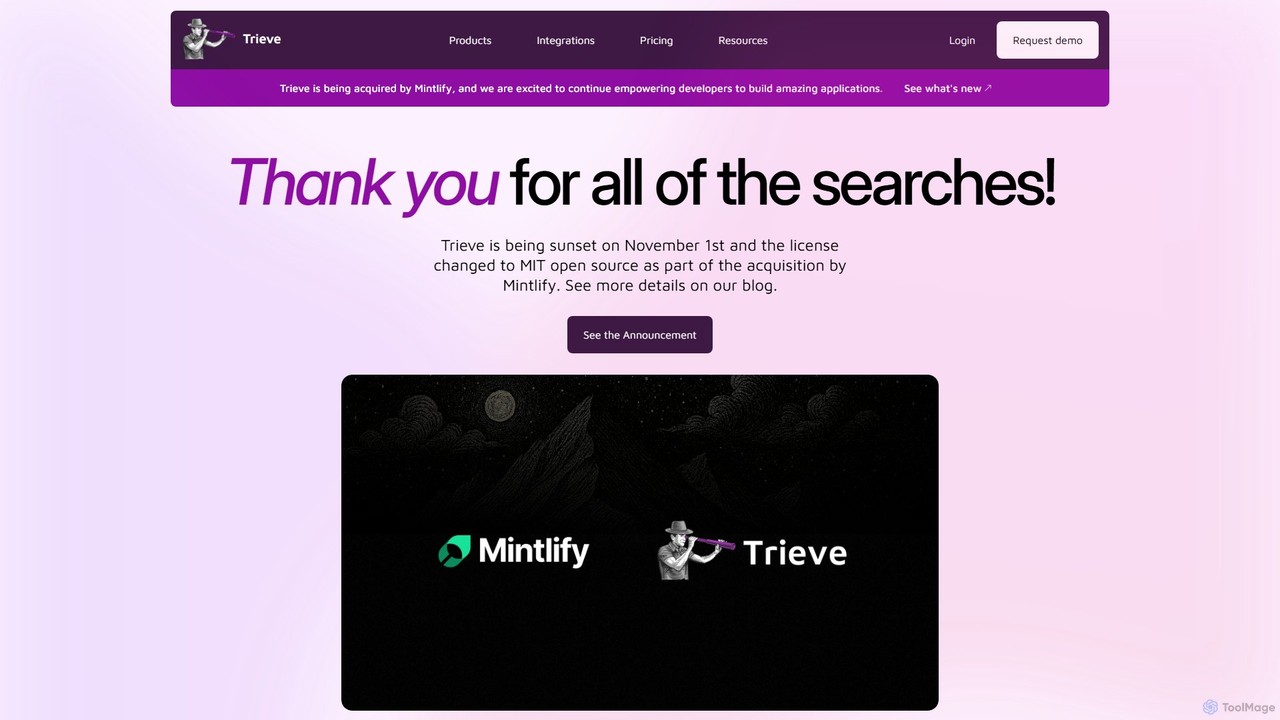
Trieve is a free, open-source AI search infrastructure for developers. Acquired by Mintlify and now under an MIT license, it empowers the creation of advanced discovery experiences, including conversational AI, state-of-the-art semantic search, and RAG applications, with a focus on self-hosting and customization.

Database
Visits 12.7KFavorites 105Likes 98
PremAI
Freemium

PremAI

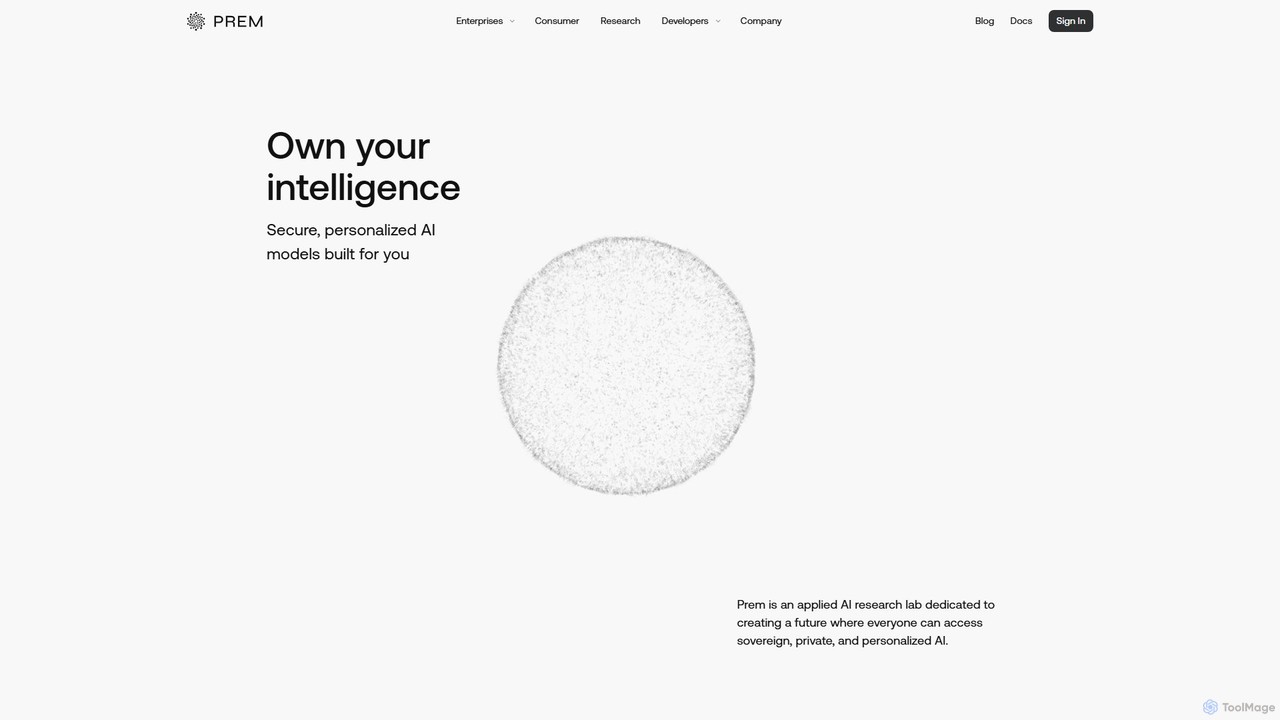
PremAI is an enterprise-grade platform for building, fine-tuning, and deploying secure, private AI models. It empowers businesses to transform their raw data into high-performance, specialized models while maintaining absolute data sovereignty and leveraging state-of-the-art encryption for maximum privacy.

Database
Visits 52.7KFavorites 111Likes 118
Meilisearch
Freemium

Meilisearch

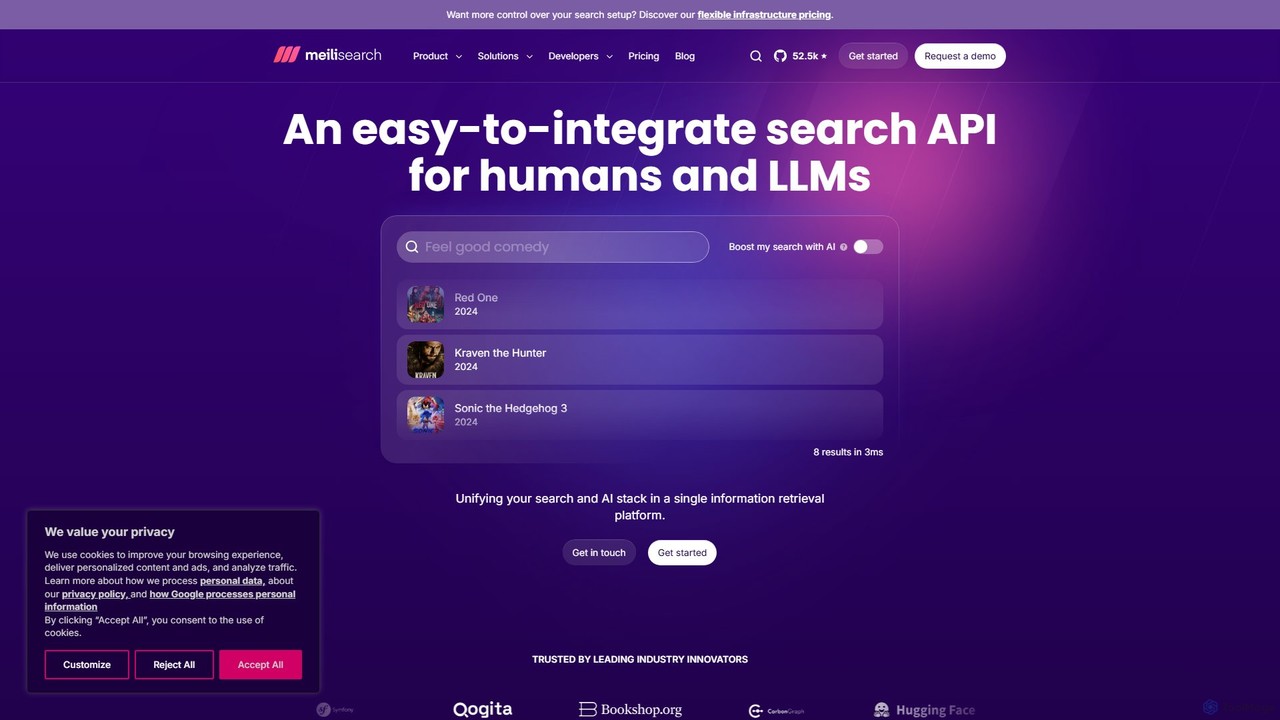
Meilisearch is an open-source, lightning-fast, and AI-powered search engine. It's designed for developers to easily integrate advanced search capabilities, including full-text, semantic, and hybrid search, into any website or application. It offers an exceptional developer experience with powerful APIs and SDKs.

Database
Visits 201.2KFavorites 100Likes 94
raggenie
Freemium

raggenie

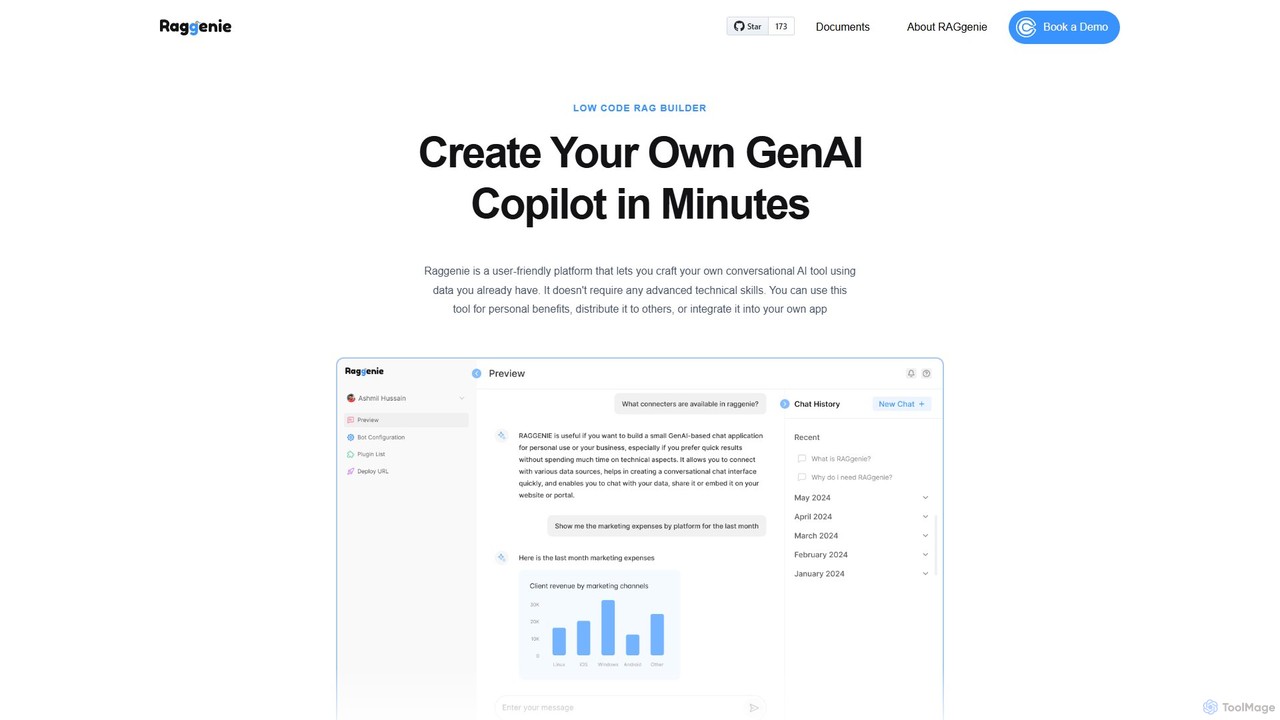
RAGGENIE is a low-code, open-source platform for building custom Retrieval-Augmented Generation (RAG) applications. It enables users to create conversational AI chatbots and co-pilots by connecting to various databases and document sources, allowing you to chat with your data in natural language without extensive coding.

Database
Visits 3.4KFavorites 140Likes 123
DataChain
Freemium

DataChain

DataChain is a developer-first platform for managing "Heavy Data"—large-scale, unstructured, multimodal datasets. It enables teams to curate, enrich, and version data like videos, images, audio, and PDFs for AI applications, featuring Python-based ETL pipelines, full data lineage, and scalable processing from local IDE to cloud.

Database
Visits 7.8KFavorites 114Likes 112
Mem0
Freemium

Mem0

Mem0 is a universal, self-improving memory layer for LLM applications. It enables developers to build personalized AI experiences that remember user context, significantly cut operational costs by reducing token usage, and enhance user delight.

Chatbot
Visits 392.2KFavorites 103Likes 106
Golden
Paid

Golden

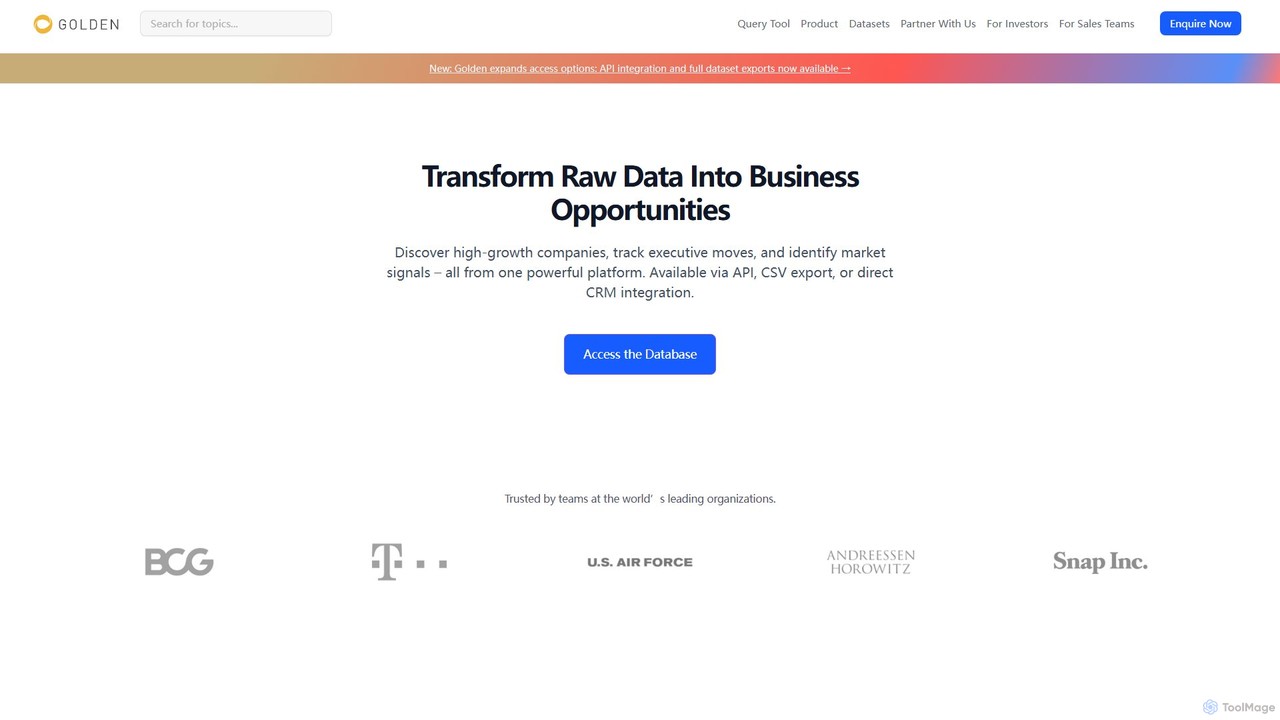
Golden is an AI-powered business intelligence platform that transforms scattered web data into a structured, searchable knowledge graph. It provides comprehensive profiles on millions of companies, tracking real-time signals like funding, executive changes, and market trends to help sales, investment, and AI teams make data-driven decisions.

Market Intelligence
Visits 58.1KFavorites 85Likes 91
Supermemory MCP
Freemium

Supermemory MCP

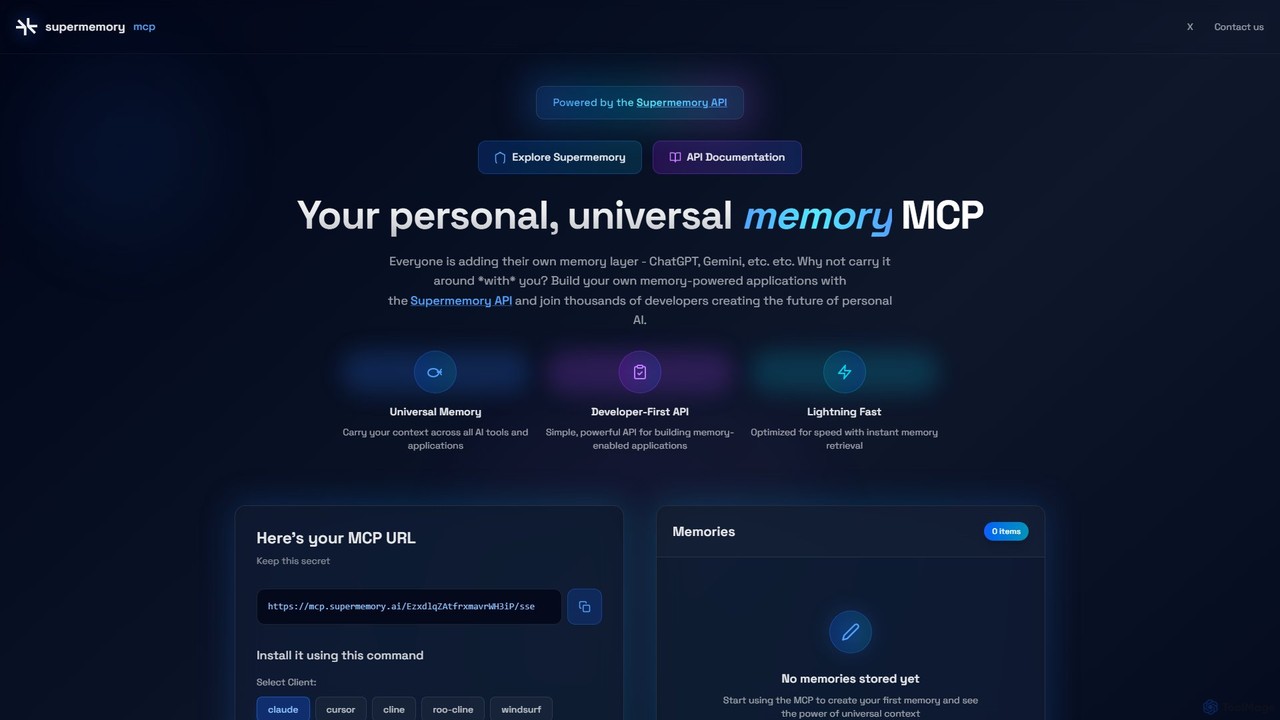
Supermemory MCP is a developer-first platform providing a universal memory layer for your AI tools. It allows you to carry context across different applications like ChatGPT and Gemini via a simple API and CLI. Build memory-powered applications or integrate a persistent memory into your existing workflows to make AI interactions more intelligent, personal, and efficient.

Database
Visits 3.5KFavorites 106Likes 94
creator_contacts
Paid

creator_contacts

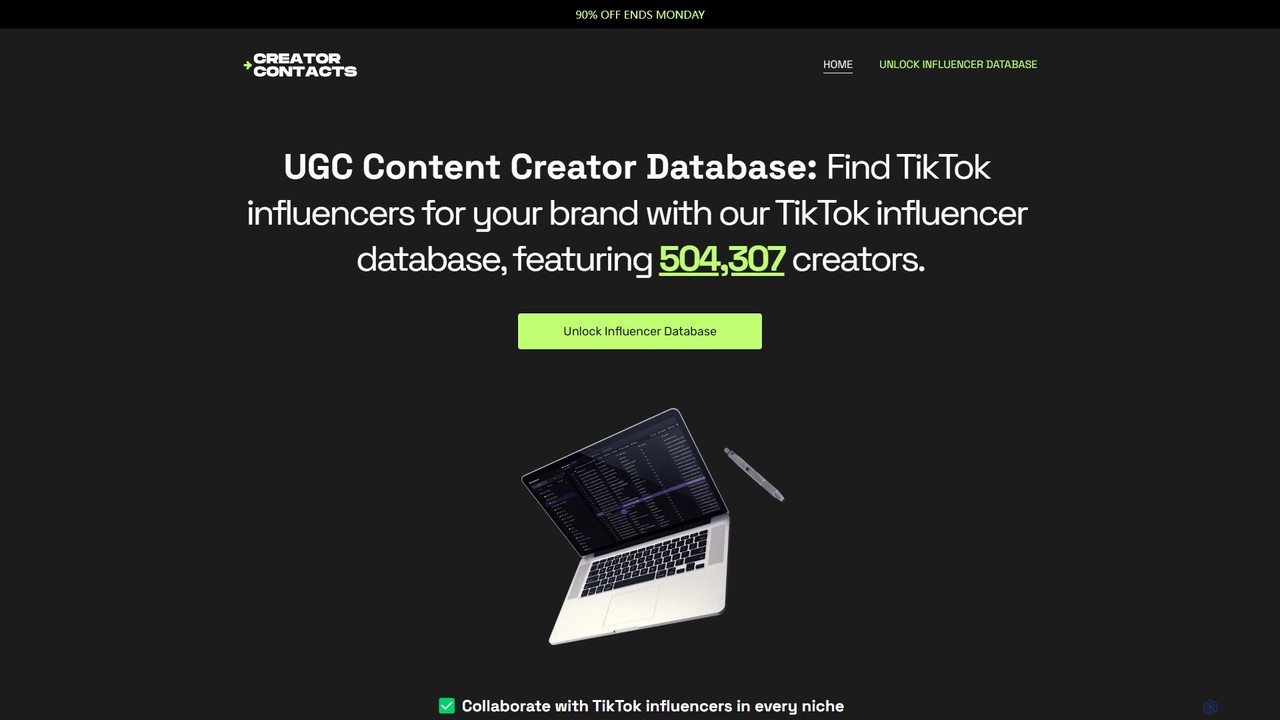
Creator Contacts offers an AI-curated influencer database with over 1 million verified contacts, focusing on TikTok, YouTube, Instagram, and Twitch. Designed for startups and brands, it provides a cost-effective, one-time purchase for lifetime access. This enables direct email outreach to micro-influencers and creators, bypassing expensive platforms and agencies to launch effective user-generated content (UGC) and marketing campaigns.

Database
Visits 4.8KFavorites 94Likes 94
csvgetter
Freemium

csvgetter

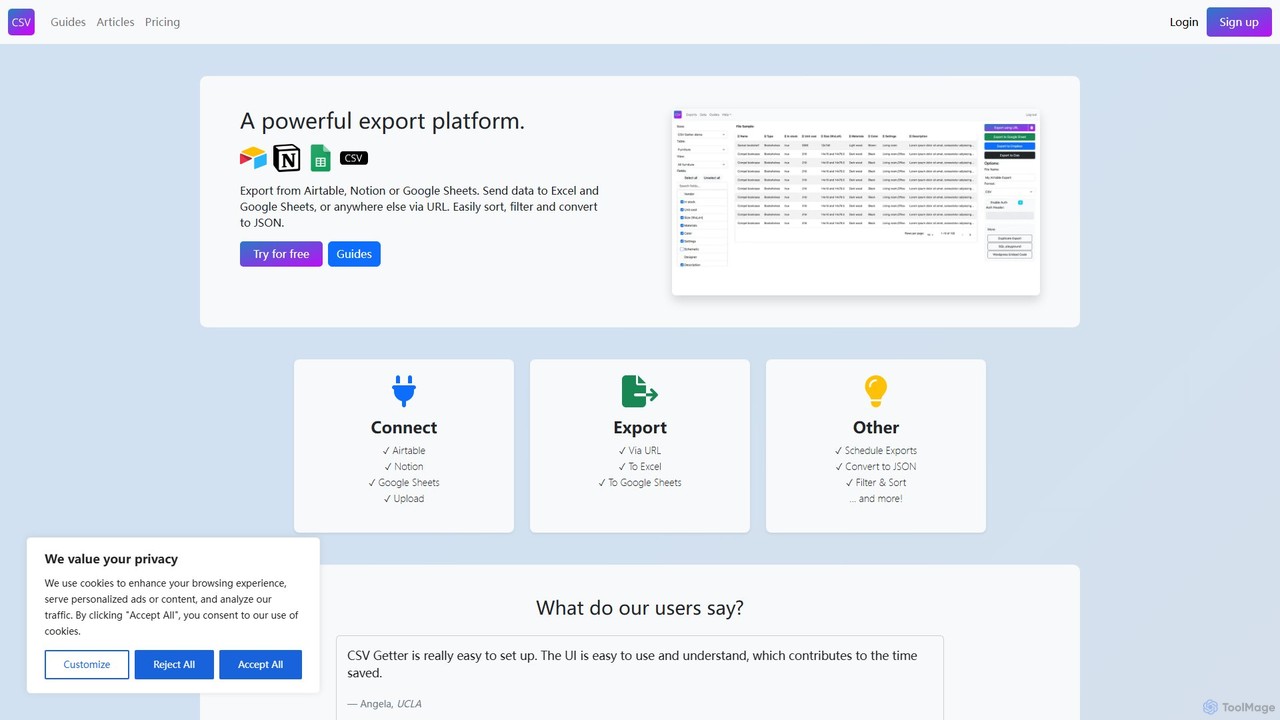
csvgetter is a no-code automation tool designed for easy data export and backups from popular SaaS platforms. It allows users to schedule and automate the extraction of data from services like Airtable, Stripe, and Notion, delivering it in accessible formats like CSV and JSON. This ensures data security, facilitates analysis, and prevents vendor lock-in.

Database
Visits 9.3KFavorites 135Likes 129
deinpim
Paid

deinpim

deinpim is a customizable Product Information Management (PIM) system designed to centralize, optimize, and distribute product data. It leverages AI to automate content creation, enrich product information, and ensure data consistency across all e-commerce channels, enhancing efficiency and customer experience.

Database
Visits 3.4KFavorites 97Likes 103

About Database

AI Database tools are a specialized category within data management that leverage artificial intelligence to enhance the storage, organization, retrieval, and analysis of information. These tools integrate machine learning algorithms to automate complex database tasks, optimize performance, and extract deeper insights from structured and unstructured data. They empower businesses to manage vast datasets more efficiently, improve data quality, and support advanced AI applications.

Core Features

  • Intelligent Query Optimization: AI algorithms analyze query patterns and data structures to suggest or automatically apply more efficient execution plans, significantly speeding up data retrieval.
  • Automated Schema Design & Evolution: AI assists in designing optimal database schemas and suggests modifications as data requirements change, reducing manual effort and potential errors.
  • Anomaly Detection & Predictive Maintenance: Machine learning models monitor database performance and data integrity, identifying unusual patterns or potential issues before they impact operations.
  • Vector Database Capabilities: Specialized databases designed to store and query high-dimensional vector embeddings, crucial for AI applications like semantic search and large language models.
  • Natural Language Interaction: Allows users to query databases using natural language, translating human questions into complex SQL or NoSQL queries, making data more accessible.

Applicable Scenarios

AI Database tools are crucial for various applications. Developers building AI models (e.g., LLMs, recommendation engines) use vector databases to store and retrieve embeddings, enabling semantic search and context-aware responses. Large organizations leverage AI databases to automate routine administration, optimize complex queries across petabytes of data, and ensure high availability and performance for critical business applications. Data analysts and business intelligence teams utilize AI-enhanced databases for faster data ingestion and querying, enabling real-time dashboards and immediate insights for decision-making.

How to Choose

When selecting an AI Database tool, consider its support for your specific data types (structured, unstructured, vector embeddings) and its scalability for current and future data volumes. Evaluate the depth of AI capabilities, such as intelligent query optimization, automated schema management, or native vector database support, aligning with your specific AI initiatives. Assess the tool's ability to handle high-throughput operations and low-latency queries, especially for real-time applications or demanding AI workloads. Finally, check for seamless integration with your existing data stack, development tools, and cloud platforms to ensure a smooth workflow and avoid vendor lock-in.

Featured tool rankings

Database use cases

1

Enhancing Semantic Search for E-commerce

An e-commerce platform integrates an AI-powered vector database to store product embeddings. When a customer searches for "comfortable running shoes for trail," the system retrieves products semantically similar to the query, even if exact keywords aren't present, leading to more relevant search results and improved customer satisfaction.

2

Automating Database Performance Tuning

A large enterprise with numerous transactional databases uses an AI database management tool. The AI continuously monitors query execution plans, resource utilization, and indexing strategies, automatically suggesting or applying optimizations to improve database response times and reduce operational overhead for database administrators.

3

Powering Contextual AI Chatbots

A customer service department deploys an AI chatbot that needs to access a vast knowledge base and customer interaction history. A vector database stores embeddings of FAQs, support articles, and past conversations, allowing the chatbot to quickly retrieve the most relevant information based on the user's query, providing accurate and context-aware responses.

4

Real-time Fraud Detection in Financial Services

A financial institution utilizes an AI database to process high volumes of transaction data in real-time. Machine learning models within the database identify anomalous patterns indicative of fraudulent activity, flagging suspicious transactions instantly and enabling rapid intervention to prevent financial losses.

5

Optimizing Data Storage and Archiving

A media company manages petabytes of digital assets. An AI database tool analyzes data access patterns and usage frequency, automatically tiering data to more cost-effective storage solutions (e.g., cold storage for rarely accessed archives) while ensuring quick retrieval for frequently used assets, optimizing storage costs.

6

Facilitating Personalized Content Recommendations

A streaming service employs an AI database to store user preferences, viewing history, and content metadata as embeddings. The AI analyzes these vectors to understand user tastes and recommend highly personalized movies, shows, or music, significantly improving user engagement and retention.

Database FAQ

What are AI Database tools?

AI Database tools are systems that integrate artificial intelligence, particularly machine learning, to enhance traditional database functionalities. They go beyond simple data storage and retrieval by offering intelligent capabilities like automated optimization, advanced analytics, and support for AI-specific data types such as vector embeddings, making data management more efficient and insightful.

How do AI Databases differ from traditional databases?

Traditional databases primarily focus on structured data storage and querying based on predefined schemas. AI Databases, while performing these functions, add a layer of intelligence. They can automate performance tuning, handle unstructured data more effectively, support vector embeddings for AI applications, and use machine learning for tasks like anomaly detection or natural language querying, offering more dynamic and intelligent data management.

What are the key benefits of using an AI Database?

The primary benefits include improved performance through intelligent query optimization, reduced operational costs via automation of administrative tasks, enhanced data insights from advanced analytics and anomaly detection, and robust support for modern AI applications like semantic search and recommendation systems. They also simplify complex data management for large and diverse datasets.

Who should use AI Database tools?

AI Database tools are ideal for organizations and developers building AI-powered applications, data scientists needing efficient storage and retrieval for machine learning models, enterprises managing vast and complex datasets, and businesses requiring real-time analytics and automated database administration. They are particularly valuable for scenarios demanding high performance, scalability, and intelligent data processing.

What is a vector database and how does it relate to AI Databases?

A vector database is a specialized type of AI database designed to efficiently store, index, and query high-dimensional vector embeddings. These embeddings represent data (text, images, audio) in a numerical format that AI models can understand. Vector databases are a crucial component of many AI Database solutions, enabling capabilities like semantic search, similarity matching, and context retrieval for large language models, making them fundamental for advanced AI applications.