Productivity Best in category 11 results Ai Chatbot AI Tool

Popular AI tools in the Ai Chatbot field of Productivity include Qwen、T3 Chat、Xiaoyi、Deferred、8base、CamoCopy、Enclave AI、Fusion AI、OpenDataSky、Uminal, etc., helping you quickly improve efficiency.

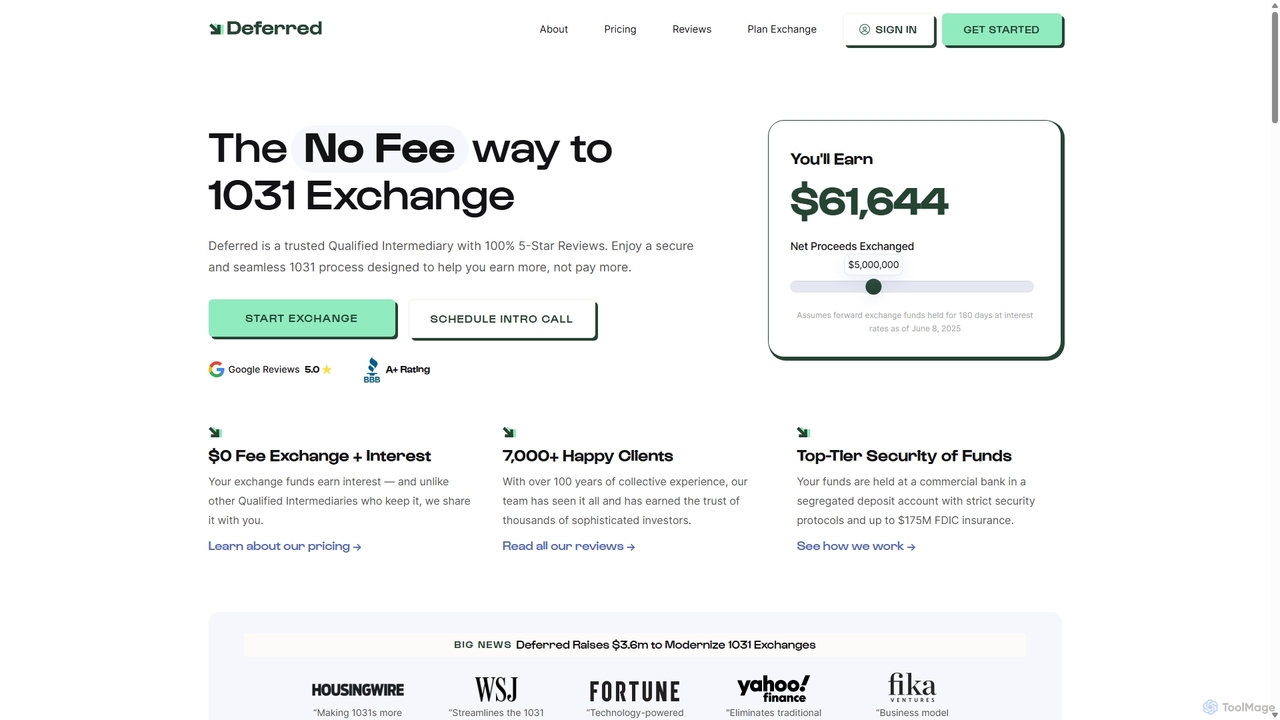
Deferred

Deferred

Deferred is a Qualified Intermediary revolutionizing 1031 exchanges for real estate investors. It offers a unique "No Fee" …

17.1K
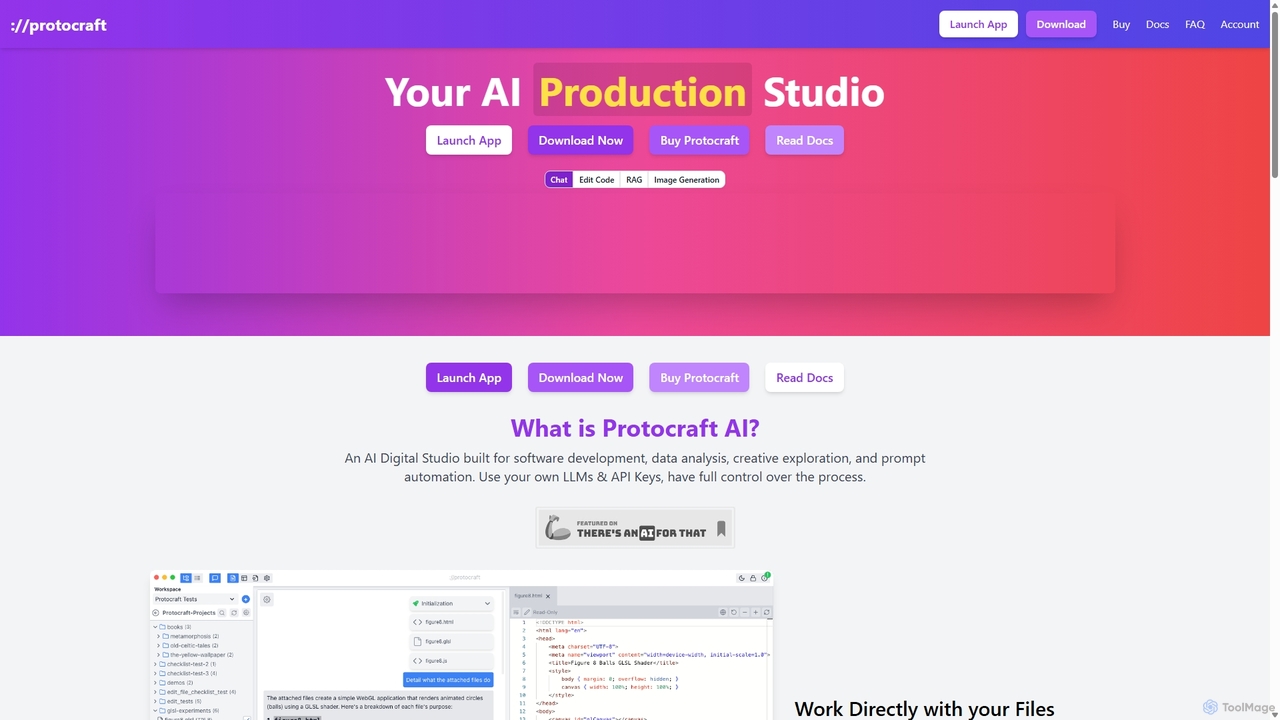
Protocraft AI

Protocraft AI

Protocraft AI is a versatile AI production studio for software development, data analysis, and creative tasks. It operates …

2.9K
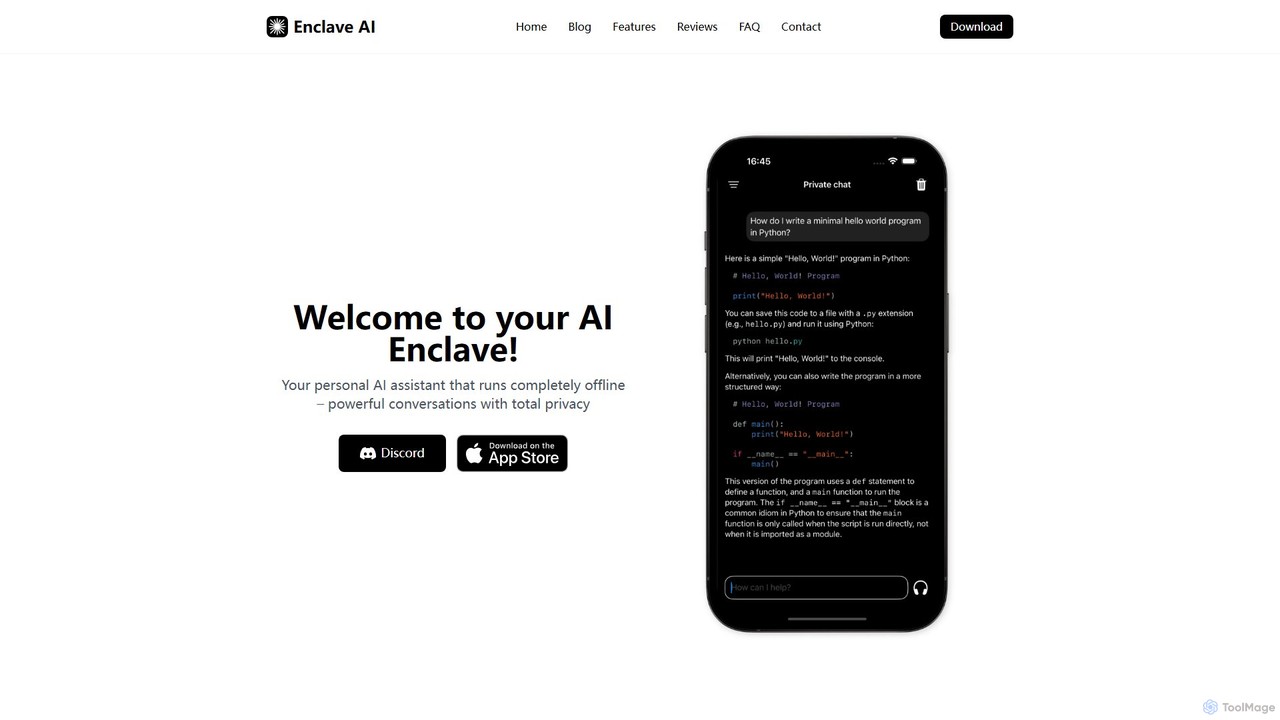
Enclave AI

Enclave AI

Enclave AI is a private, local, and offline AI assistant for macOS and iOS. It runs powerful open-source …

7.6K
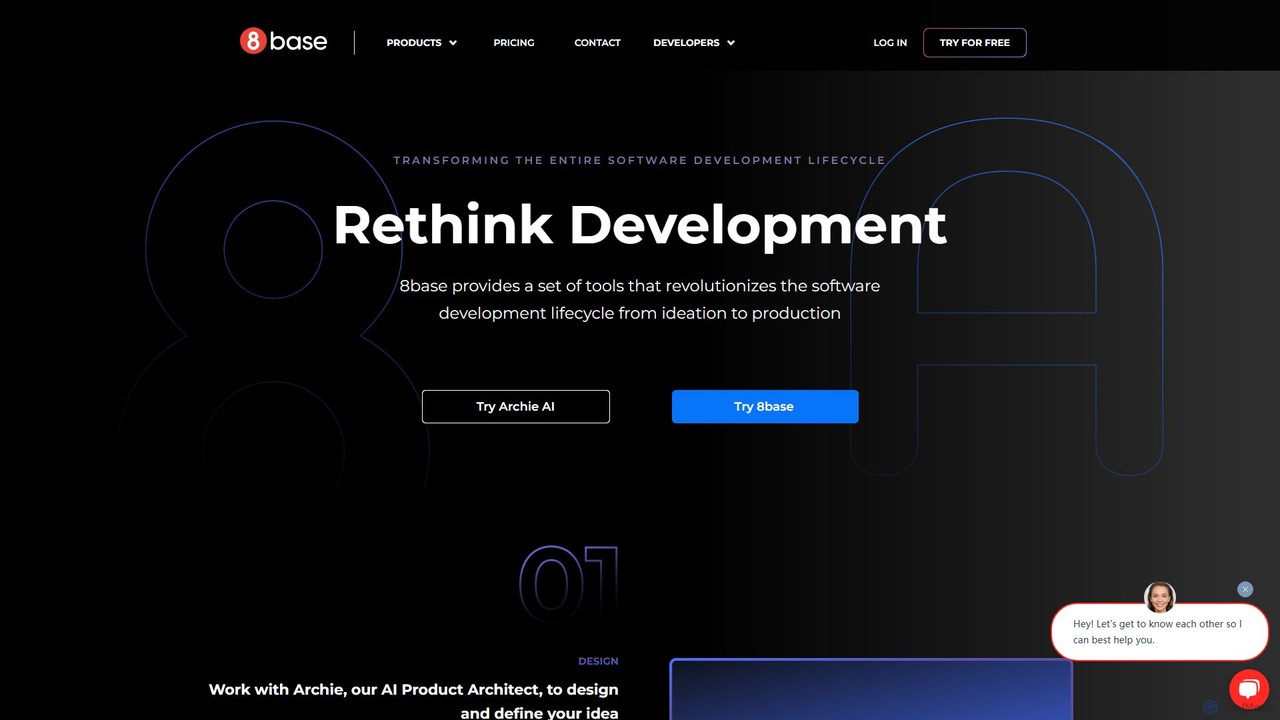
8base

8base

8base is an AI-powered low-code development platform that transforms the entire software development lifecycle. It features Archie, an …

10.9K
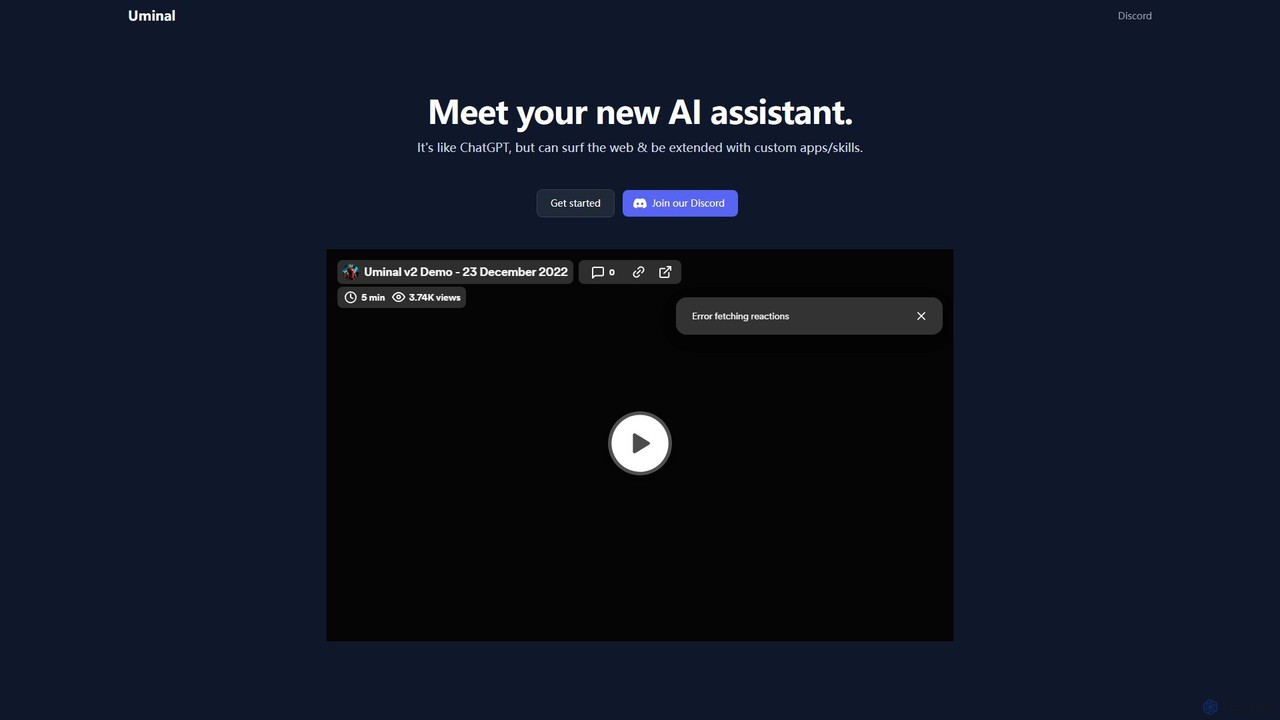
Uminal

Uminal

Uminal is a next-generation AI assistant that enhances the capabilities of standard chatbots by integrating live web browsing …

3.7K
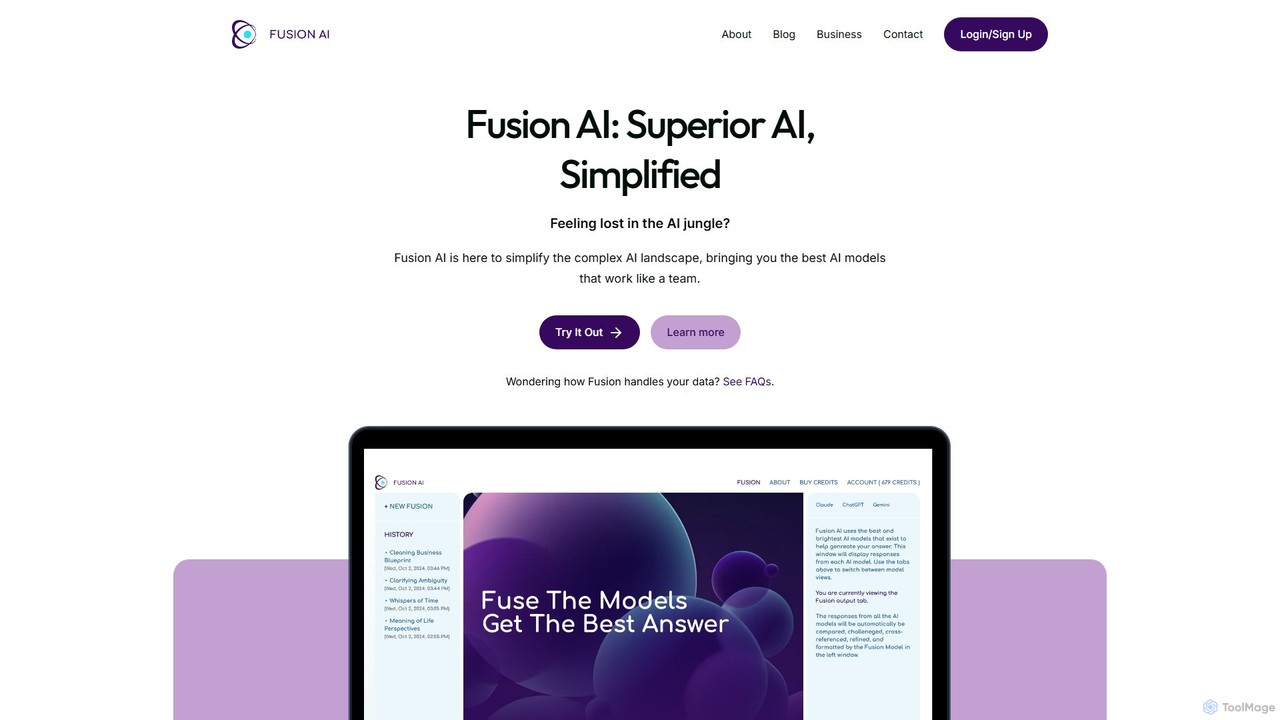
Fusion AI

Fusion AI

Fusion AI is an intelligent platform that consolidates top-tier AI models from OpenAI, Anthropic, and Google into a …

5.4K
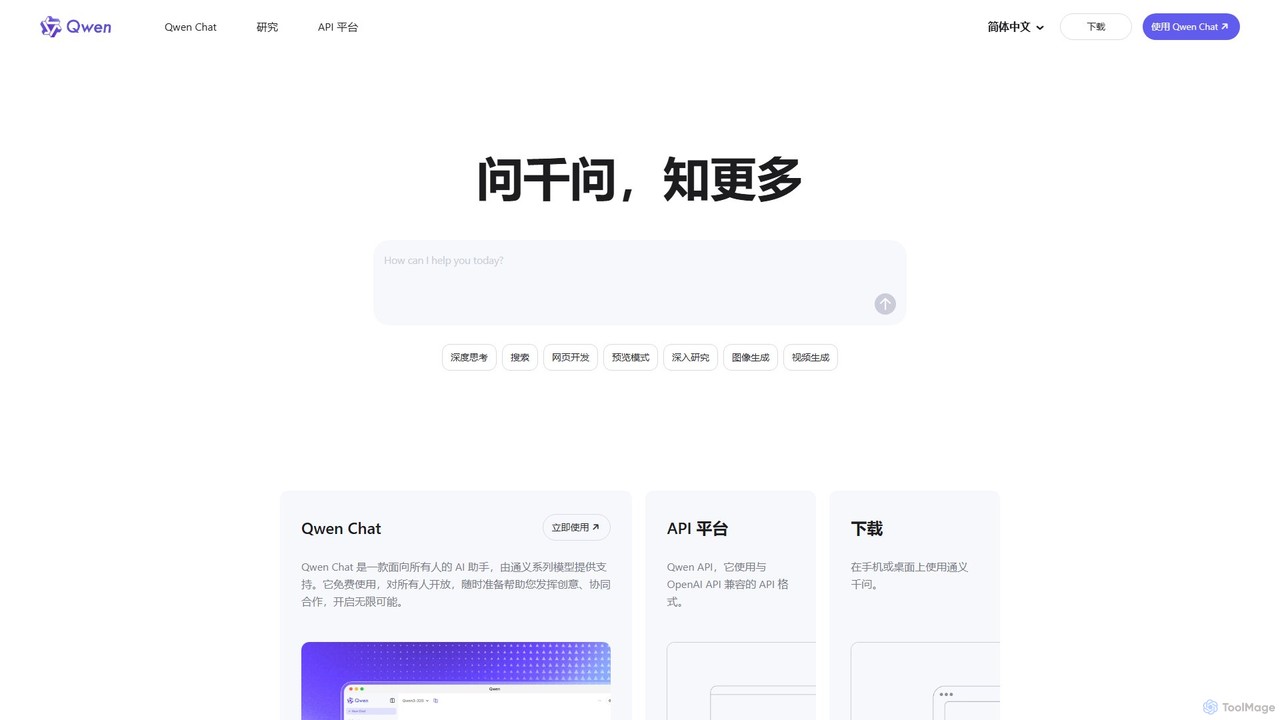
Qwen

Qwen

Qwen is a powerful, multimodal AI assistant from Alibaba Cloud. It features a versatile chatbot (Qwen Chat), advanced …

37.6M
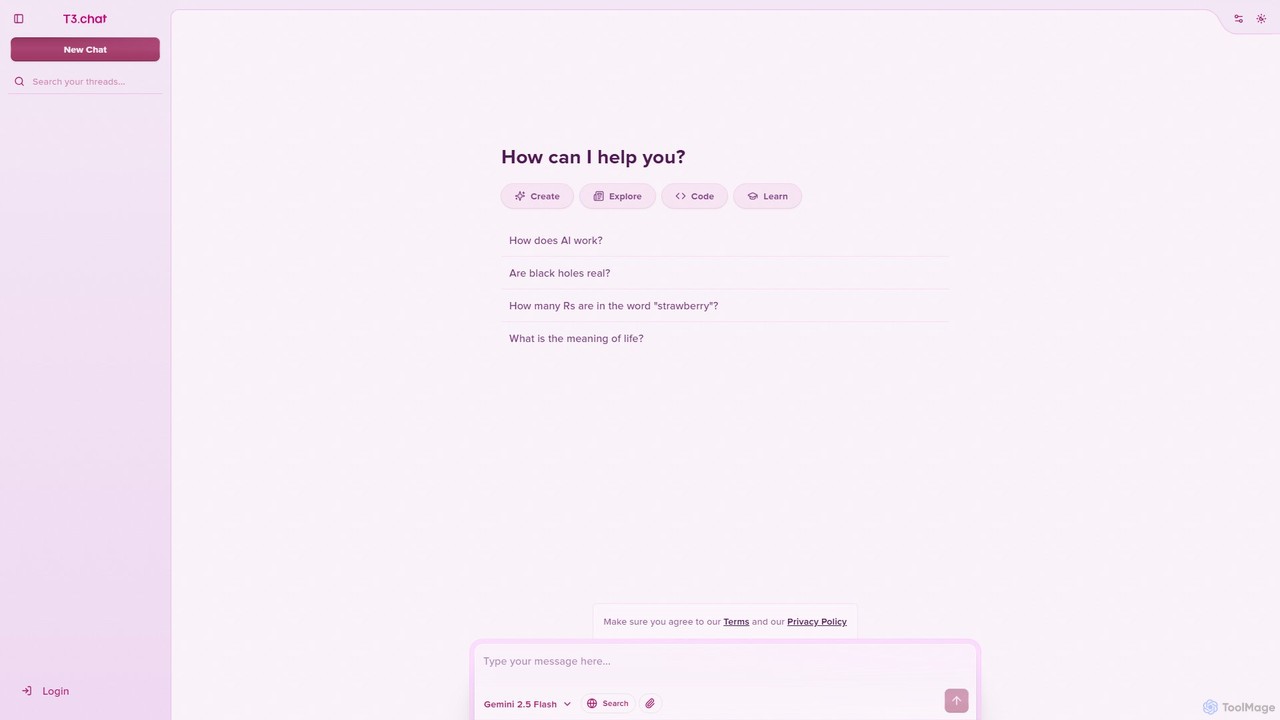
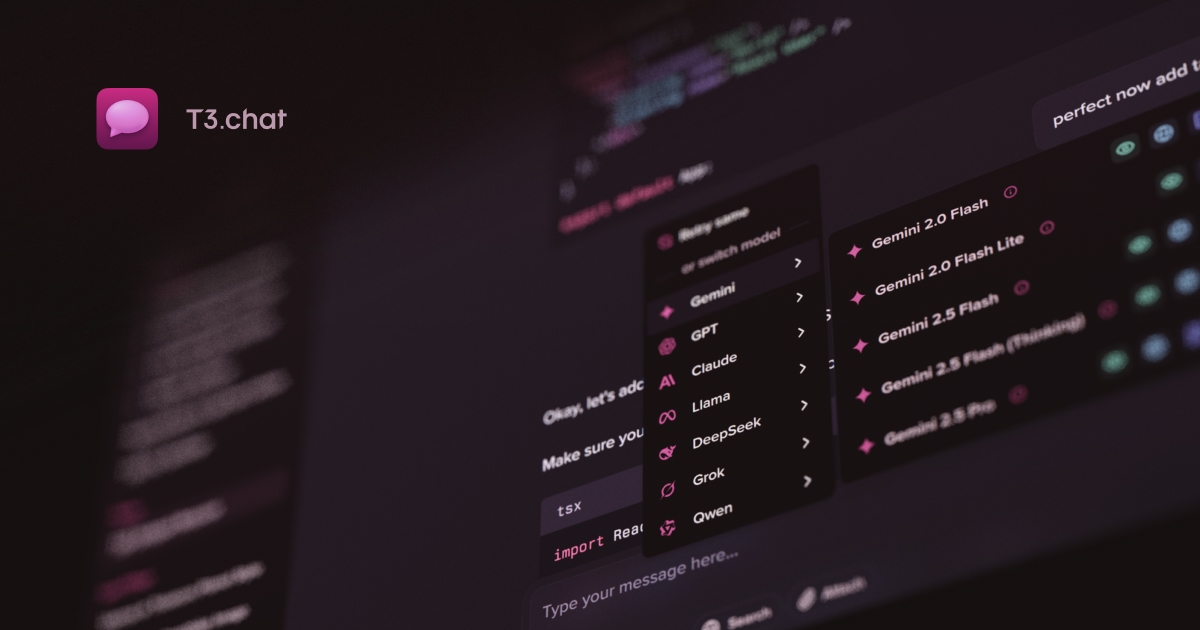
T3 Chat

T3 Chat

T3 Chat is an advanced AI assistant and a powerful ChatGPT alternative, powered by Google's Gemini 2.5 Flash. …

588.5K
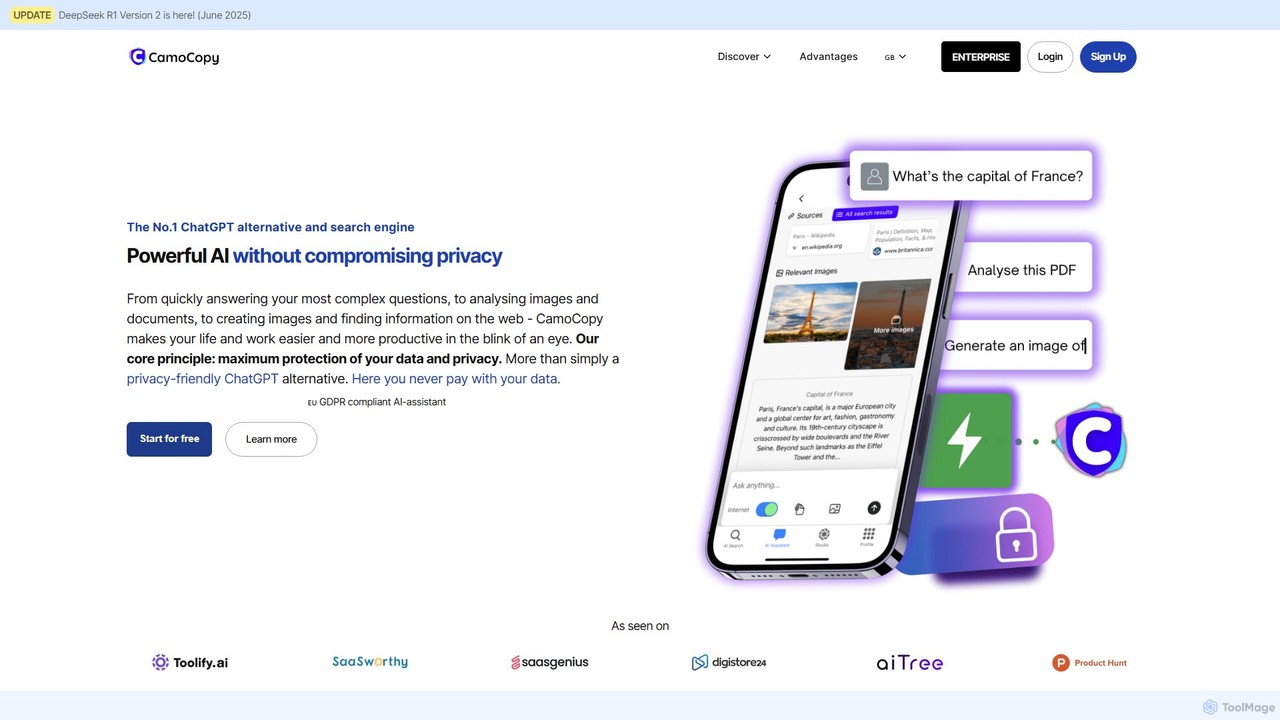
CamoCopy

CamoCopy

CamoCopy is the privacy-first AI assistant, offering a powerful alternative to ChatGPT. It combines AI chat, an anonymous …

10.6K
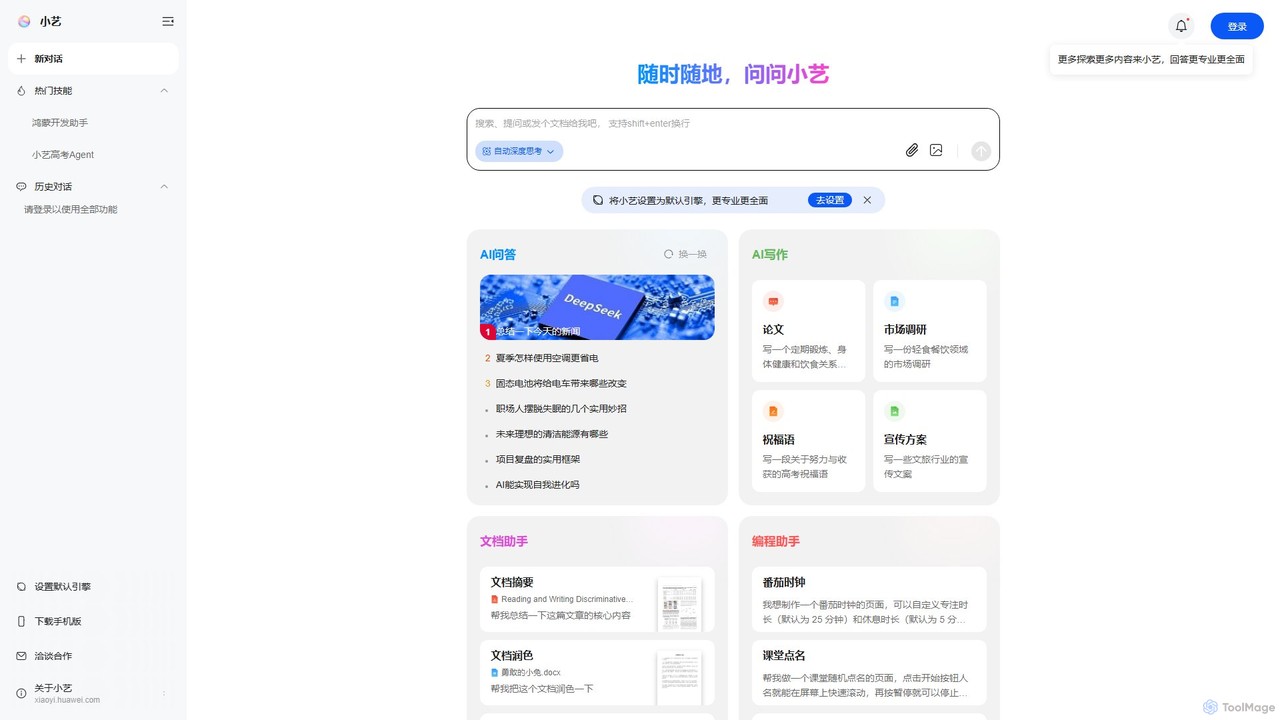
Xiaoyi

Xiaoyi

Xiaoyi is a powerful AI assistant from Huawei, powered by the Pangu large model. It offers versatile capabilities …

155.3K
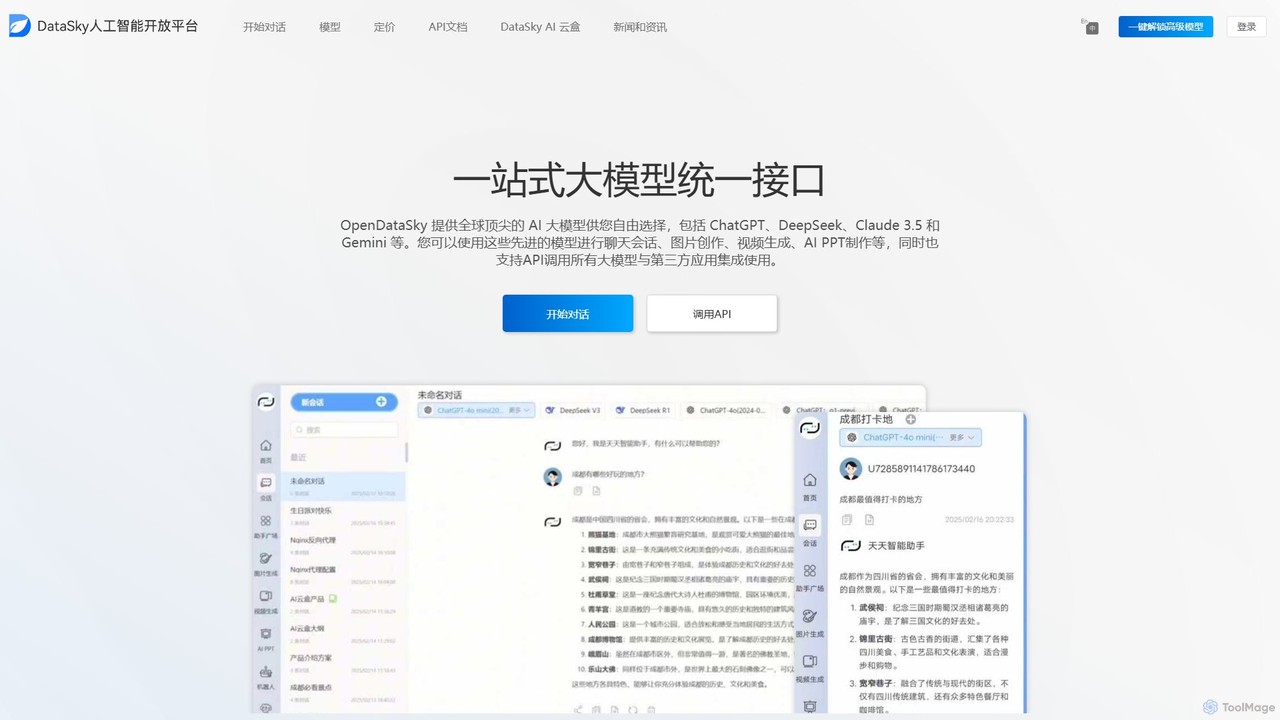
OpenDataSky

OpenDataSky

OpenDataSky is a unified AI platform providing access to leading large language models like GPT, Claude, and DeepSeek …

3.7K

About Ai Chatbot

AI Chatbots are AI-powered tools that simulate human conversation through text or voice interfaces, designed to automate communication and provide instant responses. Leveraging advanced Natural Language Processing (NLP) and machine learning, these intelligent agents understand user intent, process complex queries, and deliver relevant information or perform tasks. They significantly enhance productivity by streamlining customer service, automating routine interactions, and providing 24/7 support across various platforms.

Core Features

  • Natural Language Understanding (NLU): Interprets and comprehends human language, including nuances and context.
  • Contextual Memory: Retains information from previous interactions to maintain coherent conversations.
  • Multilingual Support: Communicates effectively in multiple languages to serve a global audience.
  • Integration Capabilities: Connects seamlessly with CRM, ERP, and other business systems.
  • Personalized Responses: Delivers tailored answers and recommendations based on user data and history.

Use Cases

AI Chatbots are widely adopted across industries to automate and optimize communication. Businesses utilize them for instant customer support, handling frequently asked questions, and guiding users through processes. Internally, they serve as virtual assistants for employees, providing quick access to company policies, IT support, or HR information, thereby freeing up human resources for more complex tasks.

How to Choose

Selecting an AI Chatbot requires evaluating its NLU accuracy, which determines how well it understands user queries. Consider its integration capabilities with your existing software ecosystem, the ease of customization and training for specific use cases, and its scalability to handle varying user loads. Additionally, assess the pricing model and the level of support offered by the vendor to ensure long-term viability.

Ai ChatbotUse Cases

1

Automating First-Level Customer Support

E-commerce businesses can deploy AI Chatbots on their websites or messaging apps to handle common customer inquiries such as order status, shipping information, or product FAQs. The chatbot provides instant, accurate answers 24/7, reducing response times and allowing human agents to focus on complex issues, significantly improving customer satisfaction and operational efficiency.

2

Streamlining Sales Lead Qualification

Sales teams use AI Chatbots to engage website visitors, ask pre-qualifying questions about their needs and budget, and gather contact information. Based on the responses, the chatbot can qualify leads, route them to the appropriate sales representative, or provide relevant product information, accelerating the sales funnel and ensuring sales reps interact with genuinely interested prospects.

3

Enhancing Internal Employee Support

Large organizations can implement AI Chatbots within their internal communication platforms (e.g., Slack, Teams) to assist employees with HR questions, IT troubleshooting, or accessing company policies. This provides immediate answers to common queries, reduces the workload on HR and IT departments, and empowers employees to quickly find information, boosting overall workplace productivity.

4

Generating Content Ideas and Drafts

Content creators and marketers leverage AI Chatbots as brainstorming partners. By inputting prompts or topics, the chatbot can generate article outlines, social media post ideas, email drafts, or even initial paragraphs for blog posts. This accelerates the content creation process, helps overcome writer's block, and provides diverse perspectives for creative projects.

5

Personalized Learning and Tutoring Assistance

Educational platforms and individual learners can utilize AI Chatbots for personalized tutoring. Students can ask questions about complex subjects, receive explanations, get help with homework, or practice language skills. The chatbot adapts to the learner's pace and provides instant feedback, making learning more accessible and engaging outside traditional classroom settings.

6

Providing Technical Troubleshooting Guides

Software companies or IT support departments deploy AI Chatbots to guide users through technical issues or product setup. Users describe their problem, and the chatbot provides step-by-step instructions, links to relevant documentation, or suggests common fixes. This reduces the volume of support tickets, empowers users to self-solve, and ensures consistent technical assistance.

Ai ChatbotFrequently Asked Questions