Productivity Best in category 8 results Feedback Collection AI Tool

Popular AI tools in the Feedback Collection field of Productivity include Voicepanel、Polling.com、Responsly、Told、Winware、SurveySlack、Wayyy, etc., helping you quickly improve efficiency.

Voicepanel

Voicepanel

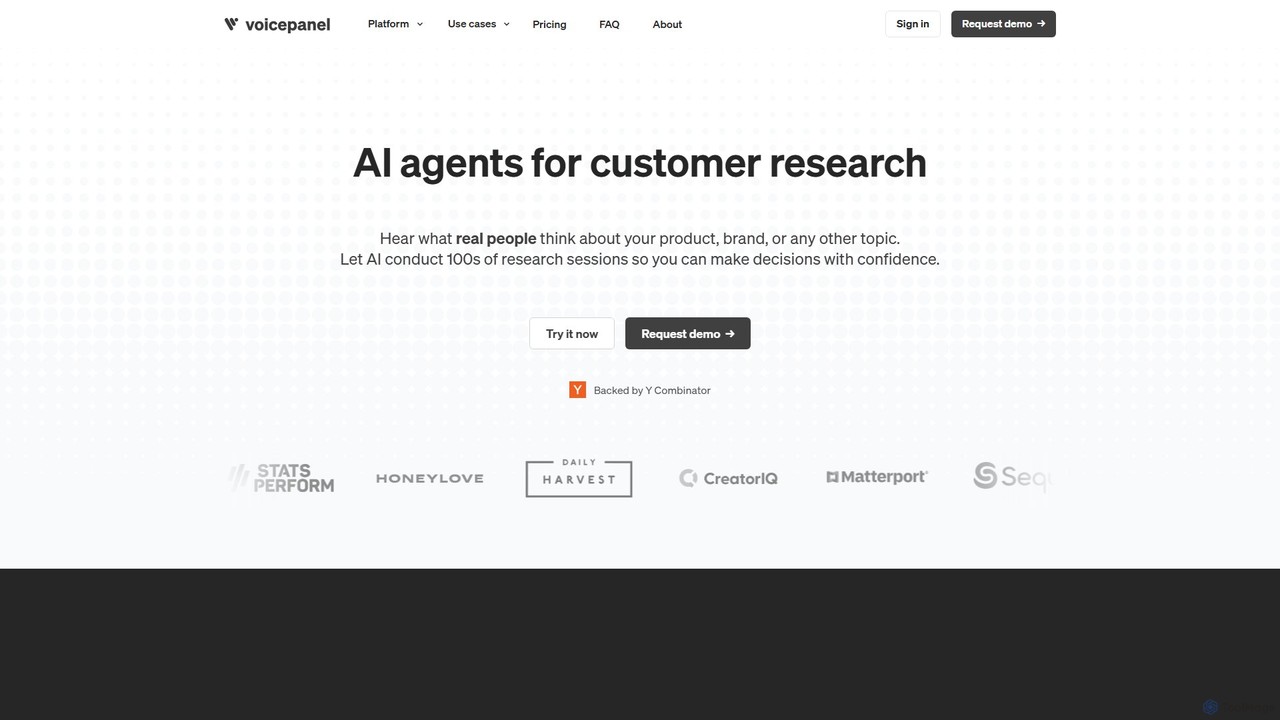
Voicepanel utilizes AI agents to automate customer research, enabling companies to conduct hundreds of in-depth interviews via voice, …

71.9K
Told

Told

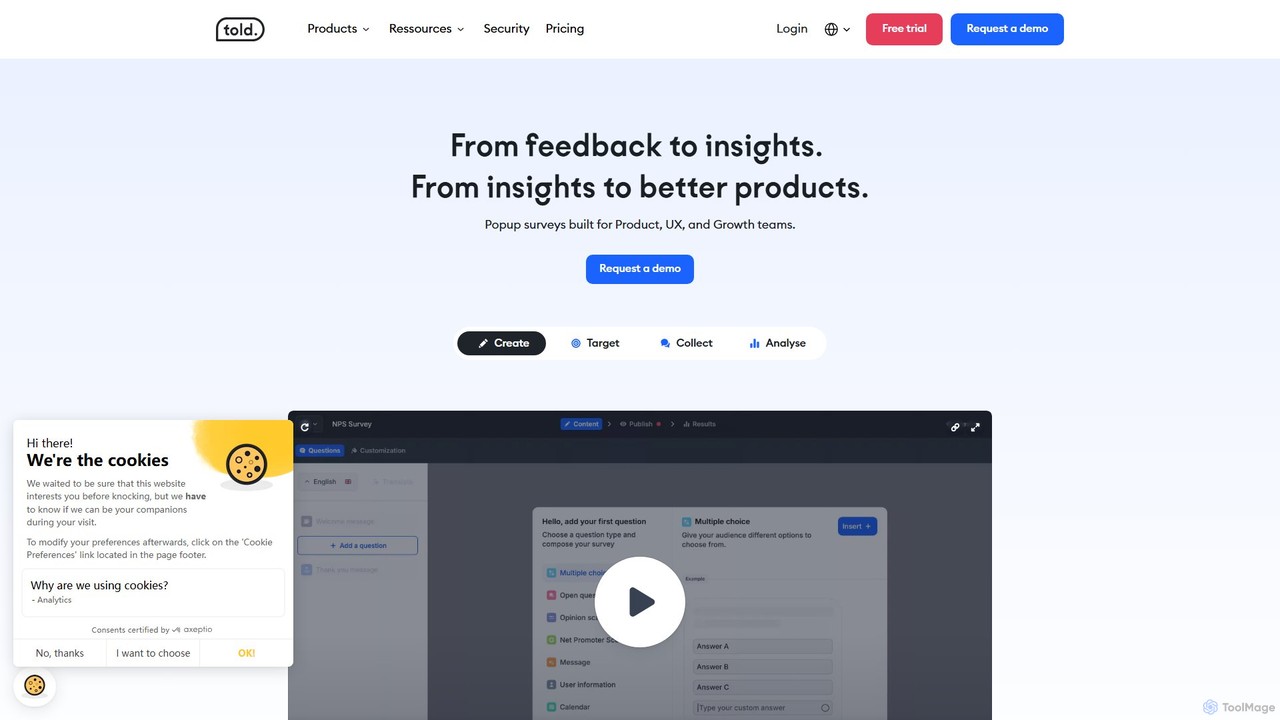
Told is an AI-powered popup survey tool designed for product, UX, and growth teams. It enables businesses to …

7.5K
Polling.com

Polling.com

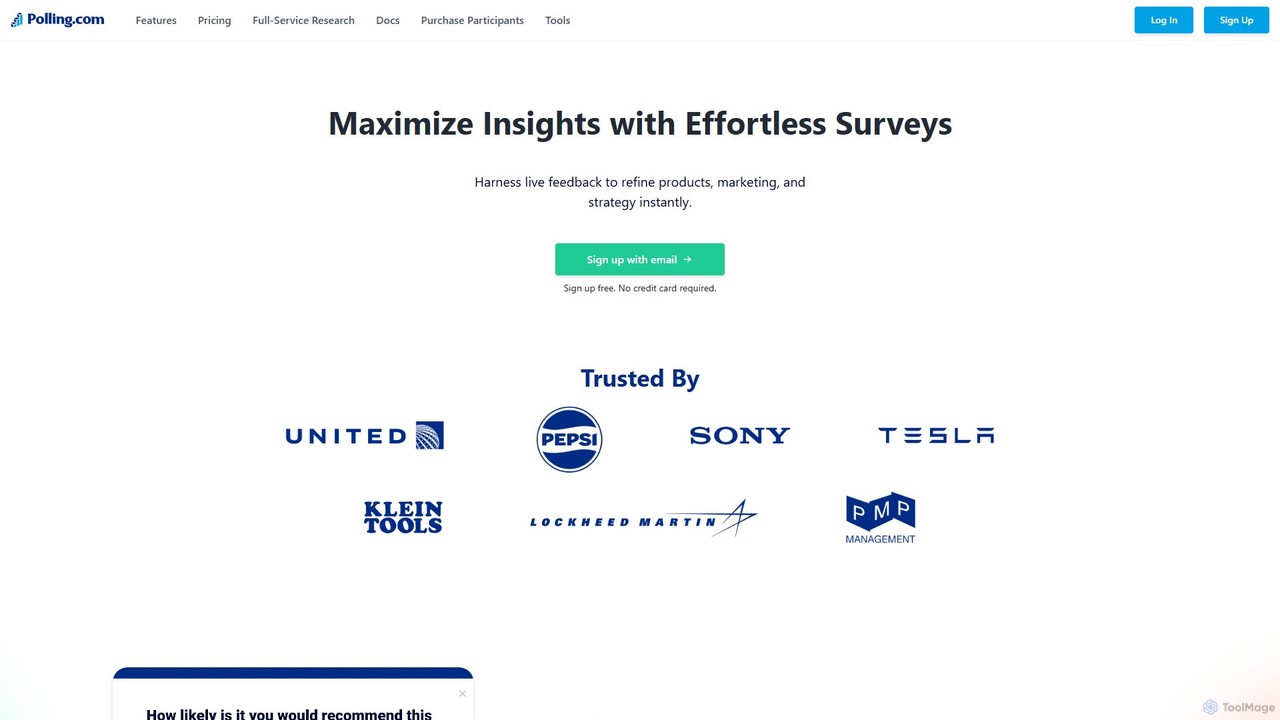
Polling.com is an AI-powered survey and poll creation platform designed to gather instant, actionable feedback. It enables users …

26.4K
Wayyy

Wayyy

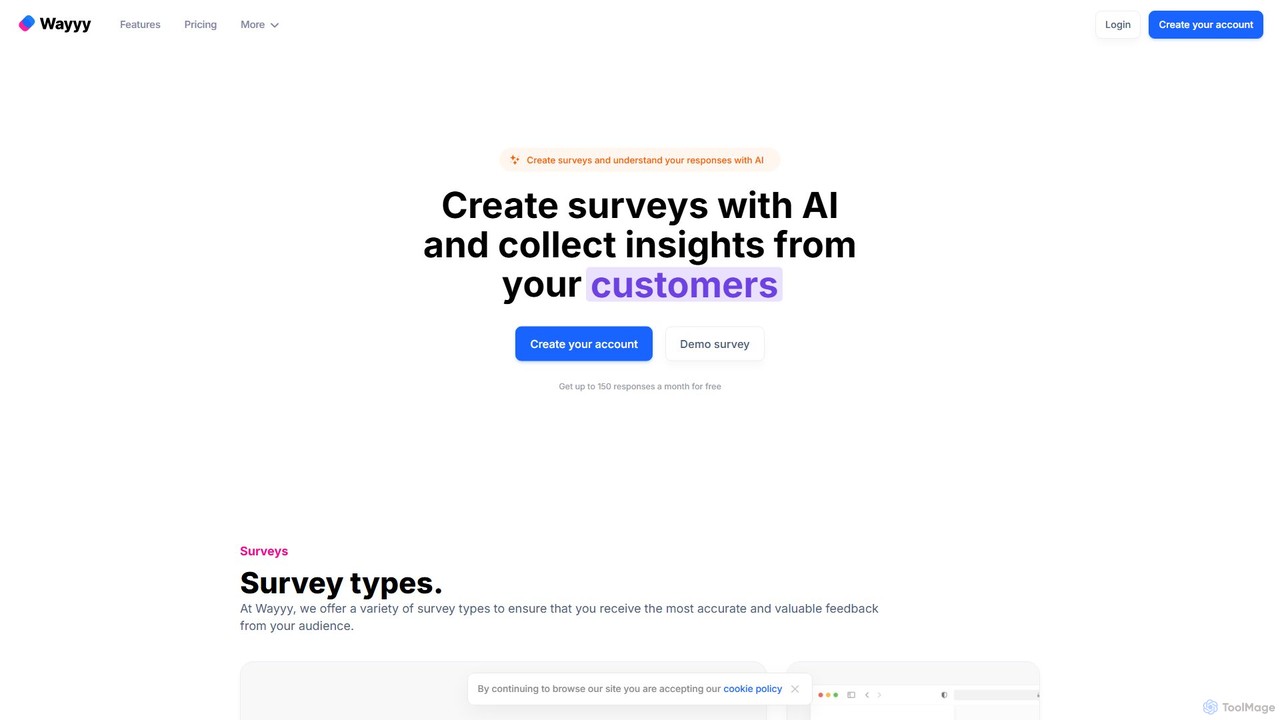
Wayyy is an AI-powered survey platform that enables users to create beautiful, effective surveys in seconds. It uses …

2.7K
Responsly

Responsly

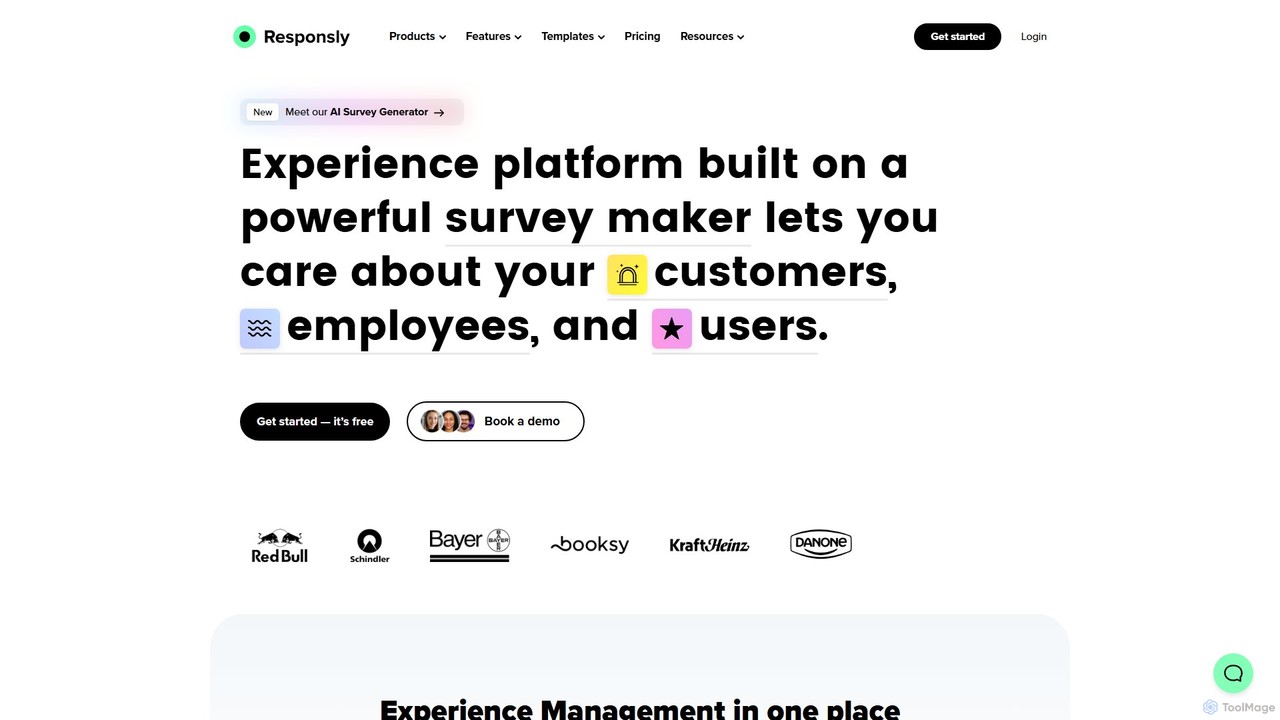
Responsly is an AI-powered experience management platform designed to create advanced surveys, quizzes, and forms. It helps businesses …

19.2K
Winware

Winware

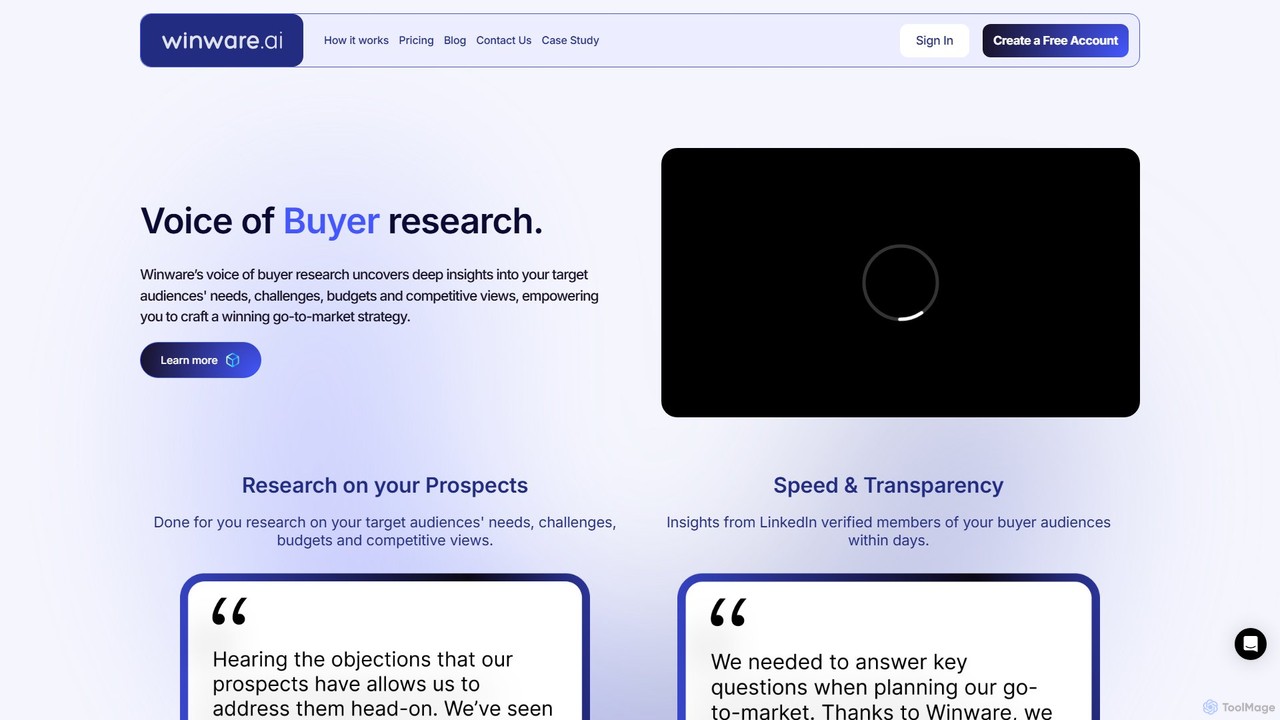
Winware is an AI-powered platform for 'Voice of Buyer' research. It connects businesses with LinkedIn-verified members of their …

6.0K
SurveySlack

SurveySlack

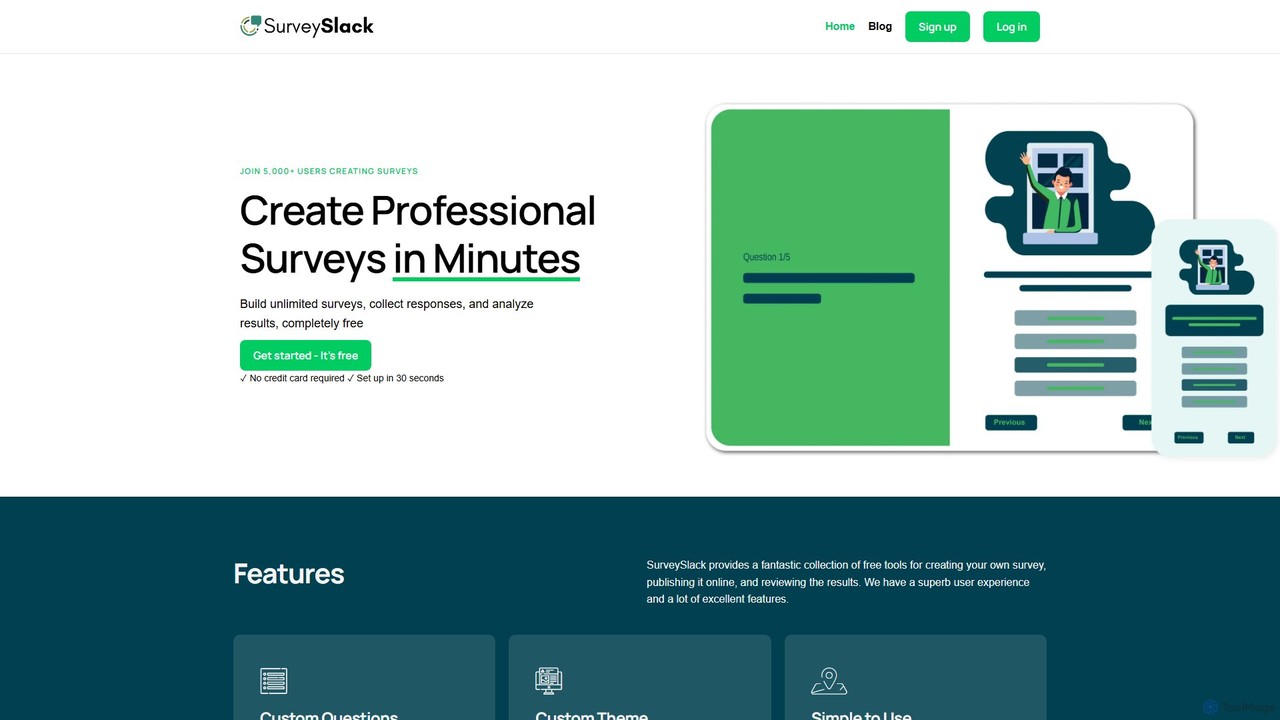
SurveySlack is an AI-powered online survey creator designed to build engaging surveys and boost response rates. It offers …

3.2K
Voicepanel

Voicepanel

Voicepanel uses AI agents to conduct in-depth customer research interviews at scale. Replace static surveys with dynamic voice …

8.4K

About Feedback Collection

AI Feedback Collection tools are specialized platforms designed to systematically gather, organize, and analyze user opinions, suggestions, and experiences. Leveraging artificial intelligence, these tools automate the process of collecting data through various channels like surveys, in-app widgets, and social media, and then apply advanced analytics to extract actionable insights. They empower businesses to understand customer needs, identify pain points, and make data-driven decisions to improve products, services, and overall customer satisfaction, significantly boosting productivity in the feedback loop.

Core Features

  • Multi-Channel Feedback: Collect data from surveys, polls, in-app widgets, email, and social media.
  • AI-Powered Sentiment Analysis: Automatically interpret the emotional tone and context of text-based feedback.
  • Automated Data Analysis & Reporting: Generate insightful reports and dashboards from large volumes of unstructured data.
  • Customizable Survey & Form Builders: Design tailored questionnaires and feedback forms with various question types.
  • Integration Capabilities: Seamlessly connect with CRM, project management, and communication platforms.

Use Cases

Product teams utilize these tools to gather feature requests and bug reports directly from users, informing their development roadmap. Marketing departments deploy them to assess campaign effectiveness and public perception, enabling real-time strategy adjustments. Customer service teams leverage feedback to identify common issues and improve support quality, enhancing the overall customer experience.

How to Choose

When selecting an AI feedback collection tool, consider its range of collection methods (e.g., surveys, in-app, social listening), the sophistication of its AI analysis capabilities (e.g., sentiment, topic extraction), and its integration ecosystem with your existing business tools. Evaluate the clarity and customizability of its reporting features, and ensure it offers scalability to grow with your feedback volume while fitting your budget.

Feedback CollectionUse Cases

1

Product Feature Prioritization

Product managers use in-app feedback widgets and targeted surveys to collect user opinions on new features or proposed changes. AI analysis helps identify the most requested functionalities and critical pain points, enabling data-driven prioritization of development efforts and ensuring product iterations align with user needs.

2

Enhancing Customer Service Experience

Customer support teams deploy post-interaction surveys or feedback forms after service calls or chat sessions. AI tools analyze these responses for sentiment and common themes, helping to pinpoint areas where service quality can be improved, agent training is needed, or FAQs should be updated, leading to higher customer satisfaction.

3

Optimizing Marketing Campaign Performance

Marketing specialists launch short polls or open-ended feedback forms embedded in landing pages or social media ads. The collected data, analyzed by AI for public perception and engagement, provides insights into campaign messaging effectiveness, audience resonance, and areas for A/B testing, allowing for real-time optimization and better ROI.

4

Improving Employee Engagement & Workplace Culture

HR departments utilize anonymous internal surveys and suggestion boxes to gather feedback on company policies, work-life balance, and team dynamics. AI analysis helps identify underlying issues or trends in employee sentiment, enabling proactive measures to foster a more positive and productive work environment.

5

Streamlining Website/App Usability Testing

UX/UI designers integrate feedback buttons or session replay tools into prototypes or live applications. Users can highlight specific elements or report issues directly. AI helps categorize and prioritize these usability concerns, accelerating the design iteration process and improving the overall user experience.

6

Evaluating Event & Training Program Effectiveness

Event organizers or training facilitators distribute post-event surveys to attendees. AI tools process the qualitative feedback (comments, suggestions) to gauge satisfaction levels, identify popular sessions, and highlight areas for improvement in content, logistics, or delivery, ensuring future events are more impactful.

Feedback CollectionFrequently Asked Questions