ToolMage
Sign in

Best 11 Management AI tools for Productivity

Popular Management AI tools in Productivity include Momento Seguros, ticketbro, Athennian, Dr.Tail, UrbanKisaan, SeeTree, Halal Personal Advisor, Netagrow, Wendi, and Dimestore, helping you work more efficiently.

Wendi
Paid

Wendi

Wendi is an AI-powered manager workspace designed to help leaders handle sensitive people issues, document conversations, and receive HR-aligned guidance. It operates discreetly by capturing audio locally, generating notes and insights, and helping managers act early, fairly, and in compliance with best practices to prevent workplace conflicts from escalating.

Leadership
Visits 4.7KFavorites 13Likes 19
Athennian
Paid

Athennian

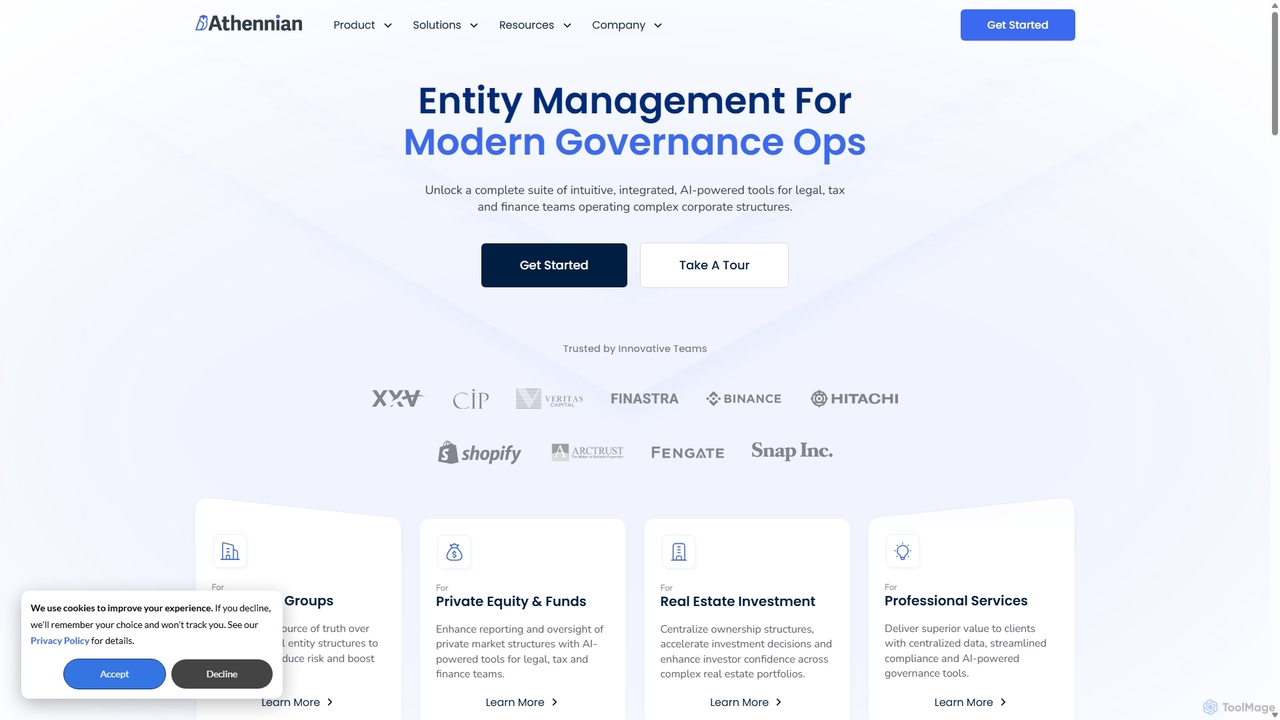
Athennian is an AI-powered entity management platform designed for legal, tax, and finance teams. It centralizes corporate data, automates compliance, and visualizes complex structures to enhance governance and operational efficiency. The platform serves as a single source of truth for managing global entities, equity, and documents.

Tax
Visits 23.8KFavorites 113Likes 124
Dimestore
Paid

Dimestore

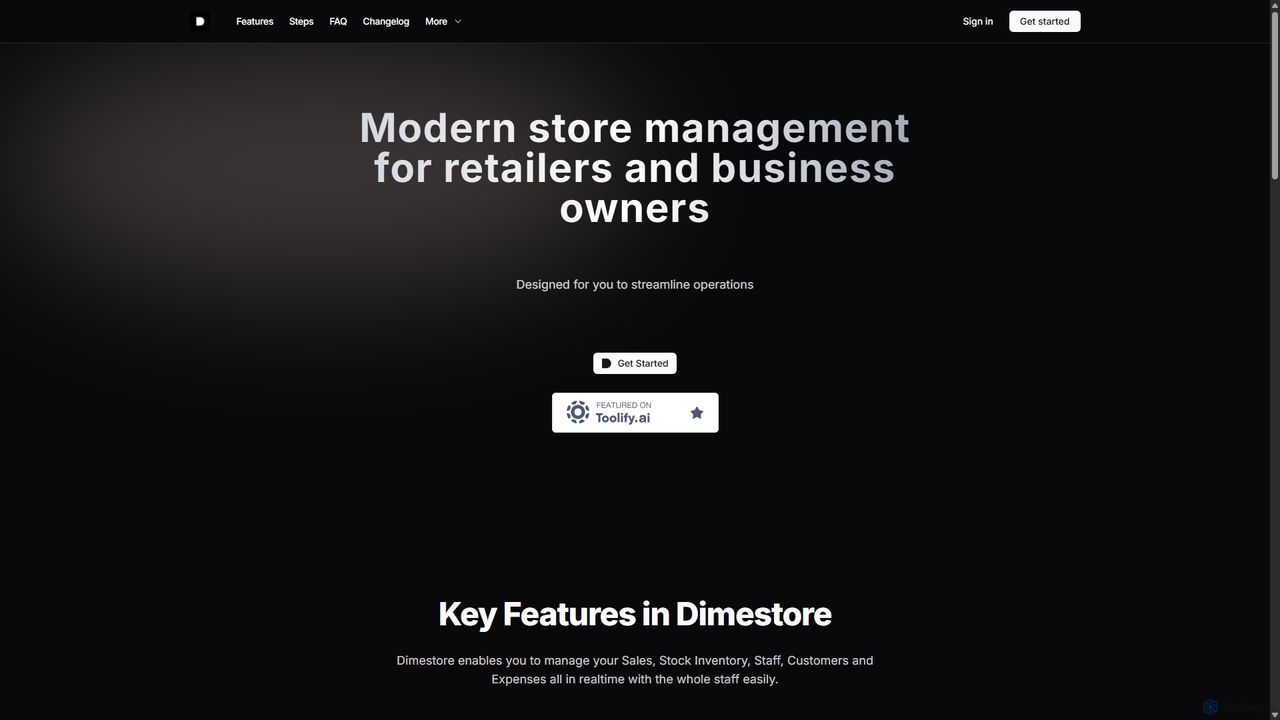
Dimestore is a modern, all-in-one store management solution for retailers and business owners. It streamlines operations by integrating sales processing, real-time inventory tracking, staff management, customer data, and expense reporting into a single, easy-to-use platform. Designed for efficiency, it offers powerful analytics and supports thermal printing, with an upcoming AI-powered assistant to further enhance productivity.

Retail
Visits 4.3KFavorites 112Likes 114
Dr.Tail
Freemium

Dr.Tail

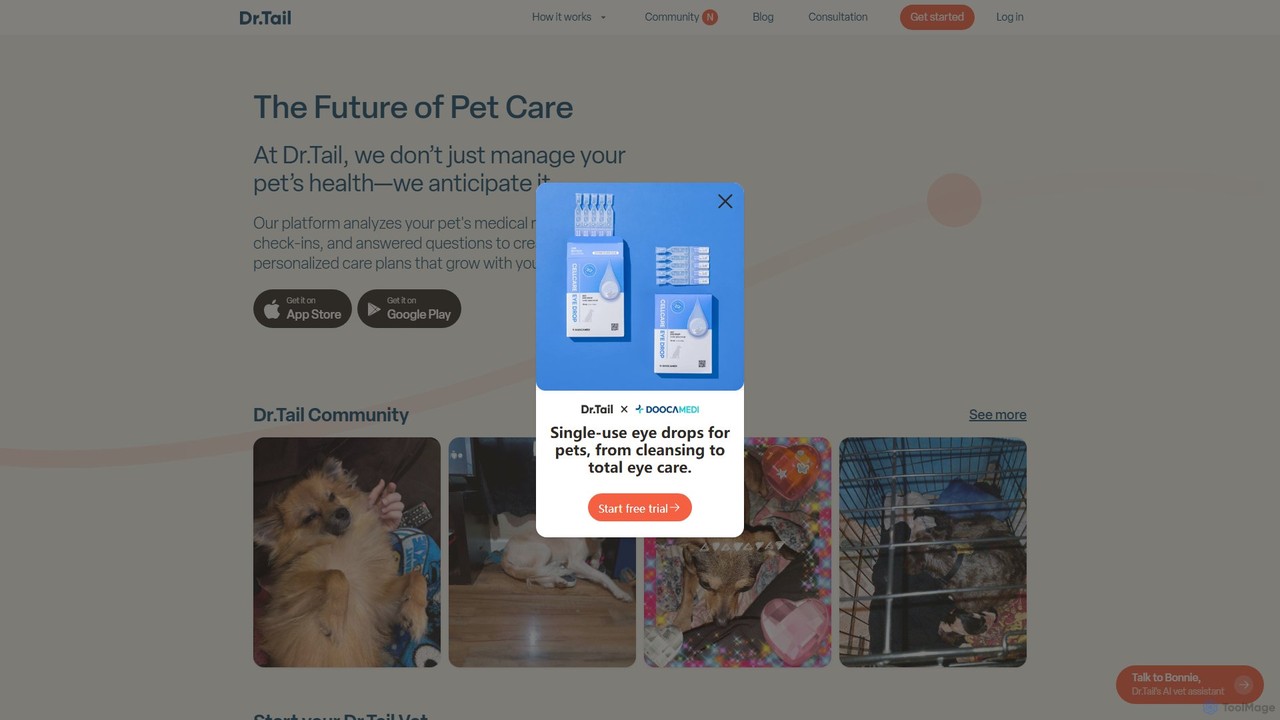
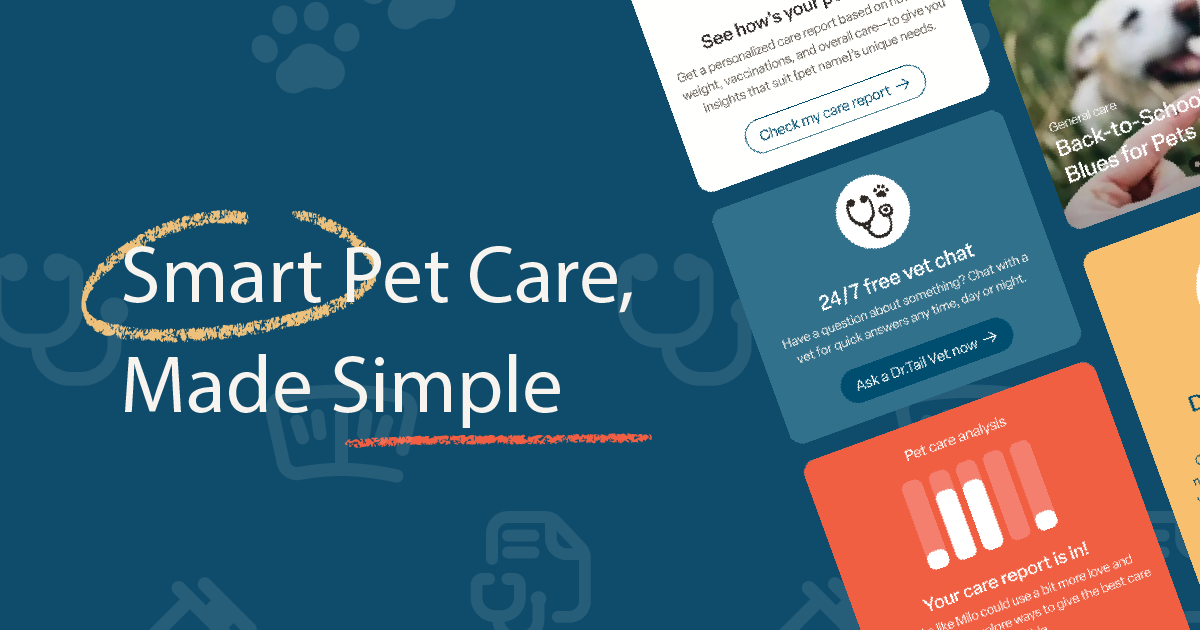
Dr.Tail is an AI-powered pet care app providing 24/7 veterinary assistance and personalized health management. It analyzes your pet's medical records and daily check-ins to create proactive care plans, track health, and offer instant answers to your questions, making pet care simple, smart, and collaborative.

Veterinary
Visits 19KFavorites 134Likes 145
MobiRest
Freemium

MobiRest

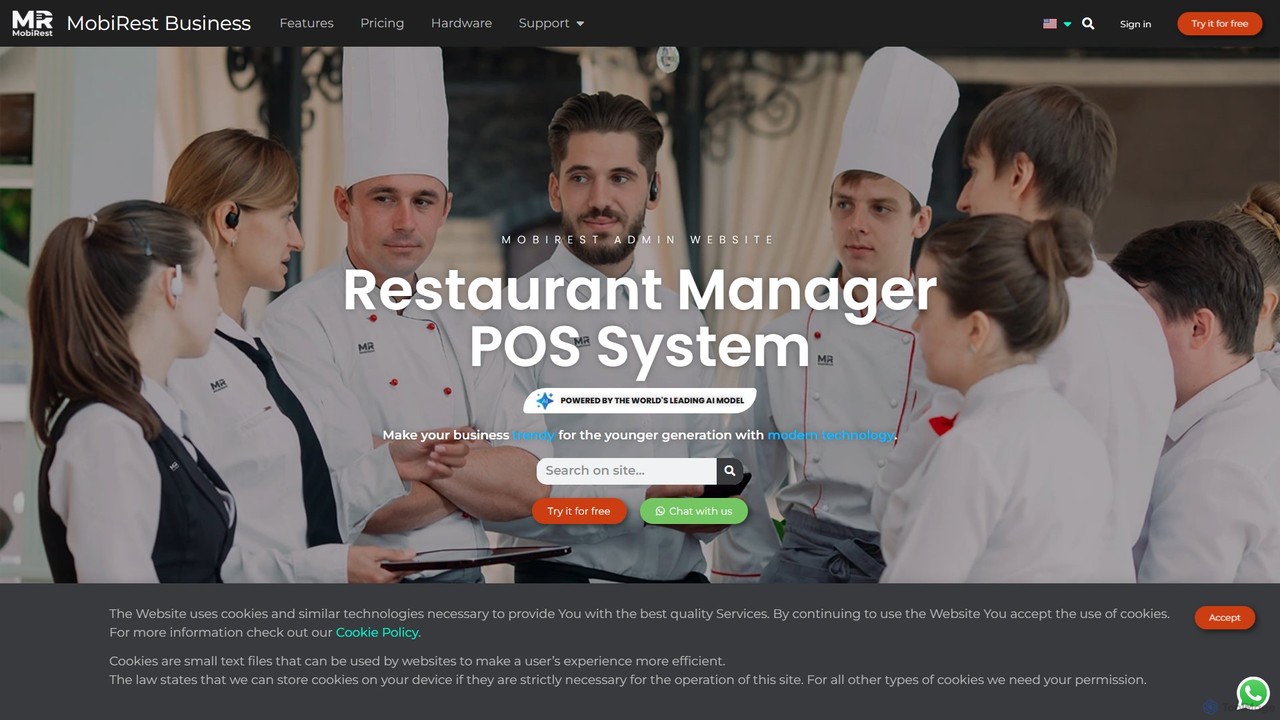
MobiRest is an AI-powered, cloud-based Point of Sale (POS) system designed for the hospitality industry. It streamlines restaurant, bar, and hotel operations with features like AI-driven menu creation, real-time order management, automated inventory tracking, and enhanced customer engagement tools. It's a tablet-based solution that boosts efficiency and modernizes the customer experience.

Point Of Sale
Visits 4.2KFavorites 125Likes 123
Momento Seguros
Paid

Momento Seguros

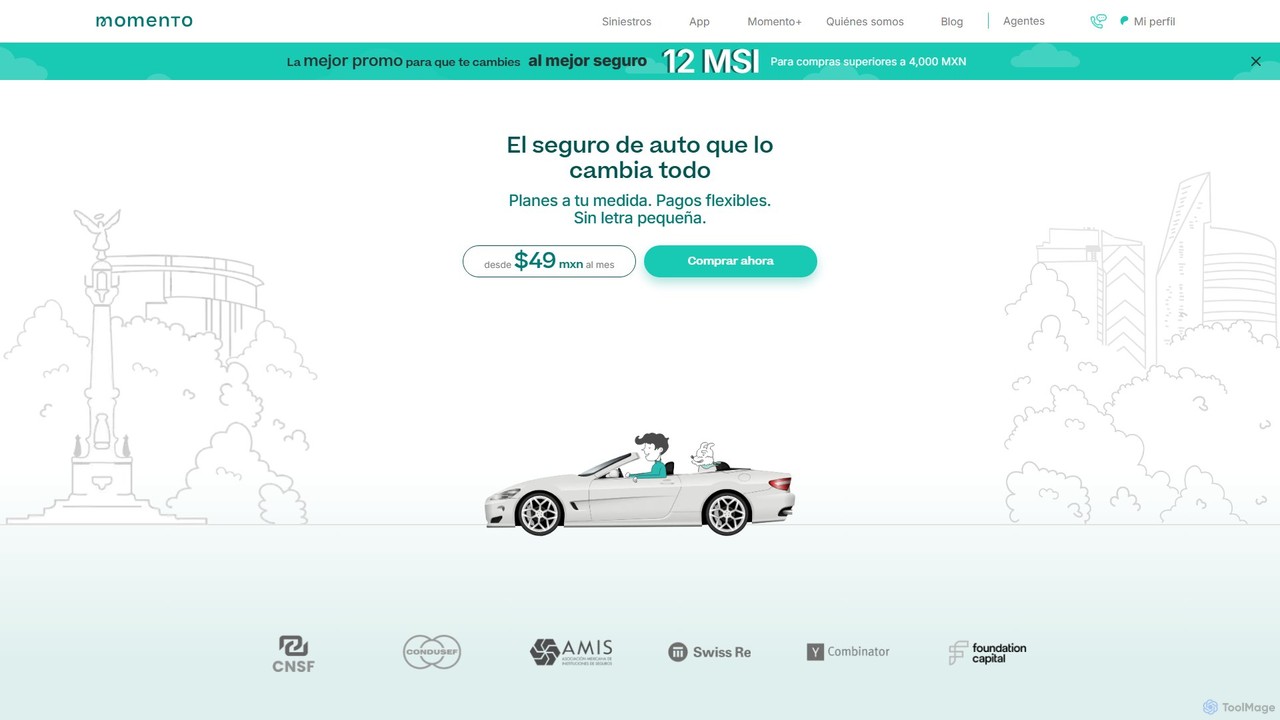
Momento Seguros is an AI-powered Insurtech platform revolutionizing car insurance in Mexico. It offers a fully digital experience, allowing users to get personalized quotes, customize flexible policies, and manage claims efficiently through its website and mobile app. It focuses on transparency, speed, and user control.

Insurance
Visits 99KFavorites 124Likes 110
UrbanKisaan
Freemium

UrbanKisaan

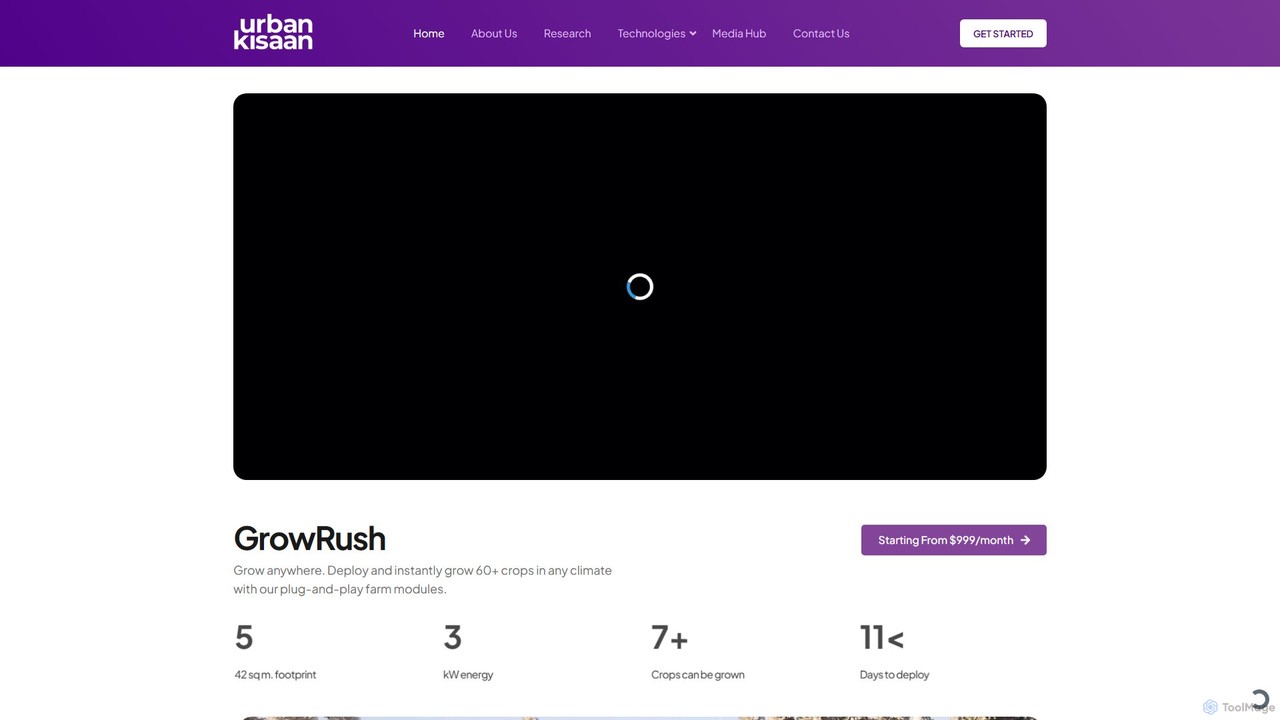
UrbanKisaan is a comprehensive agricultural intelligence platform that leverages AI to create climate-resilient farming solutions. It offers a suite of products including FarmOS.ai for farm management, GeneRush for accelerated seed breeding, and GrowRush for modular vertical farms. By integrating satellite, sensor, and ground-level data, UrbanKisaan provides actionable insights to enhance crop yield, reduce water usage, and promote sustainable agriculture for farmers, researchers, and governments worldwide.

Agriculture
Visits 16.7KFavorites 127Likes 130
SeeTree
Paid

SeeTree

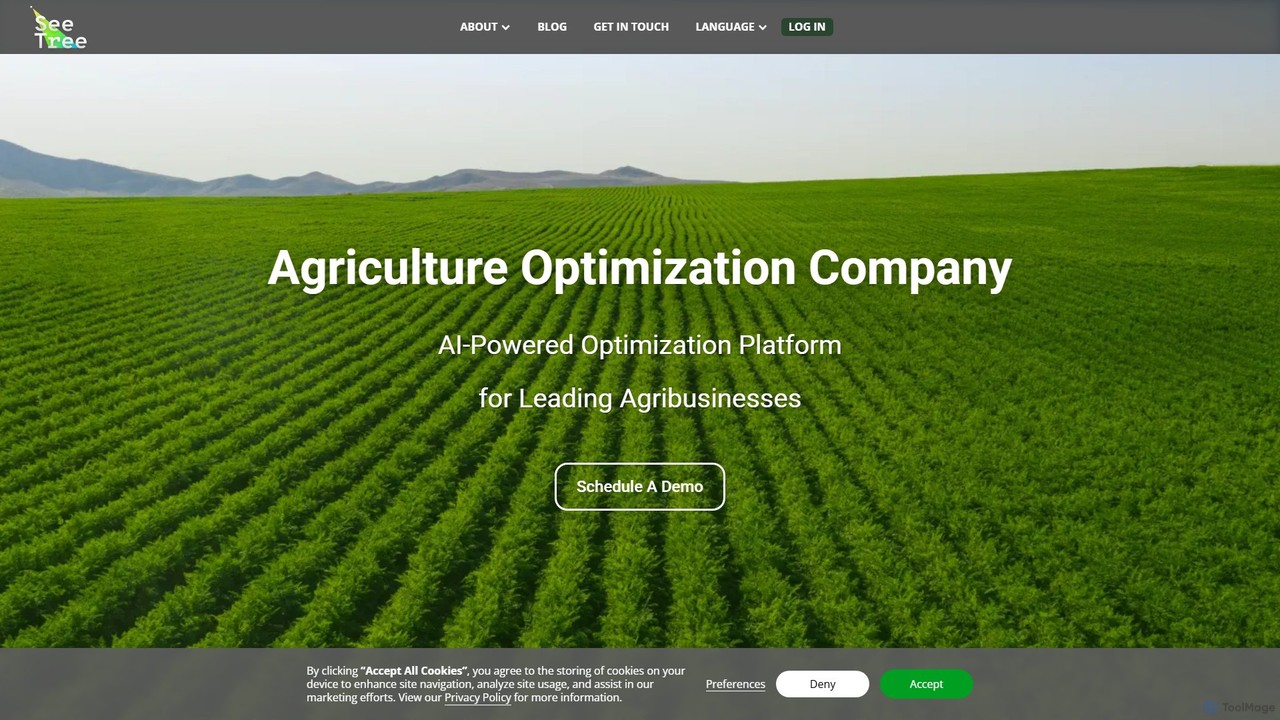
SeeTree is an AI-powered intelligence platform for permanent crop growers. It utilizes drones, computer vision, and machine learning to deliver per-tree data on health, yield, and growth, enabling farmers to optimize operations, increase profitability, and make data-driven decisions.

Precision Farming
Visits 9.2KFavorites 125Likes 121
Netagrow
Freemium

Netagrow

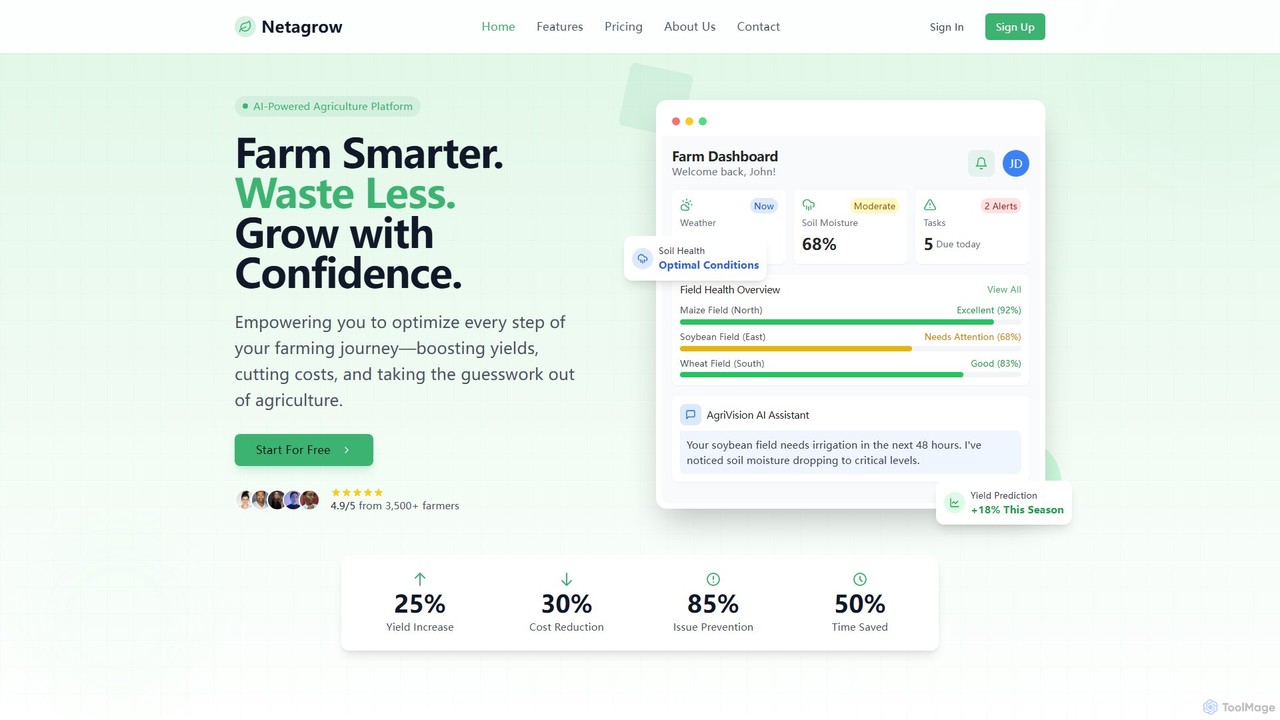
Netagrow is an AI-powered agriculture platform designed to simplify farm management. It empowers farmers to increase yields, reduce costs, and make data-driven decisions by providing tools for soil health monitoring, crop management, weather intelligence, and a 24/7 AI assistant.

Agriculture
Visits 6.2KFavorites 153Likes 147
ticketbro
Freemium

ticketbro

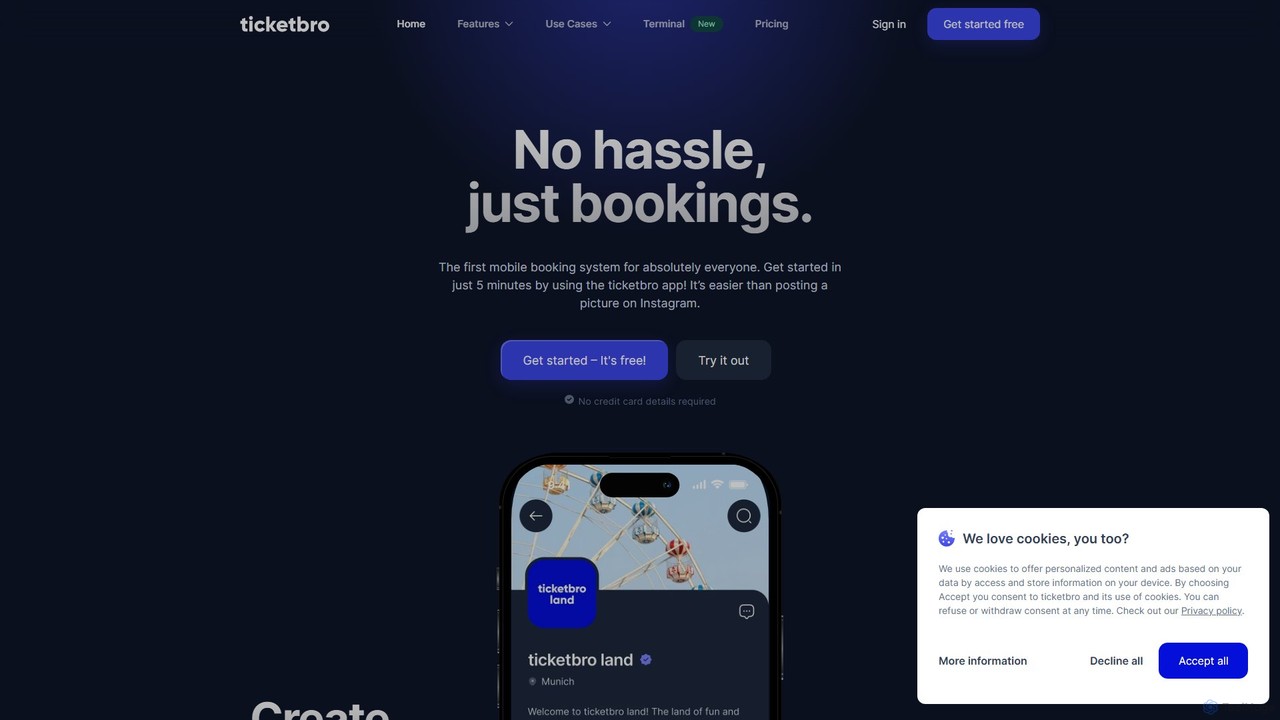
ticketbro is a mobile-first booking and ticketing system designed for businesses of all sizes. It enables users to create a customizable online shop, manage bookings, offer memberships, and collaborate with their team directly from a smartphone. Get started in minutes with flexible, free plans based on a simple fee-sharing model.

Booking
Visits 95.6KFavorites 112Likes 120
Halal Personal Advisor
Paid

Halal Personal Advisor

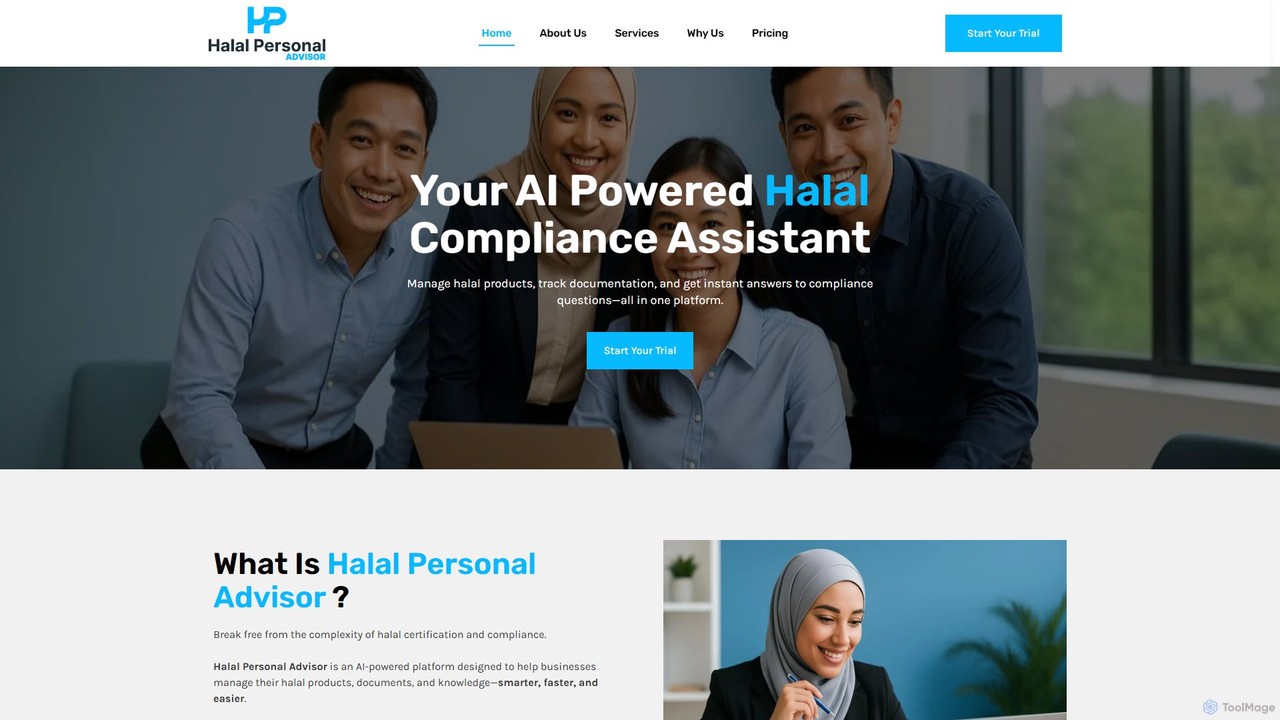
An AI-powered platform for businesses to manage Halal compliance. It combines a product manager for tracking items and documents with an AI assistant that provides instant answers on regulations, certification, and market trends, simplifying the entire Halal process.

Compliance
Visits 9.1KFavorites 107Likes 114

About Management

AI Management tools are a specialized category of productivity software that uses artificial intelligence to automate, optimize, and predict outcomes for projects and teams. These tools leverage machine learning algorithms and data analysis to move beyond simple task tracking, offering intelligent insights for strategic decision-making. They help organizations transition from reactive problem-solving to proactive, data-driven management. This enables more accurate forecasting, efficient resource allocation, and early risk identification.

Core Features

  • Predictive Analytics: Forecasts project timelines, budget adherence, and potential risks by analyzing historical and real-time data.
  • Intelligent Task Automation: Automatically assigns tasks based on team member skills, availability, and workload, and suggests optimal workflows.
  • Resource Optimization: Recommends the best allocation of personnel, budget, and equipment to maximize efficiency and outcomes.
  • Automated Reporting: Generates real-time, insightful reports and dashboards that highlight key performance indicators (KPIs) and actionable insights.
  • Performance Analysis: Analyzes team collaboration patterns and work outputs to identify bottlenecks and opportunities for improvement.

Use Cases

These tools are widely used by project managers, team leaders, and operations managers in sectors like technology, marketing, consulting, and engineering. For instance, a software development team can use it to predict release dates more accurately, while a marketing agency can optimize campaign resource allocation to improve ROI.

How to Choose

When selecting an AI Management tool, consider its integration capabilities with your existing software stack (e.g., Jira, Slack). Evaluate the sophistication of its AI features—whether it offers true predictive analytics or just basic automation. Also, assess its scalability for your team size and its data security and privacy policies.

Featured tool rankings

Management use cases

1

Automated Project Planning and Scheduling

A software development manager is tasked with launching a new product feature. Instead of manually creating a timeline and assigning tasks, they use an AI Management tool. The manager inputs the project requirements and team member profiles. The AI analyzes the complexity of each task, estimates the time required based on historical data, and generates an optimized project schedule. It automatically assigns tasks to developers based on their skills and current workload, creating a balanced and realistic plan that minimizes delays and maximizes team productivity from the outset.

2

Proactive Risk Mitigation in Marketing Campaigns

A marketing agency manager oversees multiple client campaigns simultaneously. An AI Management tool continuously monitors key metrics like budget spend, task completion rates, and team communication channels. The system detects that a key designer for a high-value campaign is overloaded and falling behind schedule. It flags this as a high-priority risk and suggests reassigning a less critical task to another available designer. This proactive alert allows the manager to intervene before the delay impacts the campaign launch, preventing client dissatisfaction and potential revenue loss.

3

Optimizing Resource Allocation for a Consulting Firm

A consulting firm needs to assemble the best team for a new, complex client project. The operations manager uses an AI Management tool that maintains a database of all consultants' skills, experience levels, project history, and availability. By inputting the project's requirements, the AI recommends an optimal team composition. It balances senior expertise with junior talent to manage costs, ensures no single consultant is over-allocated across projects, and even identifies potential skill gaps that need to be addressed. This data-driven approach replaces manual guesswork, leading to better project outcomes and higher client satisfaction.

4

Automating Team Progress Reporting

A manager leading a fully remote team struggles with collecting timely status updates. Instead of holding daily stand-up meetings that interrupt workflow, they implement an AI Management tool. The tool integrates with platforms like Slack, GitHub, and Figma. It automatically analyzes commit messages, design file updates, and task-related conversations to generate a concise daily progress summary. The report highlights completed tasks, current blockers, and overall project velocity without requiring any manual input from the team. This saves everyone time and provides the manager with a consistent, objective overview of progress.

5

Forecasting Budget Overruns in Construction

A construction project manager is responsible for a large-scale building project with a tight budget. They use an AI Management tool that integrates with their accounting and procurement systems. The AI continuously analyzes spending patterns, supplier invoice data, and material costs against the project plan. It identifies a trend of rising steel prices and predicts a 15% budget overrun in that category within the next quarter. This early forecast gives the manager enough time to renegotiate with suppliers or adjust other parts of the budget to stay on track, avoiding a financial crisis later in the project.

6

Improving Team Collaboration and Well-being

An operations manager notices a decline in productivity in one of the engineering teams. They use an AI Management tool that analyzes anonymized metadata from communication platforms (like channel activity and meeting frequency, not content). The AI identifies that this specific team is operating in a silo, with very little cross-functional communication compared to other teams. It also flags two members who are consistently working late hours. Based on these insights, the manager facilitates cross-team workshops to break down silos and has a private conversation with the overworked members to adjust their workload, improving both collaboration and team well-being.

Management FAQ

What are AI Management tools?

AI Management tools are advanced software applications that use artificial intelligence to enhance project, team, and resource management. Unlike traditional tools that focus on manual task tracking, AI management tools provide predictive analytics, automate complex scheduling, optimize resource allocation, and offer data-driven insights to improve decision-making. Their primary goal is to make management more proactive, efficient, and strategic.

How do AI Management tools differ from traditional project management software?

The key difference lies in being proactive versus reactive. Traditional project management software (like Trello or Asana) is excellent for tracking tasks and facilitating collaboration—it's a system of record. AI Management tools do that and more by adding an intelligence layer. They don't just show you what's happening; they predict what will happen, suggest how to optimize workflows, and automate decisions that would otherwise require significant manual analysis. Traditional tools manage work; AI tools optimize work.

How to choose the right AI Management tool?

Choosing the right tool depends on your specific needs. Consider the following factors:

  • Integration: Does it connect seamlessly with your existing tools (e.g., Slack, Jira, GitHub, CRM)?
  • Core Features: Do you need predictive forecasting, resource optimization, or automated reporting most? Match the tool's strengths to your biggest pain points.
  • Scalability: Can the tool grow with your team and project complexity?
  • Data Security: How does the tool handle your sensitive project and team data? Check for compliance certifications.
  • User Experience: Is the interface intuitive for your team, or does it require extensive training?
What are the key benefits of using AI in management?

Using AI in management offers several significant benefits. It leads to more accurate project forecasting, reducing the risk of delays and budget overruns. It automates tedious administrative tasks, freeing up managers to focus on strategic leadership. AI-driven resource allocation ensures that talent is used effectively, improving overall productivity. Finally, it provides objective, data-backed insights that can uncover hidden inefficiencies and opportunities for improvement that might be missed by human observation alone.

Are AI Management tools difficult to implement?

Implementation difficulty varies. Many modern AI Management tools are designed with user-friendliness in mind and offer intuitive dashboards. The most challenging part is often the initial data integration, which involves connecting the tool to your existing software (like project trackers, communication apps, and code repositories) to feed the AI model. Most providers offer support during this setup phase. Once implemented, the day-to-day use is typically straightforward and designed to fit into existing workflows rather than replace them entirely.