Productivity Best in category 9 results Personalization AI Tool

Popular AI tools in the Personalization field of Productivity include Mem0、Keak、Lytics、Humantic AI、moonvrhome、TextWallpaper、Lifemind、NotionAvatarMaker、Wallpaper.bot, etc., helping you quickly improve efficiency.

NotionAvatarMaker

NotionAvatarMaker

An AI-powered tool designed to create unique, stylish avatars perfectly suited for the Notion aesthetic. Transform your profile …

2.4K
Free
Wallpaper.bot

Wallpaper.bot

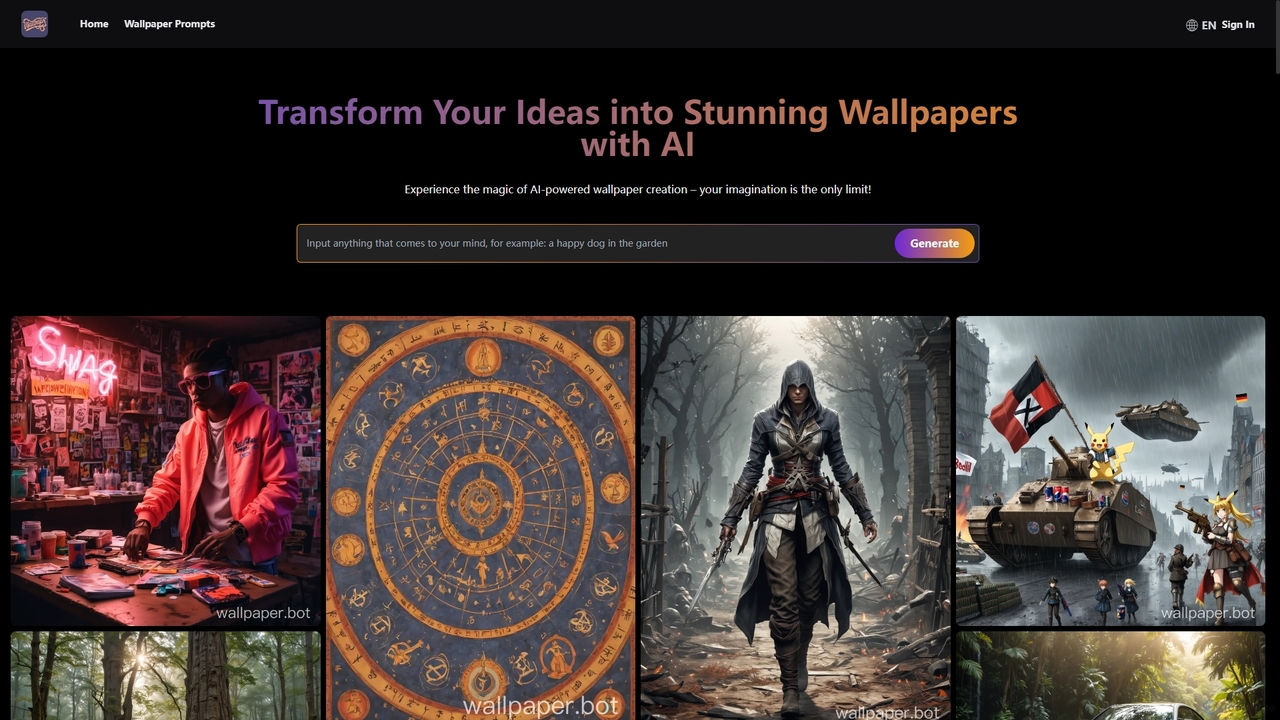
A free AI-powered tool that transforms text descriptions into unique, high-quality 4K wallpapers in seconds. Customize your devices …

2.4K
Lytics

Lytics

Lytics is an AI-powered Customer Data Platform (xCDP) that enables brands to deliver real-time, personalized experiences. It unifies …

28.9K
TextWallpaper

TextWallpaper

TextWallpaper is a free and simple online tool for creating minimalist, text-based wallpapers. Instantly generate custom backgrounds for …

12.9K
Lifemind

Lifemind

Lifemind is an AI-powered marketing platform that provides deep customer insights through values-based audience segmentation. It helps businesses …

5.1K
Keak

Keak

Keak is an AI-powered website optimization agent that continuously improves your conversion rate. It uses AI to A/B …

35.8K
moonvrhome

moonvrhome

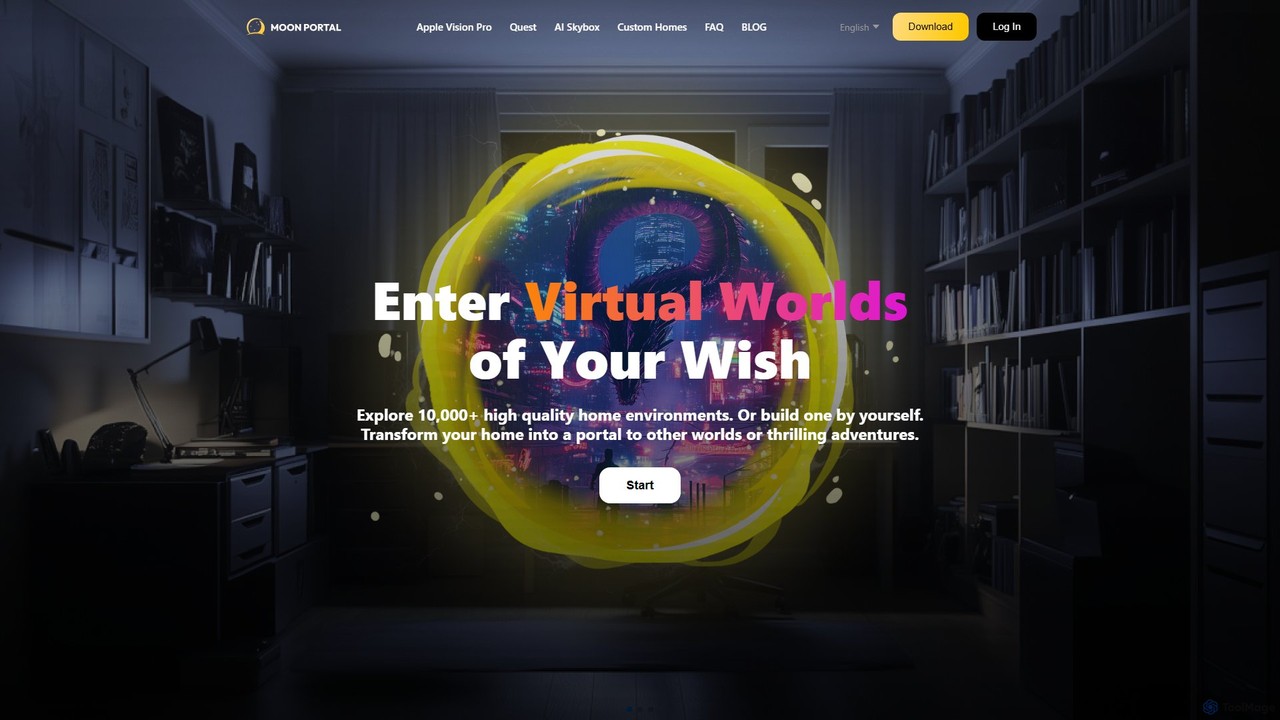
moonvrhome is a platform for Meta Quest and Apple Vision Pro users to customize their virtual reality home …

17.0K
Humantic AI

Humantic AI

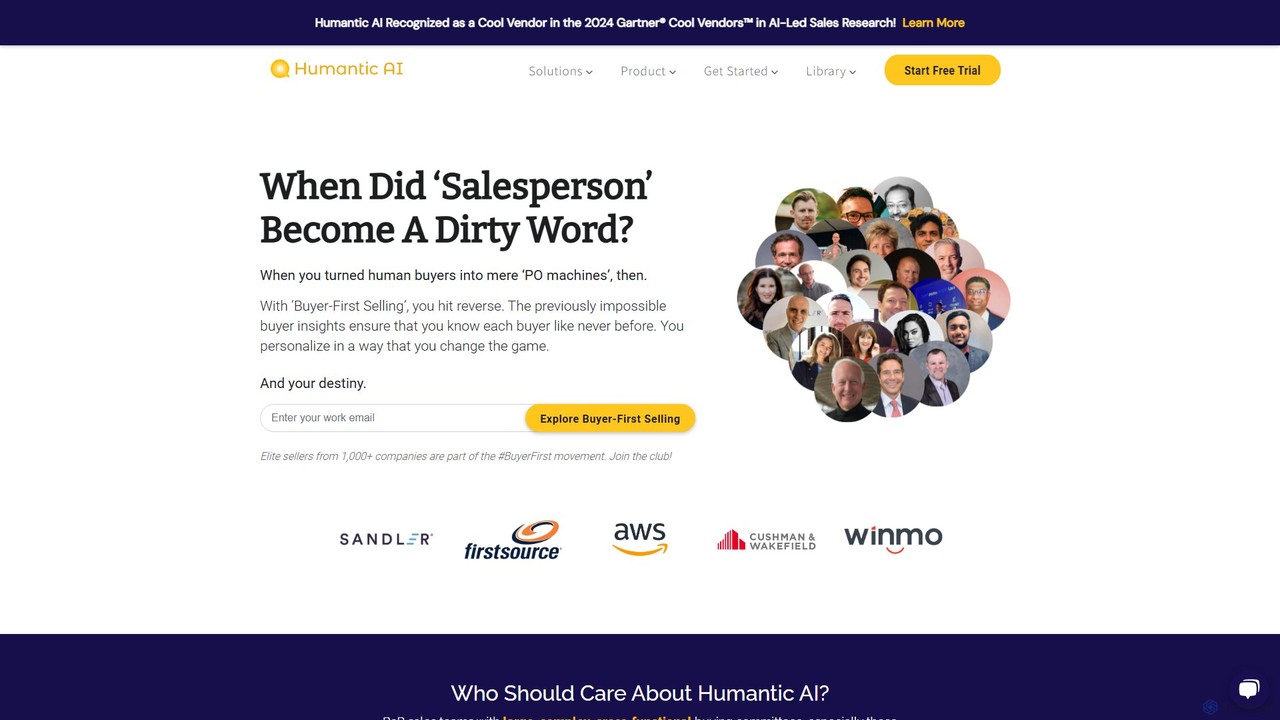
Humantic AI is a buyer intelligence platform that uses Personality AI to help sales teams understand prospects on …

20.9K
Mem0

Mem0

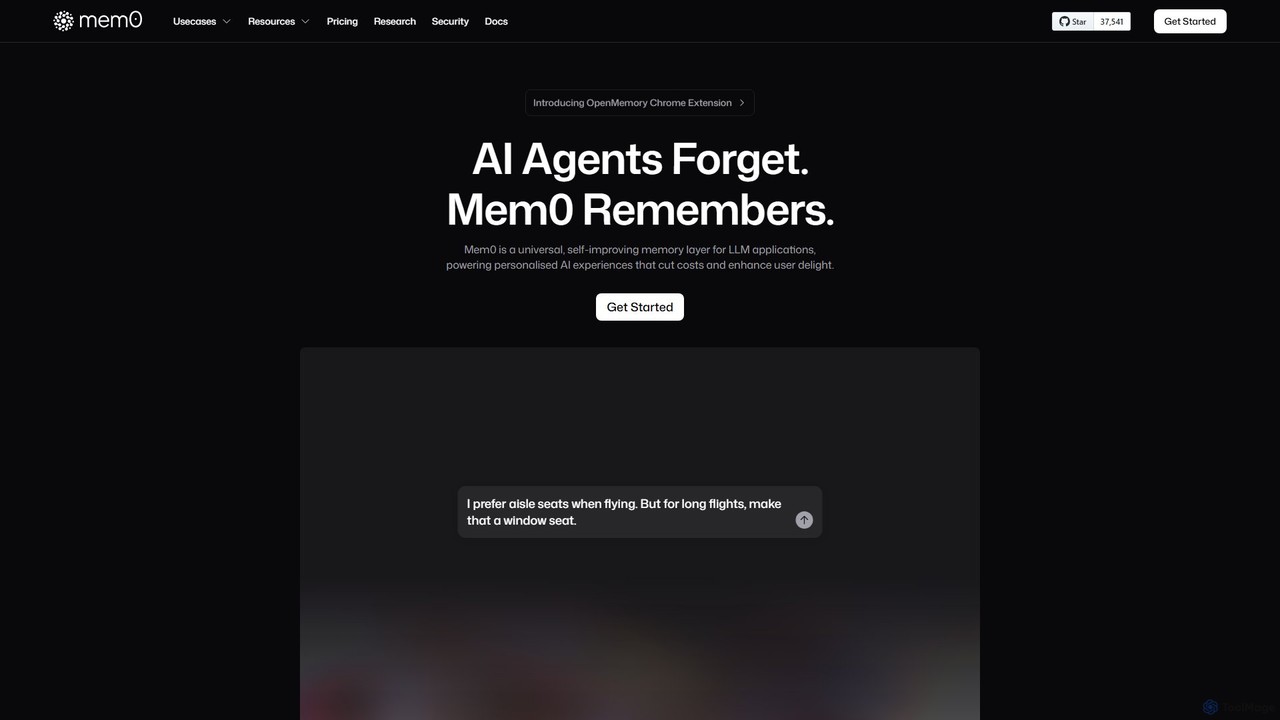
Mem0 is a universal, self-improving memory layer for LLM applications. It enables developers to build personalized AI experiences …

341.9K

About Personalization

Personalization AI tools are designed to tailor digital experiences, content, and services to individual user preferences and behaviors. Leveraging advanced machine learning, these tools analyze vast datasets to deliver highly relevant recommendations, adaptive interfaces, and customized workflows. They significantly enhance user engagement and operational efficiency by ensuring that interactions are always pertinent and optimized for each individual.

Core Features

  • User Profiling: Automatically create detailed user profiles based on behavior, demographics, and interaction history.
  • Recommendation Engines: Provide intelligent suggestions for products, content, or actions, increasing relevance and conversion.
  • Adaptive Interfaces: Dynamically adjust user interface elements and content presentation to match individual preferences.
  • Content Customization: Generate or curate personalized messages, articles, or marketing materials for targeted audiences.
  • Behavioral Analytics: Track and interpret user interactions to continuously refine personalization strategies.

Applicable Scenarios

Personalization AI tools are crucial in various sectors. E-commerce platforms use them to tailor product recommendations and promotions, boosting sales and customer loyalty. Media and content platforms deliver personalized news feeds and video suggestions, enhancing user engagement. Marketing teams craft highly targeted campaigns, improving ROI by resonating with specific customer segments.

How to Choose

When selecting a Personalization AI tool, evaluate its data integration capabilities with your existing systems (CRM, analytics) for comprehensive insights. Assess the sophistication of its algorithms to ensure accurate and adaptive personalization over time. Consider scalability to handle growing user bases and data volumes, and verify adherence to data privacy regulations like GDPR and CCPA, along with robust security features.

PersonalizationUse Cases

1

Personalized E-commerce Product Recommendations

E-commerce platforms leverage personalization AI tools to recommend relevant products in real-time based on a user's browsing history, purchase records, and preferences. For instance, when a user views a pair of shoes, the system might suggest matching apparel or similar style items, significantly boosting cross-selling and enhancing the overall shopping experience for the customer.

2

Adaptive Content Delivery for Media Platforms

Media and news platforms utilize personalization AI to analyze users' reading habits, interest tags, and interaction data, automatically adjusting news feeds, article rankings, or video playlists. This ensures that each user sees the content most relevant to their interests, thereby increasing content consumption time and user stickiness on the platform.

3

Customized Learning Paths in EdTech

Online education platforms employ personalization AI tools to create customized learning paths for students. The AI assesses students' progress, mastery levels, and learning styles, then recommends appropriate courses, exercises, and learning resources. This approach helps students acquire knowledge more efficiently and improves overall learning outcomes by tailoring the educational experience to individual needs.

4

Targeted Marketing Campaign Optimization

Marketing teams utilize personalization AI to segment customer groups and generate highly customized marketing messages and ad creatives for each segment. The AI analyzes customer data to predict their responses to different marketing content, thereby optimizing ad placement strategies and improving click-through rates and conversion rates for campaigns.

5

Personalized Customer Service Interactions

Customer service centers integrate personalization AI to provide agents with tailored conversation scripts or solution suggestions by analyzing a customer's historical interactions, purchase records, and sentiment. This enables more efficient and attentive customer service, leading to increased customer satisfaction and improved resolution times for support inquiries.

6

Dynamic Website Content for Lead Generation

Business websites utilize personalization AI tools to dynamically adjust website content and Calls-to-Action (CTAs) based on a visitor's source, geographic location, browsing behavior, or known information. For example, first-time visitors might see introductory product information, while returning visitors are shown advanced features or customized offers, effectively increasing lead conversion rates by tailoring the experience.

PersonalizationFrequently Asked Questions