ToolMage
Sign in

Best 11 Personalized Learning AI tools for Productivity

Popular Personalized Learning AI tools in Productivity include Whizz, Buddy.ai, LearnQ.ai, StayQrious, AIDA by DAWN AI STUDY, MagicGuides, Study with GPT, QuizBee, CodeGuideAI, and PrepSup, helping you work more efficiently.

QuizBee
Freemium

QuizBee

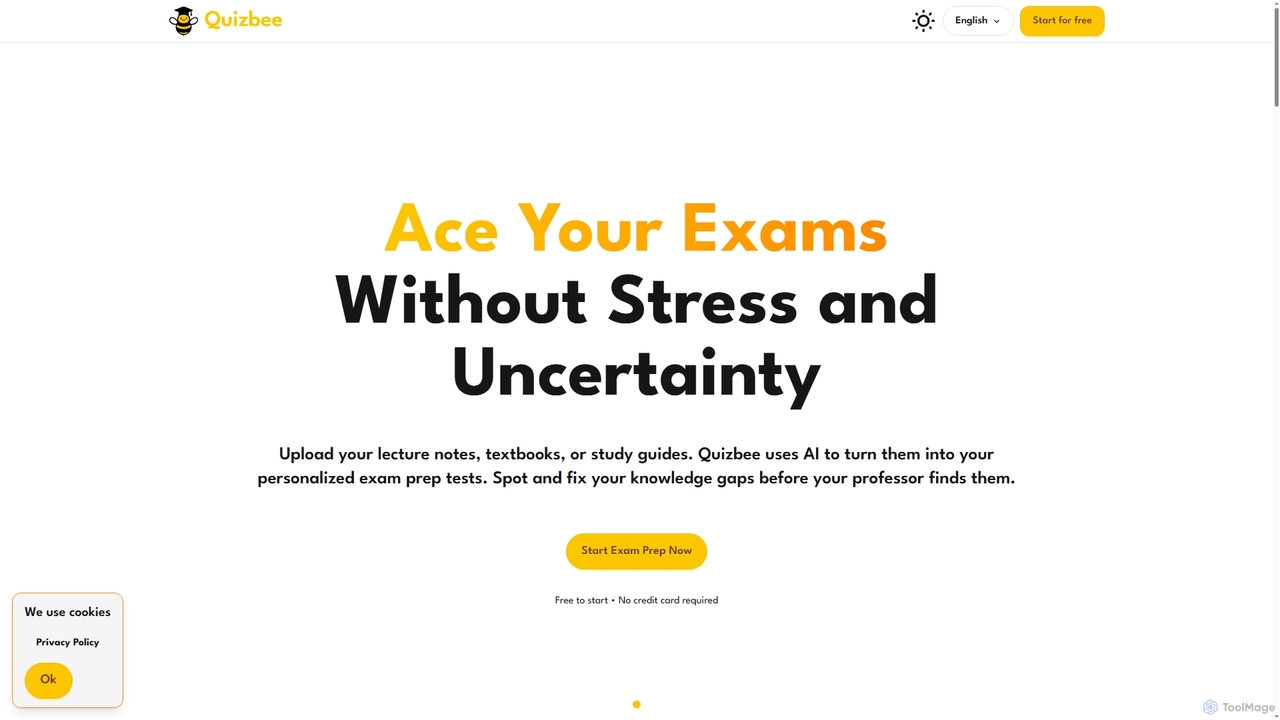
QuizBee is an AI-powered learning platform that transforms your study materials like notes, textbooks, and documents into personalized, adaptive quizzes. It helps students and professionals identify knowledge gaps, deepen understanding with an AI tutor, and prepare for exams effectively, offering dynamic difficulty adjustment and progress tracking.

Adaptive Learning
Visits 4.5KFavorites 51Likes 48
Study with GPT
Freemium

Study with GPT

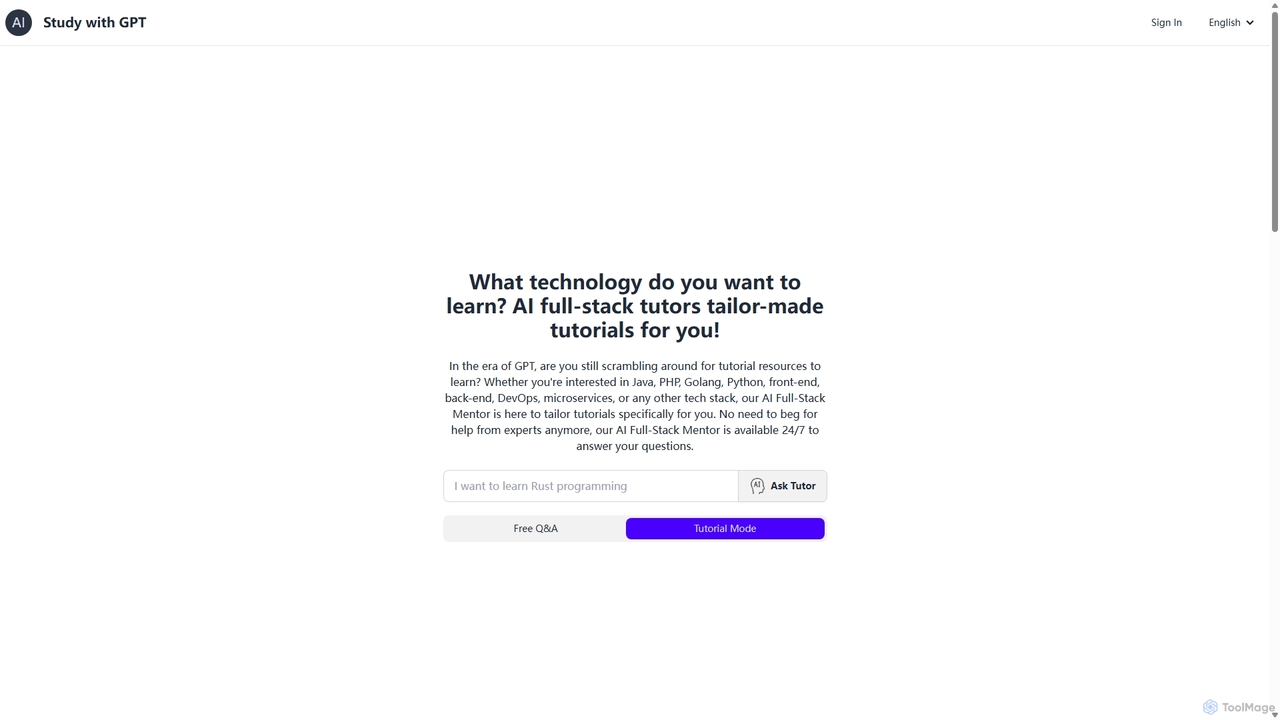
A GPT-powered learning hub that acts as a 24/7 AI full-stack tutor. It generates personalized, step-by-step tutorials for a wide range of technologies, from programming languages like Python and Java to specialized AI frameworks. It offers both structured learning paths and instant Q&A to accelerate your tech education.

Programming
Visits 4.6KFavorites 113Likes 116
Buddy.ai
Freemium

Buddy.ai

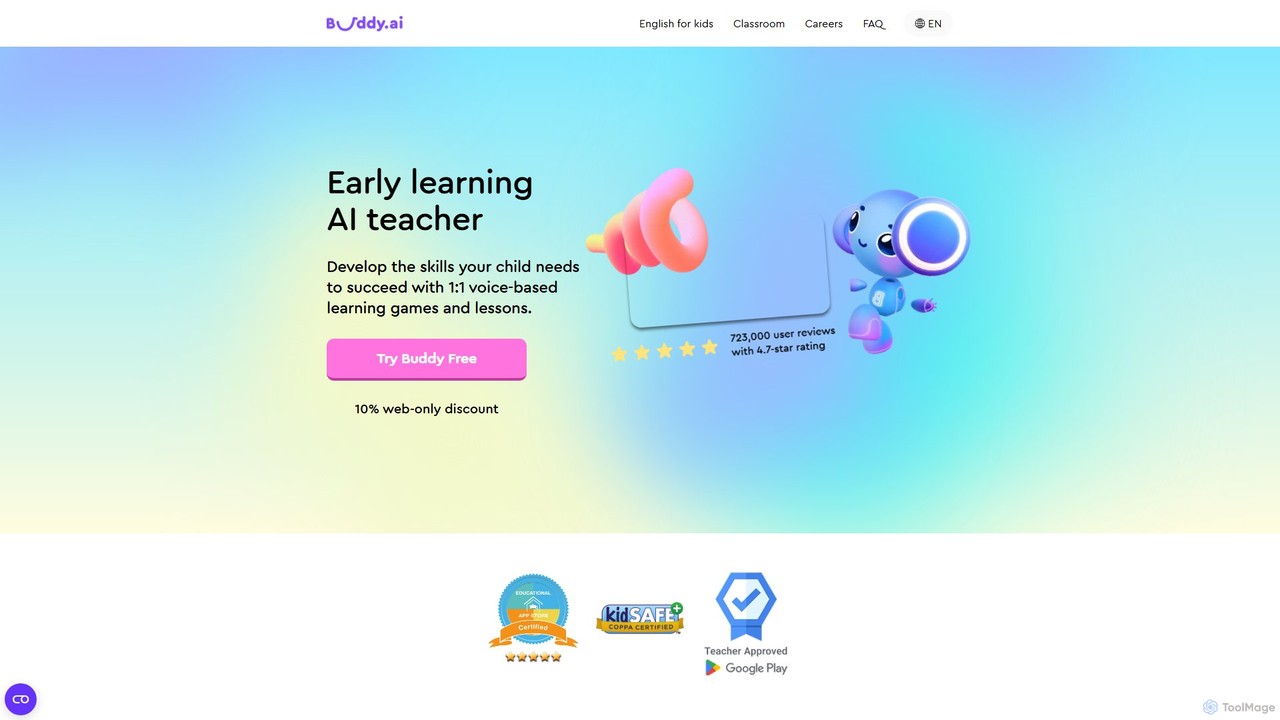
Buddy.ai is an AI-powered English tutor app designed for children aged 3-7. It uses voice recognition and gamified lessons to provide personalized 1:1 speaking practice. The app helps kids learn over 1,500 English words and phrases, master pronunciation, and build speaking confidence in a fun, interactive environment, all at a fraction of the cost of a live tutor.

Language Learning
Visits 71.6KFavorites 122Likes 131
StayQrious
Paid

StayQrious

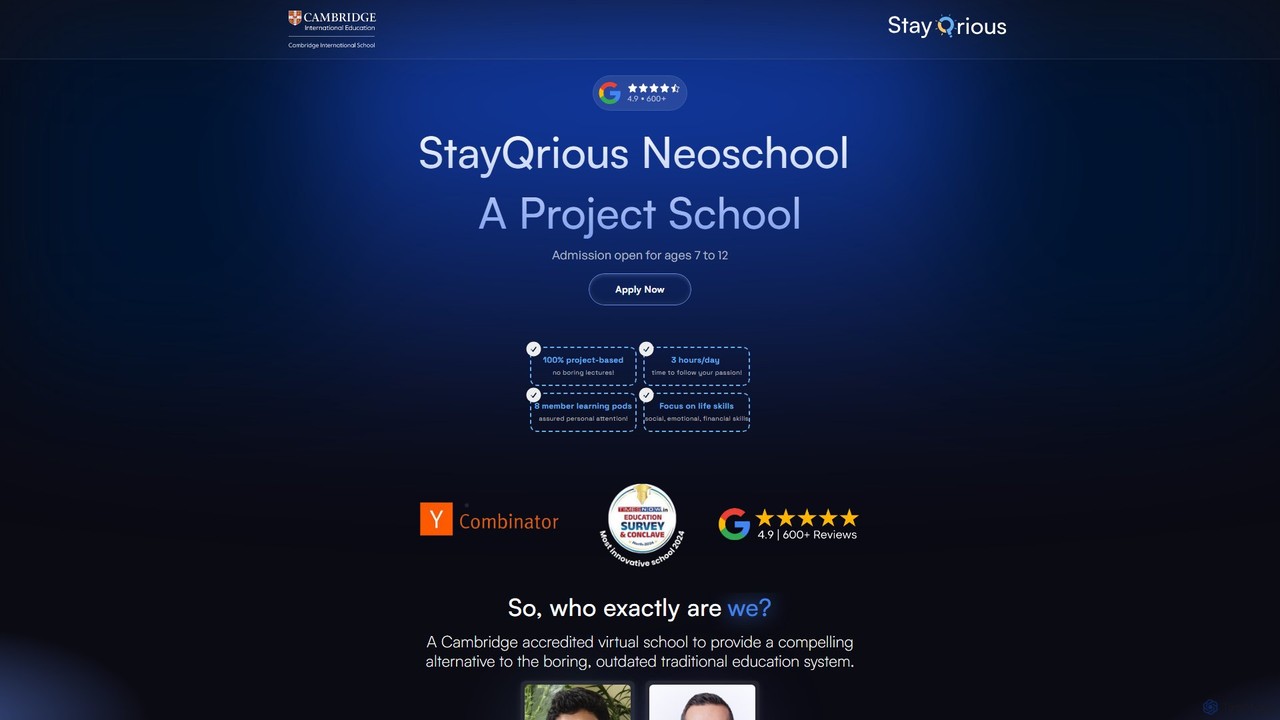
StayQrious is an AI-powered, Cambridge-accredited virtual school for children aged 7-12. It replaces traditional schooling with a 100% project-based learning model. In small, 8-member pods, students tackle real-world problems, developing crucial life skills like emotional intelligence, financial literacy, and creative problem-solving. The platform uses AI to personalize learning paths and provide an engaging, future-ready education.

K 12
Visits 7KFavorites 124Likes 122
LearnQ.ai
Freemium

LearnQ.ai

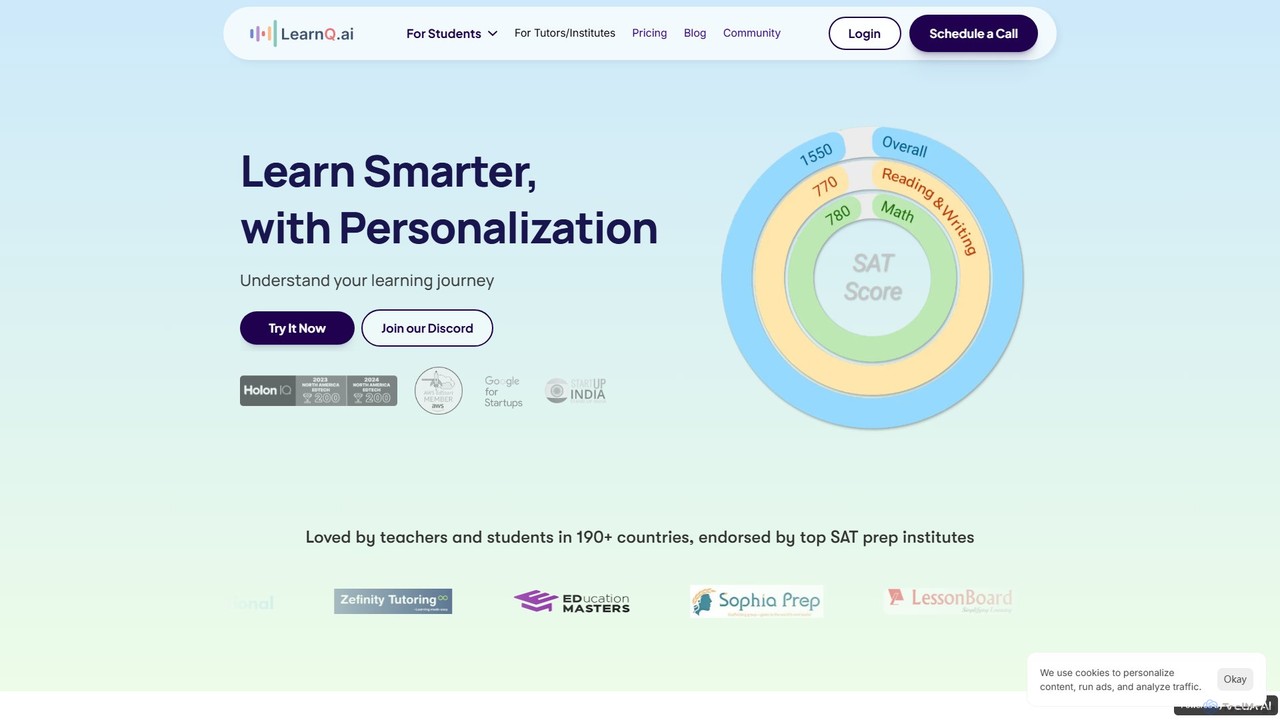
LearnQ.ai is an AI-powered smart learning platform designed to revolutionize test preparation, starting with the Digital SAT. It offers personalized study plans, gamified practice tests, and a 24/7 AI tutor named Mia. By leveraging data-driven analytics, LearnQ.ai helps students identify weaknesses, master concepts efficiently, and achieve higher scores. It also provides powerful tools for tutors and educational institutes to enhance their teaching and track student performance in real-time.

Tutoring
Visits 33.1KFavorites 109Likes 95
MagicGuides
Freemium

MagicGuides

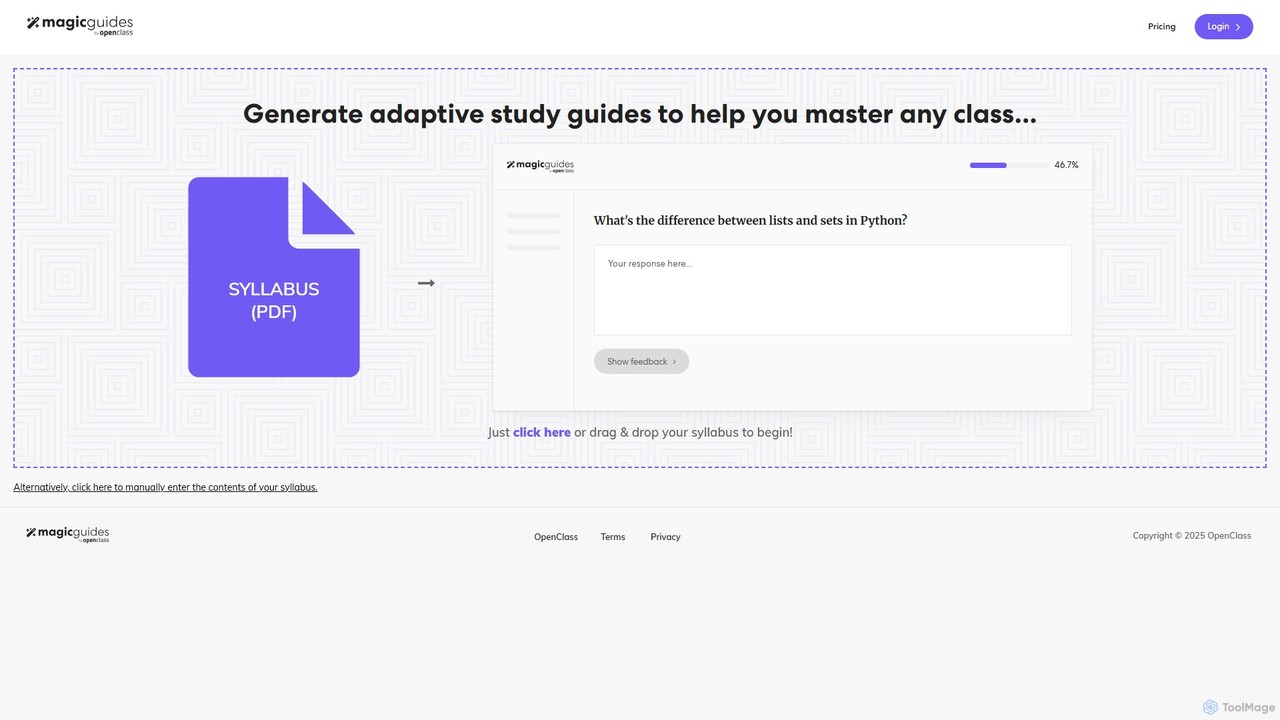
MagicGuides is an AI-powered tool that transforms your course syllabus into a personalized, adaptive study guide. Simply upload your syllabus, and the AI generates summaries, key concepts, and interactive Q&A to help you master any subject efficiently.

Study Assistant
Visits 4.6KFavorites 142Likes 123
CuriosityXR
Free

CuriosityXR

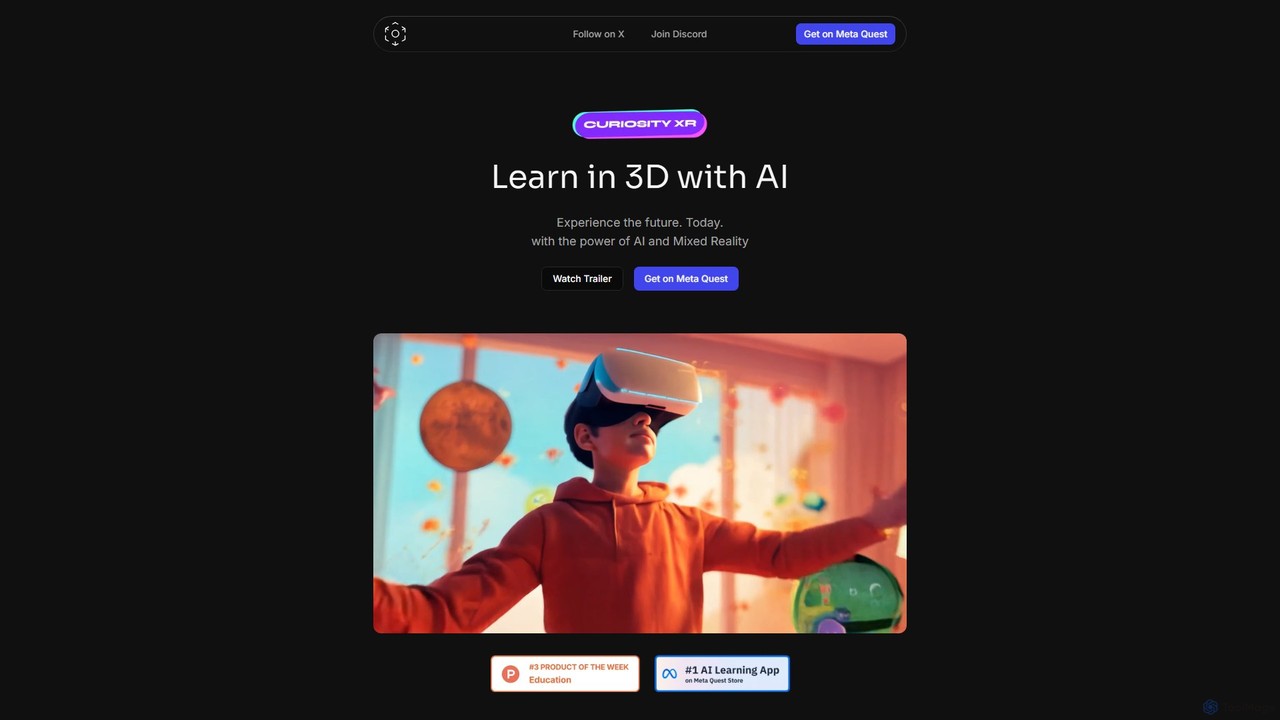
CuriosityXR is an immersive AI-powered learning platform for Meta Quest that transforms education into an interactive 3D experience. It acts as a personal AI teacher, allowing users to explore over a million 3D models, ask questions using natural voice commands, and create personalized learning journeys. It's designed to make learning active, contextual, and engaging for students, homeschoolers, and lifelong learners.

Immersive Learning
Visits 4.4KFavorites 105Likes 108
AIDA by DAWN AI STUDY
Freemium

AIDA by DAWN AI STUDY

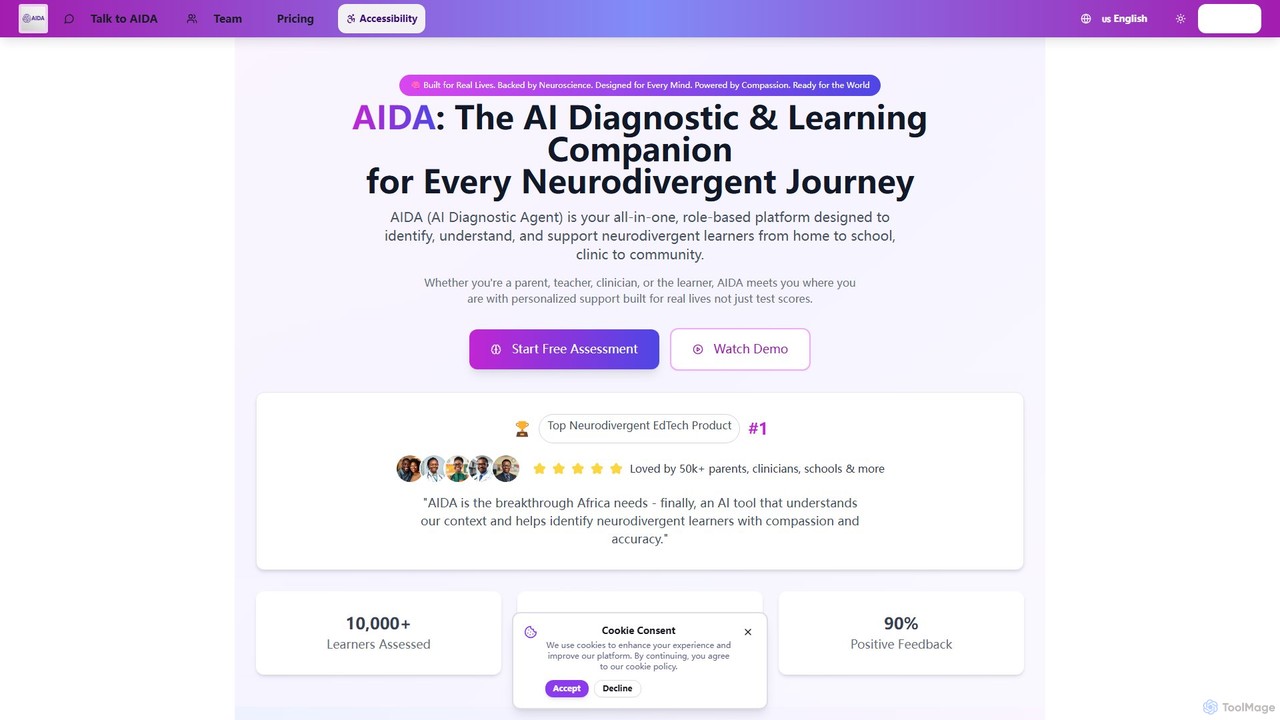
AIDA is Africa's first AI-powered diagnostic and learning companion for neurodivergent learners. It provides parents, teachers, and clinicians with tools to identify, understand, and support conditions like ADHD, Autism, and Dyslexia. Through AI-driven assessments and personalized "Mind Maps," AIDA offers a compassionate, culturally-aware approach to inclusive education, helping every child thrive.

Special Education
Visits 6.4KFavorites 98Likes 96
PrepSup

PrepSup

PrepSup is an AI-powered platform designed to boost LSAT scores through personalized 15-minute daily drills. It focuses on Logical Reasoning and Reading Comprehension, using smart algorithms to identify and target your specific weaknesses, ensuring efficient and focused study sessions.

Test Preparation
Visits 4.4KFavorites 122Likes 117
Whizz
Freemium

Whizz

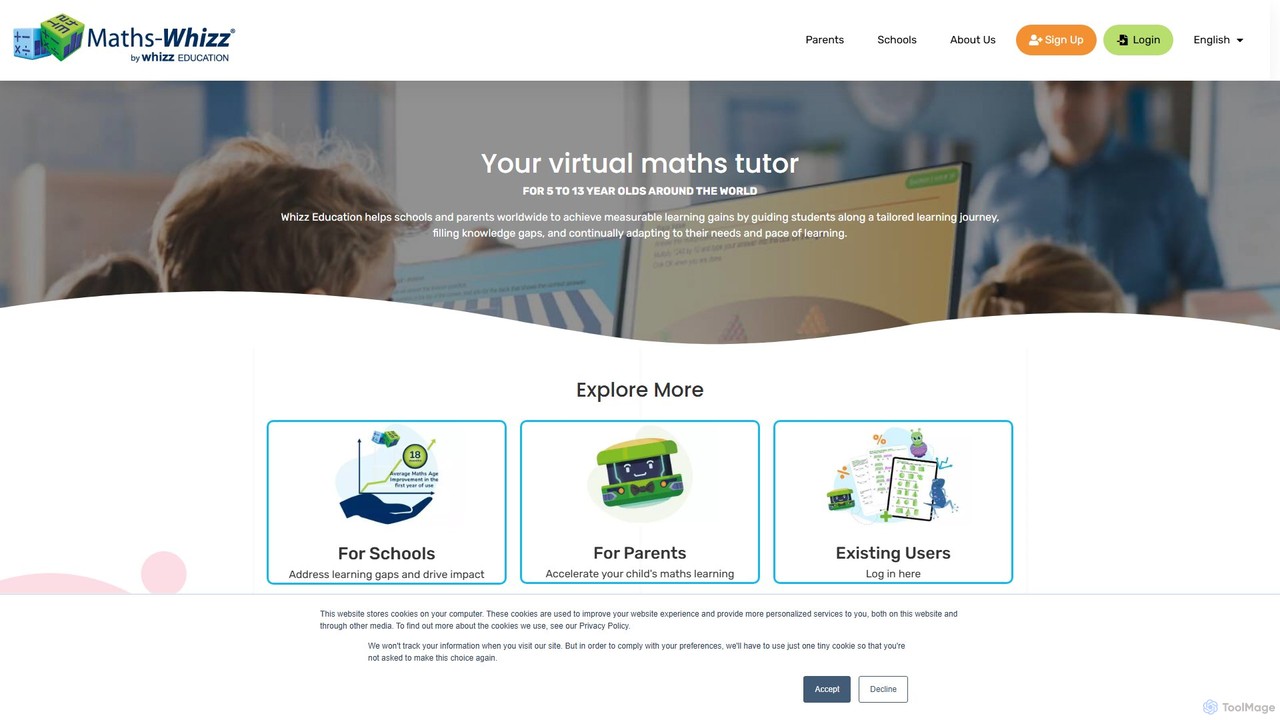
Whizz is an AI-powered virtual maths tutor for children aged 5-13. It uses adaptive learning technology to create personalized lesson plans, identify knowledge gaps, and accelerate learning through engaging, gamified activities. Proven to improve a child's maths age by 18 months in one year.

Tutoring
Visits 138.1KFavorites 90Likes 92
CodeGuideAI
Paid

CodeGuideAI

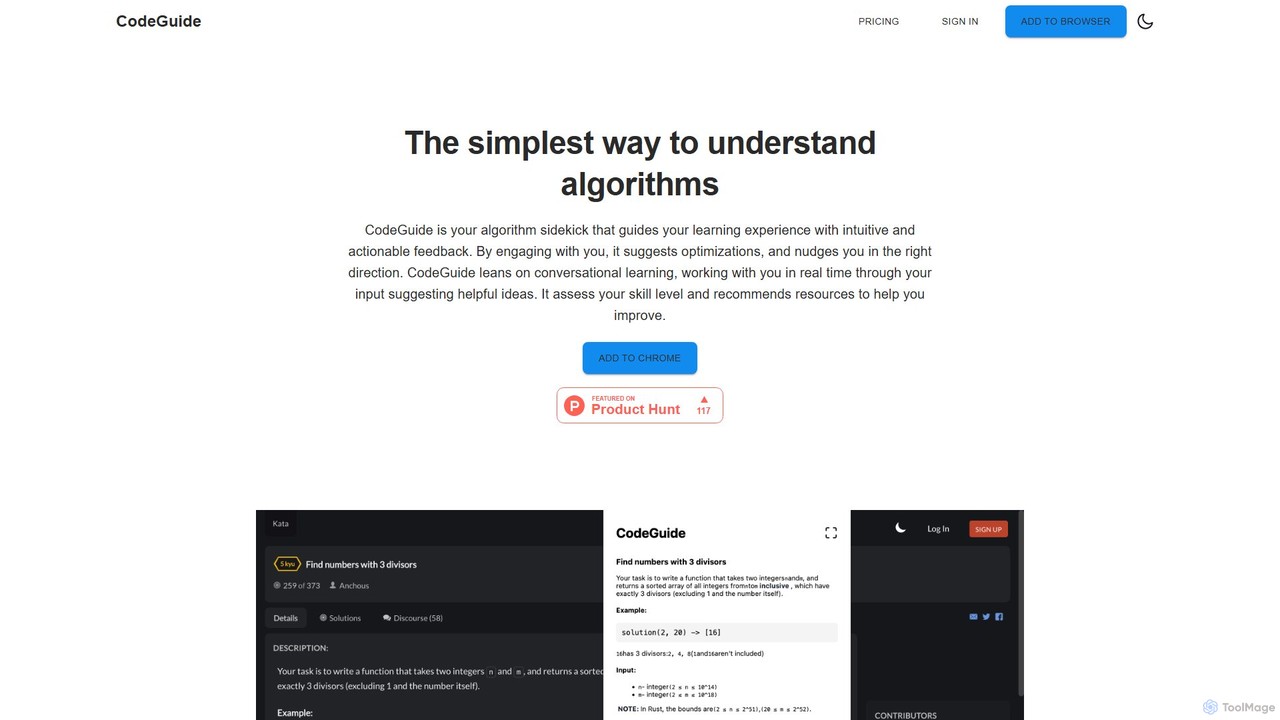
CodeGuideAI is an AI-powered Chrome extension that acts as your personal algorithm tutor. It simplifies learning complex algorithms through real-time, conversational feedback, suggests code optimizations, and provides personalized guidance to help you master data structures and improve your problem-solving skills.

Code Assistant
Visits 4.5KFavorites 145Likes 145

About Personalized Learning

Personalized Learning tools are AI-driven platforms that tailor educational content and pacing to each individual's unique needs and learning style. They utilize machine learning algorithms to analyze a user's performance, identify knowledge gaps, and dynamically adjust the curriculum in real-time. This approach moves beyond the one-size-fits-all model, creating more effective and engaging learning experiences that can accelerate skill acquisition. As a specialized area of productivity, these tools focus on optimizing the learning process itself.

Core Features

  • Adaptive Learning Paths: Automatically customizes the sequence and difficulty of topics based on learner performance.
  • Real-time Feedback: Provides instant, targeted suggestions and explanations for incorrect answers.
  • Content Recommendation: Suggests relevant articles, videos, and exercises to reinforce concepts.
  • Performance Analytics: Offers detailed dashboards tracking progress, strengths, and weaknesses for both learners and educators.
  • Skill Gap Analysis: Pinpoints specific areas where a learner needs more practice or instruction.

Use Cases

These tools are widely used in corporate training for employee onboarding and upskilling, in K-12 and higher education to supplement classroom instruction, and by individuals for language learning or preparing for standardized tests like the SAT, GRE, or professional certifications.

How to Choose

When selecting a Personalized Learning tool, consider the subject matter it covers, the sophistication of its adaptation algorithm, and its ability to integrate with existing Learning Management Systems (LMS). Also evaluate the quality of its content library, the depth of its analytics and reporting features, and whether its user interface is intuitive for your target learners.

Featured tool rankings

Personalized Learning use cases

1

Customizing Corporate Employee Onboarding

An HR manager at a tech company uses a personalized learning platform to streamline new hire training. Instead of a generic week-long program, each new employee takes a pre-assessment. The AI then generates a unique learning path, focusing on areas where they lack knowledge, such as specific company software or compliance procedures. This allows engineers to skip basic coding refreshers and focus on proprietary systems, while sales staff can concentrate on product features. The result is a significant reduction in onboarding time and more confident, role-ready employees from day one.

2

AI Tutoring for K-12 Mathematics

A middle school student struggling with algebra uses an AI-powered tutoring app. The platform presents problems and analyzes the student's solution process, not just the final answer. When it detects a recurring mistake in factoring polynomials, it provides a step-by-step explanation, offers a short video tutorial, and then generates a set of targeted practice problems. This continuous, adaptive feedback helps the student master foundational concepts at their own pace, building confidence and improving grades without the need for a human tutor's constant presence.

3

Accelerating Language Proficiency

A user learning Spanish for an upcoming trip uses an adaptive language app. The AI tracks their vocabulary retention, grammar accuracy, and pronunciation. It notices the user frequently confuses subjunctive and indicative moods. The app then automatically adjusts the lesson plan to include more exercises and conversation simulations focused on this specific grammatical challenge. It also curates short articles and audio clips based on the user's interests (e.g., travel, food) to make learning more engaging and contextually relevant, leading to faster conversational fluency.

4

Optimizing Standardized Test Preparation

A college applicant preparing for the SAT uses a personalized learning tool to maximize their study efficiency. After an initial diagnostic test, the AI creates a detailed study schedule that prioritizes the user's weakest areas, such as data interpretation in math or vocabulary in context for the verbal section. The platform provides adaptive quizzes that increase in difficulty as the user's skills improve and simulates full-length practice tests under timed conditions. The analytics dashboard visualizes progress over time, helping the user focus their limited study hours for the greatest score improvement.

5

Enhancing University Course Engagement

A university professor for a large introductory economics class integrates a personalized learning platform into their course. The platform provides weekly adaptive quizzes that students complete after lectures. The AI identifies common misconceptions across the class, allowing the professor to address them in the next session. For individual students, the tool recommends specific chapters from the textbook or external academic articles to read based on their quiz performance. This provides a scalable way to offer personalized support in a large class, improving overall comprehension and final exam scores.

6

Streamlining Professional Certification Studies

A project manager studying for the PMP (Project Management Professional) certification uses an AI-driven prep tool. The platform contains a vast question bank tagged by knowledge area. The AI simulates the exam environment and adapts the question mix based on the user's performance. If the user shows weakness in 'Risk Management,' the system will present more questions and case studies from that domain. It also predicts the user's readiness for the actual exam and highlights the final few topics to review, ensuring a highly targeted and efficient study process.

Personalized Learning FAQ

What are Personalized Learning tools?

Personalized Learning tools are AI applications that adapt educational content to an individual learner's pace, style, and knowledge level. Unlike static courses, they use algorithms to analyze performance in real-time, identify strengths and weaknesses, and then dynamically adjust the learning path. Key features include adaptive assessments, customized content recommendations, and instant feedback. They are used to make learning more efficient and effective in academic, corporate, and personal development settings.

How do I choose the right Personalized Learning platform?

To choose the right platform, evaluate these factors:

  • Content & Subject Matter: Ensure it covers the specific topics or skills you need to teach or learn.
  • Adaptation Technology: Assess how well the AI personalizes the experience. Does it just change question difficulty or alter the entire learning path?
  • Integration Capabilities: Check if it can connect with your existing Learning Management System (LMS) or other tools.
  • Analytics & Reporting: Look for detailed dashboards that provide actionable insights for both learners and instructors.
  • User Experience: The interface should be intuitive and engaging for the intended audience.
What's the difference between Personalized Learning tools and a standard LMS?

The key difference is adaptivity. A standard Learning Management System (LMS) is primarily a platform for hosting, delivering, and tracking static course content—everyone gets the same material. A Personalized Learning tool, on the other hand, is a dynamic engine that actively tailors that content for each user. While an LMS manages the logistics of learning, a personalized learning tool focuses on optimizing the cognitive process of learning itself. Many modern solutions integrate personalized features into an LMS framework.

Who can benefit from using AI for Personalized Learning?

A wide range of users can benefit. Students (K-12 and university) receive tailored tutoring to master difficult subjects. Corporate employees get customized training for faster onboarding and skill development. Professionals can efficiently prepare for certification exams. Language learners achieve fluency faster through adaptive practice. Essentially, anyone looking for a more efficient and effective way to acquire new knowledge or skills, moving beyond a one-size-fits-all approach, can benefit from these tools.

How does AI create a personalized learning path?

AI creates a personalized path by collecting and analyzing data from a learner's interactions. It often starts with a diagnostic assessment to establish a baseline. As the learner answers questions, watches videos, or reads materials, the AI tracks metrics like correctness, time spent, and confidence levels. Using machine learning models, it identifies patterns and knowledge gaps. Based on this analysis, the AI dynamically selects the next piece of content—it might be a remedial video for a misunderstood topic, a more challenging problem to test mastery, or an article to provide deeper context.