Productivity Best in category 6 results Supply Chain Management AI Tool

Popular AI tools in the Supply Chain Management field of Productivity include WareIQ、LEAFIO AI、Borong、Covariant、clicoh、CommodityAI, etc., helping you quickly improve efficiency.

WareIQ

WareIQ

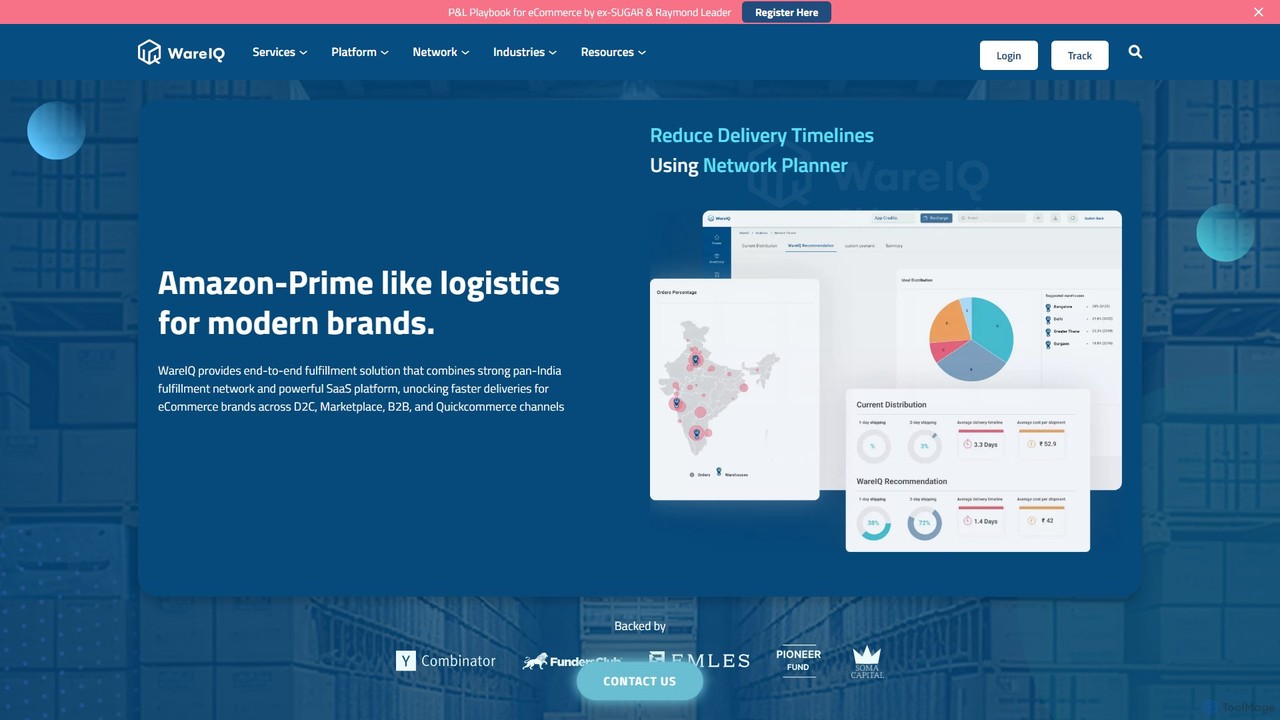
WareIQ is an AI-powered, tech-first fulfillment platform for eCommerce brands in India. It provides an end-to-end logistics solution, …

86.7K
Covariant

Covariant

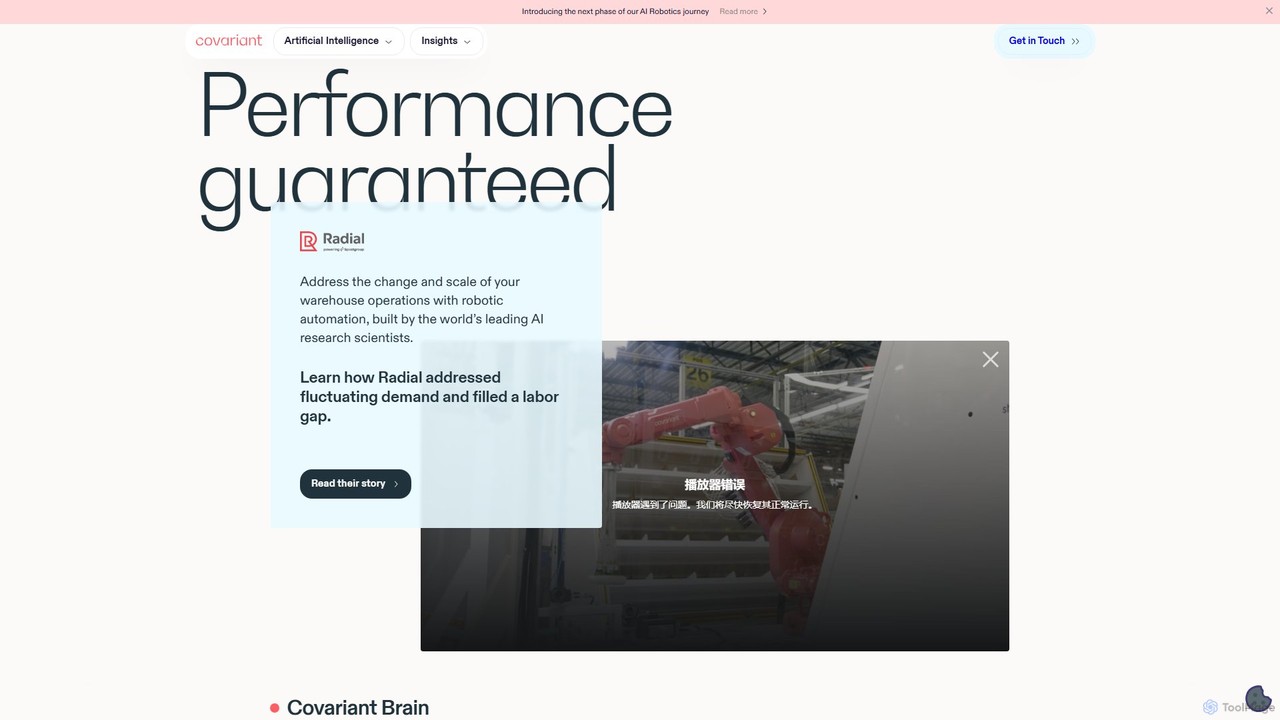
Covariant provides an advanced AI robotics platform, the Covariant Brain, designed to automate warehouse operations. Powered by Robotics …

25.9K
CommodityAI

CommodityAI

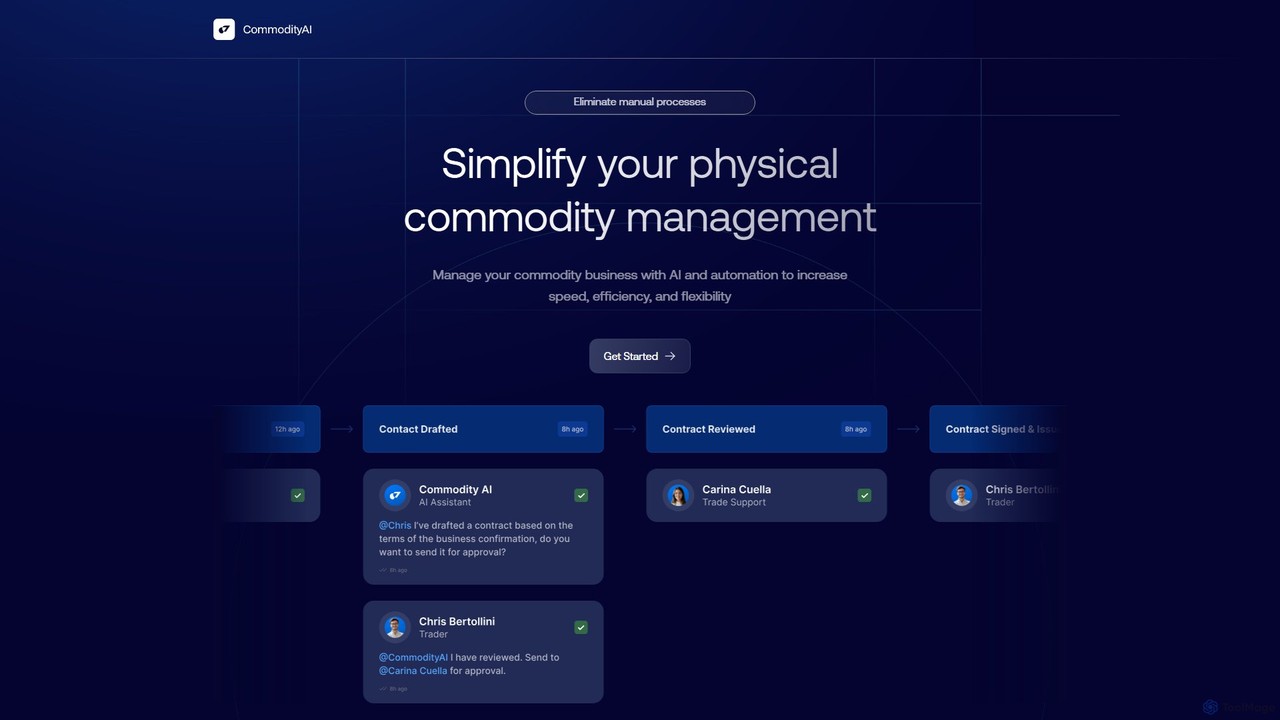
CommodityAI is a modern commodity management platform that leverages AI and automation to streamline trading operations. It enhances …

3.5K
clicoh

clicoh

clicoh is an AI-powered logistics platform for e-commerce businesses. It offers end-to-end solutions, including intelligent warehousing, fulfillment services, …

20.4K
Borong

Borong

Borong is an AI-powered B2B wholesale marketplace and procurement platform designed for SMEs in Southeast Asia. It simplifies …

42.5K
LEAFIO AI

LEAFIO AI

LEAFIO AI is an AI-driven retail automation platform designed to optimize supply chain, inventory management, and merchandising processes. …

43.1K

About Supply Chain Management

AI Supply Chain Management tools are a class of software that leverages artificial intelligence to optimize and automate supply chain operations. These tools utilize machine learning algorithms and predictive analytics to analyze vast datasets, enabling more accurate demand forecasting, inventory management, and logistics planning. Their primary value lies in increasing operational efficiency, reducing costs, and enhancing the resilience of supply chains against disruptions. As a key component of productivity software, they transform traditional, reactive processes into proactive, data-driven strategies.

Core Features

  • Predictive Demand Forecasting: Analyzes historical data and external factors to predict future product demand with high accuracy.
  • Inventory Optimization: Uses AI to determine optimal stock levels, minimizing carrying costs while preventing stockouts.
  • Intelligent Route Planning: Calculates the most efficient delivery routes in real-time by considering traffic, weather, and vehicle capacity.
  • Supplier Risk Assessment: Monitors various data sources to identify and mitigate potential risks from suppliers, such as delays or quality issues.
  • Automated Warehouse Management: Employs AI for tasks like robotic sorting, intelligent slotting, and automated order picking to improve warehouse throughput.

Use Cases

These tools are widely used in industries like e-commerce, manufacturing, retail, and logistics. Supply chain managers, logistics coordinators, and procurement specialists use them to manage complex global networks, respond to market volatility, and improve delivery times. For example, a retail company can use AI to optimize inventory across hundreds of stores, while a logistics provider can minimize fuel costs through dynamic route planning.

How to Choose

When selecting an AI Supply Chain Management tool, consider its integration capabilities with your existing ERP or WMS systems. Evaluate the accuracy and transparency of its predictive models. Assess its scalability to handle your operational volume and complexity. Also, consider the specific modules offered—whether you need a focus on forecasting, logistics, procurement, or an all-in-one solution.

Supply Chain ManagementUse Cases

1

E-commerce Seasonal Demand Forecasting

An e-commerce manager for a fashion brand needs to prepare for the upcoming holiday season. Using an AI supply chain tool, they analyze past sales data, social media trends, and competitor promotions. The AI model predicts a 30% surge in demand for specific winter coats. Based on this forecast, the manager adjusts procurement orders, allocates more inventory to key distribution centers, and plans targeted marketing campaigns, preventing stockouts and maximizing sales revenue during the peak period.

2

Real-Time Logistics Route Optimization

A logistics coordinator for a national delivery service manages a fleet of 100 trucks. The AI SCM platform continuously ingests real-time data on traffic, weather conditions, and new delivery requests. The system automatically re-routes drivers throughout the day to avoid congestion and delays. This dynamic optimization reduces fuel consumption by 15% and improves on-time delivery rates from 92% to 98%, enhancing customer satisfaction and lowering operational costs.

3

Manufacturing Inventory Optimization

A plant manager at an automotive parts factory uses an AI tool to manage raw material inventory. The system analyzes production schedules, supplier lead times, and historical consumption patterns to recommend optimal reorder points and quantities for hundreds of components. This prevents costly production line shutdowns due to material shortages and reduces excess inventory carrying costs by 20%. The manager can now focus on production quality rather than manual inventory tracking.

4

Proactive Supplier Risk Mitigation

A procurement manager for a global electronics company uses an AI platform to monitor their supplier network. The AI scans news articles, financial reports, and shipping data for signs of trouble, such as a key supplier's factory being in a region with predicted severe weather. The system flags the high-risk supplier and suggests alternative pre-vetted suppliers. This allows the manager to proactively diversify their sourcing before a disruption occurs, ensuring production continuity.

5

Automating Warehouse Order Fulfillment

A large distribution center for an online retailer implements an AI-driven warehouse management system. AI algorithms direct autonomous mobile robots (AMRs) to pick items for customer orders, calculating the most efficient paths through the warehouse. The system also uses AI for intelligent slotting, placing frequently ordered items closer to packing stations. This automation increases order picking speed by 200% and reduces fulfillment errors by 90%, enabling faster delivery to customers.

6

Optimizing Freight and Transportation Costs

A procurement specialist for a large manufacturing firm is tasked with reducing transportation spending. They use an AI SCM tool to analyze freight options. The tool evaluates thousands of variables, including carrier rates, fuel costs, transit times, and carrier reliability scores. It recommends consolidating shipments and identifies optimal carriers for specific lanes, leading to a 12% reduction in annual freight costs. The specialist can now make data-backed decisions instead of relying on static rate cards.

Supply Chain ManagementFrequently Asked Questions