Productivity Best in category 6 results Visual Content Creation AI Tool

Popular AI tools in the Visual Content Creation field of Productivity include VisualGPT、Nano Banana、Phase.art、Seedream 4.0, etc., helping you quickly improve efficiency.

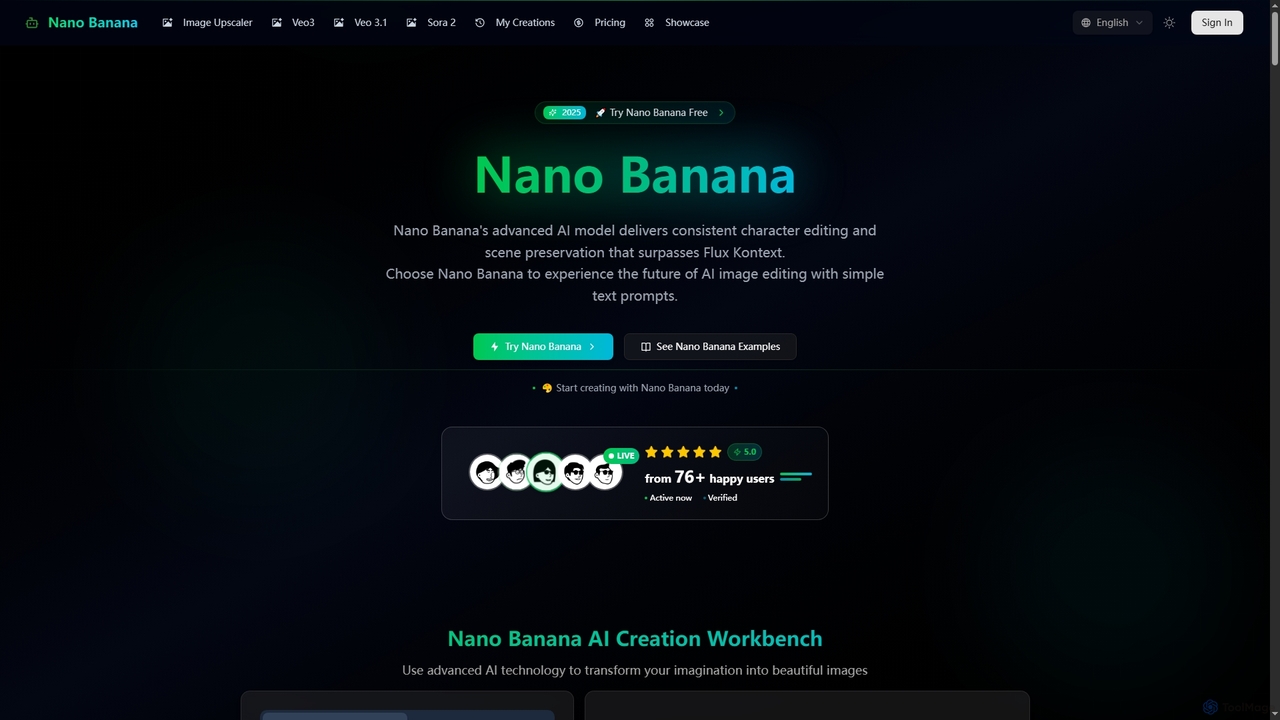
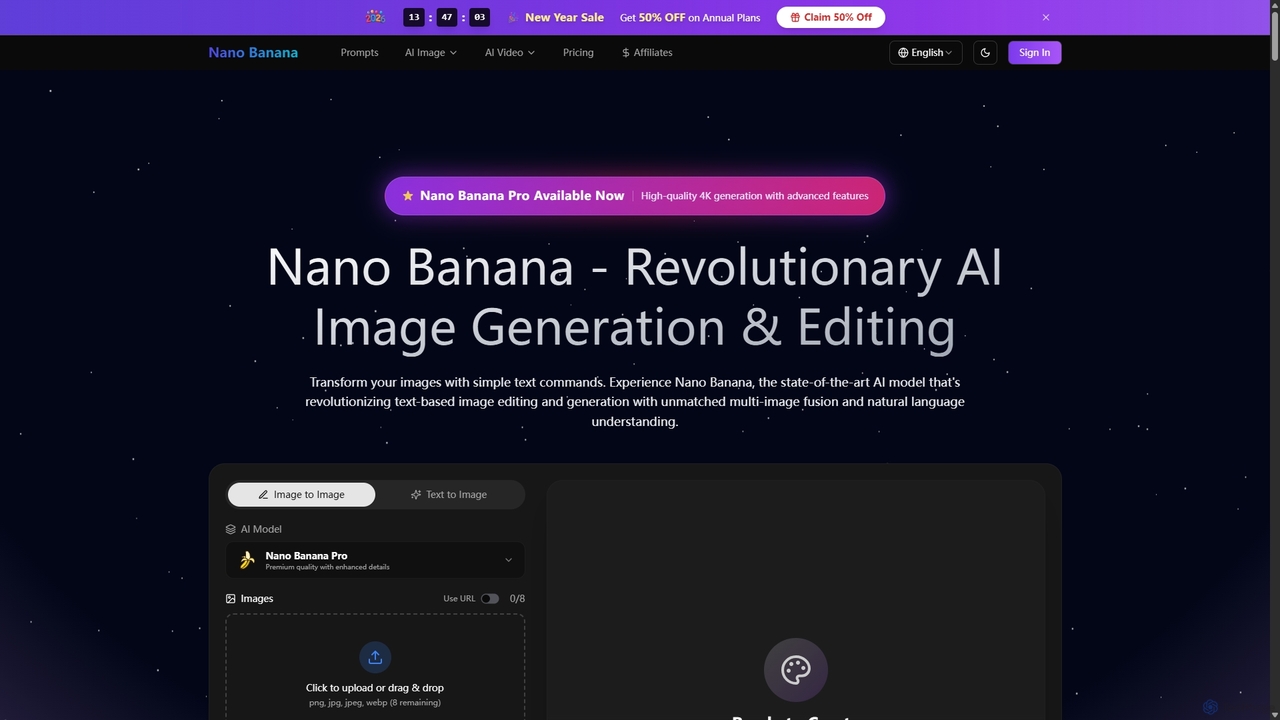
Nano Banana

Nano Banana

Nano Banana is a state-of-the-art AI platform that revolutionizes image generation and editing using natural language. It offers …

509.9K
Nano Banana

Nano Banana

Nano Banana is an advanced AI-powered platform for image generation and editing, offering consistent character editing, scene preservation, …

792.0K
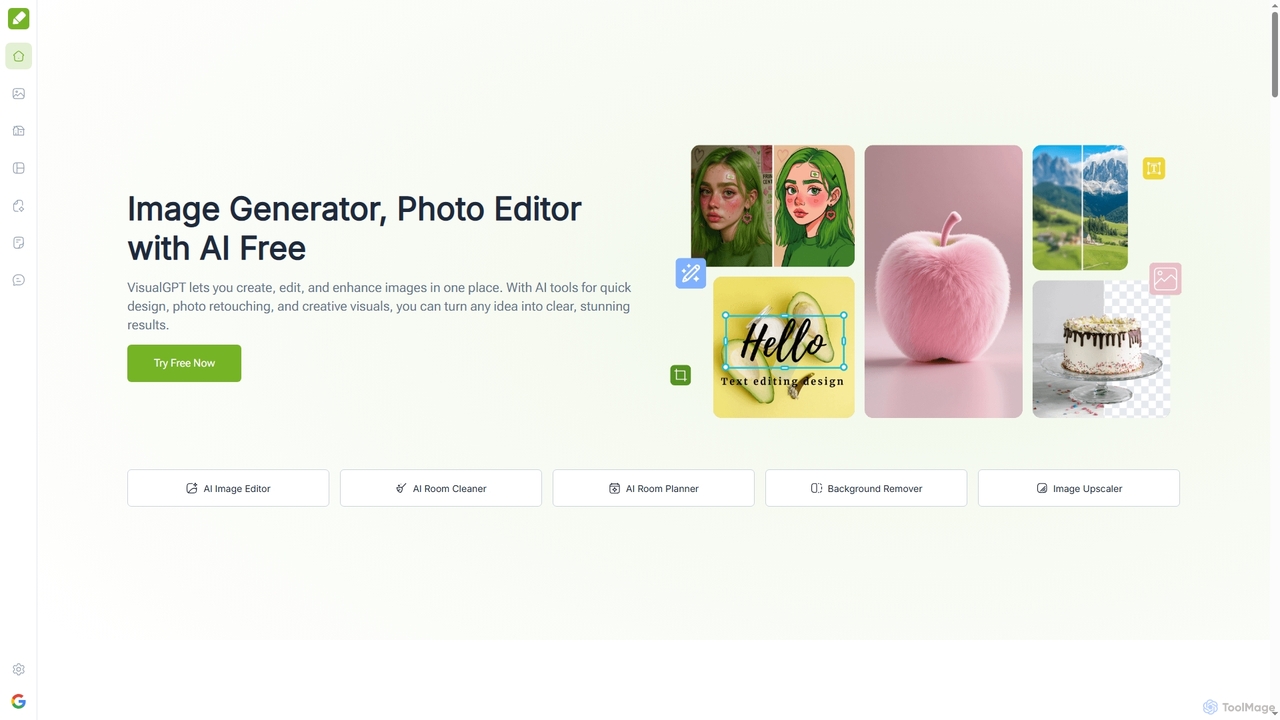
VisualGPT

VisualGPT

VisualGPT is an all-in-one online AI platform for generating, editing, and enhancing images. It offers tools like AI …

1.7M
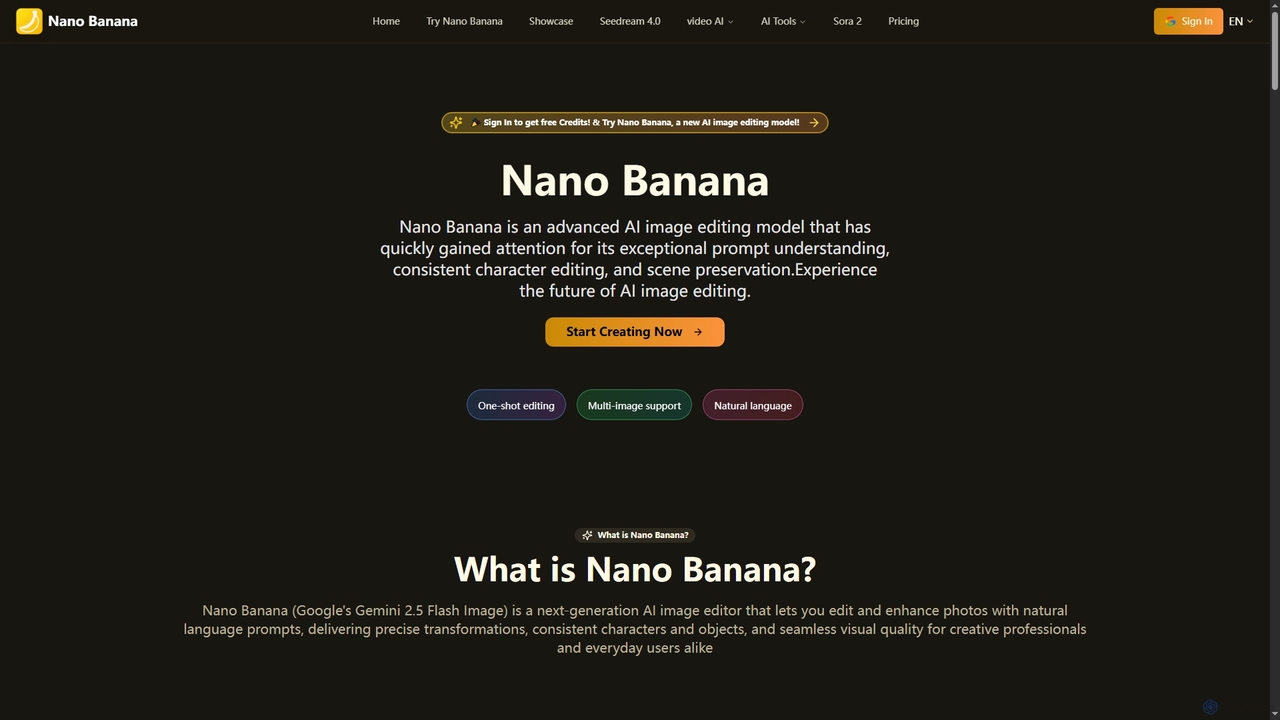
Nano Banana

Nano Banana

Nano Banana is an advanced AI image editing model that transforms photos with natural language prompts. It excels …

1.5M
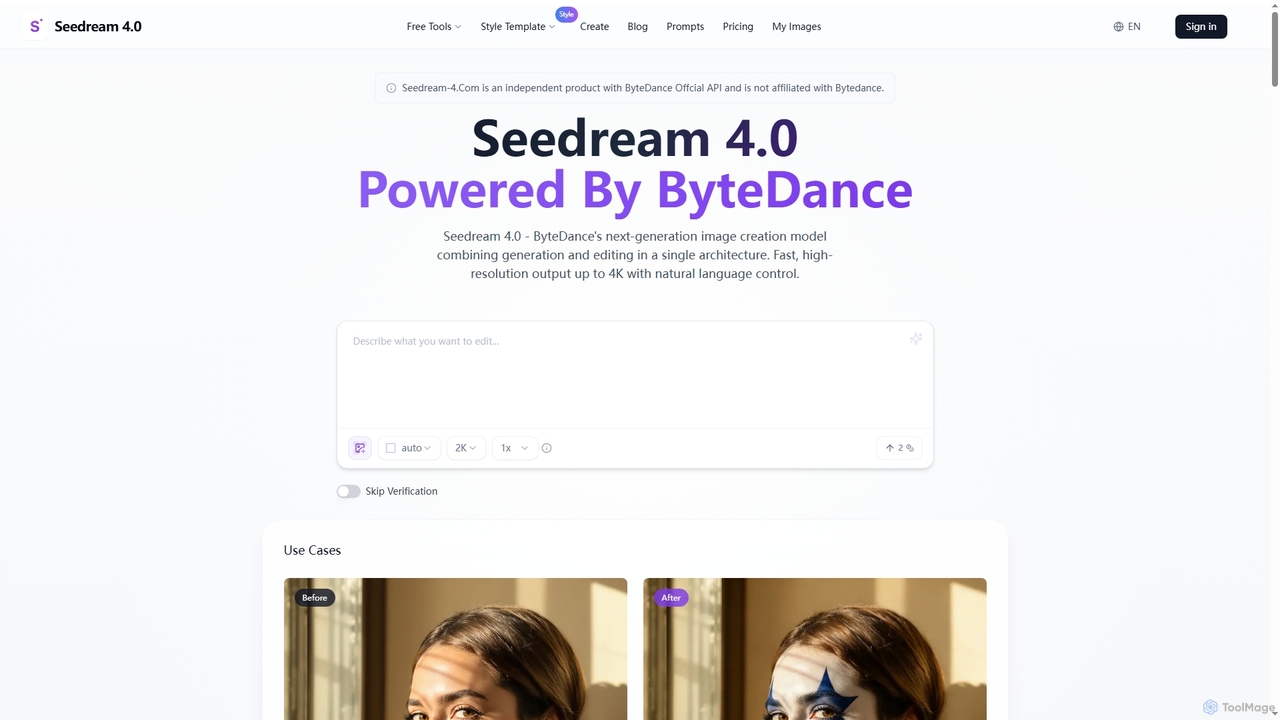
Seedream 4.0

Seedream 4.0

Seedream 4.0 is ByteDance's advanced AI image creation and editing tool, unifying text-to-image generation and image modification in …

2.6K
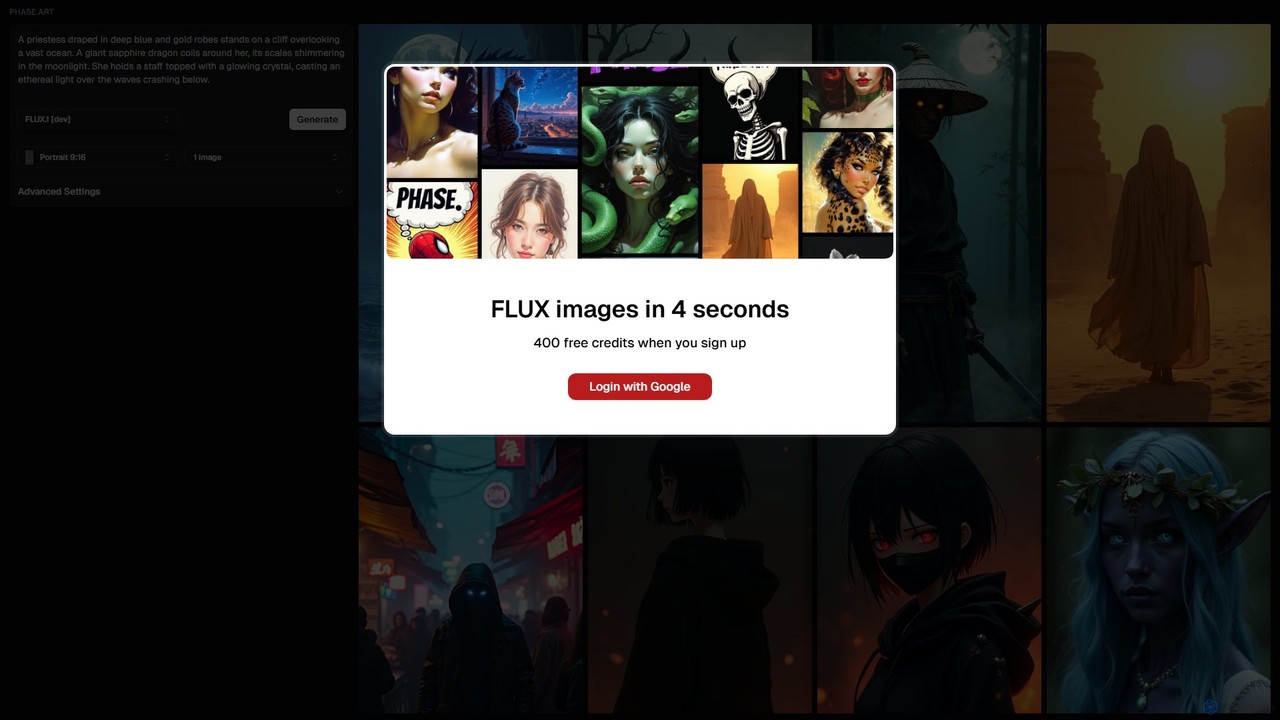
Phase.art

Phase.art

Phase.art is an ultra-fast AI image generator that creates stunning visuals from text prompts in just 4 seconds …

2.6K

About Visual Content Creation

AI Visual Content Creation tools are a class of software that automates and enhances the production of visual assets such as images, videos, presentations, and designs. These tools utilize generative AI models, like GANs and diffusion models, to transform text prompts, data, or simple inputs into complex, high-quality visuals. They empower users to generate unique graphics, edit videos, and design layouts with unprecedented speed, serving as a powerful productivity enhancer for creative workflows. This technology significantly reduces the time and technical skill required to produce professional-grade visual content.

Core Features

  • Generative Image & Video: Creates original images, art, and video clips from textual descriptions or existing media.
  • Automated Design & Layout: Intelligently arranges elements to produce balanced and aesthetically pleasing presentations, social media posts, and web banners.
  • Style Transfer & Enhancement: Applies artistic styles to images or videos and automatically improves quality through upscaling, color correction, and noise reduction.
  • 3D Model Generation: Constructs three-dimensional models from text prompts or 2D images for use in gaming, product design, and virtual reality.
  • Smart Template Customization: Suggests and customizes design templates based on brand guidelines, content, and target audience.

Use Cases

These tools are widely adopted in marketing, advertising, content creation, and e-commerce. Marketing teams use them to rapidly generate A/B test variations for ad creatives. Social media managers create daily engaging visual posts without extensive design work. E-commerce businesses produce professional product photos and lifestyle mockups at scale. Corporate teams can quickly assemble polished presentations and reports.

How to Choose

When selecting a tool, first consider the primary content type you need (e.g., static images, short-form video, presentations). Evaluate the quality and diversity of the AI's output and its ease of use—some tools are prompt-based while others offer a more guided, template-driven experience. Also, assess integration capabilities with your existing software stack (e.g., social media schedulers, design software) and review the pricing model, whether it's subscription-based, pay-per-use, or a freemium offering.

Visual Content CreationUse Cases

1

Generate Ad Creatives for Social Media Campaigns

A marketing manager for an e-commerce brand needs to create a dozen visual variations for a new product launch on Instagram and Facebook. Using an AI visual content tool, they input a product photo and key marketing messages like '50% Off' and 'Limited Time Offer'. The AI generates multiple ad formats, including carousels, stories, and single-image posts, each with different layouts, fonts, and background scenes. This process reduces the design time from days to minutes, allowing the team to A/B test more creative concepts and optimize ad spend effectively.

2

Create Unique Illustrations for Blog Posts

A content creator writes articles on complex topics like finance or technology and needs custom images to make the content more engaging. Instead of using generic stock photos, they use an AI image generator. By providing a prompt describing the article's core concept, such as 'a robot and a human shaking hands over a circuit board,' the tool produces several unique, high-resolution illustrations in a consistent artistic style. This enhances the blog's visual identity, improves reader engagement, and avoids copyright issues associated with stock imagery.

3

Automate the Creation of Business Presentations

A consultant needs to prepare a detailed presentation for a client meeting on short notice. They input their raw text, data points, and key takeaways into an AI presentation maker. The tool automatically structures the content into a logical flow of slides, selects appropriate layouts, generates relevant icons and charts from the data, and applies the company's branding. The consultant can then make minor adjustments instead of building the entire deck from scratch. This saves hours of work and ensures a professional, visually consistent result every time.

4

Generate Short-Form Videos from Text Scripts

A social media manager wants to increase video content on platforms like TikTok and YouTube Shorts but lacks video editing skills. They use an AI video creation tool, where they simply paste a script or a link to an article. The AI analyzes the text, finds relevant stock footage and images, generates a synthetic voiceover, adds background music, and compiles everything into a short, engaging video complete with animated captions. This enables a single person to produce multiple videos daily, maintaining a consistent and active presence on video-centric platforms.

5

Rapidly Prototype UI/UX Design Concepts

A UI/UX designer is in the early stages of designing a new mobile app and needs to explore multiple visual directions quickly. Instead of manually creating wireframes and mockups, they use an AI tool to generate designs from text descriptions. By prompting 'a login screen for a minimalist finance app with a blue and white color scheme,' the tool instantly produces several distinct layout options. This allows the designer to visualize and iterate on ideas much faster, gather early feedback, and move to high-fidelity prototyping with a validated concept, accelerating the entire design lifecycle.

6

Create 3D Models for Product Visualization

An industrial designer has sketched a concept for a new piece of furniture and needs a 3D model for client presentations and manufacturing prototypes. Using a text-to-3D or image-to-3D AI tool, they upload their sketch or describe the object: 'a modern oak armchair with curved legs and grey fabric cushions.' The AI generates a detailed 3D model that can be rotated, textured, and exported to standard 3D software. This drastically reduces modeling time compared to traditional methods, enabling faster design validation and more compelling visual presentations for stakeholders.

Visual Content CreationFrequently Asked Questions