Research Best in category 8 results Information Curation AI Tool

Popular AI tools in the Information Curation field of Research include Feedly、SaveDay、Omnibox、MyMemo、Memable、TabCrunch、Clipmate AI、MindBase, etc., helping you quickly improve efficiency.

Omnibox

Omnibox

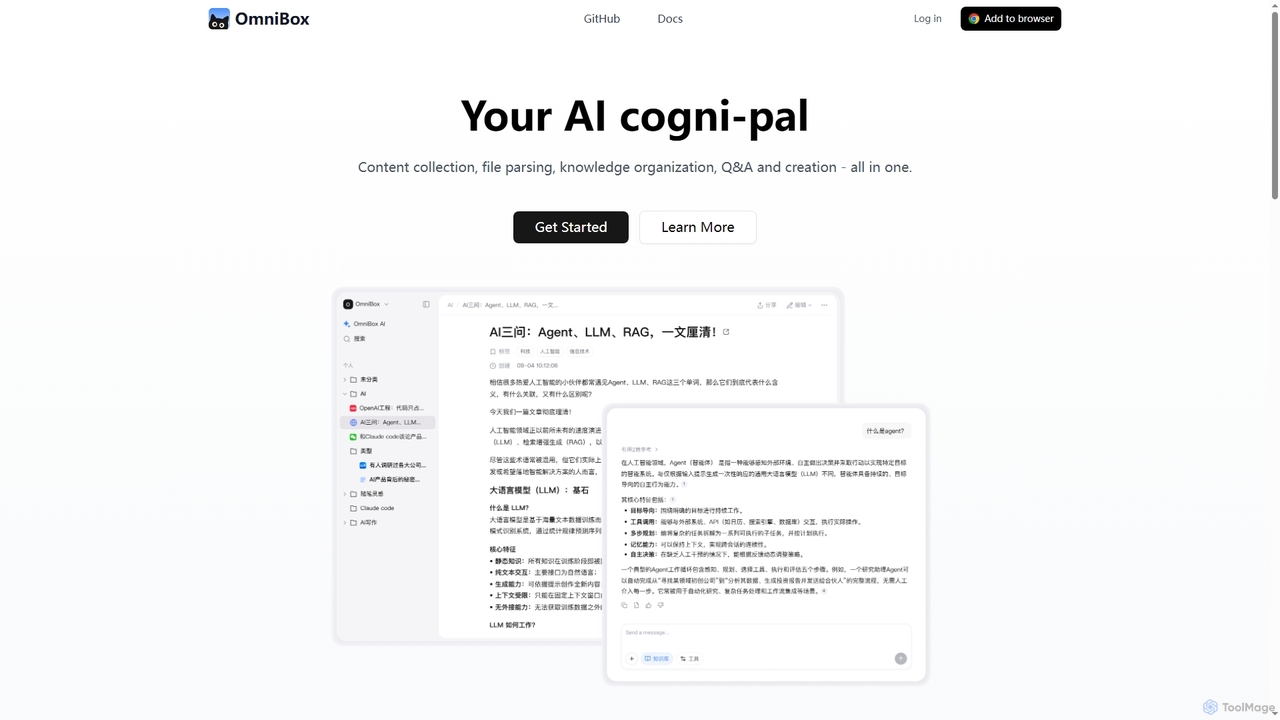
Omnibox is an AI-powered knowledge companion designed to streamline your information workflow. It helps you collect web content …

28.4K
MindBase

MindBase

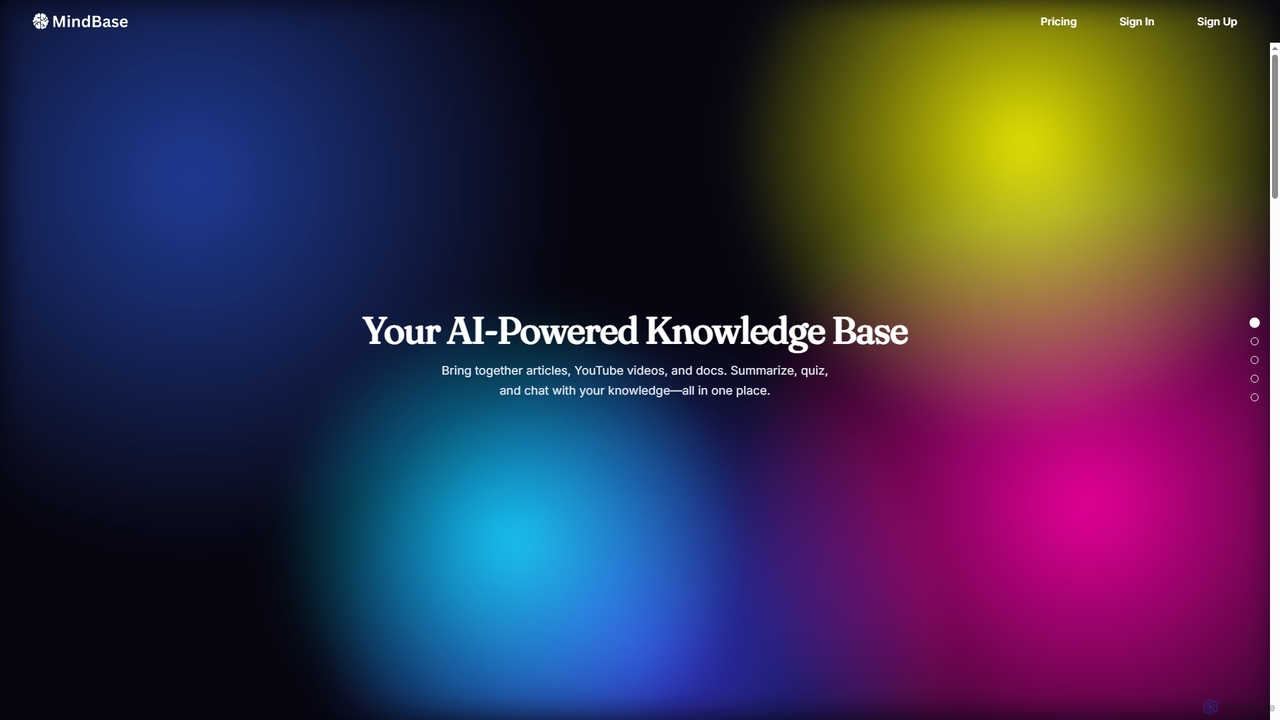
MindBase is an AI-powered knowledge base designed for professionals and learners. It centralizes articles, YouTube videos, and documents …

2.6K
Feedly

Feedly

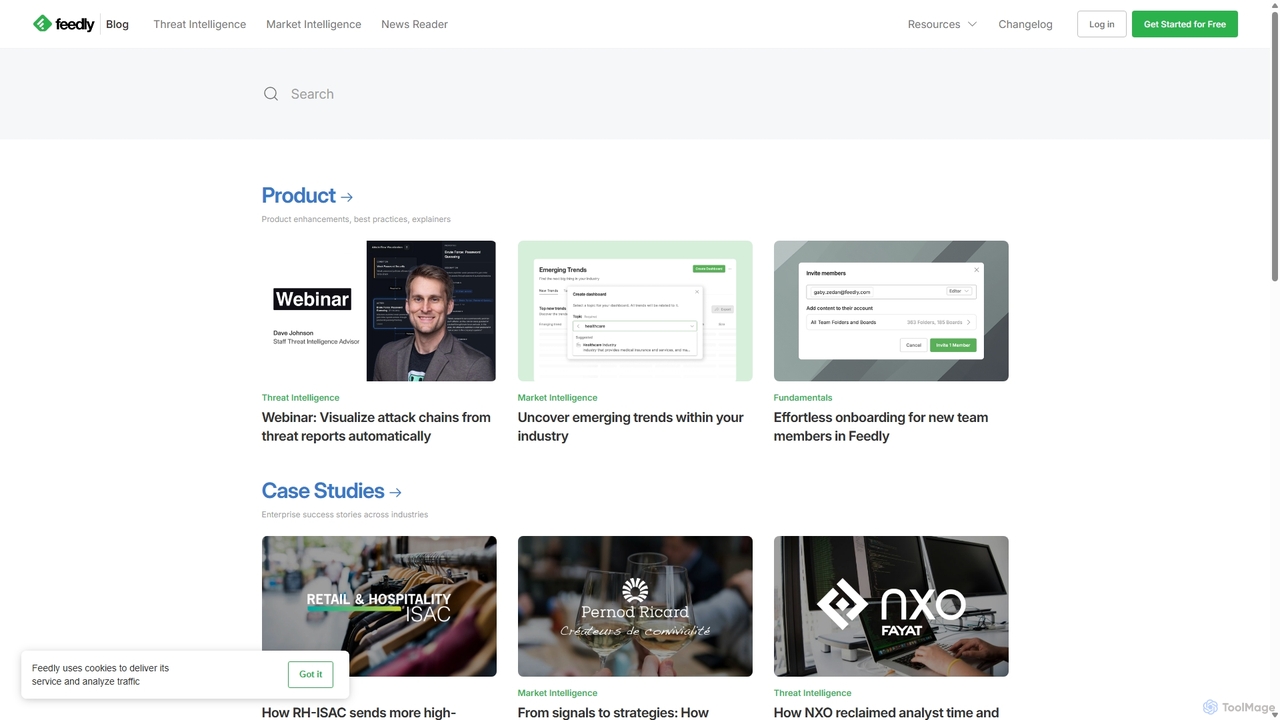
Feedly is an AI-powered intelligence platform that helps professionals and teams track critical industry trends, monitor market intelligence, …

13.3M
TabCrunch

TabCrunch

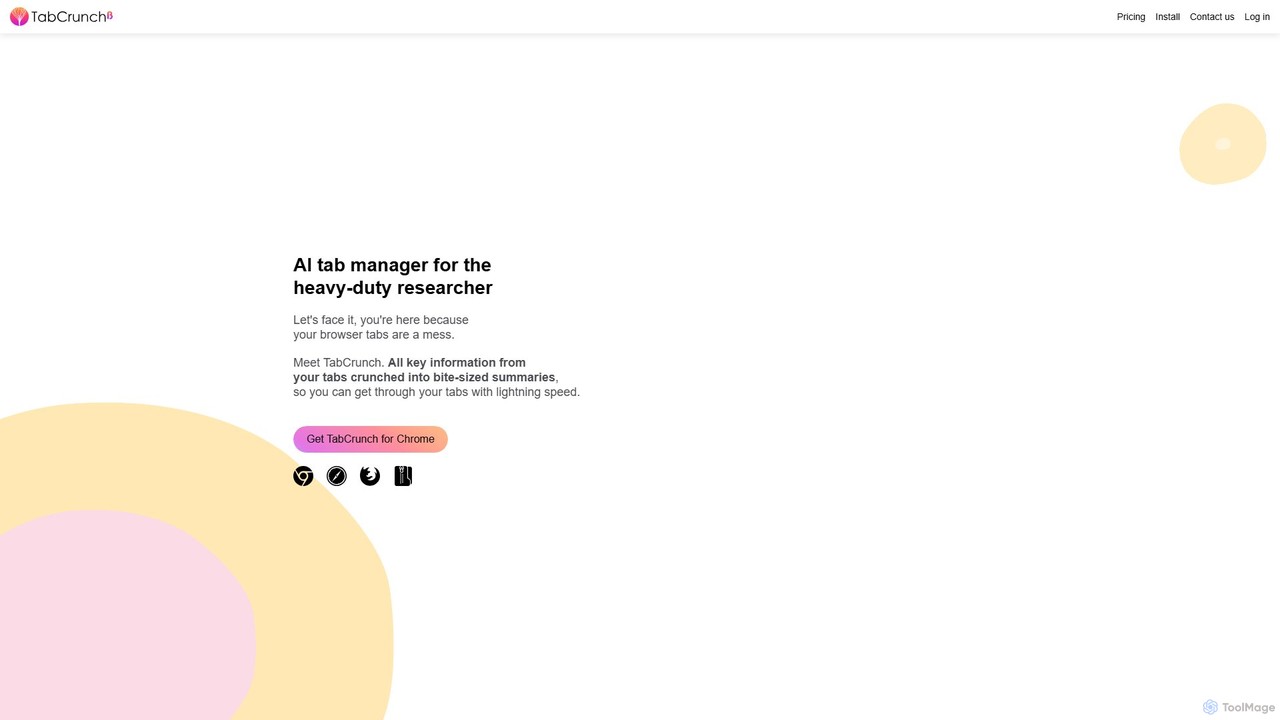
TabCrunch is an AI-powered browser extension designed for heavy-duty researchers and professionals. It automatically organizes messy browser tabs …

2.6K
Memable

Memable

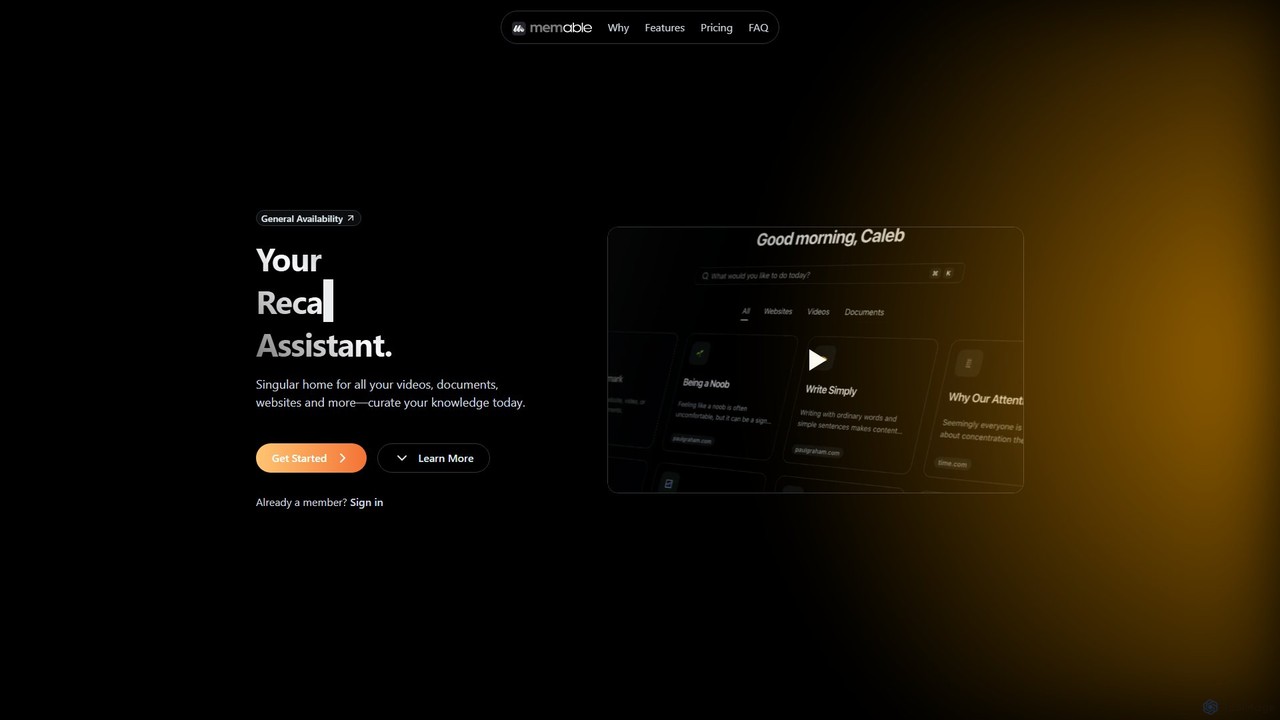
Memable is an AI-powered knowledge assistant designed to help you curate and recall information effortlessly. It provides a …

4.5K
Clipmate AI

Clipmate AI

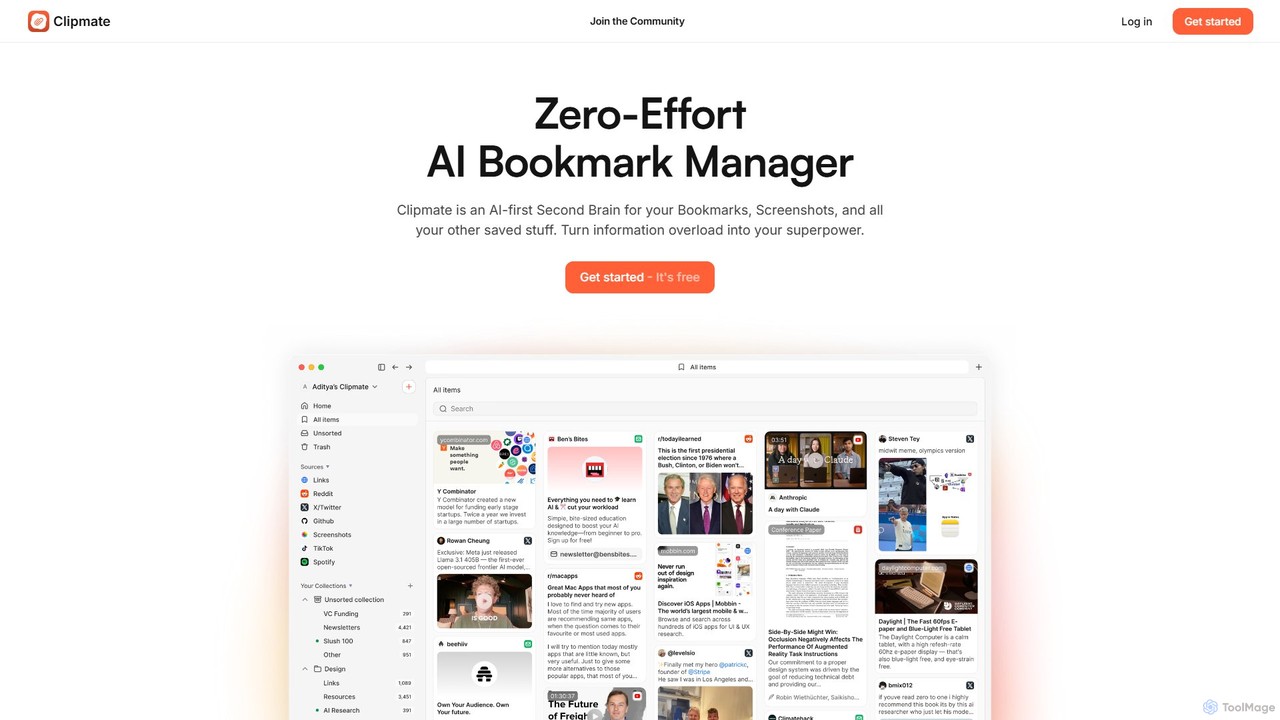
Clipmate AI is a zero-effort AI bookmark manager and second brain. It automatically syncs, organizes, and summarizes your …

2.6K
MyMemo

MyMemo

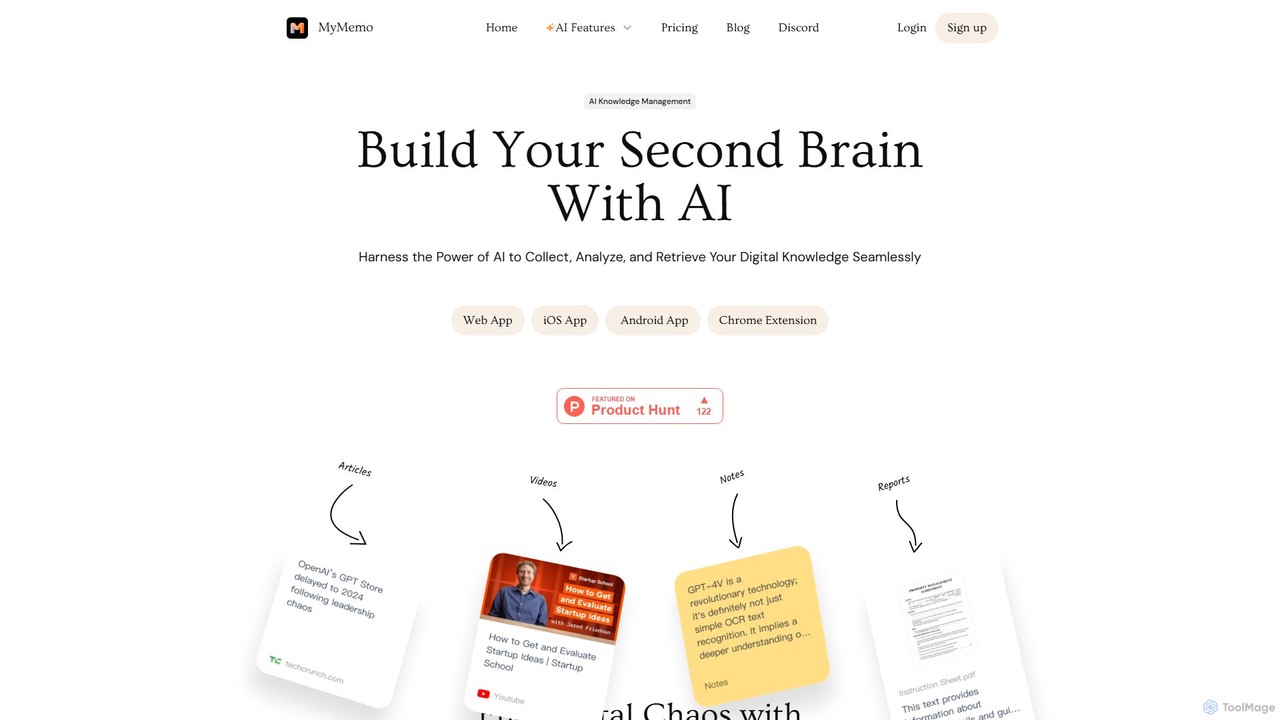
MyMemo is an AI-powered knowledge management tool that acts as your 'second brain'. It helps you effortlessly collect, …

19.1K
SaveDay

SaveDay

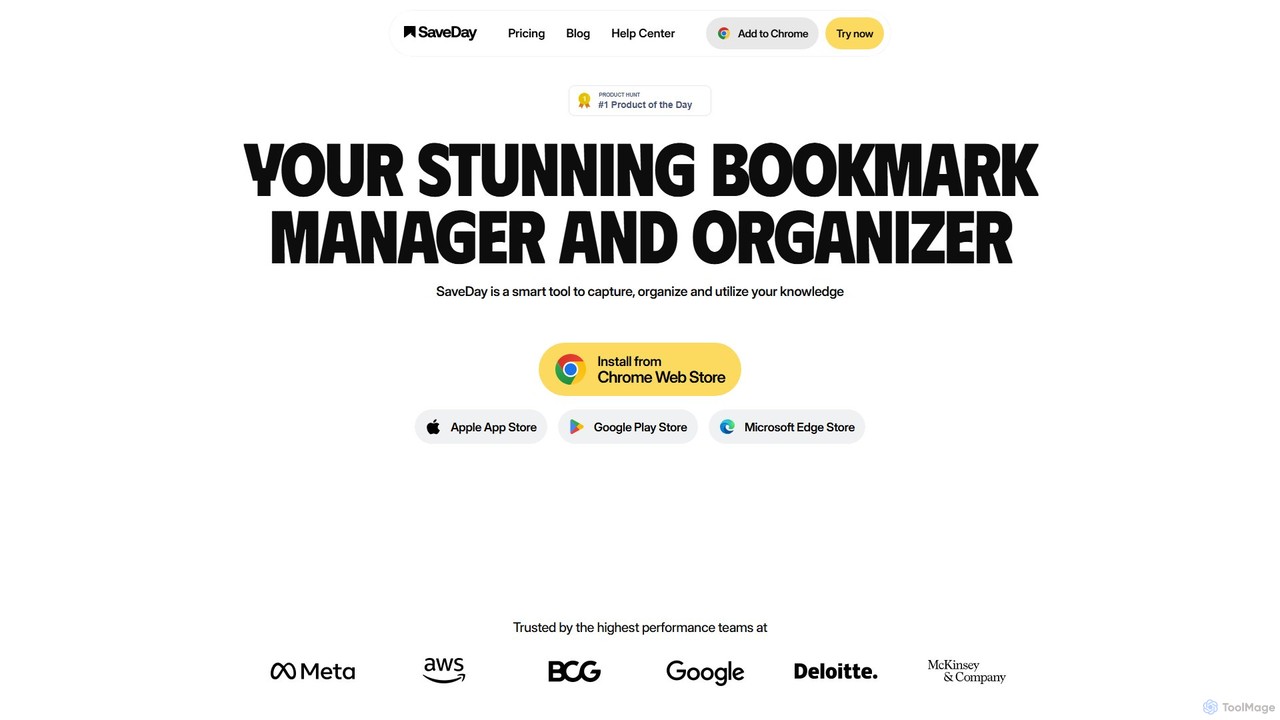
SaveDay is an AI-powered bookmark and knowledge manager. It helps you capture, organize, and utilize online content like …

47.1K

About Information Curation

Information Curation tools are AI-powered platforms designed to discover, collect, organize, and present relevant data and content from vast sources. These tools leverage advanced natural language processing and machine learning to filter noise, identify key insights, and structure information efficiently. They empower researchers, content creators, and businesses to transform raw data into actionable knowledge, significantly streamlining the research process within the broader Research category.

Core Features

  • Automated Content Discovery: Scans web, databases, and social media for relevant articles, reports, and trends based on user-defined criteria.
  • Intelligent Filtering & Summarization: Uses AI to filter out irrelevant information and generate concise summaries of lengthy documents or articles.
  • Knowledge Graph & Semantic Linking: Organizes curated information into interconnected knowledge graphs, revealing relationships and context between data points.
  • Personalized Feed Generation: Creates customized information feeds tailored to individual user interests or project requirements.
  • Collaboration & Sharing: Facilitates sharing of curated collections and insights with teams, enhancing collective understanding.

Applicable Scenarios

These tools are invaluable for professionals who need to stay updated and synthesize information from diverse sources. Journalists use them to track breaking news and gather background for stories, while market researchers employ them to monitor industry trends and competitor activities. Academics and students benefit from efficiently collecting and organizing sources for literature reviews and thesis writing.

How to Choose

When selecting an Information Curation tool, consider its source integration capabilities (e.g., web, academic databases, social media), the accuracy of its AI filtering and summarization, and its organizational features like tagging, categorization, and knowledge graph generation. Evaluate its collaboration features for team projects and ensure it offers robust export options for your curated content.

Information CurationUse Cases

1

Monitoring Industry Trends for Strategic Planning

Market analysts and business strategists utilize information curation tools to continuously track emerging trends, technological advancements, and regulatory changes within their target industries. By setting up specific keywords and sources, the AI automatically collects, filters, and summarizes relevant news, reports, and academic papers, providing a concise overview that informs strategic decision-making and competitive analysis.

2

Streamlining Academic Literature Reviews

University researchers and graduate students leverage these tools to efficiently conduct comprehensive literature reviews for their studies. Instead of manually sifting through countless papers, the AI identifies, collects, and categorizes relevant scholarly articles, journals, and conference proceedings based on research topics, significantly reducing the time spent on initial data gathering and organization.

3

Enhancing Competitive Intelligence Gathering

Competitive intelligence teams employ information curation platforms to monitor competitor activities, product launches, market positioning, and public sentiment. The tools aggregate data from news outlets, social media, company reports, and forums, providing a consolidated view of the competitive landscape and enabling proactive strategic responses.

4

Personalizing News and Content Feeds

Individual professionals and content creators use these tools to create highly personalized news and content feeds tailored to their specific interests and professional development needs. The AI learns user preferences over time, delivering a curated stream of articles, blogs, and videos, ensuring they stay informed without being overwhelmed by irrelevant information.

5

Supporting Investigative Journalism and Fact-Checking

Investigative journalists and fact-checkers utilize information curation tools to gather and cross-reference vast amounts of data from disparate sources. The AI helps in identifying patterns, verifying facts, and uncovering hidden connections within public records, news archives, and social media discussions, crucial for building robust narratives and ensuring accuracy.

6

Building Internal Knowledge Bases for Enterprises

Enterprises use information curation tools to build and maintain dynamic internal knowledge bases. These tools automatically collect and organize internal documents, project reports, meeting notes, and external industry insights, making critical information easily searchable and accessible to employees, fostering knowledge sharing and reducing information silos.

Information CurationFrequently Asked Questions