Research Best in category 17 results Knowledge Management AI Tool

Popular AI tools in the Knowledge Management field of Research include Gnius.ai、ima.copilot、Humata、Heuristica、Komo、Quartzite、Ancher、QuoteFinder、QuickSearchPlus、ClarityDocs, etc., helping you quickly improve efficiency.

Ancher

Ancher

Ancher is an AI-powered information chief of staff designed to combat information overload. It delivers a hyper-personalized content …

6.6K
Komo

Komo

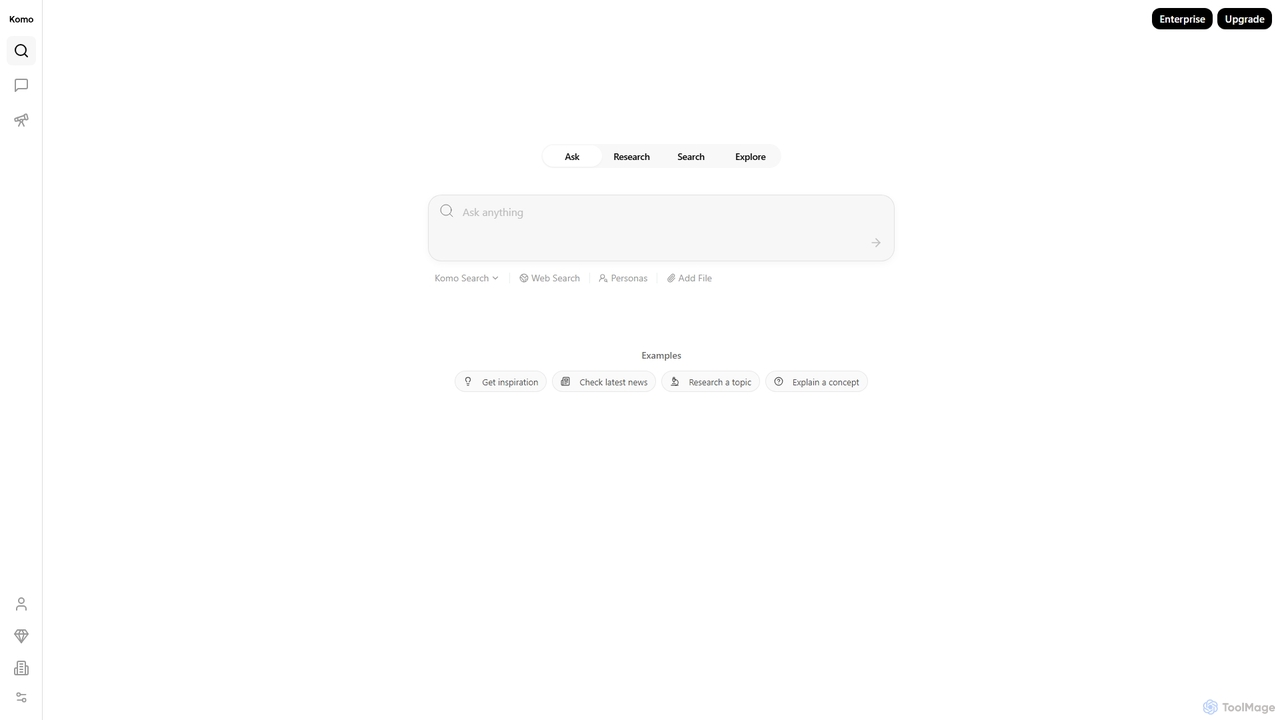
Komo is an AI-powered research companion that revolutionizes information discovery. It integrates advanced web search, knowledge browsing, and …

79.8K
SelfGPT

SelfGPT

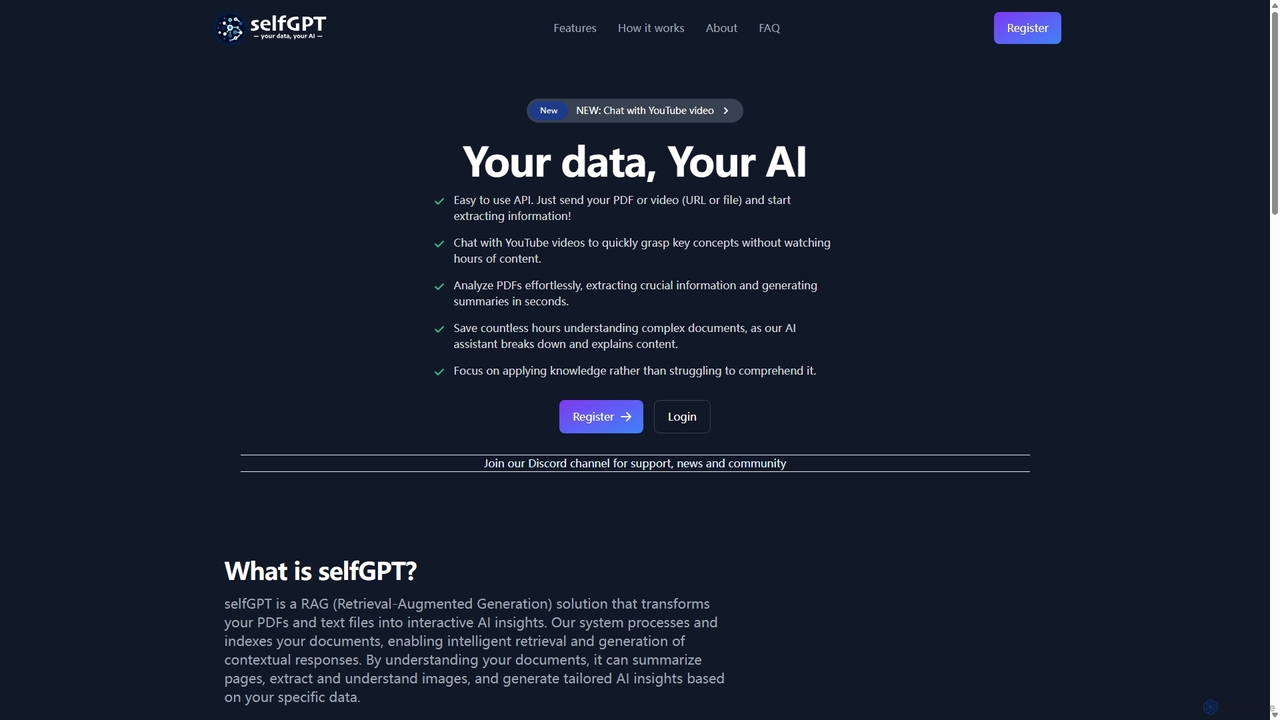
selfGPT is a privacy-focused AI assistant that transforms your documents and videos into an interactive knowledge base. Using …

2.8K
QuickSearchPlus

QuickSearchPlus

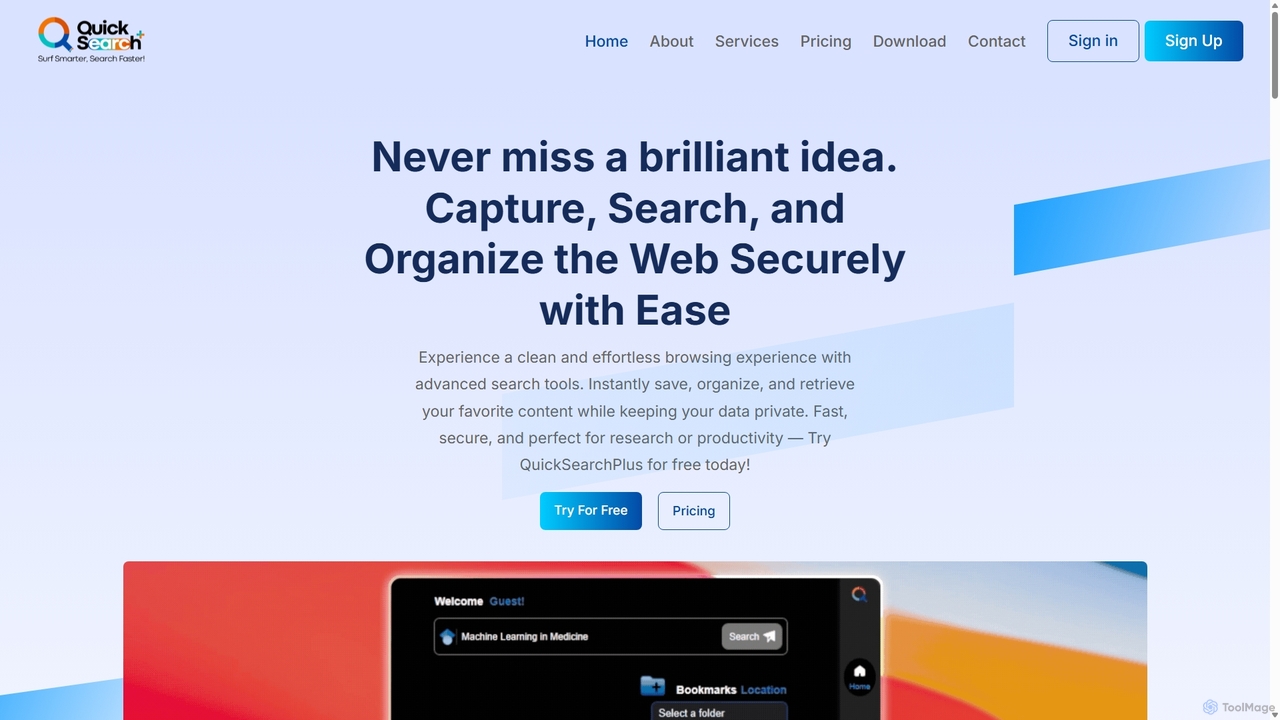
QuickSearchPlus is an AI-powered productivity suite designed to revolutionize your browsing experience. It functions as a browser extension …

4.1K
addcontext

addcontext

addcontext is an AI-powered research and prompt enhancement tool that automatically enriches your text with relevant, verified contextual …

2.8K
ima.copilot

ima.copilot

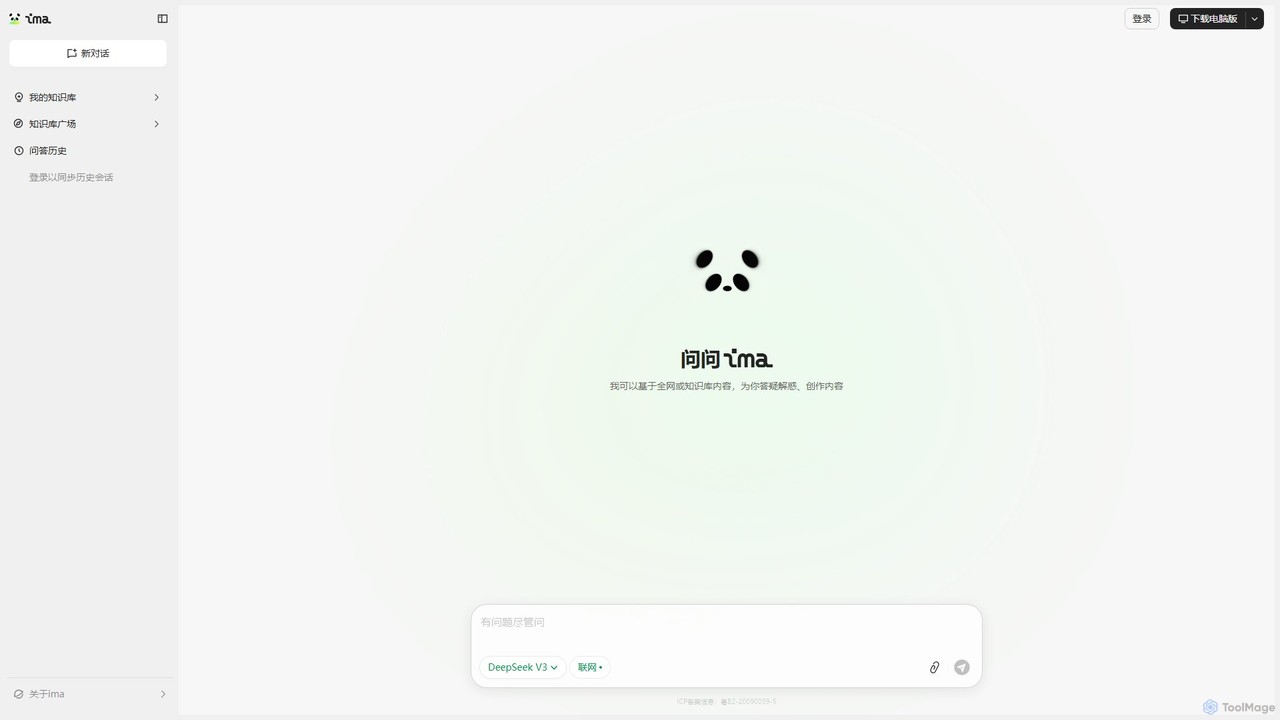
ima.copilot is a powerful AI Workbench from Tencent, designed to be your intelligent work assistant. It integrates conversational …

1.3M
Free
STORM

STORM

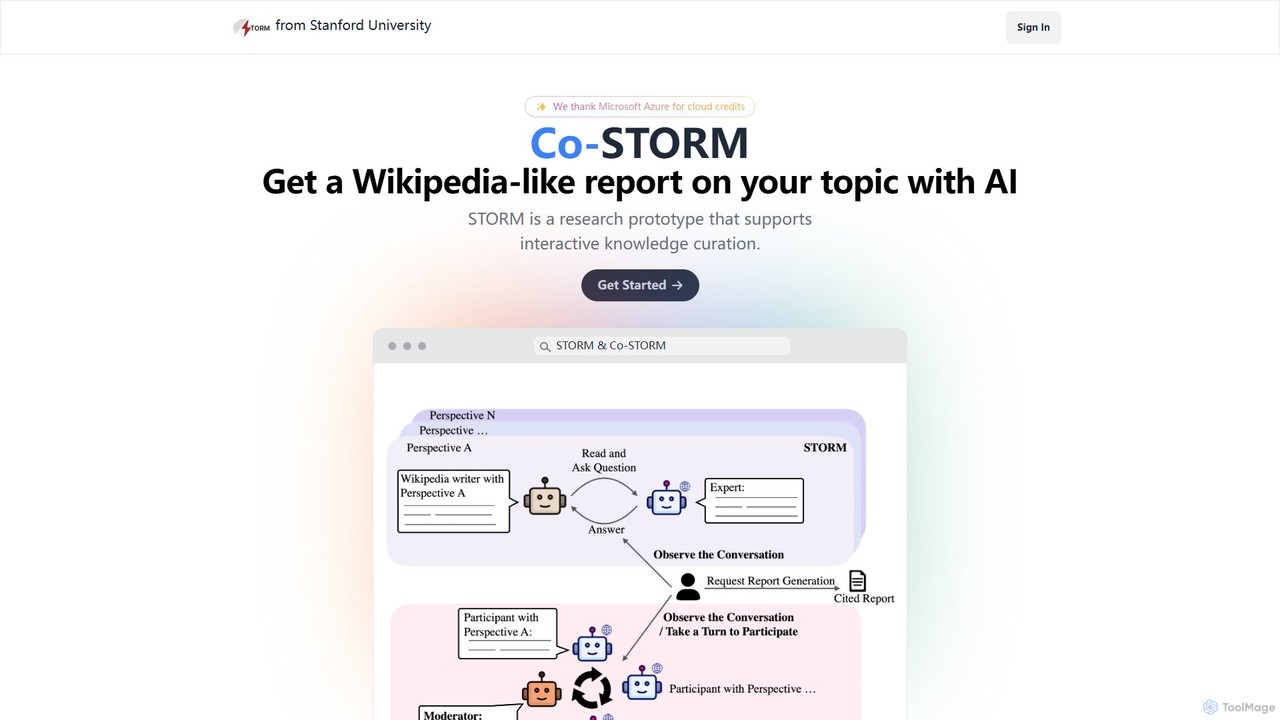
STORM is an AI research prototype from Stanford University that automates the generation of comprehensive, Wikipedia-like reports on …

2.9K
SearchSaga

SearchSaga

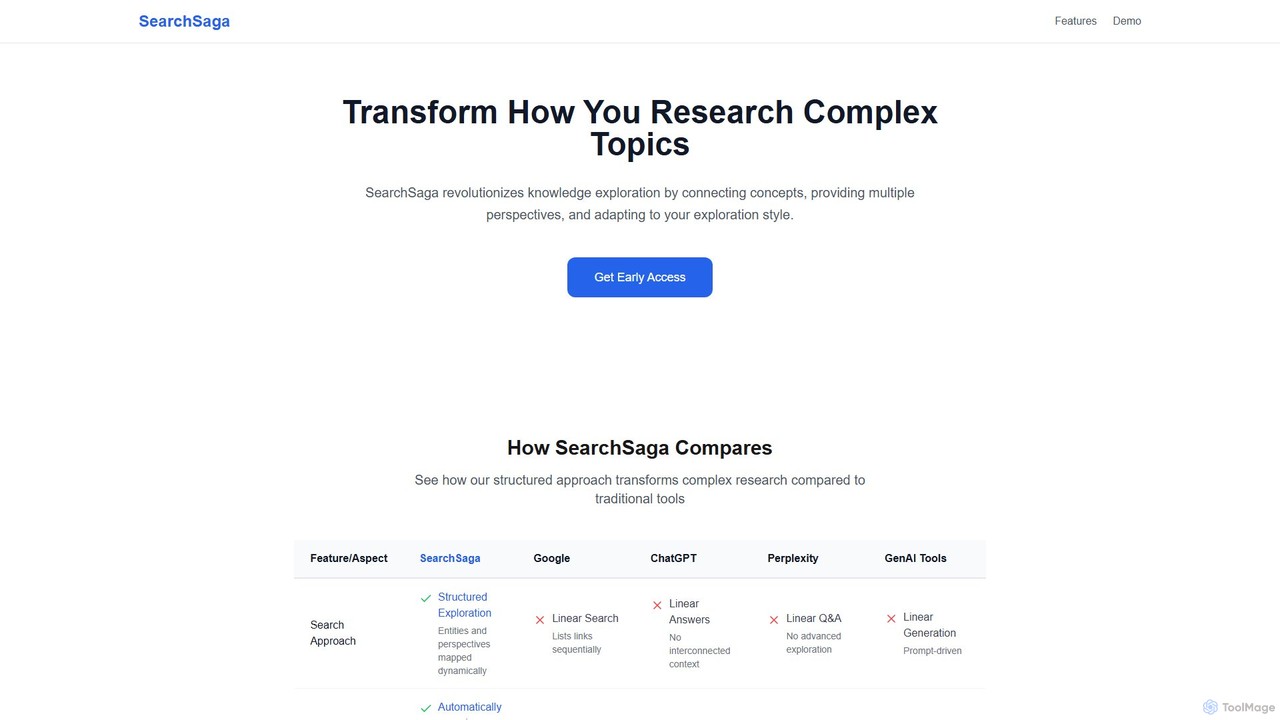
SearchSaga is an AI-powered research platform that transforms complex topic exploration. Instead of linear search results, it creates …

2.9K
ClarityDocs

ClarityDocs

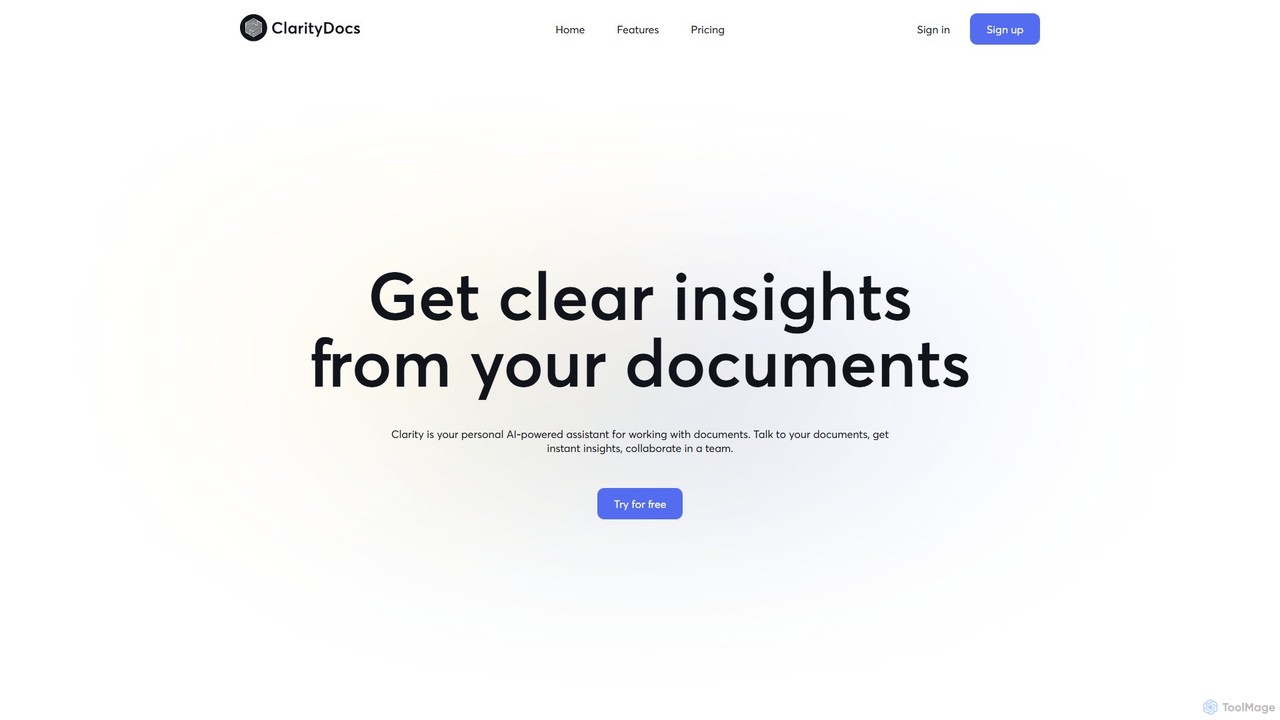
ClarityDocs is an AI-powered assistant for document analysis. It allows users to chat with single or multiple documents, …

3.8K
Gnius.ai

Gnius.ai

Gnius.ai is an advanced AI-powered knowledge engine and creative partner designed to assist professionals, researchers, and creators. It …

3.2M
Heuristica

Heuristica

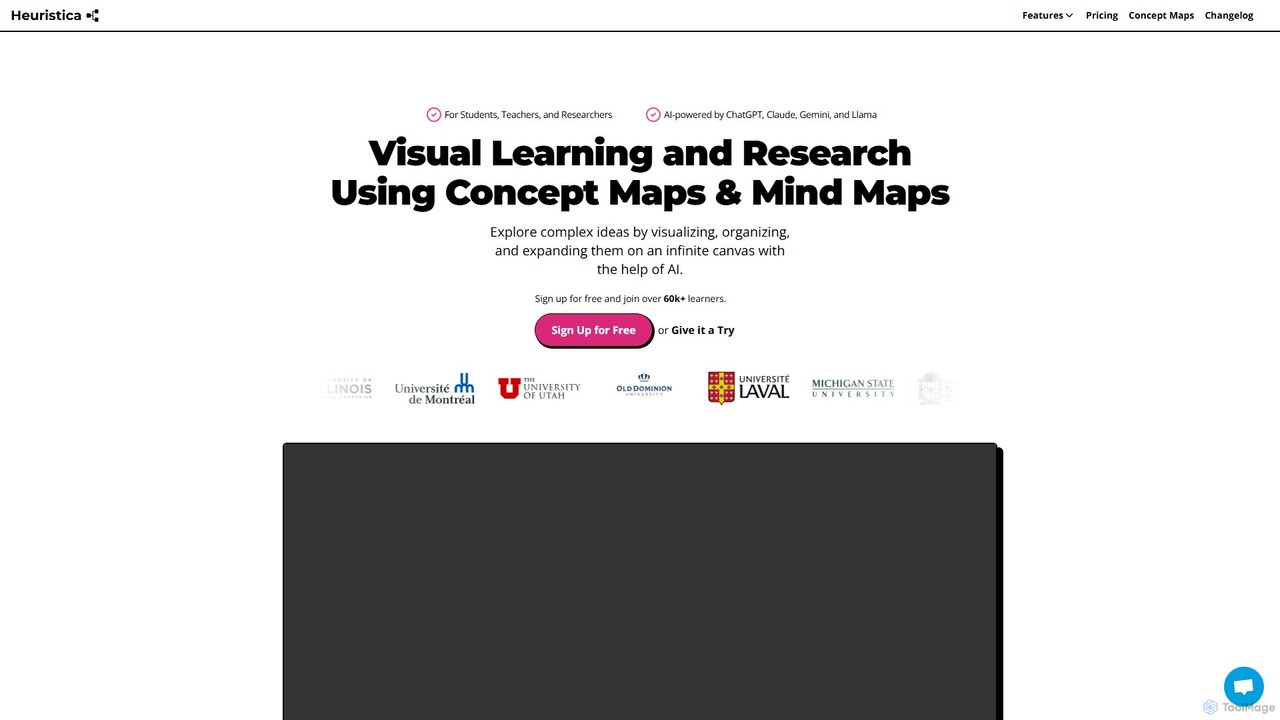
Heuristica is an AI-powered visual learning platform that helps students, teachers, and researchers create dynamic mind maps and …

91.3K
Graphzila

Graphzila

Graphzila is an AI-powered knowledge graph generator that transforms any keyword or topic into an interactive visual map. …

2.9K
PackPack

PackPack

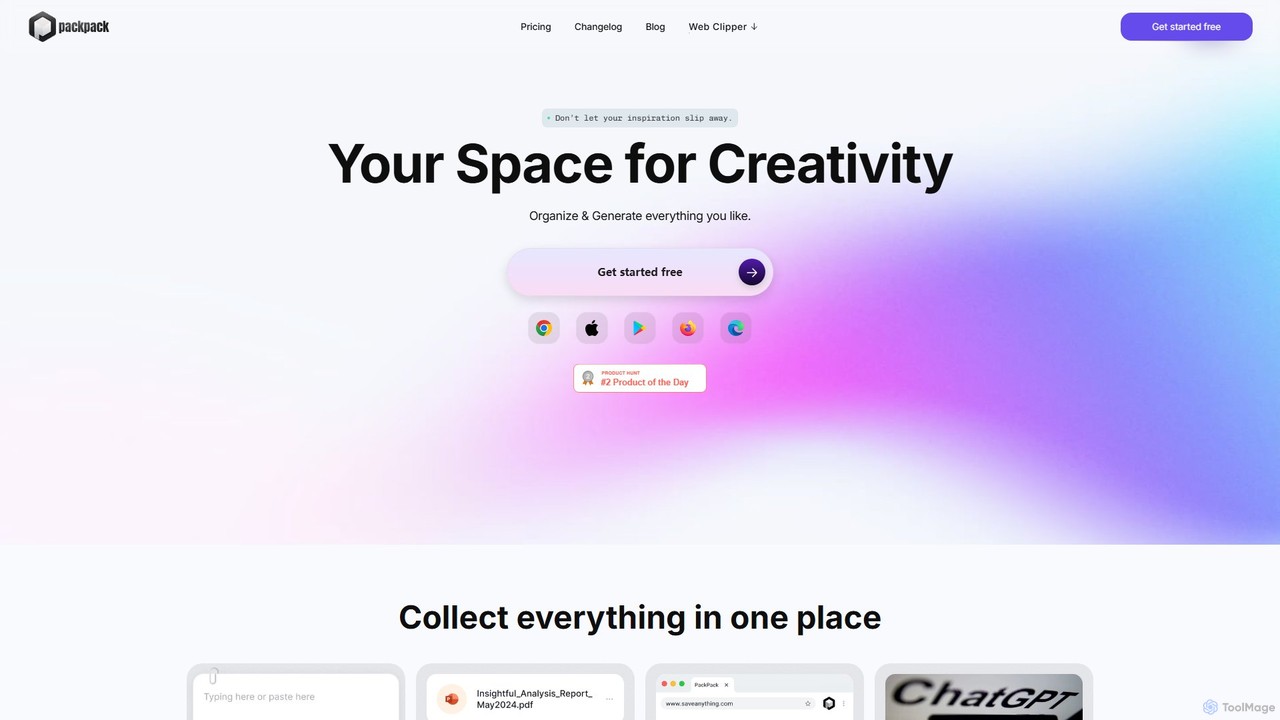
PackPack is an AI-powered digital workspace designed to centralize your creativity and research. It allows you to collect …

3.0K
QuoteFinder

QuoteFinder

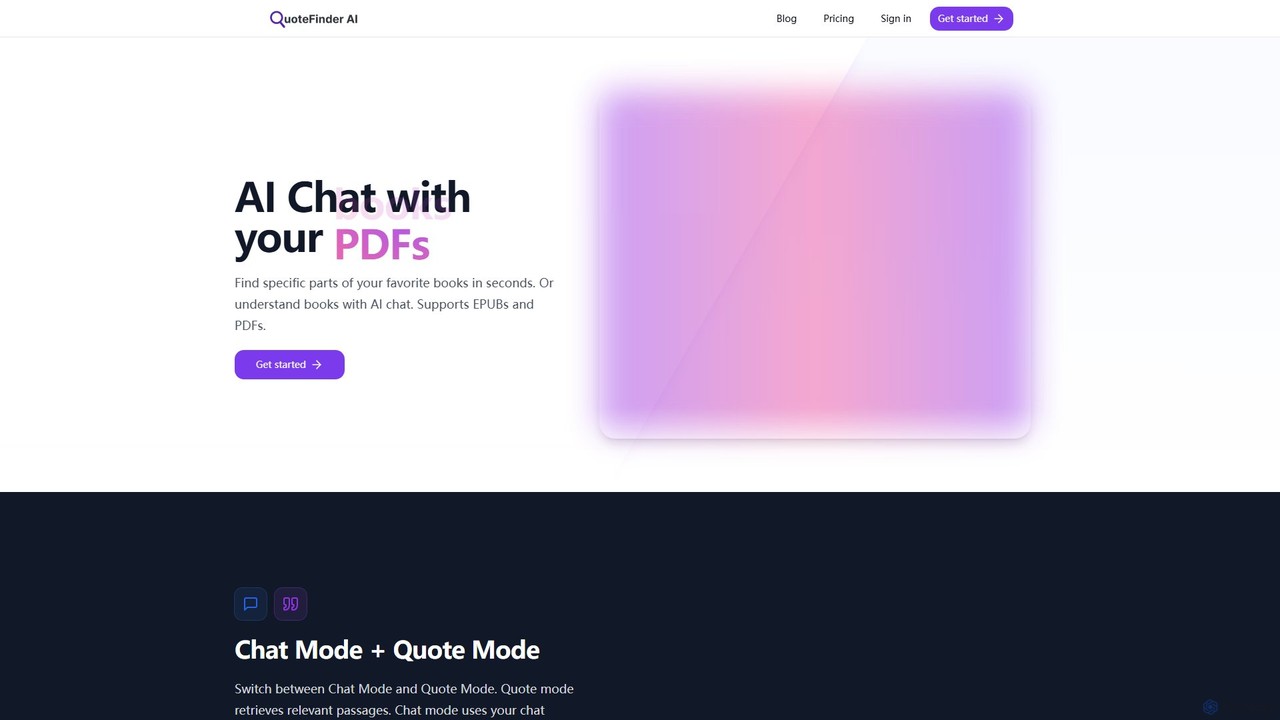
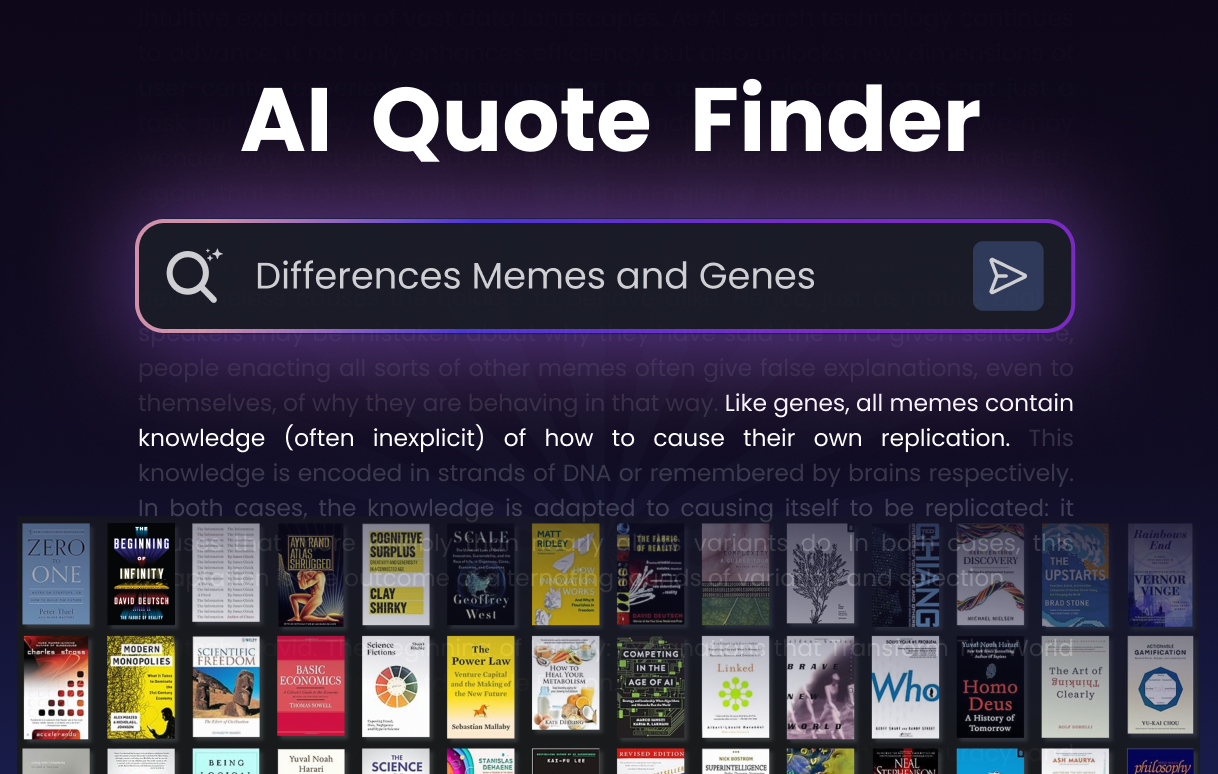
QuoteFinder is an AI-powered tool that lets you chat with your documents and books. Upload PDFs and EPUBs …

5.9K
Humata

Humata

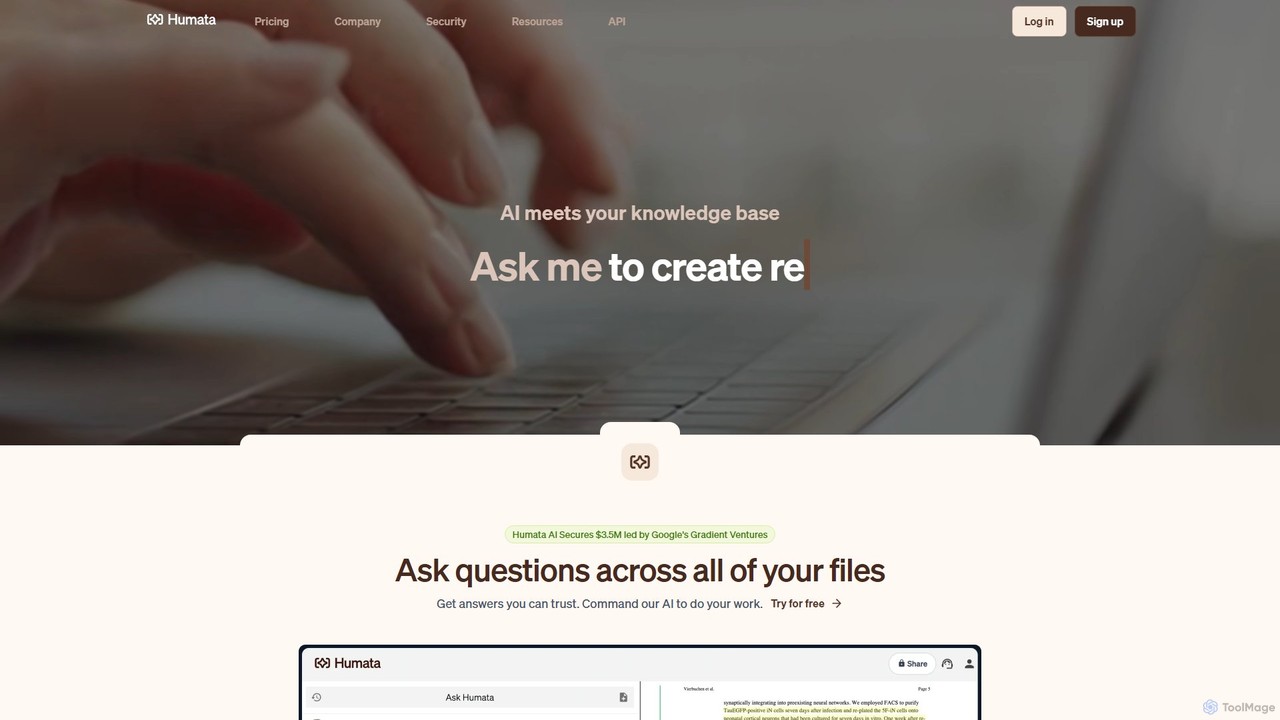
Humata is an AI platform that acts like ChatGPT for your files. Upload any document, such as PDFs, …

237.2K
Gibran

Gibran

Gibran is a next-generation AI being developed to augment human autonomy. Created by the founders of Curio and …

2.9K
Quartzite

Quartzite

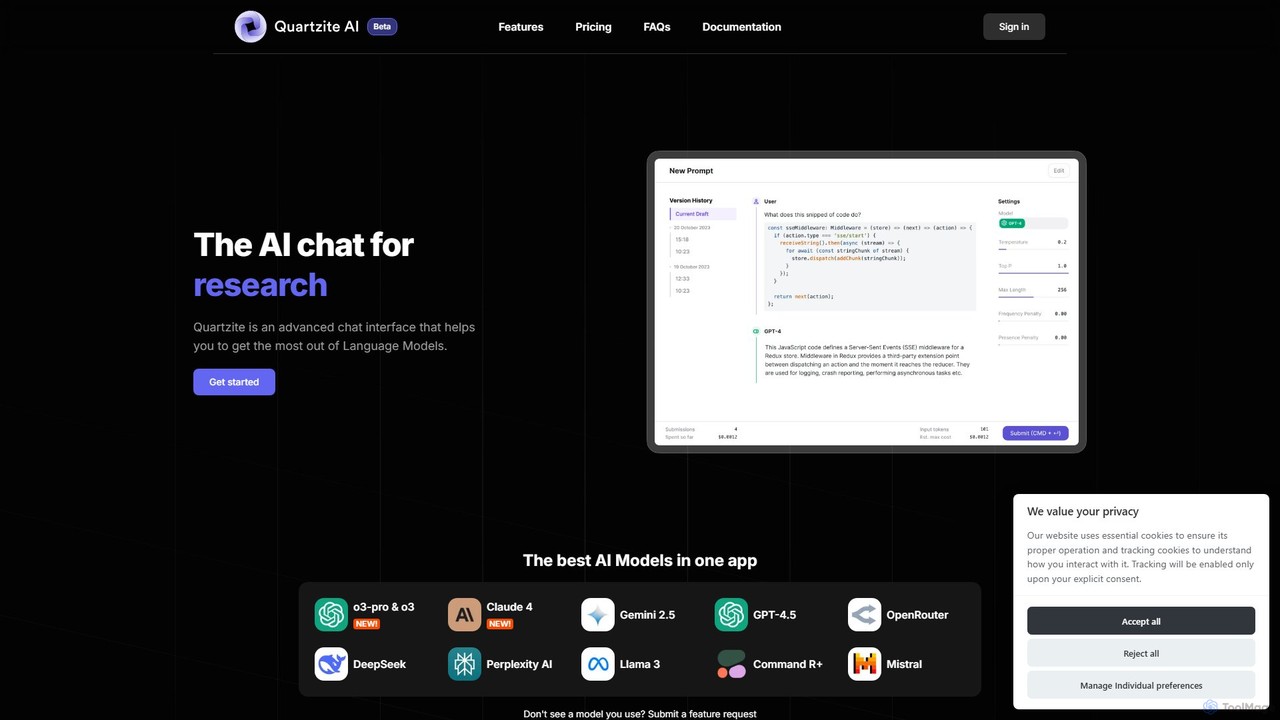
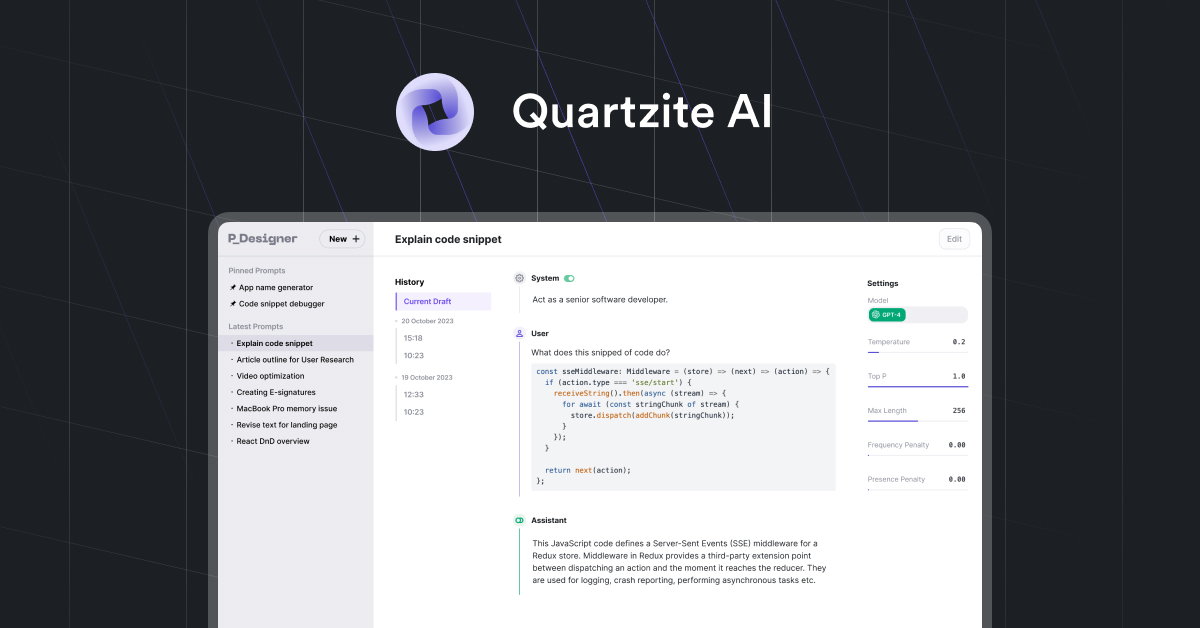
Quartzite is an advanced AI prompt IDE and productivity tool that centralizes access to top LLMs like GPT-4, …

8.3K

About Knowledge Management

Knowledge Management tools are AI-powered platforms designed to systematically capture, organize, store, retrieve, and share information and expertise within an organization or for personal use. These tools leverage advanced AI techniques like natural language processing (NLP), machine learning, and semantic analysis to automate content classification, enhance search capabilities, and provide intelligent recommendations. By transforming raw data and unstructured content into accessible, actionable knowledge, they significantly improve decision-making, foster innovation, and boost operational efficiency, particularly within the broader context of research and development.

Core Features

  • Intelligent Content Ingestion: Automatically extracts, categorizes, and tags information from diverse sources such as documents, emails, web pages, and multimedia, ensuring all data is structured and searchable.
  • Semantic Search & Retrieval: Enables users to find relevant information not just by exact keywords, but by understanding the meaning, context, and intent behind their queries, leading to more precise results.
  • Automated Knowledge Graph Creation: Builds dynamic, interconnected networks of concepts, entities, and relationships from ingested data, making complex information structures easily navigable and discoverable.
  • Personalized Knowledge Recommendations: Proactively suggests relevant documents, experts, or insights to users based on their activity, roles, project context, and historical interactions, fostering a culture of continuous learning.
  • Version Control & Collaborative Editing: Manages document revisions, tracks changes, and facilitates secure, real-time collaborative knowledge creation and sharing among teams, ensuring data integrity and consistency.

Applicable Scenarios

These tools are invaluable for large enterprises managing vast internal documentation, research institutions synthesizing complex studies, and customer support teams needing quick access to solutions to enhance service quality. They streamline onboarding processes for new employees by providing immediate access to essential resources, empower R&D departments to leverage past findings and avoid redundant work, and help legal firms manage case precedents and regulatory compliance efficiently. Furthermore, they support content creators in organizing their research materials and insights for future projects.

How to Choose

When selecting an AI knowledge management tool, consider its integration capabilities with your existing enterprise systems (CRM, ERP, project management), the accuracy and sophistication of its AI for content classification and semantic search, and its scalability to handle growing data volumes. Evaluate its user-friendliness, robust security features for sensitive information, and the level of customization offered to align with specific organizational workflows and knowledge domains. Also, assess the vendor's support and continuous development roadmap.

Knowledge ManagementUse Cases

1

Automating Customer Support Knowledge Base

Customer service teams can leverage AI knowledge management to build and maintain a dynamic knowledge base. AI automatically ingests support tickets, chat logs, and product manuals, extracting common issues and solutions. When a customer asks a question, the AI instantly retrieves the most relevant answer or directs the agent to the right resource, significantly reducing response times and improving resolution rates. This ensures consistent, accurate information delivery across all support channels.

2

Streamlining Employee Onboarding & Training

HR departments and team leads use these tools to create comprehensive, easily searchable onboarding portals. New hires can quickly find company policies, team structures, project documentation, and training materials. AI-powered recommendations guide them to relevant information based on their role and progress, accelerating their ramp-up time and reducing the burden on experienced colleagues for repetitive questions.

3

Enhancing Research & Development (R&D) Efficiency

R&D teams in fields like pharmaceuticals or engineering utilize AI knowledge management to organize vast amounts of research papers, experimental data, and internal reports. Semantic search allows researchers to discover connections between disparate studies, identify emerging trends, and avoid duplicating past efforts. The system can also suggest relevant experts or previous projects, fostering innovation and accelerating discovery cycles.

4

Centralizing Project Documentation for Teams

Project managers and development teams use these tools to centralize all project-related documentation, including requirements, design specifications, meeting notes, and code snippets. AI automatically indexes and links these documents, making it easy for team members to find specific information quickly. This ensures everyone has access to the latest version of critical documents, improving collaboration and reducing miscommunication across complex projects.

5

Optimizing Legal & Compliance Document Management

Legal firms and compliance departments employ AI knowledge management to manage extensive libraries of legal precedents, regulatory guidelines, and contract templates. AI can quickly identify relevant clauses, highlight potential risks, and ensure adherence to compliance standards. This drastically reduces the time spent on manual review, enhances accuracy in legal research, and helps mitigate legal and financial risks.

6

Personalized Learning & Skill Development

Individuals and corporate learning platforms use AI knowledge management to curate personalized learning paths. The AI analyzes a user's current skills, learning goals, and past interactions to recommend relevant articles, courses, and internal experts. This adaptive learning approach helps employees continuously upskill, stay current with industry trends, and develop new competencies tailored to their career progression.

Knowledge ManagementFrequently Asked Questions