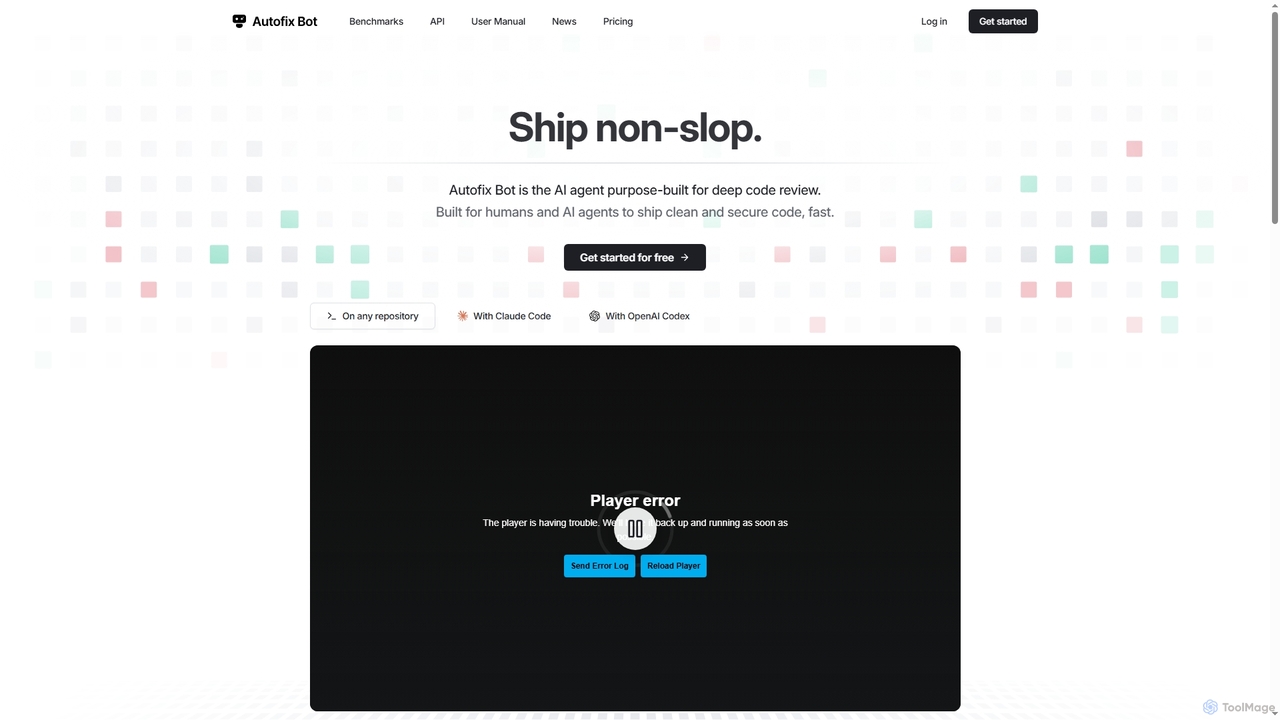
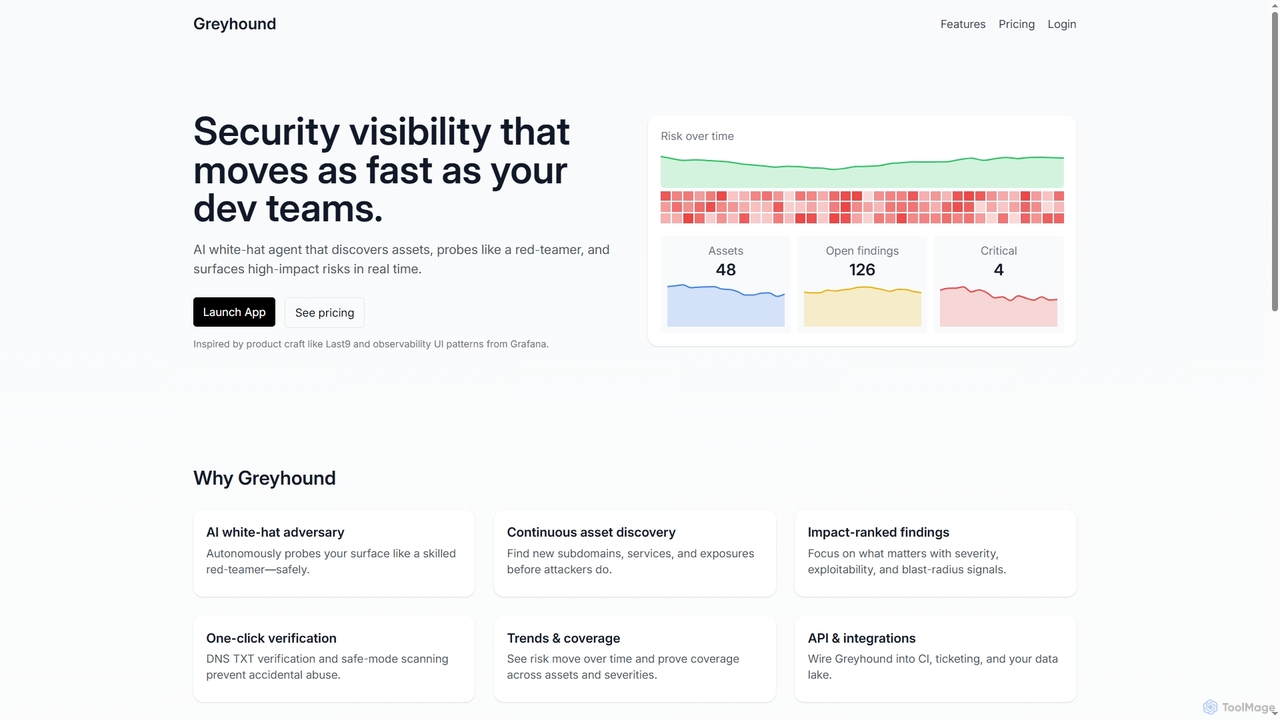
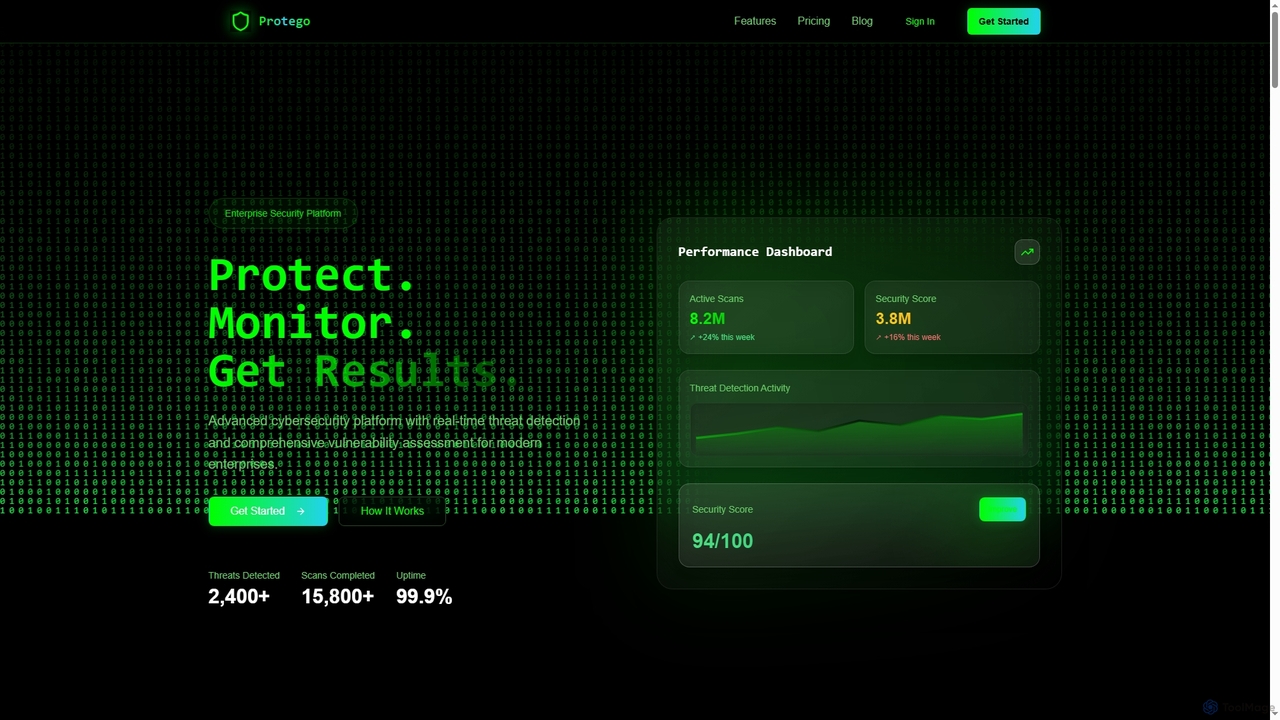
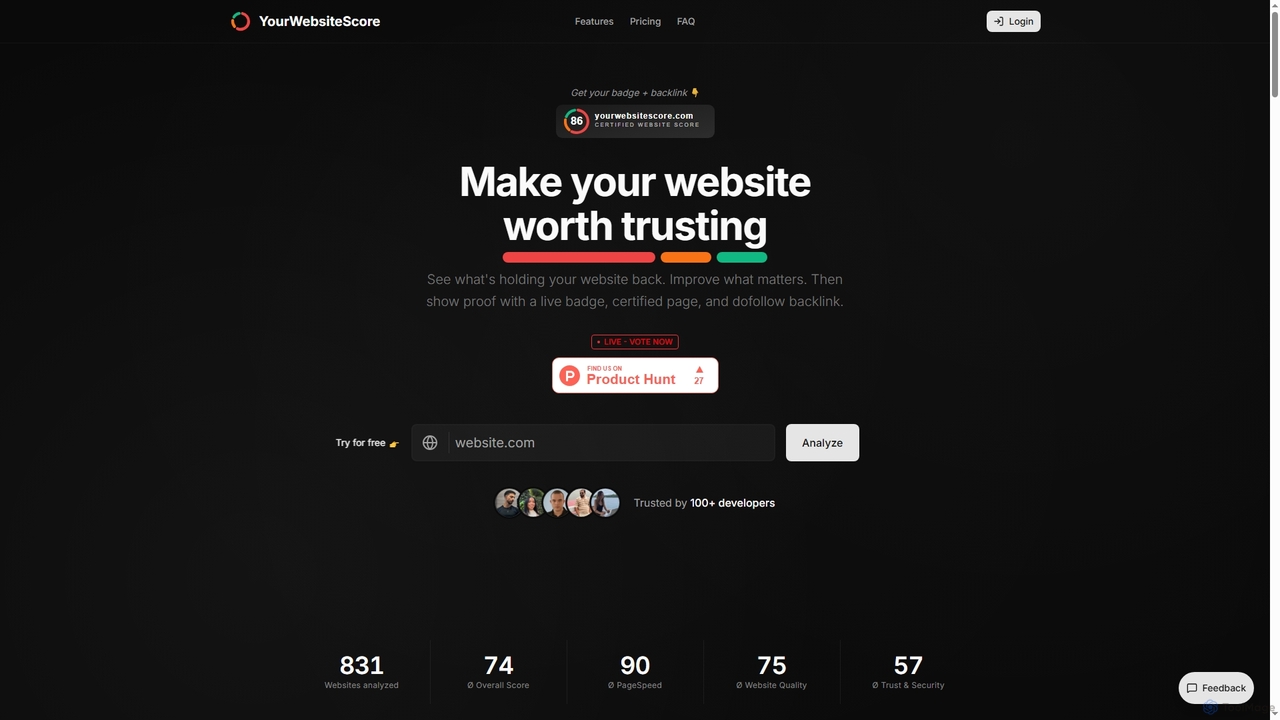
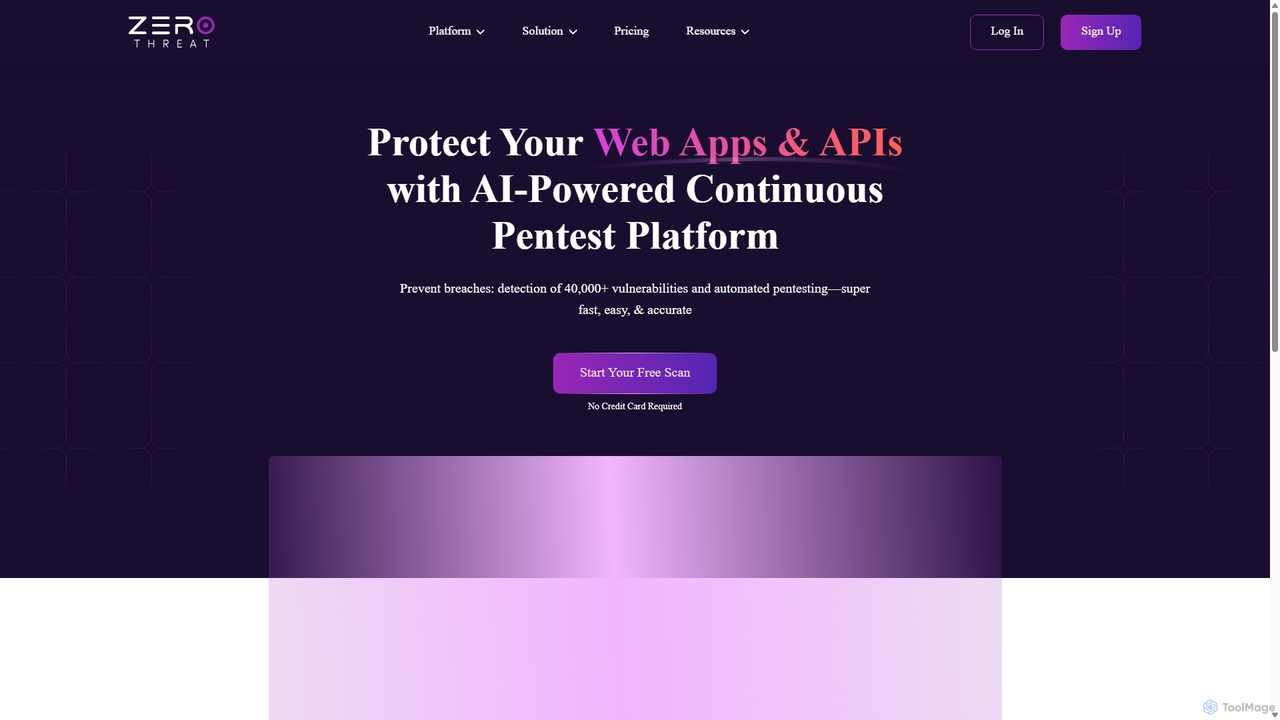
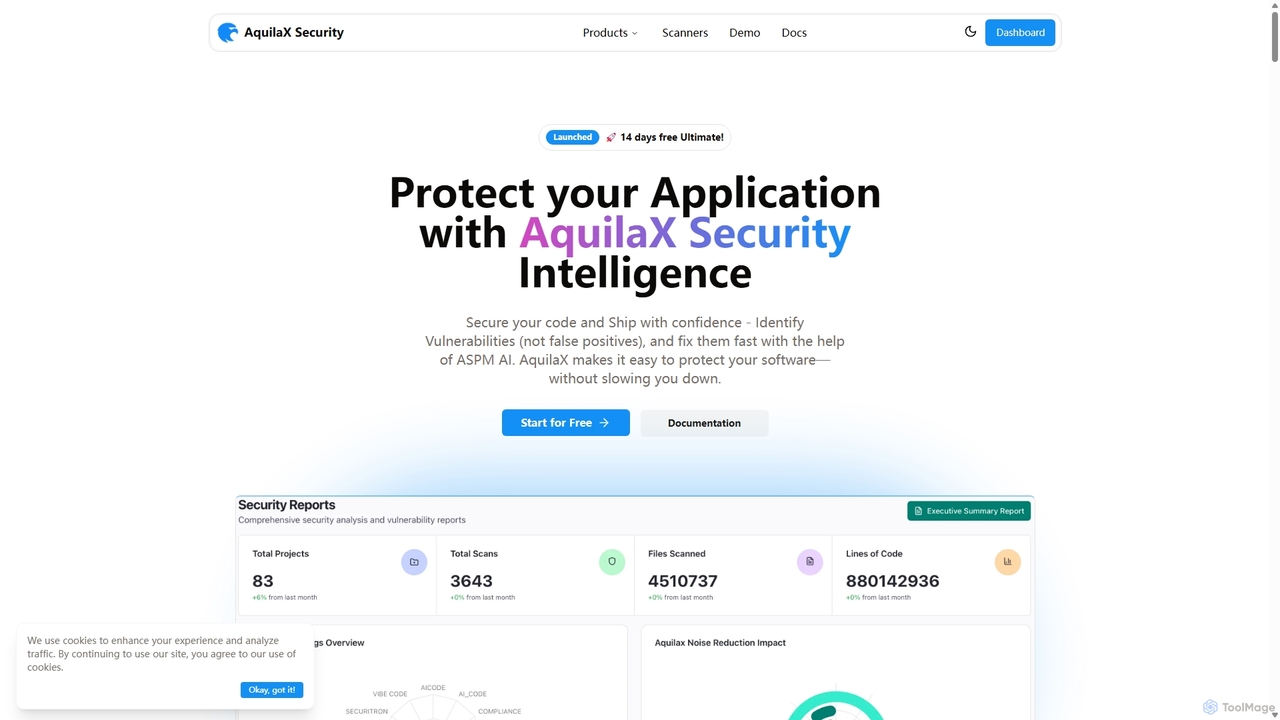
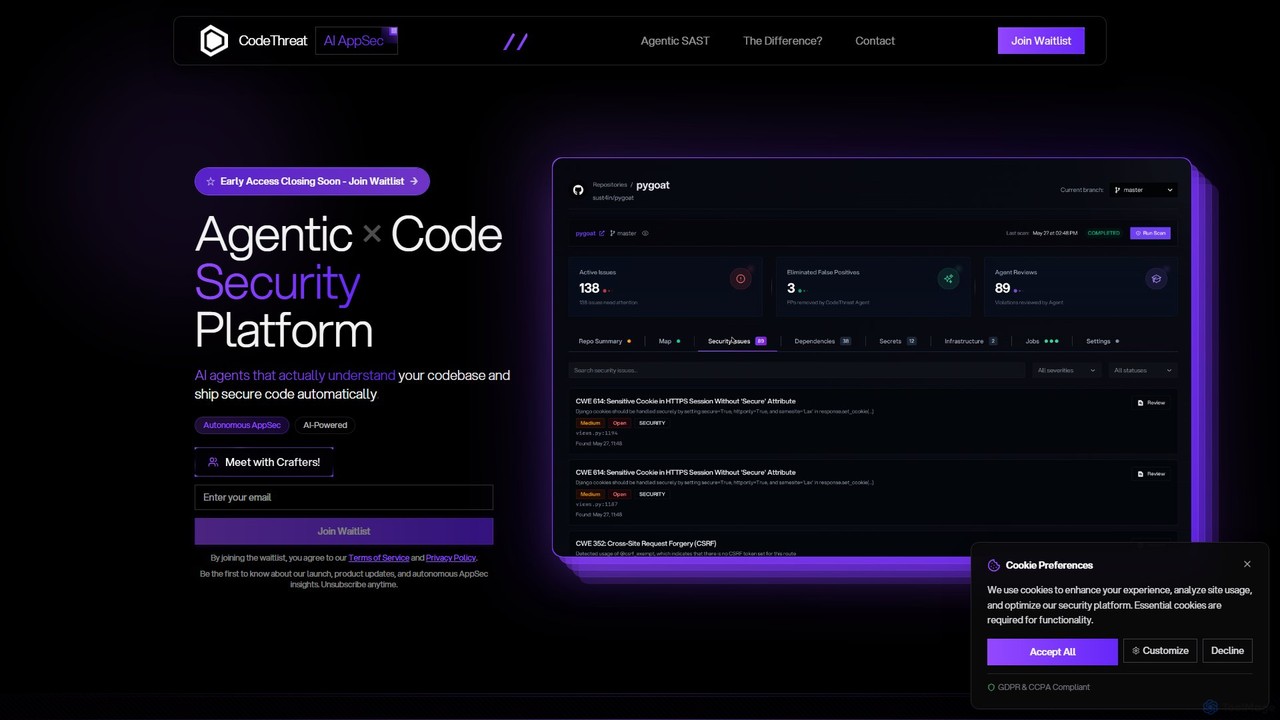
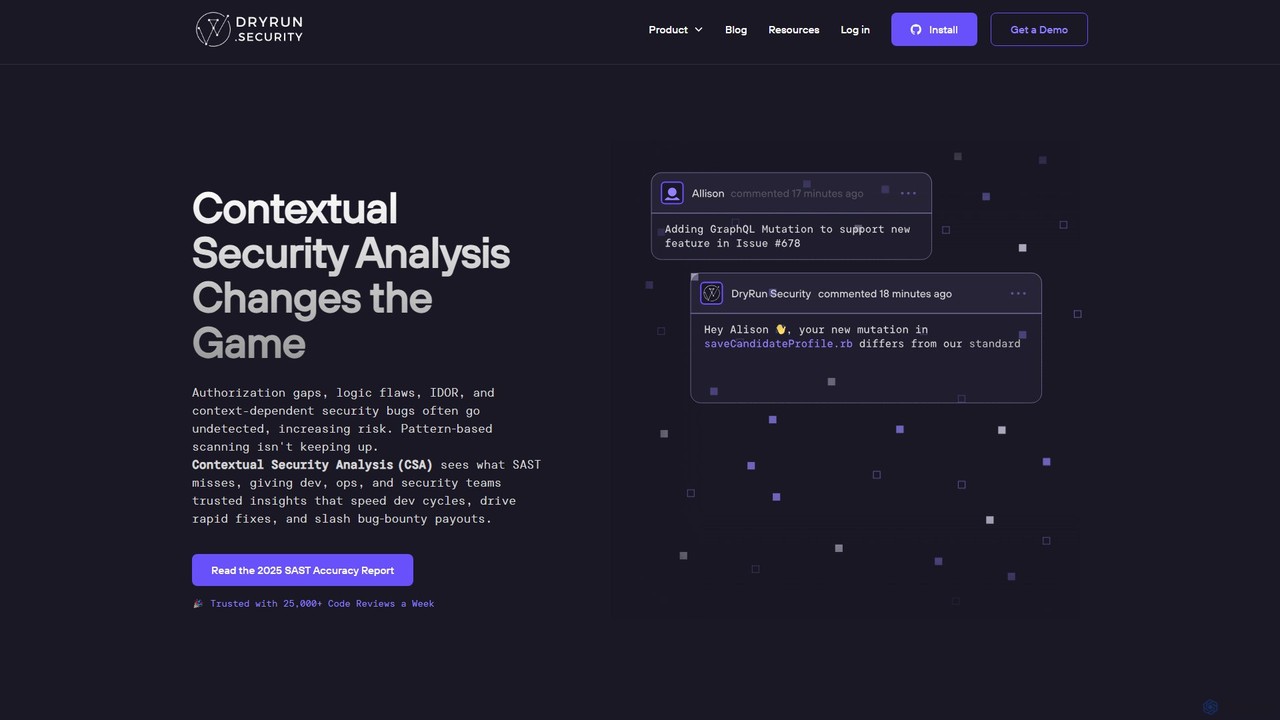
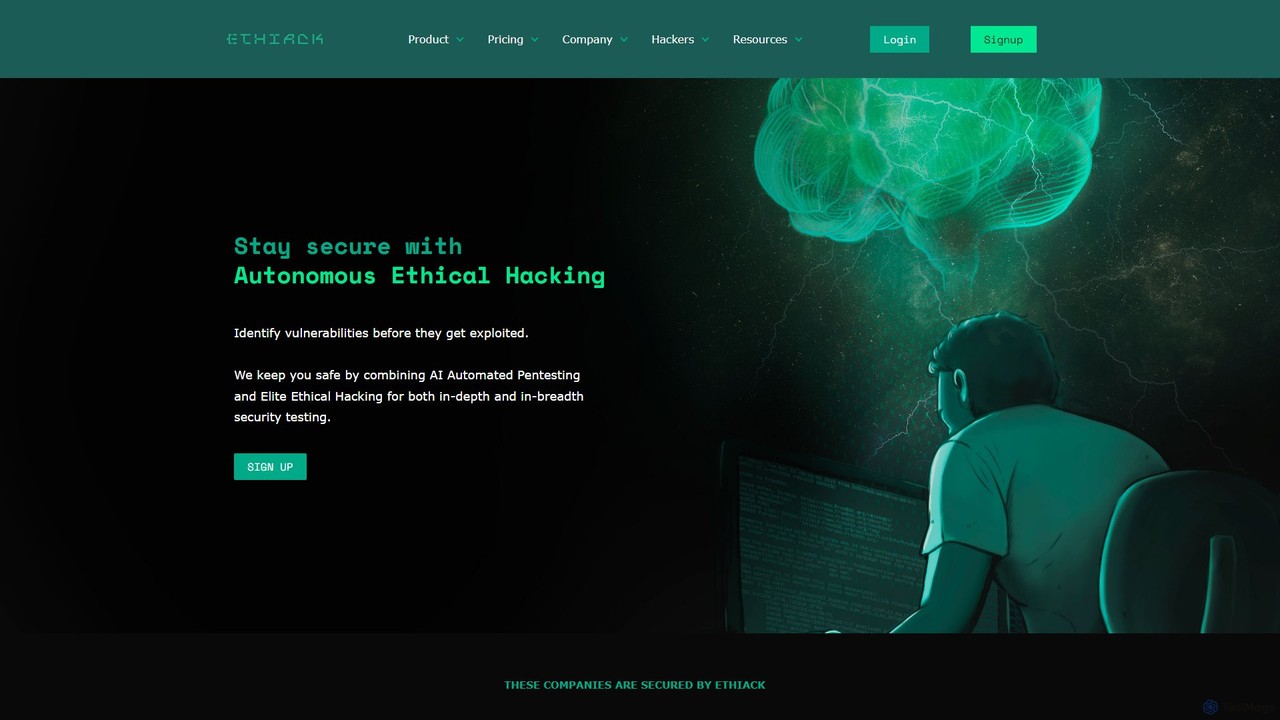
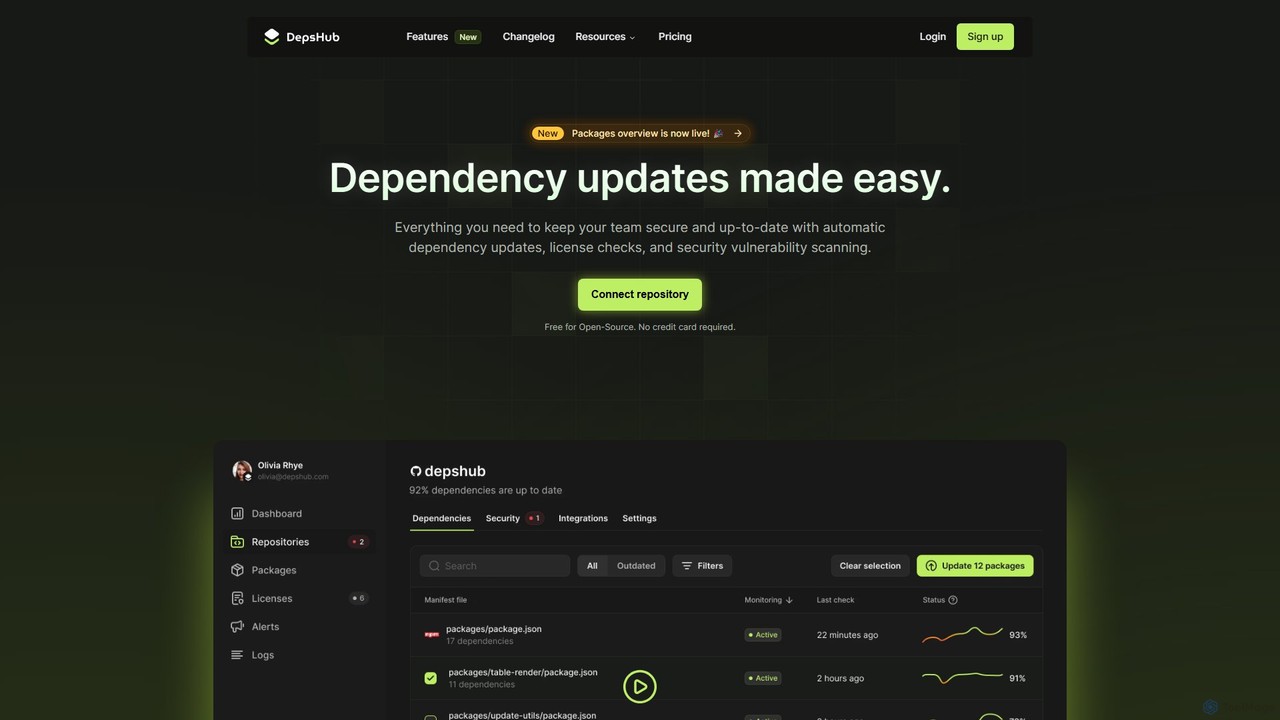
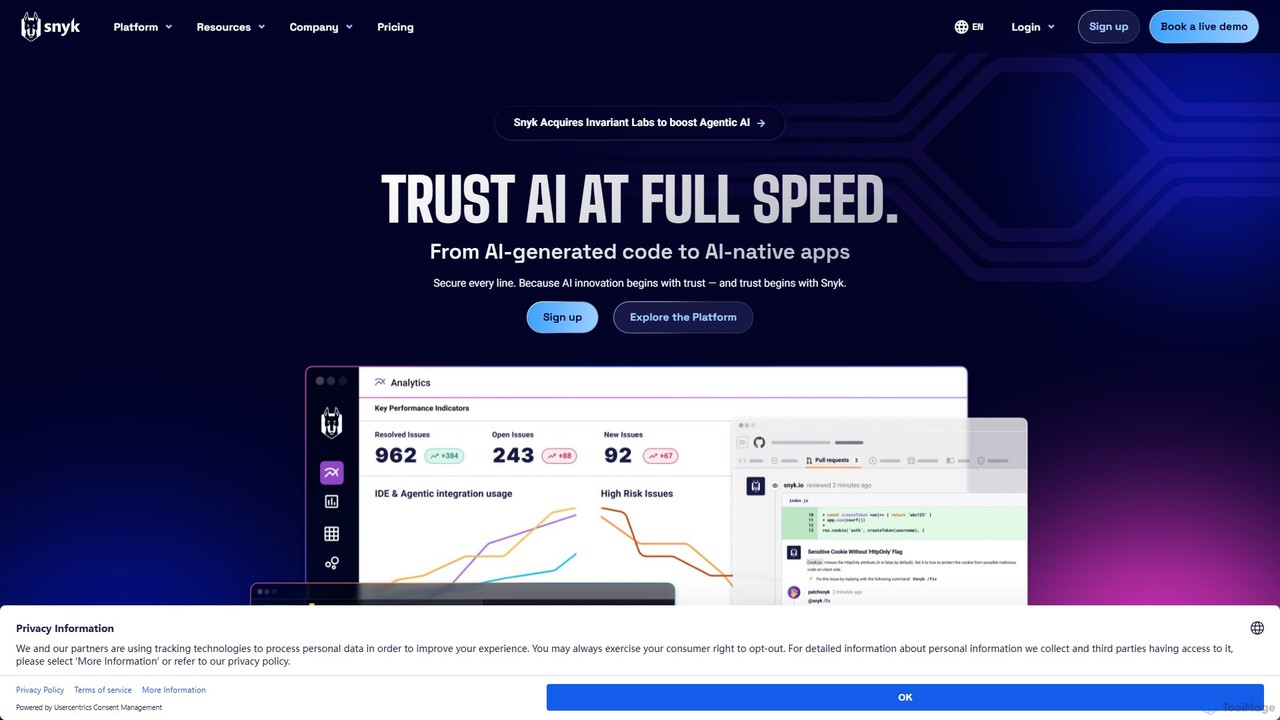
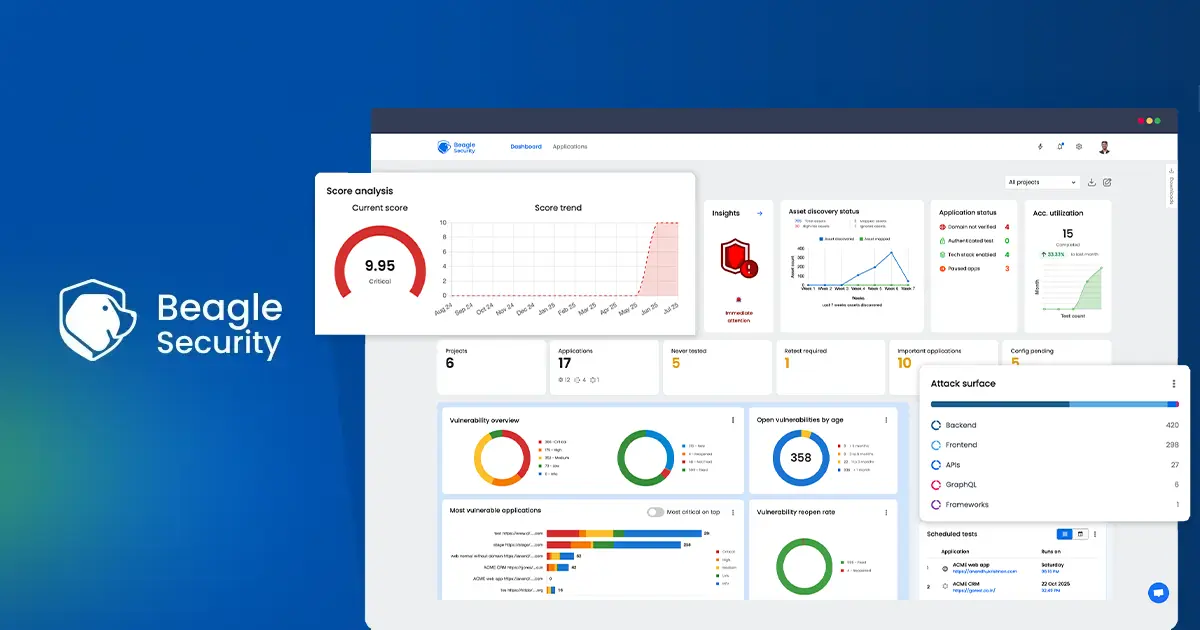
Vulnerability Scanning tools are AI-powered solutions designed to automatically identify security weaknesses in IT systems, networks, and applications. These tools leverage advanced algorithms and threat intelligence to detect known vulnerabilities, misconfigurations, and potential attack vectors across various environments. By proactively pinpointing security flaws, they enable organizations to remediate risks before they can be exploited, significantly enhancing overall cybersecurity posture and compliance. AI integration further refines detection accuracy and prioritizes threats based on real-time context and exploitability.
Core Features
- Automated Discovery: Continuously scans assets like servers, endpoints, web apps, and cloud resources for vulnerabilities without manual intervention.
- Threat Intelligence Integration: Utilizes up-to-date databases of CVEs and real-world attack data to identify critical and emerging risks.
- Risk Prioritization: Ranks vulnerabilities based on severity, exploitability, and business impact, guiding efficient remediation efforts.
- Compliance Reporting: Generates detailed reports to help meet regulatory requirements such as GDPR, HIPAA, and PCI DSS.
- DevSecOps Integration: Embeds security checks directly into the software development lifecycle for early detection of flaws.
The integration of artificial intelligence significantly elevates the effectiveness of vulnerability scanning. AI algorithms can analyze vast amounts of security data, learn from past incidents, and identify complex attack patterns that might elude traditional scanners. This leads to fewer false positives, more accurate risk assessments, and intelligent prioritization of vulnerabilities, allowing security teams to focus on the most critical threats with greater efficiency.
Applicable Scenarios
Organizations across various sectors utilize vulnerability scanning to maintain robust security. For instance, e-commerce platforms regularly scan their web applications to prevent data breaches and ensure customer trust. Financial institutions employ these tools to comply with stringent regulatory standards and protect sensitive financial data. Furthermore, software development teams integrate scanning into their CI/CD pipelines to catch security flaws early in the development cycle, reducing remediation costs and time.
How to Choose
When selecting a vulnerability scanning tool, consider its scope of coverage (network, web, cloud, code), accuracy in detection (minimizing false positives), reporting and prioritization capabilities, and integration with existing security and development workflows. Evaluate the tool's ability to provide actionable remediation guidance and its scalability to match your organization's growth and evolving security needs.