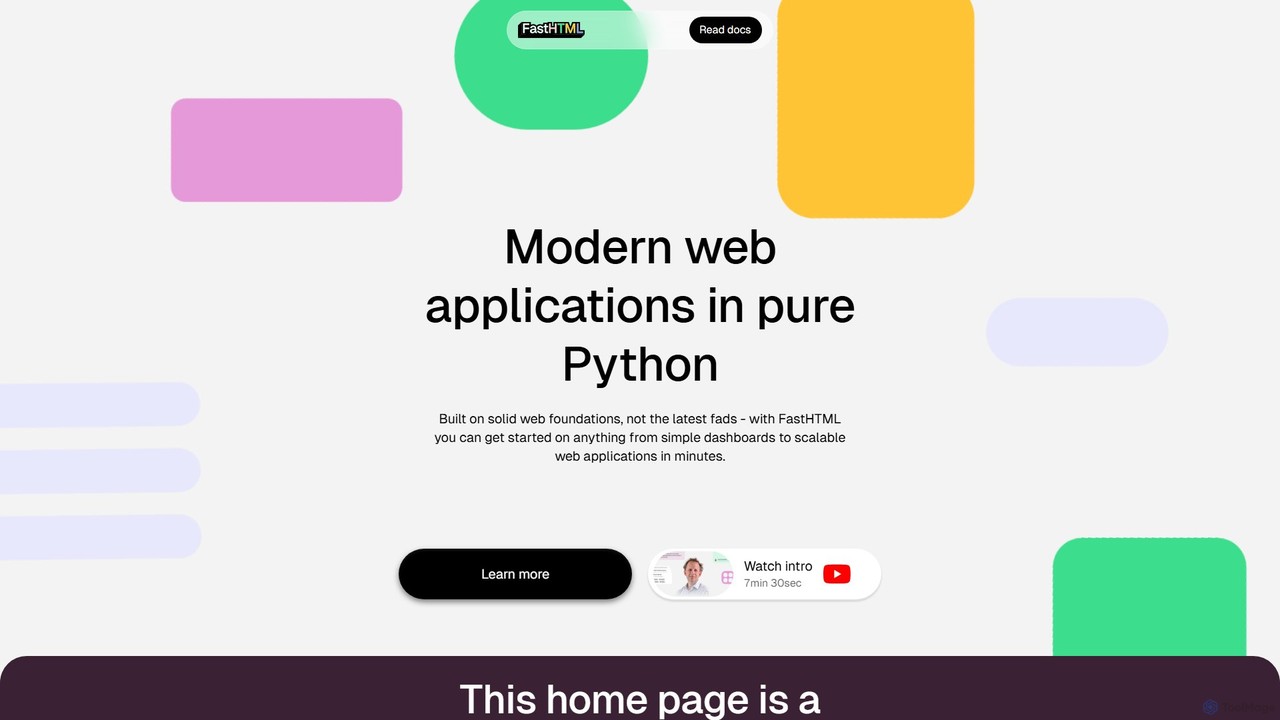
FastHTML is a modern Python web framework for building fast, scalable, and interactive web applications with minimal code. It leverages web foundations like HTMX and ASGI, allowing developers to create everything from simple dashboards to complex single-page applications (SPAs) entirely in Python, often without writing any JavaScript.
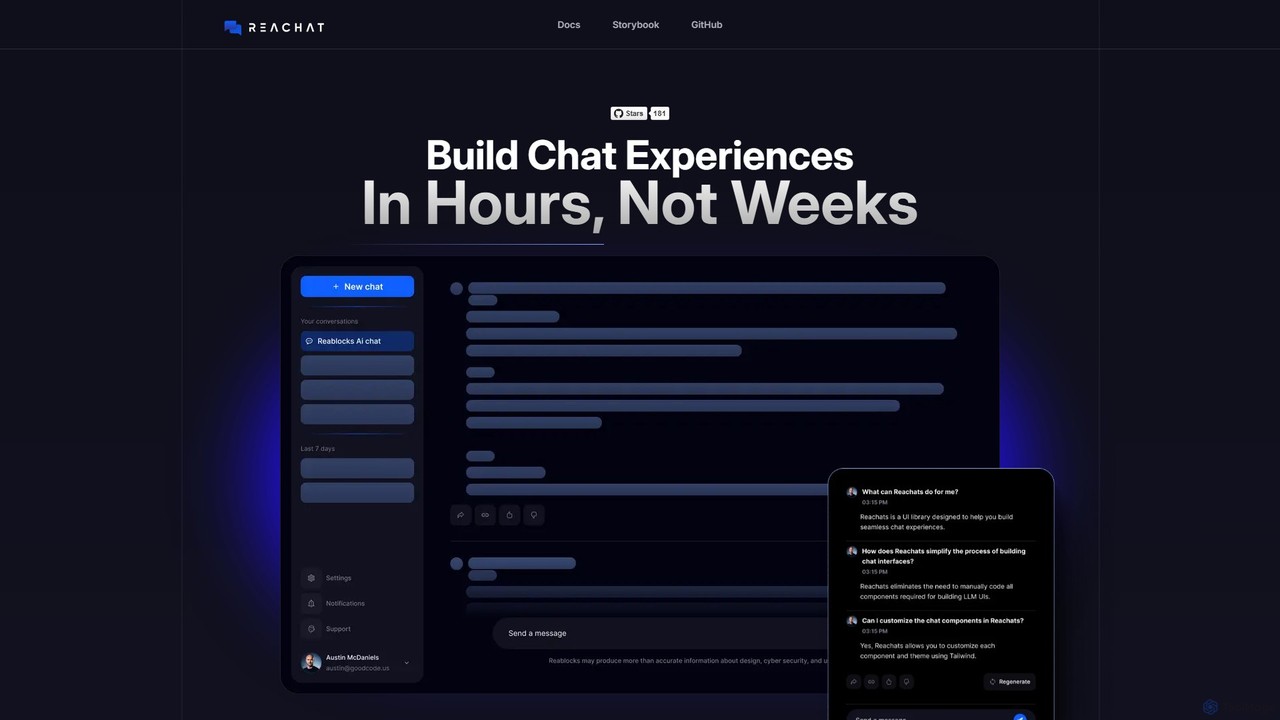
reachat is an open-source ReactJS component library designed for developers to rapidly build sophisticated AI chat interfaces. It provides highly customizable, backend-agnostic components, enabling the integration of any LLM and supporting rich media for enhanced user experiences. Build production-ready chat UIs in hours, not weeks.
Product overview
FastHTML Product overview
FastHTML is a modern Python web framework for building fast, scalable, and interactive web applications with minimal code. It leverages web foundations like HTMX and ASGI, allowing developers to create everything from simple dashboards to complex single-page applications (SPAs) entirely in Python, often without writing any JavaScript.
reachat Product overview
reachat is an open-source ReactJS component library designed for developers to rapidly build sophisticated AI chat interfaces. It provides highly customizable, backend-agnostic components, enabling the integration of any LLM and supporting rich media for enhanced user experiences. Build production-ready chat UIs in hours, not weeks.
Detailed feature comparison
| Feature | FastHTML | reachat |
|---|---|---|
| Primary category | Ai Model Deployment | Chatbot Development |
| Added | 2025-08-14 | 2025-08-08 |
| Pricing | Free | Free |
| Official website | fastht.ml | reachat.dev |
| Product type | Website | Website |
| Performance data | ||
| User rating | Not verified | Not verified |
| Comments | 0 | 0 |
| Monthly visits | 12.7K | 3.7K |
| Monthly growth | 19.2% | 7.1% |
| Favorites | 117 | 113 |
| Details | View details | View details |
FastHTML vs reachat monthly traffic
Compare FastHTML and reachat by monthly reach, traffic trend, visit depth, top regions, and acquisition sources.
How to interpret the traffic data
In the FastHTML vs reachat monthly traffic comparison, FastHTML currently shows 12.7K visits and reachat shows 3.7K; FastHTML has about 3.4 times the visible traffic of reachat, an absolute difference of about 9K visits. This reflects visible reach, not feature quality or paid users.
Both tools provide verified traffic details, so monthly trends, visit depth, regions, and acquisition sources can be compared on the same basis.
FastHTML monthly traffic:
Latest traffic
Monthly traffic trend
- 2025/9: 21.7K Monthly visits
- 2026/1: 19.8K Monthly visits
- 2026/2: 18.1K Monthly visits
- 2026/3: 18.9K Monthly visits
- 2026/4: 10.6K Monthly visits
- 2026/5: 12.7K Monthly visits
Top regions
Top 5 countries/regions
| Country/region | Percentage | Traffic |
|---|---|---|
| 🇮🇳India | 31.36% | 4K |
| 🇺🇸United States | 19.25% | 2.4K |
| 🇹🇭Thailand | 18.71% | 2.4K |
| 🇲🇽Mexico | 17.19% | 2.2K |
| 🇪🇸Spain | 13.49% | 1.7K |
Search keywords
reachat monthly traffic:
Latest traffic
Monthly traffic trend
- 2025/9: 440 Monthly visits
- 2026/1: 2.9K Monthly visits
- 2026/2: 604 Monthly visits
- 2026/3: 1.9K Monthly visits
- 2026/4: 3.5K Monthly visits
- 2026/5: 3.7K Monthly visits
Usage comparison
Compare the core capabilities of FastHTML and reachat
FastHTML Core features
reachat Core features
Use cases
FastHTML Use cases
reachat Use cases
FastHTML vs reachat:In-depth comparison and selection guidance
First decide whether the products solve the same kind of need
This in-depth FastHTML vs reachat comparison uses only the product records, taxonomy, audience, traffic, and community signals available on this page. FastHTML is primarily listed under “Ai Model Deployment”, while reachat is primarily listed under “Chatbot Development”, so the first decision is whether your actual task matches their recorded scope.
The structured fields currently show these decision-relevant differences: Primary category (FastHTML: Ai Model Deployment; reachat: Chatbot Development); Monthly visits (FastHTML: 12.7K; reachat: 3.7K); Monthly growth (FastHTML: 19.2%; reachat: 7.1%); Favorites (FastHTML: 117; reachat: 113); Website (FastHTML: fastht.ml; reachat: reachat.dev). These facts are more useful for selection than brand visibility alone.
What market visibility and monthly traffic mean
In the FastHTML vs reachat monthly traffic comparison, FastHTML currently shows 12.7K visits and reachat shows 3.7K; FastHTML has about 3.4 times the visible traffic of reachat, an absolute difference of about 9K visits. This reflects visible reach, not feature quality or paid users.
Both tools provide verified traffic details, so monthly trends, visit depth, regions, and acquisition sources can be compared on the same basis.
If public market visibility is an important first-pass criterion, investigate FastHTML first. The final choice should still follow taxonomy, use case, and a real trial because higher traffic does not prove broader capabilities or better workflow fit.
Product positioning, use cases, and roles
FastHTML and reachat currently overlap in shared categories: Low Code No Code; shared tags: frontend and open source. This can place both on the same shortlist, but it does not prove equal implementation, depth, or cost.
FastHTML's unique categories/tags are Ai Model Deployment, Frameworks, backend, dashboard, full-stack, htmx, python, and spa; reachat's are Chatbot Development, Libraries & Frameworks, AI chatbot, chat ui, component library, conversational AI, developer tools, and javascript. These unique fields are the strongest differentiators: validate the product whose recorded scope matches the task instead of following traffic alone.
What ratings, comments, and favorites can tell you
FastHTML has no verified rating, 0 comments, 117 favorites, and 121 likes;reachat has no verified rating, 0 comments, 113 favorites, and 106 likes。
Neither product has enough rating or comment samples for a credible reputation ranking.
Selection guidance by actual need
When to evaluate FastHTML first
Put FastHTML on the priority trial list when the task aligns with “Ai Model Deployment” and especially Ai Model Deployment, Frameworks, backend, dashboard, full-stack, and htmx. This follows recorded positioning and does not imply unlisted capabilities are absent.
FastHTML also currently records: pricing is free, product type is website, 12.7K verified monthly visits, no verified user rating. Verify any hard requirement around price, platform, or reach before trial, and do not let sparse review data substitute for testing.
When to evaluate reachat first
Put reachat on the priority trial list when the task aligns with “Chatbot Development” and especially Chatbot Development, Libraries & Frameworks, AI chatbot, chat ui, component library, and conversational AI. This follows recorded positioning and does not imply unlisted capabilities are absent.
reachat also currently records: pricing is free, product type is website, 3.7K verified monthly visits, no verified user rating. Verify any hard requirement around price, platform, or reach before trial, and do not let sparse review data substitute for testing.
How to validate the recommendation before deciding
The available data describes positioning, public visibility, and community signals, but it cannot prove output quality, speed, integration effort, privacy, or long-term cost in your workflow. Before deciding, run the same representative tasks in FastHTML and reachat, then record completion time, accuracy, manual corrections, and the real paid threshold. A like-for-like trial turns this comparison into a defensible adoption decision.
Comparison FAQ
How should I choose between FastHTML and reachat?
Where does this comparison data come from?
What do unknown fields mean?
Related AI tools

Chainlit
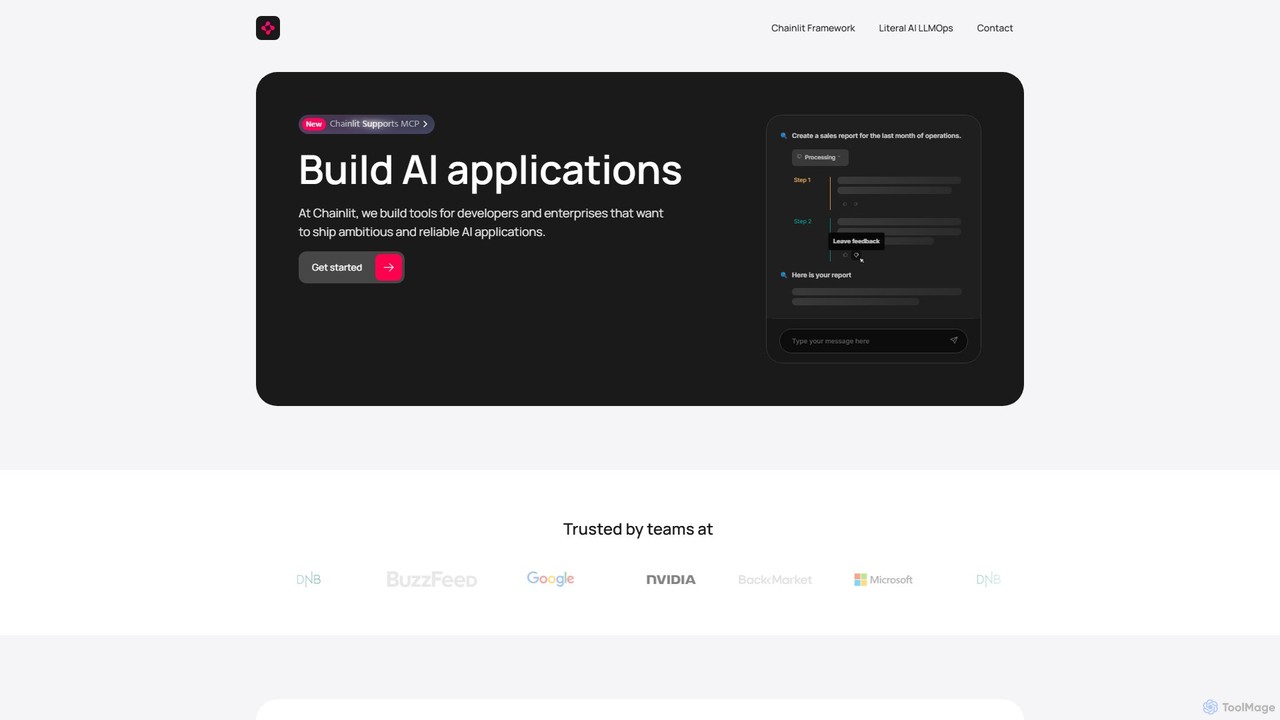
Chainlit is an open-source Python framework for developers to rapidly build and deploy production-ready conversational AI applications. It provides an instant, customizable chat interface, allowing you to focus on your backend logic and LLM interactions. With deep integrations for LangChain, LlamaIndex, and major LLM providers, Chainlit simplifies the creation of everything from simple chatbots to complex, data-driven copilots.
FrameworkLobe Icons
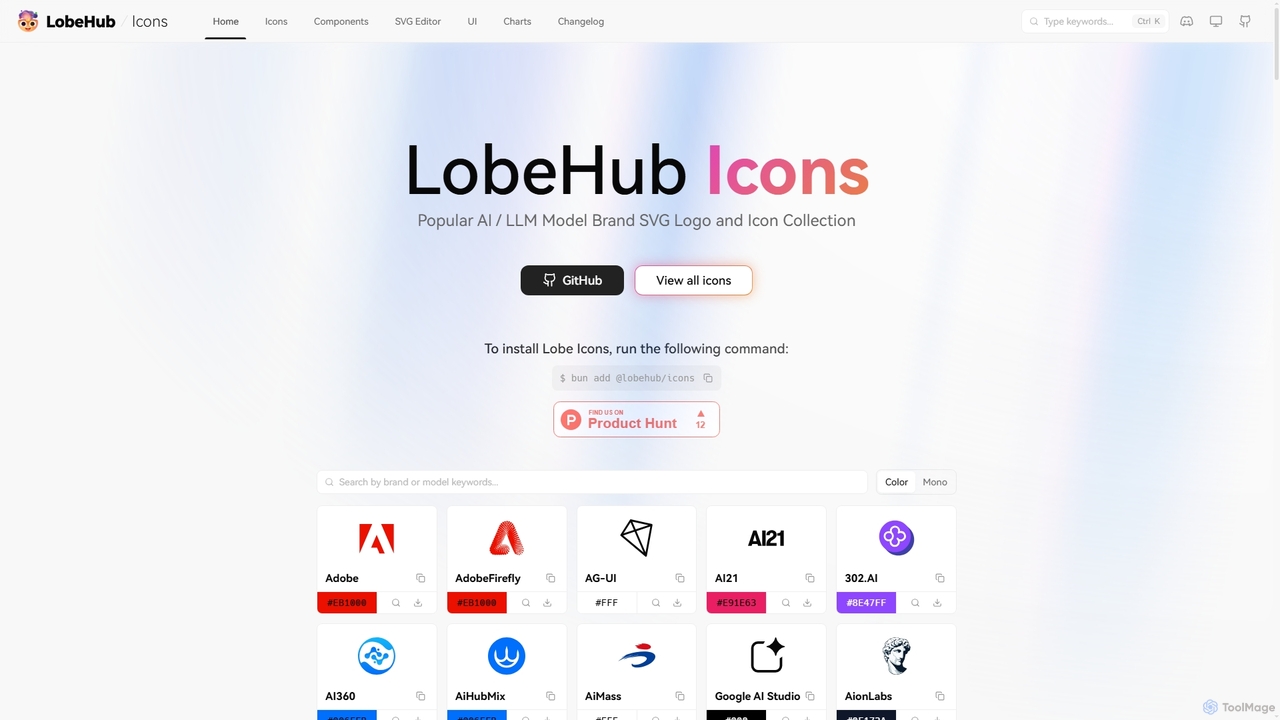
Lobe Icons is a comprehensive and optimized SVG icon collection featuring popular AI and LLM model brands. Designed for developers, it offers lightweight, scalable, and tree-shakable icons for seamless integration into web and React Native projects, ensuring consistent and high-quality branding.
Branding
Layrr
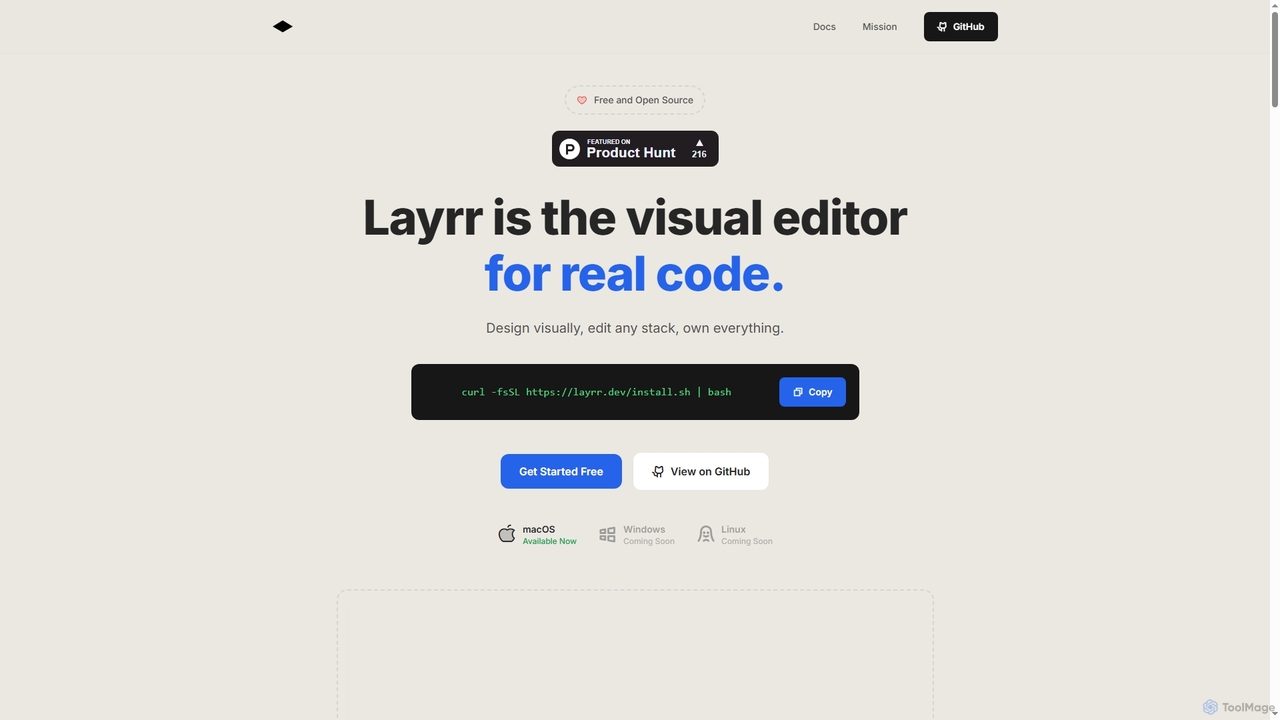
Layrr is a free and open-source visual editor that allows developers and designers to create and edit real code directly. It combines the intuitive drag-and-drop interface of design tools like Figma with the flexibility and ownership of traditional coding, supporting any tech stack and leveraging AI for design-to-code conversion and natural language interface generation.
Code Generation
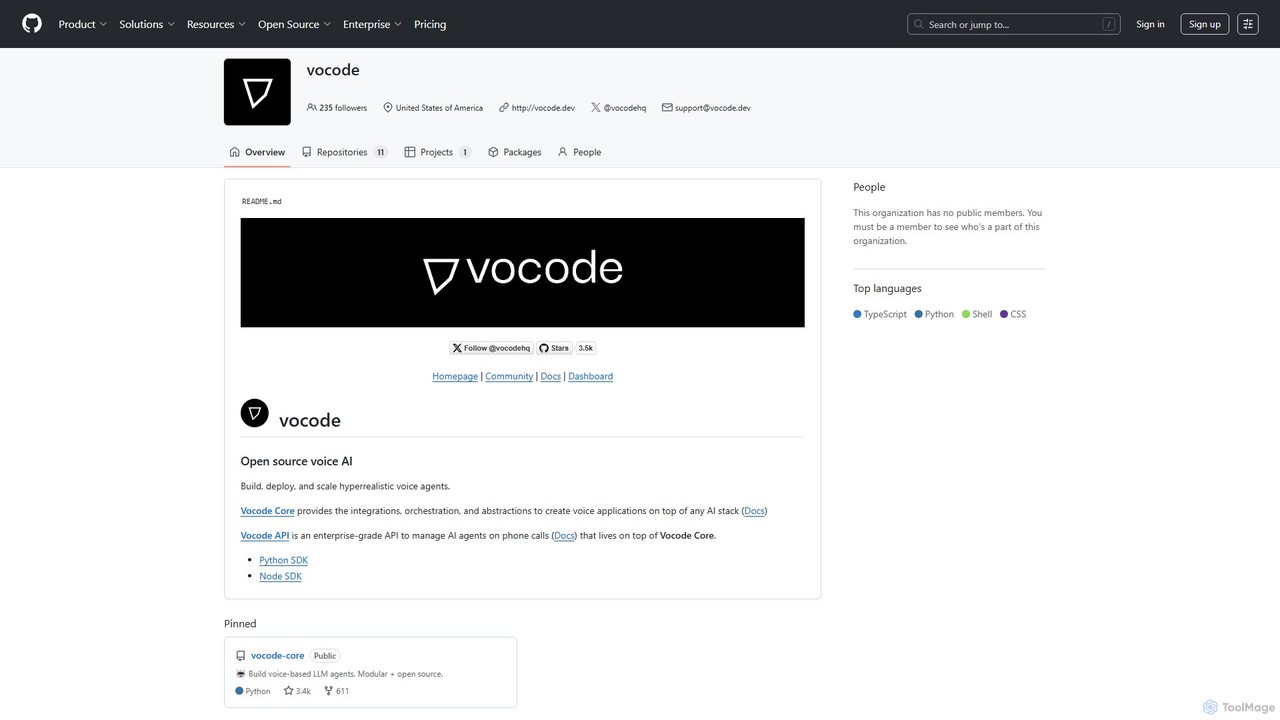
vocode
Vocode is an open-source platform for building, deploying, and scaling hyperrealistic voice AI agents. It provides developers with a core framework and an enterprise-grade API to create sophisticated voice-based LLM applications for tasks like automated customer service, sales calls, and interactive voice response (IVR) systems.
Voicebot
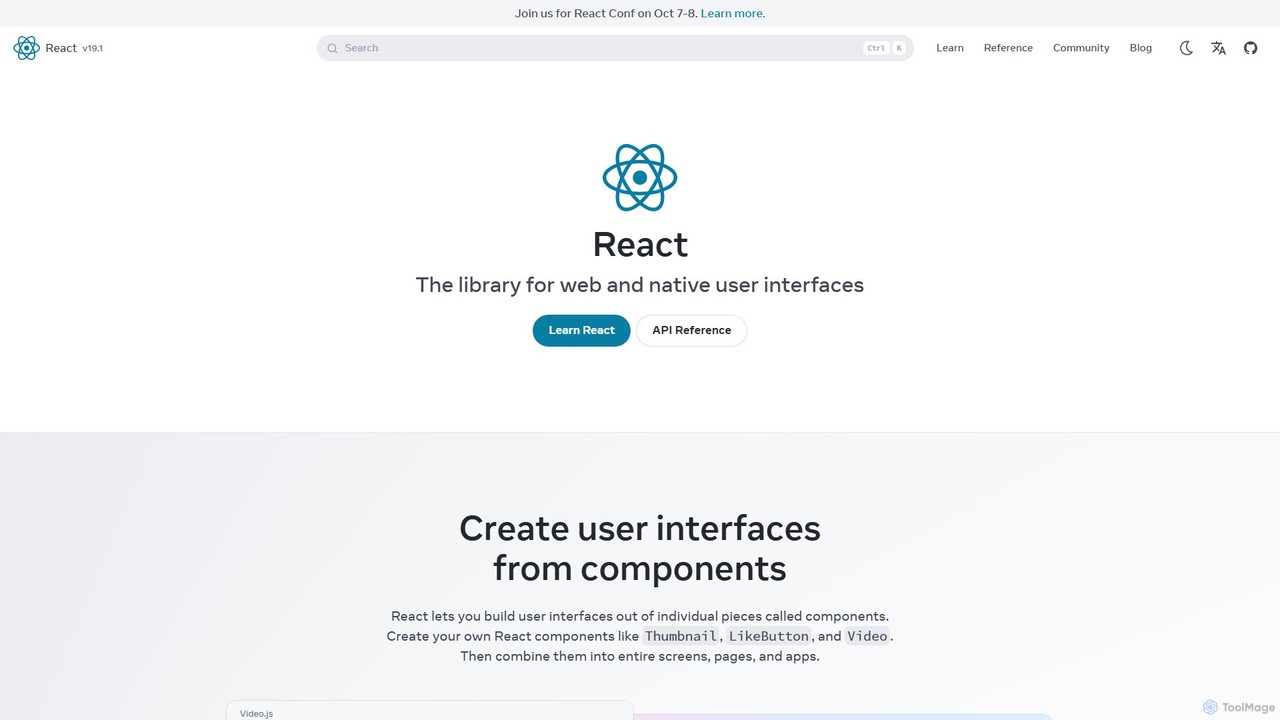
React
React is a free and open-source JavaScript library for building user interfaces based on components. Developed by Meta, it enables developers to create large-scale web and native applications with complex, interactive UIs efficiently. It uses a declarative approach and a component-based architecture to build encapsulated components that manage their own state.
Frameworks & Libraries
Angular
Angular is a powerful, open-source web application framework led by the Angular Team at Google. It empowers developers to build scalable, high-performance single-page applications (SPAs) using TypeScript and a component-based architecture. With a comprehensive ecosystem including a powerful CLI, built-in state management, and advanced tooling, Angular is ideal for creating complex enterprise-grade applications.
Framework
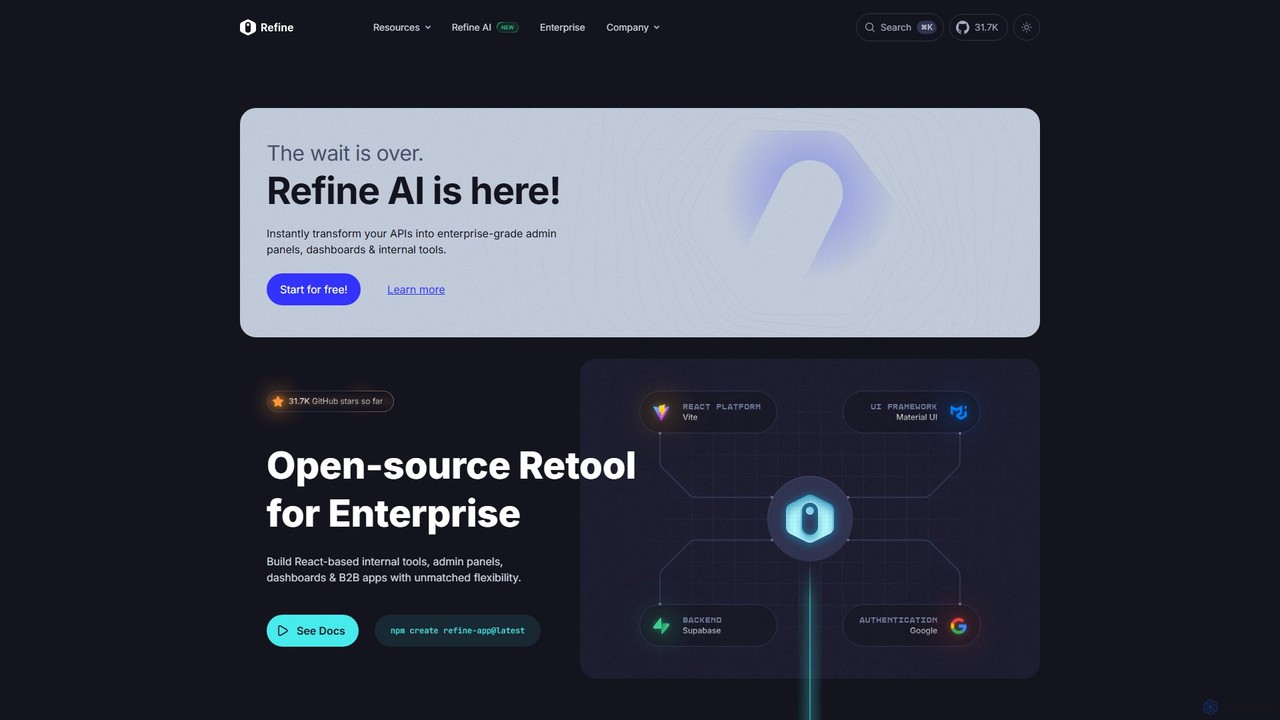
Refine
Refine is an open-source, React-based framework for rapidly building enterprise-grade internal tools, admin panels, dashboards, and B2B applications. It combines the speed of low-code solutions with the flexibility of full-code development, featuring an AI-powered generator to instantly create applications from APIs.
Internal Tools
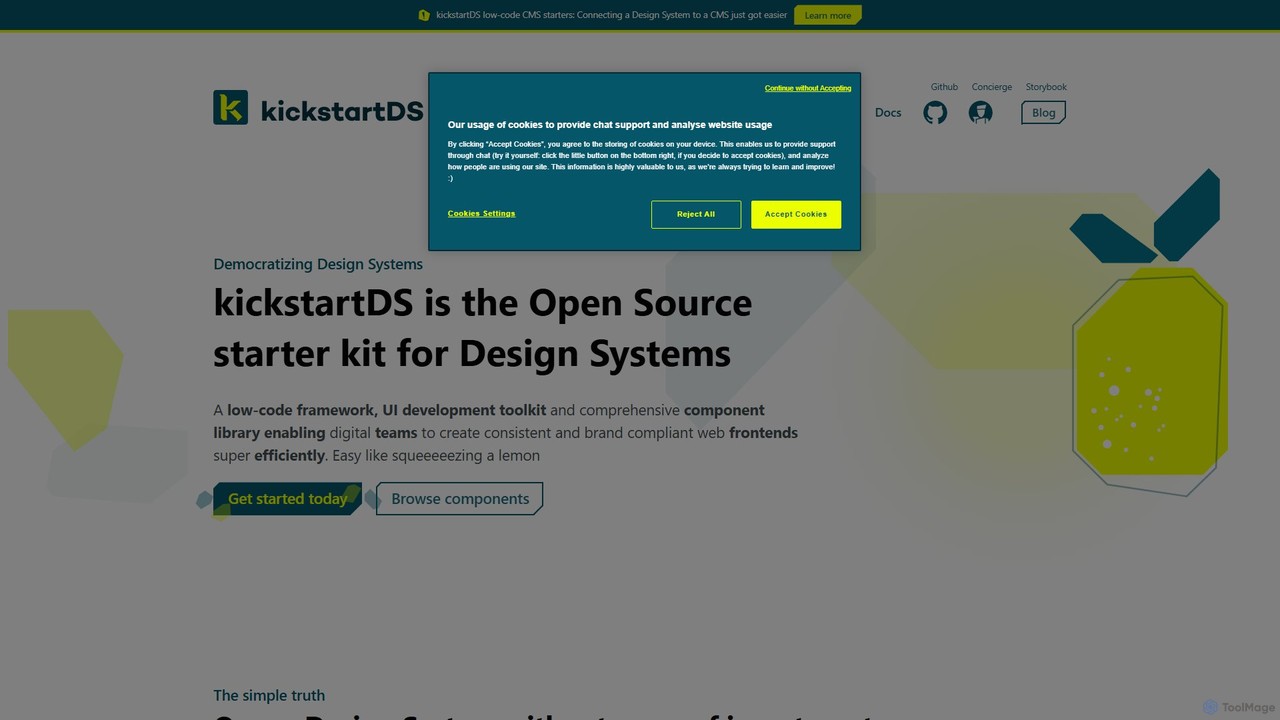
kickstartDS
kickstartDS is an open-source starter kit and next-gen UI toolkit for building and maintaining Design Systems. It offers a low-code framework, a comprehensive component library, and an AI-powered assistant to help digital teams create consistent, high-performance, and brand-compliant web frontends with maximum efficiency.
Design System
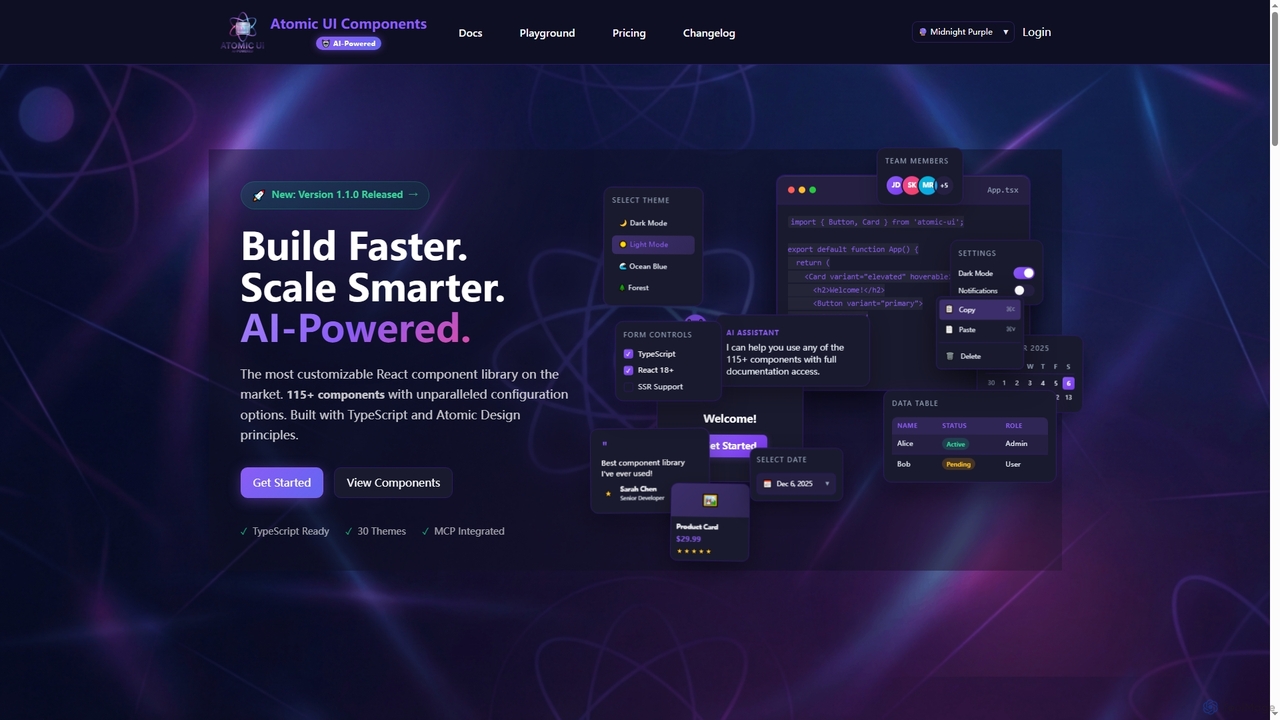
AtomicComponents
AtomicComponents is an AI-powered React component library designed for building modern, scalable, and accessible user interfaces faster. It offers over 115 highly customizable components, 30 built-in themes, and seamless integration with AI assistants like Claude and GitHub Copilot via its Model Context Protocol (MCP) server.
Design Systems
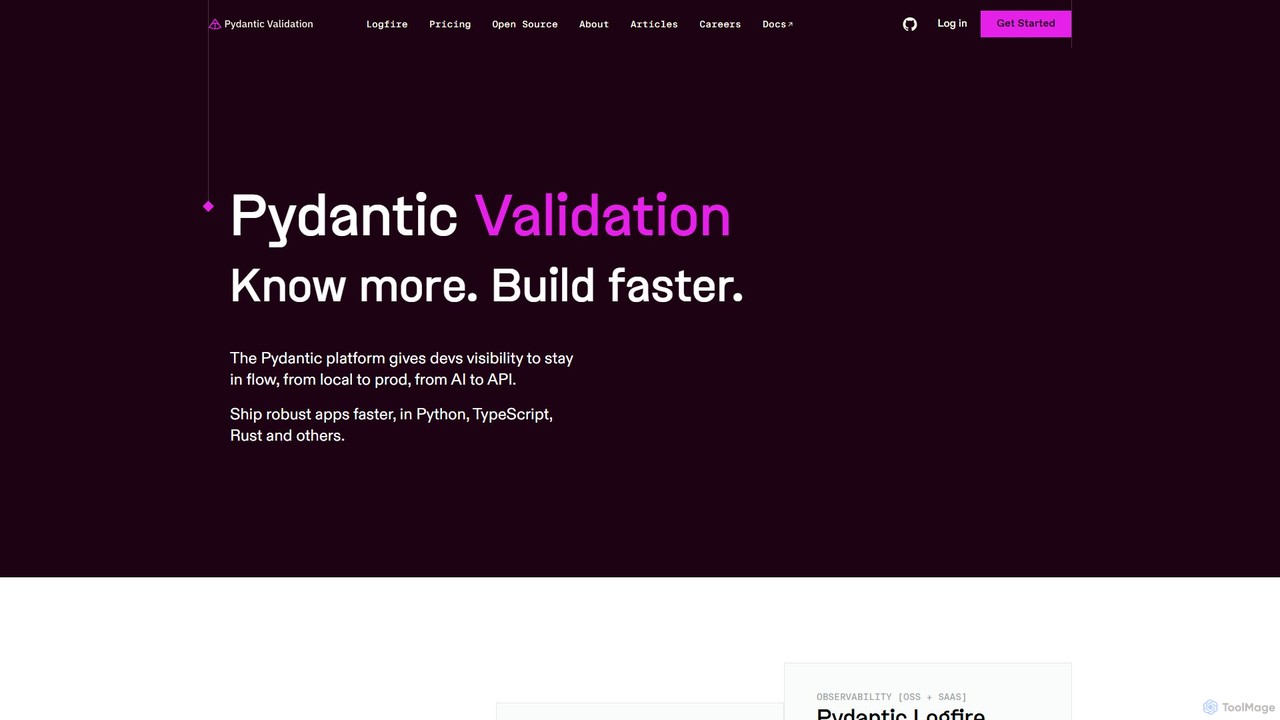
Pydantic
Pydantic is a comprehensive platform for developers, offering powerful data validation, AI development tools, and a full-stack observability solution. It enables faster, more robust application development in Python and other languages by leveraging type hints for runtime data validation and providing deep insights from local development to production.
Debugging & Testing
ConnectOnion
ConnectOnion is a minimalist Python framework designed to build production-ready AI agents with significantly less code. It simplifies agent creation by combining Markdown prompts and Python functions, reducing boilerplate by up to 85% compared to other frameworks.
Libraries
Comet
Comet is a family of high-performance, open-source large language models (LLMs) developed by Perplexity AI. Designed for exceptional speed and accuracy, Comet powers fast conversational AI applications and is available for developers via API and direct download.
Natural Language Processing
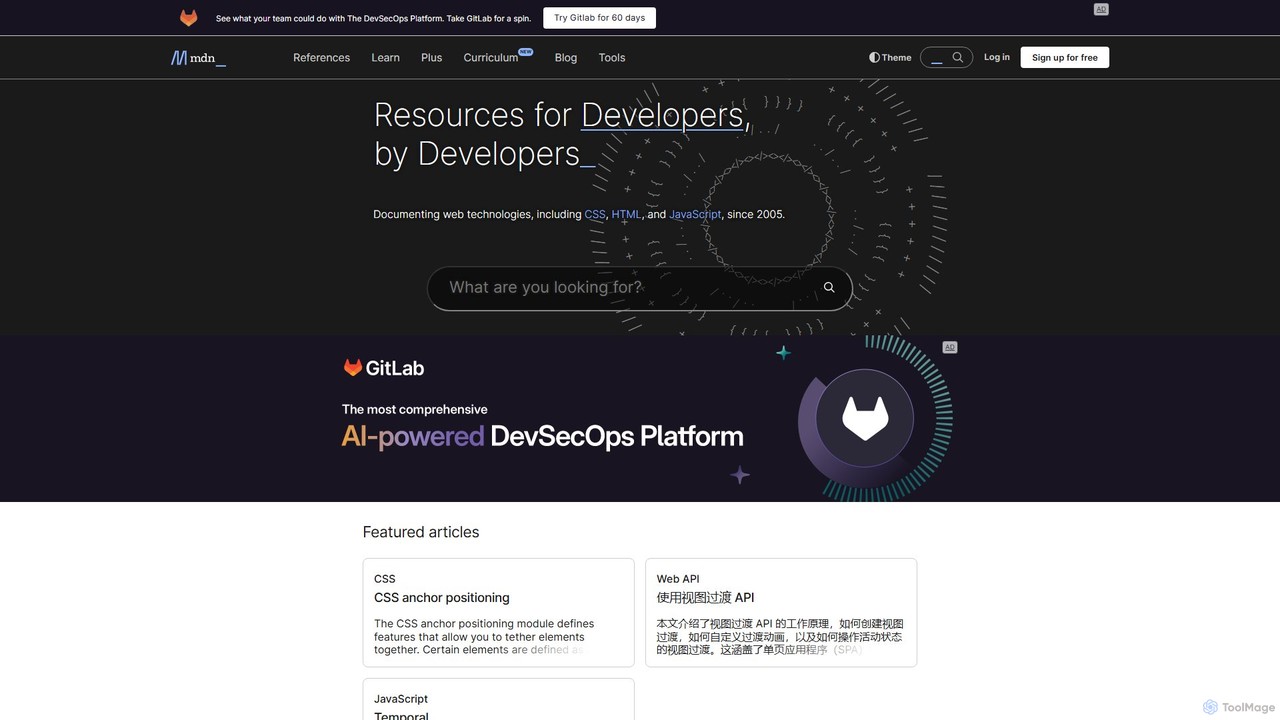
MDN Web Docs
MDN Web Docs, maintained by Mozilla and contributors, is the definitive, free resource for web developers. It provides comprehensive documentation for open web standards, including HTML, CSS, and JavaScript, along with extensive tutorials and reference materials for developers of all skill levels.
Documentation
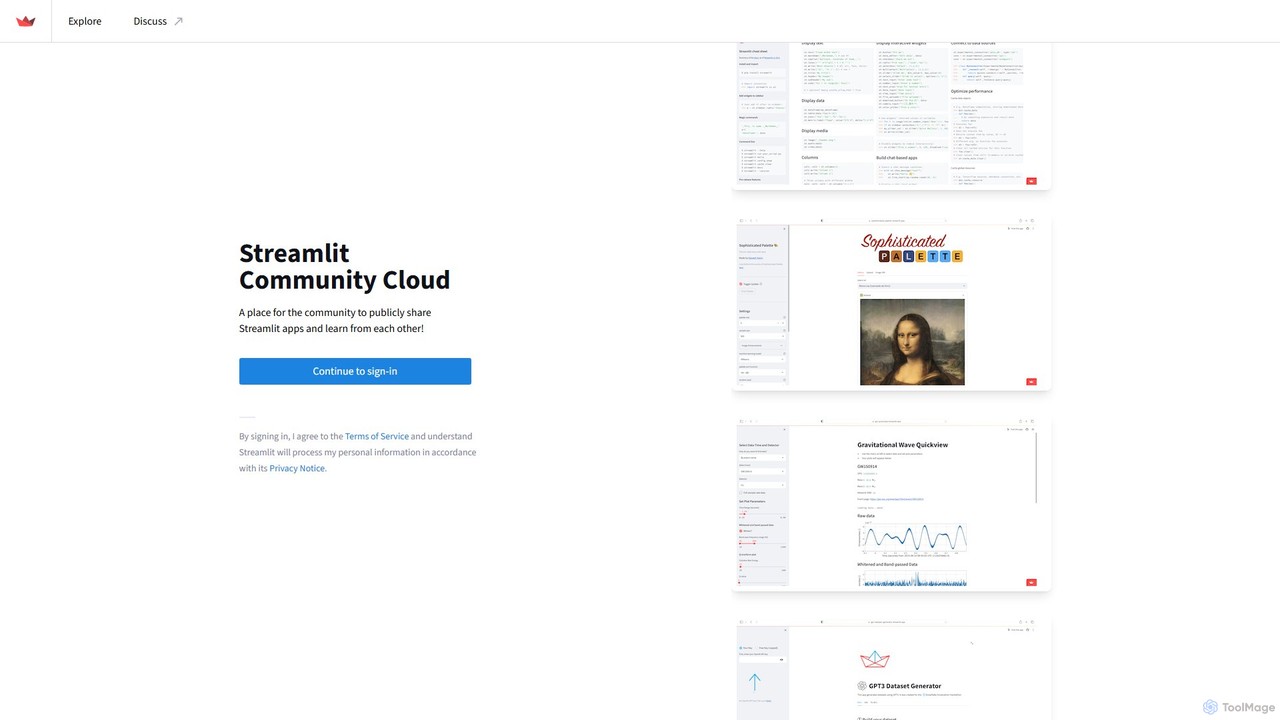
Streamlit
Streamlit is an open-source Python framework that enables developers and data scientists to build and share beautiful, custom web apps for machine learning and data science in minutes. The Streamlit Community Cloud provides a free platform to deploy, manage, and share these public applications with the world, fostering a collaborative environment for innovation.
Data Visualization
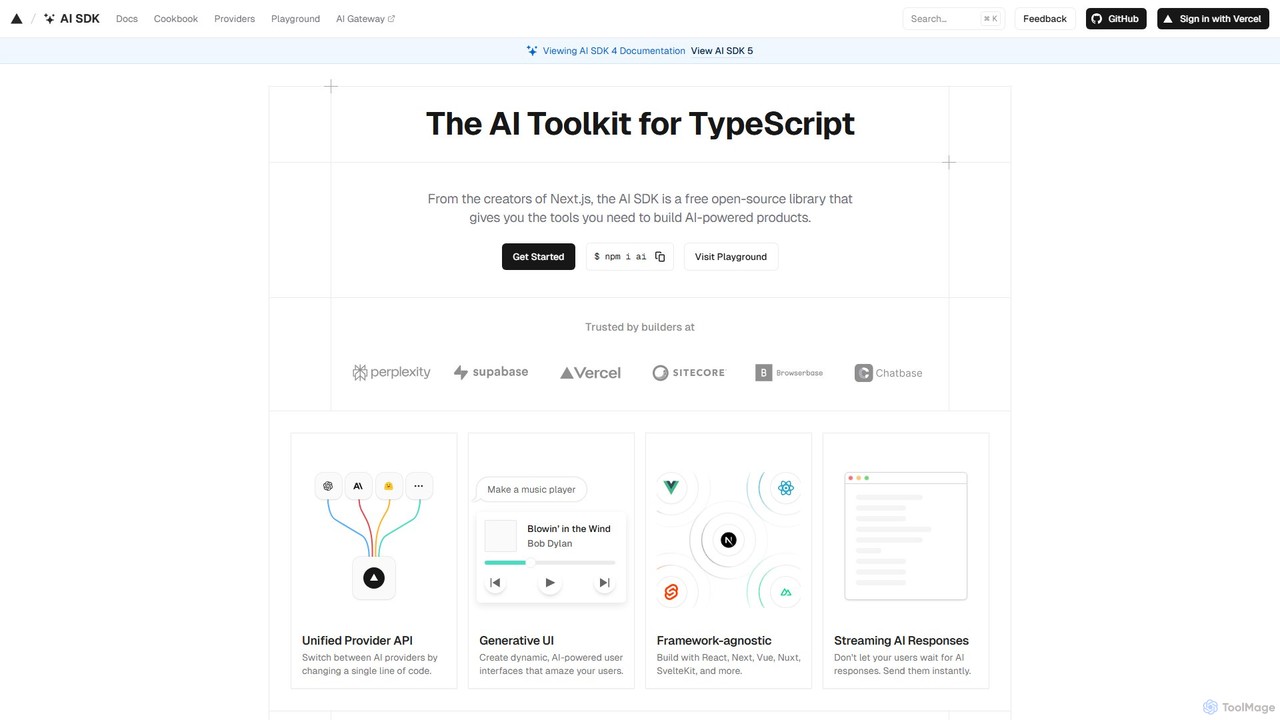
AI SDK
AI SDK by Vercel is a free, open-source TypeScript toolkit for building AI-powered applications. It provides a unified API to seamlessly integrate various large language models (LLMs) like OpenAI, Google, and Anthropic. It simplifies development with features like streaming responses, generative UI components, and tool calling, enabling developers to build and ship AI features faster across frameworks like Next.js, React, and Svelte.
Library