

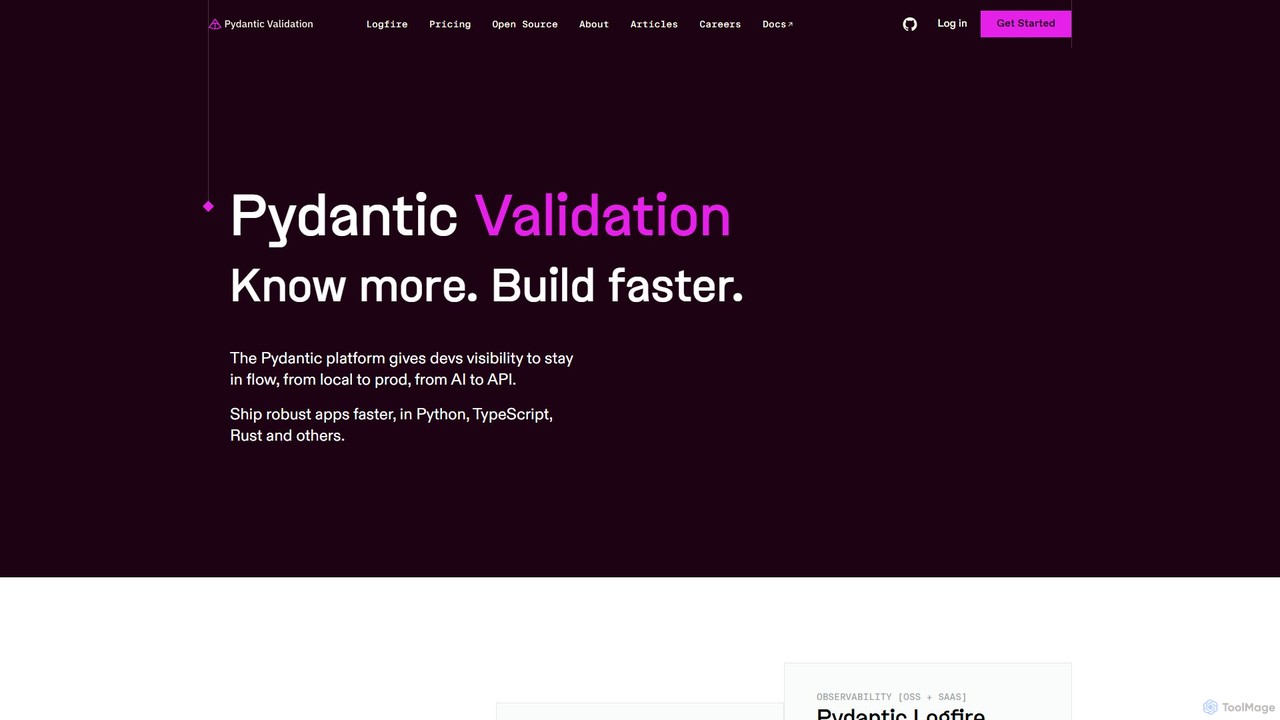
Pydantic Overview
Pydantic is a multifaceted platform designed to enhance developer productivity and application reliability. It originated as a highly popular open-source data validation library for Python and has since expanded into a comprehensive ecosystem that includes tools for AI development and application observability. The platform is built on the principles of open source, developer experience, and performance, making it a trusted choice for millions of developers and major organizations like OpenAI, Google, and Datadog.
The Pydantic platform consists of three main pillars:
- Pydantic Validation: The core open-source library that uses standard Python type hints for data validation and settings management. It parses and validates complex data structures, ensuring data integrity and catching errors early. Its seamless integration with IDEs and type checkers significantly improves the development workflow.
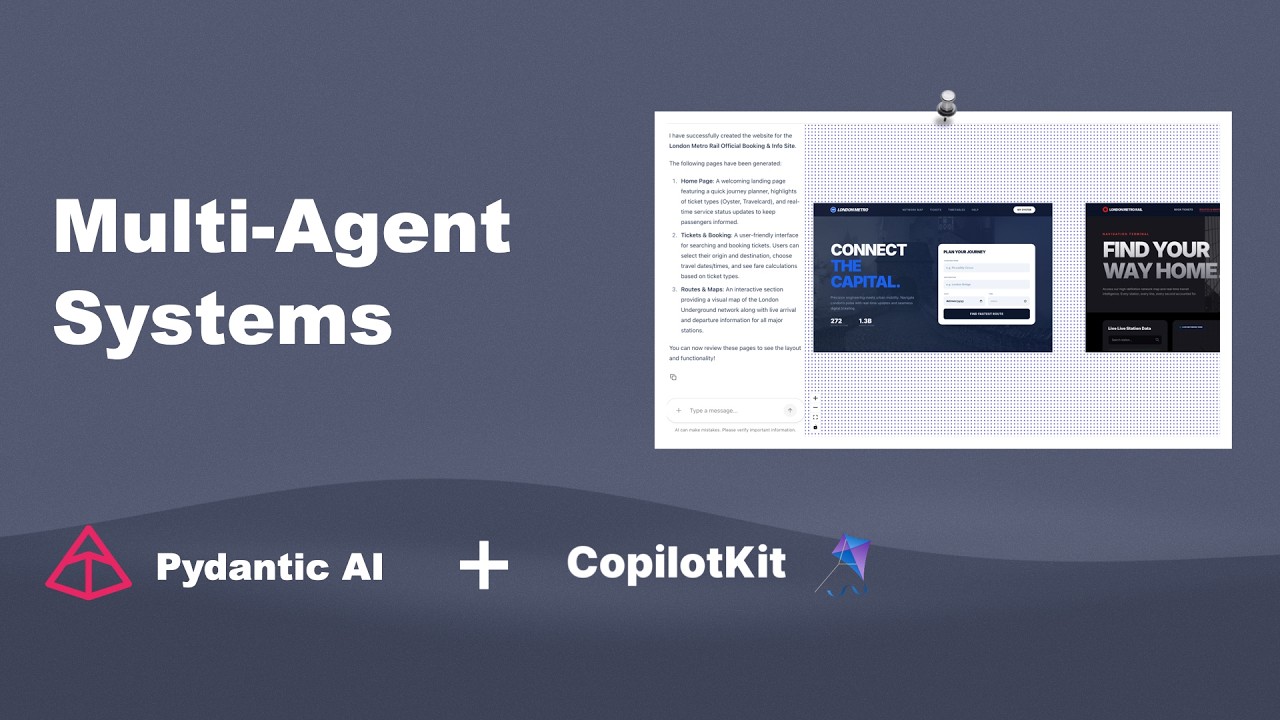
- Pydantic AI: An open-source agent framework and LLM library for Python. It allows developers to build production-grade, type-safe AI applications. It is model-agnostic, supporting all popular LLM providers, and includes built-in OpenTelemetry integration for observability.
- Pydantic Logfire: A powerful observability platform (OSS + SaaS) that provides logs, traces, and metrics for applications. Built on OpenTelemetry, Logfire offers a unified view of your entire application stack, not just LLM calls. It's designed to be used throughout the development lifecycle, from local debugging to production monitoring, helping developers understand application behavior and resolve issues quickly.
How to use Pydantic
Getting started with the Pydantic ecosystem is straightforward. Each component is designed for ease of use:
- For Data Validation: Install the core library with
pip install pydantic. Define your data structures as classes inheriting fromBaseModel, using standard Python type hints. Pydantic will automatically handle the validation, serialization, and documentation of your data models. - For AI Development: Install the AI library with
pip install pydantic-ai. Use its framework to build type-safe interactions with Large Language Models (LLMs), ensuring that the inputs and outputs of your AI agents are structured and valid. - For Observability: Install the Logfire SDK with
pip install logfire. Configure it in your application with a few lines of code (e.g.,logfire.configure()). Use auto-instrumentation for popular frameworks like FastAPI, Django, and libraries like OpenAI and SQLAlchemy to automatically capture traces and logs (e.g.,logfire.instrument_fastapi(app)). You can then view real-time data on the Logfire platform.
Core Features of Pydantic
- Type-Hint Based Validation: Leverages standard Python type annotations for runtime data validation, parsing, and serialization.
- IDE & Linter Friendly: Excellent integration with IDEs like VSCode and PyCharm for autocompletion and static analysis.
- Extensible & Fast: Highly performant, with core validation logic written in Rust. Easily customizable with custom data types and validators.
- Model-Agnostic AI Framework: Pydantic AI supports various LLM providers, giving developers flexibility in their choice of models.
- Full-Stack Observability: Logfire provides a complete picture with traces, logs, and metrics, covering everything from database queries to third-party API calls.
- OpenTelemetry Standard: Built on the open standard of OpenTelemetry, ensuring compatibility and future-proofing.
- Developer-Centric SDKs: Ergonomic SDKs for Python, JavaScript, and Rust that simplify instrumentation and provide powerful features.
- Local-to-Prod Monitoring: Use the same observability tool (Logfire) for local debugging and production monitoring, eliminating context switching.
Use Cases for Pydantic
Pydantic is versatile and can be applied in numerous scenarios:
- API Development: It is the data backbone of FastAPI, used for defining, validating, and documenting API request and response bodies.
- AI and LLM Applications: Building reliable AI agents and applications where structured, validated data exchange with LLMs is critical.
- Configuration Management: Managing application settings from environment variables or files with type validation and coercion.
- Data Processing Pipelines: Ensuring data quality and consistency at every step of an ETL or data processing workflow.
- Debugging and Performance Tuning: Using Logfire to trace application execution, identify bottlenecks, and resolve errors in both traditional and AI-powered applications.
- Production Monitoring: Keeping production systems healthy by monitoring key metrics, logs, and traces in a unified dashboard.
Advantages of Pydantic
The primary advantage of Pydantic is its focus on developer experience, which leads to faster development cycles and more robust applications. By using standard Python features (type hints), it has a gentle learning curve. Its performance is exceptional due to its Rust core. The ecosystem approach means developers have a cohesive set of tools for validation, AI, and observability, all designed to work together seamlessly. The strong open-source foundation fosters a large, active community and ensures transparency and continuous improvement.
Pricing and Plans
Pydantic follows a freemium model, balancing powerful open-source tools with a commercial service for observability.
- Pydantic Validation & Pydantic AI: These libraries are completely free and open-source, licensed under the MIT license.
- Pydantic Logfire: This observability platform has a tiered pricing structure.
- Free Plan: $0/month. Includes 10 million free spans/metrics per month, unlimited seats, and one-month data retention. Ideal for personal projects and testing.
- Pro Plan: Starts with the free allowance, then costs $2 per million additional spans/metrics. This plan scales with your usage and allows you to downgrade at any time.
- Enterprise Plan: Custom pricing for large-scale needs, offering features like self-hosting and extended data retention. Contact Pydantic for a quote.
No credit card is required to get started with the Logfire free tier.
Traffic
Latest traffic
Status
Monthly traffic trend
- 2025-9: 686.0K
- 2026-1: 670.4K
- 2026-2: 699.1K
- 2026-3: 727.8K
- 2026-4: 537.6K
- 2026-5: 535.0K
Geography
Top 5 countries / regions
- 🇺🇸United States49.5%
- 🇮🇳India15.8%
- 🇬🇧United Kingdom13.1%
- 🇨🇳China12.4%
- 🇨🇦Canada9.2%
Traffic sources
| Source type | Percentage |
|---|---|
Direct | 81.1% |
Referral | 18.1% |
Email | 0.8% |
Top keywords
| Keyword | Cost per click |
|---|---|
| logfire | $10.40 |
| pydantic | $1.14 |
| pydantic ai | $3.15 |
| pydanticai | $4.59 |
| pydantic settings | $0.00 |
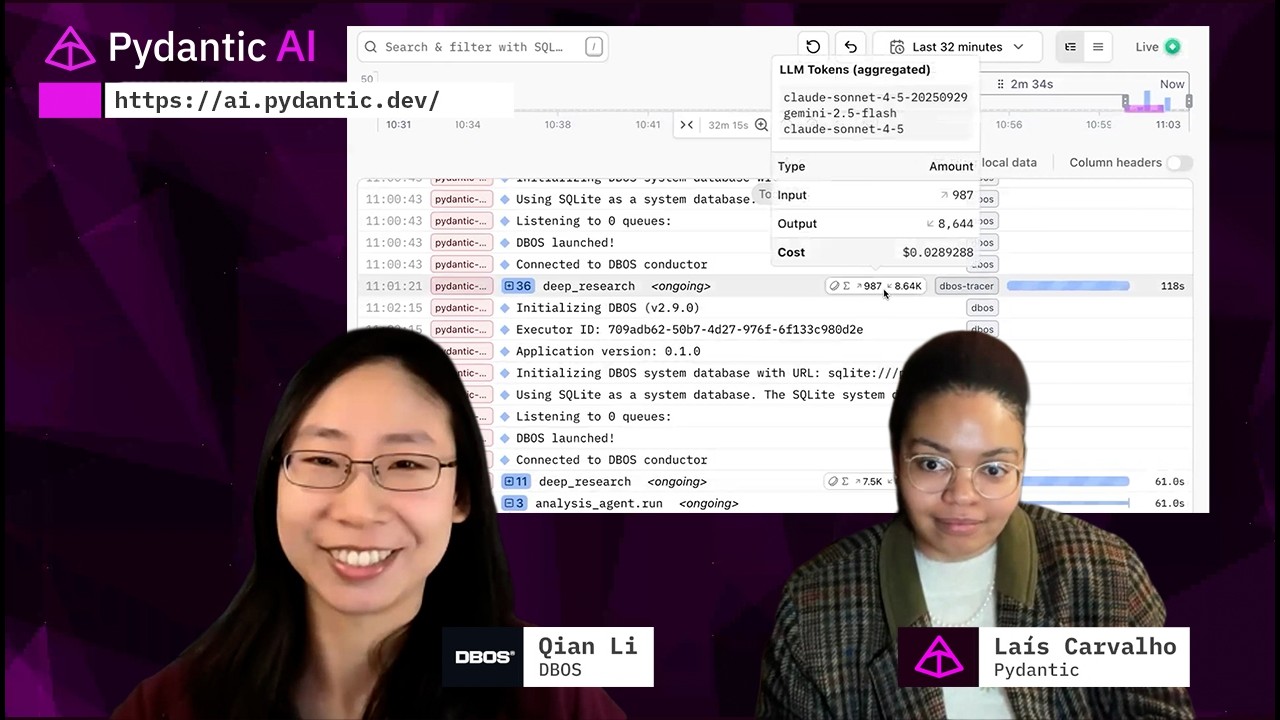
Pydantic Videos on YouTube




Blessed Josiah
Pydantic Alternatives
Helicone
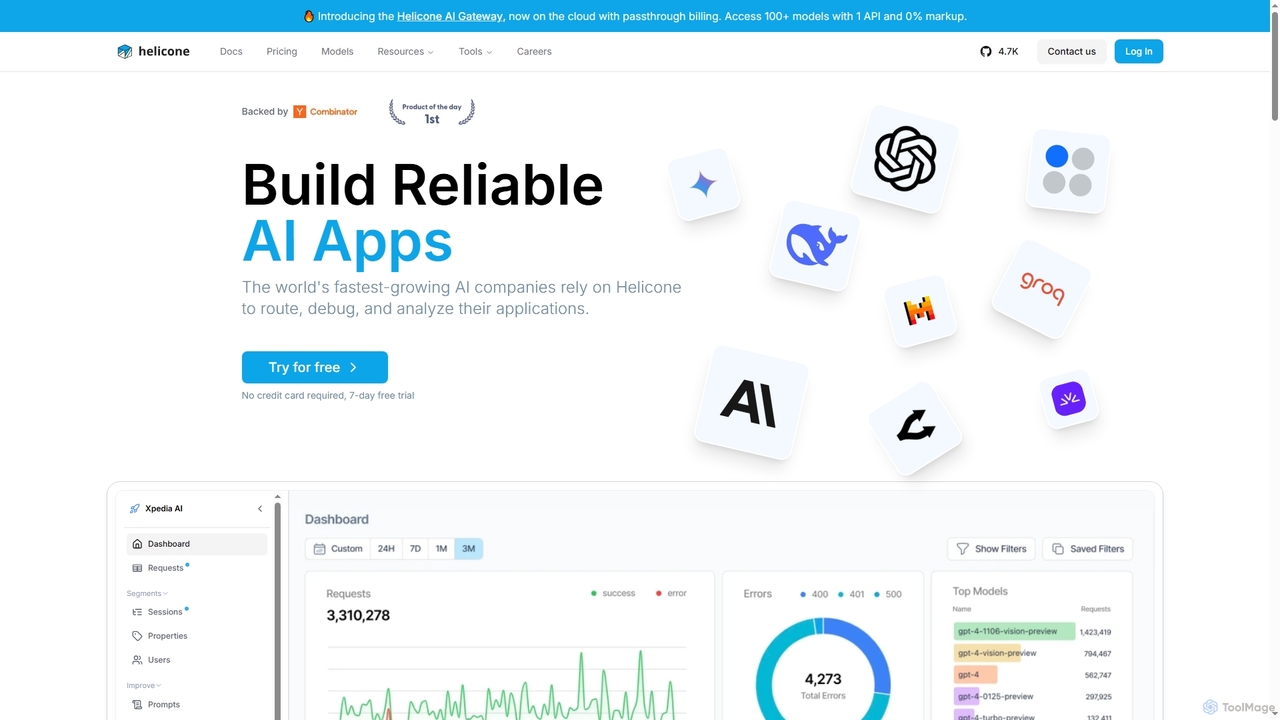
Helicone is an open-source platform offering an AI Gateway and LLM Observability for developers. It helps build reliable AI applications by providing tools to route, monitor, debug, and analyze LLM usage. Key features include a unified API for 100+ models, intelligent caching, rate limiting, prompt management, and detailed performance analytics.
Api Management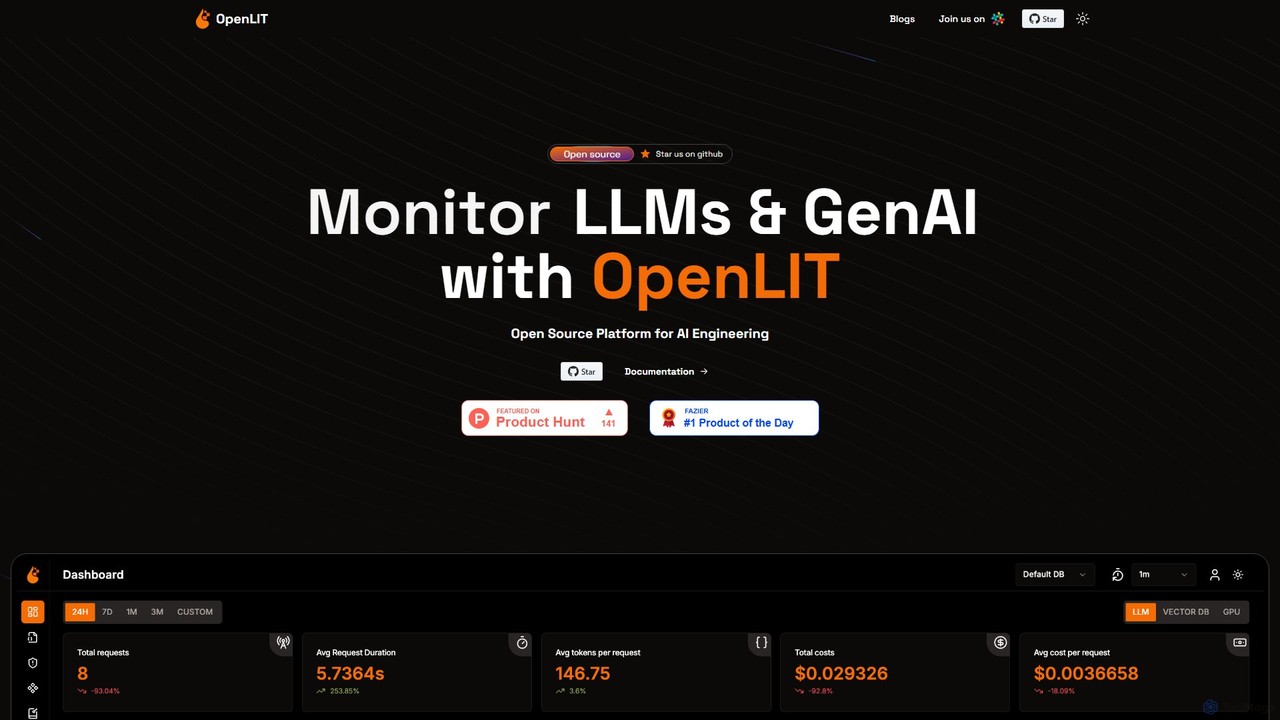
OpenLIT
OpenLIT is an open-source, OpenTelemetry-native observability platform for Generative AI and LLM applications. It simplifies development with tools for request tracing, cost tracking, exception monitoring, and performance analysis. Featuring a centralized prompt repository, a secure vault for secrets, and a playground for comparing LLMs, OpenLIT provides a comprehensive solution for monitoring and scaling AI applications efficiently.
Model Management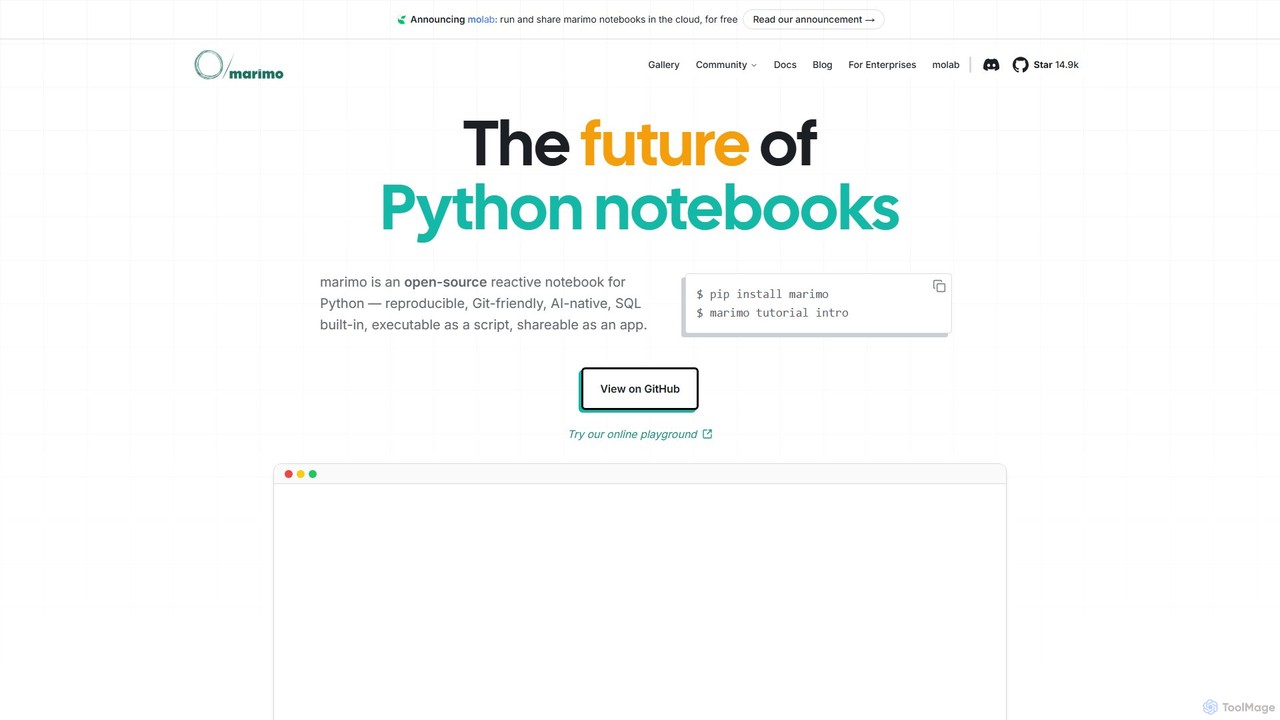
marimo
marimo is an open-source reactive Python notebook for modern data science and AI. It offers a reproducible, Git-friendly, and interactive environment where notebooks are pure Python scripts. Features include built-in AI assistance, SQL cells, and the ability to share notebooks as web apps, streamlining the workflow from experiment to production.
Data Visualization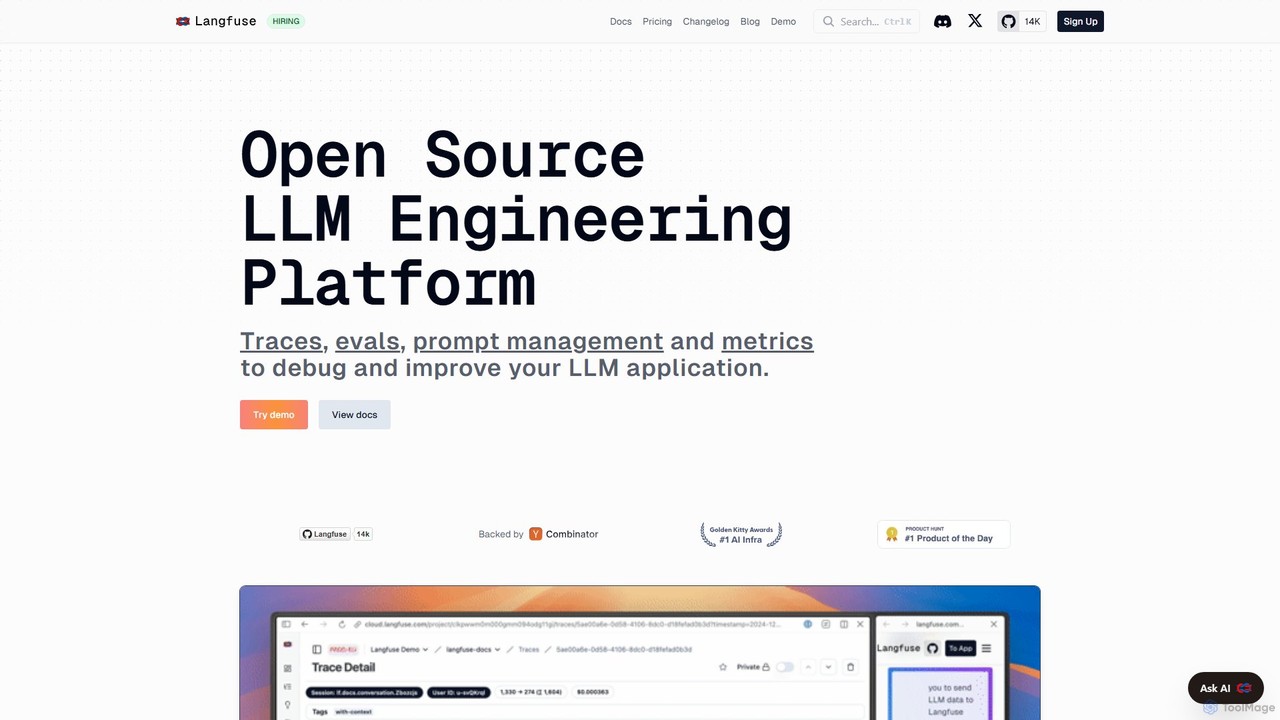
Langfuse
Langfuse is an open-source LLM engineering platform that provides comprehensive tools for debugging, evaluating, and improving LLM applications. It offers features like tracing, prompt management, evaluation frameworks, and metrics to streamline the entire development lifecycle for teams building with large language models.
Analytics
Fast.ai
Fast.ai is a research institute dedicated to making deep learning accessible to everyone. It offers free courses, an open-source software library (fastai), cutting-edge research, and a vibrant community, empowering coders of all backgrounds to become deep learning practitioners.
Machine LearningPydantic Categories
Pydantic Embed Widget
Copy this embed code to place the badge on your blog, article, or product site and send readers directly to this ToolMage detail page.

Related AI tools
Helicone
Helicone is an open-source platform offering an AI Gateway and LLM Observability for developers. It helps build reliable AI applications by providing tools to route, monitor, debug, and analyze LLM usage. Key features include a unified API for 100+ models, intelligent caching, rate limiting, prompt management, and detailed performance analytics.
Api ManagementLangfuse
Langfuse is an open-source LLM engineering platform that provides comprehensive tools for debugging, evaluating, and improving LLM applications. It offers features like tracing, prompt management, evaluation frameworks, and metrics to streamline the entire development lifecycle for teams building with large language models.
Analytics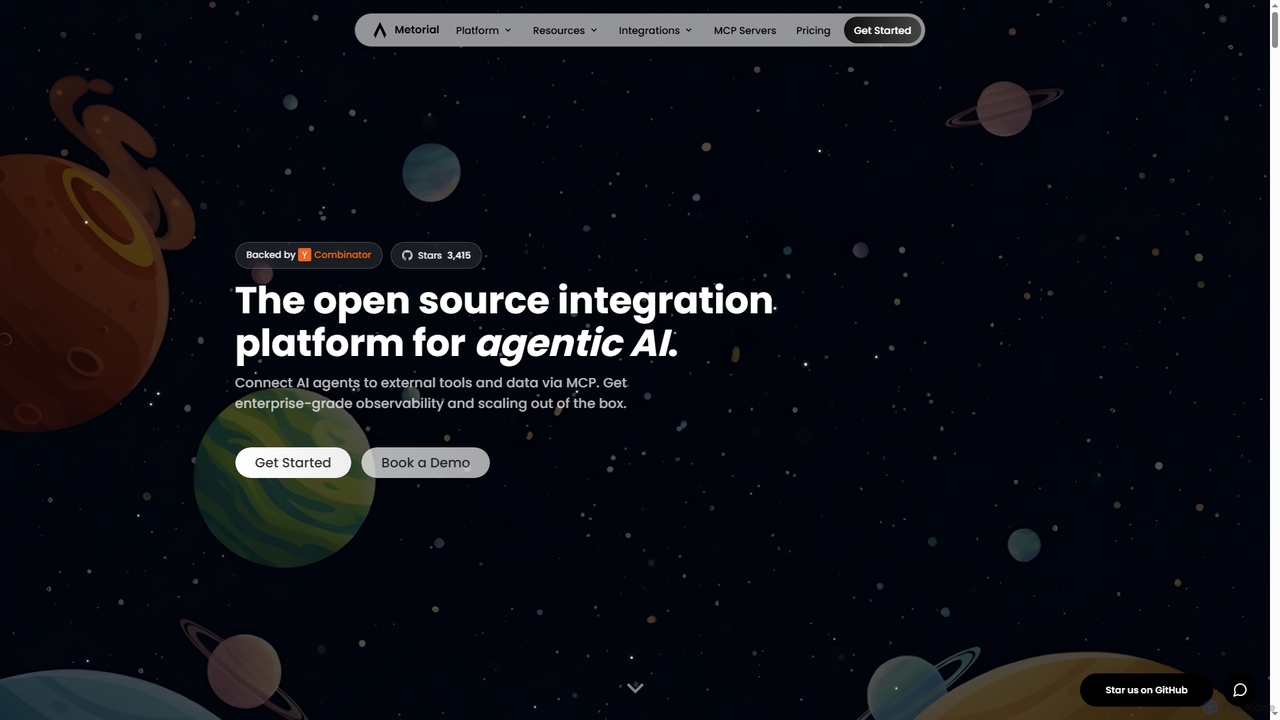
Metorial
Metorial is an integration platform for AI agents, enabling developers to quickly build, deploy, and monitor powerful agentic AI applications. It provides seamless connections to hundreds of tools, data sources, and APIs via its serverless Model Context Protocol (MCP) platform, offering robust SDKs, observability, and enterprise-grade security for scalable AI solutions.
Agentic Ai
Jyek
Jyek is an AI agent platform that understands objectives, creates execution plans, uses tools, and delivers verifiable results for complex, multi-step tasks.
Automation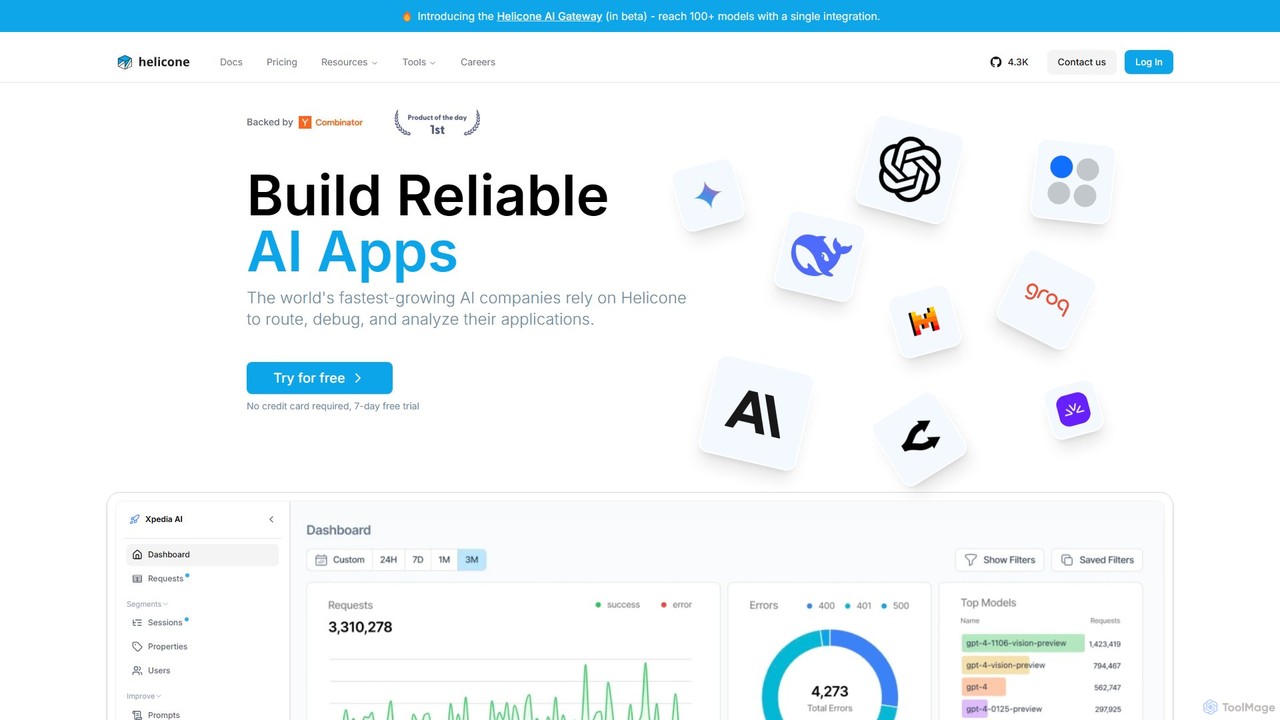
Valyr
Valyr (formerly Helicone) is an open-source LLM observability platform and AI gateway. It helps developers monitor, debug, and analyze their AI applications, providing a single integration to access over 100 models, manage costs, and improve reliability with features like caching and rate limiting.
Api ManagementOpenLIT
OpenLIT is an open-source, OpenTelemetry-native observability platform for Generative AI and LLM applications. It simplifies development with tools for request tracing, cost tracking, exception monitoring, and performance analysis. Featuring a centralized prompt repository, a secure vault for secrets, and a playground for comparing LLMs, OpenLIT provides a comprehensive solution for monitoring and scaling AI applications efficiently.
Model Management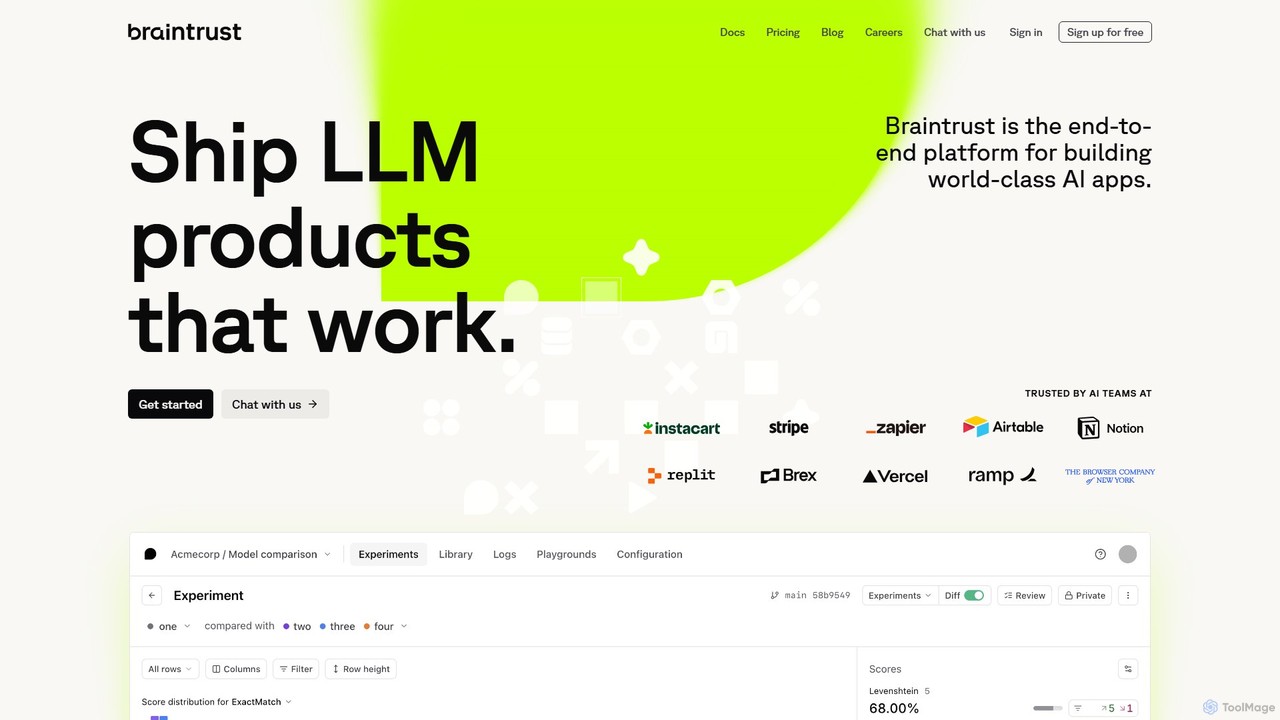
Braintrust
Braintrust is an end-to-end platform for developing, evaluating, and deploying robust LLM applications. It provides a comprehensive suite of tools for prompt engineering, model evaluation, real-time tracing, and production monitoring. Designed for both technical and non-technical team members, Braintrust helps streamline the AI development lifecycle, ensuring that AI products are reliable, effective, and ready for production.
Evaluation & Testing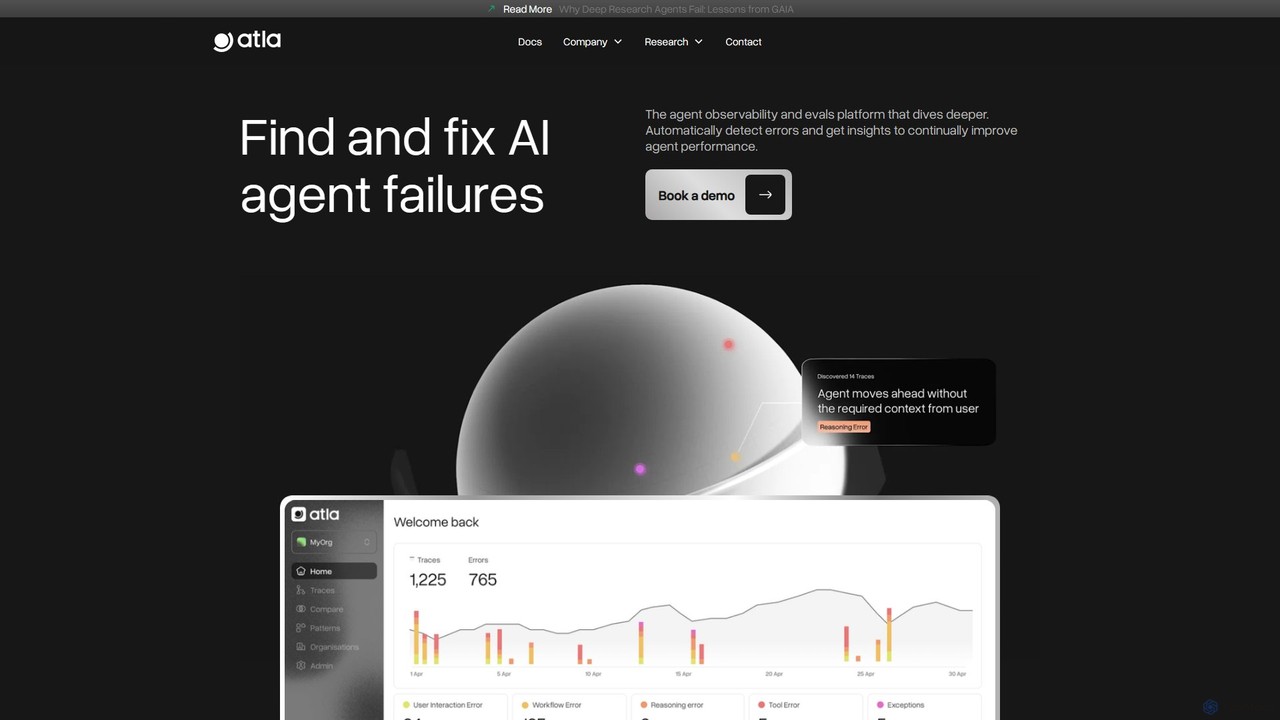
Atla AI
Atla AI is an observability and evaluation platform designed for AI agents. It helps developers find, understand, and fix agent failures by providing deep insights into their behavior. The platform automatically detects errors, identifies recurring patterns, and offers actionable suggestions to continuously improve agent performance and completion rates.
Model Evaluationmarimo
marimo is an open-source reactive Python notebook for modern data science and AI. It offers a reproducible, Git-friendly, and interactive environment where notebooks are pure Python scripts. Features include built-in AI assistance, SQL cells, and the ability to share notebooks as web apps, streamlining the workflow from experiment to production.
Data Visualization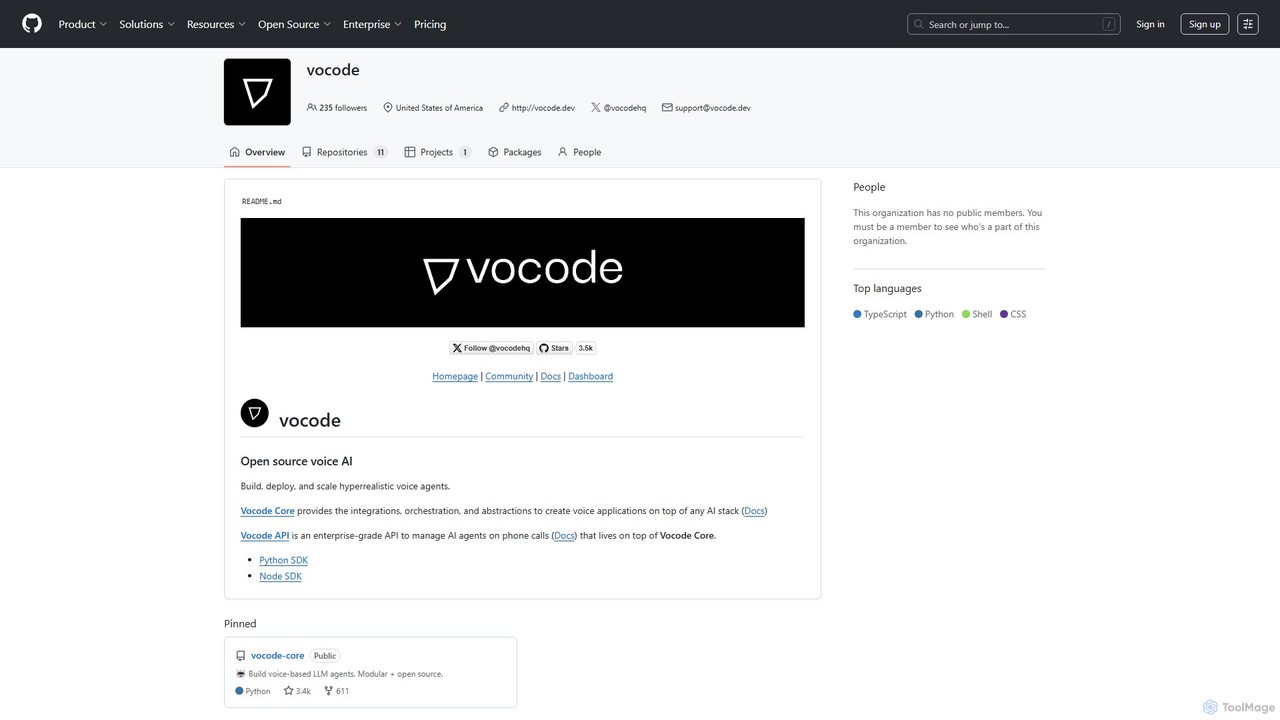
vocode
Vocode is an open-source platform for building, deploying, and scaling hyperrealistic voice AI agents. It provides developers with a core framework and an enterprise-grade API to create sophisticated voice-based LLM applications for tasks like automated customer service, sales calls, and interactive voice response (IVR) systems.
Voicebot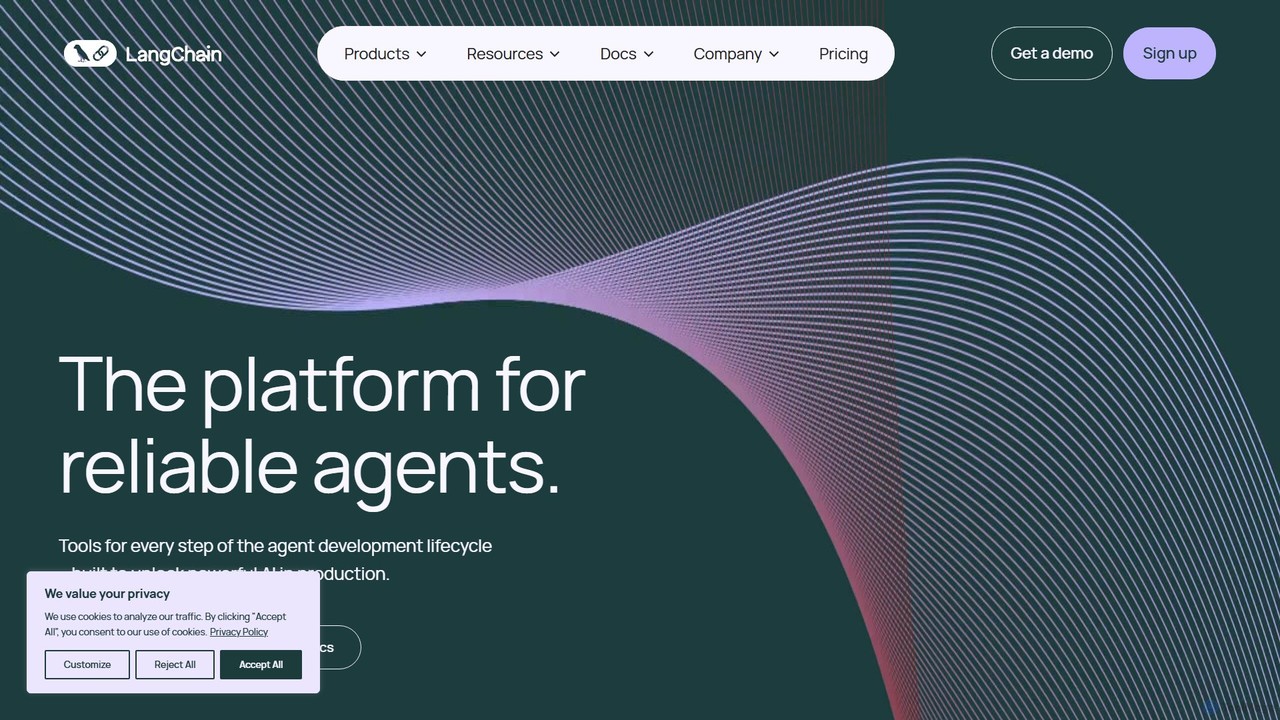
LangChain
LangChain is a comprehensive framework and developer platform for building, deploying, and managing production-grade LLM applications. It provides a full suite of tools, including LangChain framework, LangGraph for agent orchestration, and LangSmith for observability, enabling developers to create sophisticated, reliable, and scalable AI agents.
Llm Ops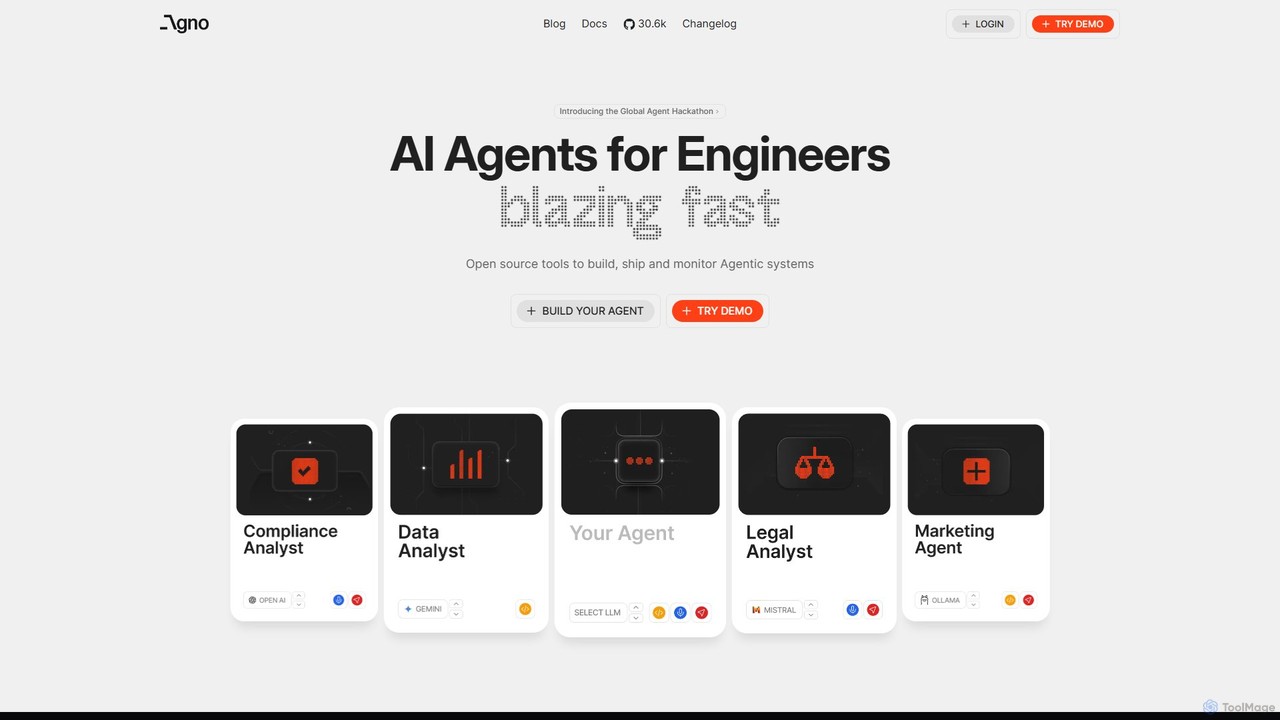
phidata
phidata is an open-source Python framework for building autonomous AI Assistants. It simplifies the integration of LLMs with memory, knowledge bases, and external tools, enabling developers to create powerful, stateful AI applications with ease.
Frameworks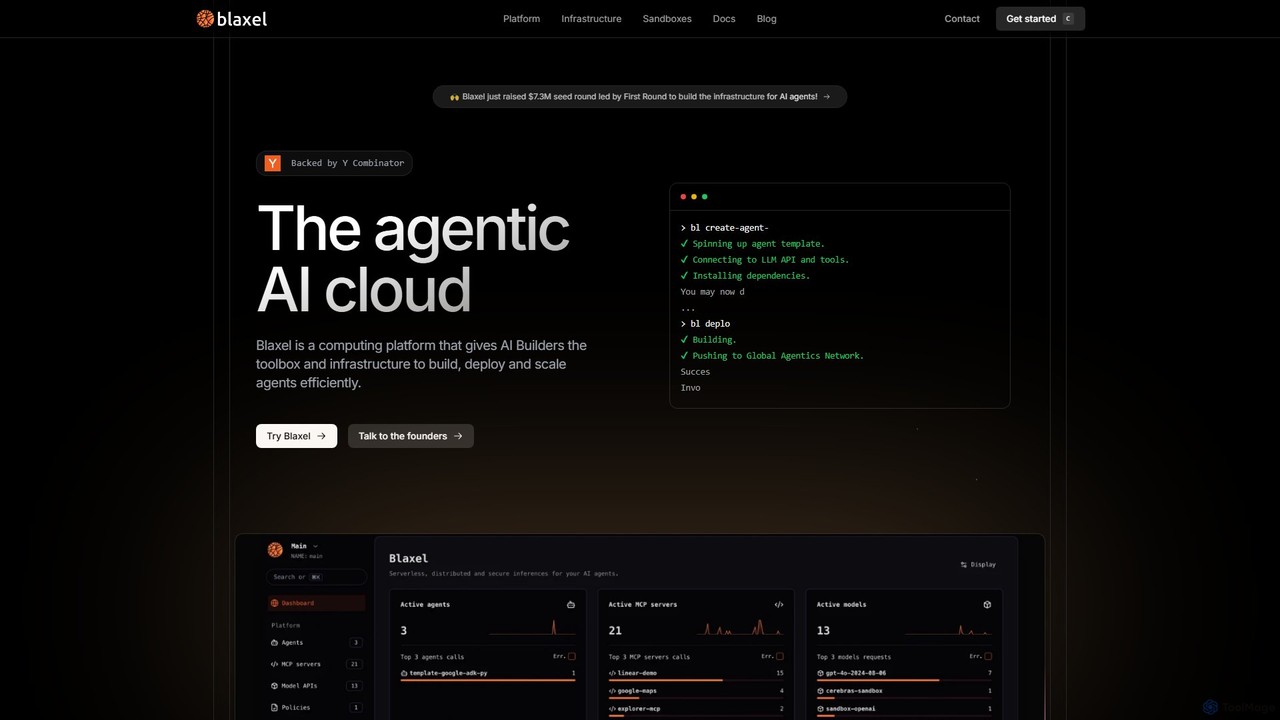
Blaxel
Blaxel is a serverless computing platform designed for AI developers, providing the infrastructure and tools to build, deploy, and scale agentic AI applications efficiently. It offers sandboxed VMs, a unified LLM gateway, and deep observability.
Cloud Computing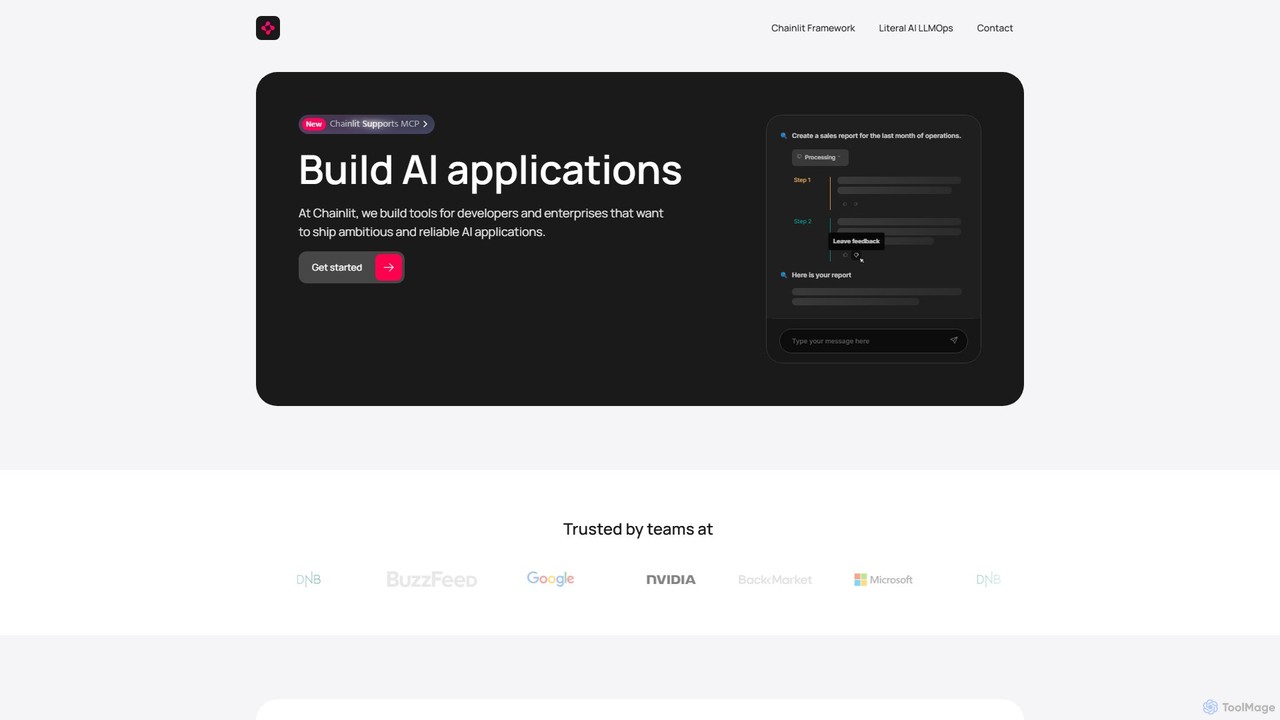
Chainlit
Chainlit is an open-source Python framework for developers to rapidly build and deploy production-ready conversational AI applications. It provides an instant, customizable chat interface, allowing you to focus on your backend logic and LLM interactions. With deep integrations for LangChain, LlamaIndex, and major LLM providers, Chainlit simplifies the creation of everything from simple chatbots to complex, data-driven copilots.
Framework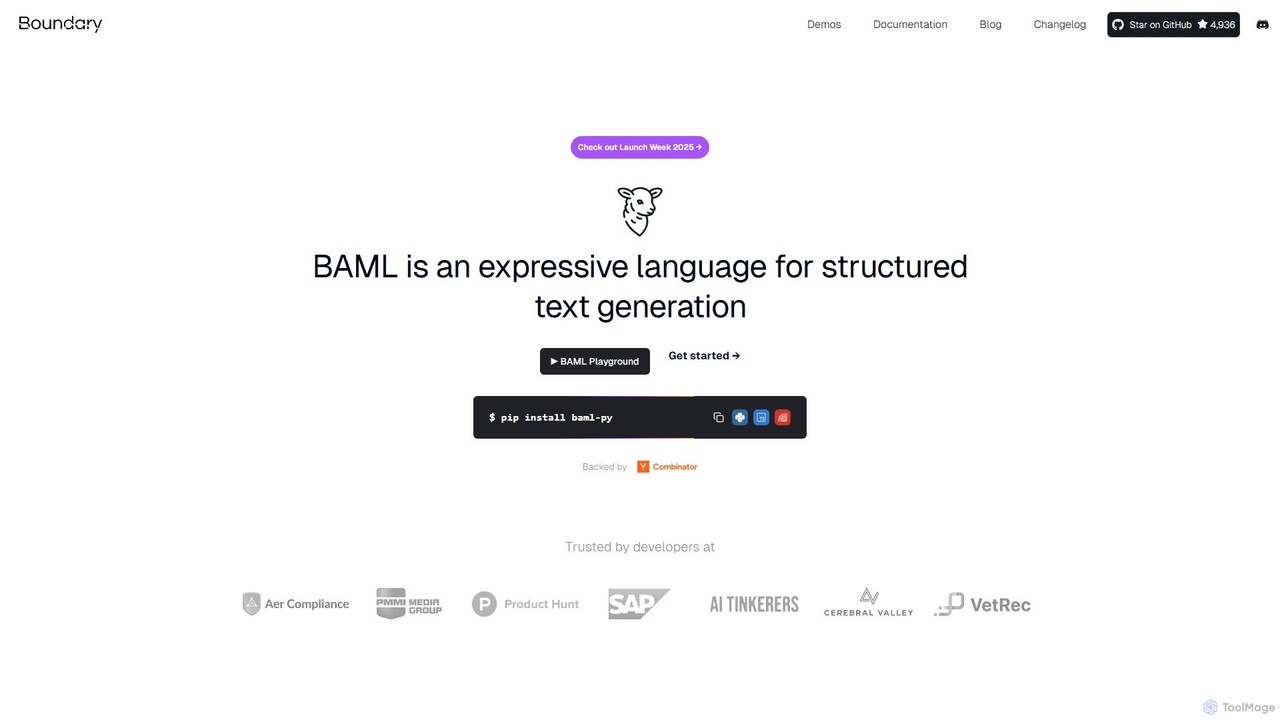
boundaryml
boundaryml (BAML) is a specialized programming language and toolkit for developers to reliably extract structured data from Large Language Models (LLMs). It transforms complex prompt engineering into a streamlined, code-like process, ensuring type-safe, error-corrected outputs across various LLMs and programming languages like Python and TypeScript. It's designed to enhance reliability, reduce costs, and accelerate development cycles for AI applications.
Api
Pydantic Comments (0)
Sign in to comment.
Sign inNo comments yet.