

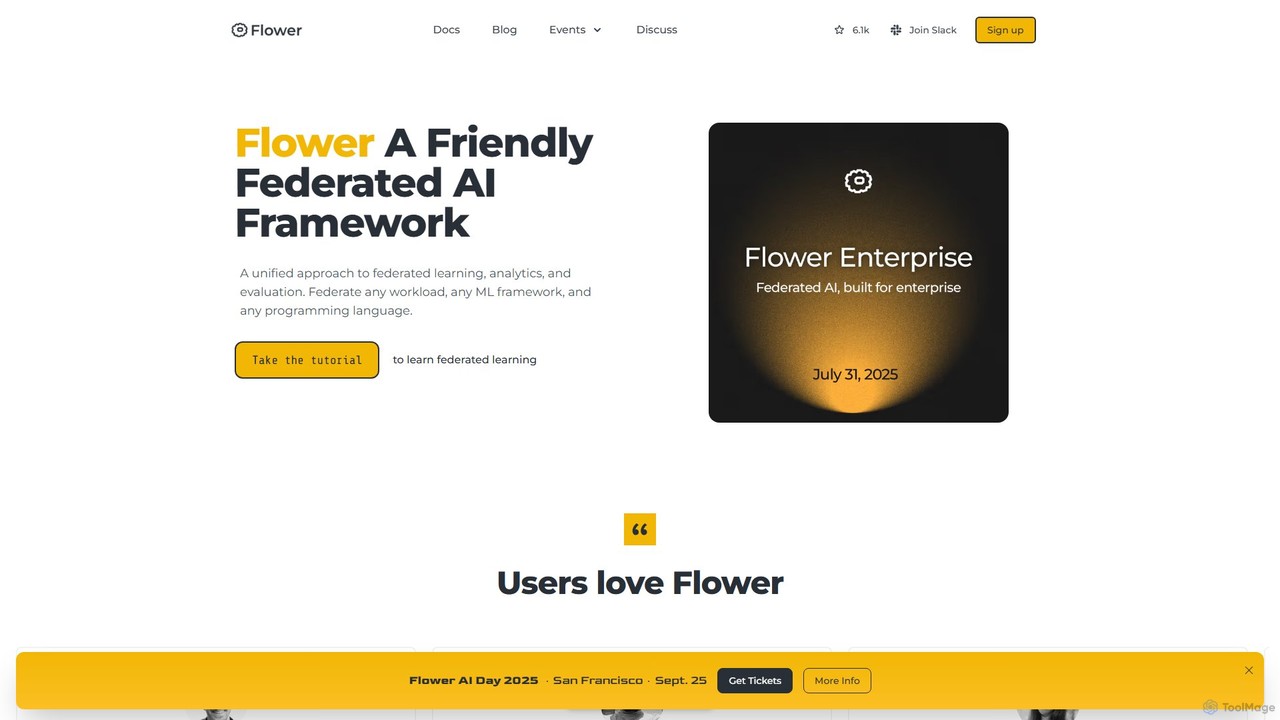
Flower Overview
Flower is a comprehensive, open-source framework designed to unify federated learning, federated analytics, and federated evaluation. It addresses the growing challenges of privacy, data regulation (like GDPR and CCPA), and data volume in modern machine learning. Instead of the traditional approach of centralizing data for training, Flower champions a decentralized method: it moves the computation (model training) to where the data resides. This privacy-by-design approach allows organizations and developers to build powerful AI models by collaborating on sensitive, distributed datasets without ever exposing the raw data.
Built for scalability and ease of use, Flower is designed to be accessible to both researchers and production engineers. It allows for a smooth transition from a research prototype to a large-scale production system with minimal engineering overhead. The framework is trusted and used by leading organizations like Mozilla, and praised by researchers for its efficiency and simplicity.
How to use Flower
Getting started with Flower is straightforward, especially for developers familiar with Python and popular machine learning libraries. The process can be broken down into a few simple steps:
- Installation: Install the Flower library using pip. For a typical simulation setup, the command is:
pip install flwr[simulation]. - Create a Flower App: Flower provides a command-line tool to quickly scaffold a new project. Simply run
flwr newand follow the interactive prompts to select your preferred ML framework (e.g., TensorFlow, PyTorch). - Implement Client and Server Logic: You'll define the behavior of your clients (which hold the data and perform local training) and the server (which orchestrates the federated learning process and aggregates model updates). This is done in Python, and Flower provides clear abstractions to integrate your existing model training code. A basic system can be set up in as few as 20 lines of code.
- Run the Federated App: Once your client and server logic is defined, you can start the federated learning process with a single command:
flwr run ..
Flower offers extensive documentation, including quickstart guides and tutorials for a wide array of frameworks such as PyTorch, TensorFlow, Hugging Face, JAX, scikit-learn, and XGBoost, making it easy to federate existing projects.
Core Features of Flower
- ML Framework Agnostic: Seamlessly integrates with virtually any machine learning framework, including PyTorch, TensorFlow, Keras, JAX, scikit-learn, XGBoost, and more. You can use your favorite tools without being locked into a specific ecosystem.
- Unified Approach: Provides a single, coherent framework for federated learning, federated evaluation (to assess model performance on decentralized data), and federated analytics (to derive insights from distributed data).
- Extreme Scalability: Engineered to handle real-world scenarios with a massive number of clients. It has been successfully used in simulations with tens of millions of clients.
- Platform Independent: Runs on a wide variety of hardware and operating systems. It is compatible with major cloud providers (AWS, GCP, Azure) and edge devices, including Android, iOS, Raspberry Pi, and NVIDIA Jetson.
- Research to Production: Facilitates a smooth pipeline from initial research and experimentation to robust, production-ready deployments.
- Privacy-Enhancing Technologies: Supports advanced privacy techniques like Differential Privacy (DP) and Secure Aggregation (SecAgg+) to provide quantifiable privacy guarantees and protect model updates.
- Extensive SDKs: While primarily a Python framework, Flower is expanding with SDKs for Android (Java/Kotlin), iOS (Swift), and C++ (coming soon) to enable native on-device training.
Use Cases for Flower
Flower's privacy-preserving nature unlocks AI applications in numerous sensitive domains:
- Healthcare: Hospitals can collaboratively train a cancer detection model on their respective patient data without sharing any sensitive medical records.
- Finance: Financial institutions can build a shared fraud detection model by training on their private transaction data, improving accuracy without violating customer privacy.
- Automotive & IoT: Car manufacturers can improve electric vehicle range predictions by using federated learning on location and driving data from thousands of vehicles, all while keeping user data on the device.
- Mobile & On-Device AI: Developers can train smarter keyboard auto-complete models using text input from users' phones without the text ever leaving the device.
- Large Language Models (LLMs): Flower enables federated fine-tuning of LLMs (e.g., using FlowerTune LLM) on private, domain-specific datasets to create specialized models without centralizing sensitive information.
- Robotics: Train robotic control models across a fleet of robots learning from their individual experiences in different environments.
Advantages of Flower
The primary advantage of Flower is its ability to enable machine learning in scenarios where it was previously impossible due to privacy, legal, or logistical constraints. It democratizes access to collaborative AI by providing an open, flexible, and powerful tool. Its framework-agnostic design ensures developers can leverage their existing skills and codebases. The strong community on Slack and GitHub provides excellent support, and the comprehensive documentation and examples lower the barrier to entry for federated learning.
Pricing and Plans
Flower is an open-source project licensed under the Apache 2.0 License. It is completely free to use for both academic and commercial purposes. The development is supported by a vibrant community of contributors and commercial partners.
Traffic
Latest traffic
Status
Monthly traffic trend
- 2025-9: 100.9K
- 2026-1: 78.6K
- 2026-2: 69.2K
- 2026-3: 69.7K
- 2026-4: 68.3K
- 2026-5: 78.9K
Geography
Top 5 countries / regions
- 🇧🇷Brazil37.0%
- 🇺🇸United States21.0%
- 🇮🇳India17.3%
- 🇩🇪Germany13.1%
- 🇵🇱Poland11.6%
Traffic sources
| Source type | Percentage |
|---|---|
Direct | 79.7% |
Referral | 18.6% |
Email | 1.7% |
Top keywords
| Keyword | Cost per click |
|---|---|
| flower | $3.14 |
| flower ai | $1.81 |
| flower federated learning | $0.00 |
| prometheus flower federated learning | $0.00 |
| strategy stasrty method flower return | $0.00 |
Flower Videos on YouTube


Call Manager AI


Applied Computing Foundation

Our Favorite Things Reviewed

バイリンガルアナウンサー 野口美穂 Miho | Japanese Bilingual MC

KASTLE_Key AI Solutions To Learners and Educators
Mauricio Gomez
Flower Alternatives
TensorFlow
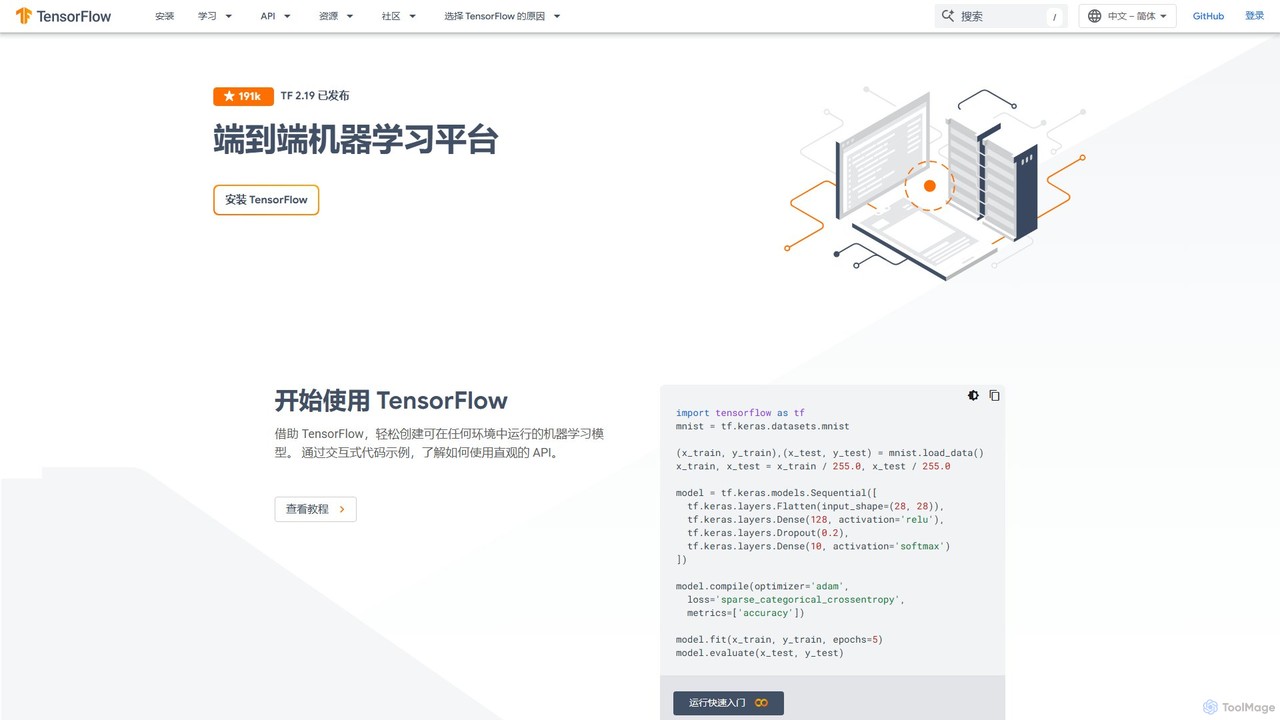
TensorFlow is an end-to-end open-source platform for machine learning developed by Google. It provides a comprehensive, flexible ecosystem of tools, libraries, and community resources that lets researchers and developers build and deploy ML-powered applications. From beginners to experts, TensorFlow offers intuitive high-level APIs for easy model building and powerful low-level APIs for advanced research, enabling deployment across servers, edge devices, and browsers.
Frameworks
MLflow
MLflow is an open-source platform for managing the end-to-end machine learning lifecycle. It enables developers and data scientists to track experiments, package code into reproducible runs, version and share models, and deploy them to production, supporting both traditional ML and modern GenAI applications.
Data Science
Weights & Biases
Weights & Biases is the leading MLOps platform for developers to build better models faster. It helps machine learning teams track experiments, version datasets, manage model lifecycles, and collaborate seamlessly. Ideal for everything from academic research to enterprise-level AI development.
Visualization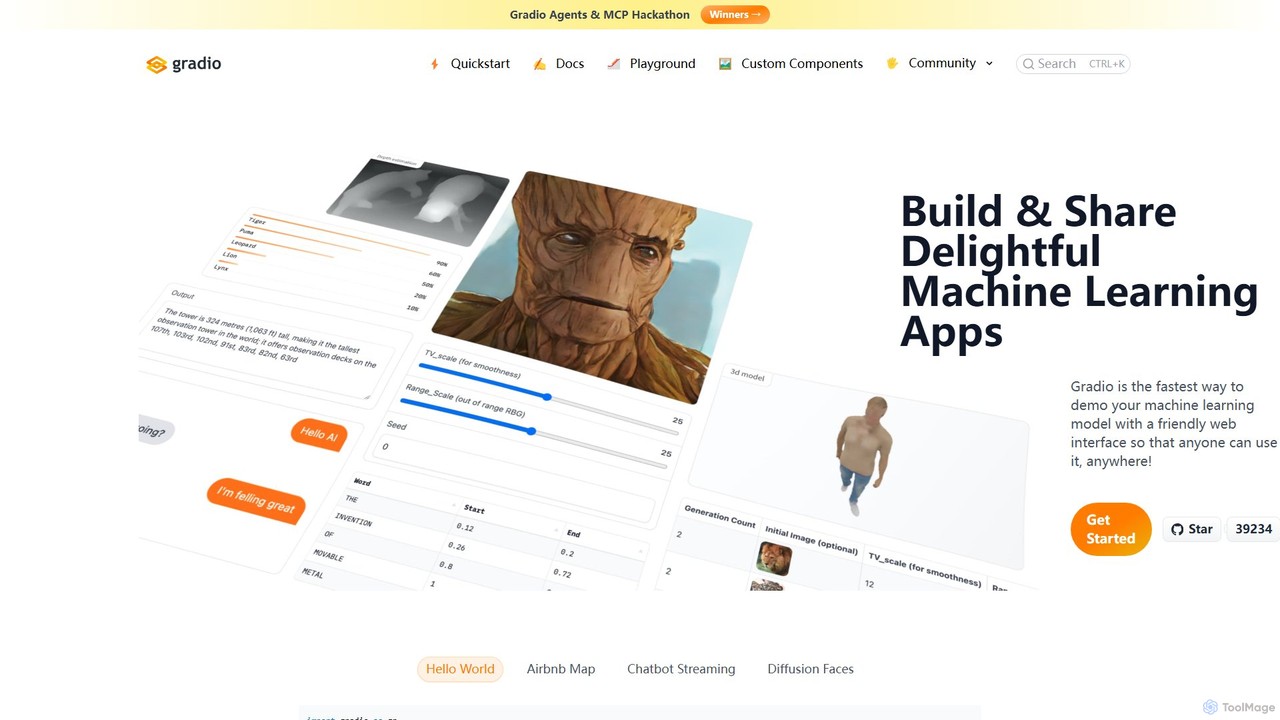
Gradio
Gradio is an open-source Python library that allows you to quickly build and share user-friendly web interfaces for your machine learning models, APIs, or any Python function. No web development experience is required.
Data Visualization
PyBrain
PyBrain is a modular and flexible open-source Machine Learning Library for Python. It provides powerful, easy-to-use algorithms for machine learning tasks, with a particular focus on neural networks, reinforcement learning, and unsupervised learning. It is designed to be accessible for beginners while remaining powerful enough for research purposes.
Libraries & FrameworksFlower Categories
Flower Embed Widget
Copy this embed code to place the badge on your blog, article, or product site and send readers directly to this ToolMage detail page.

Related AI tools
MLflow
MLflow is an open-source platform for managing the end-to-end machine learning lifecycle. It enables developers and data scientists to track experiments, package code into reproducible runs, version and share models, and deploy them to production, supporting both traditional ML and modern GenAI applications.
Data Science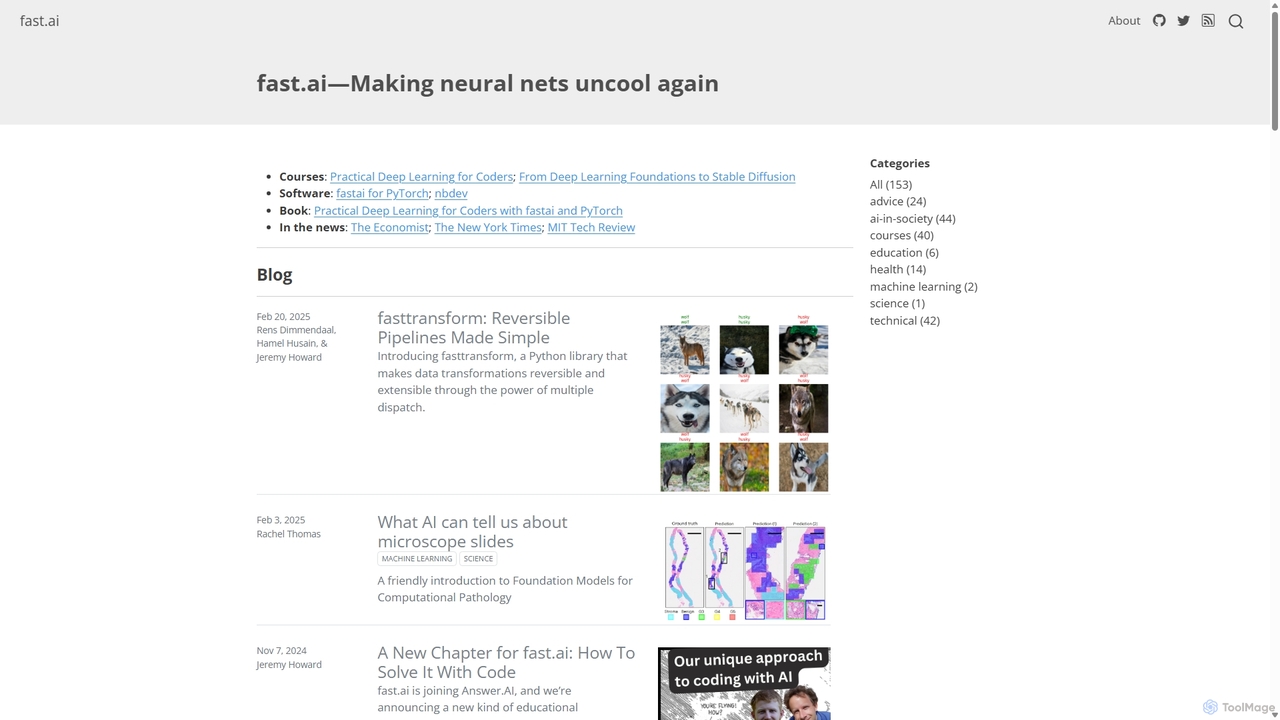
Fast.ai
Fast.ai is a research institute dedicated to making deep learning accessible to everyone. It offers free courses, an open-source software library (fastai), cutting-edge research, and a vibrant community, empowering coders of all backgrounds to become deep learning practitioners.
Machine Learning
Squid & Fish Digitals
Squid & Fish Digitals offers a comprehensive machine learning study plan for beginners. This structured roadmap guides you from foundational concepts in Python and mathematics to advanced deep learning with libraries like TensorFlow and PyTorch. It's designed to equip aspiring data scientists and developers with the practical skills needed for real-world AI projects, transforming complex topics into an accessible learning journey.
Data ScienceTensorFlow
TensorFlow is an end-to-end open-source platform for machine learning developed by Google. It provides a comprehensive, flexible ecosystem of tools, libraries, and community resources that lets researchers and developers build and deploy ML-powered applications. From beginners to experts, TensorFlow offers intuitive high-level APIs for easy model building and powerful low-level APIs for advanced research, enabling deployment across servers, edge devices, and browsers.
FrameworksWeights & Biases
Weights & Biases is the leading MLOps platform for developers to build better models faster. It helps machine learning teams track experiments, version datasets, manage model lifecycles, and collaborate seamlessly. Ideal for everything from academic research to enterprise-level AI development.
VisualizationGradio
Gradio is an open-source Python library that allows you to quickly build and share user-friendly web interfaces for your machine learning models, APIs, or any Python function. No web development experience is required.
Data VisualizationPyBrain
PyBrain is a modular and flexible open-source Machine Learning Library for Python. It provides powerful, easy-to-use algorithms for machine learning tasks, with a particular focus on neural networks, reinforcement learning, and unsupervised learning. It is designed to be accessible for beginners while remaining powerful enough for research purposes.
Libraries & Frameworks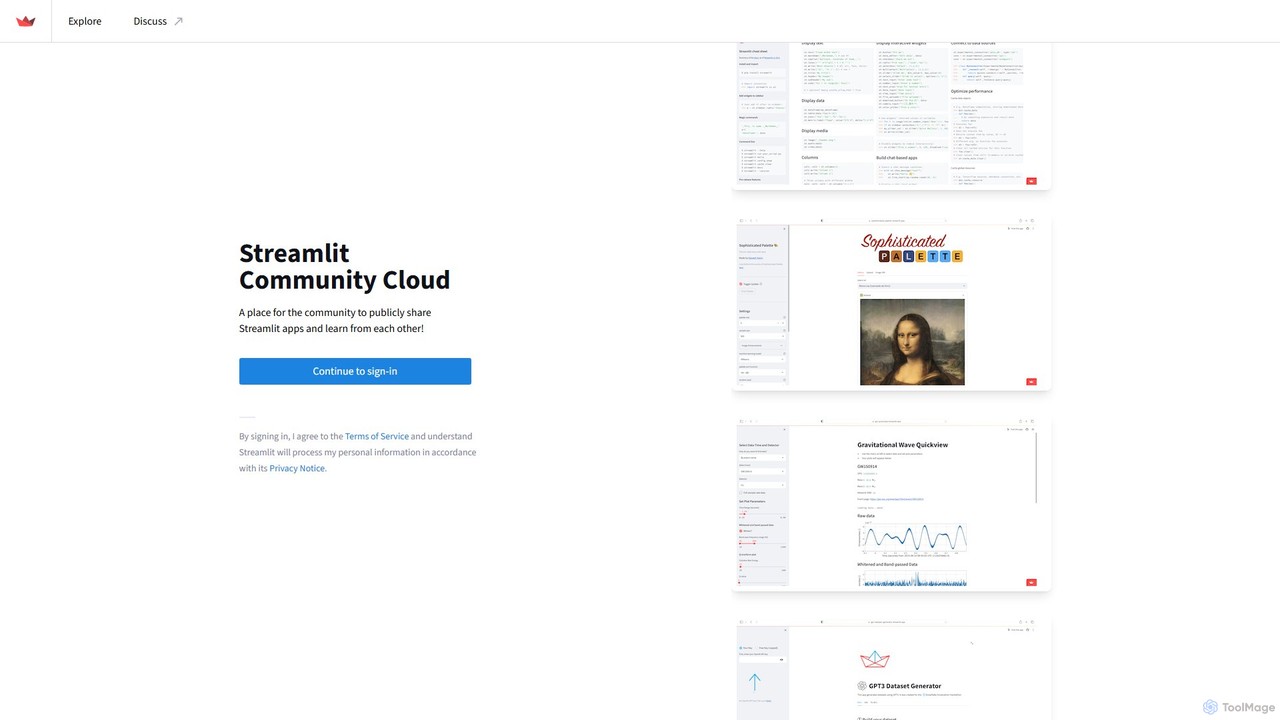
Streamlit
Streamlit is an open-source Python framework that enables developers and data scientists to build and share beautiful, custom web apps for machine learning and data science in minutes. The Streamlit Community Cloud provides a free platform to deploy, manage, and share these public applications with the world, fostering a collaborative environment for innovation.
Data Visualization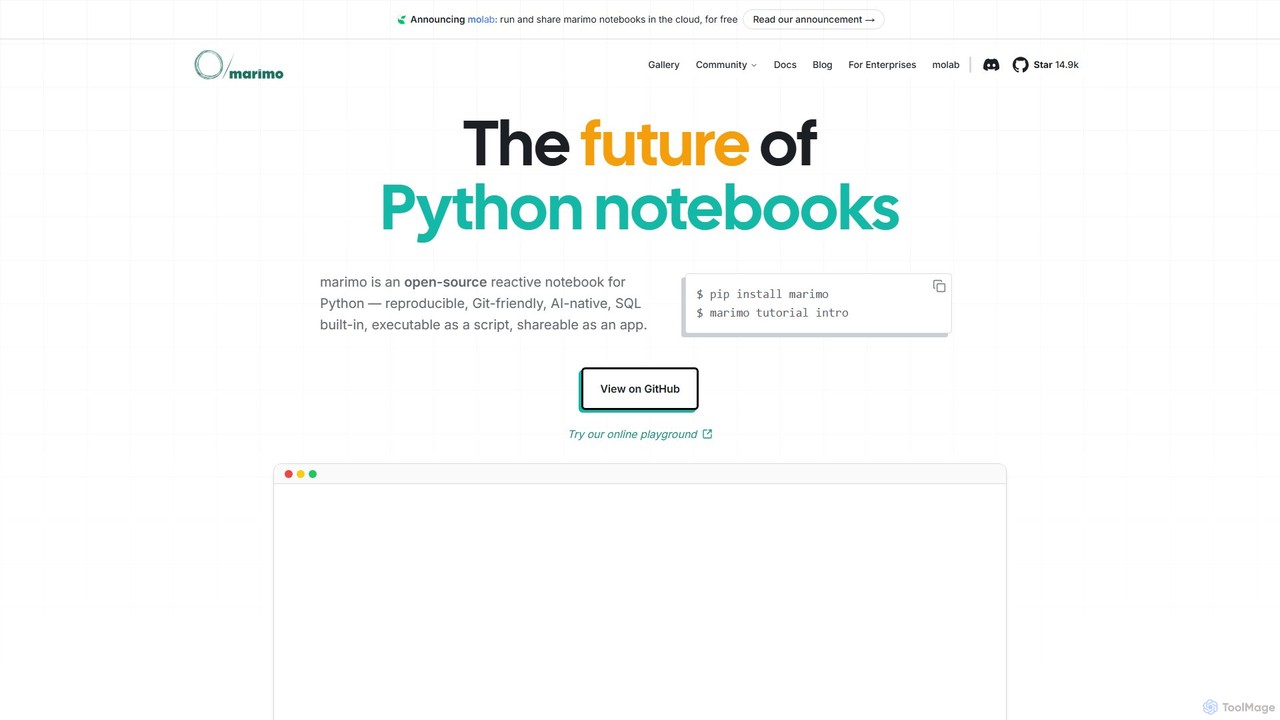
marimo
marimo is an open-source reactive Python notebook for modern data science and AI. It offers a reproducible, Git-friendly, and interactive environment where notebooks are pure Python scripts. Features include built-in AI assistance, SQL cells, and the ability to share notebooks as web apps, streamlining the workflow from experiment to production.
Data Visualization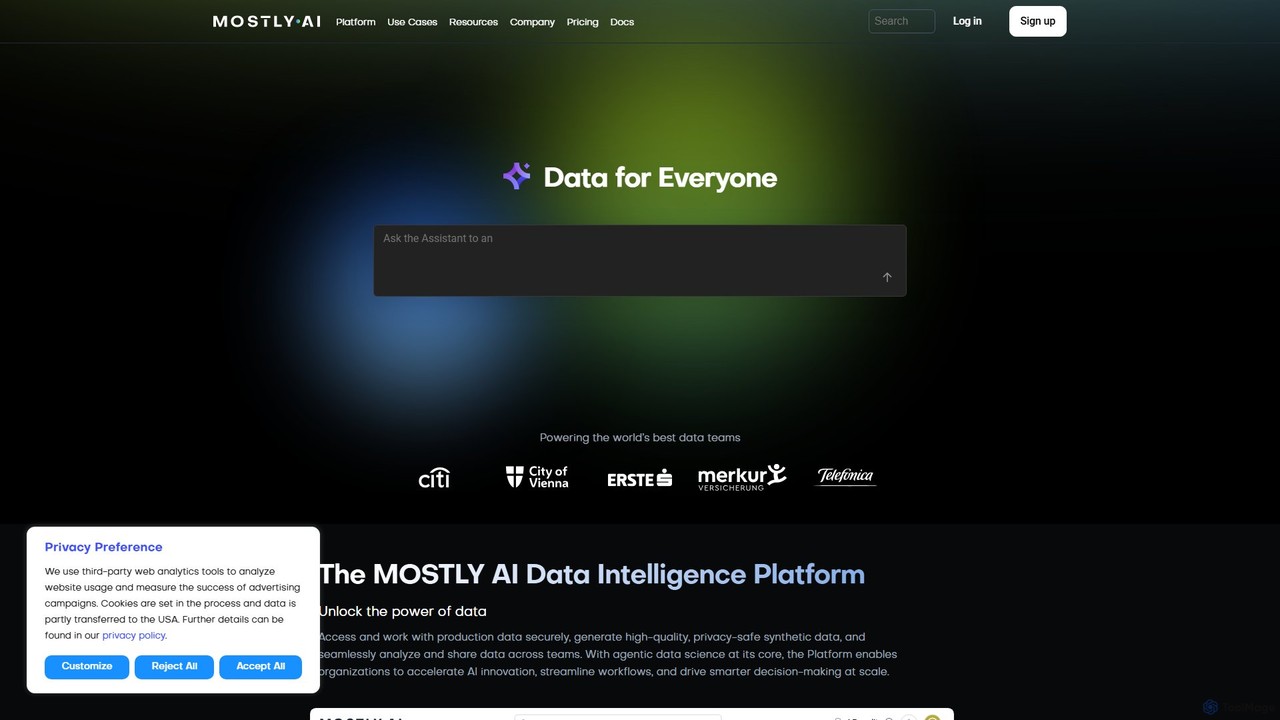
MOSTLY AI
MOSTLY AI is a Data Intelligence Platform that specializes in generating high-quality, privacy-safe synthetic data. It enables organizations to securely access, analyze, and share data, accelerating AI innovation and streamlining workflows while ensuring full compliance with privacy regulations.
Machine Learning
MindSpore
MindSpore is an open-source, all-scenario AI computing framework designed for developers and data scientists. It provides a developer-friendly experience with flexible deployment across cloud, edge, and device environments. It excels in distributed training for large models and offers specialized toolkits for scientific computing (AI4S), ensuring high performance and efficiency, especially on Ascend hardware.
Scientific Computing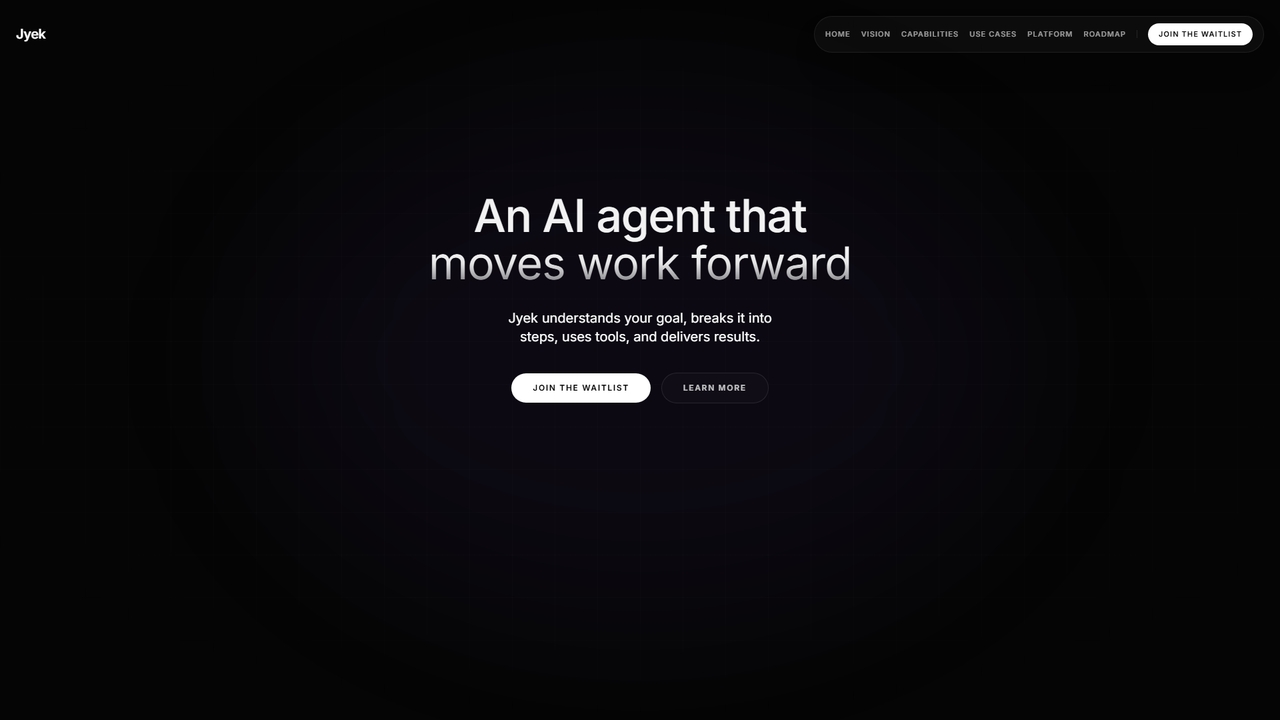
Jyek
Jyek is an AI agent platform that understands objectives, creates execution plans, uses tools, and delivers verifiable results for complex, multi-step tasks.
Automation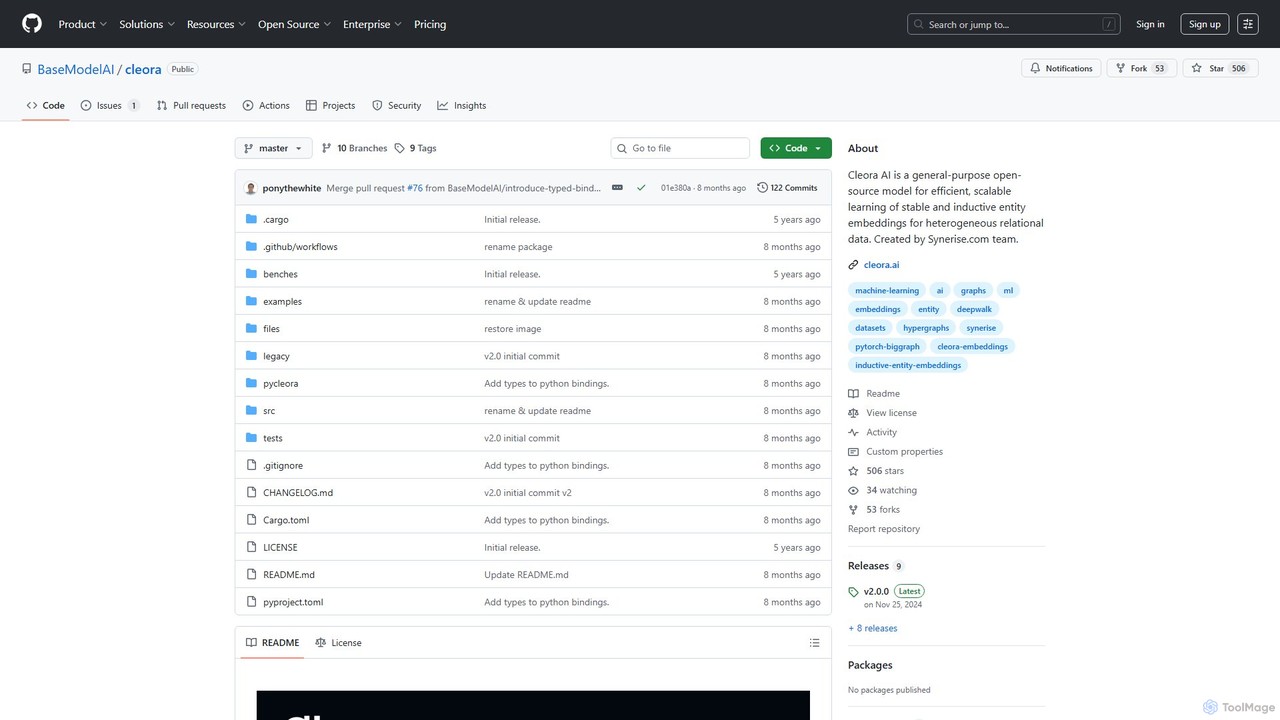
Cleora
Cleora is an open-source, high-performance model for creating stable and inductive entity embeddings from large-scale, heterogeneous relational data and hypergraphs. Written in Rust with a Python API, it offers unparalleled speed and scalability for tasks like recommendation systems and graph analytics.
Embedding Models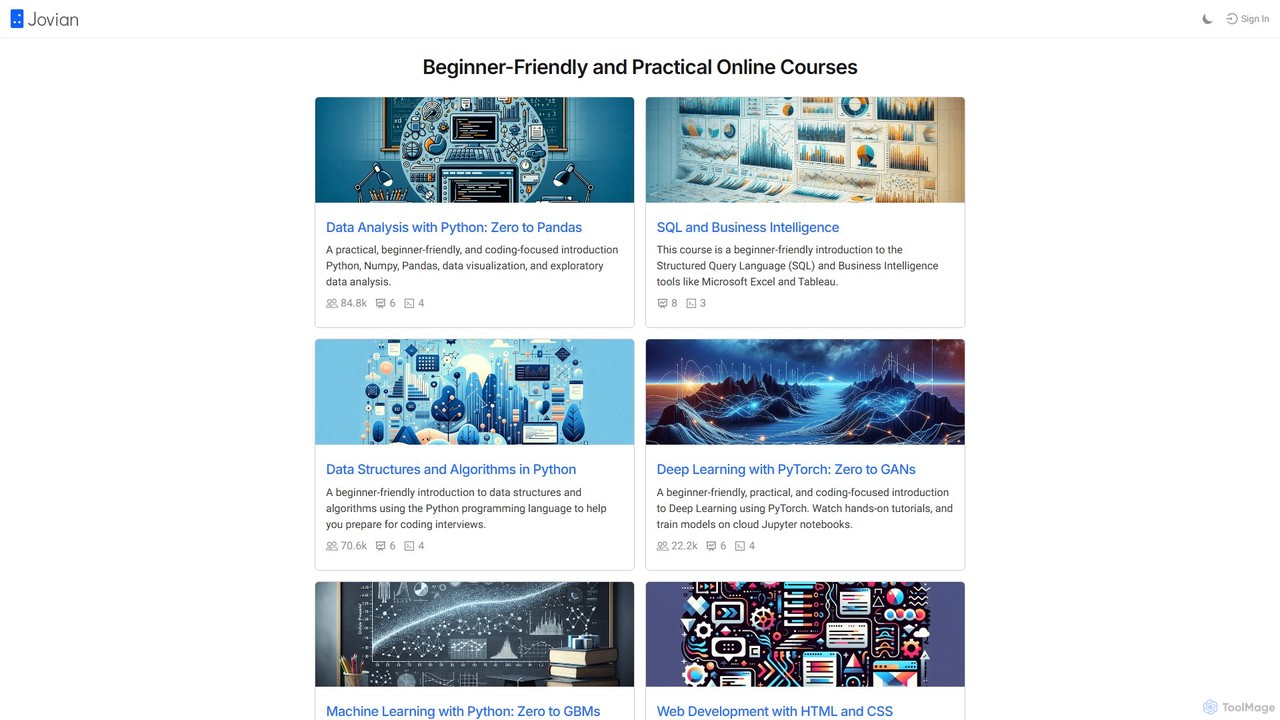
Jovian
Jovian is an online learning platform offering practical, beginner-friendly courses in data science, machine learning, and web development. It focuses on hands-on learning using Python, PyTorch, and other modern technologies, featuring cloud-based Jupyter notebooks and real-world projects to build job-ready skills.
Coding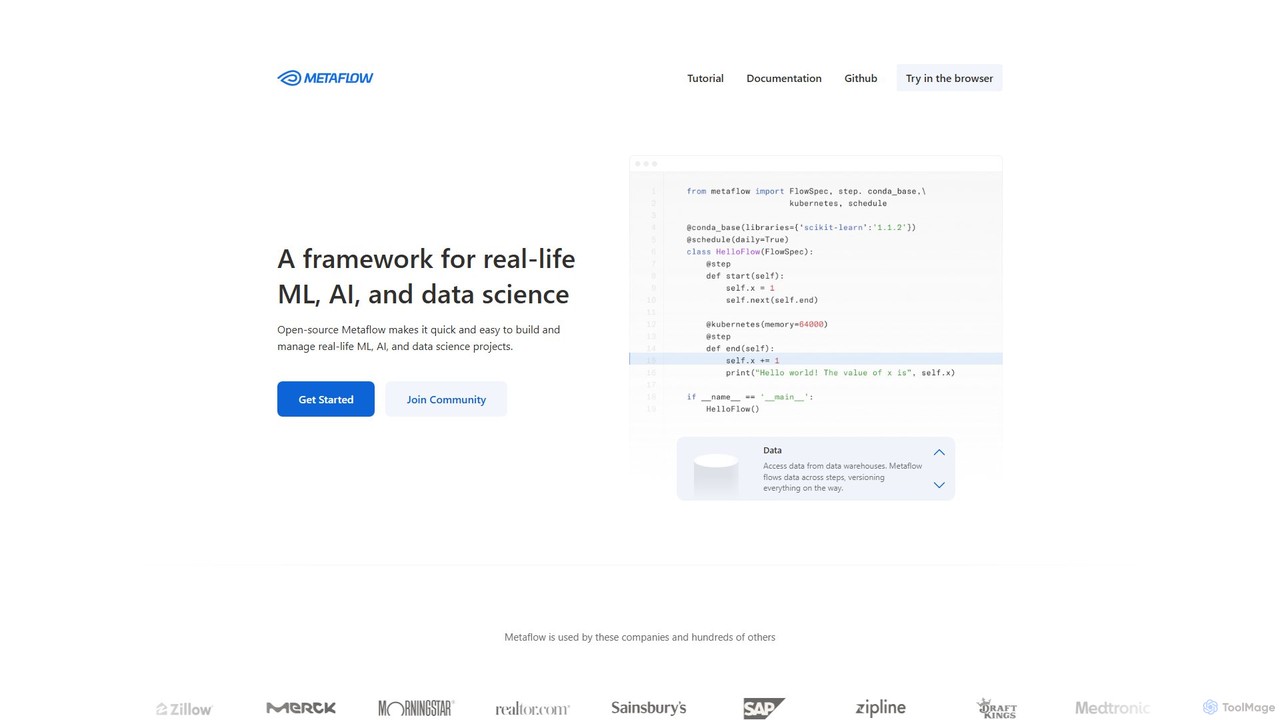
Metaflow
A human-centric Python framework, originally from Netflix, for building and managing real-life data science, ML, and AI projects. It simplifies workflow orchestration, data management, and model deployment, enabling rapid prototyping and scalable production pipelines.
Mlops
Flower Comments (0)
Sign in to comment.
Sign inNo comments yet.