
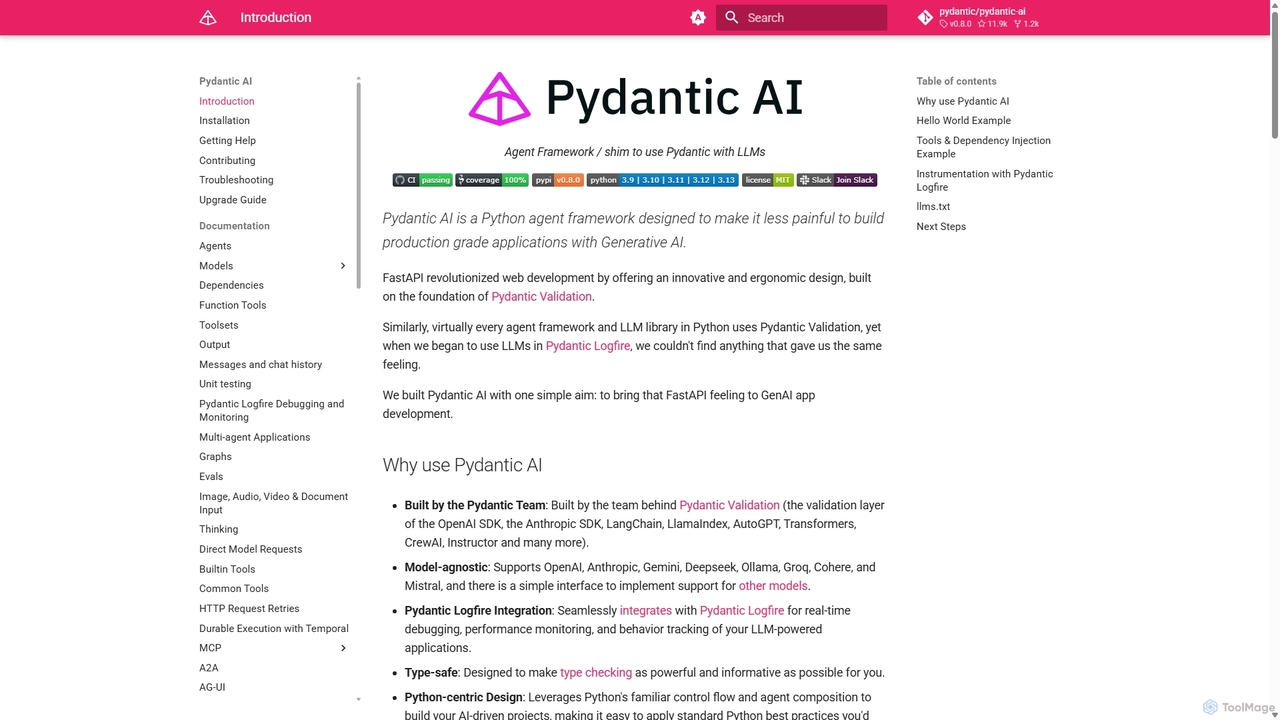
Pydantic AI Overview
Pydantic AI is a powerful Python agent framework developed by the team behind the renowned Pydantic validation library. Its core mission is to streamline the development of production-ready applications powered by Generative AI, providing a developer experience that is as intuitive and efficient as FastAPI. By integrating seamlessly with the Python ecosystem, it allows developers to build complex AI agents using familiar control flows, type safety, and best practices, moving beyond simple scripts to create robust, maintainable systems.
The framework is fundamentally model-agnostic, offering out-of-the-box support for a wide array of Large Language Models (LLMs), including those from OpenAI, Anthropic, Google (Gemini), Deepseek, Ollama, Groq, Cohere, and Mistral. This flexibility ensures that developers are not locked into a single provider and can choose the best model for their specific needs. At its heart, Pydantic AI harnesses the power of Pydantic Validation to enforce structured, reliable, and consistent outputs from LLMs, which is a critical requirement for production applications.
How to use Pydantic AI
Getting started with Pydantic AI is straightforward for any Python developer. The process involves defining an agent, its tools, and its expected output structure.
1. Installation: First, install the library using pip: pip install pydantic-ai
2. Create a Simple Agent: For a basic interaction, you can instantiate an `Agent` and run it with a prompt. The framework handles the communication with the specified LLM.
from Pydantic AI import Agent

agent = Agent(
    'google-gla:gemini-1.5-flash',
    system_prompt='Be concise, reply with one sentence.',
)

result = agent.run_sync('Where does "hello world" come from?')
print(result.output)
3. Build an Advanced Agent with Tools: For more complex tasks, you can define structured outputs using Pydantic's `BaseModel`, create tools that the agent can use, and inject dependencies. For example, a bank support agent can be equipped with a tool to check a customer's balance.
from pydantic import BaseModel, Field
from Pydantic AI import Agent, RunContext

# Define the structured output
class SupportOutput(BaseModel):
    support_advice: str = Field(description='Advice returned to the customer')
    block_card: bool = Field(description="Whether to block the customer's card")

# Create the agent
support_agent = Agent(
    'openai:gpt-4o',
    output_type=SupportOutput,
    system_prompt='You are a support agent in our bank...'
)

# Define a tool the agent can use
@support_agent.tool
async def customer_balance(ctx: RunContext, include_pending: bool) -> float:
    """Returns the customer's current account balance."""
    # ... logic to fetch balance from a database ...
    return 123.45

# Run the agent
result = await support_agent.run('What is my balance?')
print(result.output)
4. Monitoring and Debugging: Pydantic AI integrates seamlessly with Pydantic Logfire, allowing you to monitor, debug, and track the performance and behavior of your LLM applications in real-time with minimal setup.
Core Features of Pydantic AI
- Model-Agnostic: Supports a wide range of LLMs including OpenAI, Anthropic, Gemini, Ollama, Groq, and more, with a simple interface to add custom models.
- Structured Responses: Utilizes Pydantic Validation to ensure that LLM outputs are consistently structured and validated against a defined schema.
- Type-Safe Design: Leverages Python's type hints to provide a powerful and informative type-checking experience, reducing errors.
- Python-Centric Design: Enables building AI agents using standard Python control flow and composition, making code more readable and maintainable.
- Dependency Injection: An optional system to provide data and services (like database connections) to agents, simplifying testing and development.
- Streamed Responses: Supports continuous streaming of LLM responses with immediate validation, enabling real-time applications.
- Pydantic Logfire Integration: Offers seamless observability for real-time debugging, performance monitoring, and behavior tracking.
- Graph Support: Includes Pydantic Graph to define complex application flows and state machines, preventing spaghetti code in sophisticated agents.
Use Cases for Pydantic AI
Pydantic AI is ideal for building a variety of production-grade AI applications:
- Customer Support Automation: Create intelligent chatbots that can understand user queries, use tools to access customer data (e.g., order status, account balance), and perform actions like blocking a credit card or creating a support ticket.
- Internal Data Tools: Build agents that allow non-technical users to query databases or internal APIs using natural language, generating reports or fetching specific information.
- Automated Workflow Agents: Develop systems that can process unstructured data (like emails or documents), extract relevant information, and trigger actions in other systems (e.g., creating a task in a project management tool).
- Complex Multi-Step Reasoning: Implement agents that can break down a complex problem into smaller steps, use different tools for each step, and combine the results to provide a comprehensive answer.
Advantages of Pydantic AI
The primary advantage of Pydantic AI is its focus on production-readiness and developer experience. By being built on the solid foundation of Pydantic, it brings reliability, predictability, and maintainability to AI development. Its Python-centric approach means developers don't have to learn a new DSL or paradigm, leading to faster development cycles. The model-agnostic design provides crucial flexibility, while the tight integration with Pydantic Logfire makes observability a first-class citizen, which is essential for managing complex AI systems in production.
Pricing and Plans
Pydantic AI is a free, open-source Python library. There are no direct costs, subscriptions, or licensing fees associated with using the framework itself. Users are only responsible for the costs incurred from the API usage of the underlying Large Language Models (e.g., OpenAI API, Google AI Platform) they choose to integrate with their applications.
Traffic
Latest traffic
Status
Monthly traffic trend
- 2025-9: 128.4K
- 2026-1: 121.0K
- 2026-2: 155.4K
- 2026-3: 163.3K
- 2026-4: 46.6K
- 2026-5: 3.5K
Geography
Top 5 countries / regions
- 🇮🇳India77.0%
- 🇩🇪Germany23.0%
Top keywords
| Keyword | Cost per click |
|---|---|
| logfire | $10.40 |
| pedantic ai | $0.00 |
| pydantic | $1.14 |
| pydantic ai | $3.15 |
| pydanticai | $4.59 |
Pydantic AI Categories
Pydantic AI Jobs
Pydantic AI AI Tool Comparisons
Pydantic AI Embed Widget
Copy this embed code to place the badge on your blog, article, or product site and send readers directly to this ToolMage detail page.

Related AI tools

ConnectOnion
ConnectOnion is a minimalist Python framework designed to build production-ready AI agents with significantly less code. It simplifies agent creation by combining Markdown prompts and Python functions, reducing boilerplate by up to 85% compared to other frameworks.
Libraries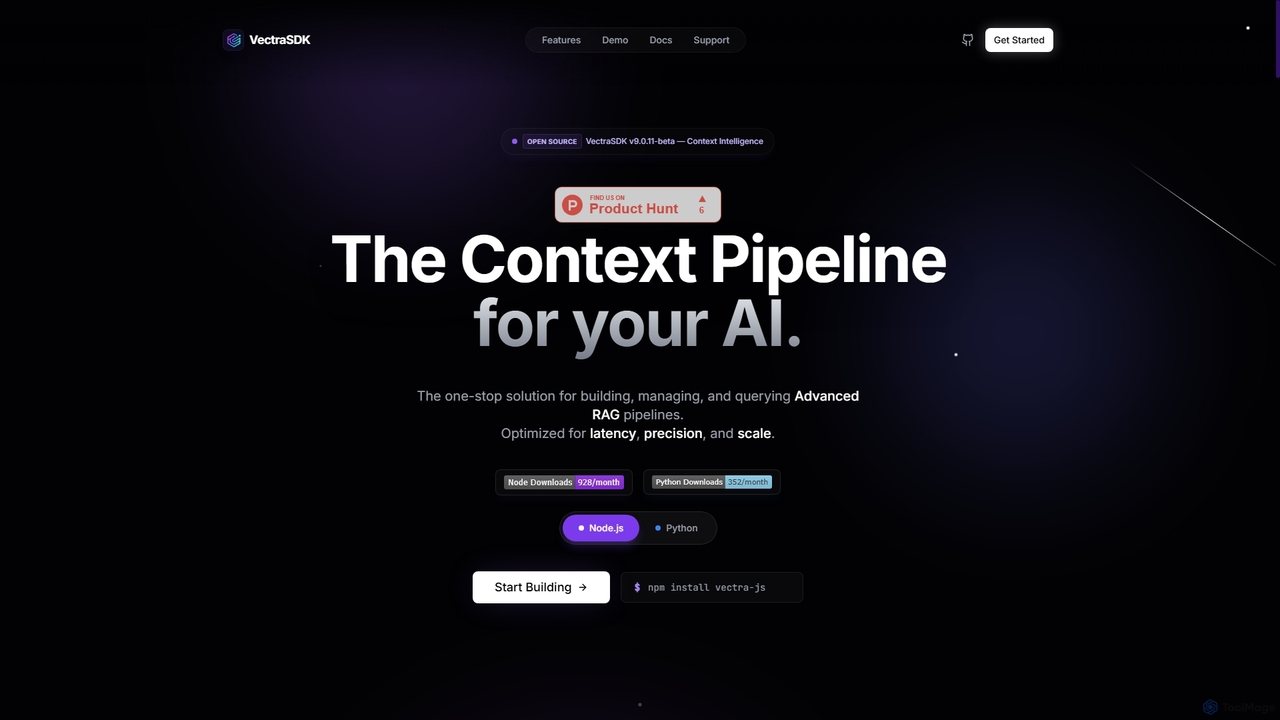
Vectra
Vectra is an open-source, production-grade SDK for Node.js and Python, designed to build, manage, and query advanced Retrieval-Augmented Generation (RAG) pipelines. It offers a comprehensive toolkit for developing context-aware AI applications, optimized for low latency, high precision, and scalability.
Rag Pipelines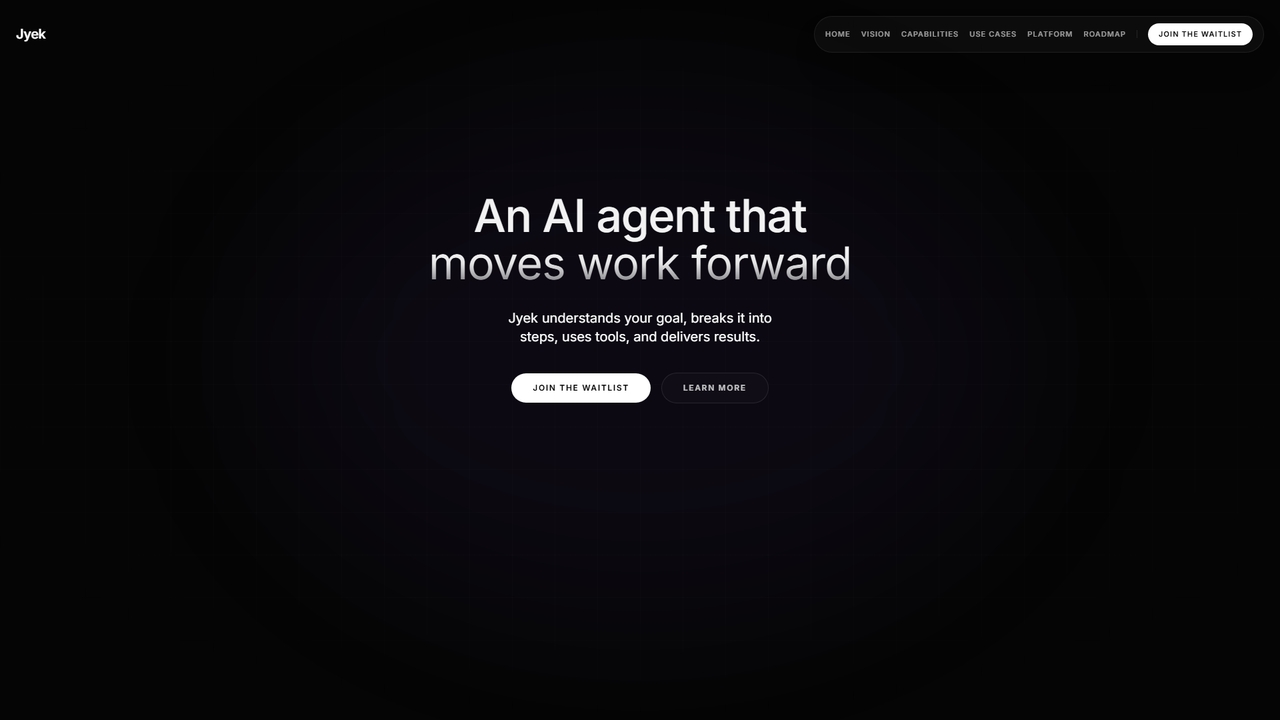
Jyek
Jyek is an AI agent platform that understands objectives, creates execution plans, uses tools, and delivers verifiable results for complex, multi-step tasks.
Automation
MindMeld
A powerful, open-source conversational AI platform from Cisco, designed for developers. It provides a comprehensive Python-based framework for building deep-domain voice interfaces and chatbots with advanced Natural Language Processing (NLP) capabilities, offering full control and on-premise deployment.
Chatbot Builder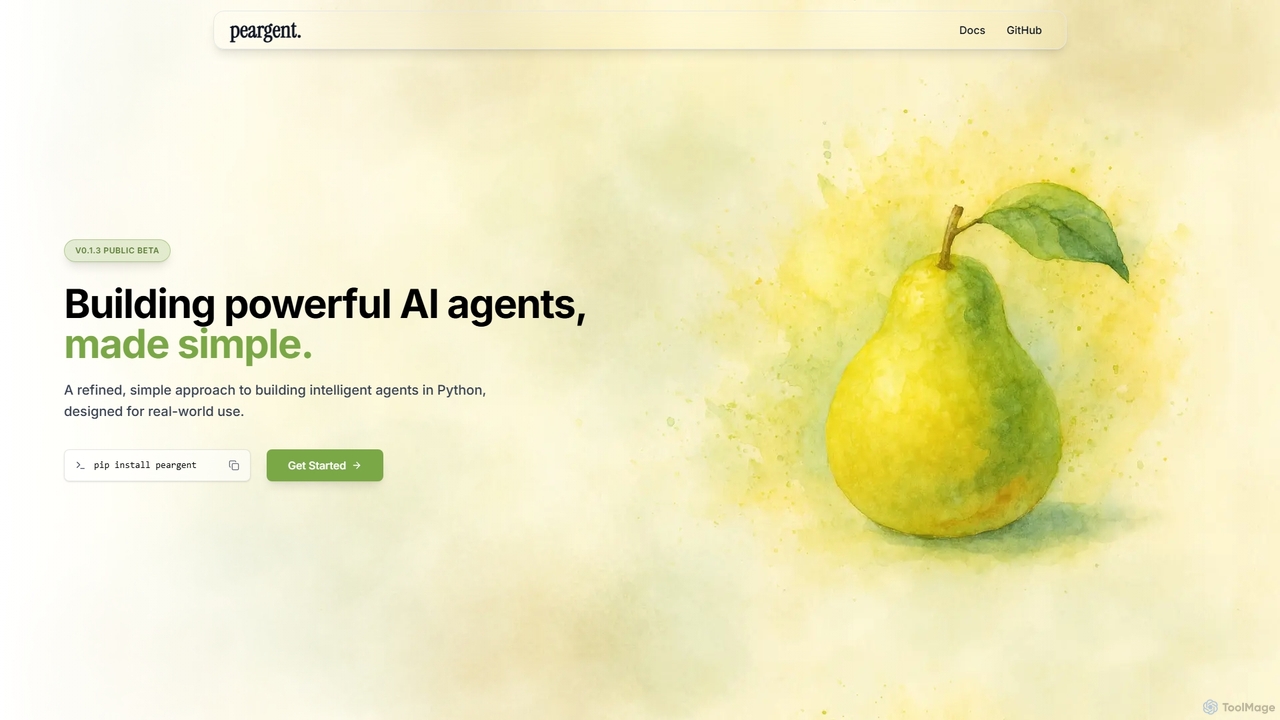
Peargent
Peargent is a modern, powerful Python framework designed for building intelligent, production-grade AI agents. It offers an intuitive API, flexible LLM support, multi-agent orchestration, and persistent memory, enabling developers to create scalable and robust AI solutions for real-world use.
Agent Development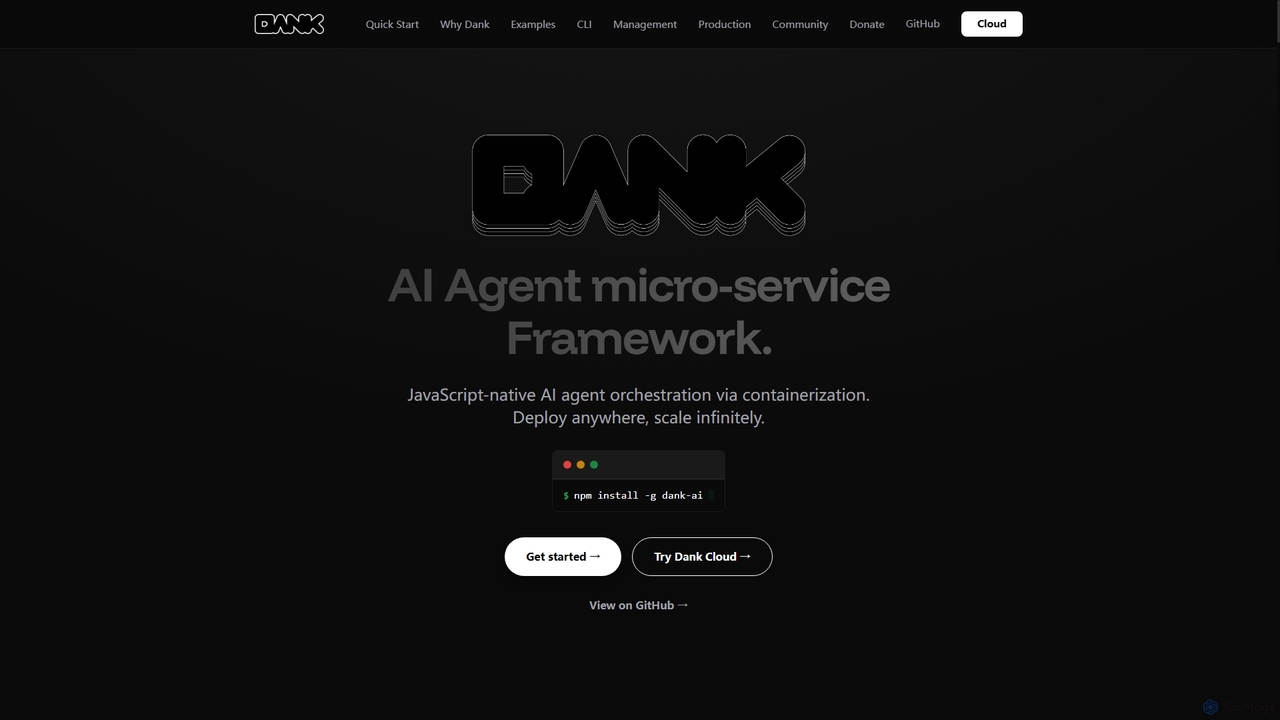
Dank
Dank is a JavaScript-native, open-source framework for orchestrating and deploying containerized AI agents. It enables developers to build, manage, and scale multiple AI agents as microservices across any cloud infrastructure, simplifying complex AI deployments with Docker-native architecture and real-time monitoring.
Agent Frameworks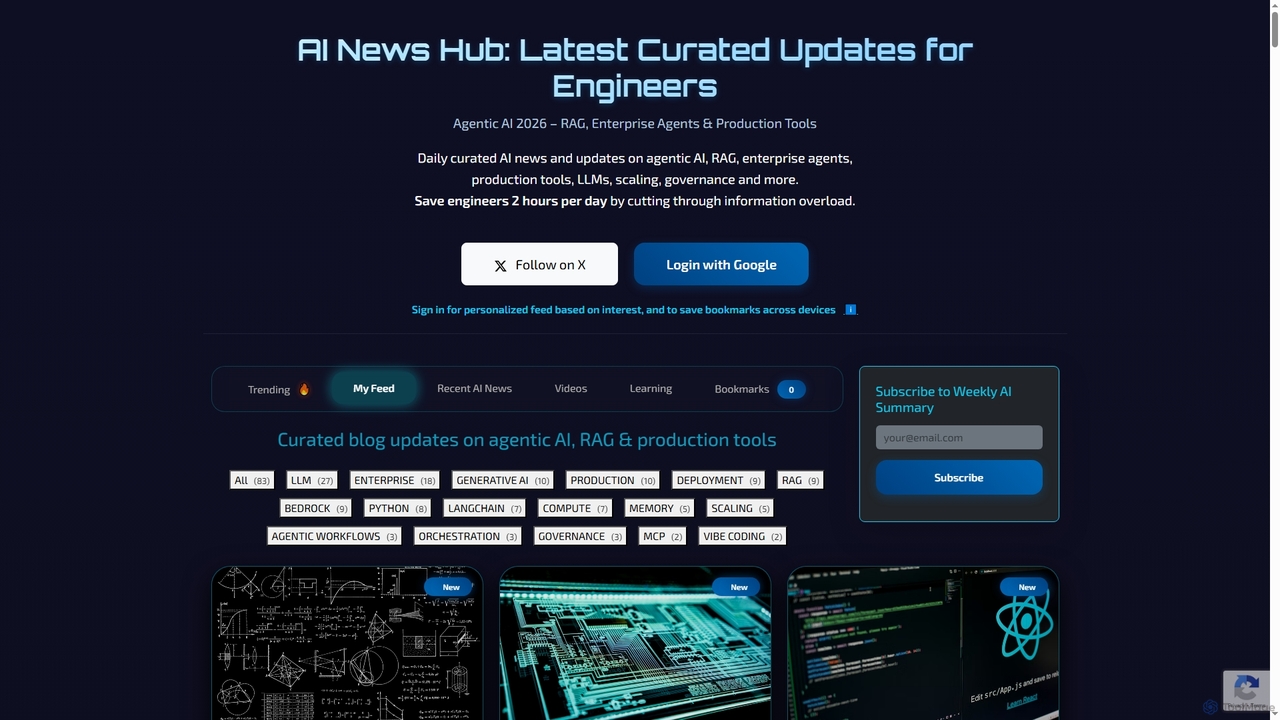
AI News Hub
AI News Hub is a comprehensive platform providing real-time AI announcements, curated blog updates on agentic AI, RAG, and production tools. It offers a personalized feed, bookmarking capabilities, and a rich collection of learning resources, including roadmaps, courses, and videos, to keep developers and enthusiasts informed and skilled in the rapidly evolving AI landscape.
Aggregation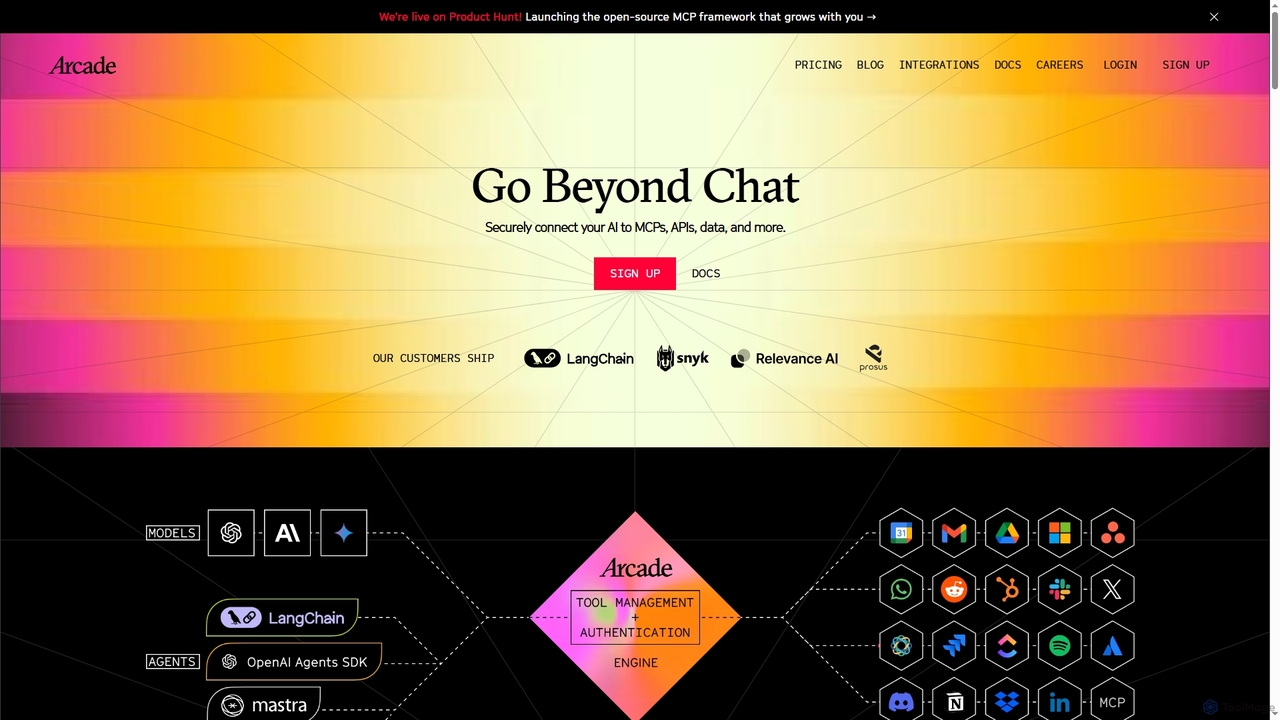
Arcade
Arcade is an AI tool-calling platform for developers, enabling AI agents to securely perform actions on behalf of users. It connects AI to services like Gmail, Slack, and APIs through pre-built connectors and a custom SDK, handling complex authentication (OAuth) automatically. This allows developers to build assistants that go beyond chat to execute real-world tasks.
Framework
MindsDB
MindsDB is an open-source AI layer for databases, enabling developers to build, train, and deploy AI models and agents using standard SQL. It connects to hundreds of data sources, unifies structured and unstructured data into knowledge bases, and allows you to get AI-powered answers directly from your data without complex ETL pipelines.
Machine Learning
smolagents
smolagents is a minimalist, open-source AI agent framework developed by Hugging Face. It empowers developers to build and deploy powerful, code-first AI agents with minimal Python code. By focusing on simplicity and efficiency, it enables Large Language Models (LLMs) to interact with tools and the real world seamlessly, supporting a wide range of models and secure execution environments.
Development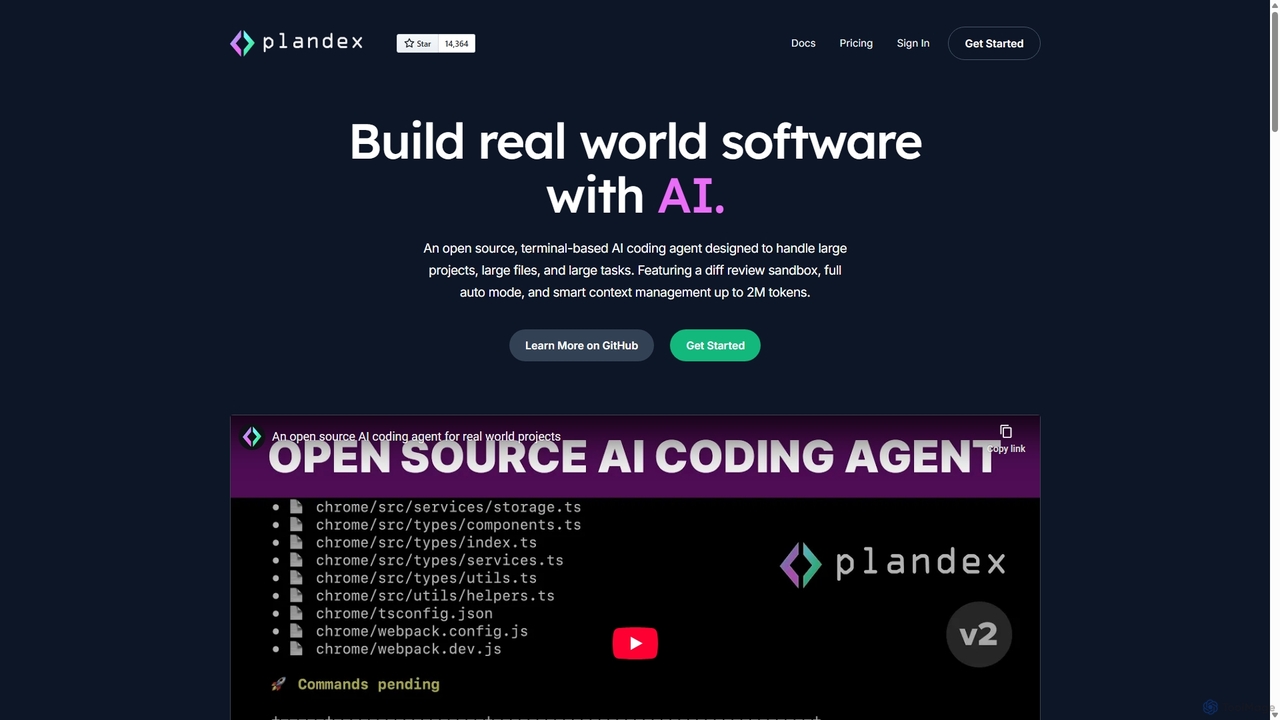
Plandex
Plandex is an open-source, terminal-based AI coding agent designed for complex, large-scale software development tasks. It excels at handling large projects and files with its 2M token context window. Featuring a diff review sandbox, configurable autonomy, and multi-model support, Plandex empowers developers to build, debug, and refactor entire applications with AI assistance, ensuring control and productivity in a dev-friendly workflow.
Code Generation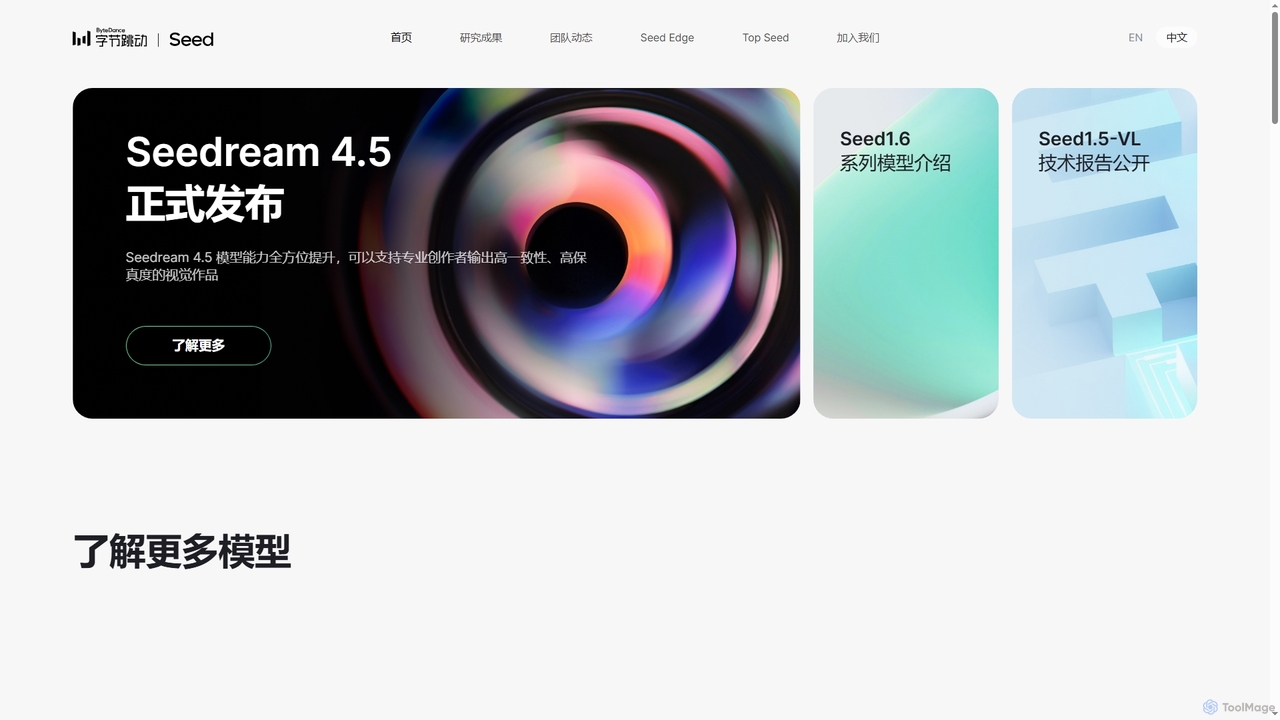
Seed
Seed is ByteDance's advanced AI research initiative focused on building general artificial intelligence. They develop foundational models across various domains including multimodal, vision, speech, robotics, and LLMs, driving innovation in both academic research and real-world applications.
Foundational Models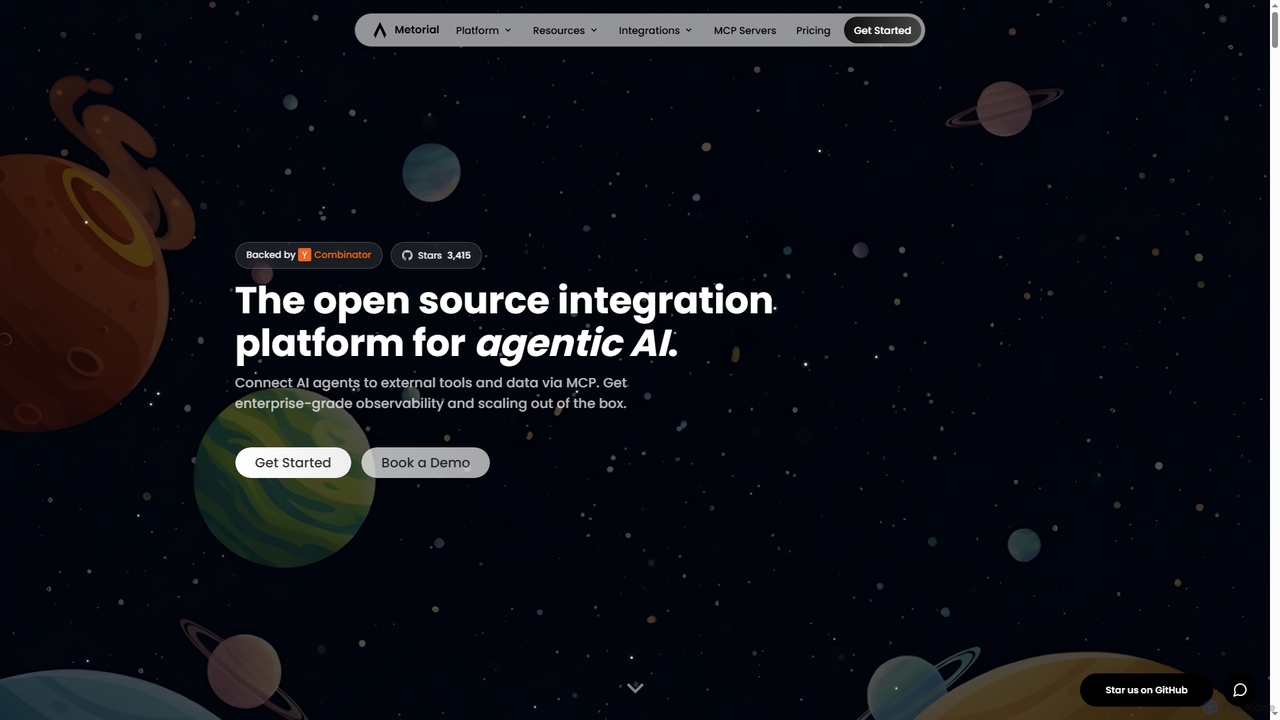
Metorial
Metorial is an integration platform for AI agents, enabling developers to quickly build, deploy, and monitor powerful agentic AI applications. It provides seamless connections to hundreds of tools, data sources, and APIs via its serverless Model Context Protocol (MCP) platform, offering robust SDKs, observability, and enterprise-grade security for scalable AI solutions.
Agentic Ai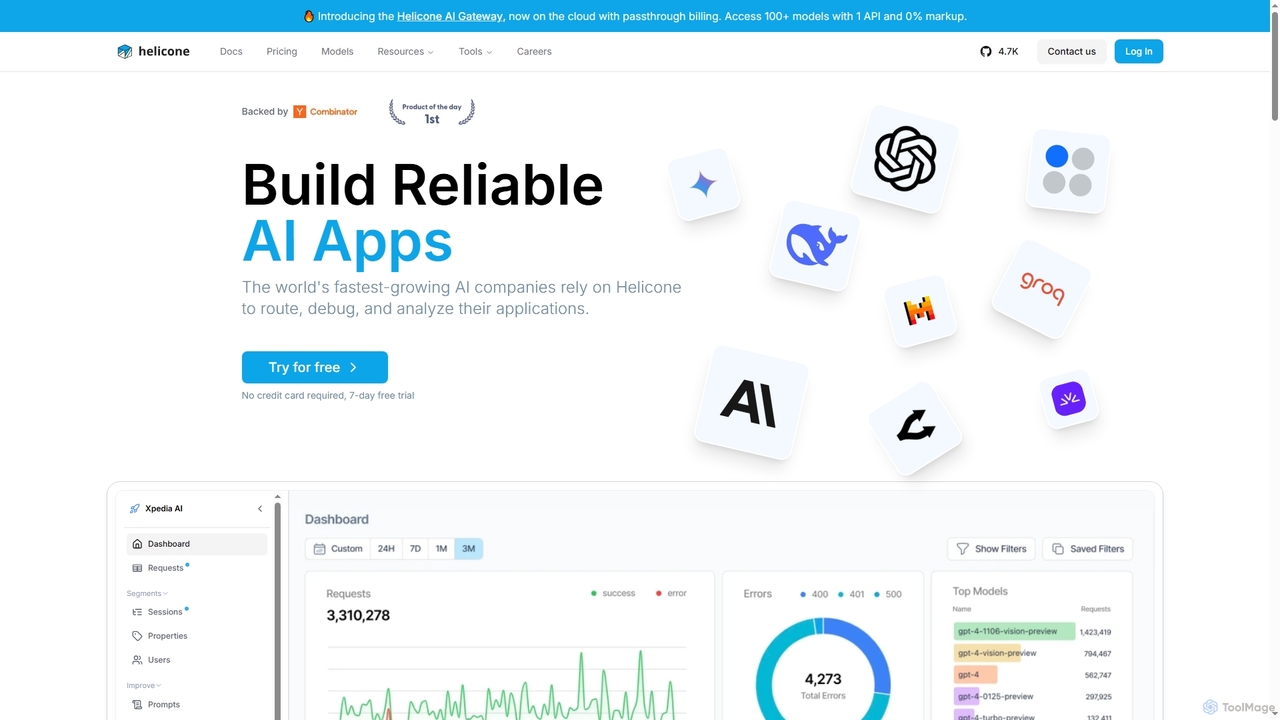
Helicone
Helicone is an open-source platform offering an AI Gateway and LLM Observability for developers. It helps build reliable AI applications by providing tools to route, monitor, debug, and analyze LLM usage. Key features include a unified API for 100+ models, intelligent caching, rate limiting, prompt management, and detailed performance analytics.
Api Management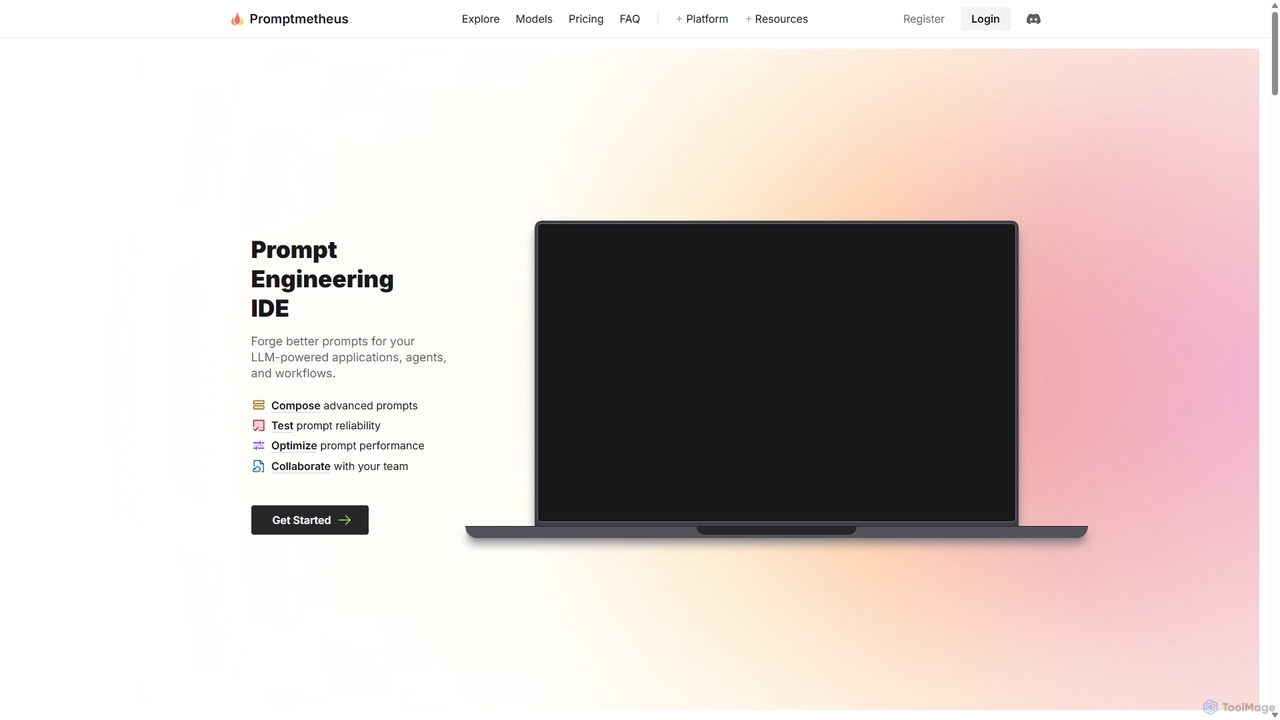
Promptmetheus
Promptmetheus is a professional Prompt Engineering IDE designed for developers and teams to build, test, and optimize high-quality prompts for LLM-powered applications. It supports over 100 LLMs, offers advanced composition tools, reliability testing, performance optimization, and real-time team collaboration, enabling a systematic and efficient approach to prompt design.
Model Management
Pydantic AI Comments (0)
Sign in to comment.
Sign inNo comments yet.